Most pickups leave the factory sitting lower in the front than the rear. That rake is deliberate: it leaves room for the rear to squat under a load or a trailer. A leveling kit raises the front to even things out and usually makes room for a slightly bigger tire. A suspension lift raises the whole truck, front and rear, for real ground clearance and much bigger tires. A body lift raises the body off the frame for tire room without changing the suspension.
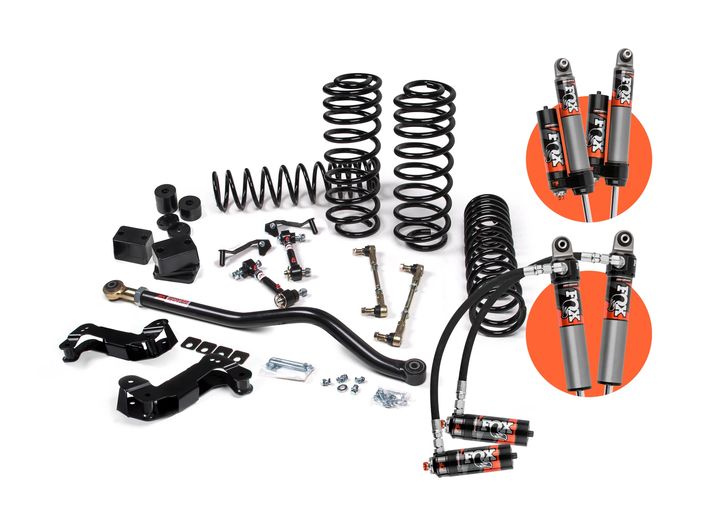
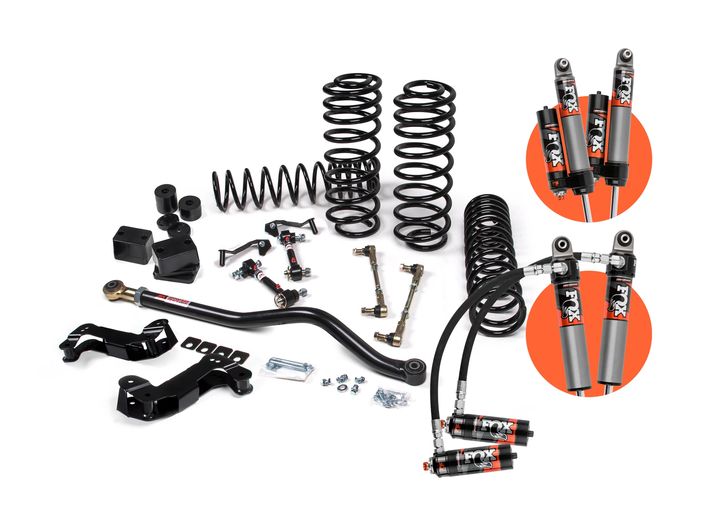
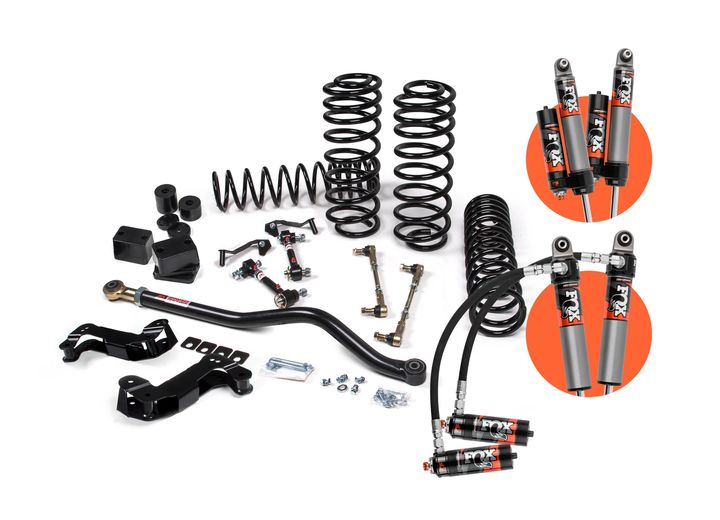
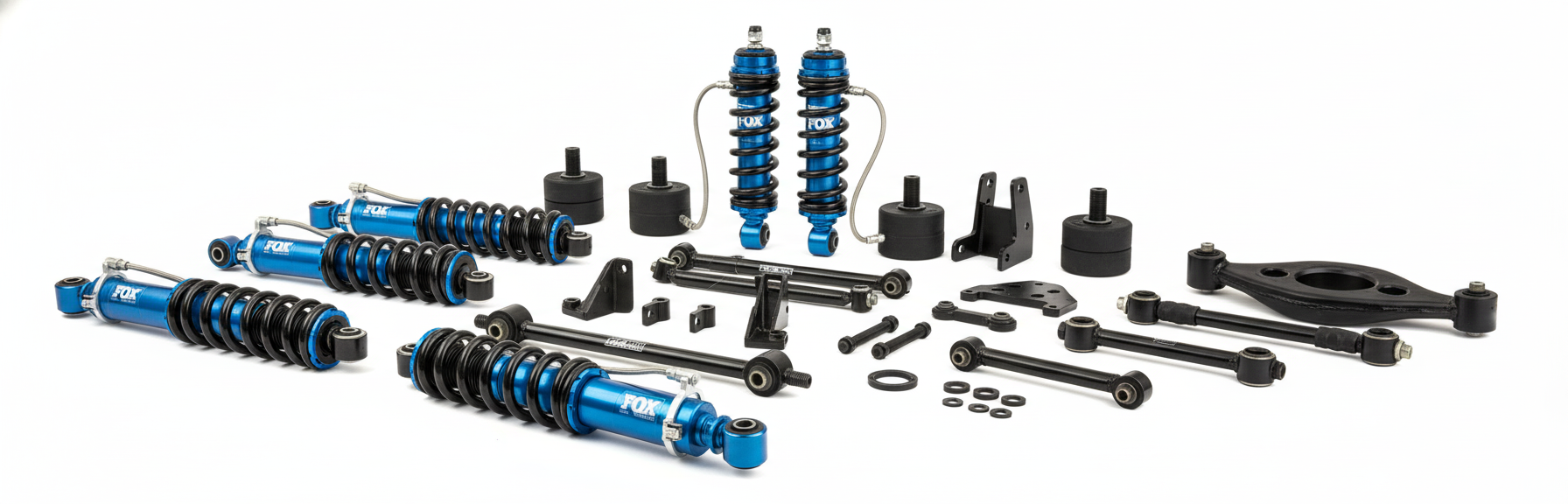
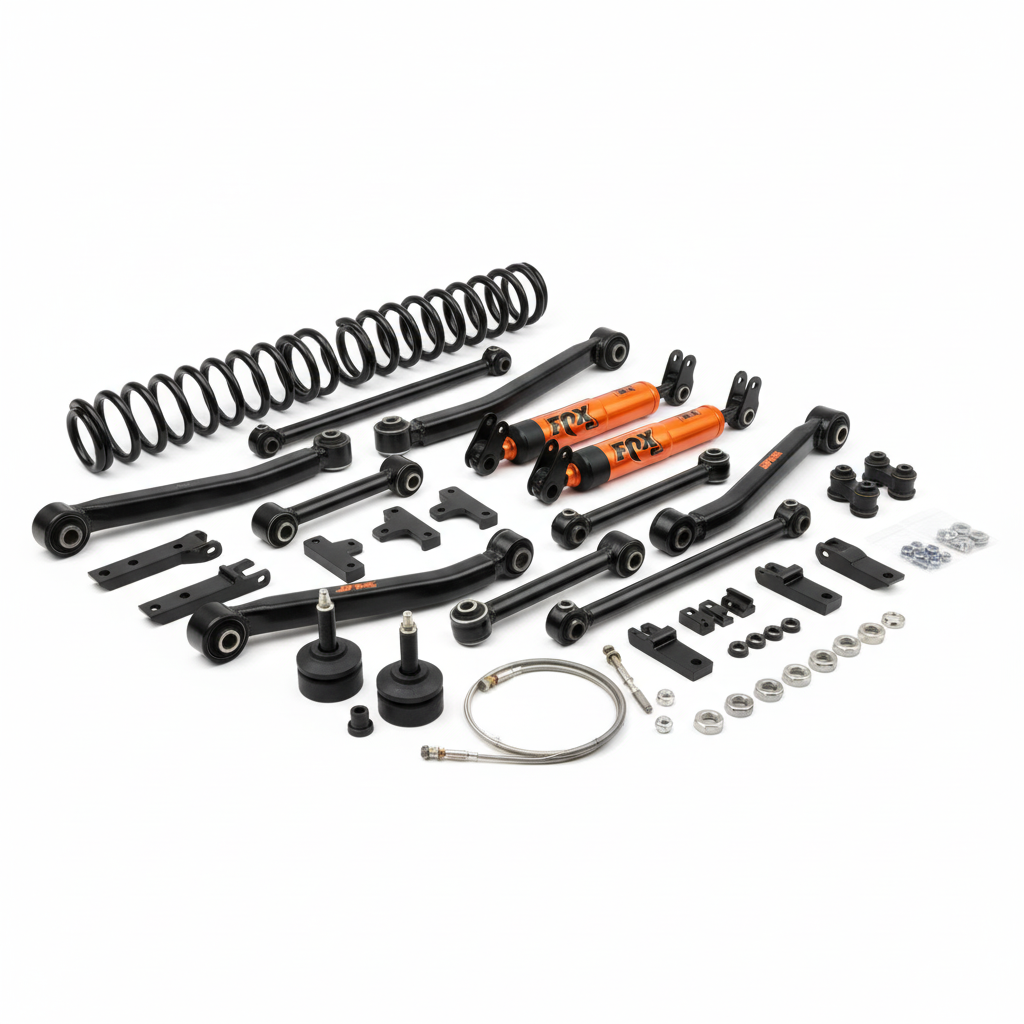
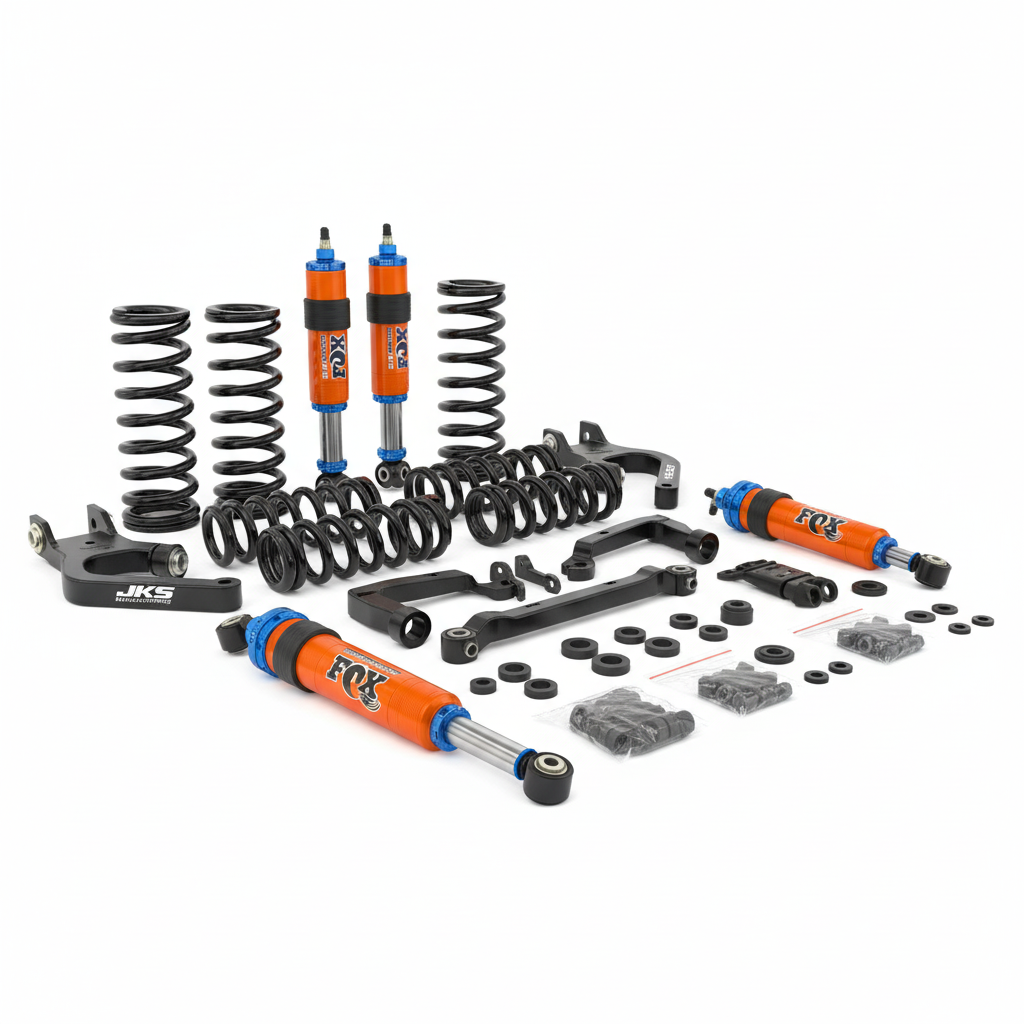
We carry kits from Fabtech, Zone Offroad, Skyjacker, Maxtrac, Rough Country, JKS, Eibach, Pro Comp, Tuff Country and Body Armor 4X4, ranging from under $100 leveling kits to multi-thousand dollar Jeep systems with Fox shocks. This guide helps you figure out which category fits how you use your truck, then what to budget for beyond the kit itself.
Leveling kit vs suspension lift vs body lift
| Type | Typical lift | Typical price range here | What it does | Best for |
|---|---|---|---|---|
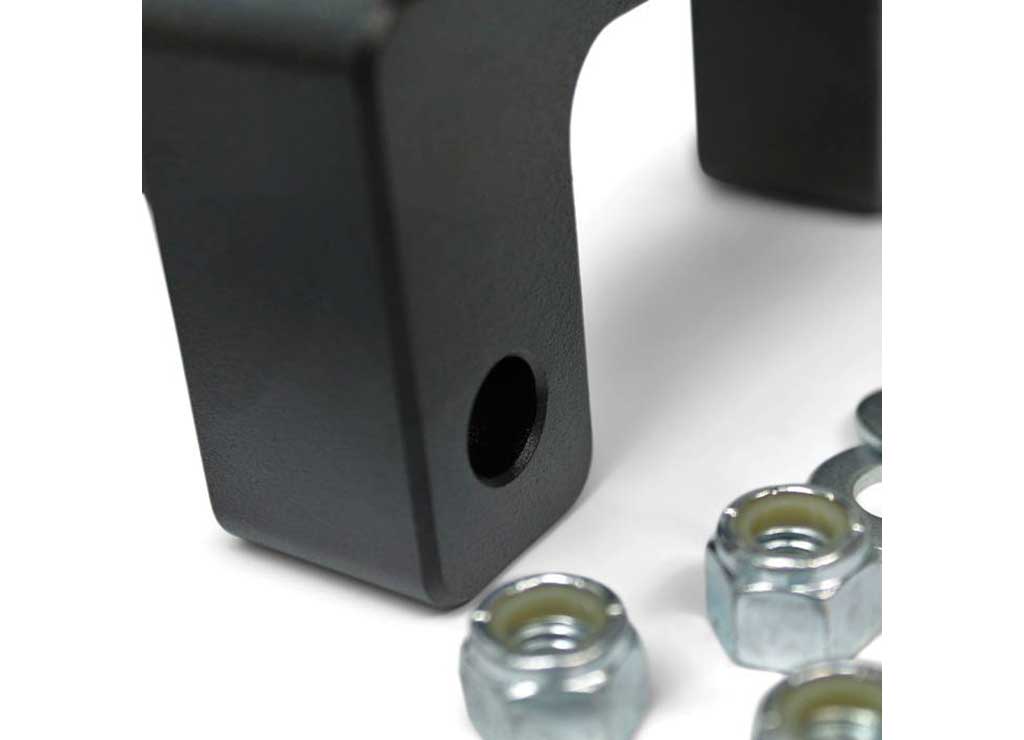
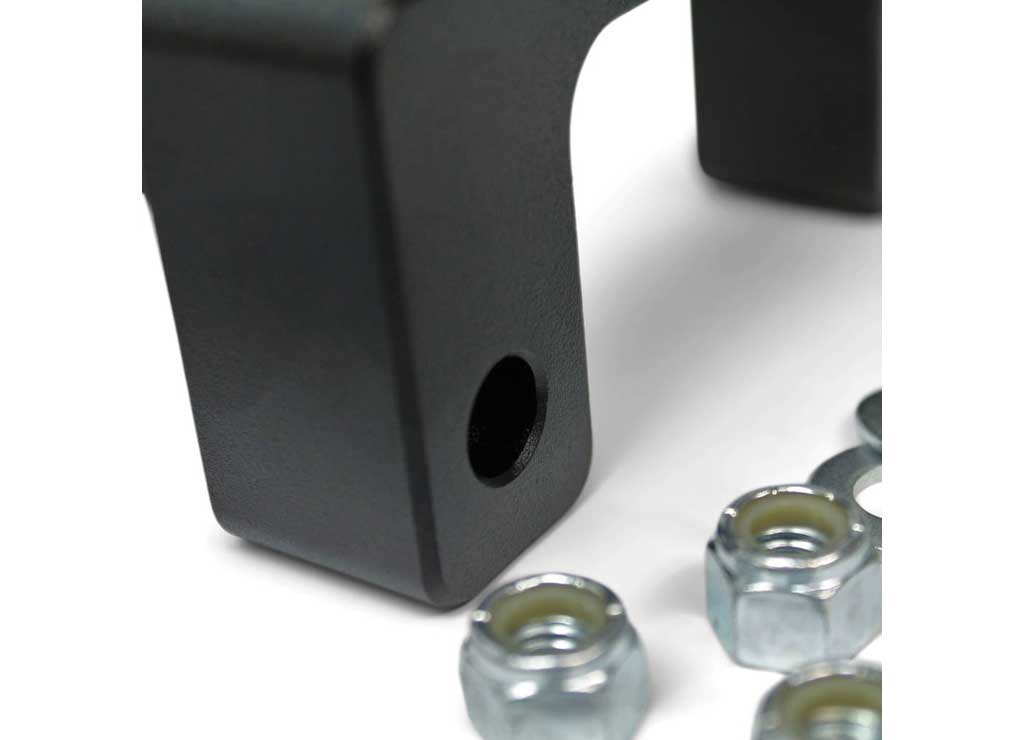
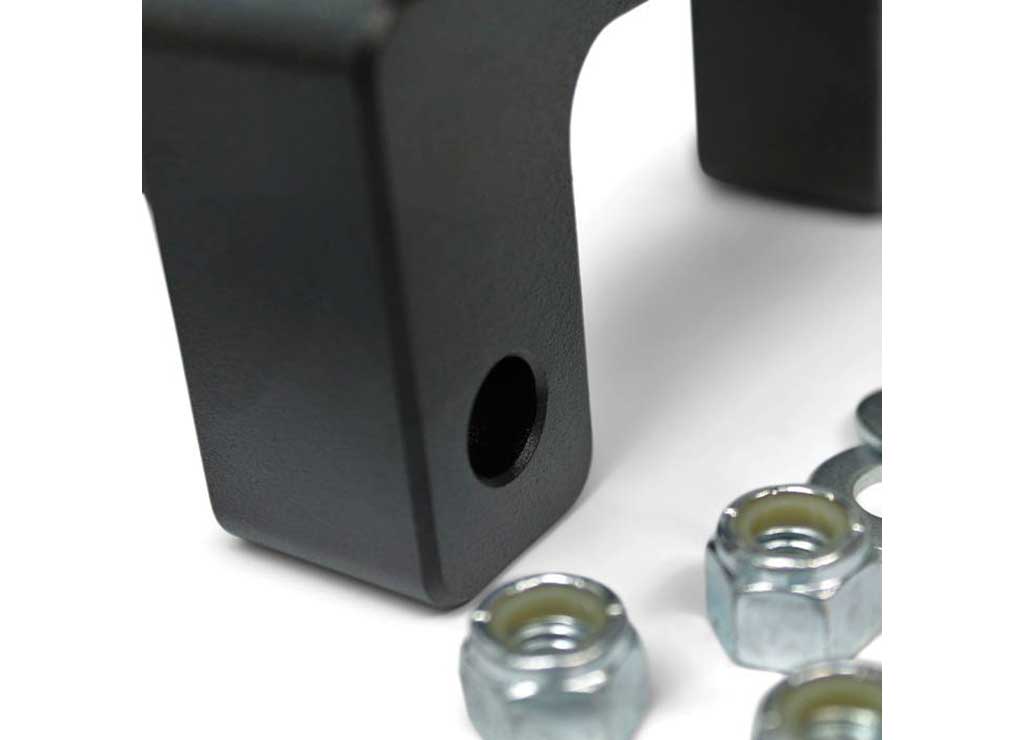
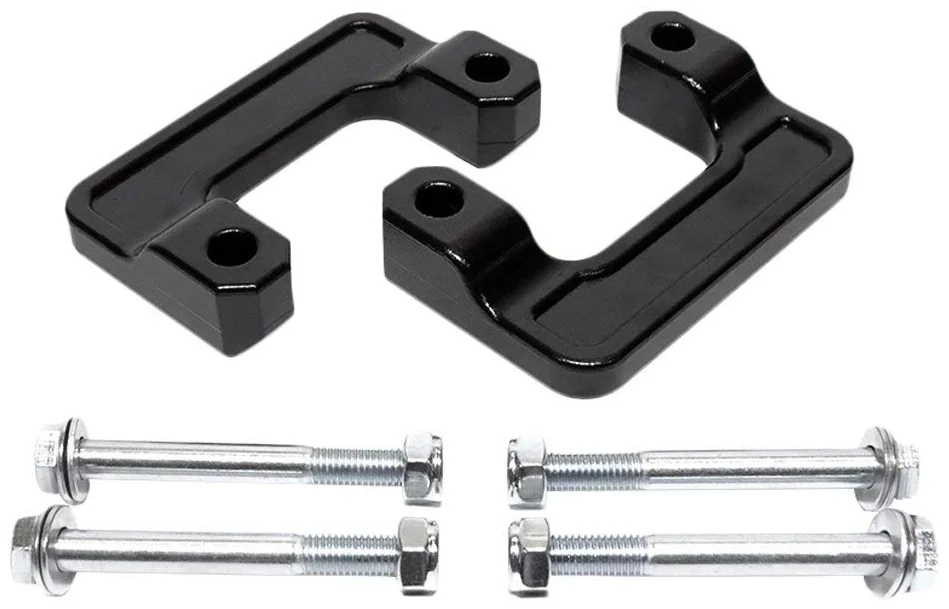
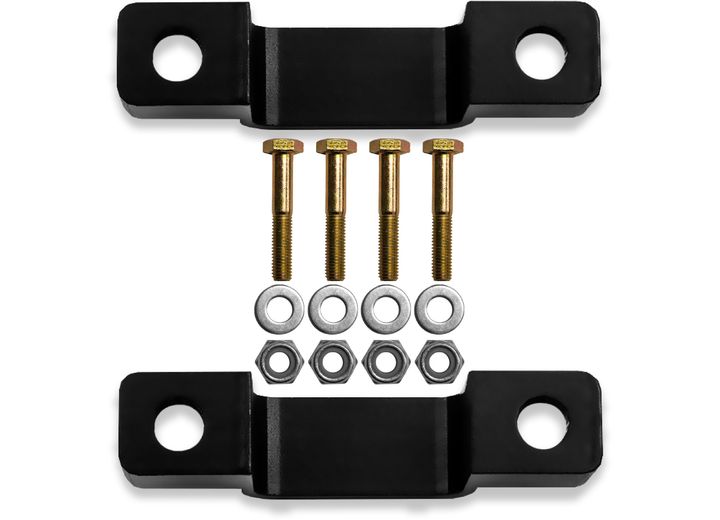
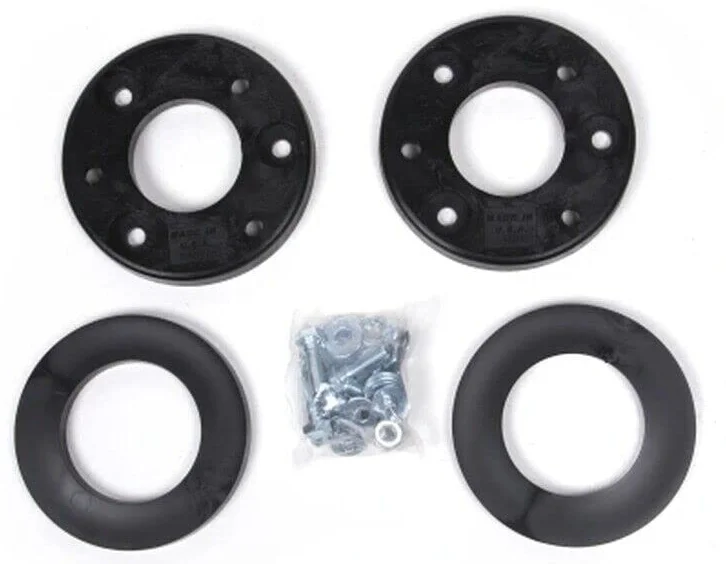
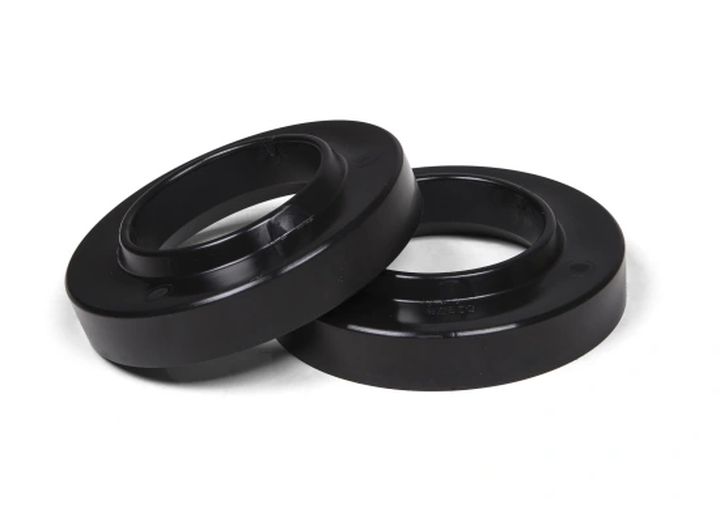
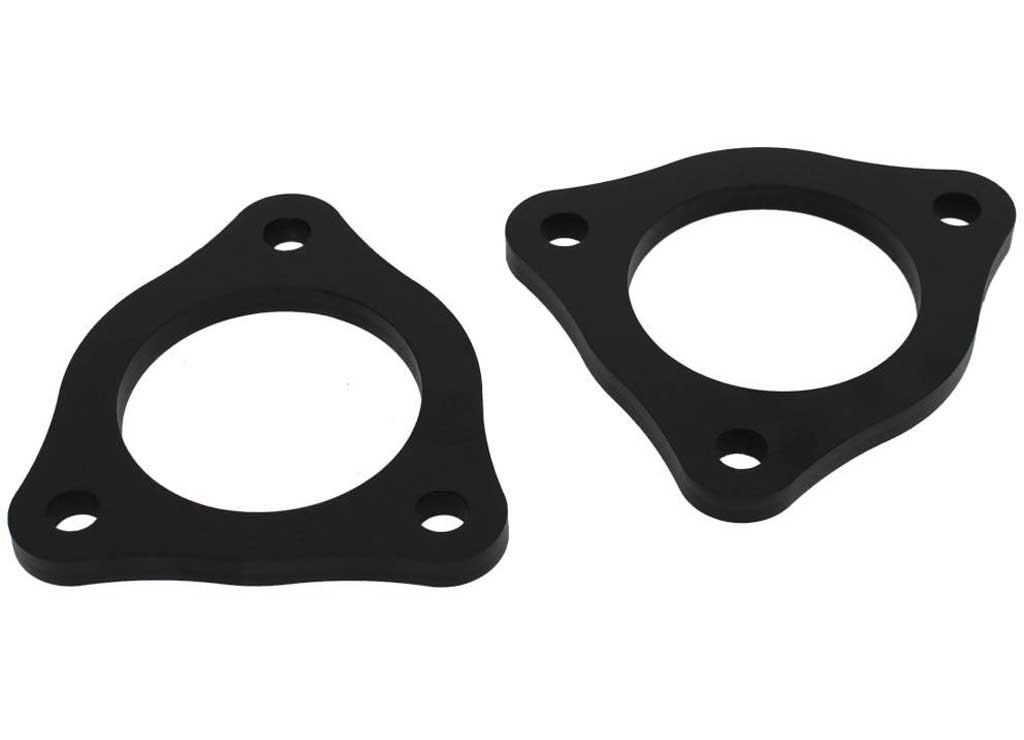
| Leveling kit | 1.5 to 3" front only | About $70 to $250 (more with shocks) | Removes factory rake with strut spacers, coil spacers or torsion keys | Daily drivers wanting a level stance and one tire size up |
| Spacer or entry lift | 2 to 3.5" front and rear | About $250 to $1,000 | Front spacers plus rear blocks, add-a-leafs or coil spacers | Moderate tire upgrade with a mostly stock ride |
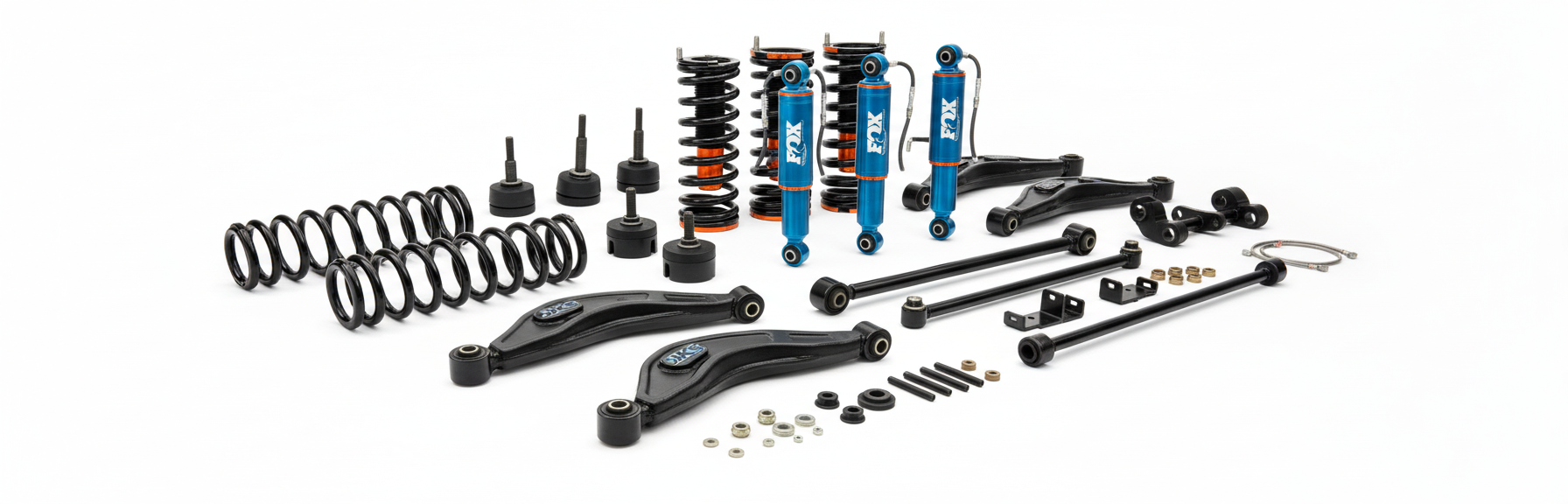
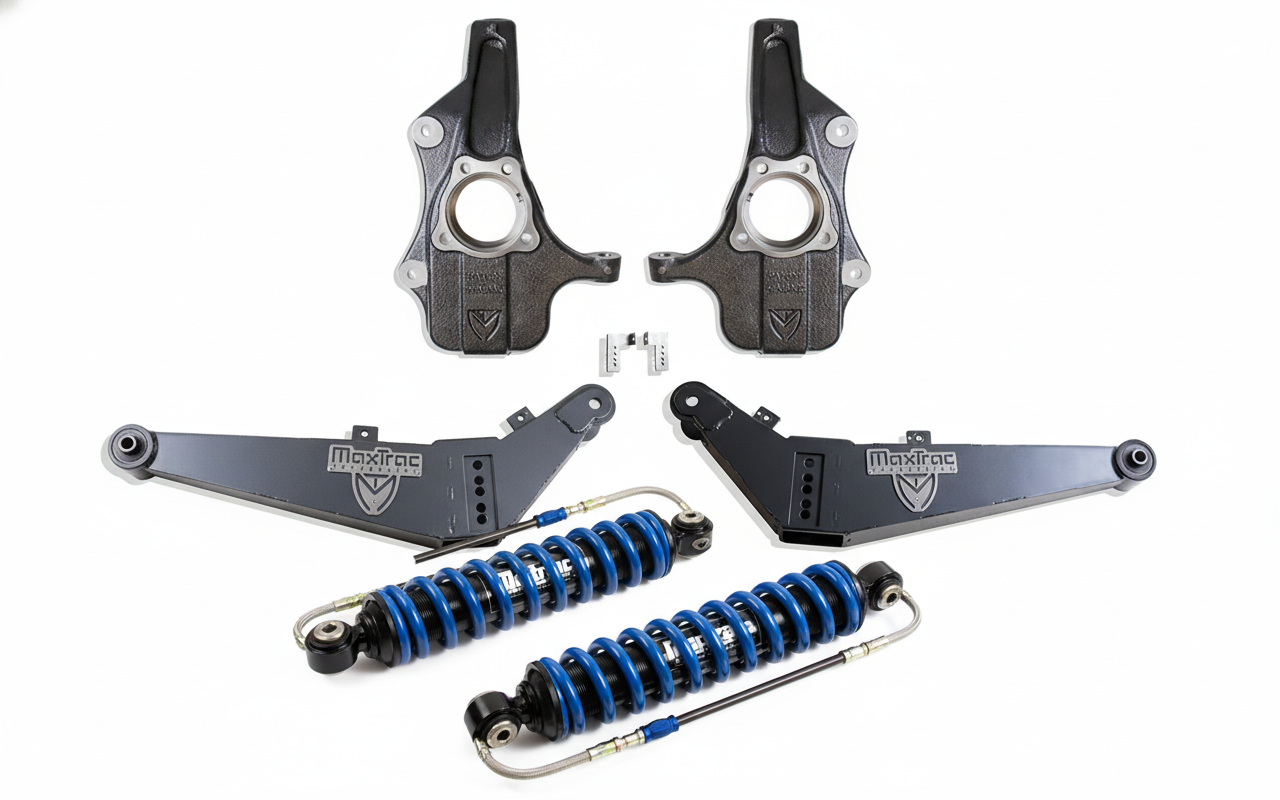
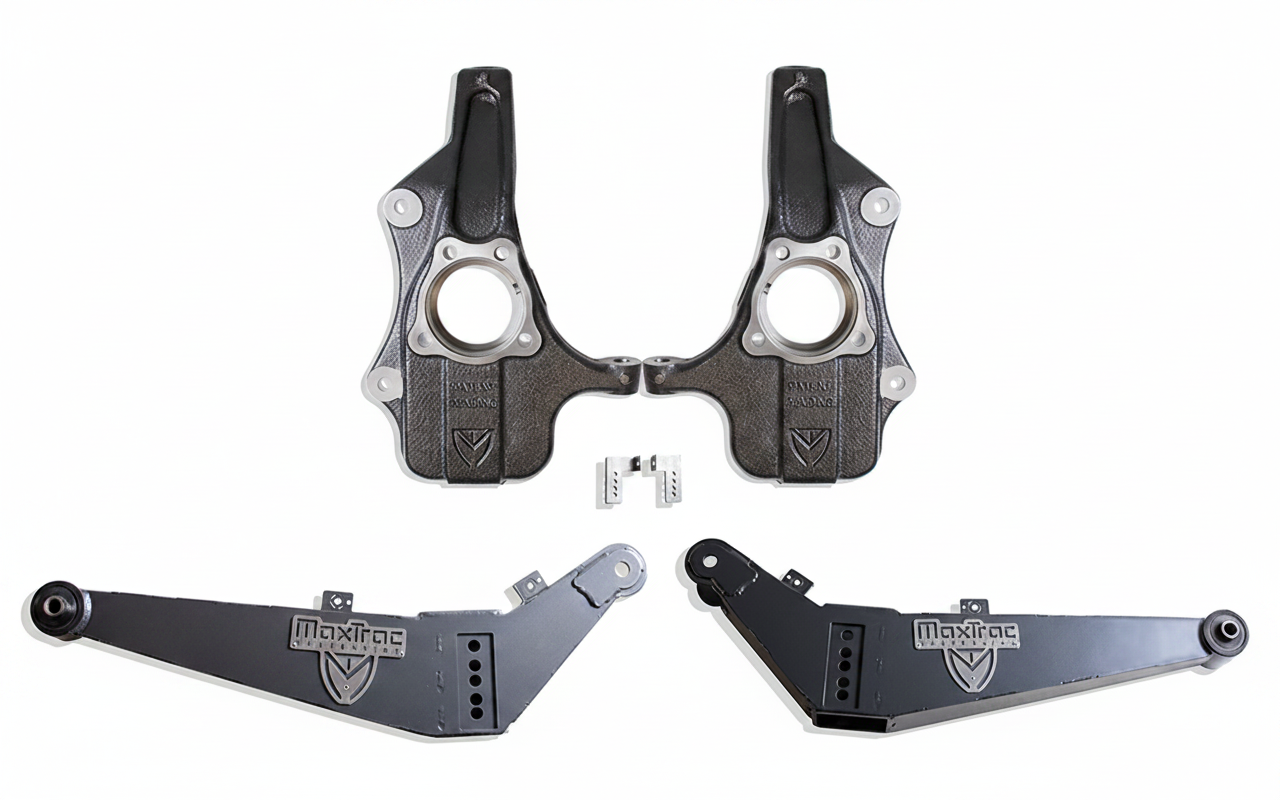
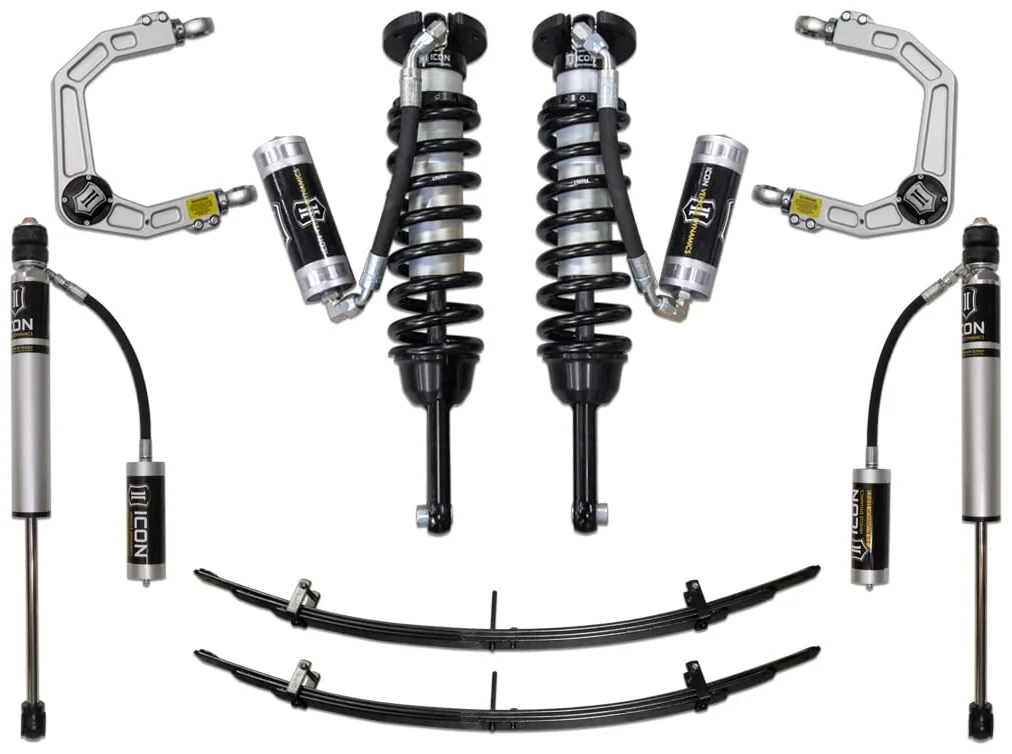
| Full suspension lift | 4 to 8" | About $900 to $3,000+ | New knuckles, crossmembers or subframes, springs, longer shocks | Big tires, off-road clearance, show builds |
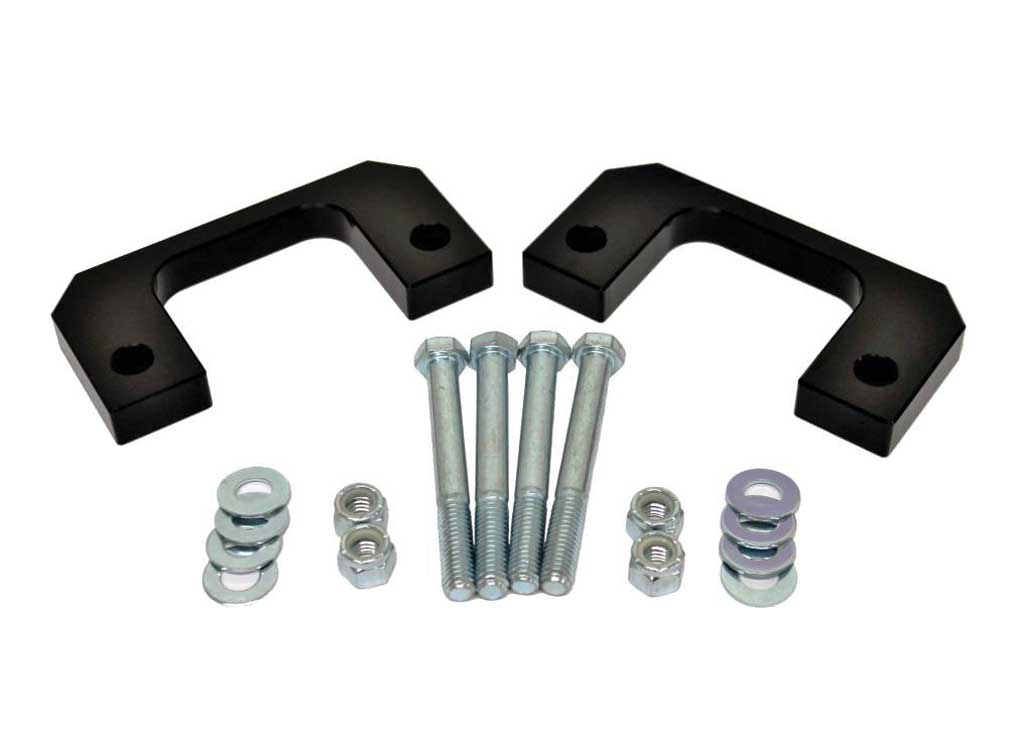
| Body lift | 1 to 3" (some kits more) | Varies by truck | Spacers between body and frame | Tire room without changing suspension geometry |
Price ranges reflect what we stock, not a rule, and vary a lot by truck. A key point about body lifts: they add tire room but no extra clearance under the axles or frame, because the frame and suspension stay where they were.
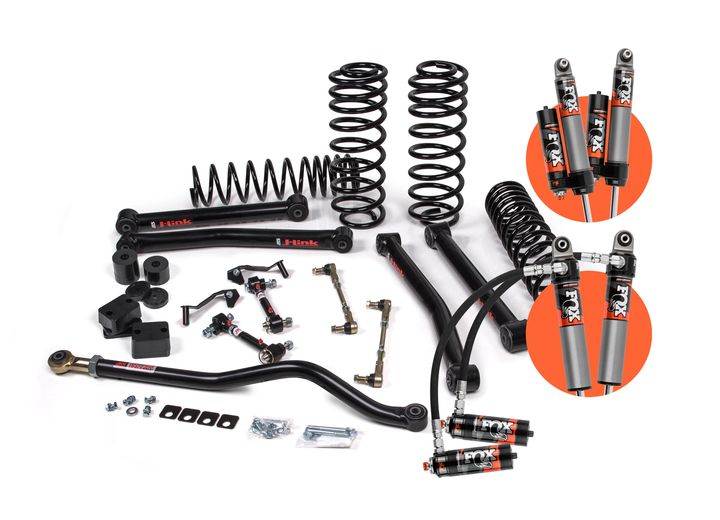
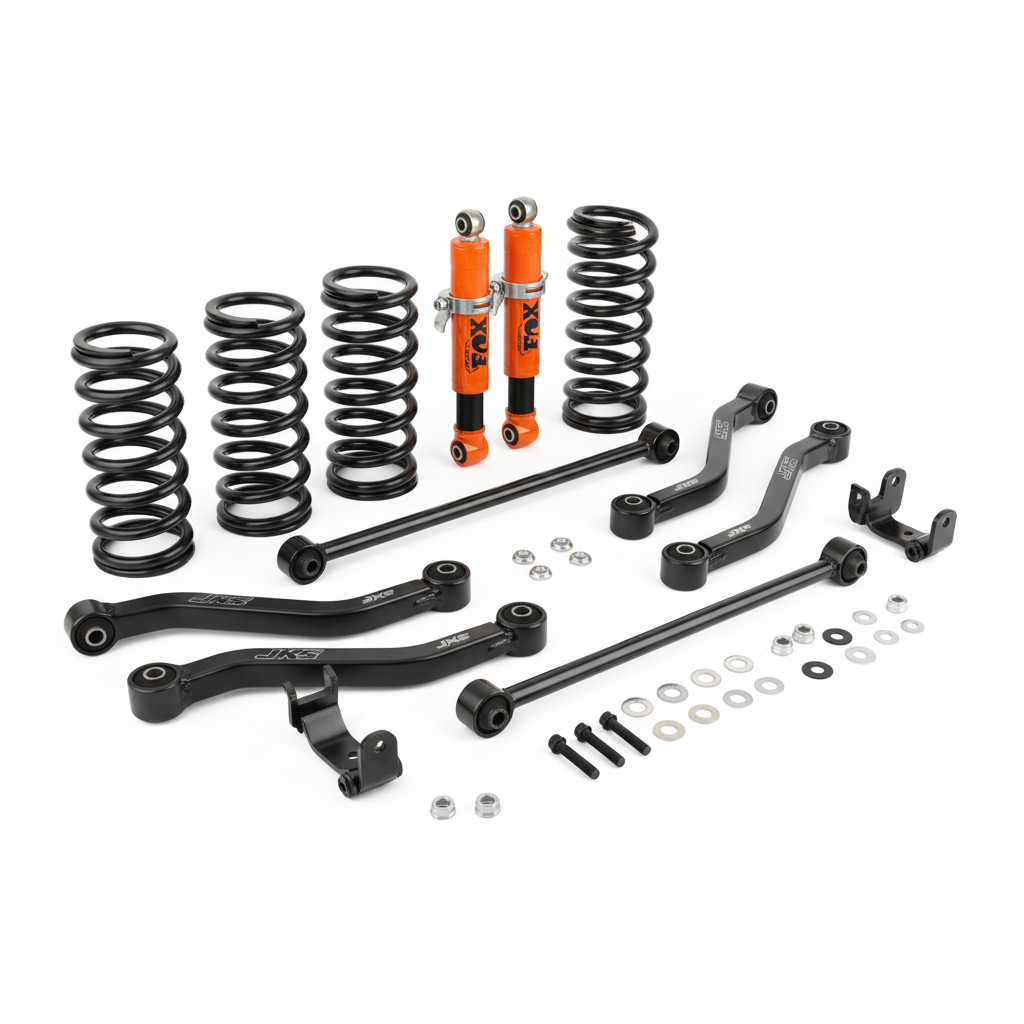
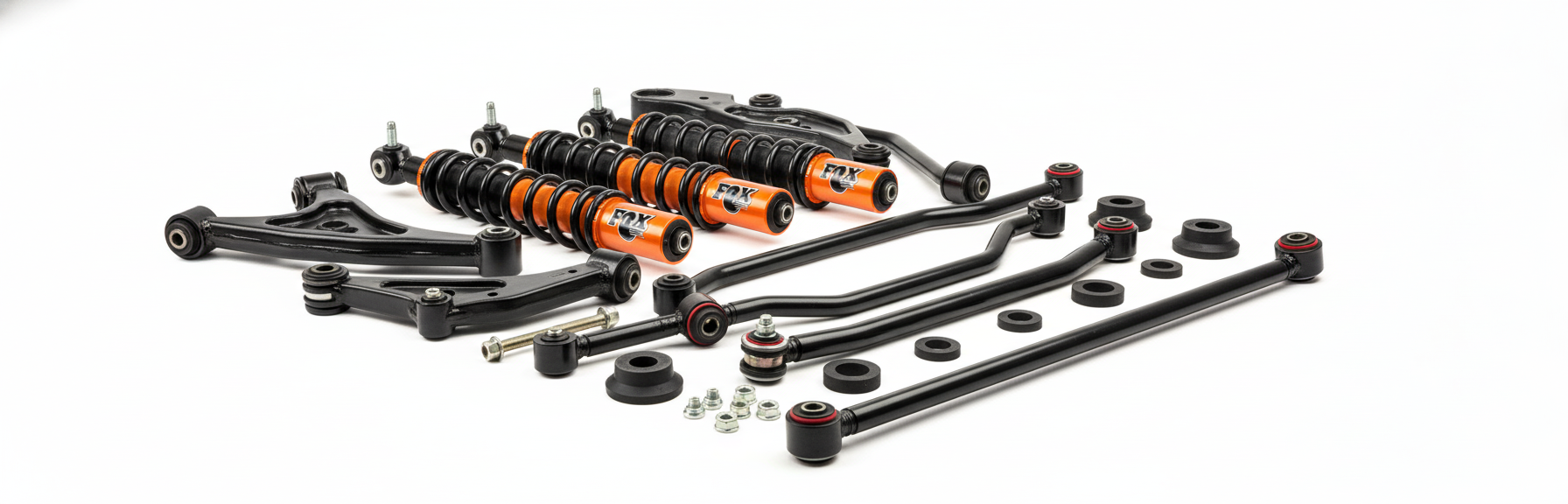
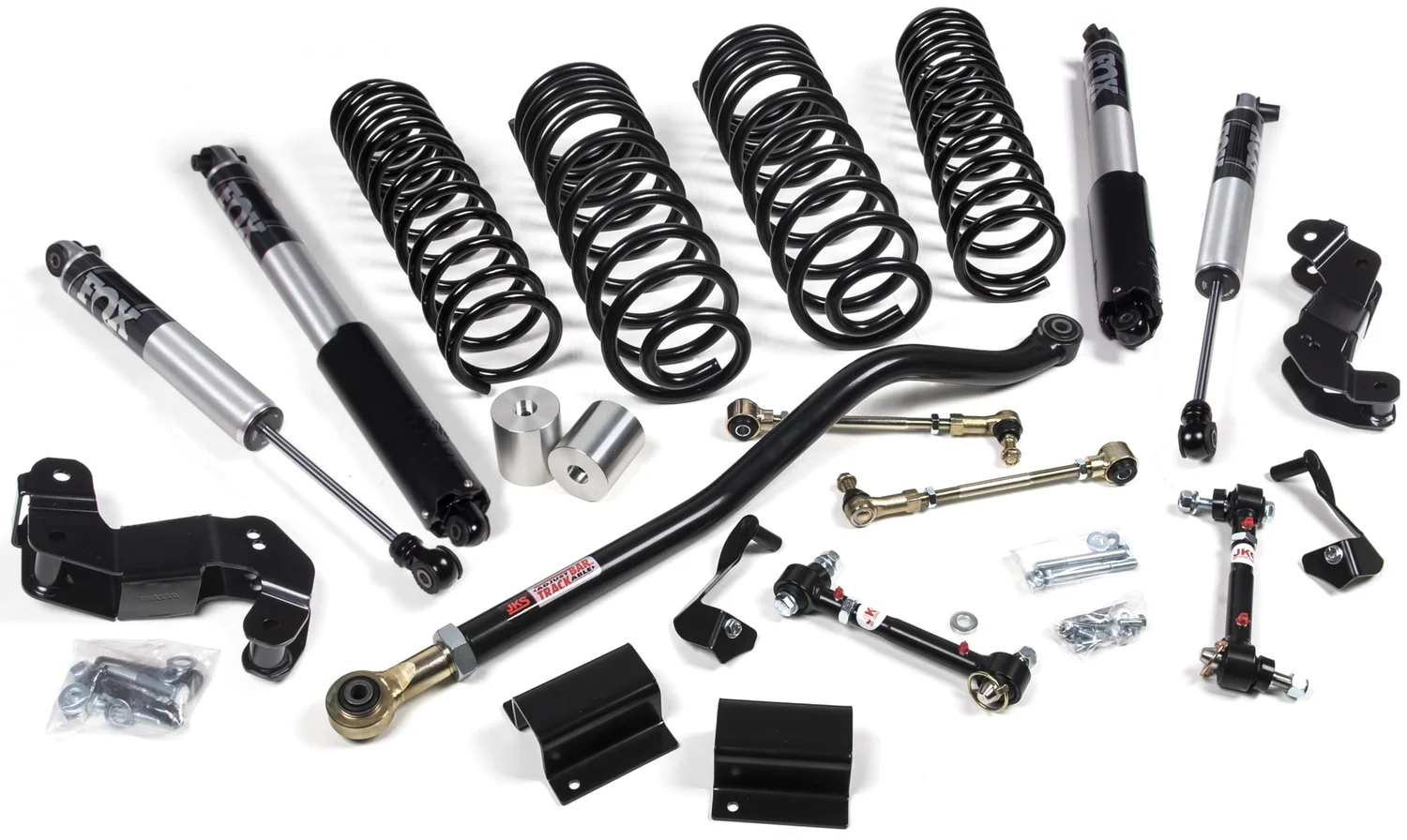
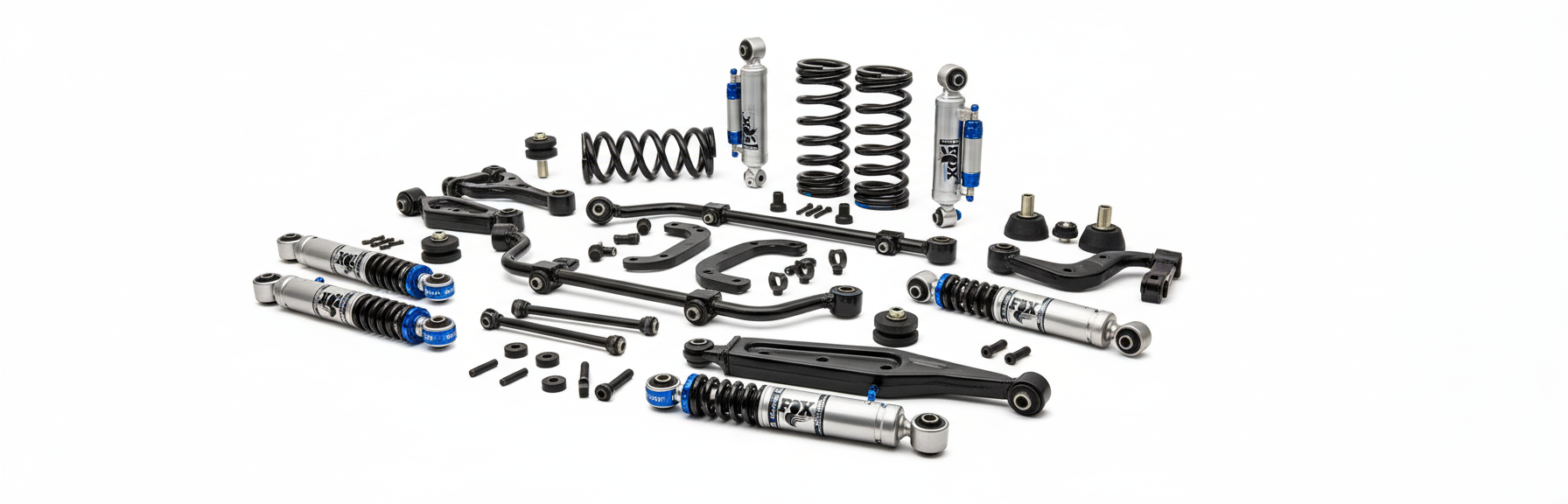
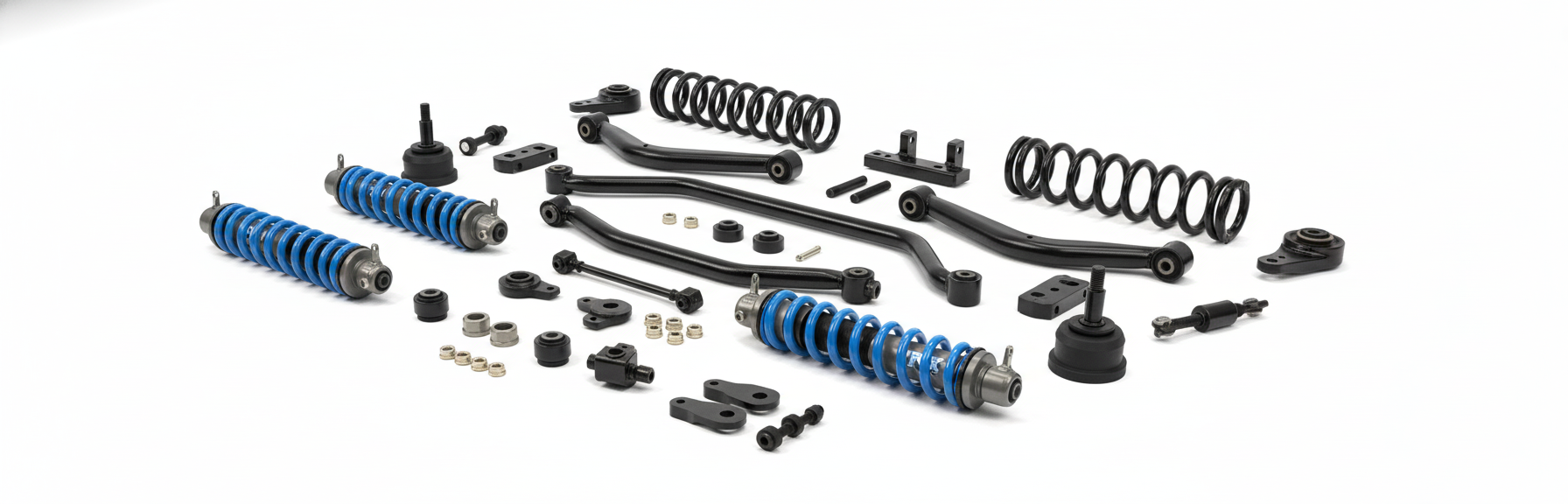
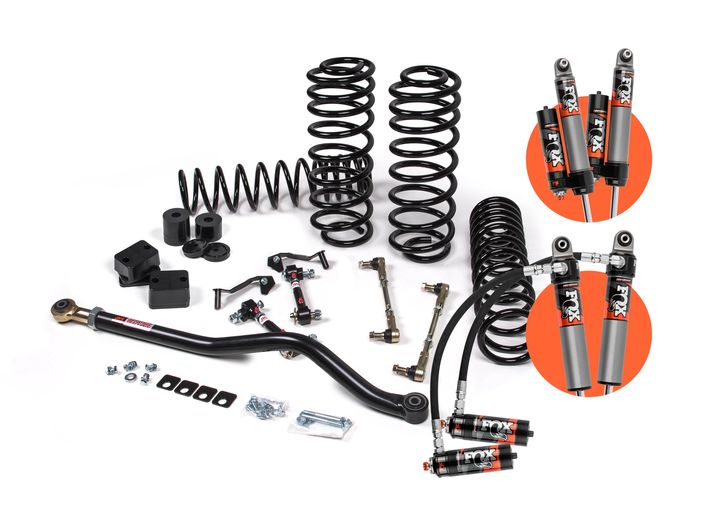
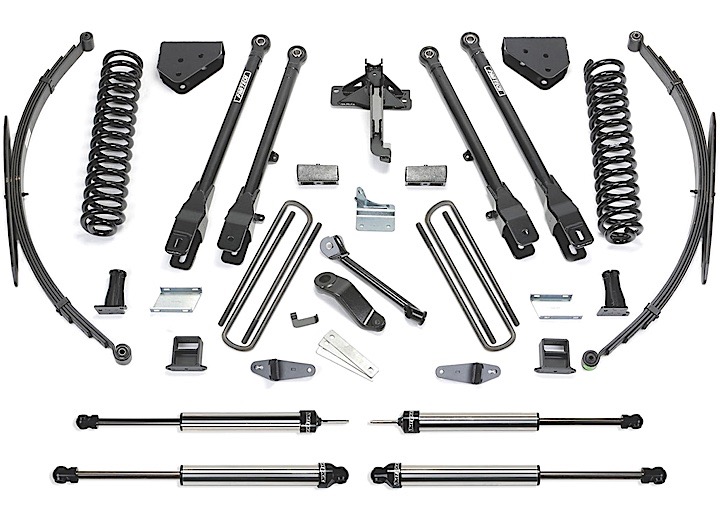
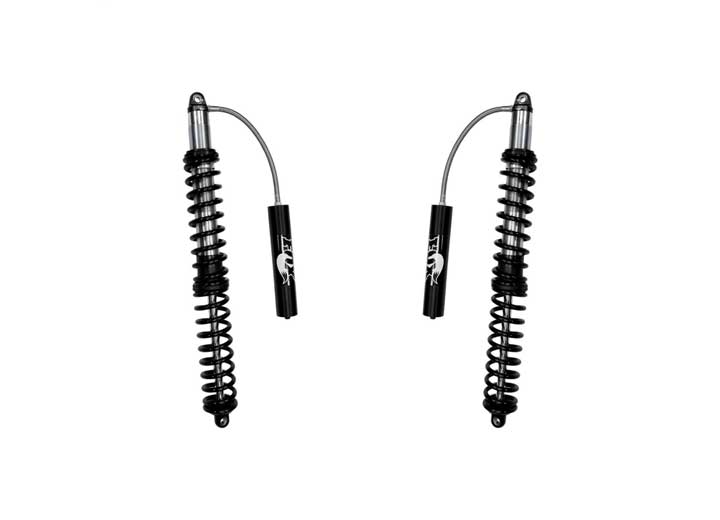
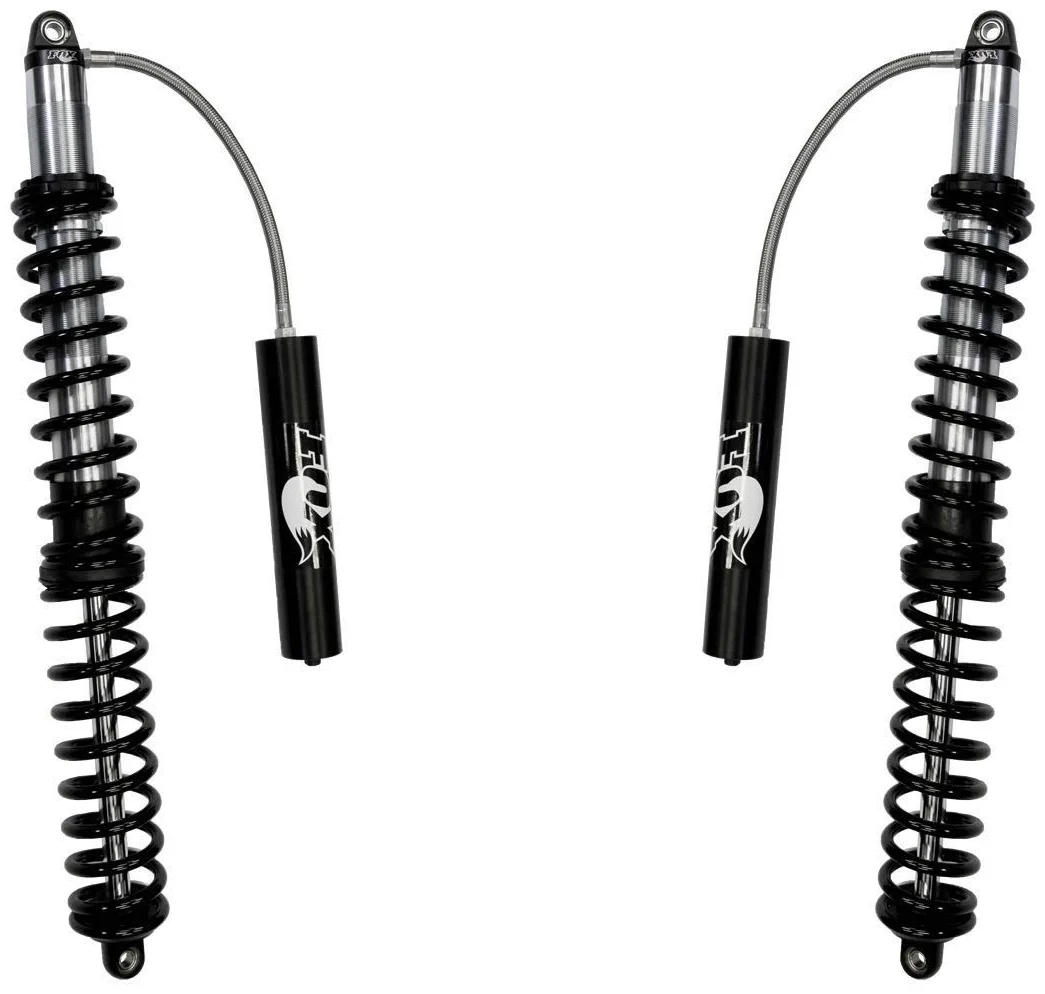
For Jeep Wrangler and Gladiator owners, lifts work differently because they use solid axles with coil springs. Kits like the Skyjacker, Fabtech, Zone and JKS systems for the JL replace springs and shocks and often add adjustable control arms or track bars to keep the axles centered. Leveling works differently by front suspension type, too. Trucks with coil springs or coilover struts up front (most half-tons) level with strut or coil spacers. Trucks with torsion bar front suspension, which includes many GM heavy-duty pickups, level with replacement torsion keys. Solid front axle trucks like the Ford Super Duty and Ram HD level with coil spacers or taller springs, often paired with longer shocks, as in the Fabtech Super Duty kit with performance shocks.
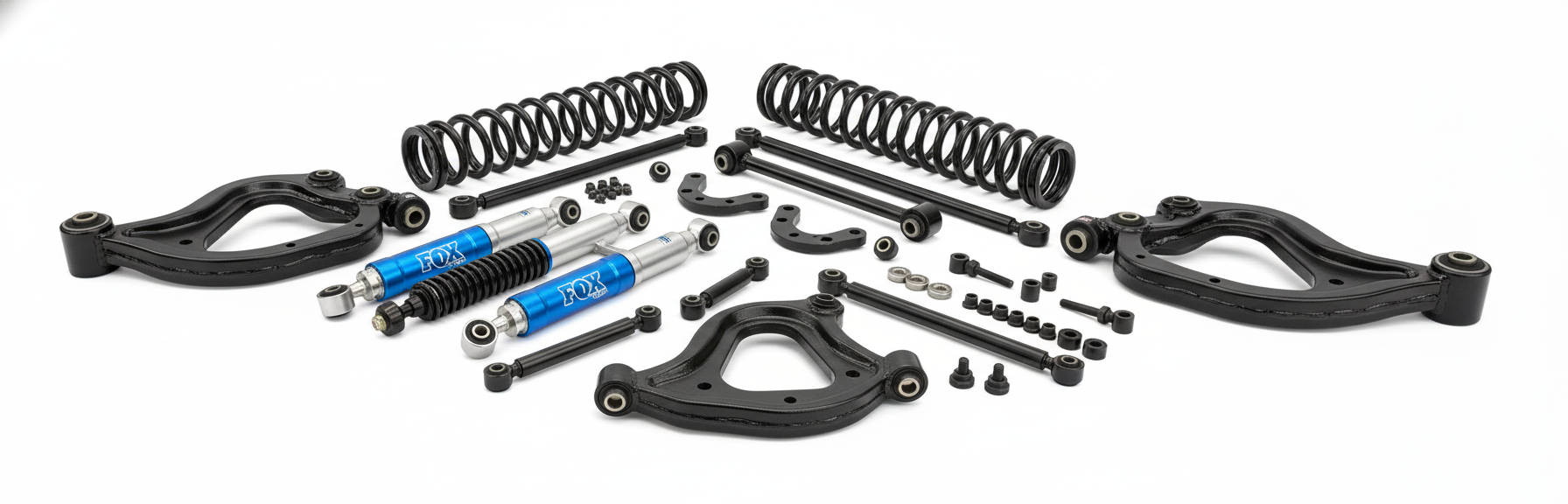
On independent front suspension trucks (most half-tons), bigger lifts lower the front differential and suspension with drop brackets or a new subframe.
More detail: leveling kits explained and leveling kit vs lowering kit.
How to choose: start with the tire
- Pick your tire size first. The tire you want usually decides the lift. Very roughly, a leveling kit often clears about one size up (many half-tons fit 33s with a level and the right wheel offset), a 4 inch lift commonly clears 35s on many trucks, and 6 inches and up is typically aimed at 35 to 37 inch tires. Wheel offset changes the answer, so check the kit maker's tire fitment notes for your truck.
- Match the kit to your exact truck. Year, 2WD or 4WD, cab, engine (gas vs diesel can change front spring rates), and trim all matter. Many kits are listed for things like "2019+ 1500" or "W/O UCA", and off-road trims like the Rebel or TRD Pro often have their own kits.
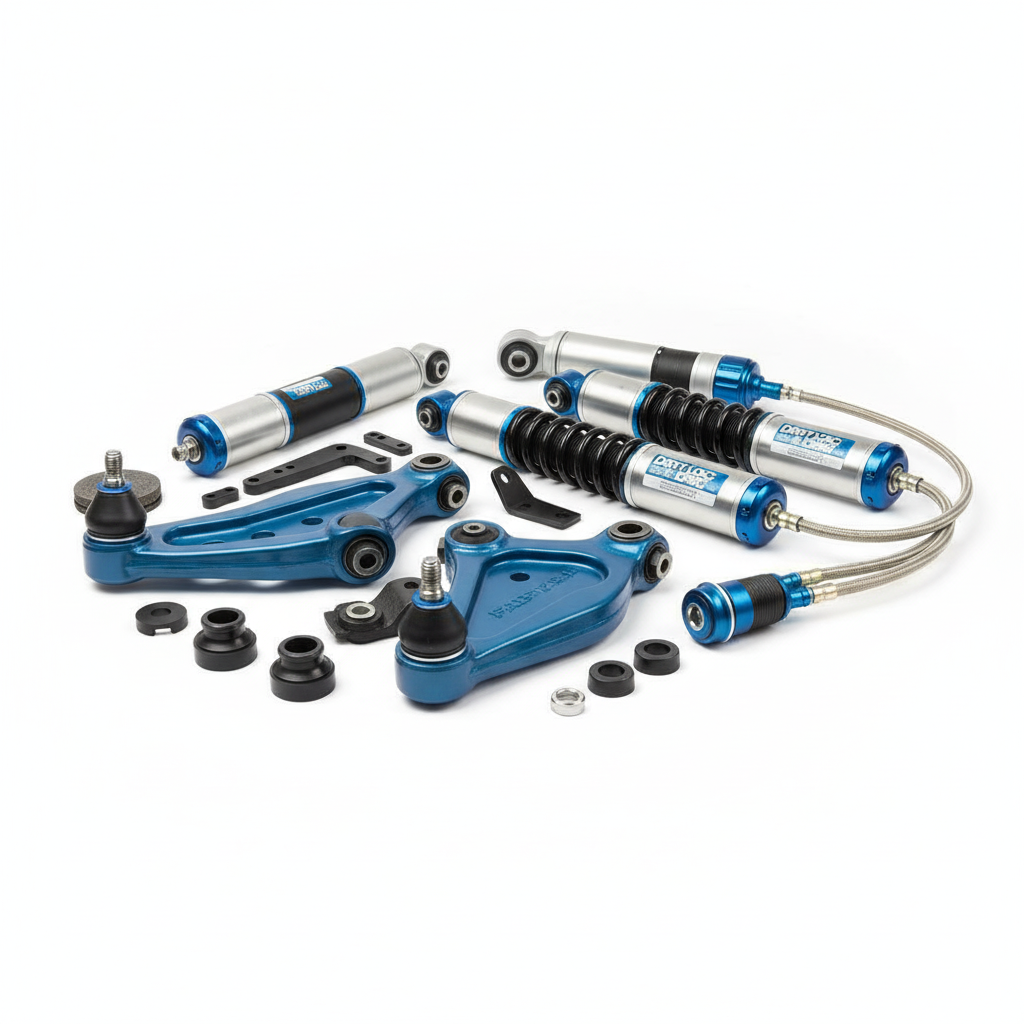
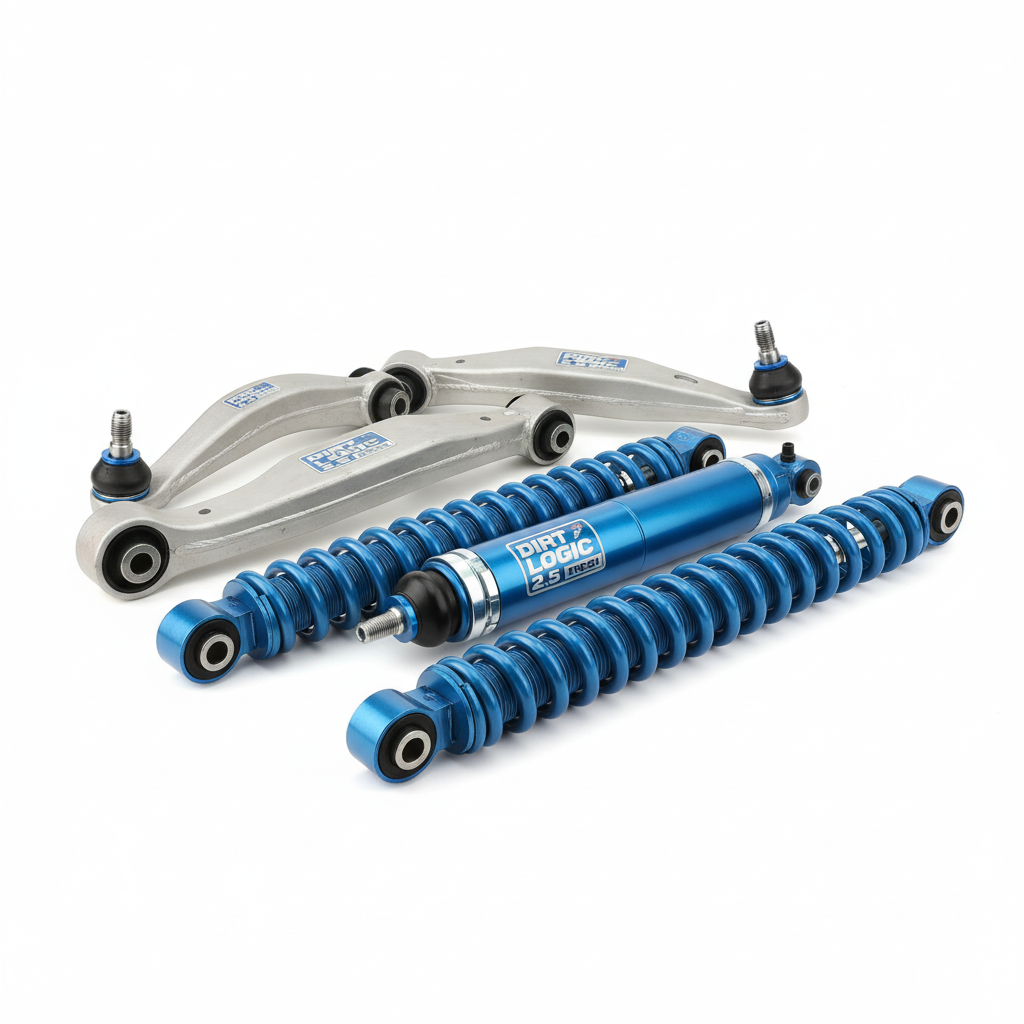
- Decide on shocks. Some kits include shocks (Fox, Dirt Logic, Nitro, Hydro, M95, Vulcan and Black MAX all appear in our listings), some list "no shocks". Longer shocks are required on most real lifts. Factory shocks may work with a small leveling kit, and worn ones are worth replacing at the same time. See signs of bad shocks and shocks vs struts.
- Be honest about towing and hauling. Leveling removes the room your rear had to squat. If you tow heavy, ask whether you want to keep some rake or add rear support.
Watch for multi-box kits. Larger lifts often ship as several boxes, and some of our listings are a single box (for example "Component Box 4", "Box 2" or "Part 3 of 4"). One box alone is not a complete lift. Make sure you order every box the manufacturer lists for your kit number.
What changes after a lift
- Alignment. Any lift or leveling kit changes camber, caster and toe. Get an alignment right after install. See camber, caster and toe.
- CV angles and ride. Leveling an IFS truck steepens the axle angles. Big leveling heights can make CV joints and ball joints work harder, and torsion key leveling can stiffen the ride.
- Speedometer. Bigger tires make the speedometer read low. Many trucks can be recalibrated with a programmer or by a dealer.
- Headlights and cameras. Re-aim headlights after lifting (how to aim headlights). Some newer trucks may need forward camera or radar driver-assist recalibration; check with the kit maker or your dealer.
- Brake lines, sway bar links and driveshafts may need extending on taller lifts. Good kits include what is required or list it.
- Warranty and laws. A lift can affect warranty coverage on related parts, and some states regulate bumper height, frame height or headlight height. Check your state's rules before you install a large lift.
Install difficulty and what to budget
Leveling kits are the easiest suspension upgrade on most trucks. Strut spacers and coil spacers are often a few hours in a driveway with jack stands, a spring compressor if the design needs it, and a torque wrench. Torsion keys are quick but must be adjusted carefully.
Suspension lifts of 4 inches or more on IFS trucks involve cutting or drilling on some kits, removing the front differential, and installing new crossmembers. Many people have these professionally installed. Budget for:
- Installation labor if you are not doing it yourself
- An alignment
- New wheels and tires (see off-road wheels and all-terrain vs mud-terrain tires)
- Steps or running boards that suit the new height, since getting in gets harder (running boards and nerf bars)
- Speedometer recalibration
Always follow the kit's torque specs and recheck bolts after the first few hundred miles. If you are on the fence between a leveling kit now and a bigger lift later, remember that most leveling parts are not reused in a full lift, so it can pay to decide on your end goal before you start buying parts.