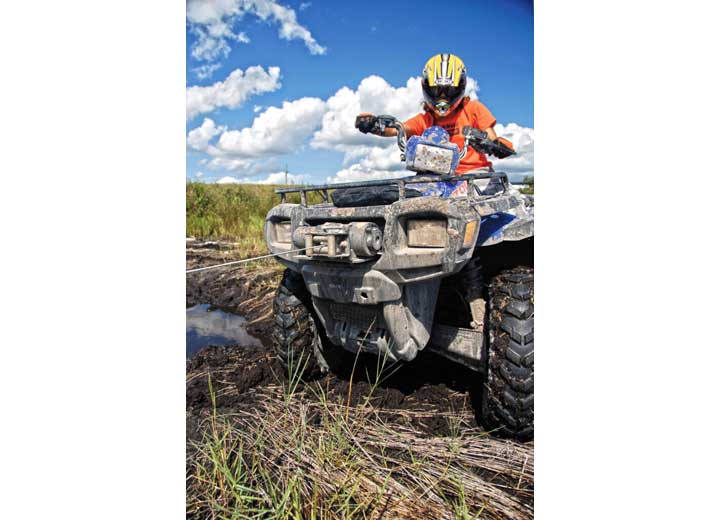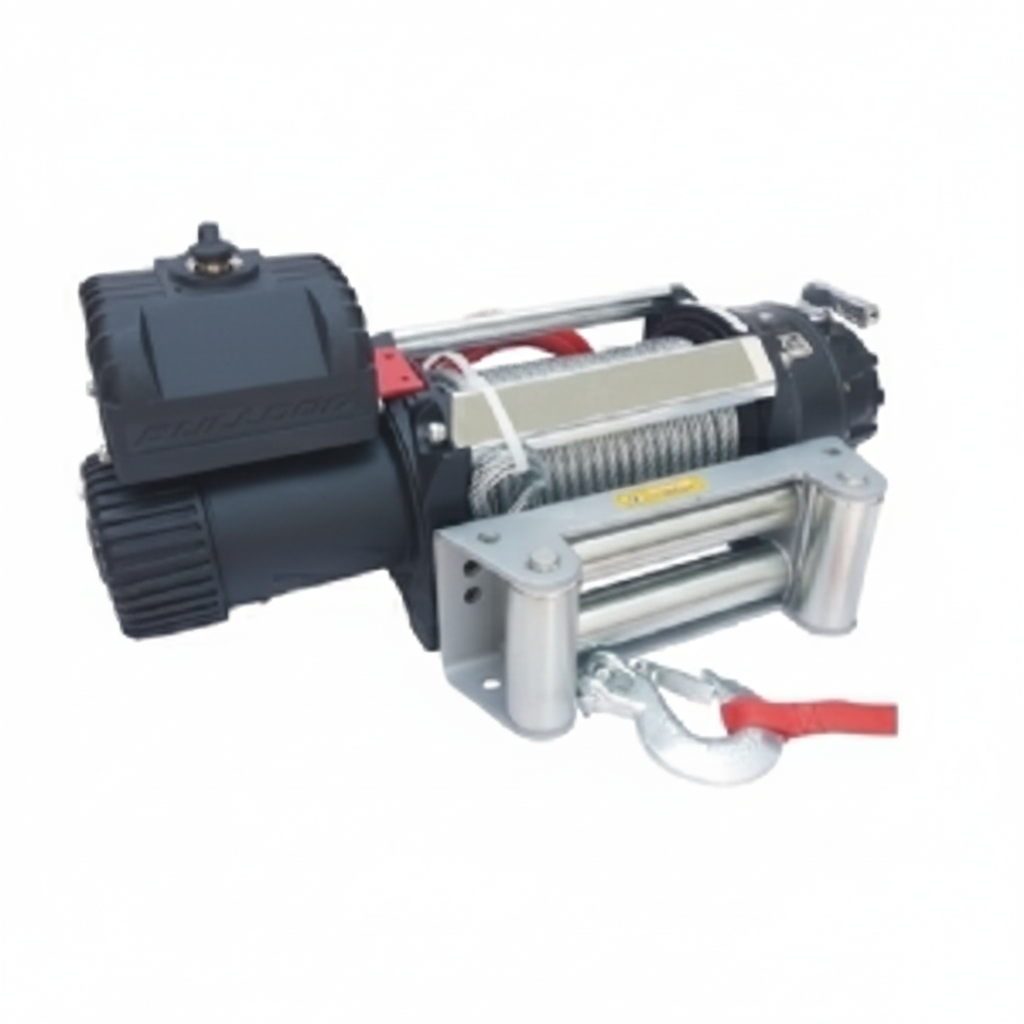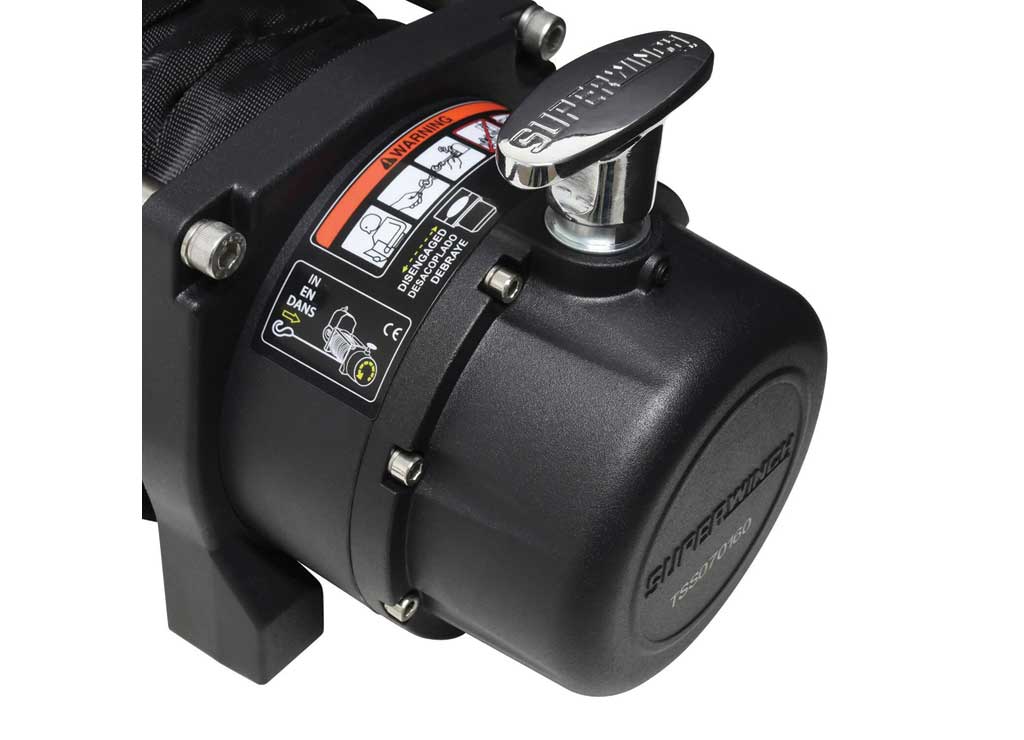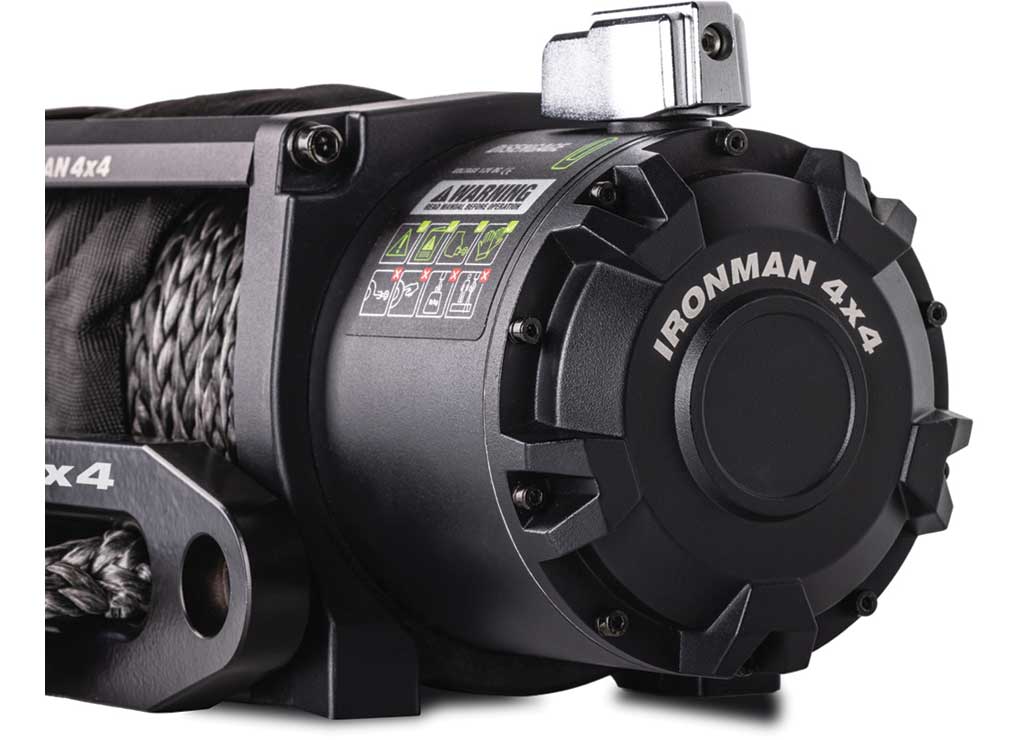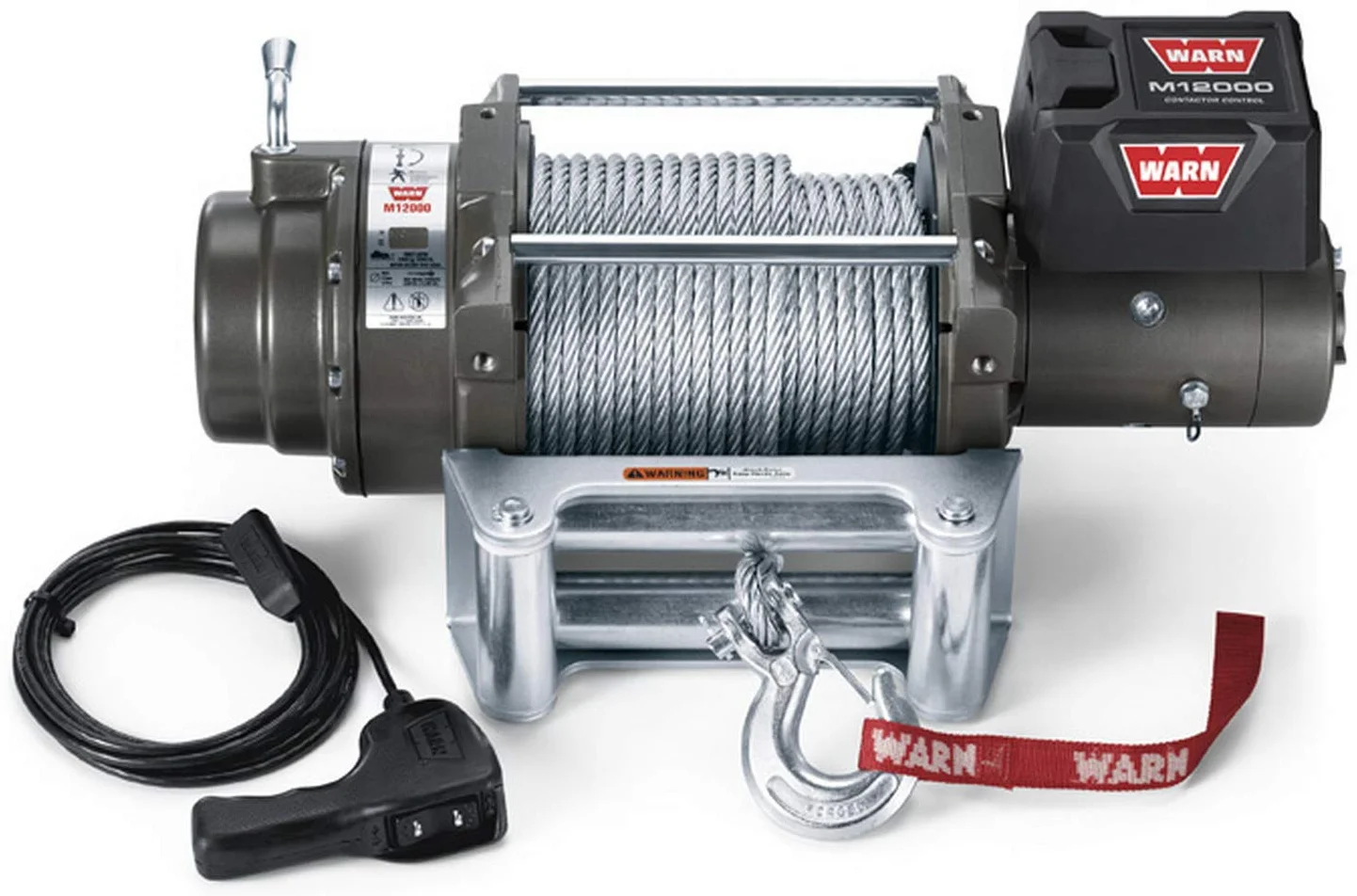
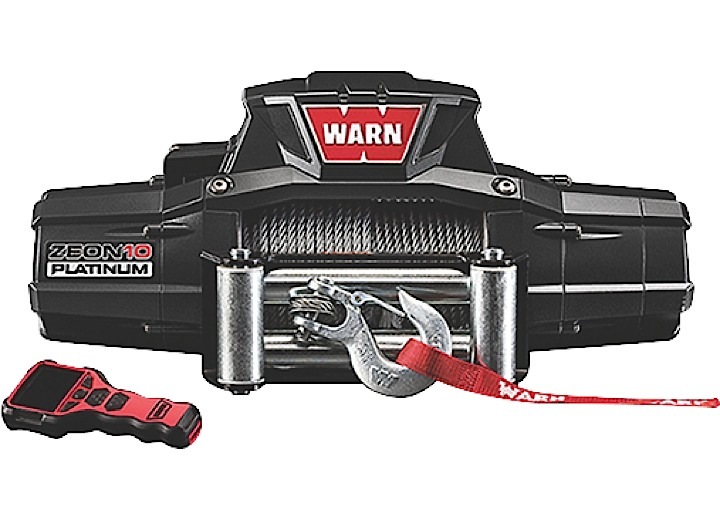
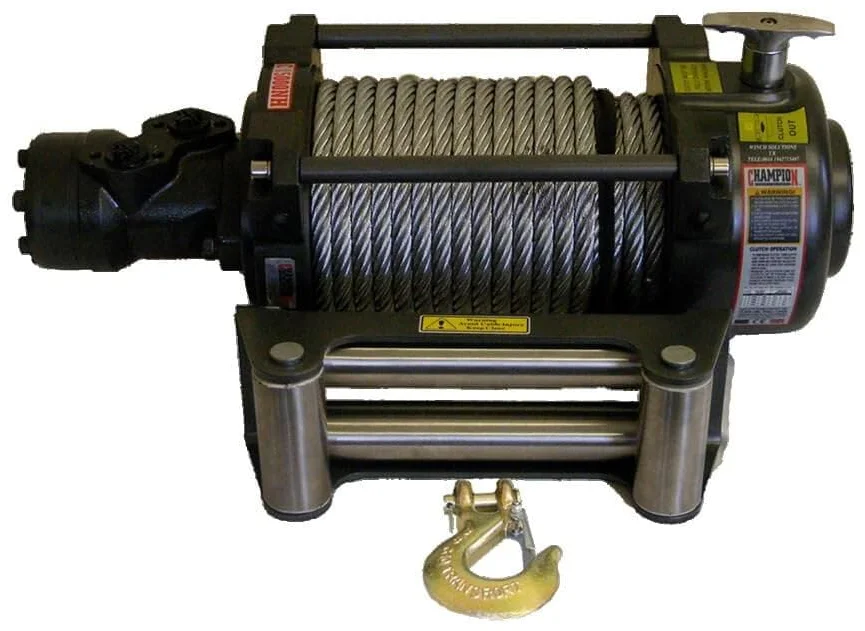
A winch is the one recovery tool that works when nobody else is around. Spool out the line, anchor to a tree, rock or another vehicle, and pull yourself out of mud, sand, snow or a ledge you couldn't climb. It's also the piece of gear most likely to hurt someone when it's undersized or used carelessly, so buying the right one matters.
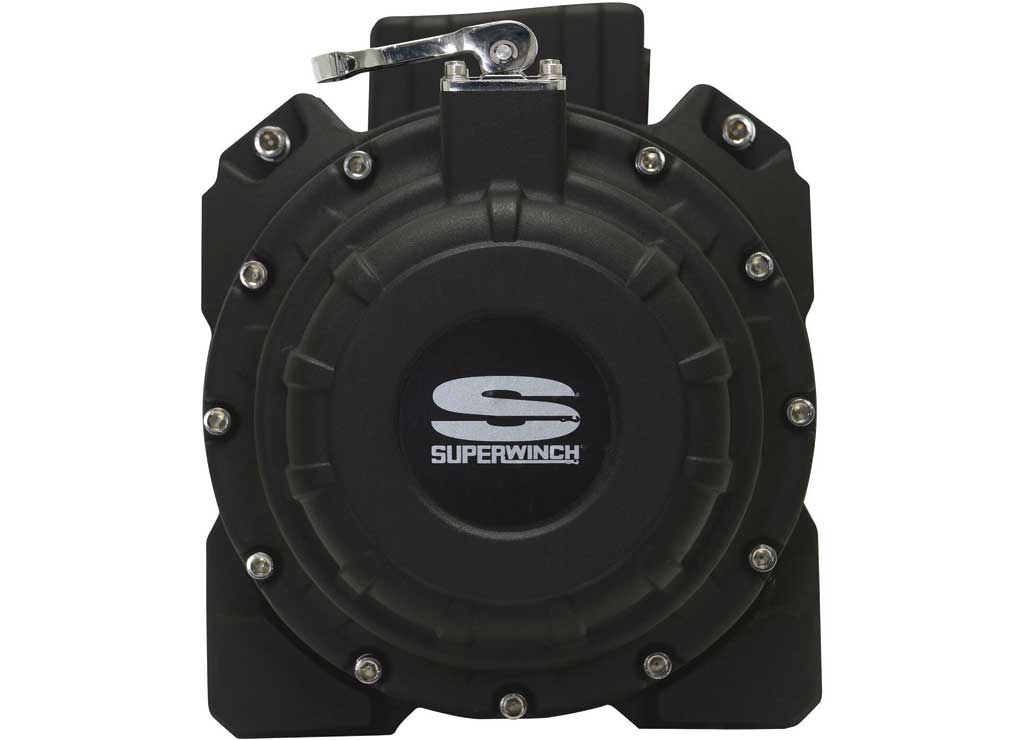
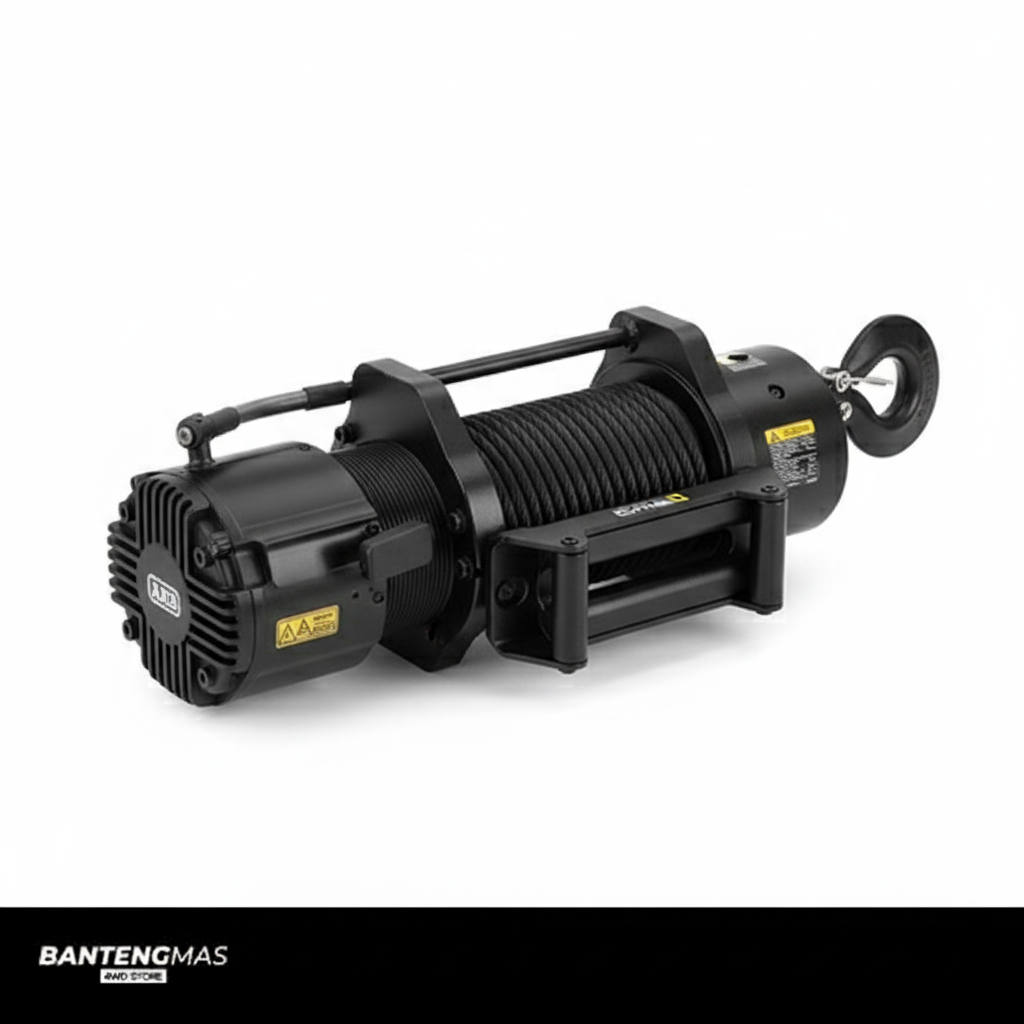
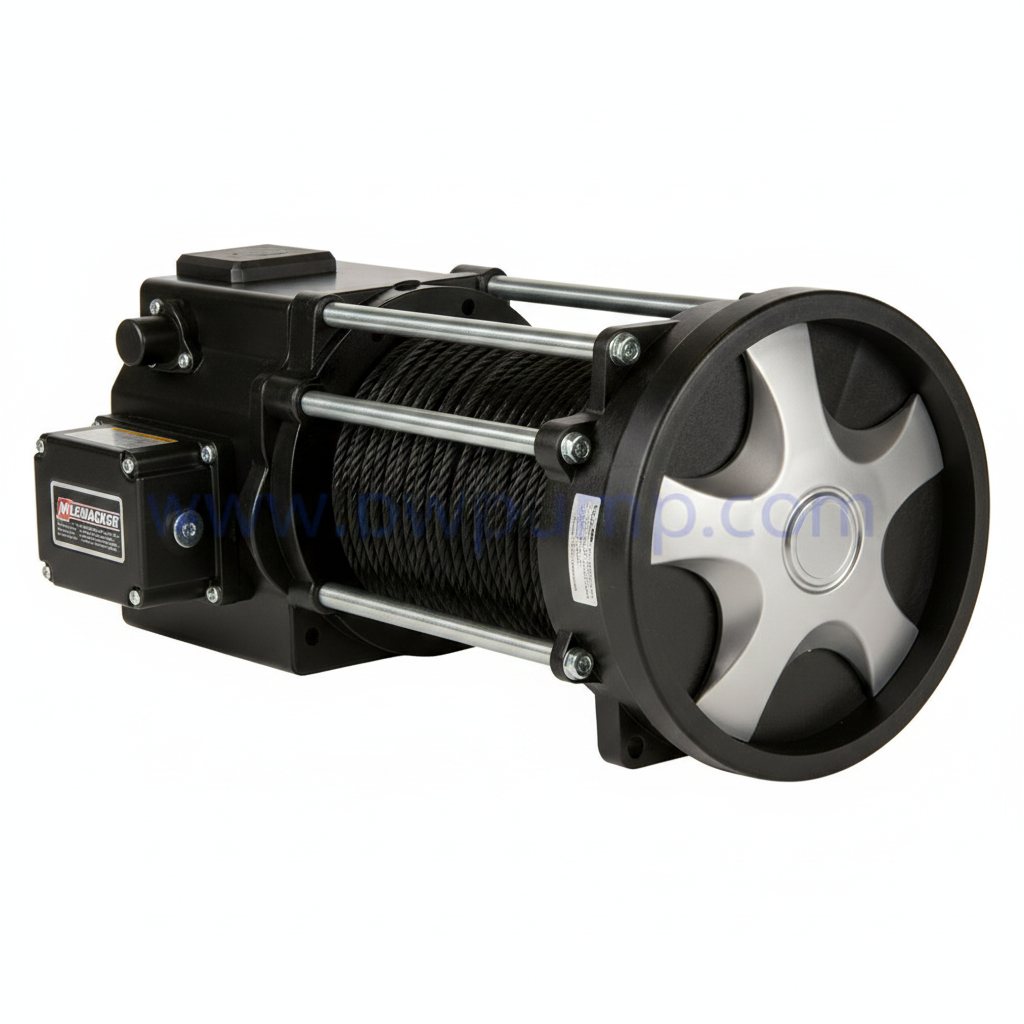
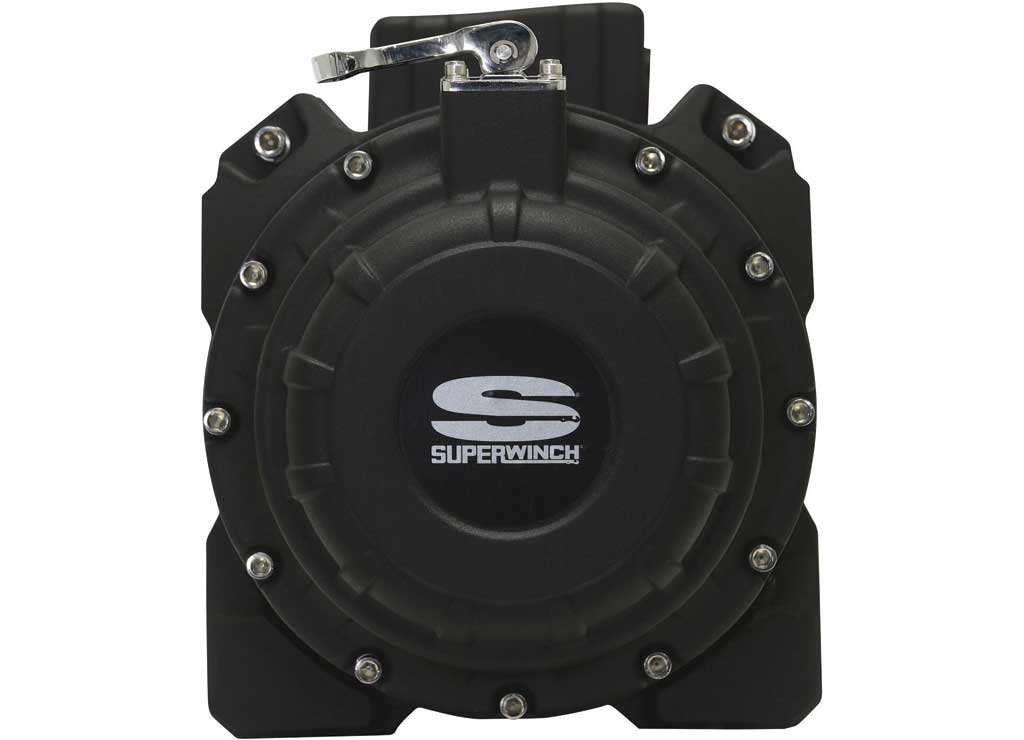
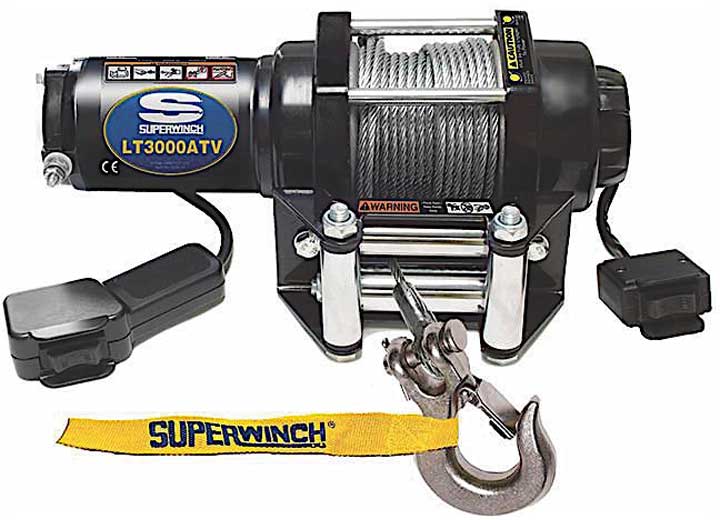
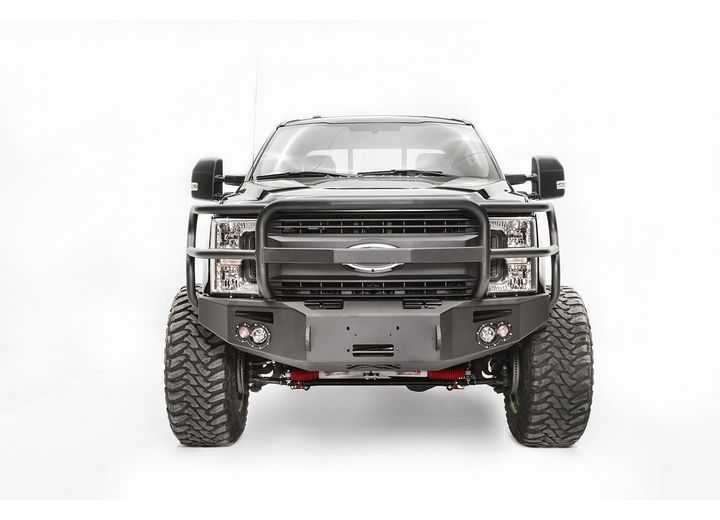
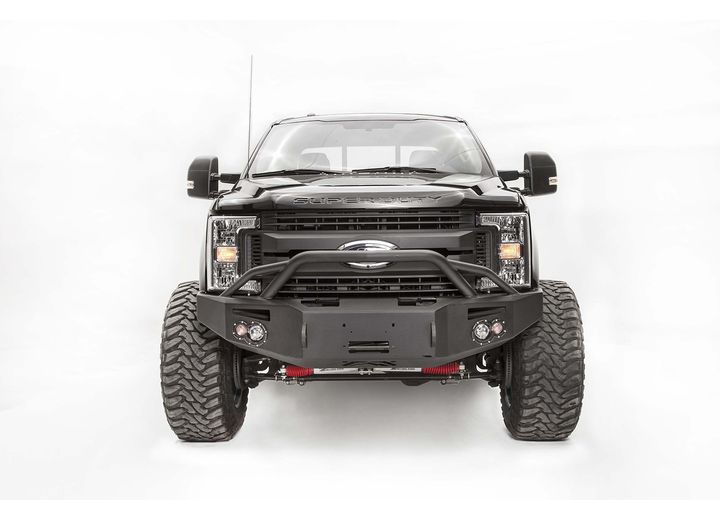
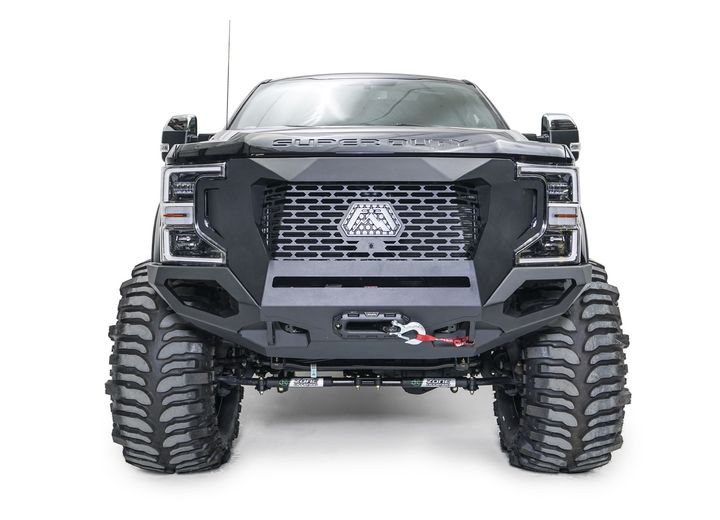
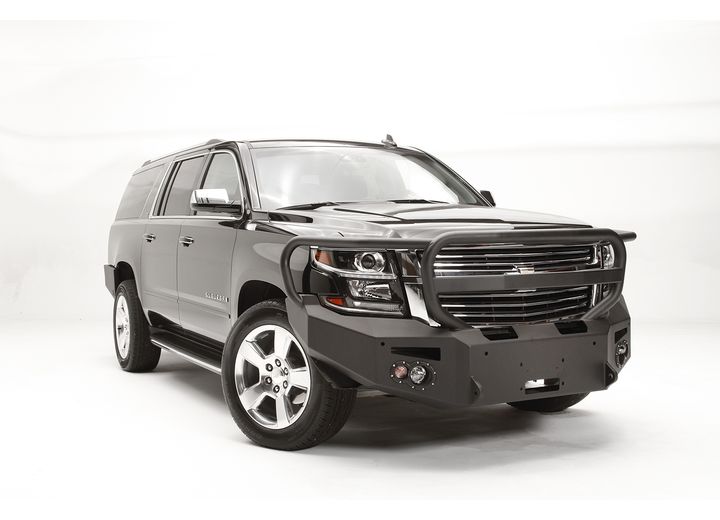
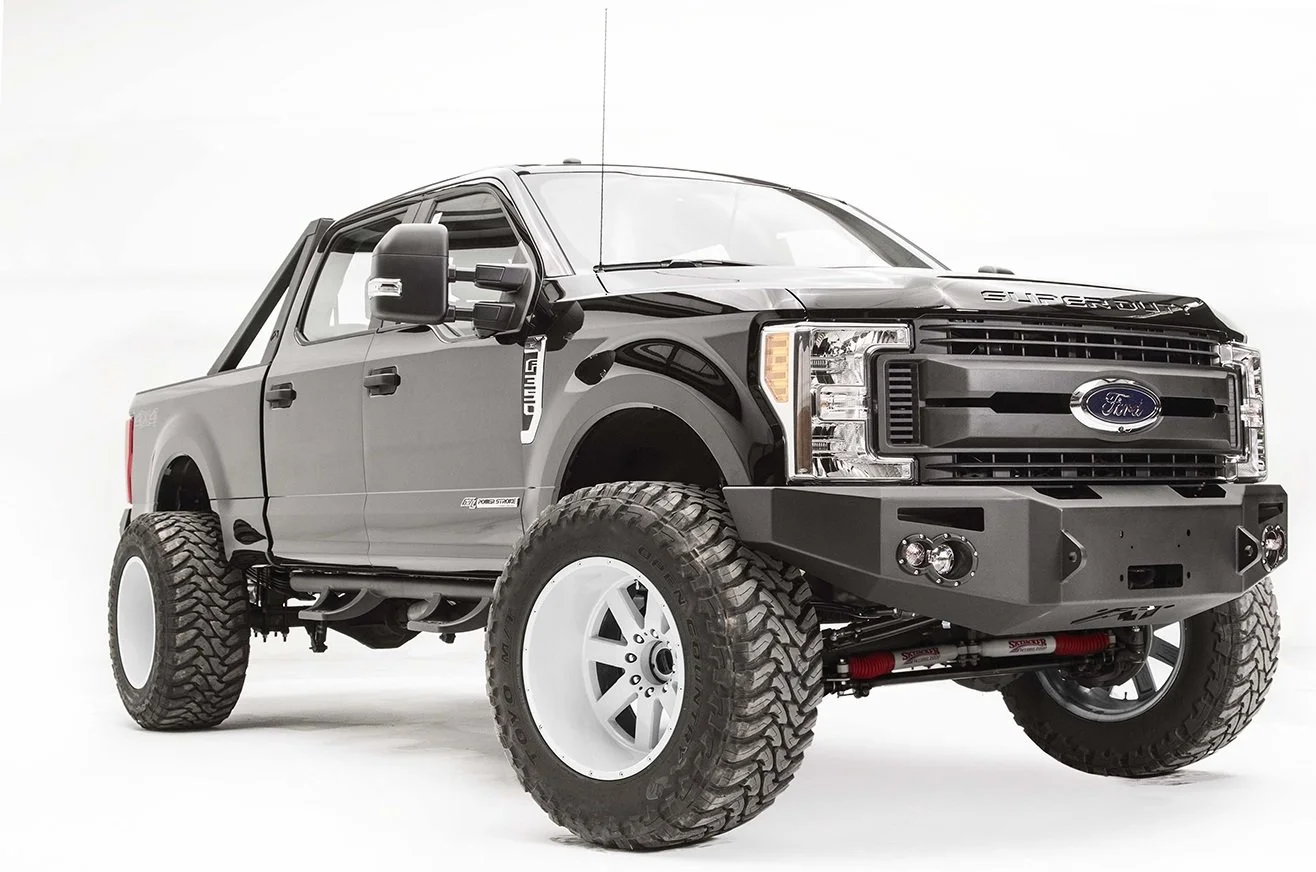
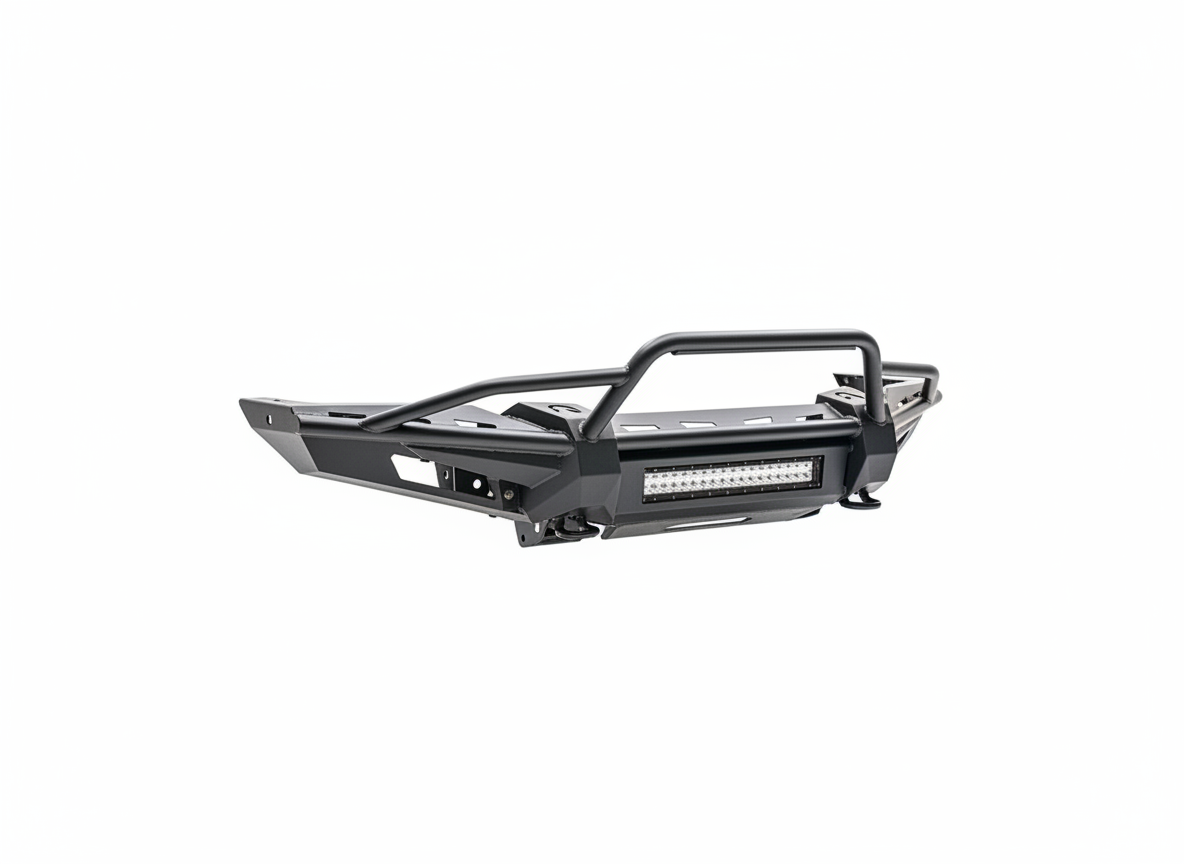
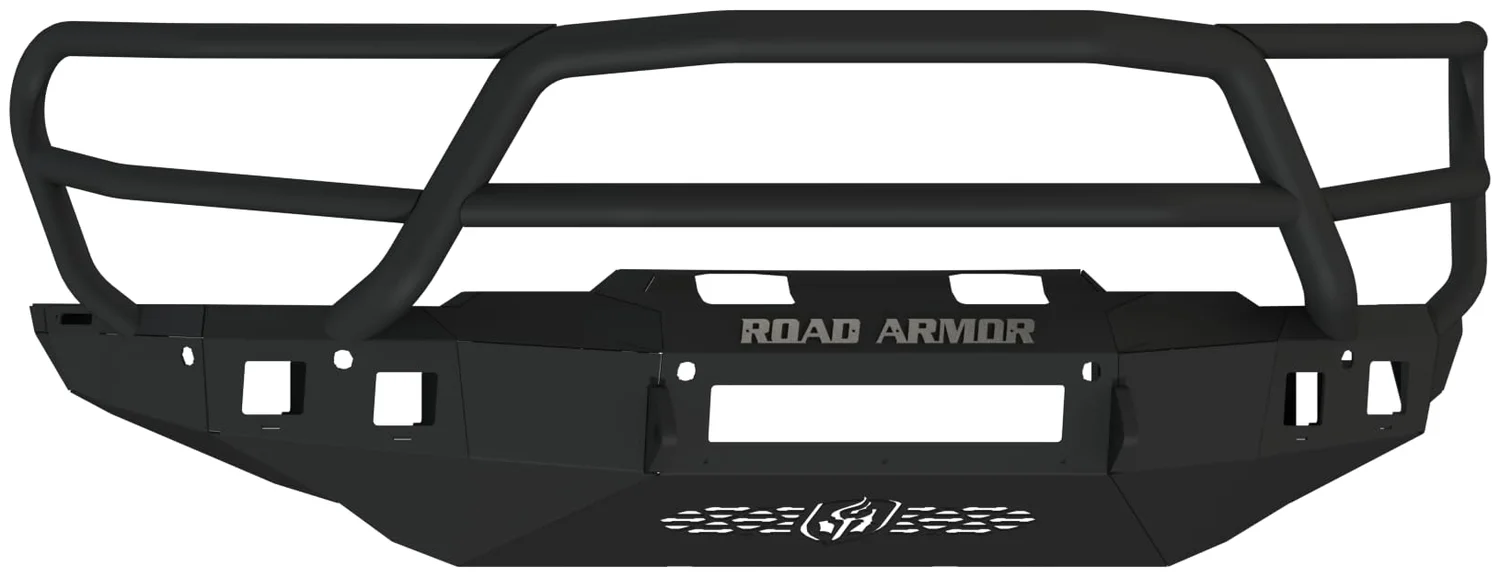
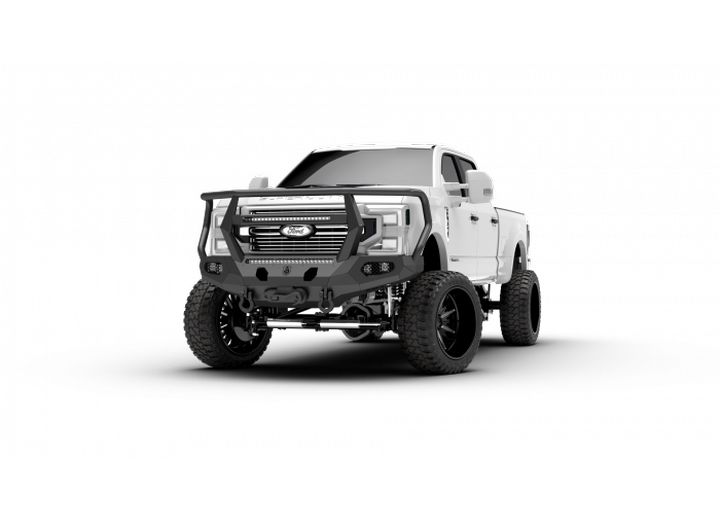
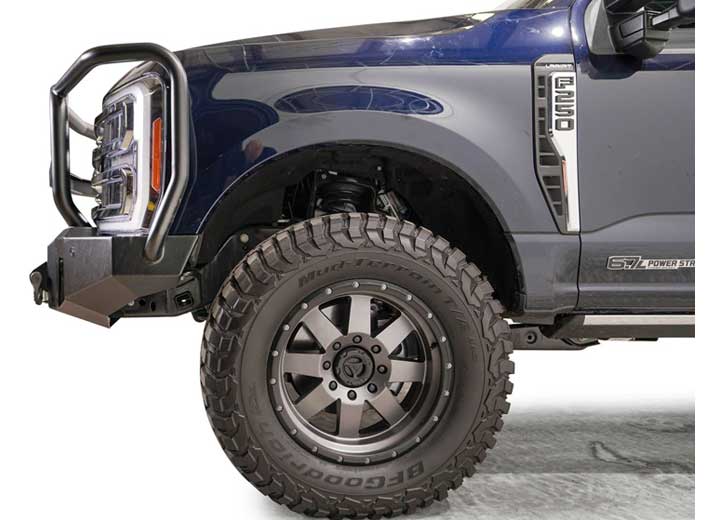
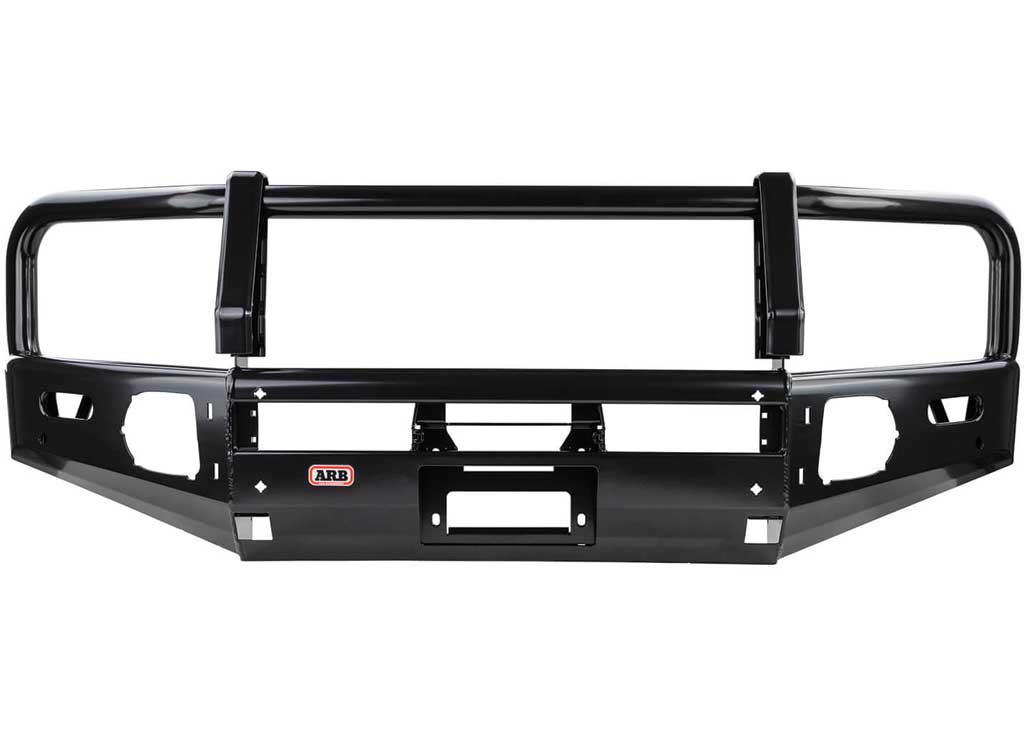
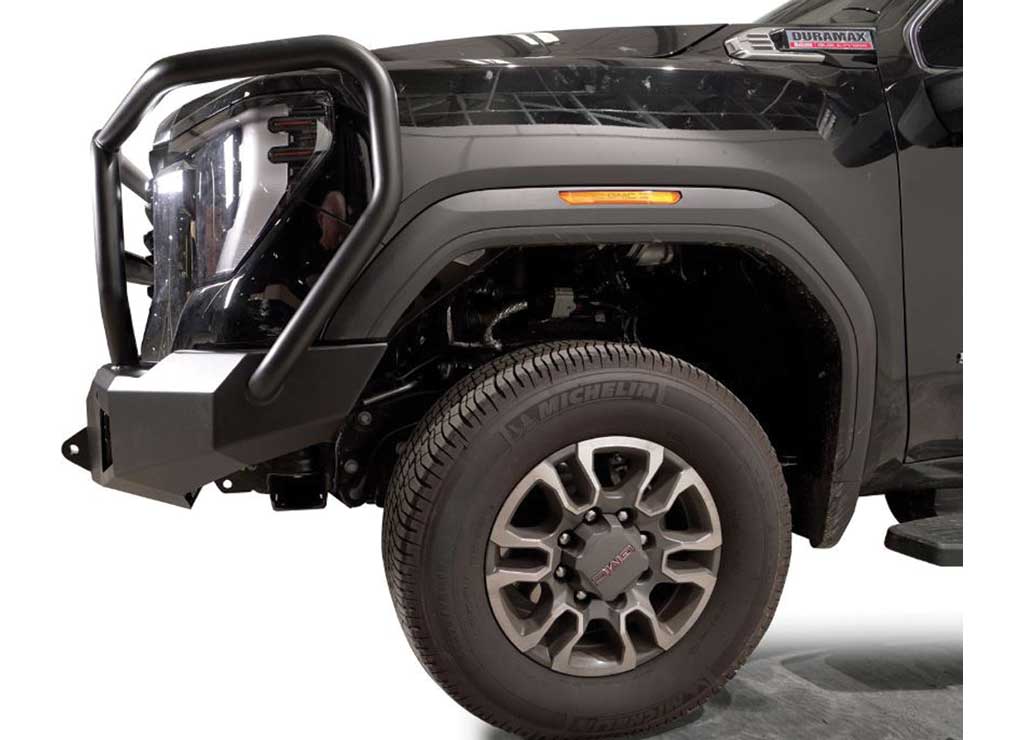
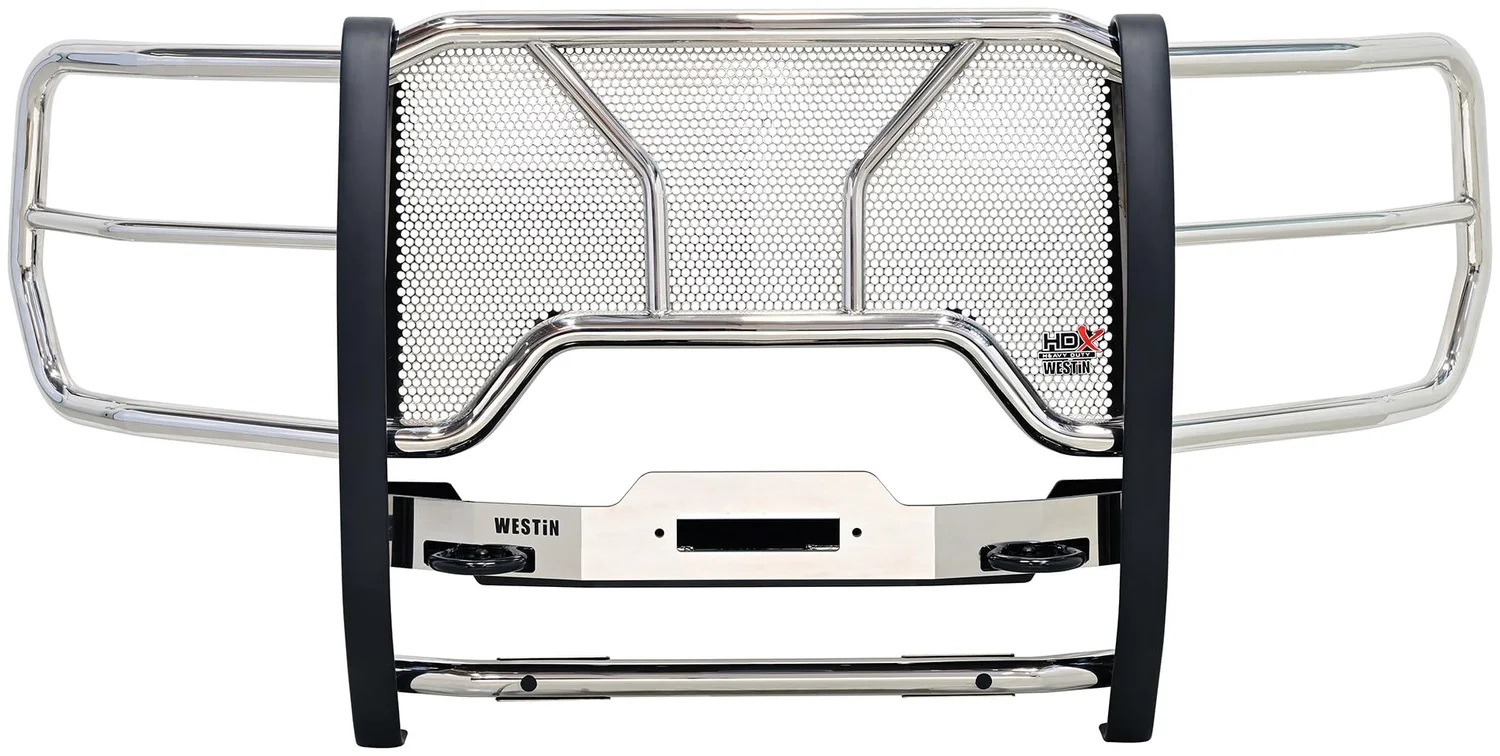
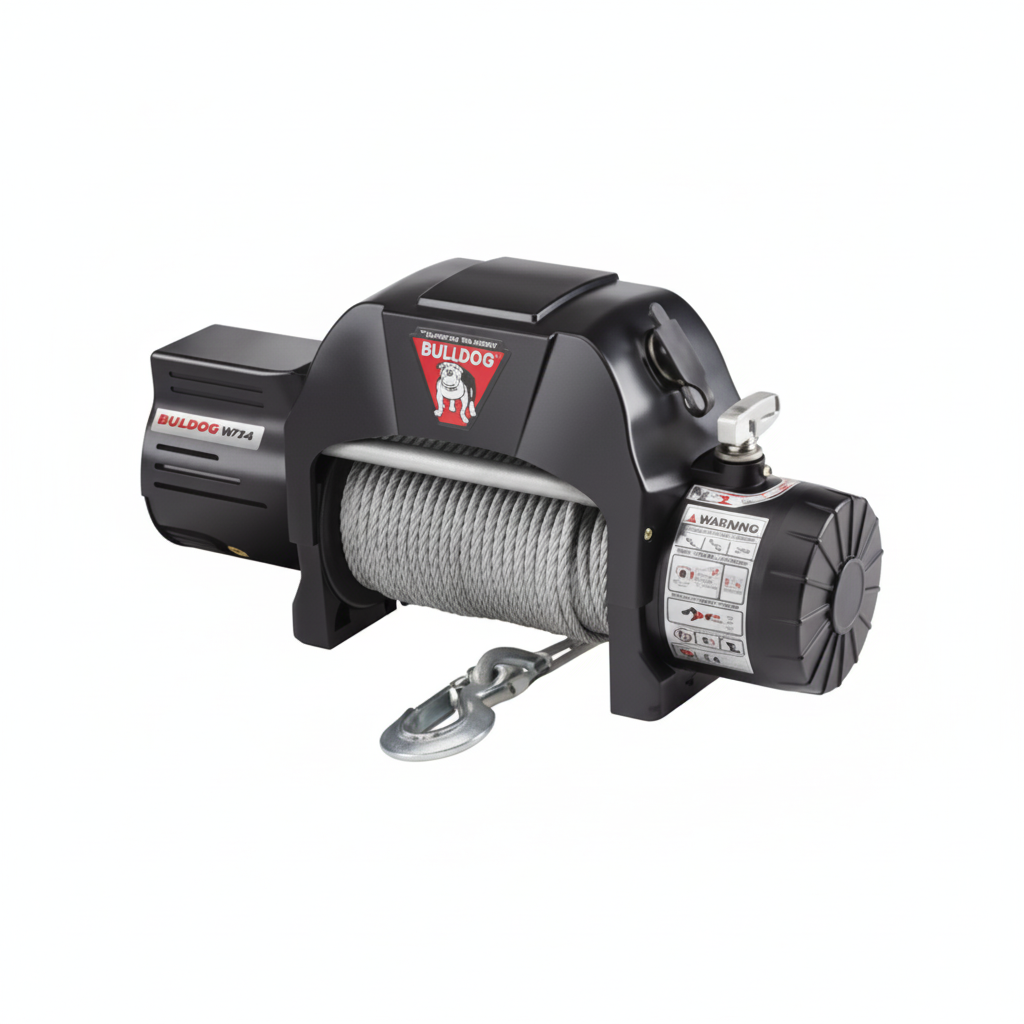
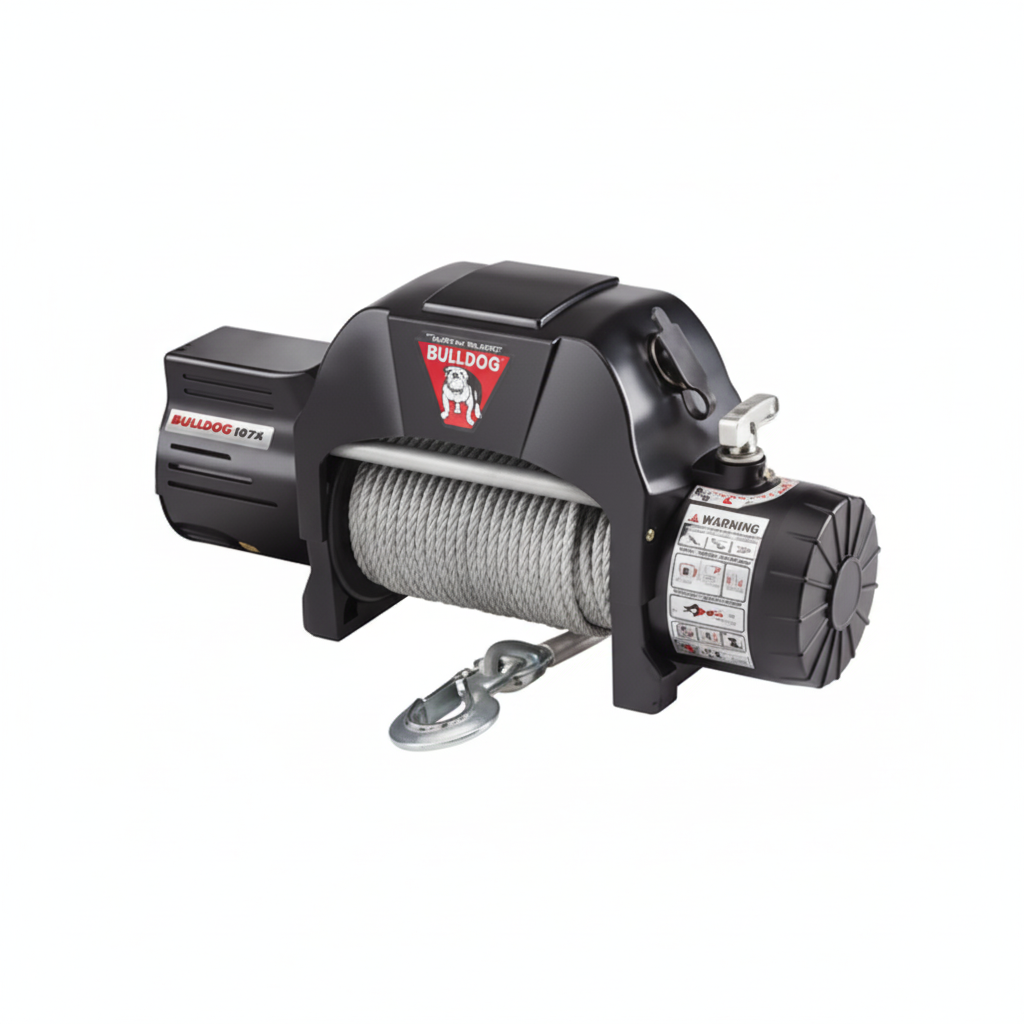
Picking a winch comes down to four decisions: the line pull rating your vehicle needs, synthetic rope or steel cable, where and how it mounts, and the rigging you'll use with it. We stock truck and Jeep winches from Superwinch (SX and Tiger Shark series), Mile Marker (Mission), Bulldog Winch and ARB, ATV and UTV winches from Champion and Superwinch, plus winch bumpers, hidden mounts, grille guards and trays from Fab Fours, Westin, Road Armor, Body Armor 4x4, Steelcraft and Raptor.
Sizing a winch: the 1.5x rule
The common rule of thumb is a winch rated for at least 1.5 times your vehicle's gross vehicle weight (GVWR, or its real loaded weight with gear, fuel and passengers). Mud, uphill pulls and buried tires add resistance on top of the vehicle's weight, so more margin is better than less.
| Vehicle (typical loaded weight) | 1.5x estimate | Typical winch size |
|---|---|---|
| ATV or UTV (1,000 to 2,500 lb) | 1,500 to 3,750 lb | 2,000 to 4,500 lb |
| Jeep Wrangler, midsize SUV (5,000 to 6,000 lb) | 7,500 to 9,000 lb | 8,000 to 10,000 lb |
| Half-ton pickup, full-size SUV (6,500 to 7,500 lb) | 9,750 to 11,250 lb | 10,000 to 12,000 lb |
| 3/4- and 1-ton trucks (8,000 to 10,000+ lb) | 12,000 to 15,000+ lb | 12,000 to 18,000 lb |
Two more things to know:
- Ratings are for the first layer. A winch's rated pull applies with the line nearly all the way out, on the bottom layer of the drum. Pulling power drops with each layer of line wrapped on the drum, so on a short pull with most of the line still spooled you have noticeably less than the rating.
- A snatch block roughly doubles pull. Running the line through a snatch block and back to the vehicle nearly doubles pulling force (minus some friction) and slows the line speed. It's the best way to get more out of any winch.
Bigger isn't free: a heavier winch adds weight to the front end and needs a stronger mount and electrical system. Size to the vehicle, not to bragging rights.
Synthetic rope vs steel cable, and the motor
| Synthetic rope | Steel cable (wire rope) | |
|---|---|---|
| Weight | Much lighter, floats in water | Heavy |
| If it breaks | Stores less energy, less violent recoil | Stores more energy; can whip dangerously |
| Handling | Easy on hands, no burrs | Wear gloves; can kink and fray |
| Durability | Needs protection from abrasion, heat and UV | Tolerates abrasion and heat better |
| Fairlead | Smooth hawse fairlead (usually aluminum) | Roller fairlead |
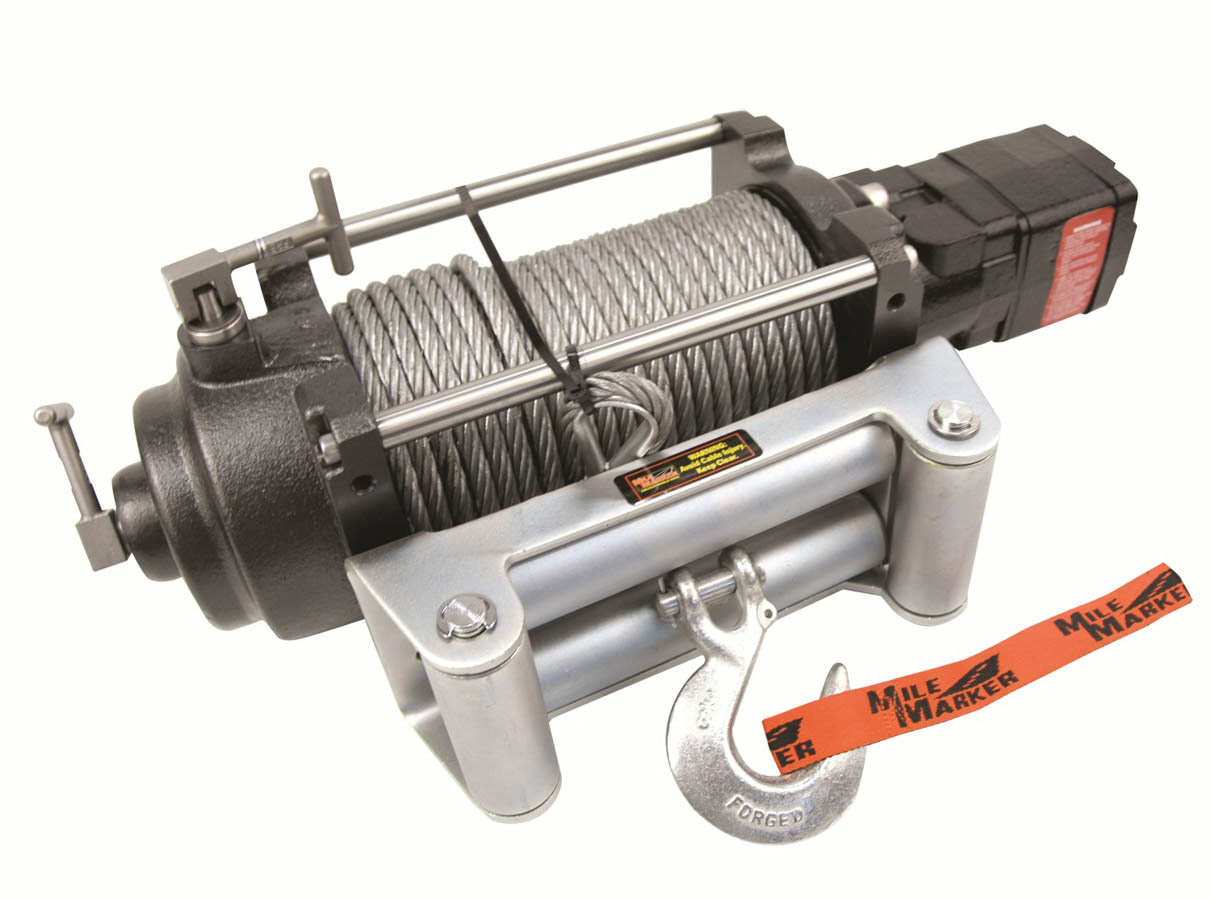
Most new off-road winches ship with synthetic rope (Superwinch SX10SR and SX12SR, Tiger Shark 18000SR, Mile Marker Mission 8K), and it's the better choice for most drivers. Steel cable still makes sense for work trucks, rocky or abrasive terrain, and owners who'd rather not baby the line, such as the Superwinch TS 9500 and the Bulldog 15,000 lb Alpha with wire rope. Never use a roller fairlead that has worn or burred from steel cable with synthetic rope, and never mix line types on the same fairlead without checking it.
Motors. Permanent magnet motors (like the Mile Marker PE series) are efficient and draw less current at light loads but can heat up on long, heavy pulls. Series-wound motors are the traditional choice for heavy, sustained work. Either way, winch in short intervals and let the motor cool.
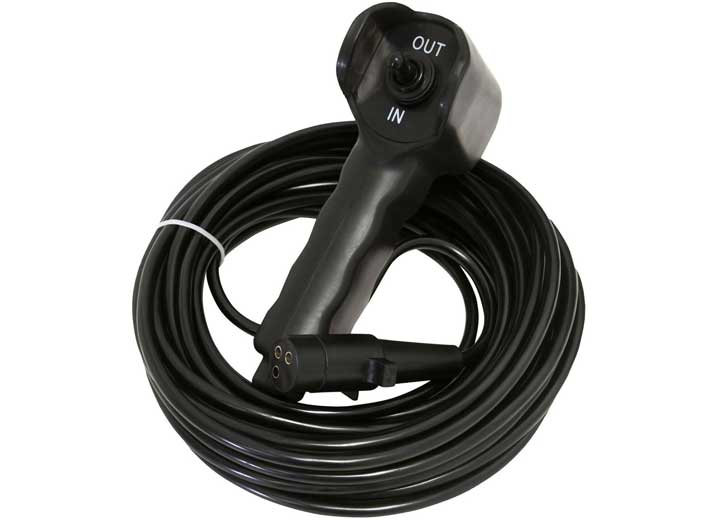
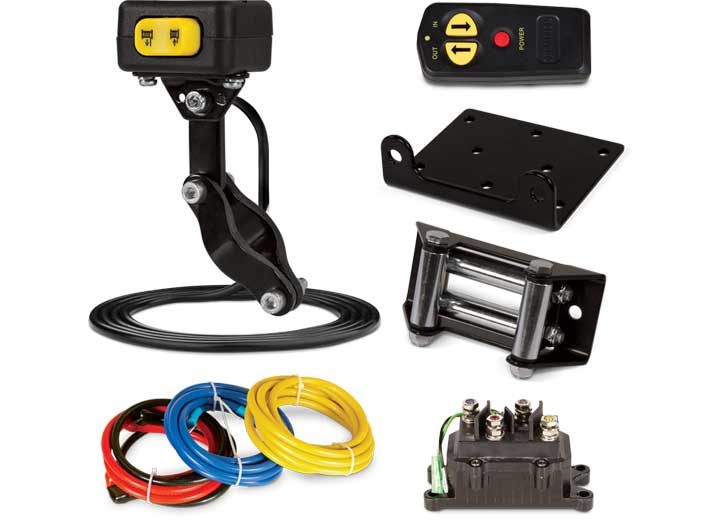
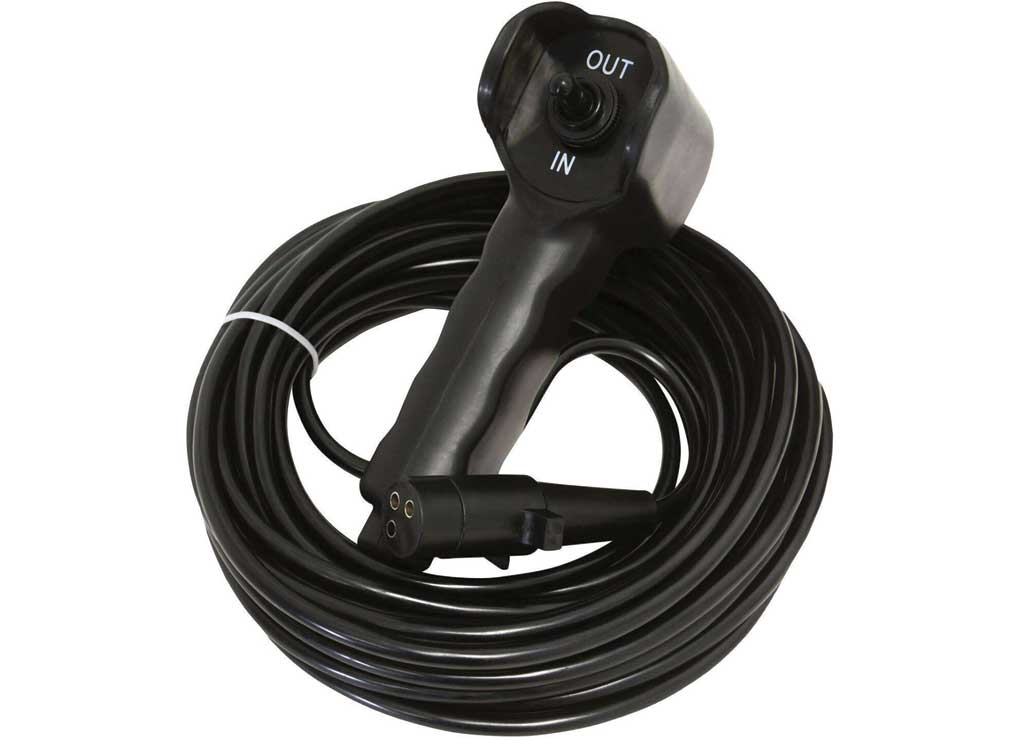
Remotes. Wired hand controls are reliable and cheap to replace; wireless remotes (included with some models like the Superwinch SX 12K) let you stand clear and watch the line. Carry the wired control as a backup.
Mounting options and electrical
A winch puts the full line load into whatever it's bolted to, so the mount must be rated for the winch. Options we stock:
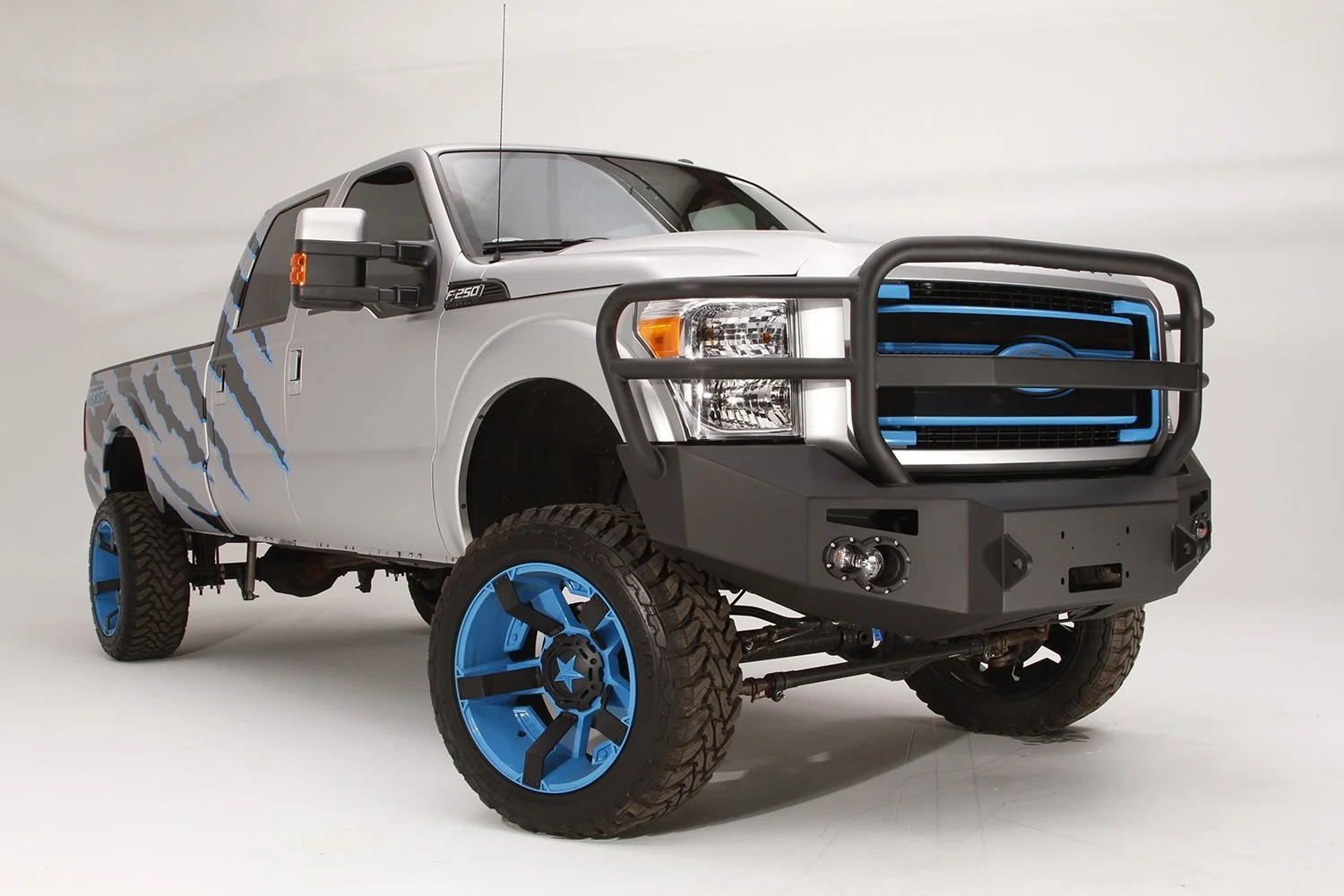
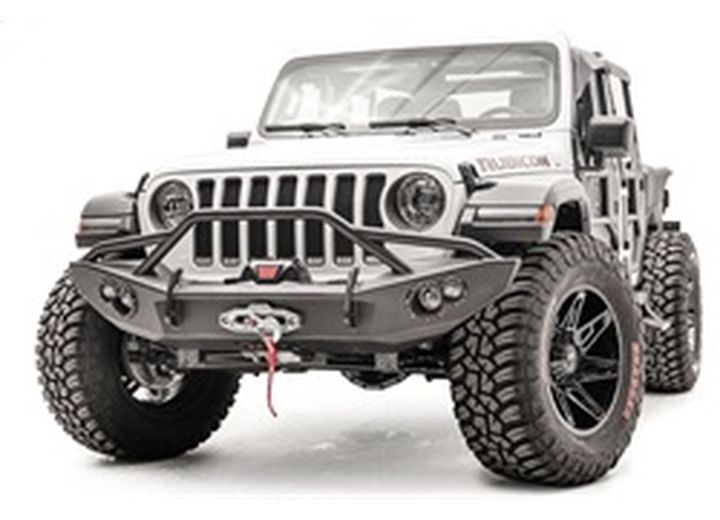
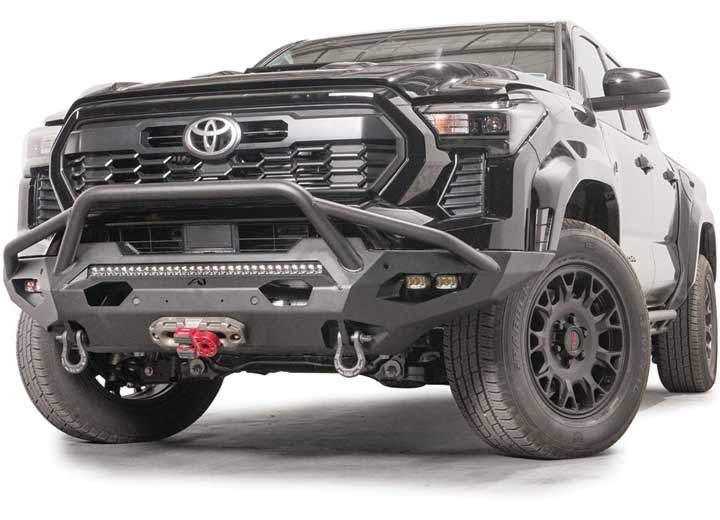
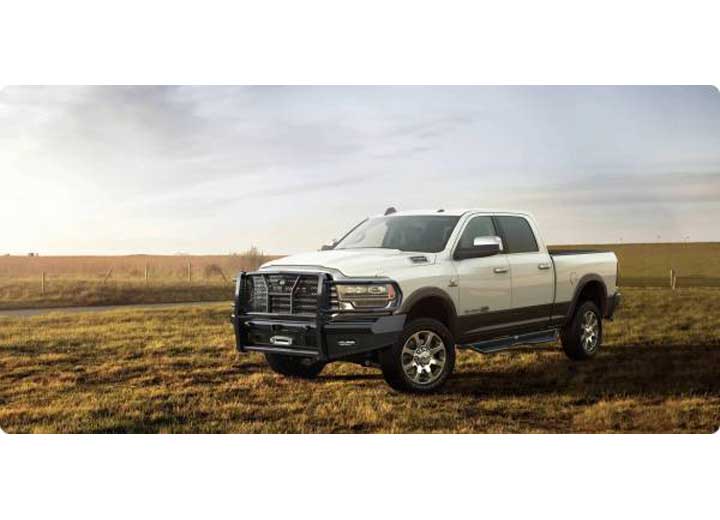
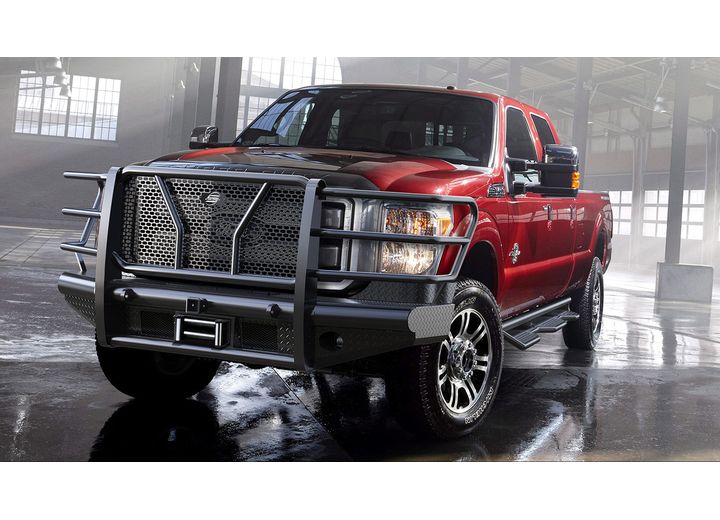
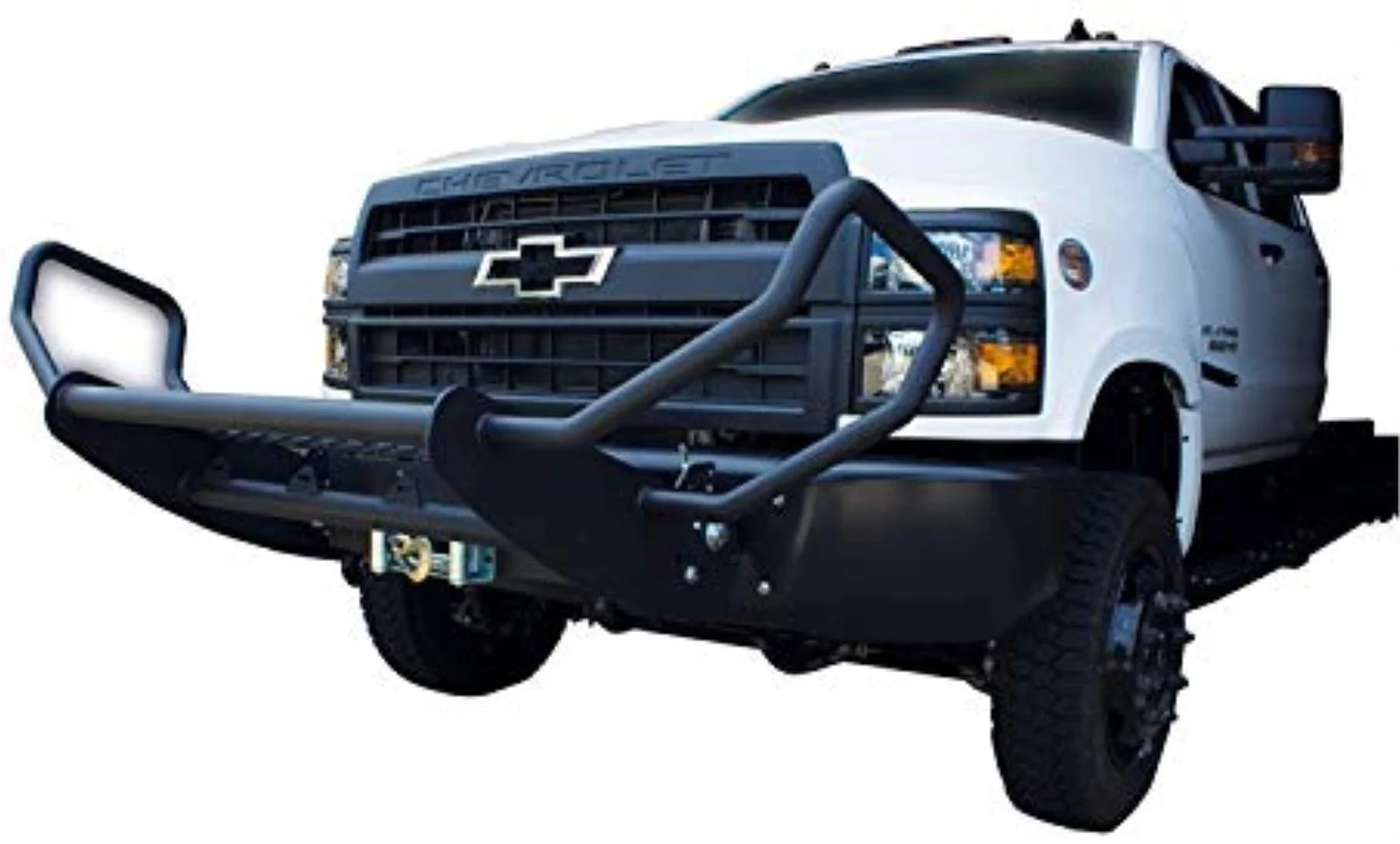
- Winch bumpers (Fab Fours, Road Armor, Body Armor 4x4 Eco and Ambush, Steelcraft, Raptor) replace the factory bumper with a steel bumper that has a built-in winch cradle, plus recovery points. The strongest and most protective option, and the most expensive. Note that some bumpers are sold as non-winch versions, so read the title.
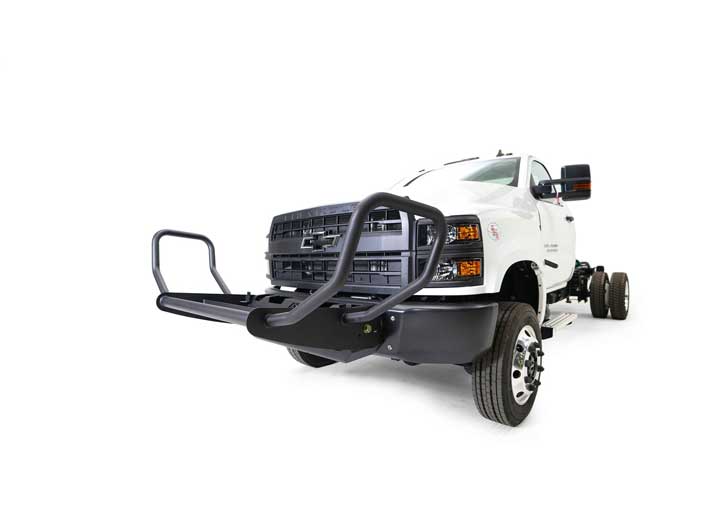
- Hidden winch mounts (Fab Fours, Bulldog for JL with OE steel bumper) tuck the winch behind or inside the factory-style bumper or a prerunner guard.
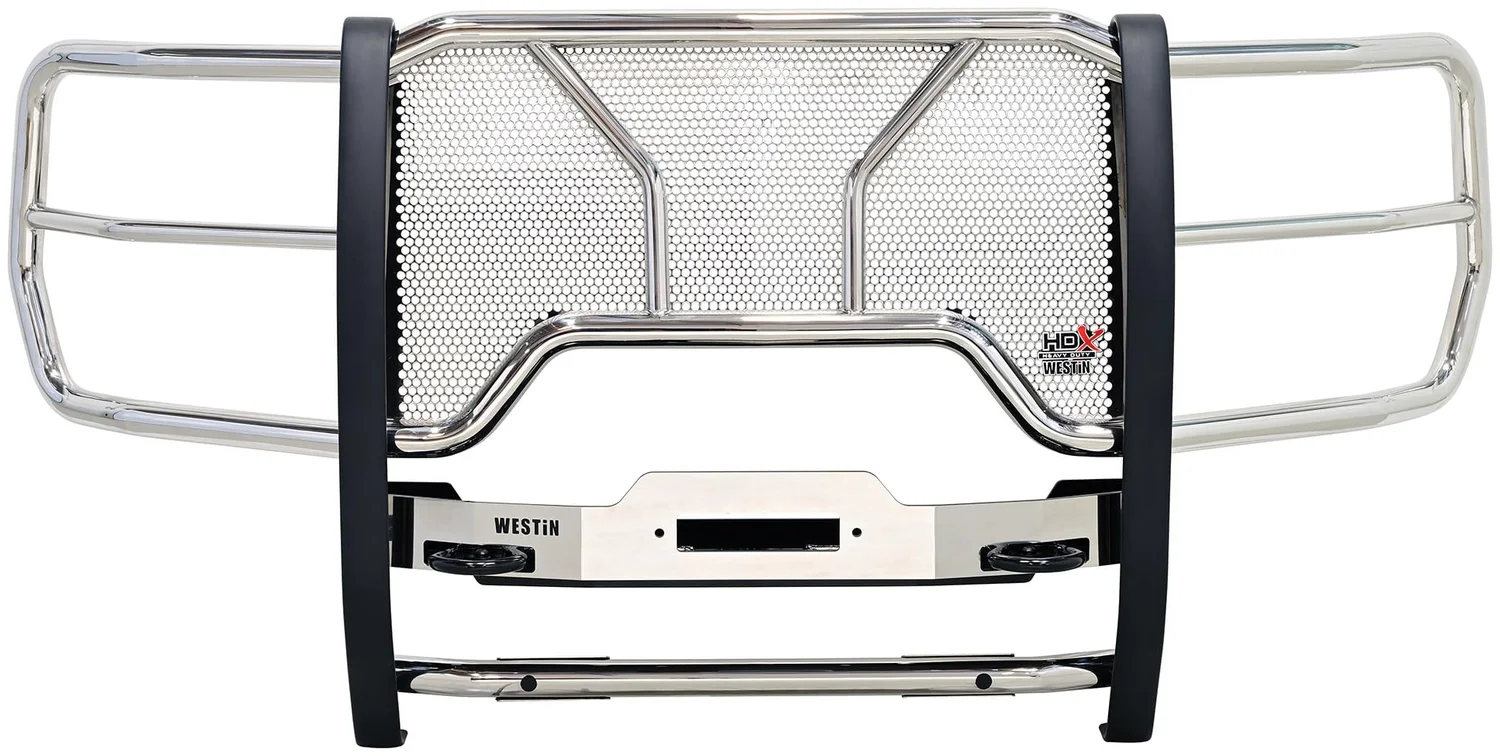
- Grille guard winch mounts (Westin HDX) combine front-end protection with a winch plate.
- Winch trays and mounting kits (Westin Max and WJ2 trays, Warn Trans4mer) bolt behind the factory bumper for a lower-cost install.
Mounts are vehicle-specific down to the model year and trim, and some affect sensors, airbags or cooling airflow. Confirm fitment before ordering. More options in our grille guards and bumpers guide.
Electrical. Winches draw a lot of current under load. Run the supplied heavy-gauge cables directly to the battery, keep the engine running while winching, and make sure the battery is healthy. Heavy users often add a stronger battery or a dual-battery setup; see AGM vs flooded vs lithium batteries. Quick-connect rear wiring kits (Bulldog 2-gauge kits) let you run a receiver-mounted winch at either end of the vehicle.
Safe winching and the rigging you need
- Use a proper anchor. Wrap a tree saver strap low around a healthy tree and connect both ends with a shackle. Never wrap the winch line around the anchor and hook it back onto itself.
- Keep wraps on the drum. Leave at least the minimum number of wraps the winch manufacturer specifies (commonly around five) so the line can't pull off the drum anchor.
- Put a damper on the line. A winch line damper, recovery blanket or heavy jacket draped over the middle of the line helps absorb energy if something fails.
- Clear the area. Nobody stands near the line, in line with it, or between vehicles. Operate the remote from well off to the side.
- Rated hardware only. Use rated shackles or soft shackles and a snatch block with a working load limit above the pull. Bulldog's 16,000 lb WLL rigging kit and 19K snatch block are examples of complete, rated gear.
- Don't use the winch to tow or tie down. Winches are for recovery. Don't use one to secure a vehicle on a trailer or as a substitute for tie-downs.
Before you hit the trail, read our off-road recovery gear guide for straps, kinetic ropes, traction boards and jacks.