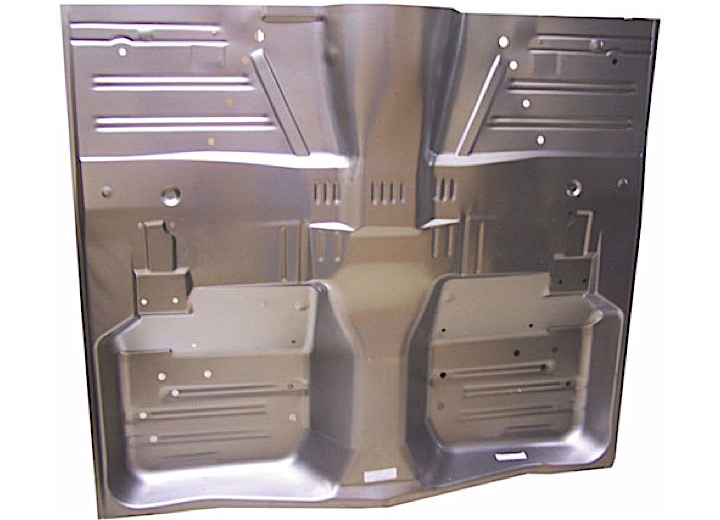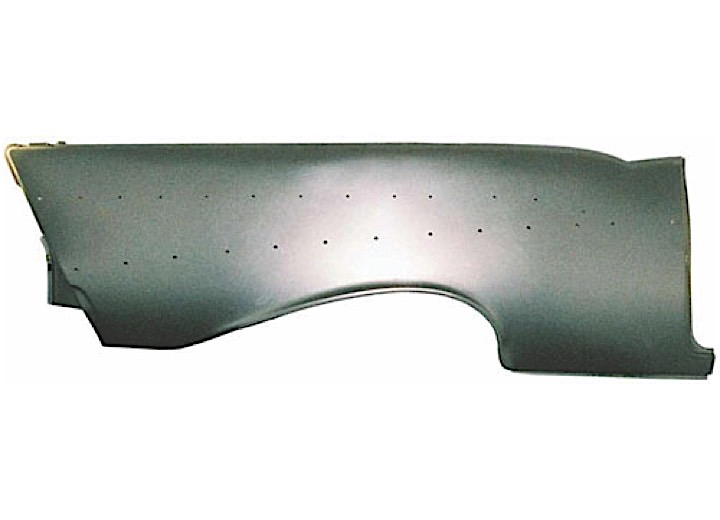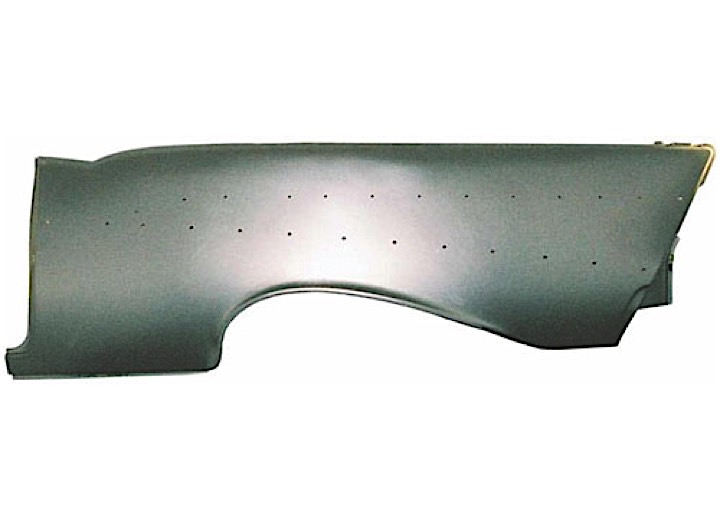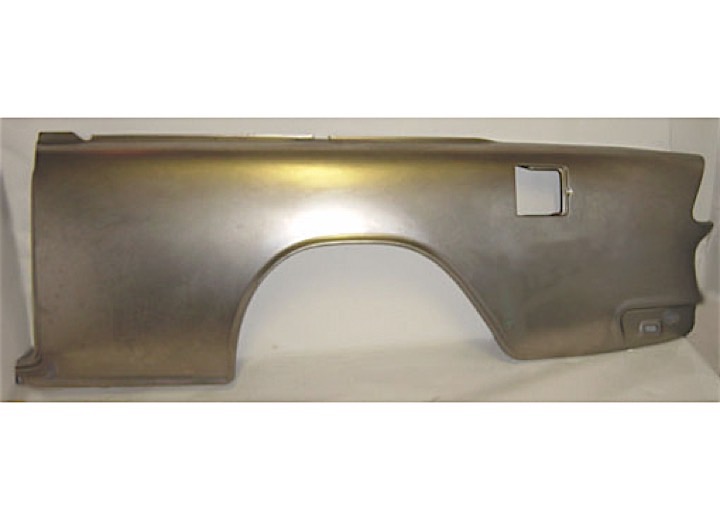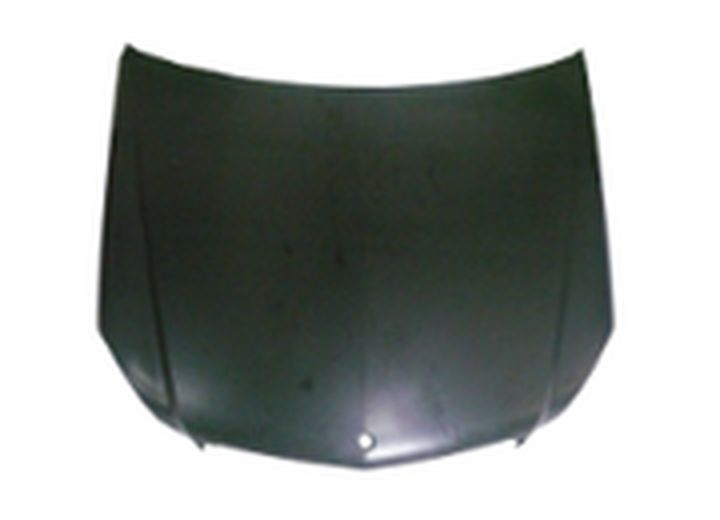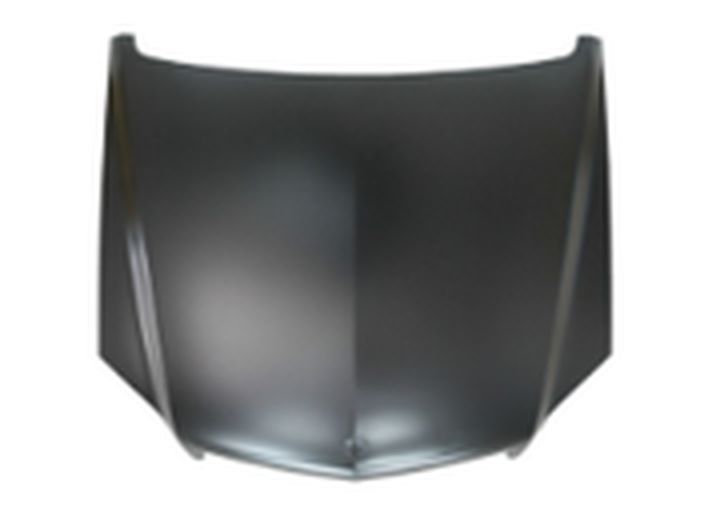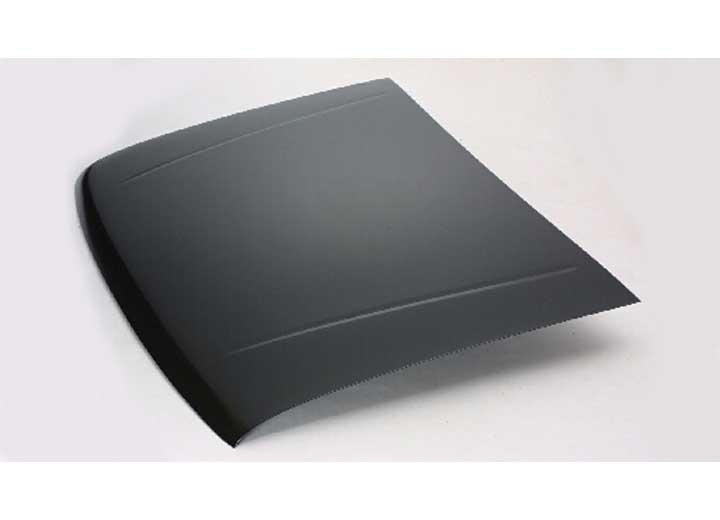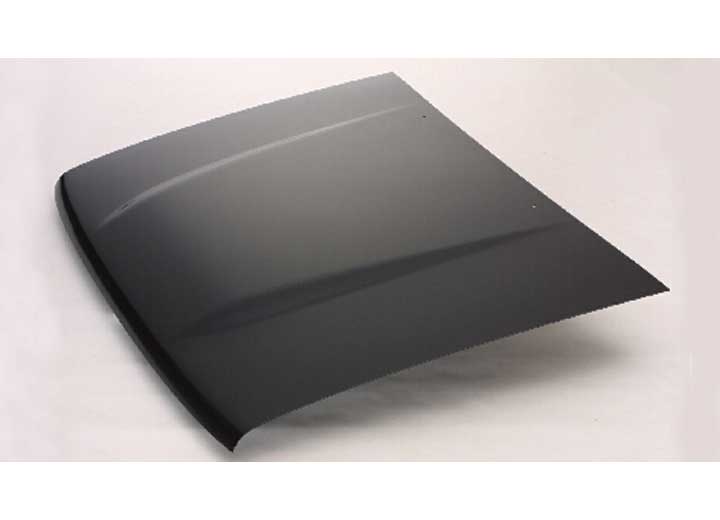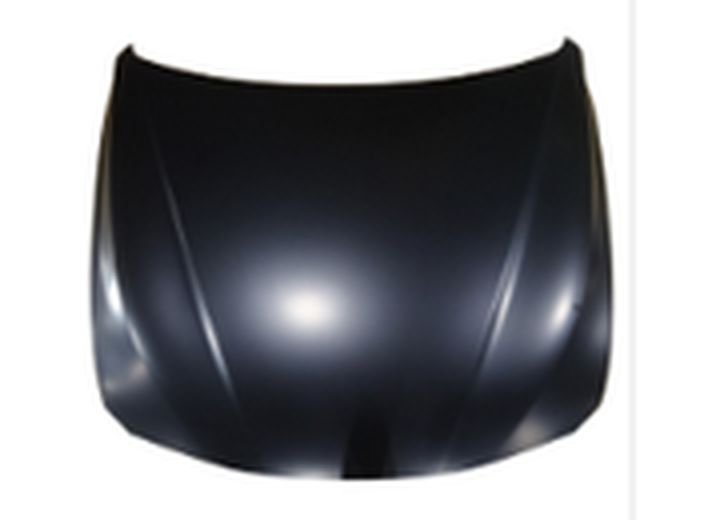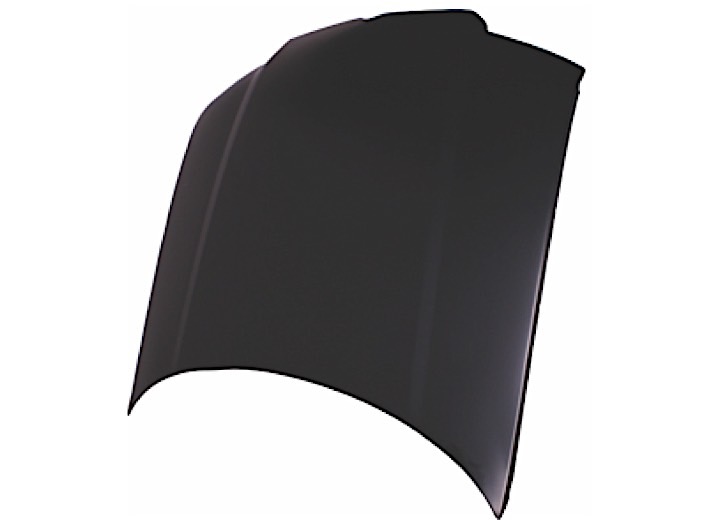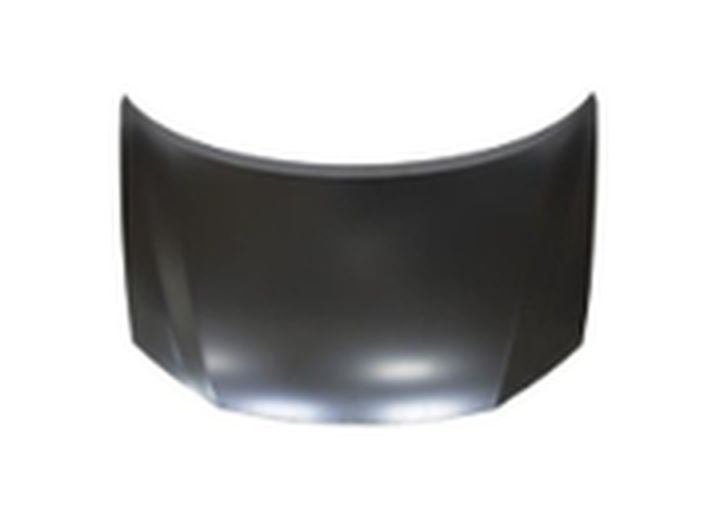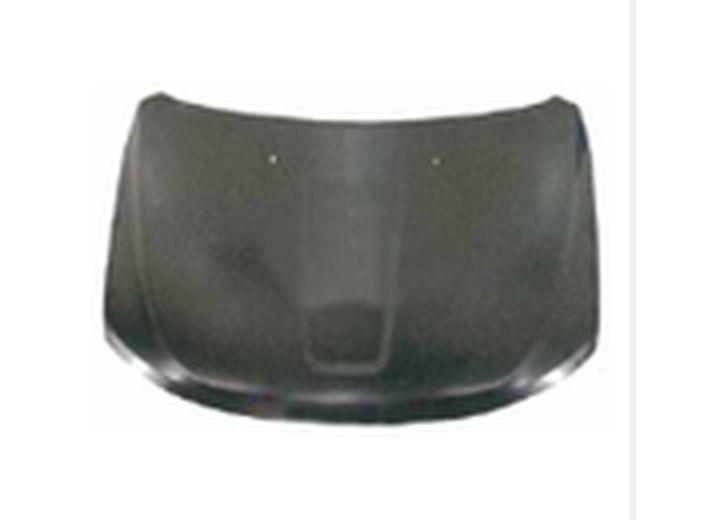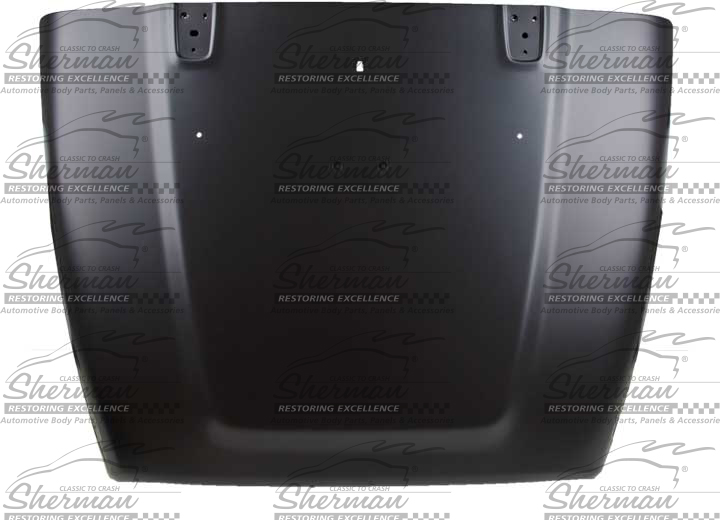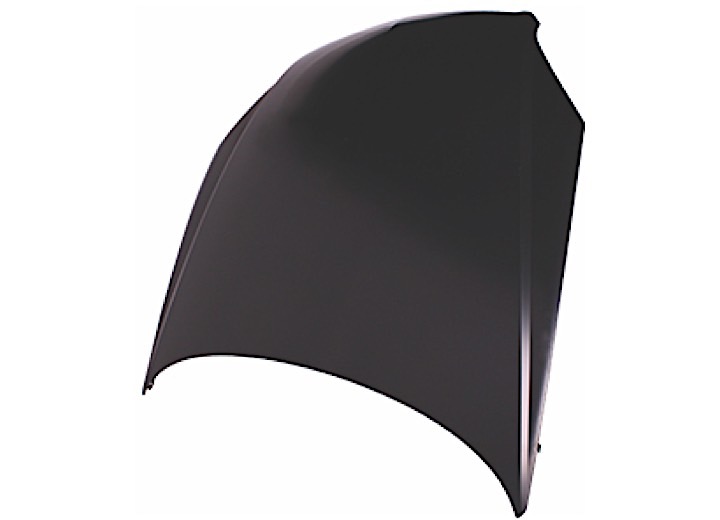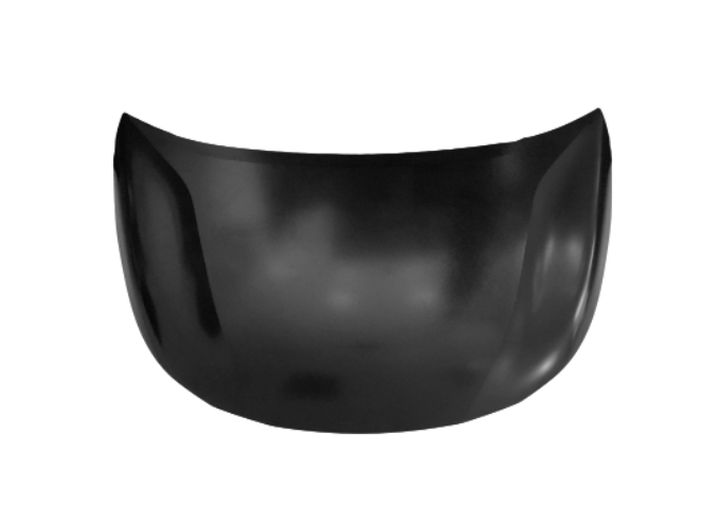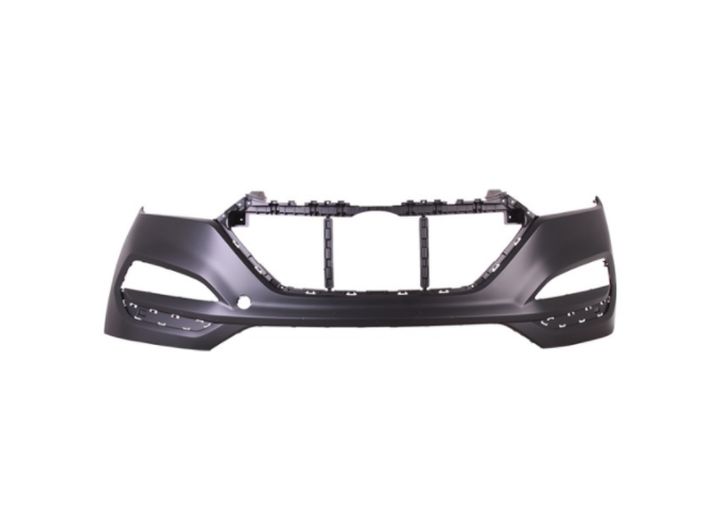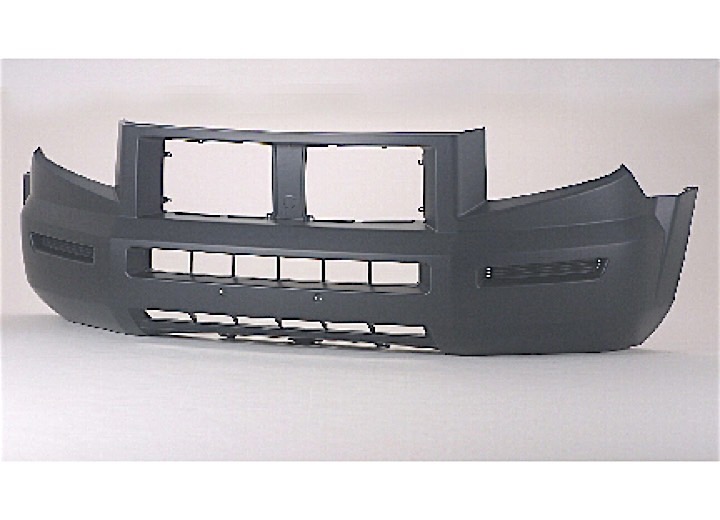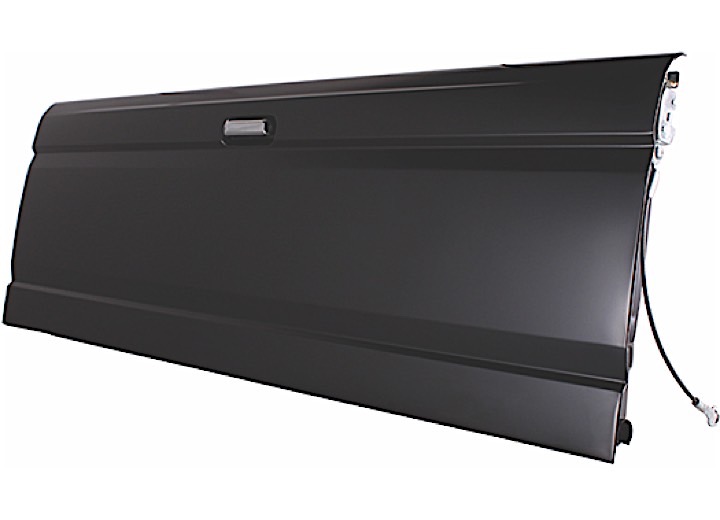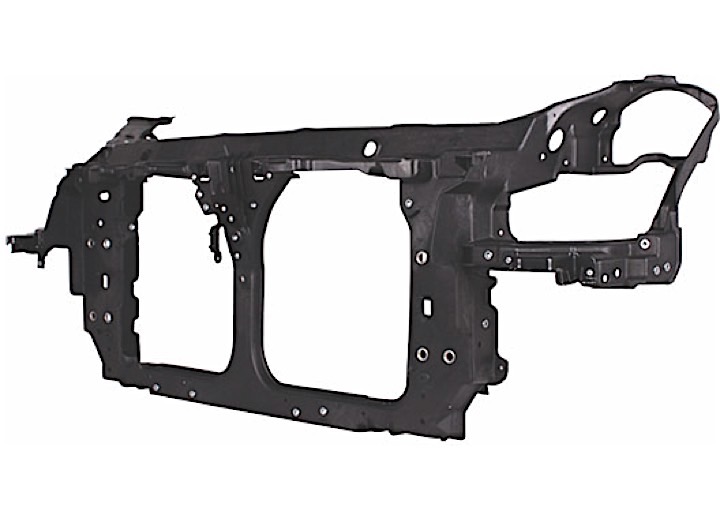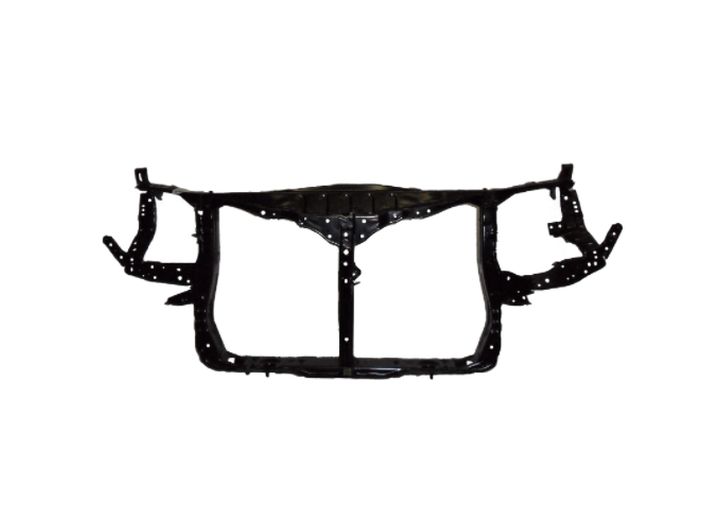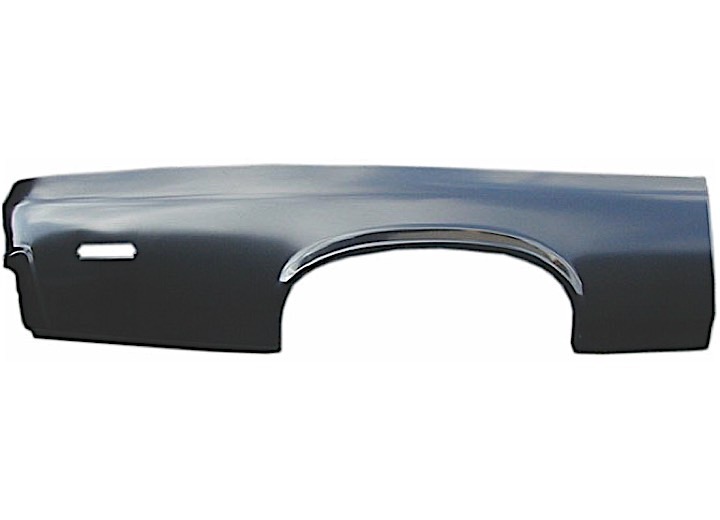
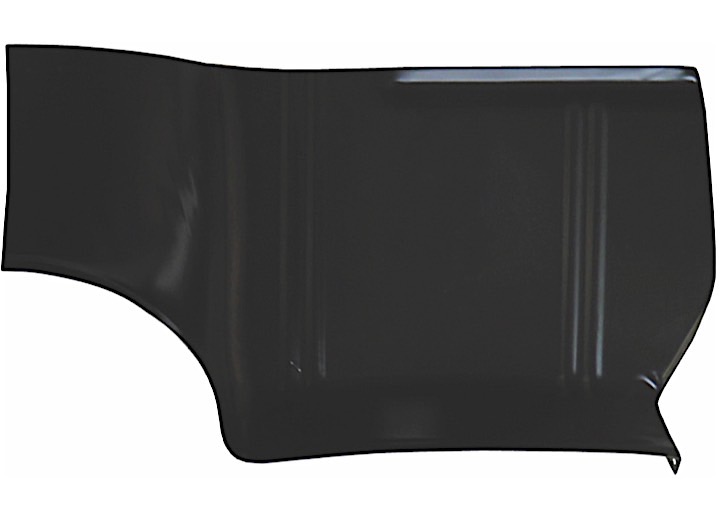
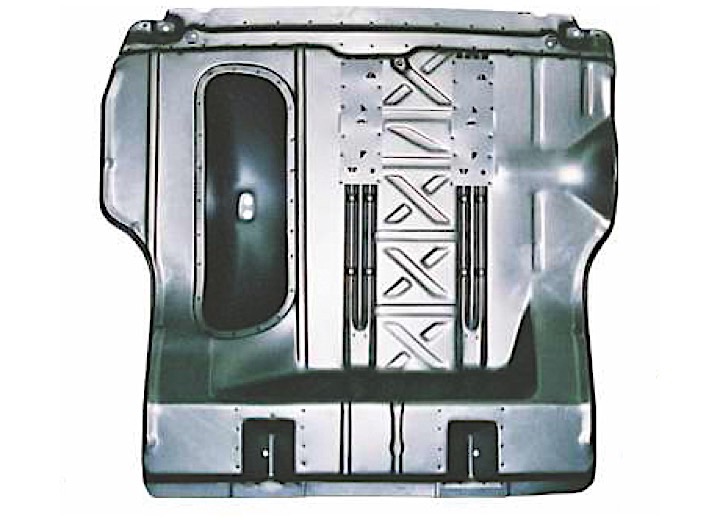
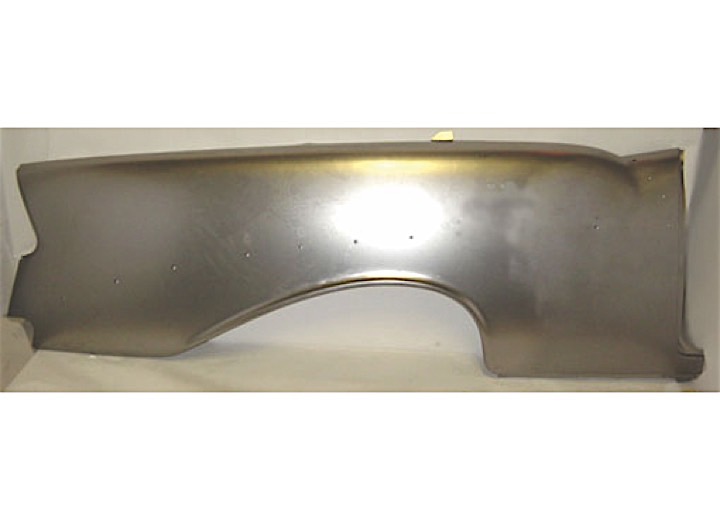
Sherman Parts makes aftermarket replacement sheet metal and body parts for two very different jobs. For collision repair on late-model cars, trucks and SUVs, Sherman supplies bolt-on hoods, front fenders, bumper covers, bumper reinforcements and radiator supports, many of them CAPA certified. For rust repair and restoration, Sherman offers weld-in panels for classics and older trucks: quarter panel skins, floor pans and toe boards, cab corners, rocker panels, door shells and even complete roof skins for cars like the Mustang, Nova, Camaro, Challenger and Tri-Five Chevy.
Our best sellers are Sherman hood panel assemblies (Mercedes C-Class and GLK, Toyota pickup and 4Runner, Ford Ranger, VW Jetta, BMW 3 Series, Honda Civic), most in the $130 to $350 range. Fenders typically run $90 to $280, bumper covers $60 to $320, and restoration patch and floor panels about $70 to $310. This guide explains how to pick the right panel type, what the labels mean and what to expect when you install it.
Bolt-on assemblies vs weld-in panels
| Panel type | Examples in Sherman's range | Install | Typical job |
|---|---|---|---|
| Hood assembly | Steel or aluminum hood with inner bracing | Bolts to hinges; transfer latch striker, insulator, washer nozzles | Front-end collision, hail, peeling clear coat |
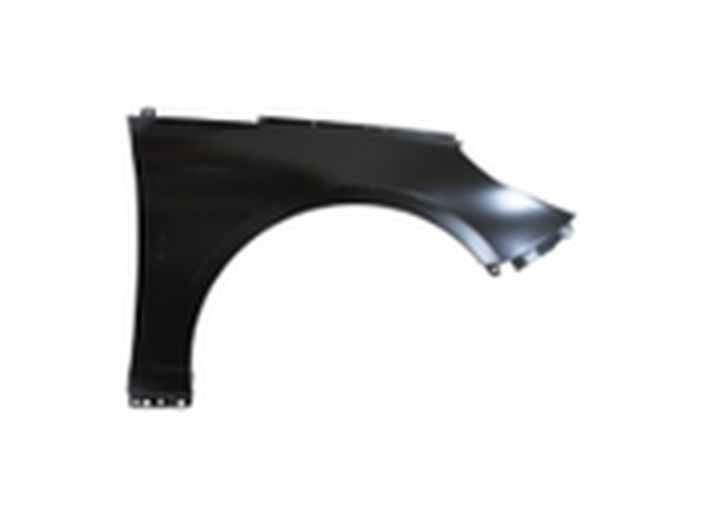
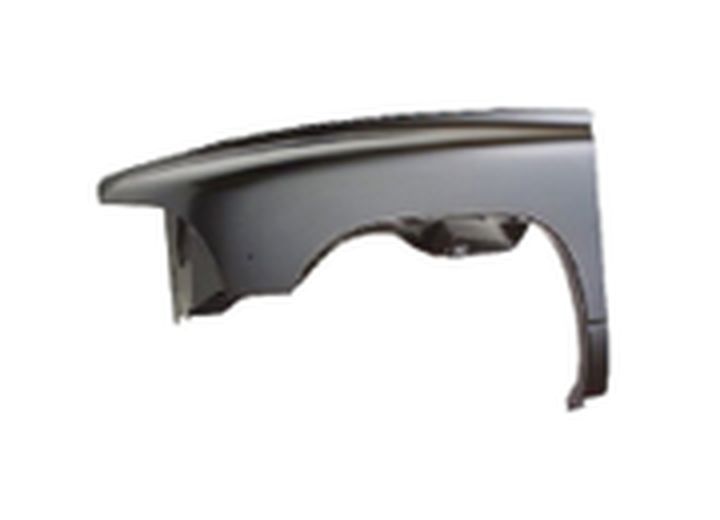
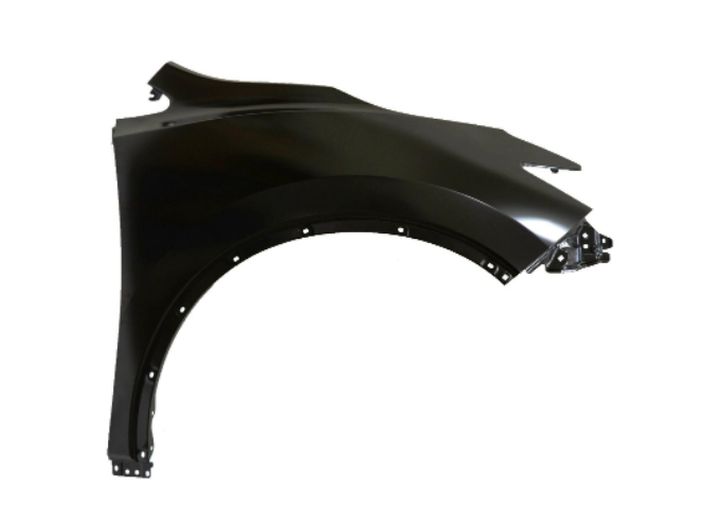
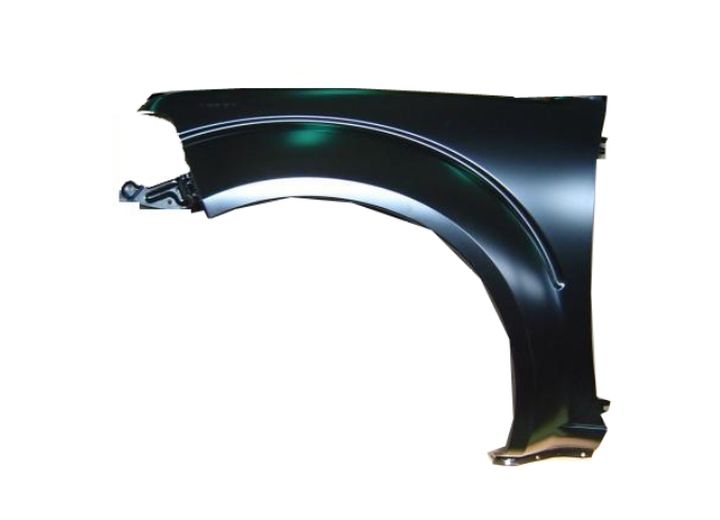
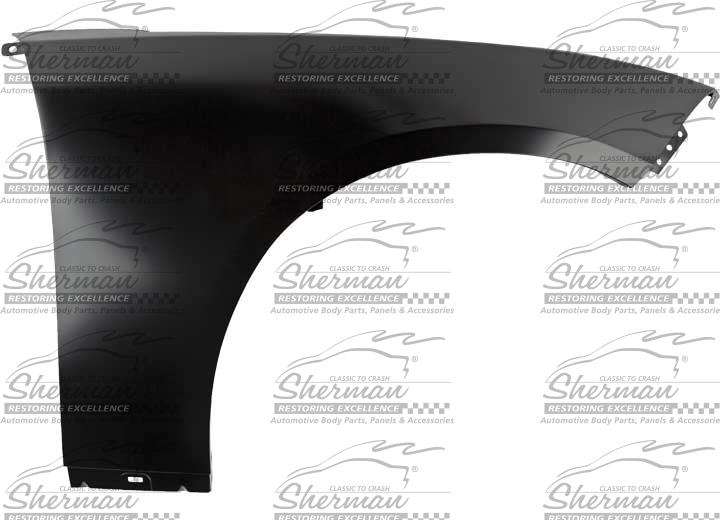
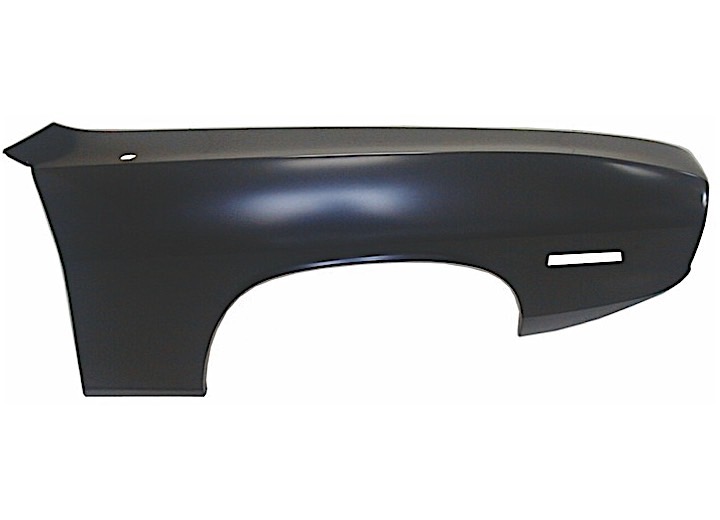
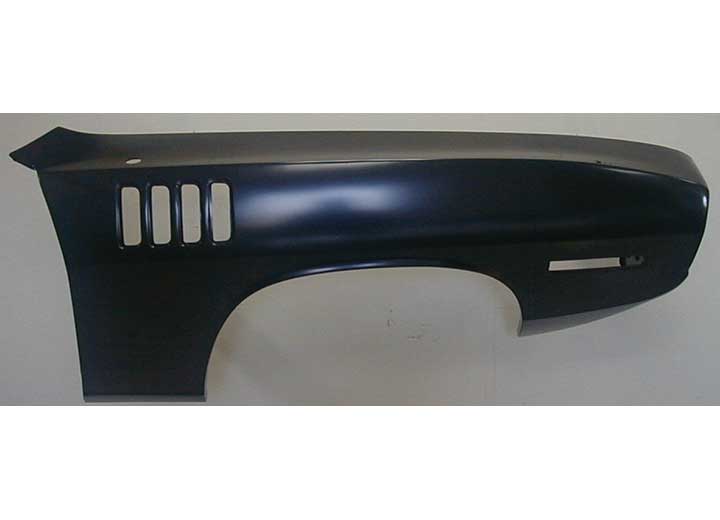
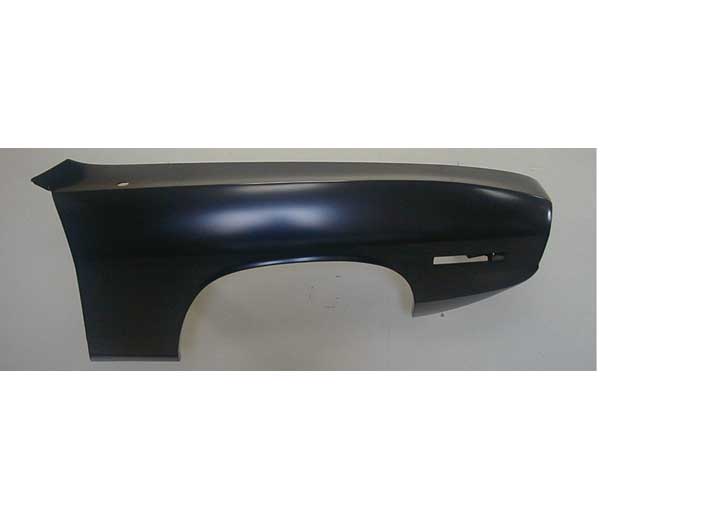
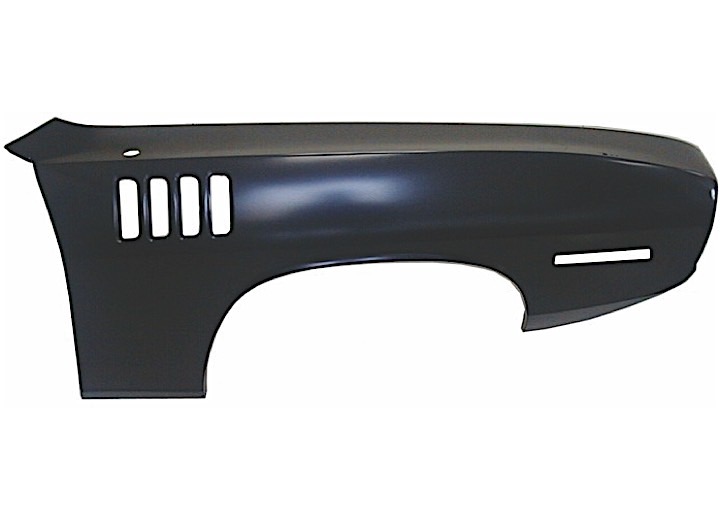
| Front fender assembly | LH or RH fenders, with or without emblem holes | Bolts on | Collision, rusted fender lips on older trucks |
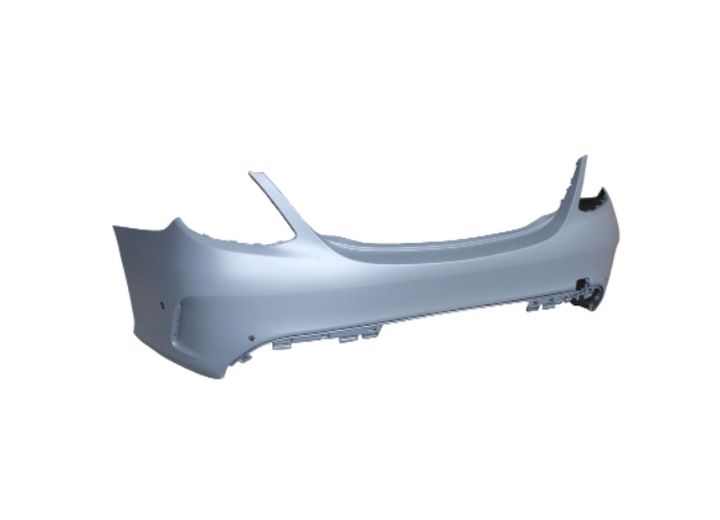
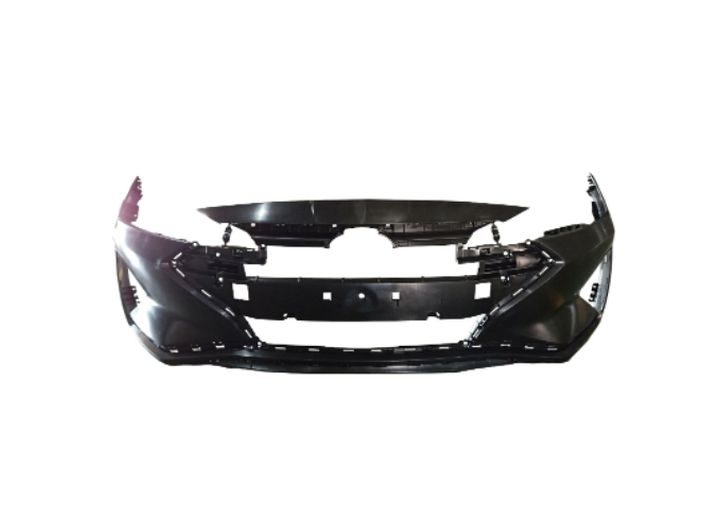
| Bumper cover | Primed, painted, textured or chrome; with or without fog or sensor holes | Clips and screws to the reinforcement | Parking-lot and front or rear impacts |
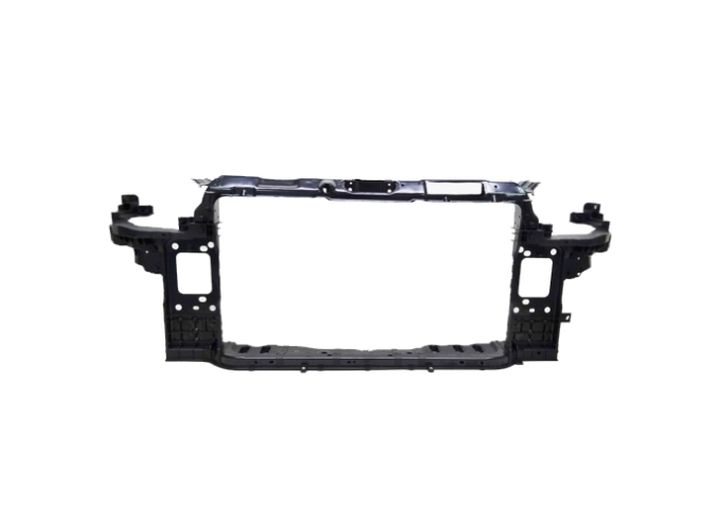
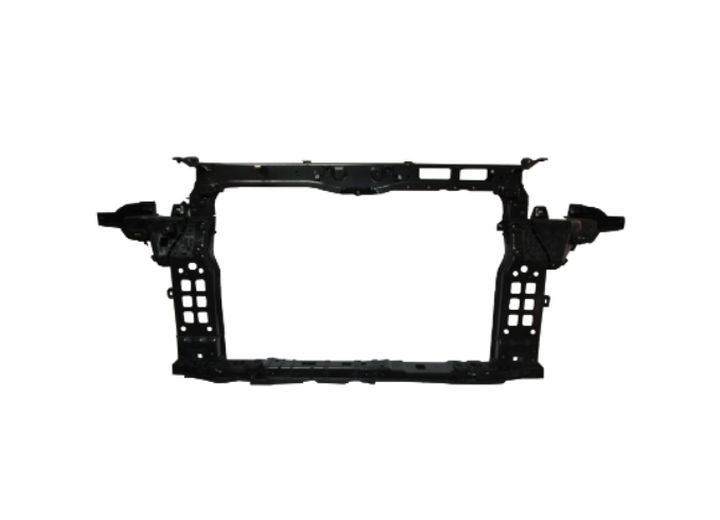
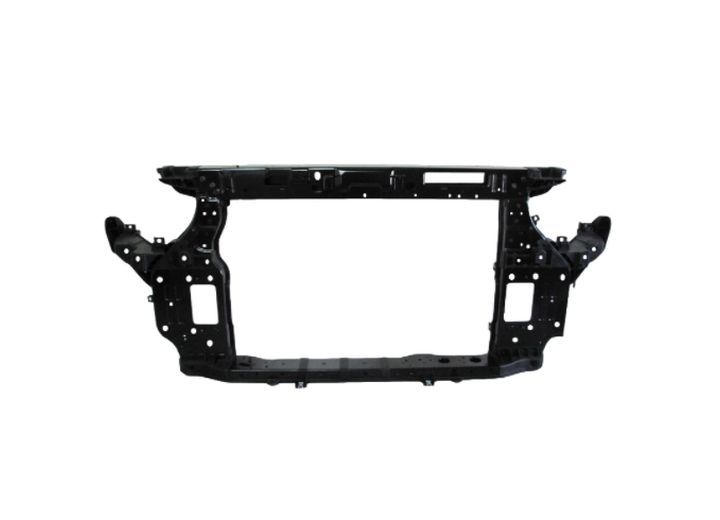
| Radiator support / reinforcement | Core supports, bumper reinforcements, brackets | Bolt-in or weld-in depending on vehicle | Heavier front-end hits |
| Quarter panel skin | Outer skin only, full or partial | Welded | Rusted or damaged rear quarters on classics |
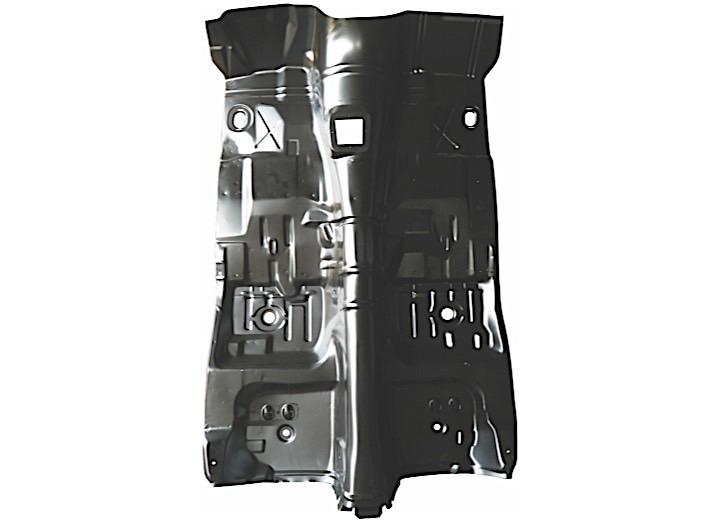
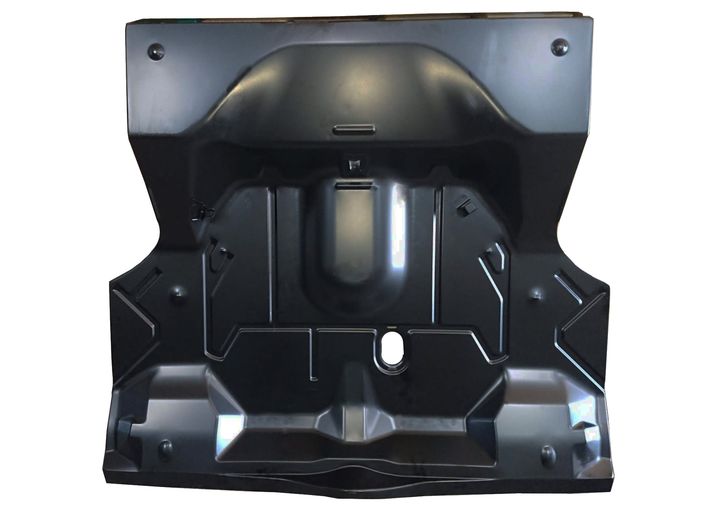
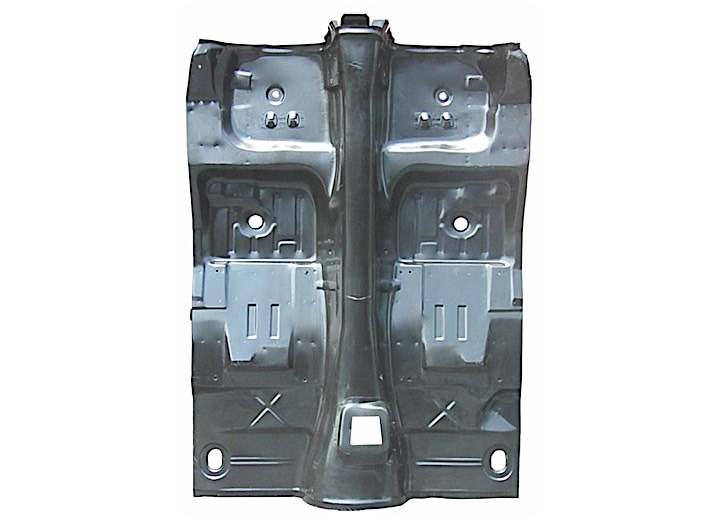
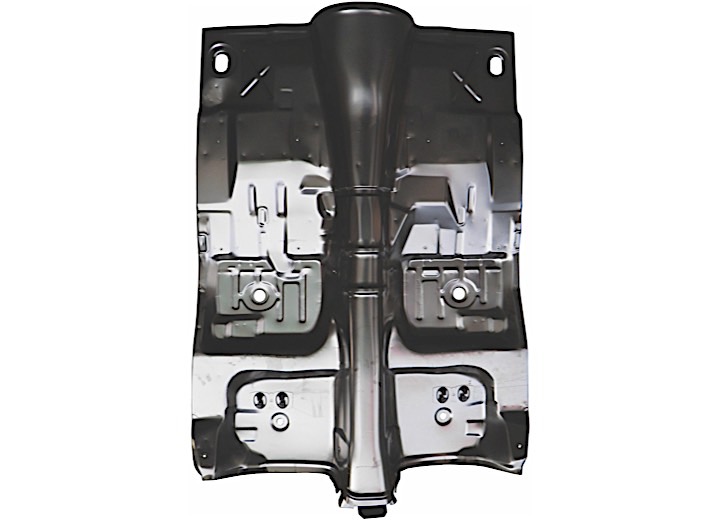
| Floor pans and toe boards | Full-length, half, rear section, toe board | Welded | Rusted-through floors |
| Cab corners, rockers, roof skins | Truck cab corners, rocker panels, complete roof skins | Welded | Rust repair, restoration |
Assemblies are complete parts that replace the original one for one, so they're the fast path for collision work. Skins and patch panels replace only the outer sheet or the rusted section; you cut out the bad metal and weld the new piece in. A partial quarter or a cab corner is far less work than a full panel when the rust is limited to the lower few inches, which is where it usually is.
How to choose: fit, CAPA, gauge and options
- Match the exact application. Sherman titles list make, model, body style and years, and often details like 2 door vs 4 door, coupe vs sedan, USA-built vs Japan-built, or a VIN or build-date break. Those notes matter: a Corolla hood for a Japan-built car may not fit a USA-built one.
- Left vs right. LH and RH refer to the driver's and passenger's side as you sit in the vehicle (driver's side is LH in the US).
- CAPA certified or not. CAPA (the Certified Automotive Parts Association) is an independent program that tests aftermarket collision parts for fit, materials and finish against the original part. Many insurers and shops prefer CAPA parts. Non-CAPA Sherman parts can fit well too; CAPA simply adds third-party verification.
- Steel vs aluminum. If your vehicle came with an aluminum hood (late Grand Cherokee and Subaru Forester, for example), buy the aluminum version. Aluminum needs different repair techniques and shouldn't be swapped for steel without checking weight and fit.
- Gauge for weld-in panels. Restoration panels often list the steel gauge, such as 19 or 20 gauge. Lower numbers are thicker. Compare to the original metal, and expect thinner panels to need more care to avoid warping when welding.
- Holes and options. Bumper covers and fenders come with or without fog lamp, park sensor, flare or emblem holes. Match what your trim has, or plan to drill.
Prep, fitment and installation tips
Inspect on arrival. Check every panel for shipping damage before you sign off or start work. It is far easier to resolve a crease before the panel has been drilled, welded or painted.
Test-fit before paint. Bolt on hoods and fenders, check gaps against the doors, headlights and bumper, and adjust before any paint goes on. Aftermarket panels sometimes need minor tweaking of brackets or gaps, which is normal in a body shop.
Finishing. Most steel panels and bumper covers ship in a protective e-coat or primer, not your color. Scuff, prime as needed and paint to match. Plastic bumper covers typically call for a flexible paint system, and any bare plastic exposed by sanding needs an adhesion promoter. Textured covers and air dams are usually left unpainted.
For weld-in rust repair:
- Cut back to clean, solid metal. Patching over rust just traps it.
- Clamp the panel and tack-weld in small sections, alternating sides to limit heat warping, especially on large flat skins.
- Use weld-through primer on flanges, then seam sealer and a quality epoxy primer on finished seams.
- Treat and coat the inside of rockers, quarters and floors with a cavity wax or rust inhibitor once the work is done.
If you're replacing structural parts after a hard hit, have the frame and unibody measured. A bolt-on radiator support won't fix a bent rail.