Getting a kayak to the water is usually harder than paddling it. The right carrier depends on four things: what your vehicle has on the roof (bare roof, factory rails or crossbars), how heavy and wide your kayak is, how many boats you carry, and whether you load alone. A 10 foot recreational kayak like the Pelican Argo 100X rides happily in a simple J-cradle. A loaded fishing kayak or a small boat like the Pelican Bass Raider 10E is a different job and may belong in a truck bed or on a trailer.
This guide covers the main rack styles (J-cradle, stacker, saddle and rear-loading), how to check fit and roof weight limits, how to tie a kayak down properly with bow and stern lines, and the carts, storage racks and rigging that make the rest of the trip easier. Brands we stock include Thule, Rhino-Rack, Swagman, Sport Rack, G3, Railblaza, YakAttack and Scotty, along with kayaks from Pelican and Lifetime.
Kayak rack styles compared
| Style | How the kayak rides | Best for | Trade-offs |
|---|---|---|---|
| J-cradle | On its side, leaning into a J-shaped arm | One kayak per cradle, leaves bar space for a second boat or bike | You lift the boat to roof height and slightly sideways |
| Stacker | On edge against an upright post | Carrying two to four lighter kayaks on one set of bars | Boats lean on each other; strapping takes care |
| Saddle / cradle | Hull down on padded saddles | Wide, heavy sit-on-top and fishing kayaks | Uses more bar width; one boat per pair of saddles |
| Rear-loading | Hull down, slid on from the back of the vehicle | Solo loading of heavier boats, taller vehicles | Needs room behind the vehicle; costs more |
| Foam blocks | Hull down on foam, strapped through the doors | Occasional short trips with no crossbars | Least secure; not for highway speed or long trips |
J-cradles such as the Rhino-Rack fixed J carrier and the Swagman EXO Aero are the most popular choice because they turn the boat on edge, so a pair of crossbars can carry two kayaks side by side. The Sport Rack J stacking carrier folds to switch between holding a boat in the J and stacking on edge. Saddle and rear-loading carriers like the Thule Hullaport and the Rhino-Rack rear loading carrier suit heavier boats because you never have to press the full weight overhead. The G3 universal carrier handles kayaks and windsurf boards.
Fit, roof weight limits and what your kayak weighs
Almost every kayak carrier clamps to crossbars, not directly to the roof. If your vehicle has factory side rails running front to back, you still need bars across them. Check three things before you buy:
- Bar shape: crossbars come in round, square and aerodynamic (wing or T-slot) profiles. Carriers listed for "all bars" ship with hardware for most shapes; others are specific. Confirm the clamp range fits your bar.
- Bar spread and width: the carrier needs enough bar width for the boat (saddles take the most), and the bars need enough front-to-back spread to support a long hull. Check the carrier maker's minimum spread.
- Roof load limit: your owner's manual lists a dynamic (driving) roof load limit, which is much lower than the static limit used for parked loads. The limit includes the weight of the crossbars and carriers, not just the boat. Many cars and crossovers land somewhere around 100 to 165 lb, so two heavy fishing kayaks can exceed it.
Kayak weight varies widely. Short recreational sit-ins and sit-on-tops are often in the 35 to 55 lb range, while fishing kayaks with seats, rod holders and pedal drives are commonly 70 lb and up. Check the spec sheet for your exact model, and remove crates, seats and electronics before roof loading.
If the boat is too heavy for the roof or for you to lift, use a pickup with a bed extender or rack (see our truck bed racks guide), or a small trailer. Still need bars? Start with our roof racks and crossbars guide.
Loading and tying down a kayak
- Load it centered. Position the kayak so its weight is roughly centered between the bars, with the hull resting on the carrier pads, not on hard plastic or metal.
- Strap it to the carrier. Use the cam straps that come with the carrier (or quality cam buckle straps) over the hull and around the bar or carrier. Snug, not crushing. Avoid ratchet straps on plastic kayaks: they make it easy to overtighten and can dent the hull, especially on a hot day.
- Add bow and stern lines. Tie lines from the bow and stern down to solid points at the front and back of the vehicle (tow hooks, hood loop straps or a hitch). These stop the boat from lifting or twisting in crosswinds and act as a backup if a strap fails. Most carrier makers require them.
- Kill the hum. Put a few twists in each strap's free run between the boat and the bar. Flat straps vibrate loudly at speed; a twisted strap does not.
- Check again. Pull over after the first few miles and re-snug everything. Straps settle and plastic hulls give a little as they warm up.
Long boats can overhang the vehicle. Many states require a red flag on loads that extend more than about 4 feet past the rear, so check the rules where you drive. Tuck loose strap tails so they do not slap the paint, and keep the boat off the windshield's line of sight.
Carts, storage and rigging
Kayak carts save your back between the parking lot and the launch. Railblaza's C-TUG family is a good example of how to choose: the standard wheels suit pavement and hard trails, SandTrakz balloon wheels float over beach sand, and the C-TUG R conversion kit adapts the cart for different hull shapes. Strap the kayak to the cart near its middle so it balances without you lifting the end.
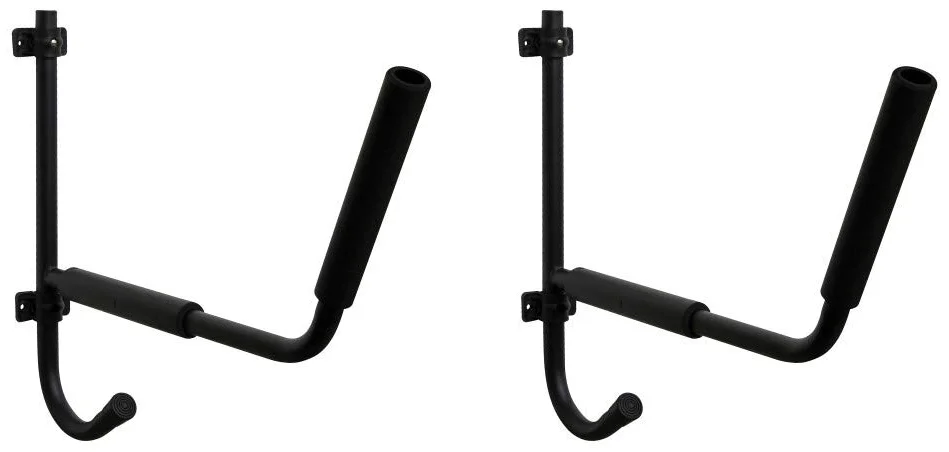
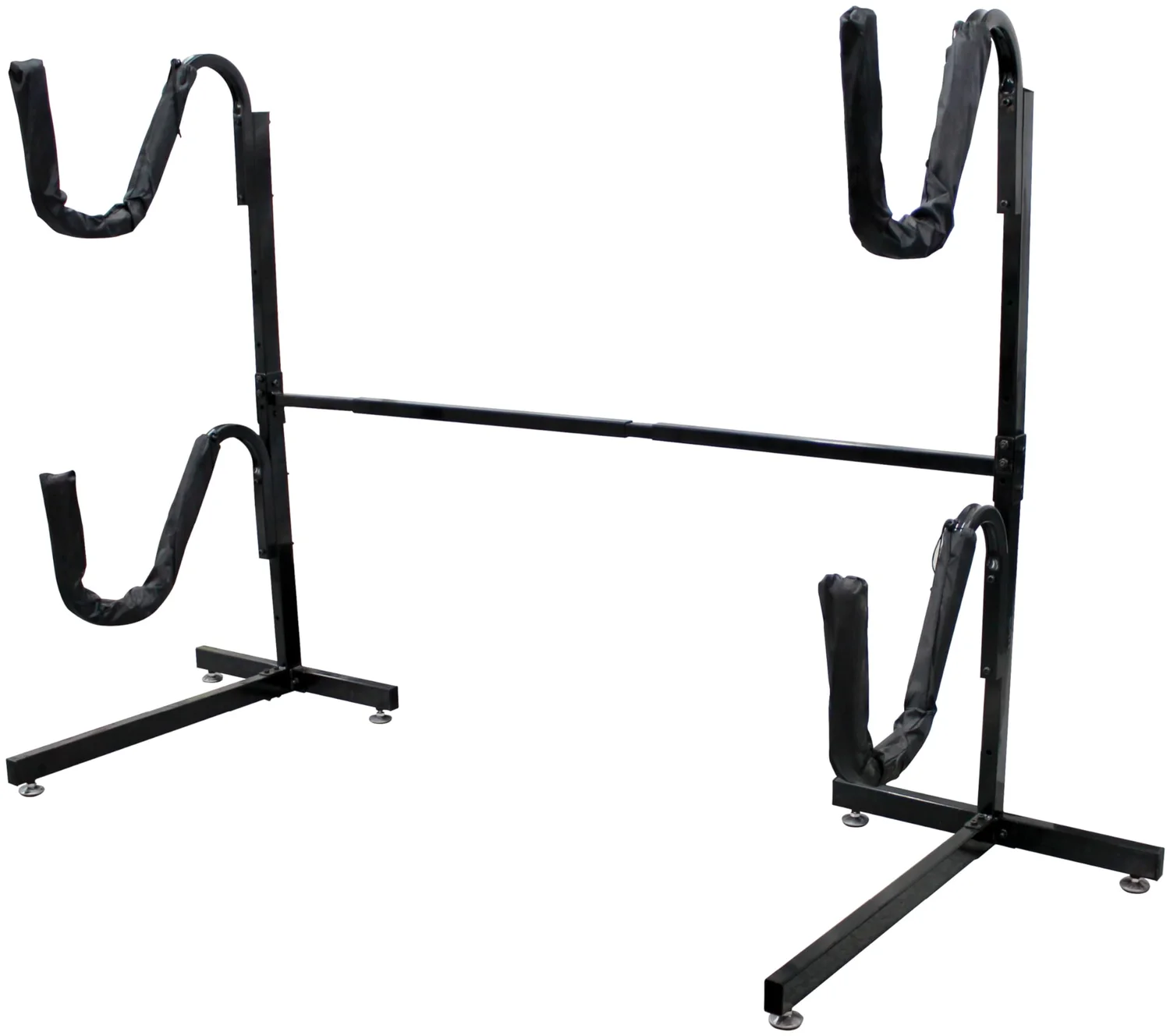
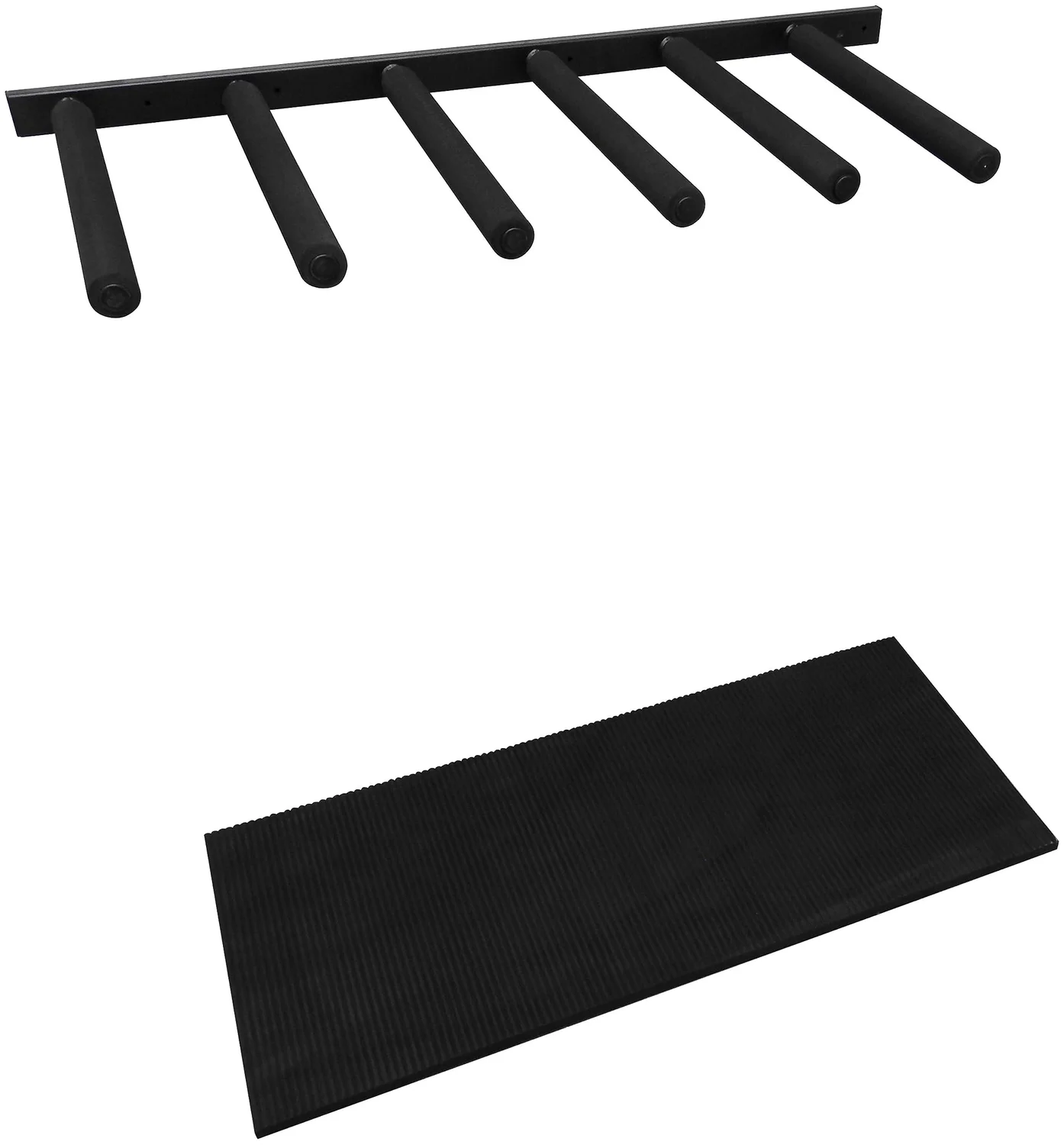
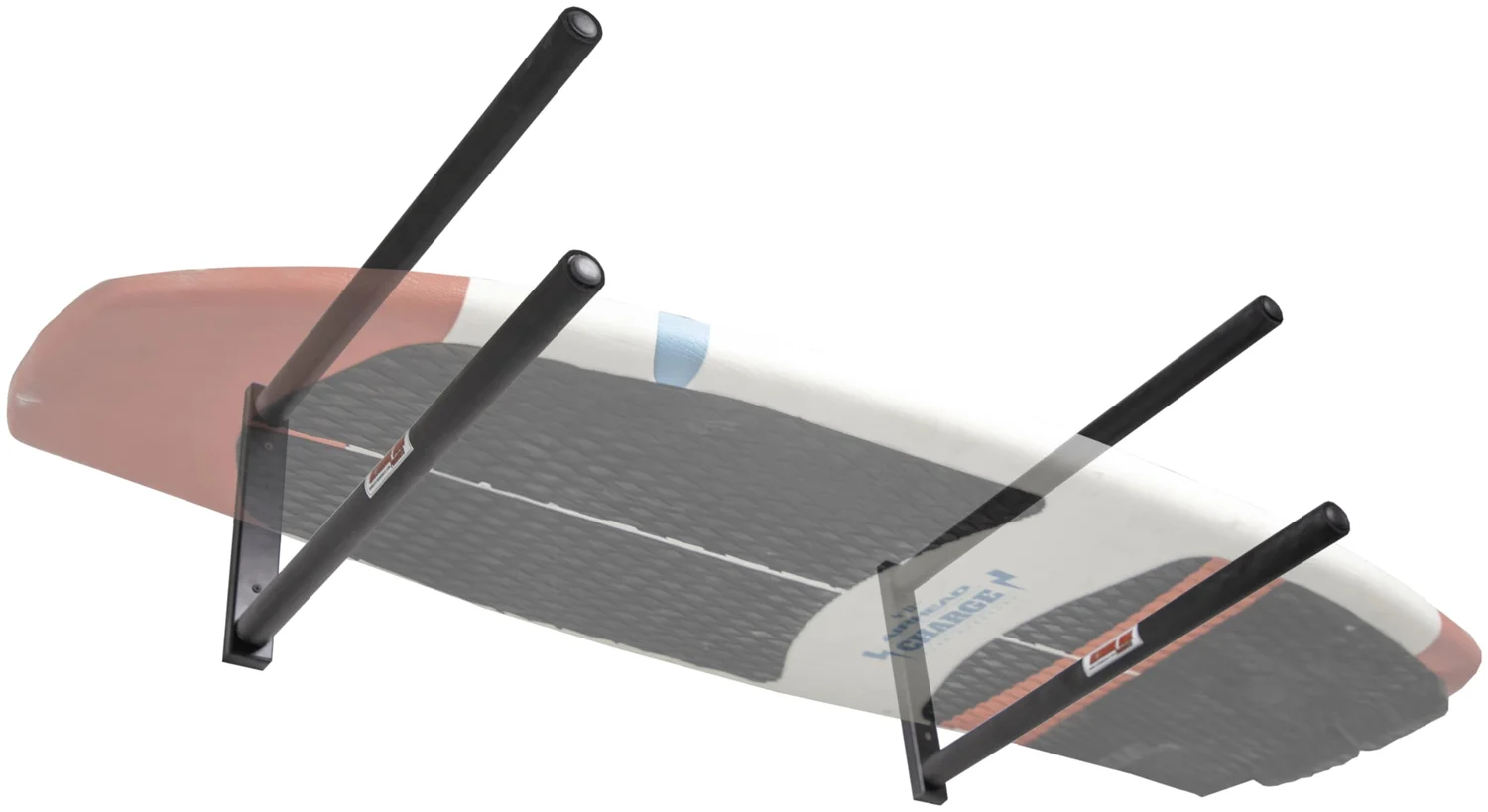
Storage: at home, plastic kayaks keep their shape best when stored on edge or hull up, supported at two wide points near the bulkheads, and out of direct sun. Padded wall mounts and freestanding racks from Extreme Max handle kayaks, SUPs and surfboards. Avoid hanging a boat by its grab handles for months, which can warp the ends.
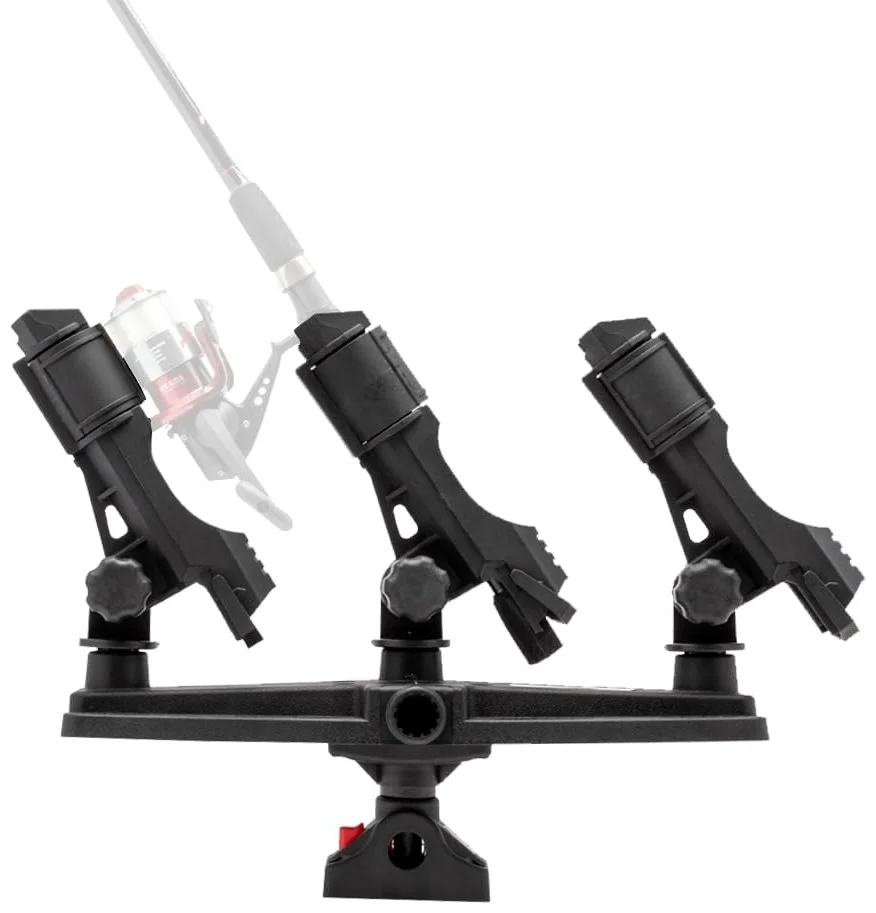
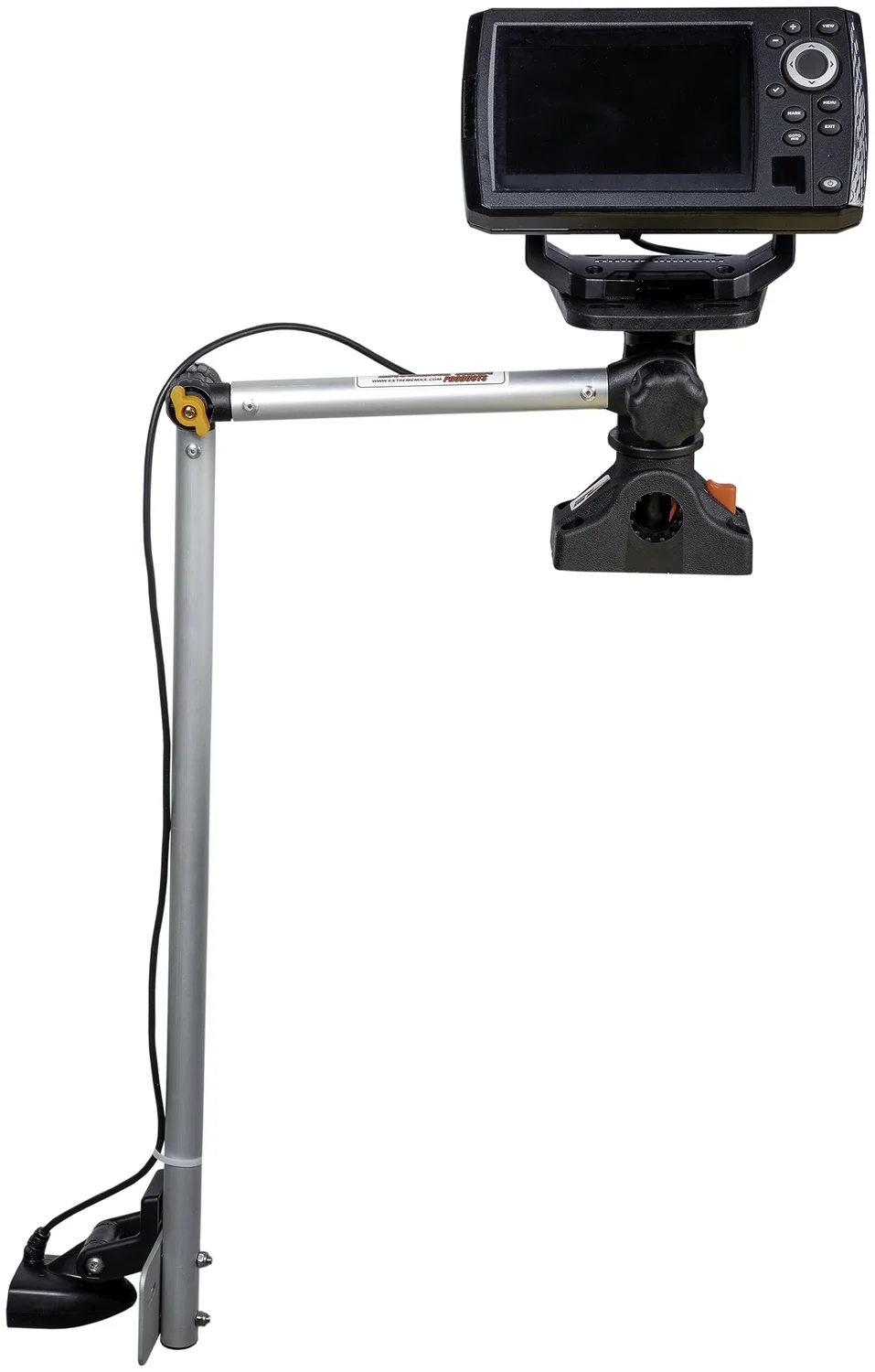
Rigging and safety: anglers can add Scotty rod holders and transducer arms, Railblaza gunnel track mounts and motor brackets, a YakAttack BlackPak Pro crate behind the seat, and a Connect Ease power connector to run electronics from one battery. Whatever you rig, bring a paddle sized to your height and boat width, and wear a life jacket: U.S. Coast Guard rules and most states require a wearable PFD for each person aboard a kayak. Paddling-specific vests like the Onyx Air Span are cut for arm movement and a high seat back.