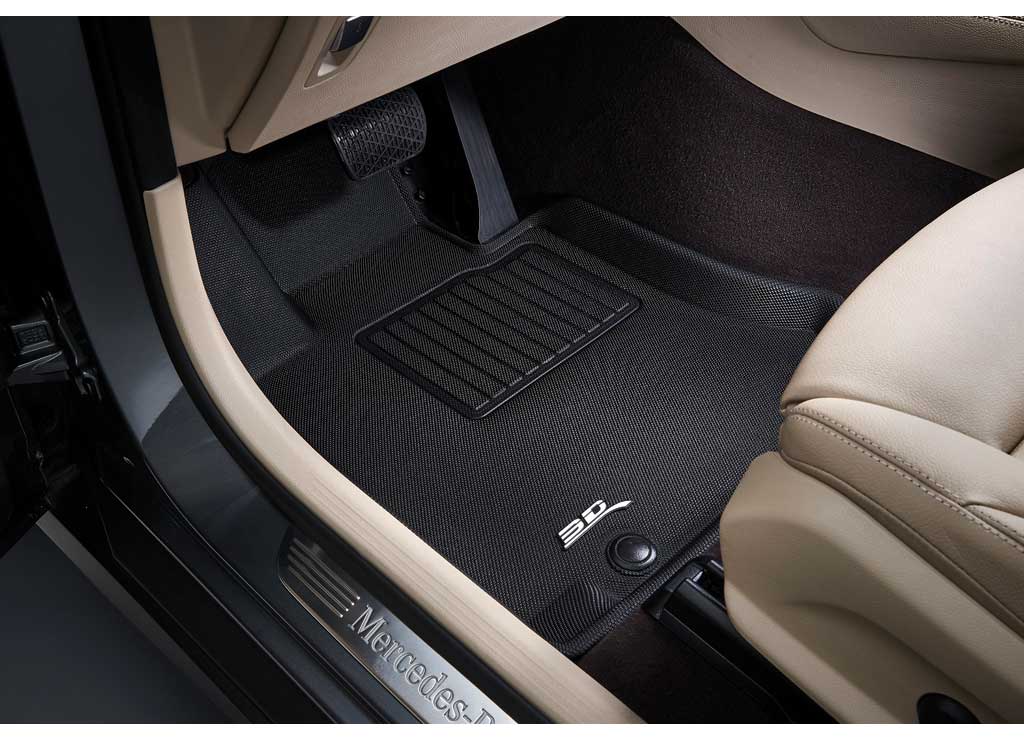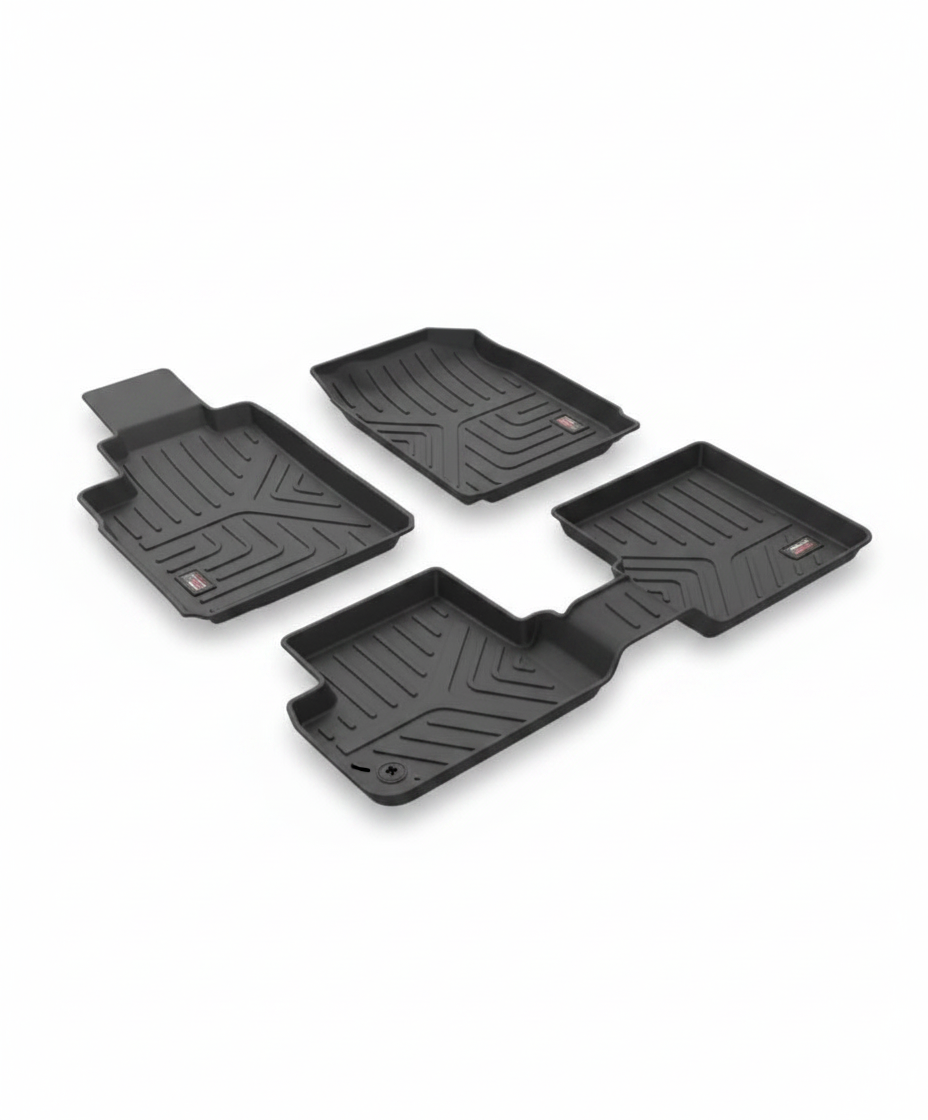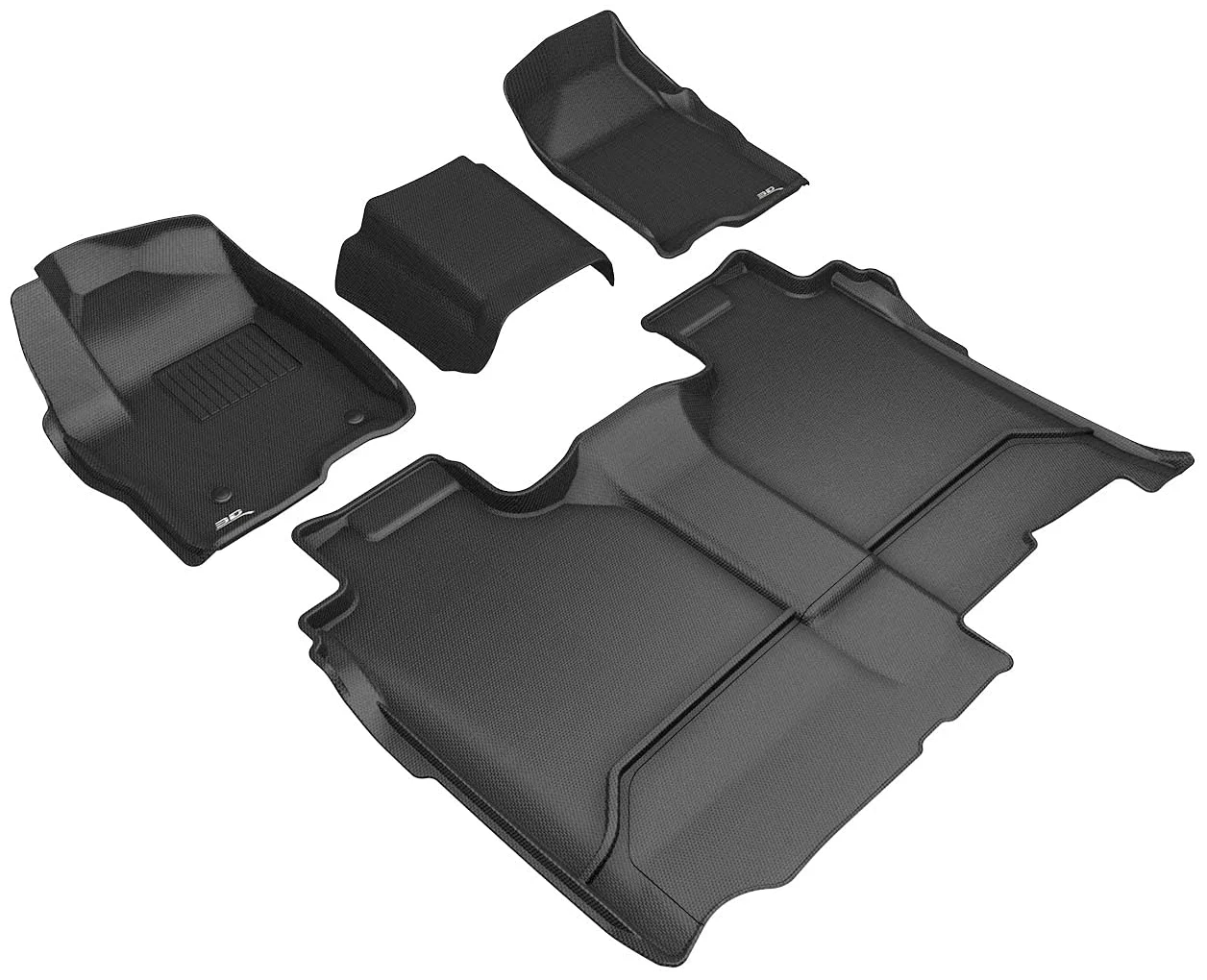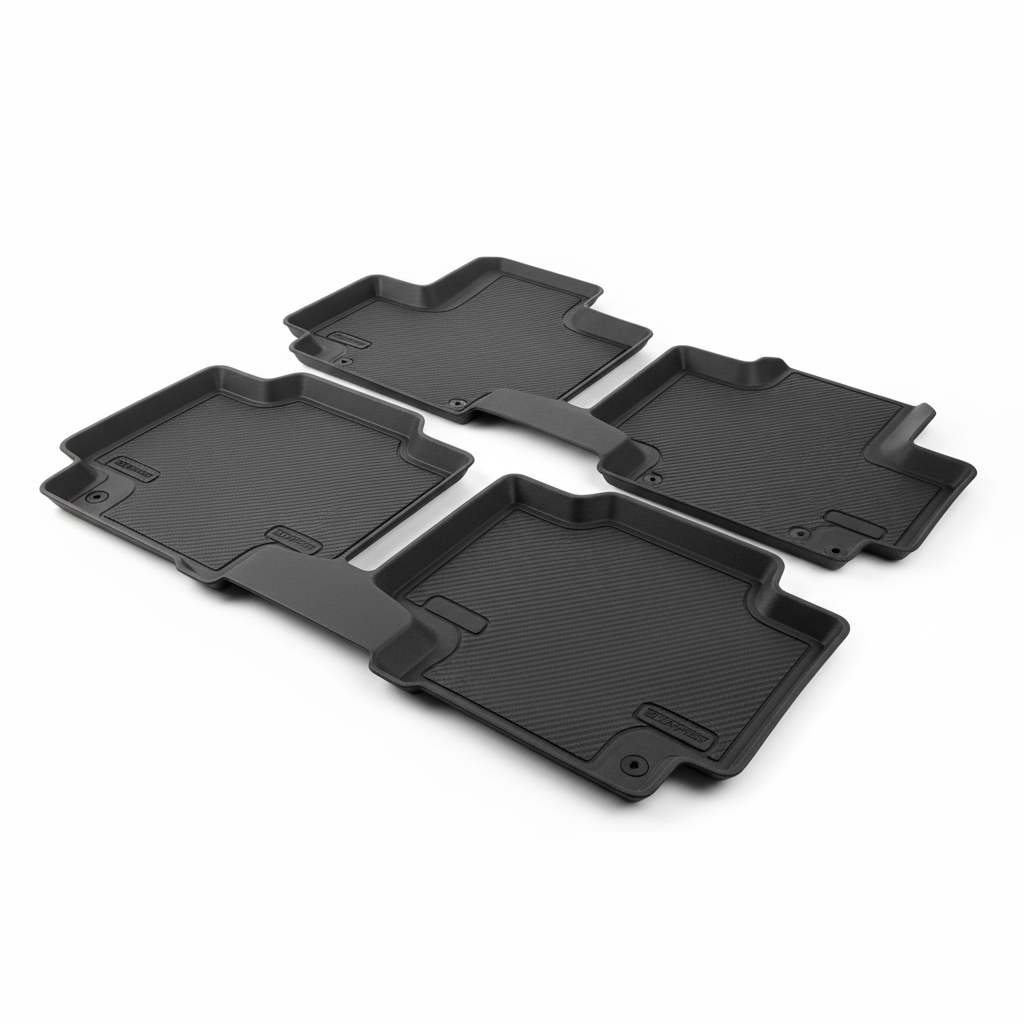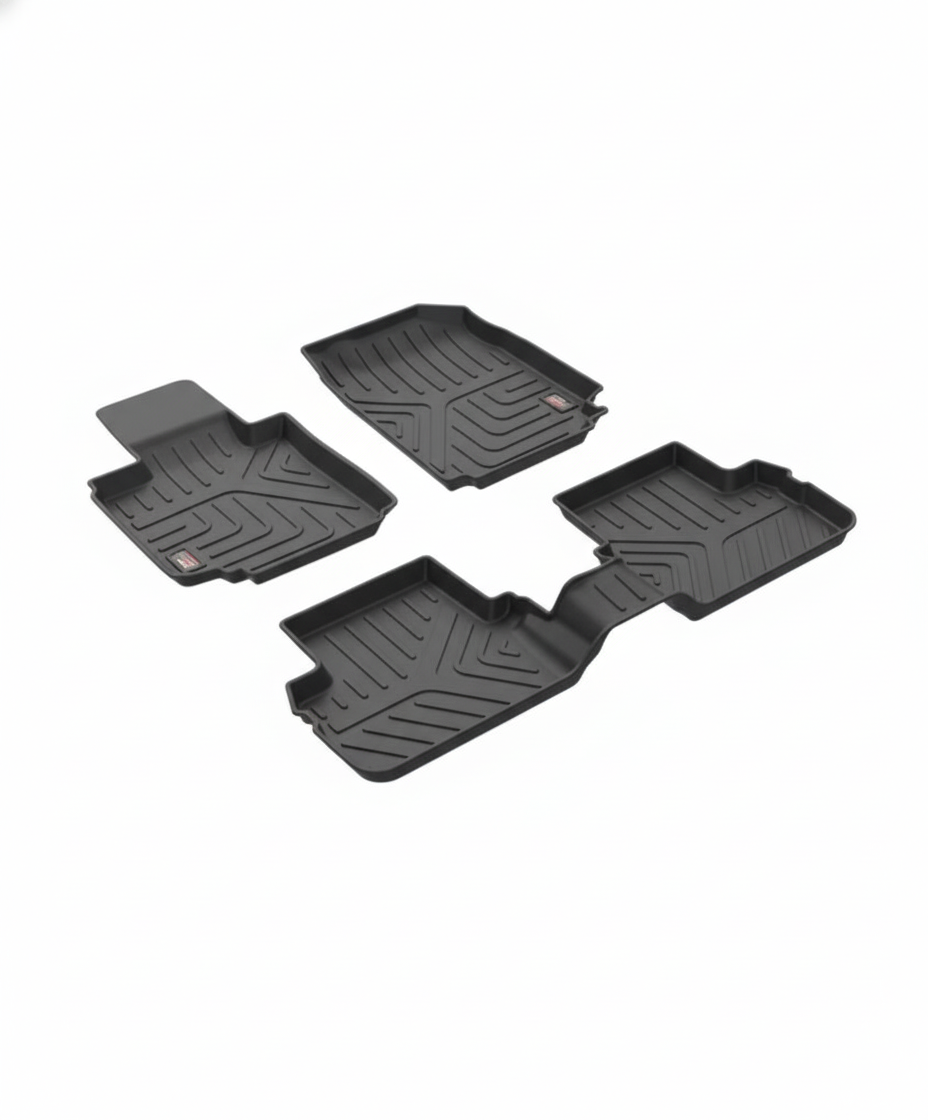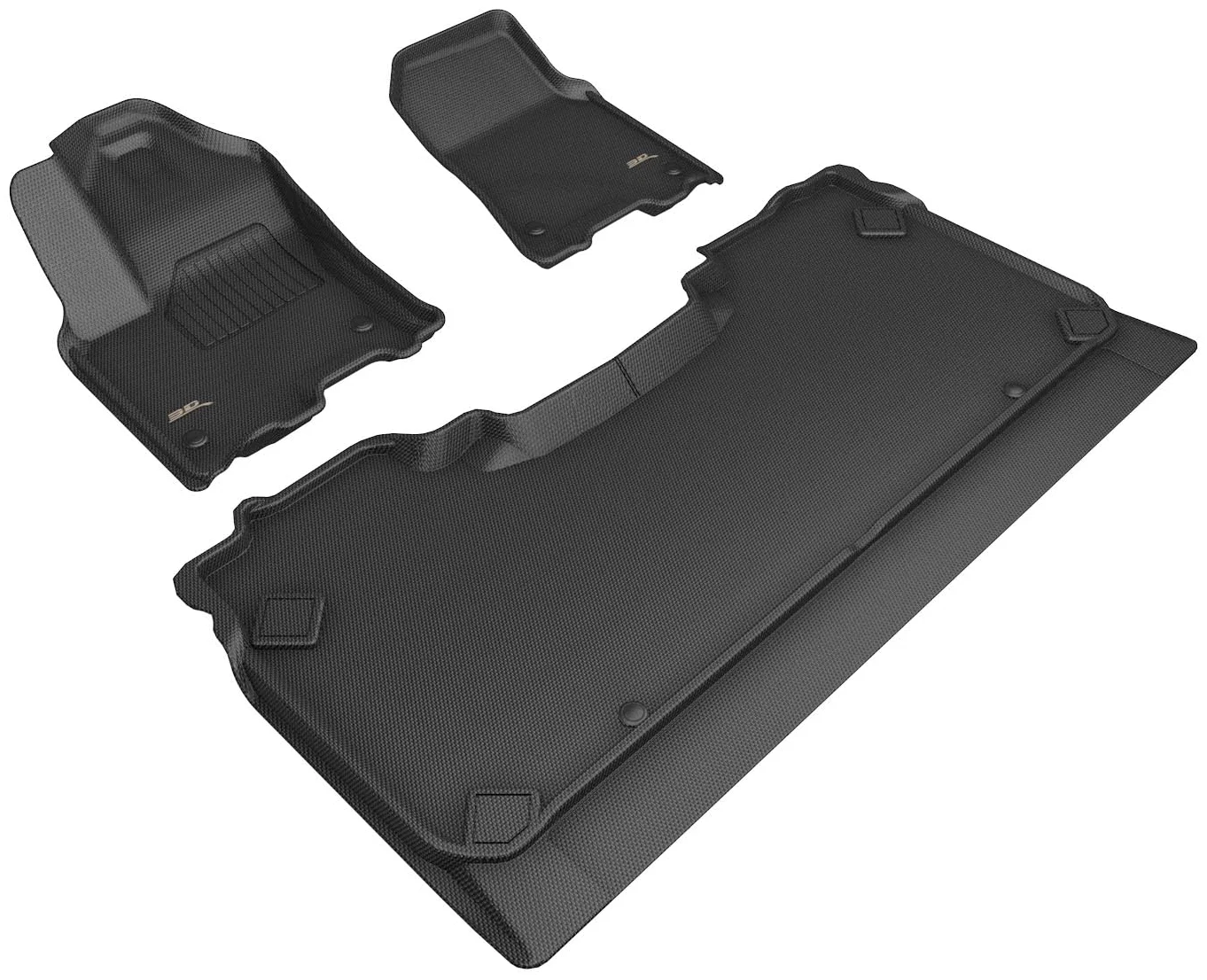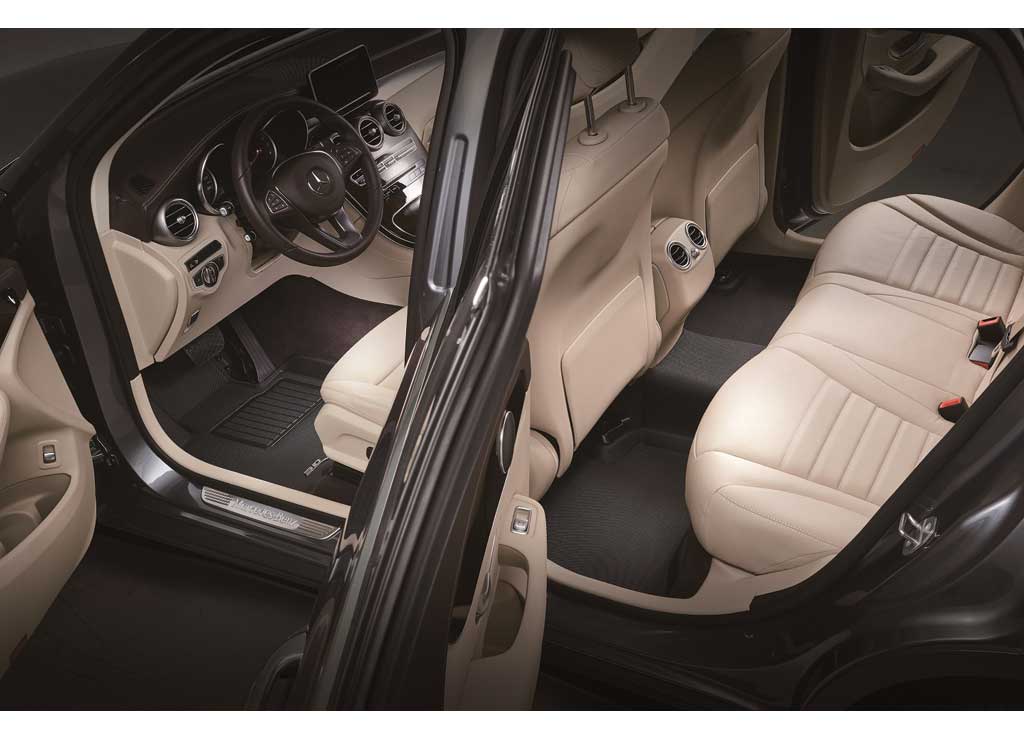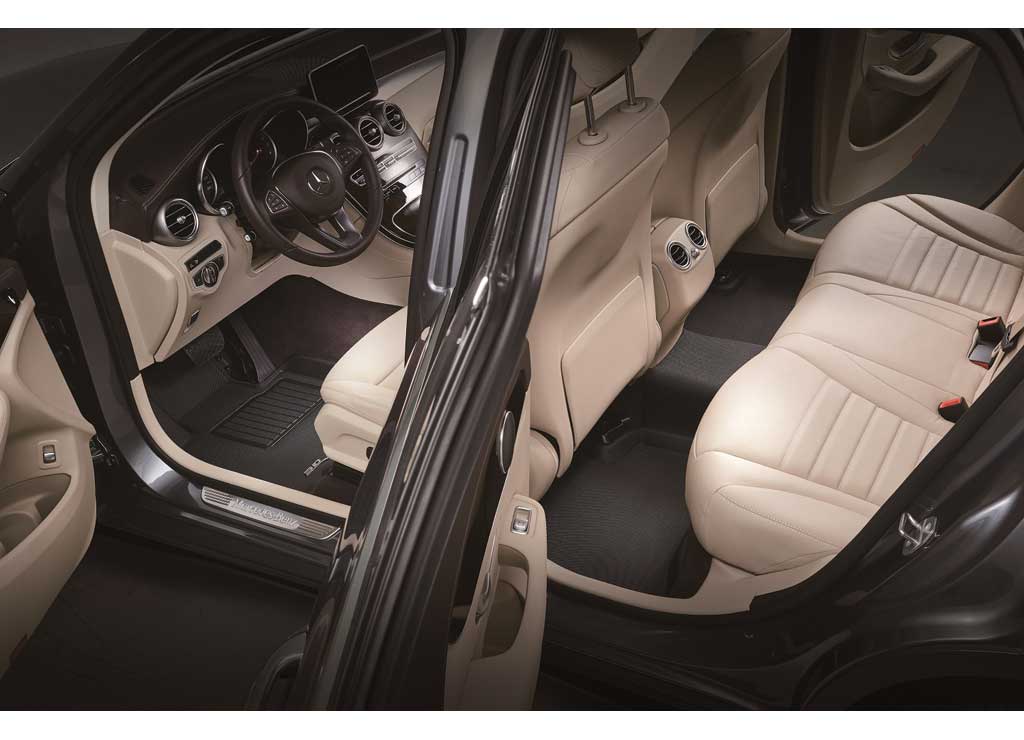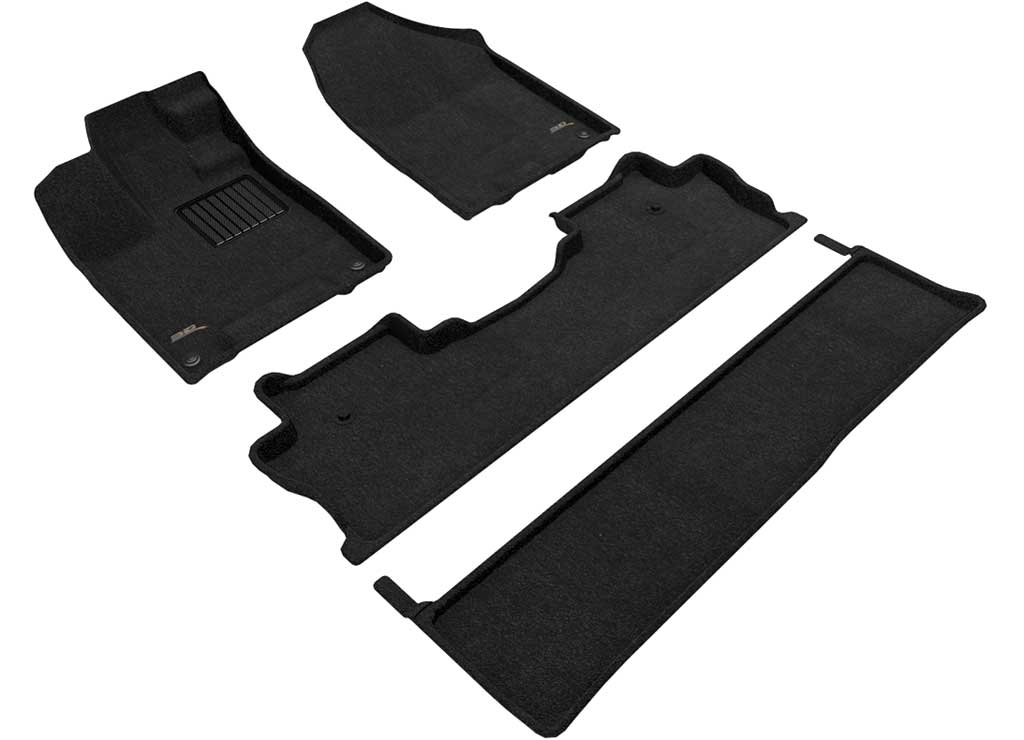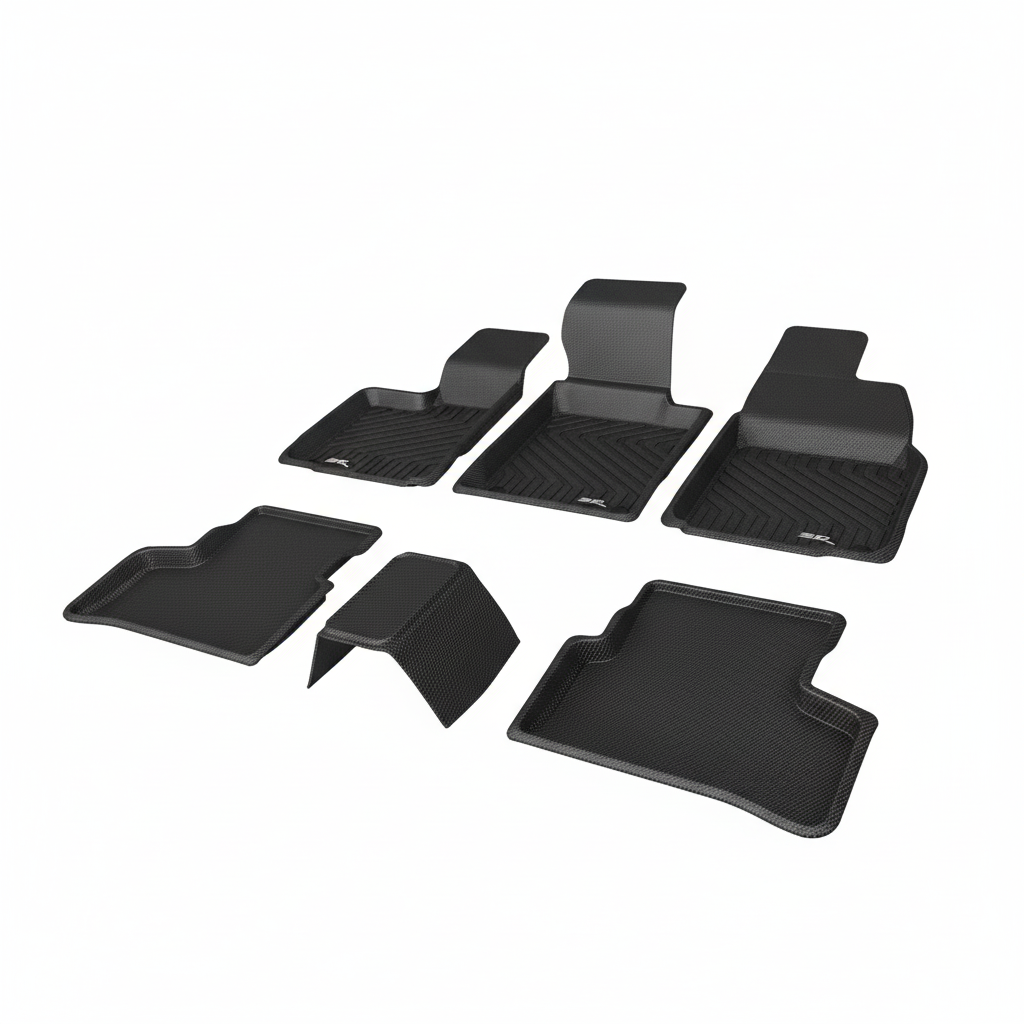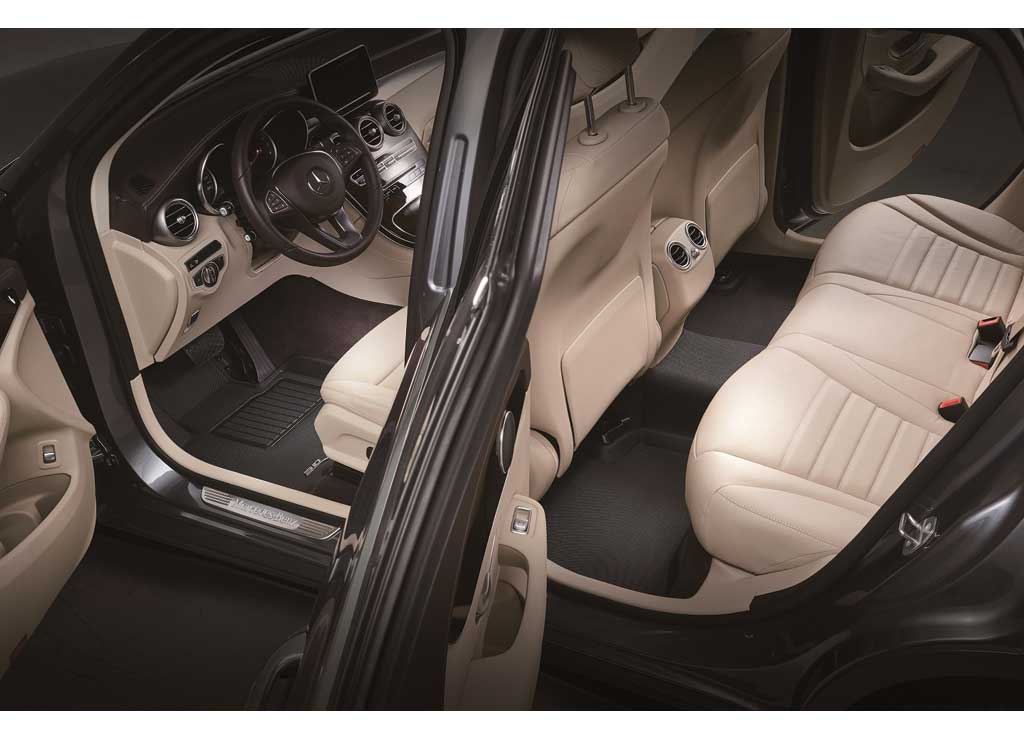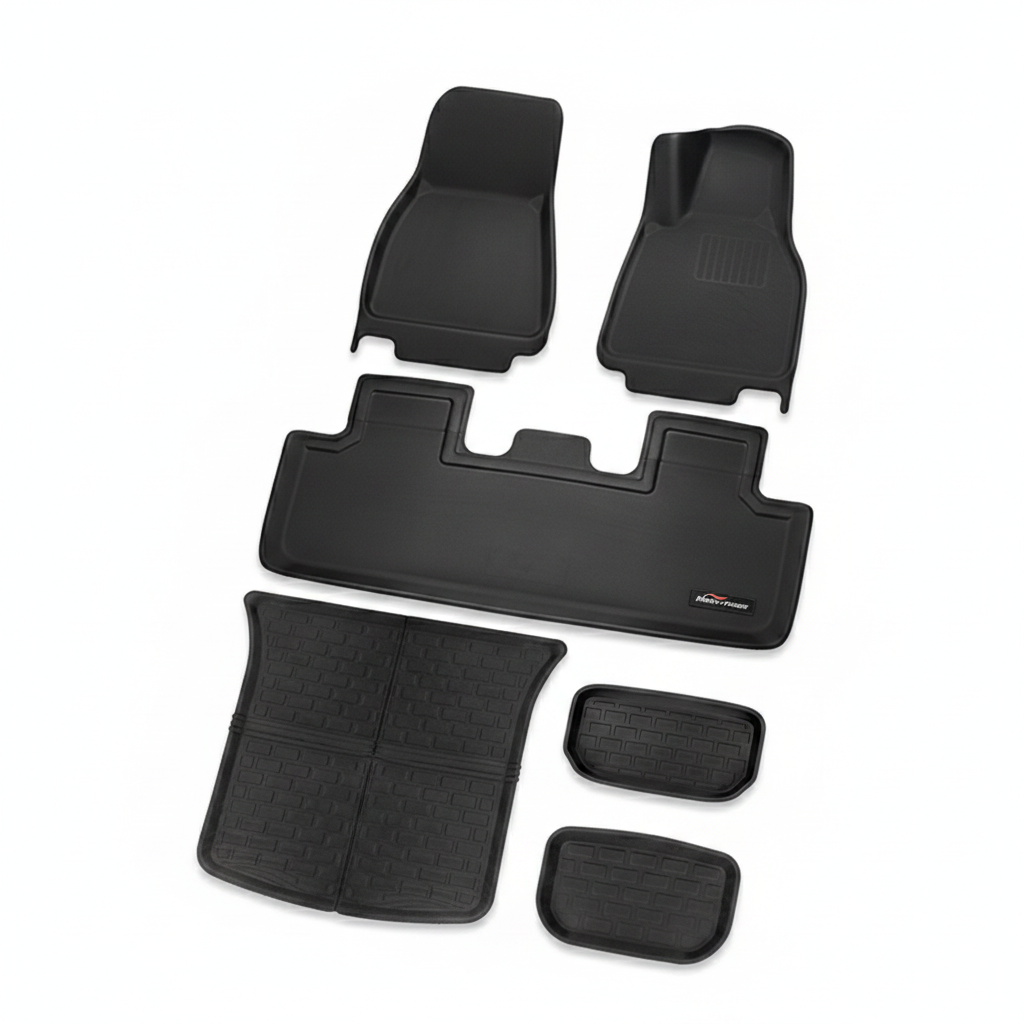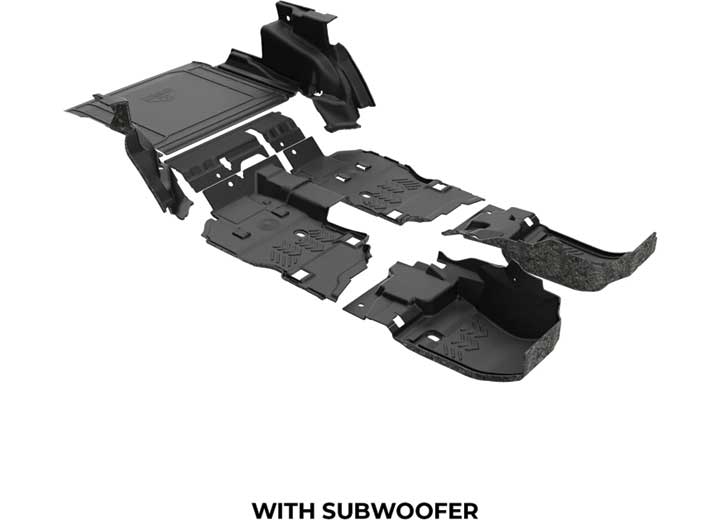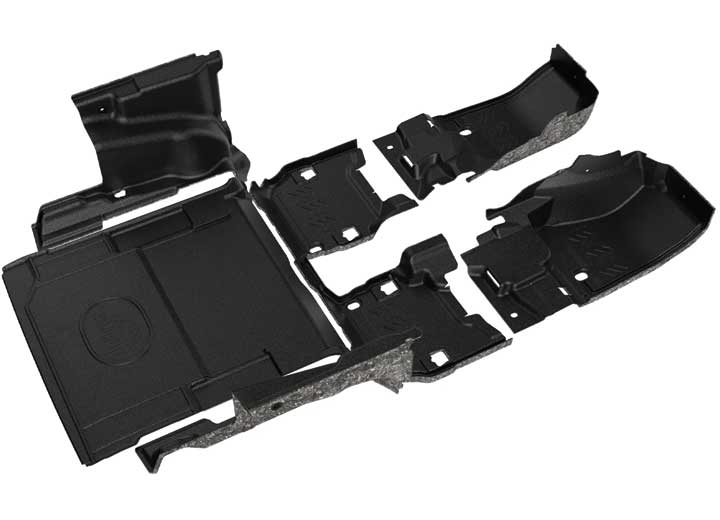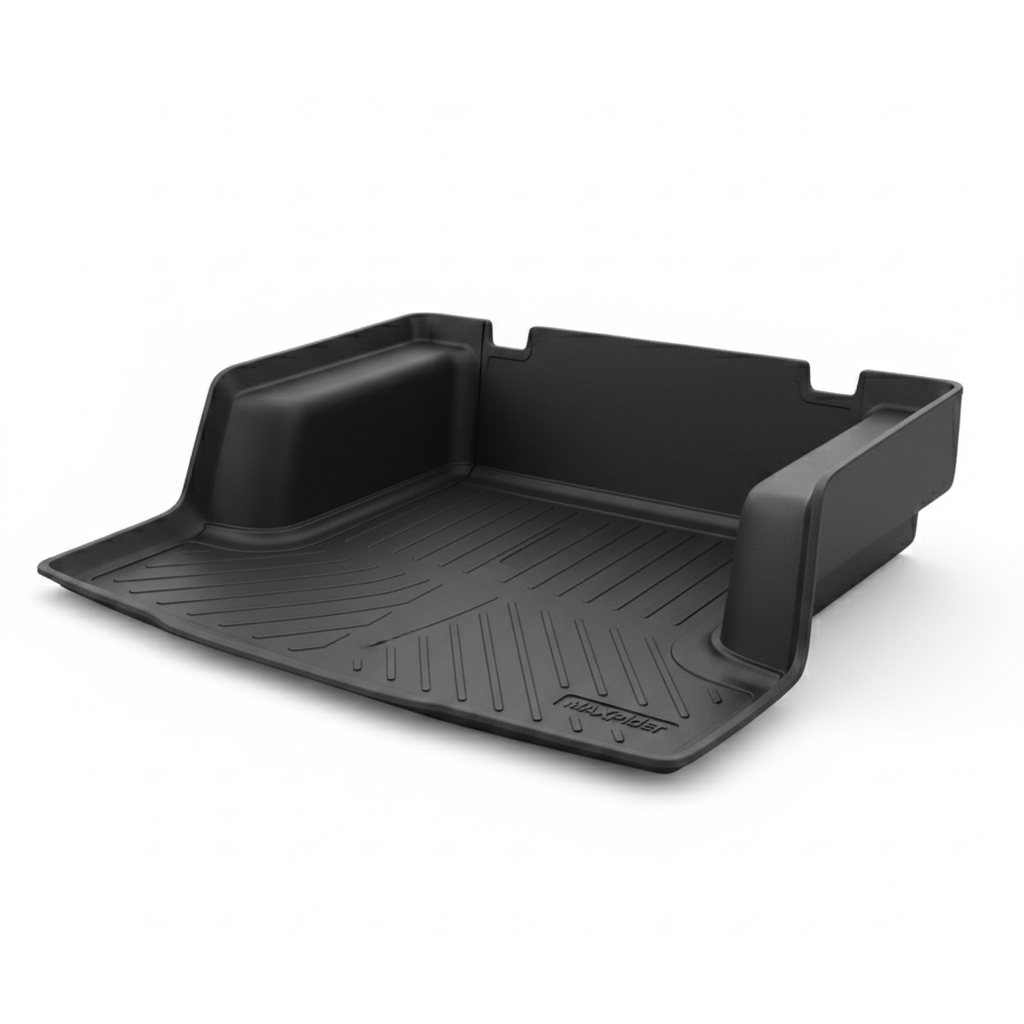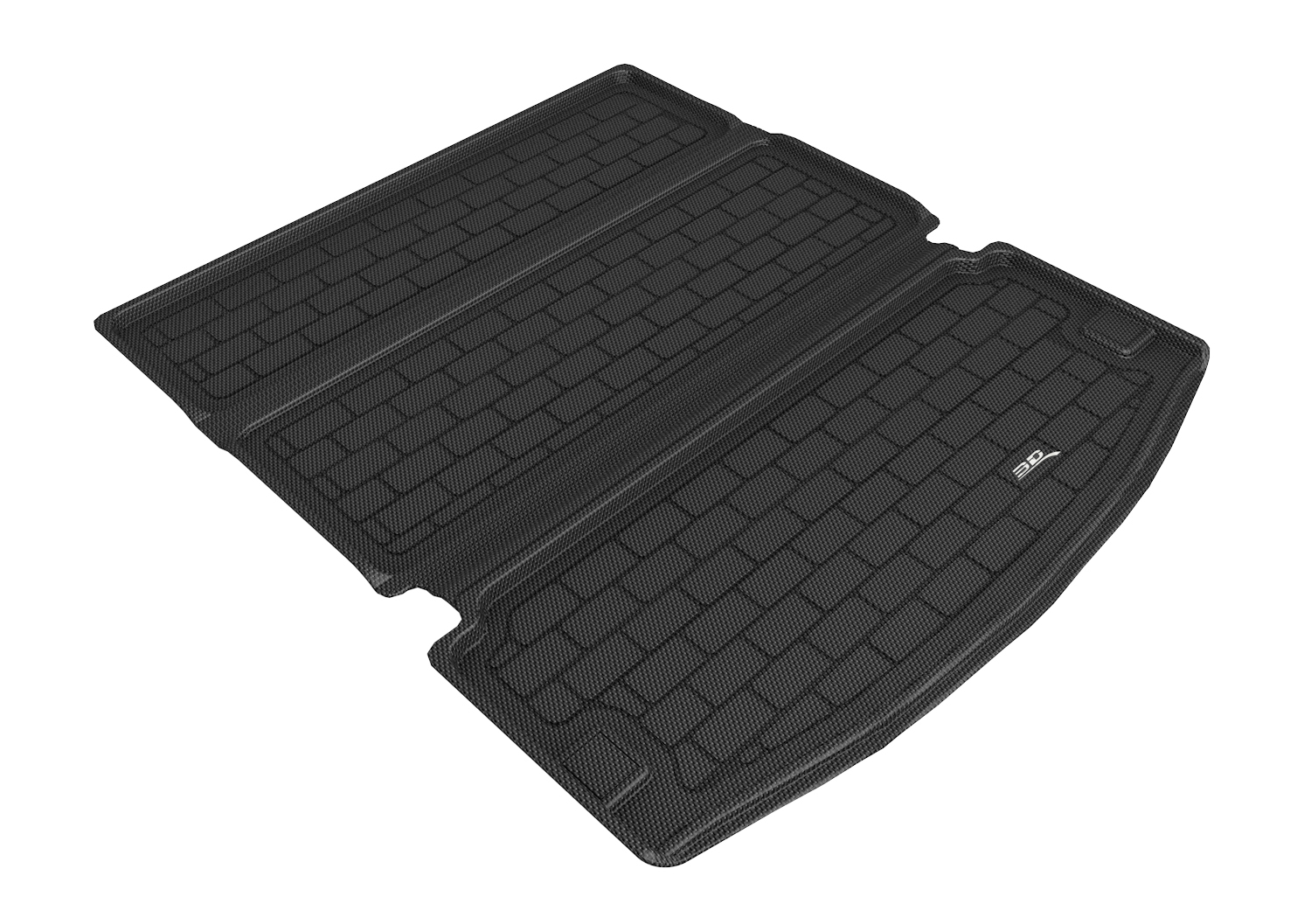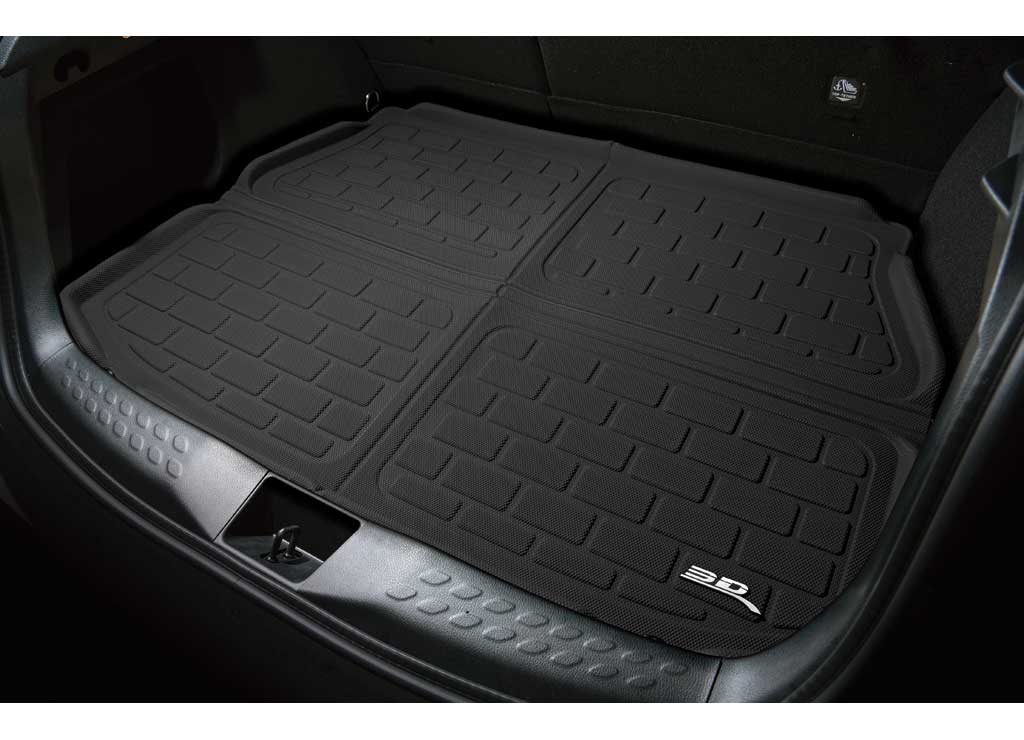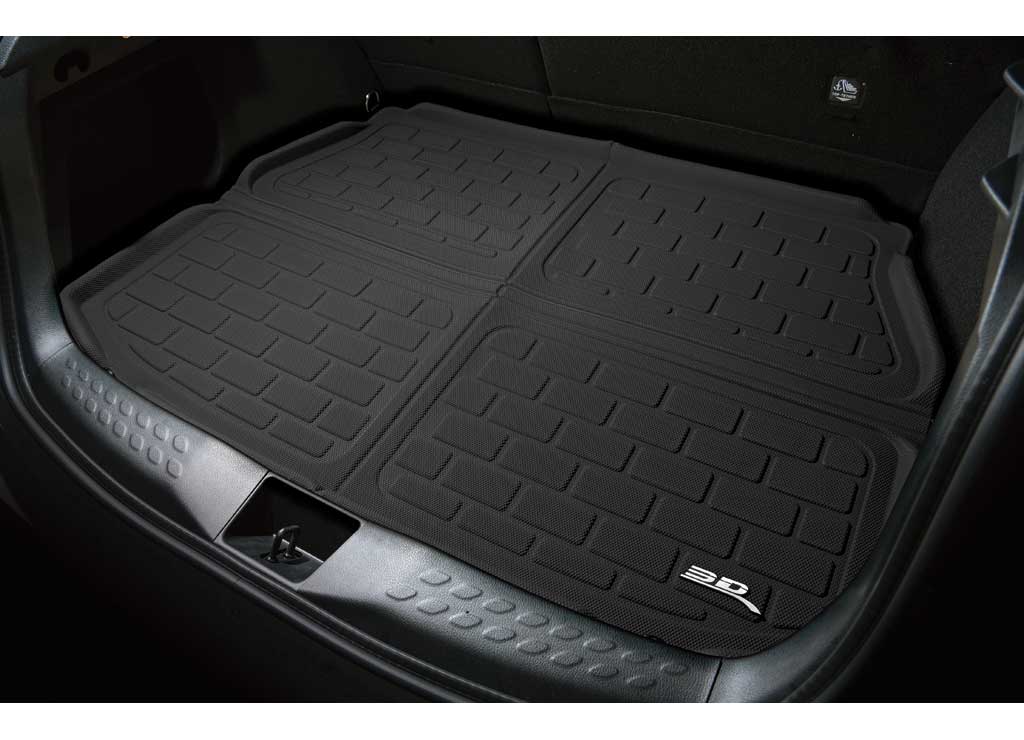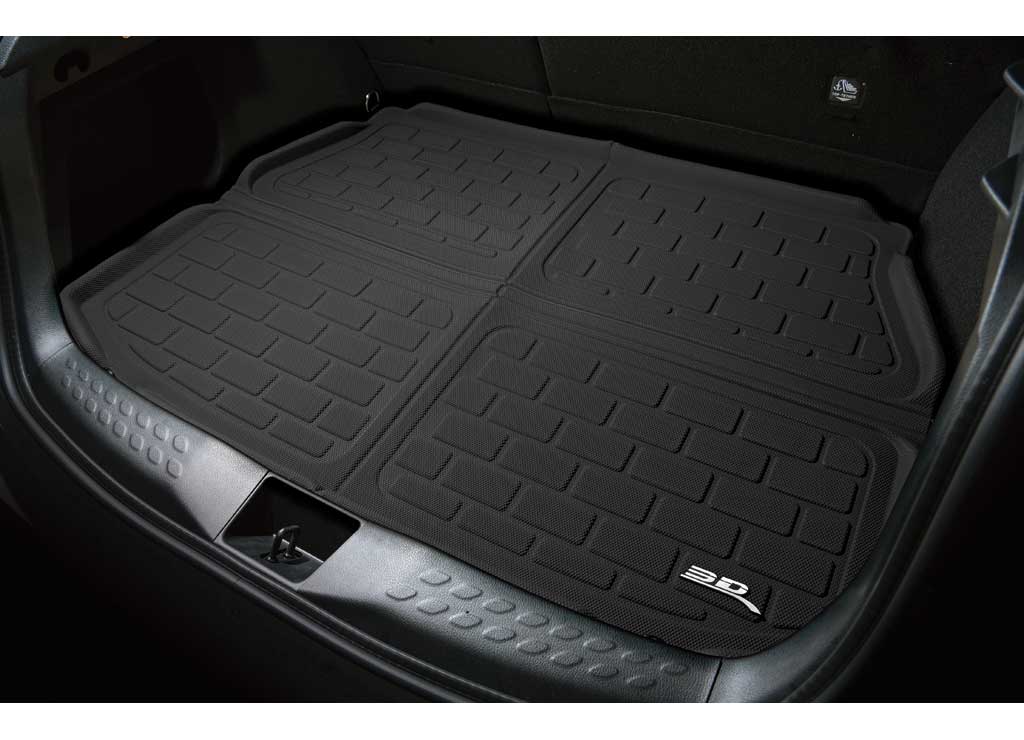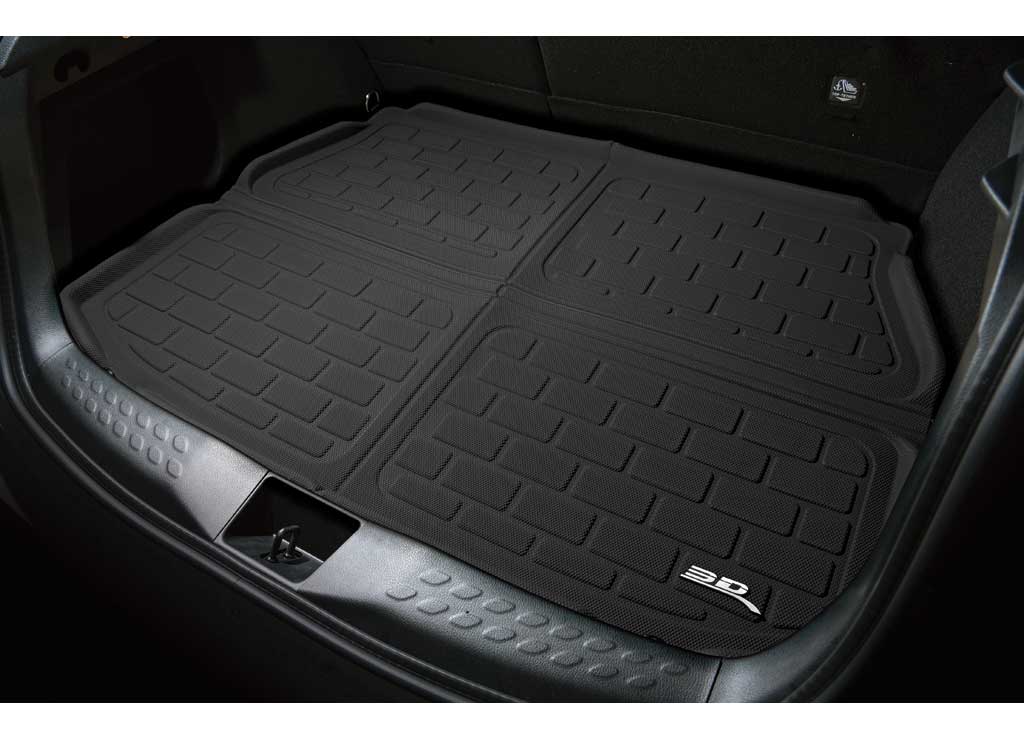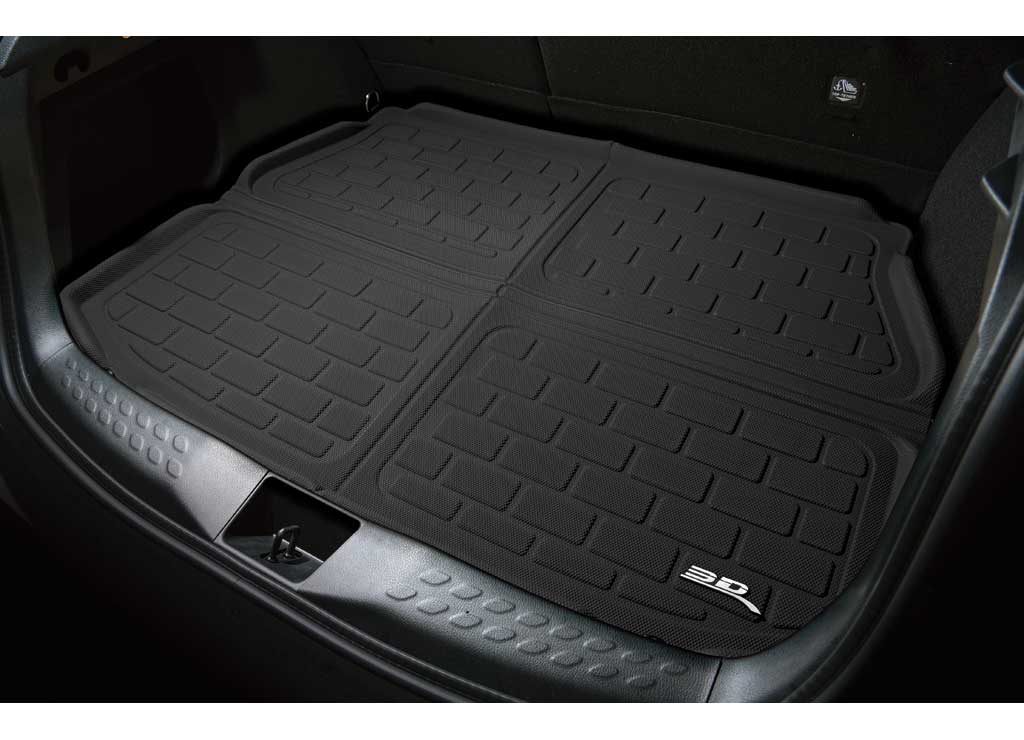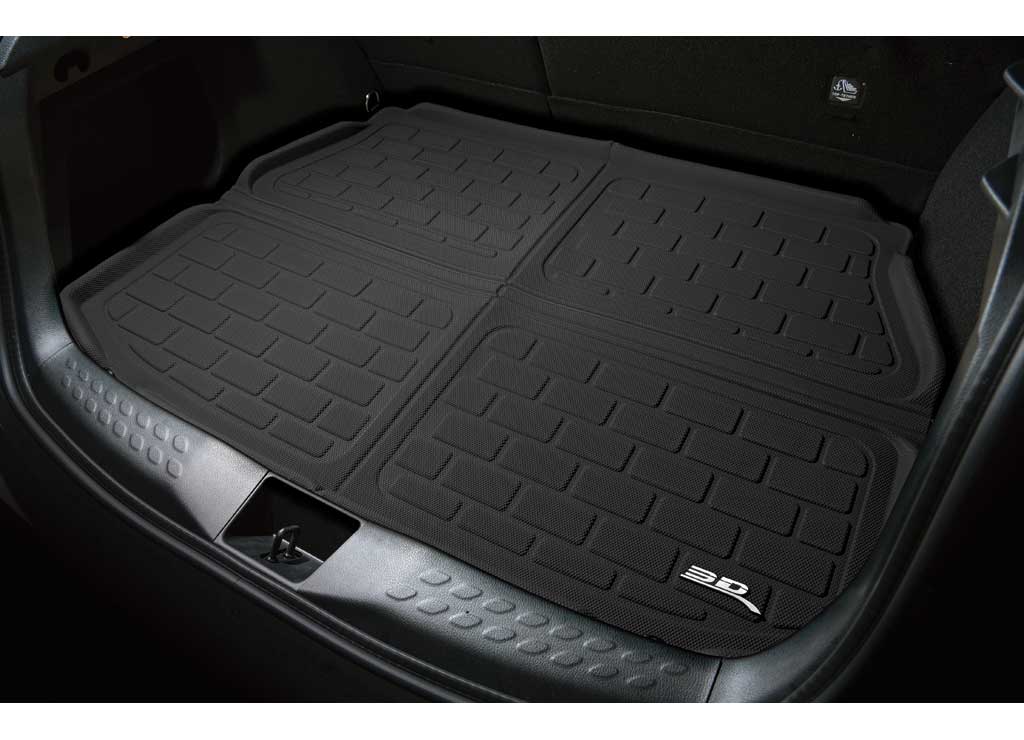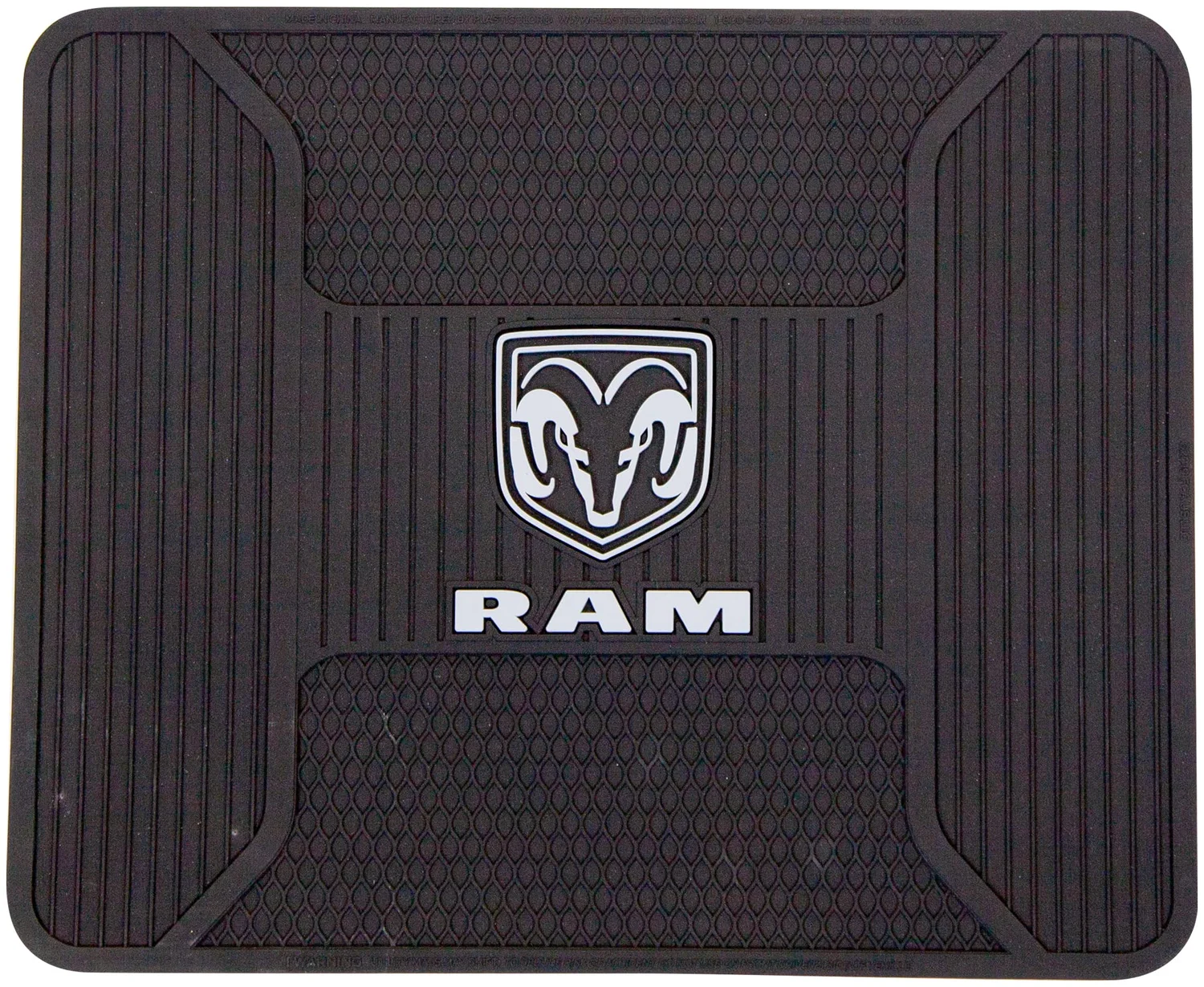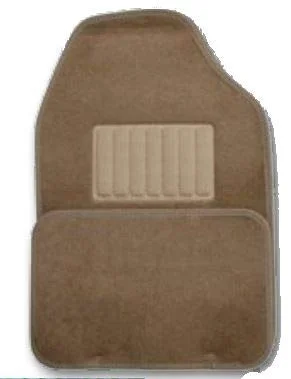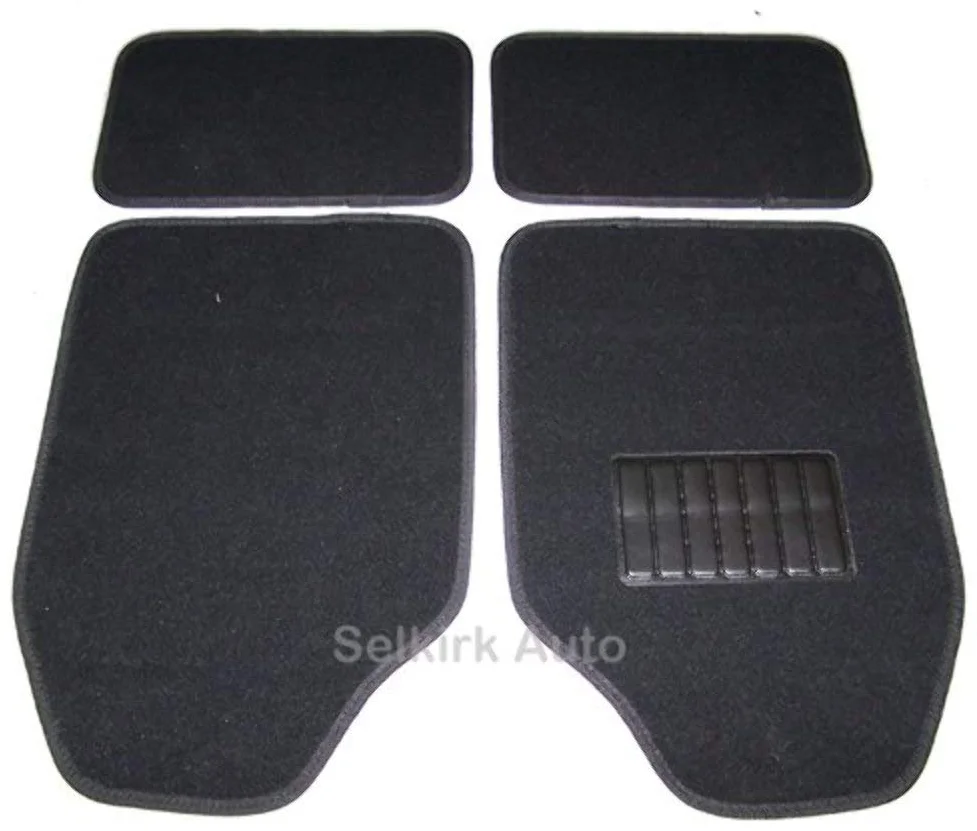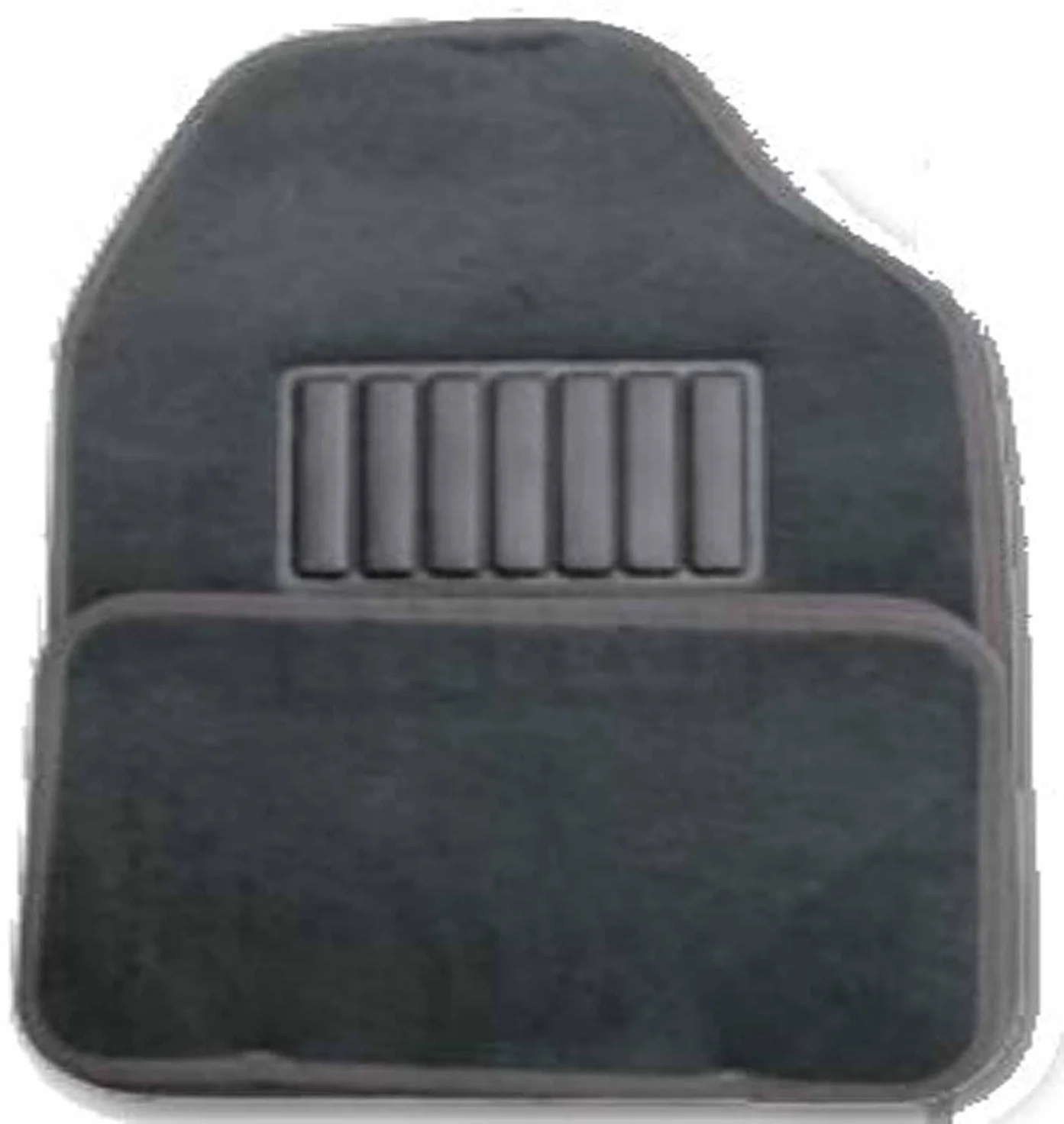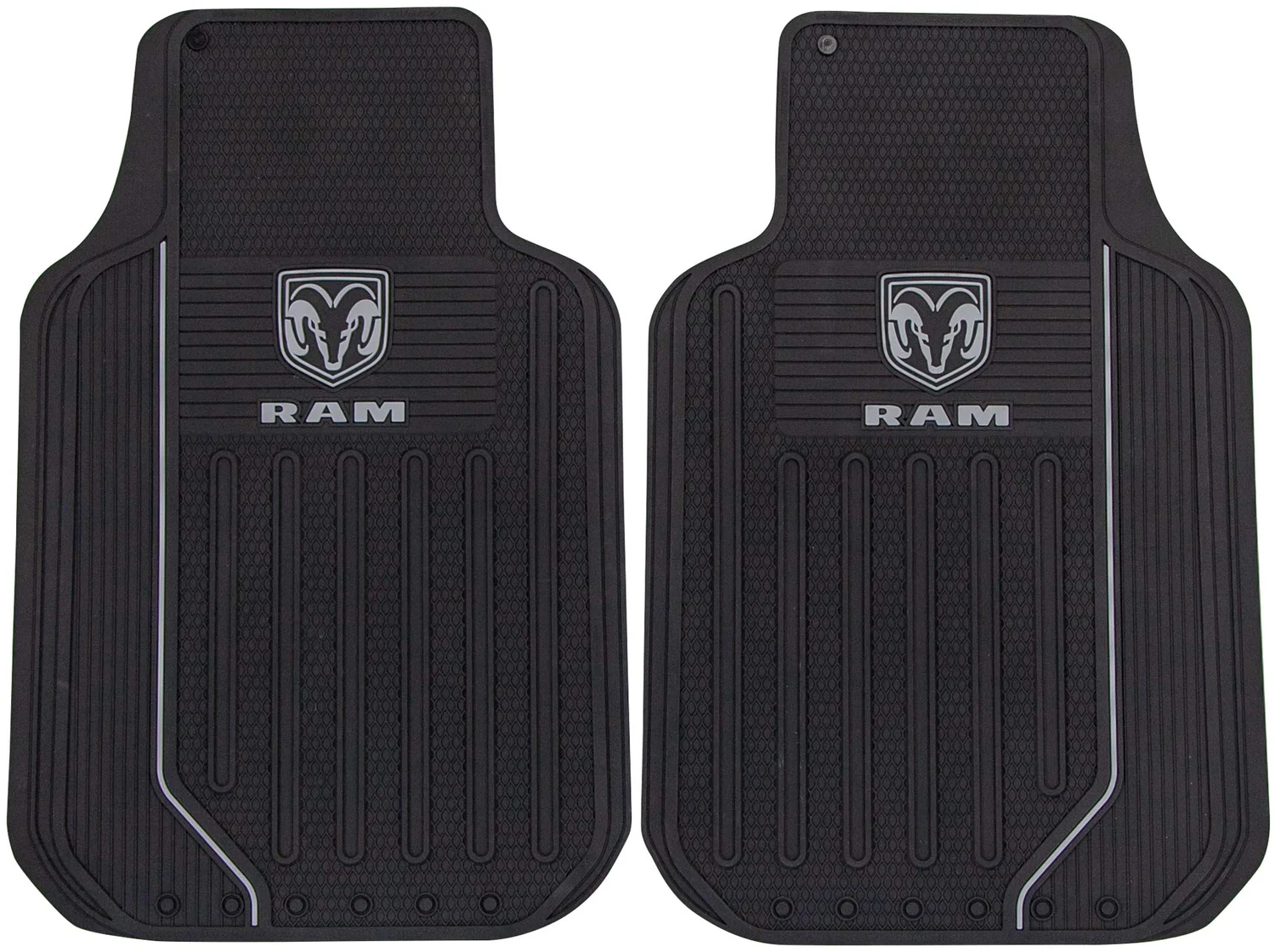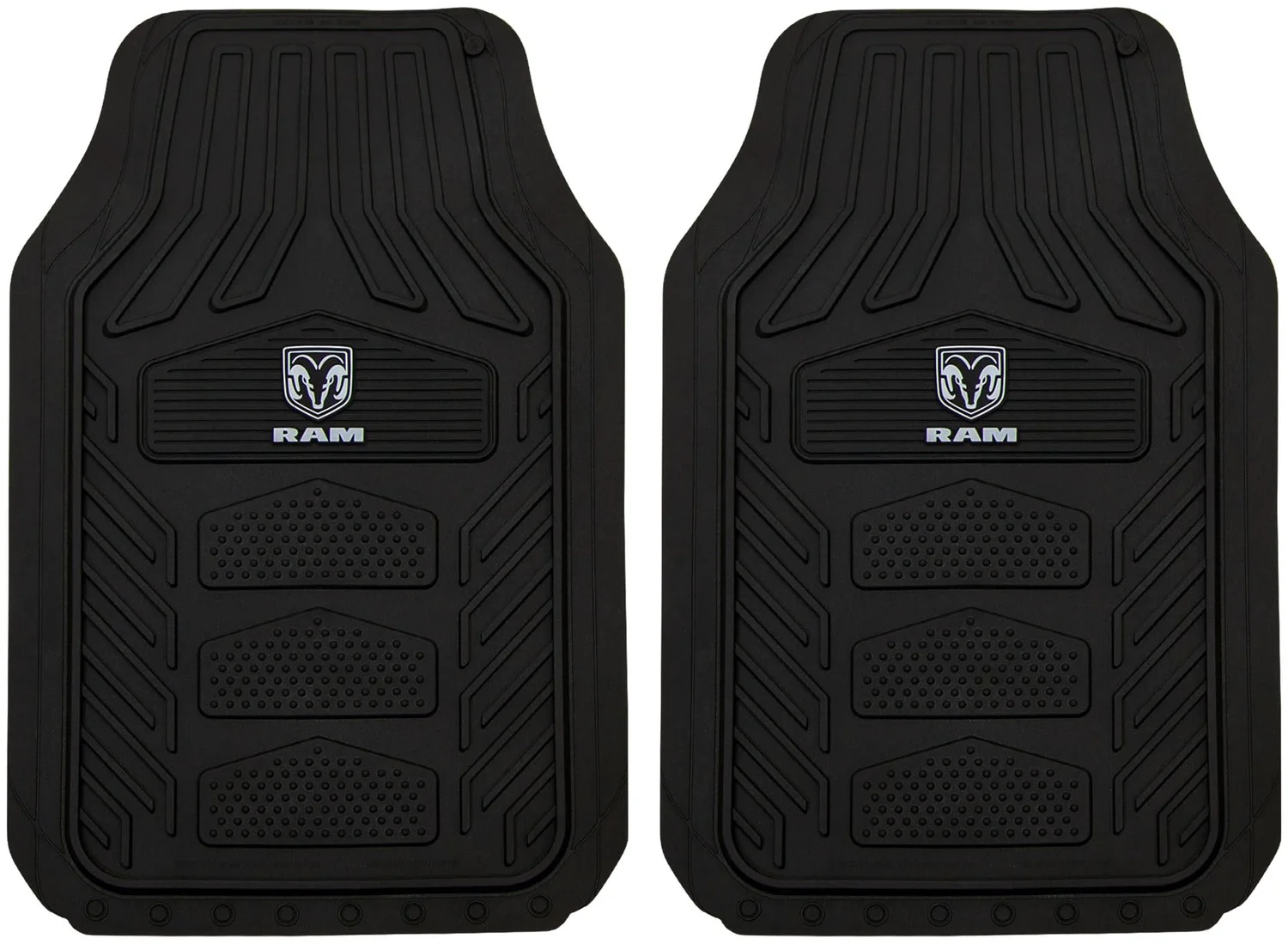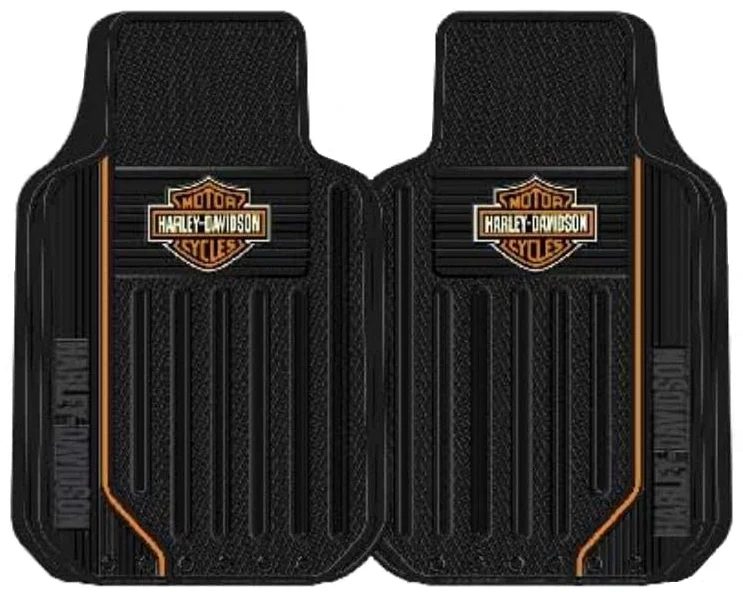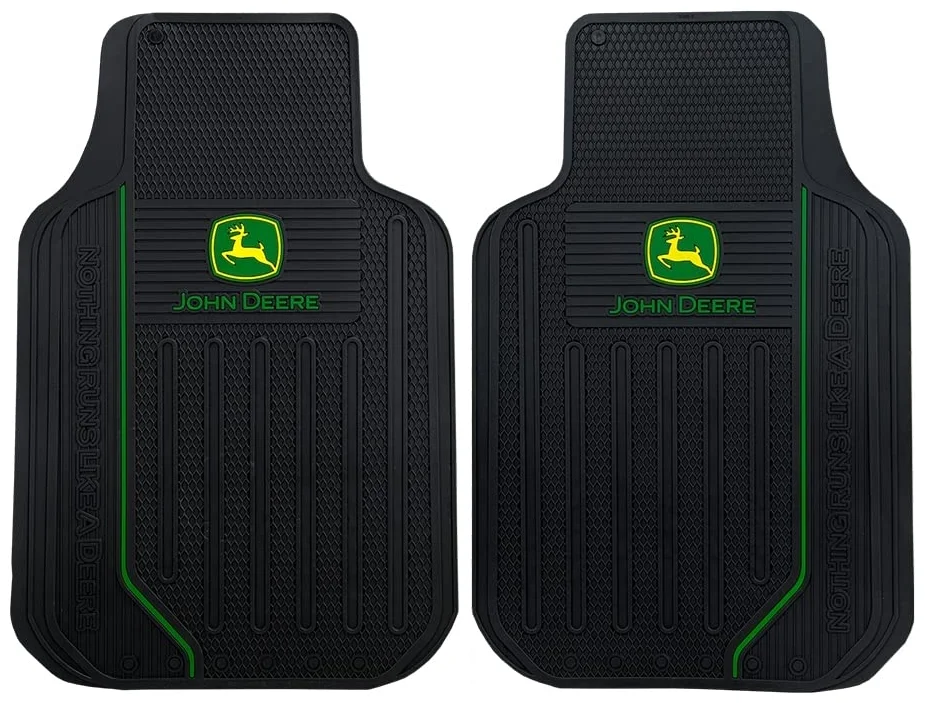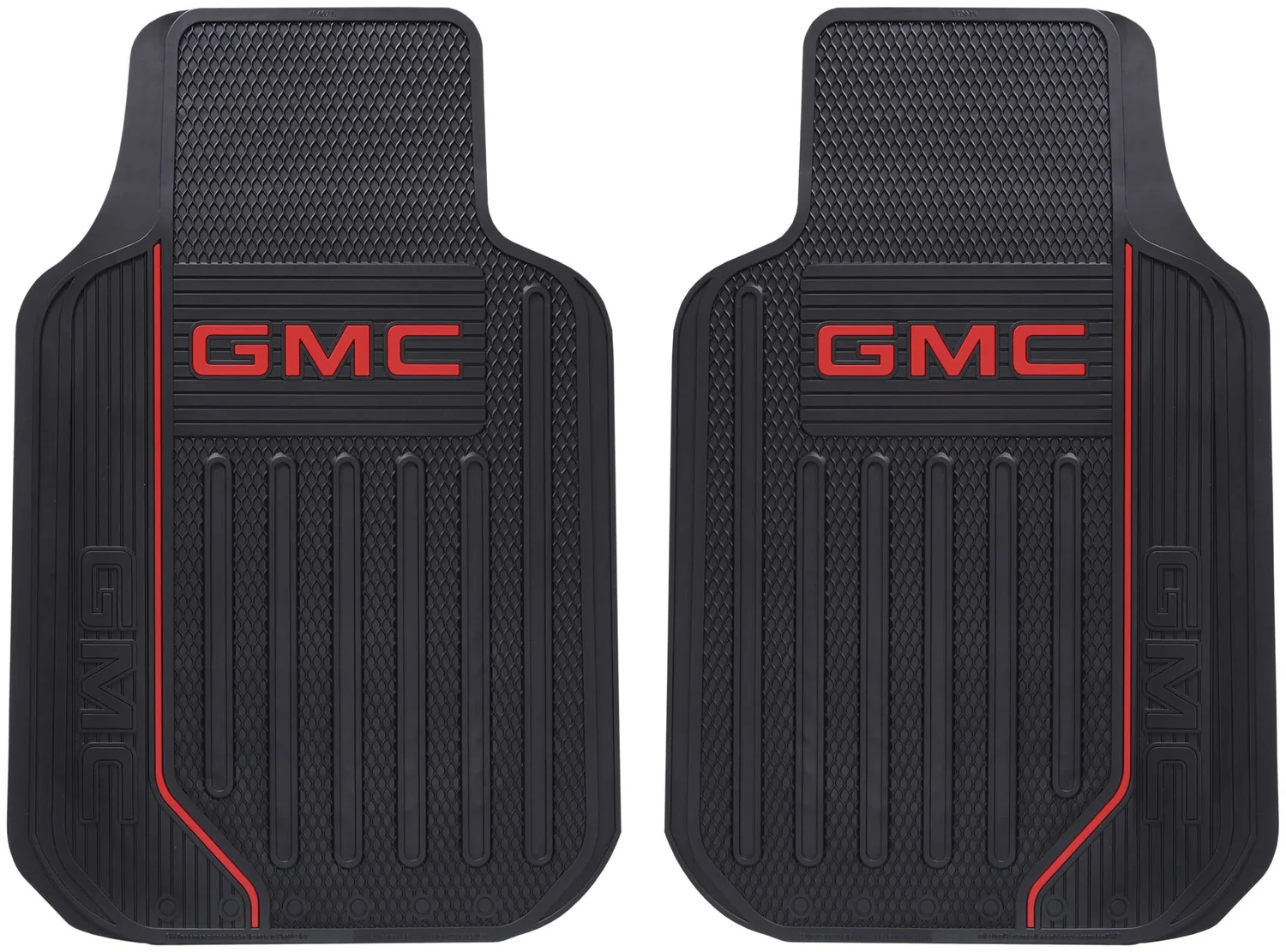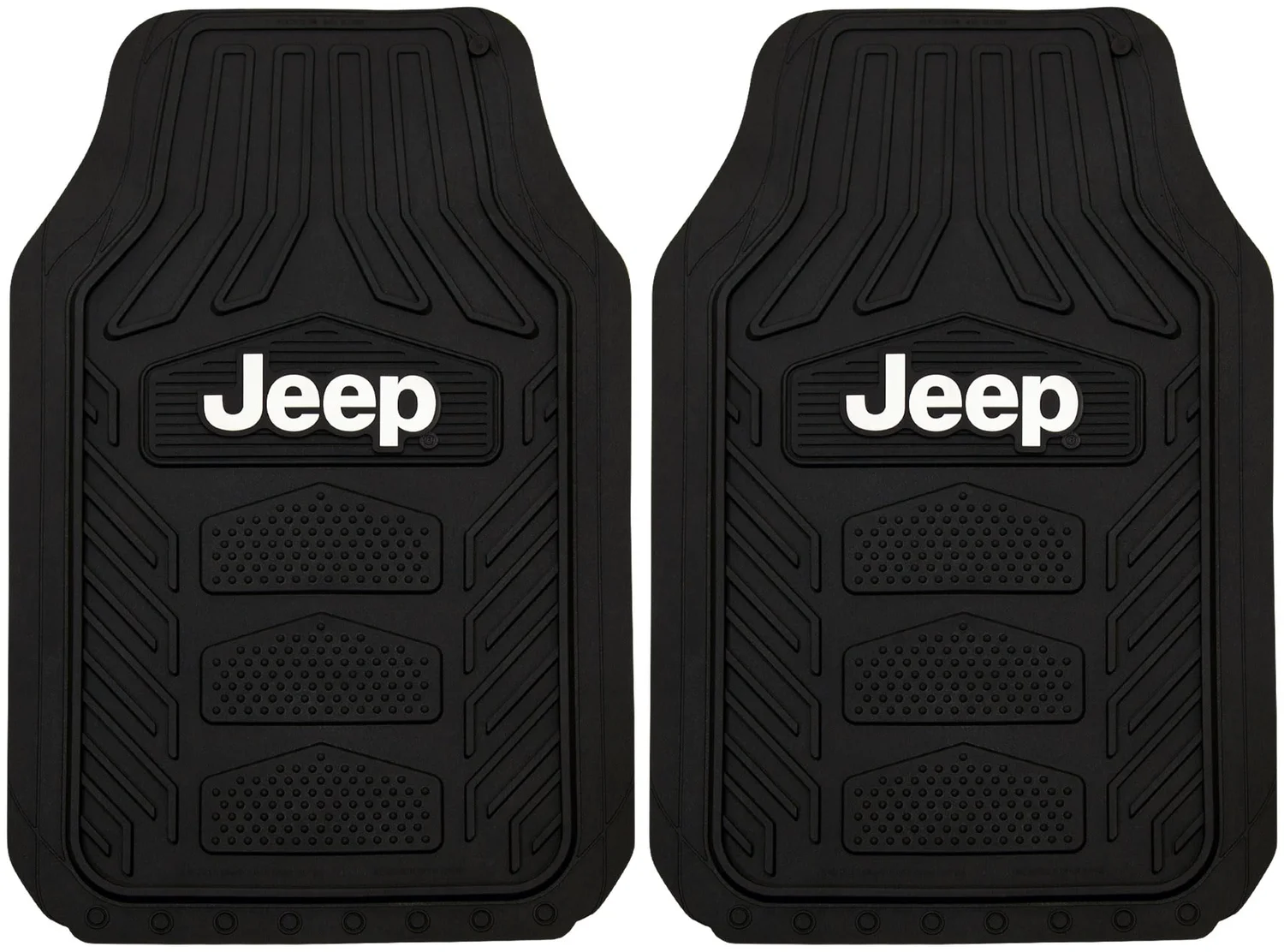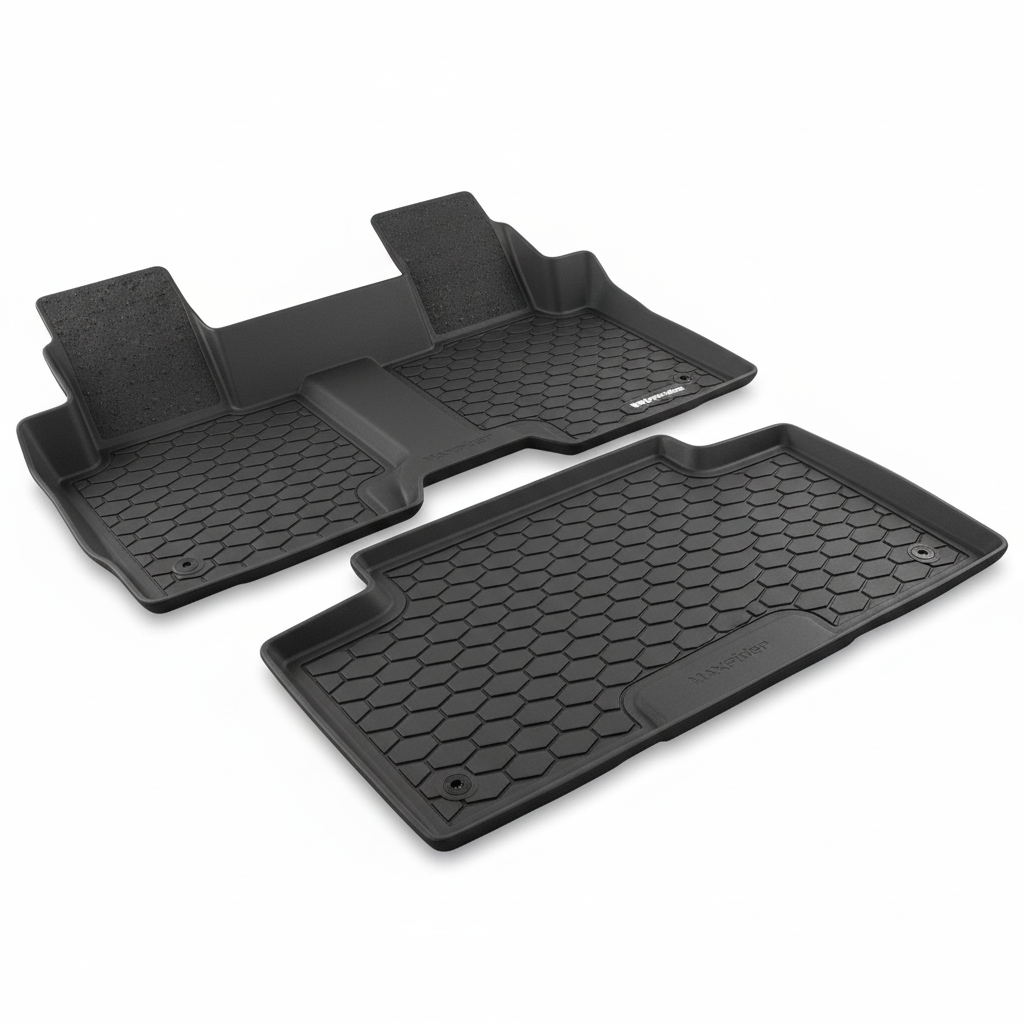
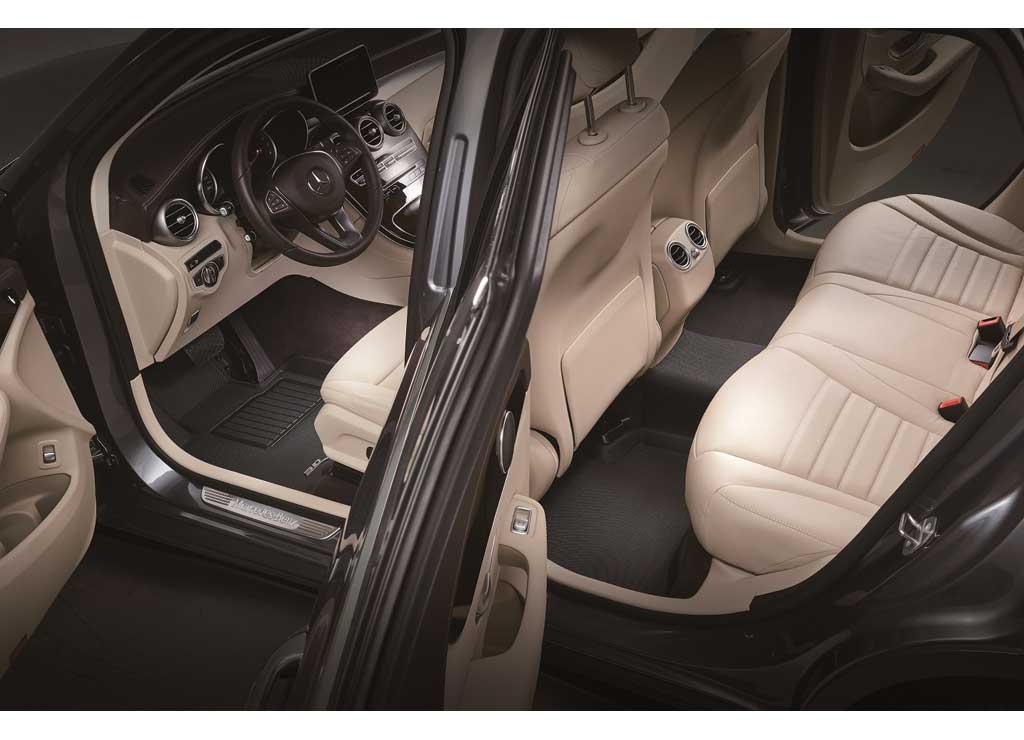
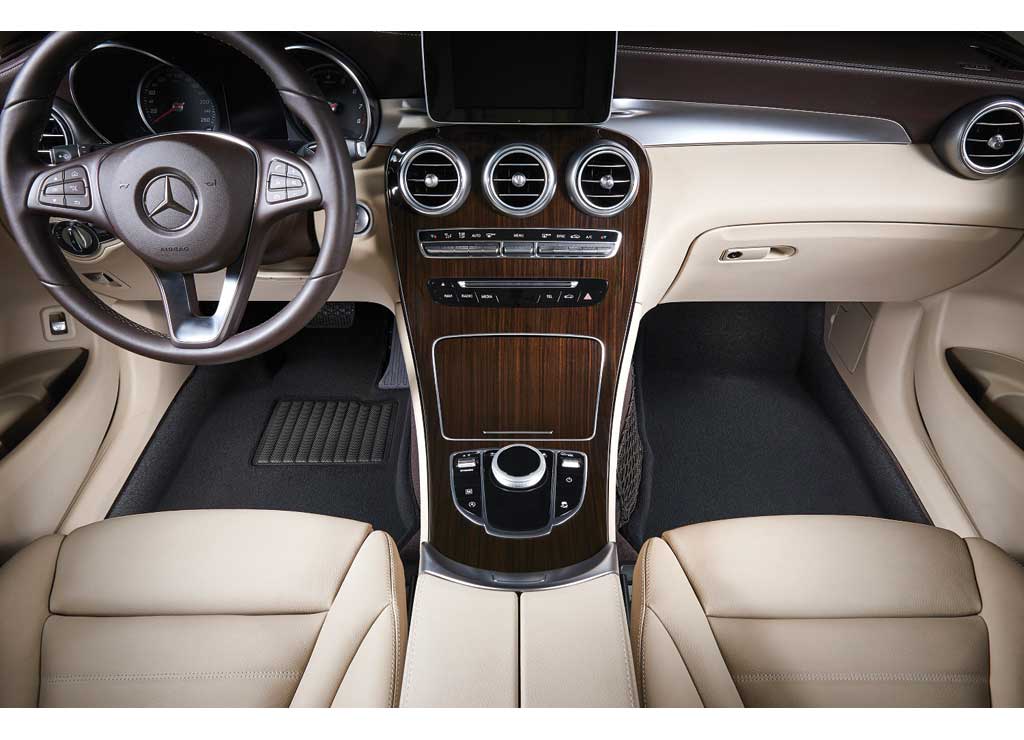
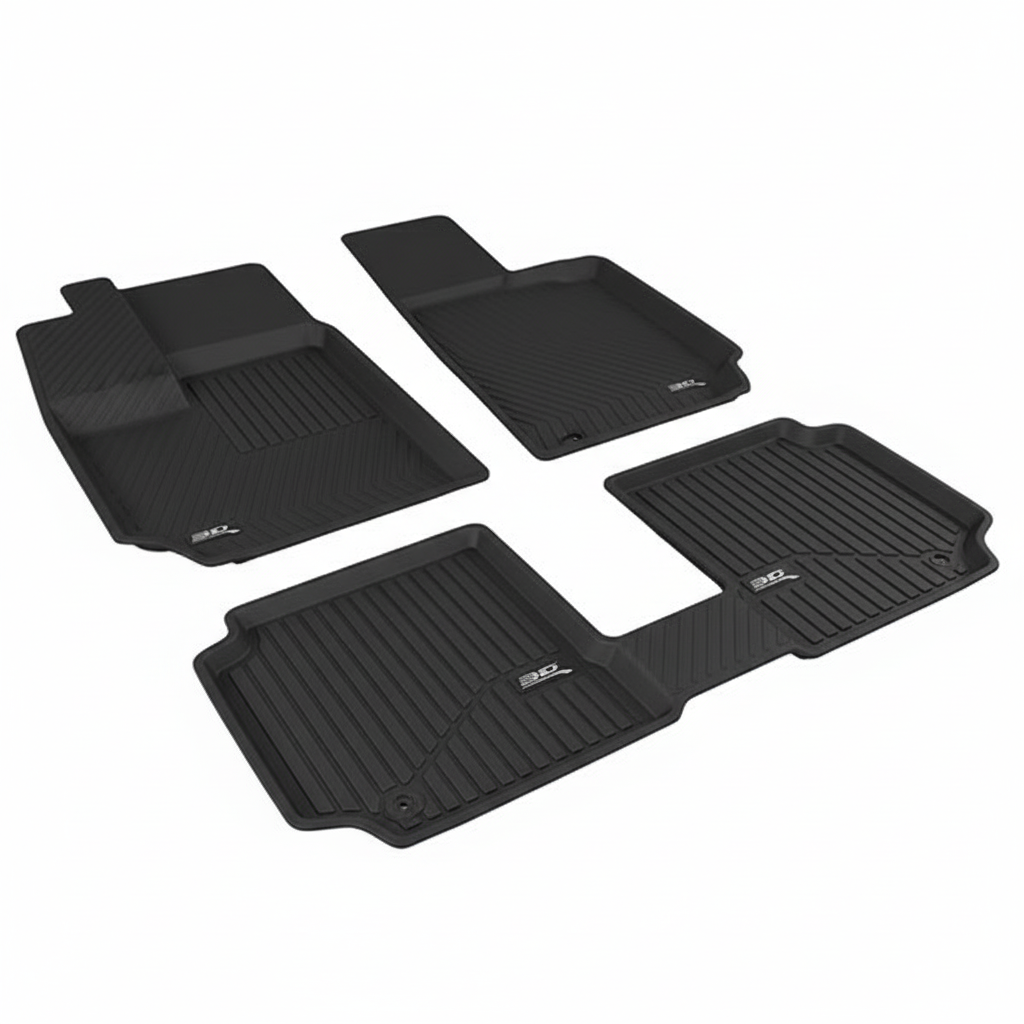
Floor protection comes in three levels. Universal mats are cut to a generic shape and fit many vehicles loosely. Custom-fit floor mats are shaped to one vehicle's floor. Floor liners are custom-fit too, but with raised edges that climb the footwell walls and hold water, mud, snow and spilled coffee instead of letting it soak into the carpet. If your truck sees job sites, winters or kids, liners are worth the extra money.
Most of what we stock is 3D MAXpider Kagu, a custom-fit, all-weather line made for specific vehicles, from F-150 SuperCrews and Silverado crew cabs to Teslas, Lexus and Mercedes SUVs. We also carry Westin Profile liners, universal mats from Plasticolor and Coast2Coast, and disposable shop mats from Slip-N-Grip. In our stock, custom front-and-second-row sets mostly run about $180 to $325, single-row liners about $80 to $145, cargo liners about $65 to $160, and universal mats $20 to $50.
Liners vs mats vs universal
| Custom floor liners | Custom floor mats | Universal mats | |
|---|---|---|---|
| Fit | Shaped to one vehicle, edge to edge | Shaped to one vehicle's floor | Generic, trim-to-fit or loose |
| Raised edges | Yes, holds liquid and debris | Low or none | Low or none |
| Retention | Uses factory hooks or posts | Uses factory hooks or posts | Often none; can slide |
| Typical price (our stock) | $80 to $325 per set | Similar to liners | $20 to $50 |
| Best for | Mud, snow, work trucks, families | Everyday protection with a finished look | Older vehicles, budget, temporary use |
In practice, "mat" and "liner" are used loosely, and 3D MAXpider sells the same Kagu series under both names. Look at the product photos and description for edge height and coverage rather than relying on the word in the title.
Disposable paper or plastic mats like Slip-N-Grip rolls are for shops and detailers protecting a customer's carpet during service, not for daily use.
Which level makes sense? For a newer truck or SUV you plan to keep, custom liners protect resale value: wet carpet leads to stains, odors and, over time, rust in the floor pan under the padding. For a commuter car in a dry climate, custom mats are often enough. Universal mats are a reasonable stopgap for an older vehicle or a work rig where looks don't matter, as long as they're kept clear of the pedals.
Second row and beyond. In crew cab trucks and three-row SUVs, the rear footwells collect as much mess as the front, especially with kids or a crew. Full sets that include the second row (and third, where fitted) usually cost less than buying rows separately, while second-row-only liners are handy if your front liners are still good.
How to order the exact fit
Custom liners are molded to a floor pan, and small differences between trims change the shape. Match all of these to the listing:
- Year range and generation. A 2019-2024 Silverado crew cab and a 2014-2018 one have different floors.
- Cab or body style. F-150 SuperCab and SuperCrew second rows are different sizes; 3D MAXpider lists them separately. Same for regular, double and crew cabs on GM and Ram trucks.
- Seating layout. Front bench vs buckets with a console, second-row bench vs captain's chairs, and 6, 7 or 8 seats all change the pattern. Some listings say "with Bucket Seats" or "7-Seat" for exactly this reason.
- Drivetrain and powertrain. Hybrids, EVs, RWD vs AWD and some 4WD models can have different floor humps or pedal areas (the Kia Stinger RWD listing is an example).
- Floor covering. Work trucks with a factory vinyl floor may need a different liner than carpeted trims; the Ram 2500 "Vinyl Floor" listing calls this out.
- Which rows. Check whether the set is first row only, first and second, or a full three-row set, and whether the second row is one piece or two.
If you're unsure, your VIN or the build sheet will confirm cab, seats and drivetrain.
Install them safely
A floor mat that slides forward can jam under the accelerator or brake pedal. This is a well-documented safety issue and has been the subject of manufacturer recalls, so take a minute to install mats properly.
- Remove the old mat first. Never stack a new mat or liner on top of an existing one, especially on the driver's side.
- Use the retention hooks or posts. Most modern vehicles have factory clips or twist-lock posts in the driver's footwell. Custom liners are made to use them. Make sure each one engages.
- Check pedal travel. With the engine off, press the accelerator and brake all the way down and confirm nothing touches the mat.
- Universal mats need extra care. They usually have no retention, so check them regularly and keep them pulled back from the pedals.
Cleaning: pull liners out, knock off debris, rinse with a hose and mild soap, and let them dry before reinstalling. Avoid tire shine or silicone dressings on driver-side mats, since they make the surface slick under your feet.
Cargo liners and other add-ons
Cargo and trunk liners protect the rear load floor of SUVs, crossovers and sedans from groceries, sports gear and dogs. Options to look for:
- Behind 2nd row vs behind 3rd row. Three-row SUVs have two possible load floors. Listings like "Behind 2nd Row" tell you which one is covered.
- Cross-fold, foldable or stowable liners. 3D MAXpider cross-fold and stowable cargo liners fold with split rear seats, so you keep coverage when you flip a seat down.
- EV frunk and trunk liners. Tesla Model 3 and Model Y, Ioniq 6 and Bolt listings cover rear trunks and specific seating layouts.
- Van floors. Weatherguard makes full cargo floor mats for commercial vans like the ProMaster, listed by wheelbase.
Haul dirty gear in a pickup bed instead? See our truck bed liner and mat guide and tonneau cover guide.