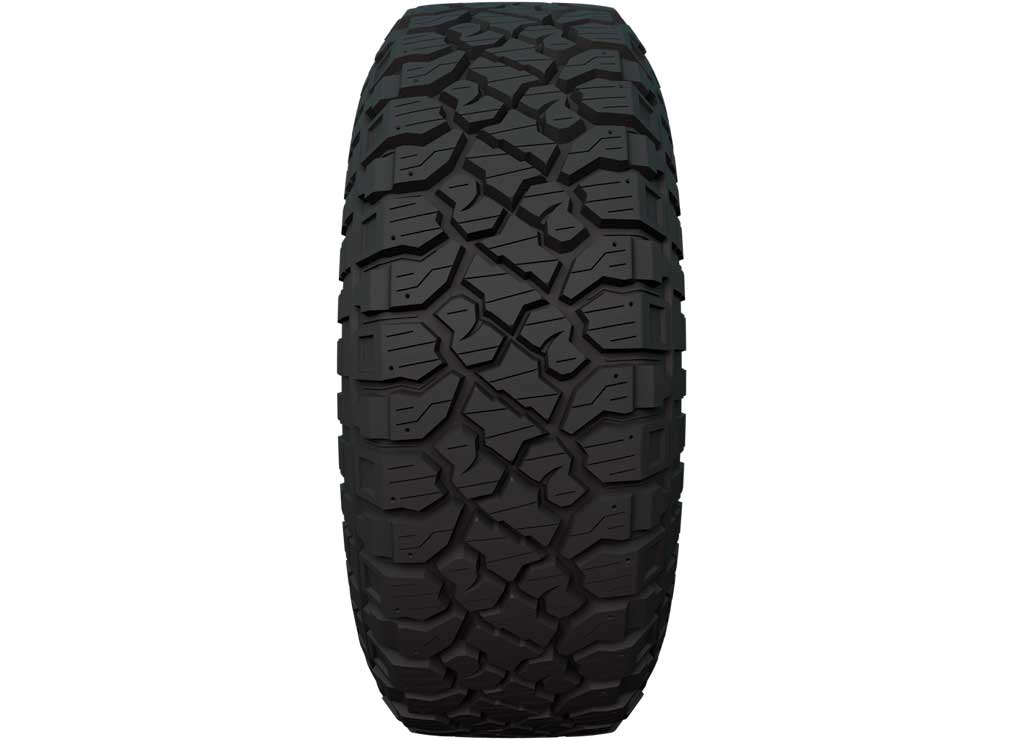
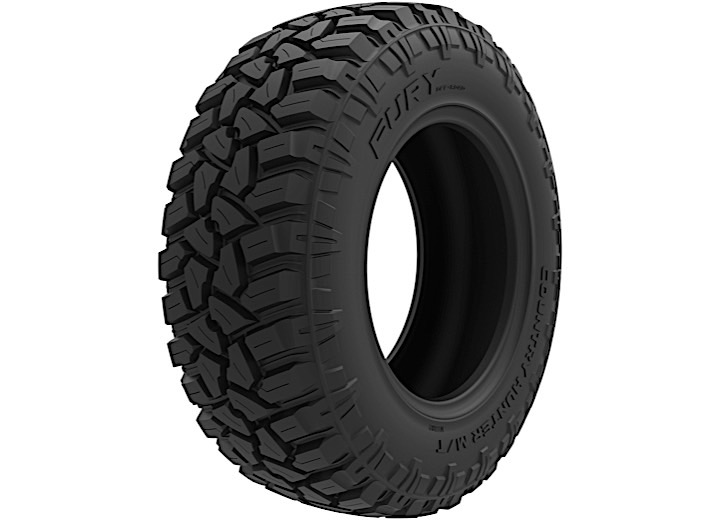
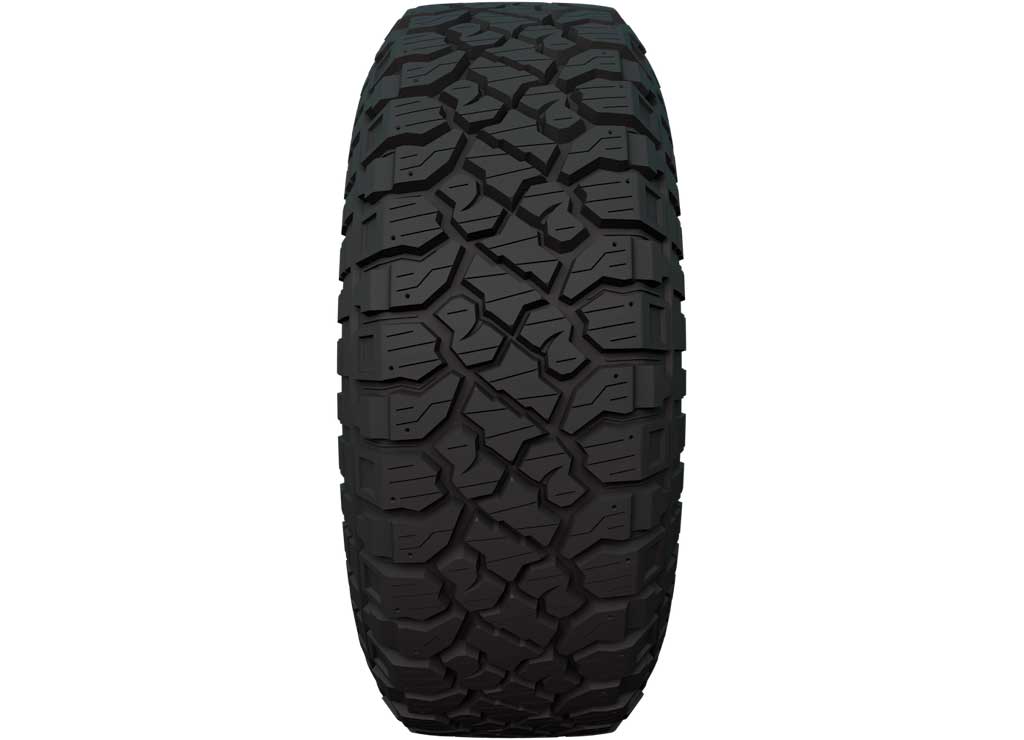
What Size Is a 35 Inch Tire?
A 35 inch tire in metric sizing is usually a 315/75R16, a 285/75R18 or 315/70R18 on 18 inch wheels, a 295/65R20 on 20s, or a 305/55R22 on 22s. In flotation sizing, 35s are written as 35x12.50R17, 35x12.50R18, 35x12.50R20 or 35x12.50R22. Each metric size listed here calculates to within about 0.4 inch of 35.
35 inch tire sizes by wheel diameter
Real metric tire sizes that measure about 35 inches tall (within roughly a third of an inch), calculated from the size code. Sizes with their own page are linked.
| Wheel | Metric sizes (approx. height) |
|---|---|
| 18 inch | 305/70R18 (34.8 in), 285/75R18 (34.8 in) |
| 19 inch | 285/70R19 (34.7 in) |
| 20 inch | 295/65R20 (35.1 in), 315/60R20 (34.9 in) |
| 22 inch | 325/50R22 (34.8 in), 275/60R22 (35.0 in), 305/55R22 (35.2 in), 295/55R22 (34.8 in), 375/45R22 (35.3 in) |
| 24 inch | 275/50R24 (34.8 in) |
Flotation sizes in stock
Flotation sizes list the height first: 35x12.50R20 means about 35 inches tall.
35x12.50R20 · 35x12.50R17 · 35x12.50R18 · 35x12.50R22 · 35x12.50R15 · 35x13.50R24 · 35x12.50R24 · 35x12.50R16 · 35x10.00R15 · 35x15.50R24 · 35x11.50R20 · 35x15.50R20 · 35x9.50R15 · 35x11.50R17 · 35x13.50R26 · 35x10.50R17
Calculated heights; real tires vary slightly by brand and tread depth. Compare any two sizes with the tire size calculator.
35 Inch Tires in Metric and Flotation Sizes
Many buyers search for 35 inch tires in metric because their wheel size or tire choice is only offered that way. To read a metric size like LT315/75R16, start with the width (315 millimeters), then the aspect ratio (75 percent), the R for radial and the 16 inch wheel. The diameter is 16 + 2 x (315 x 0.75) / 25.4, about 34.6 inches.
Flotation 35s are written in inches. A 35x12.50R17 is about 35 inches tall and 12.5 inches wide for a 17 inch wheel. The 12.50 width is the most common, though some lines offer narrower or wider versions.
Some sizes marketed as 35s calculate closer to 34.4 inches, so do not assume every 35 is a full 35. The size table on this page lists options that come out near 35 by the formula.
Why 35s Measure Differently by Brand
Nominal sizing means the label is a target, not a measured promise. Mold shape, tread depth, carcass construction and rim width all affect real height. Many 35s measure somewhat under 35 inches once mounted and loaded, while some aggressive mud-terrain designs measure at or slightly above nominal. Width can vary even more than height.
When clearance is tight, compare published overall diameter and section width for the exact tire model rather than relying on the size code.
What It Takes to Fit 35 Inch Tires
Thirty-fives are a bigger commitment than 33s. On many half-ton trucks they typically require a suspension lift, often in the 4 to 6 inch range, though some trucks fit 35s with a leveling kit plus significant trimming. Jeep Wranglers commonly need a lift of about 2.5 inches or more along with appropriate wheel backspacing, and some factory off-road packages come with tires near this size.
Wheel offset and backspacing are critical with a wide 35. Too much backspacing can rub suspension parts, while too little can rub fenders. See our lift and leveling kit guide and off-road wheel guide for more detail. Requirements depend heavily on the specific vehicle, so check yours first.
Regearing, Load Range and Tread Choice
Regearing comes up often with 35s. A larger, heavier tire effectively makes your axle gearing taller, which can reduce acceleration, cause the transmission to hunt between gears and hurt towing performance. Many owners regear when moving to 35s, especially on manual transmissions, older automatics or vehicles that tow. Some newer trucks with many-speed transmissions handle 35s acceptably on stock gears.
Most 35s are LT tires in Load Range C, D or E and can weigh considerably more than stock tires, which typically lowers fuel economy. The speedometer will also read low: going from a 33 to a 35 is about a 6 percent change, so an indicated 60 mph is near 63.6 mph actual.
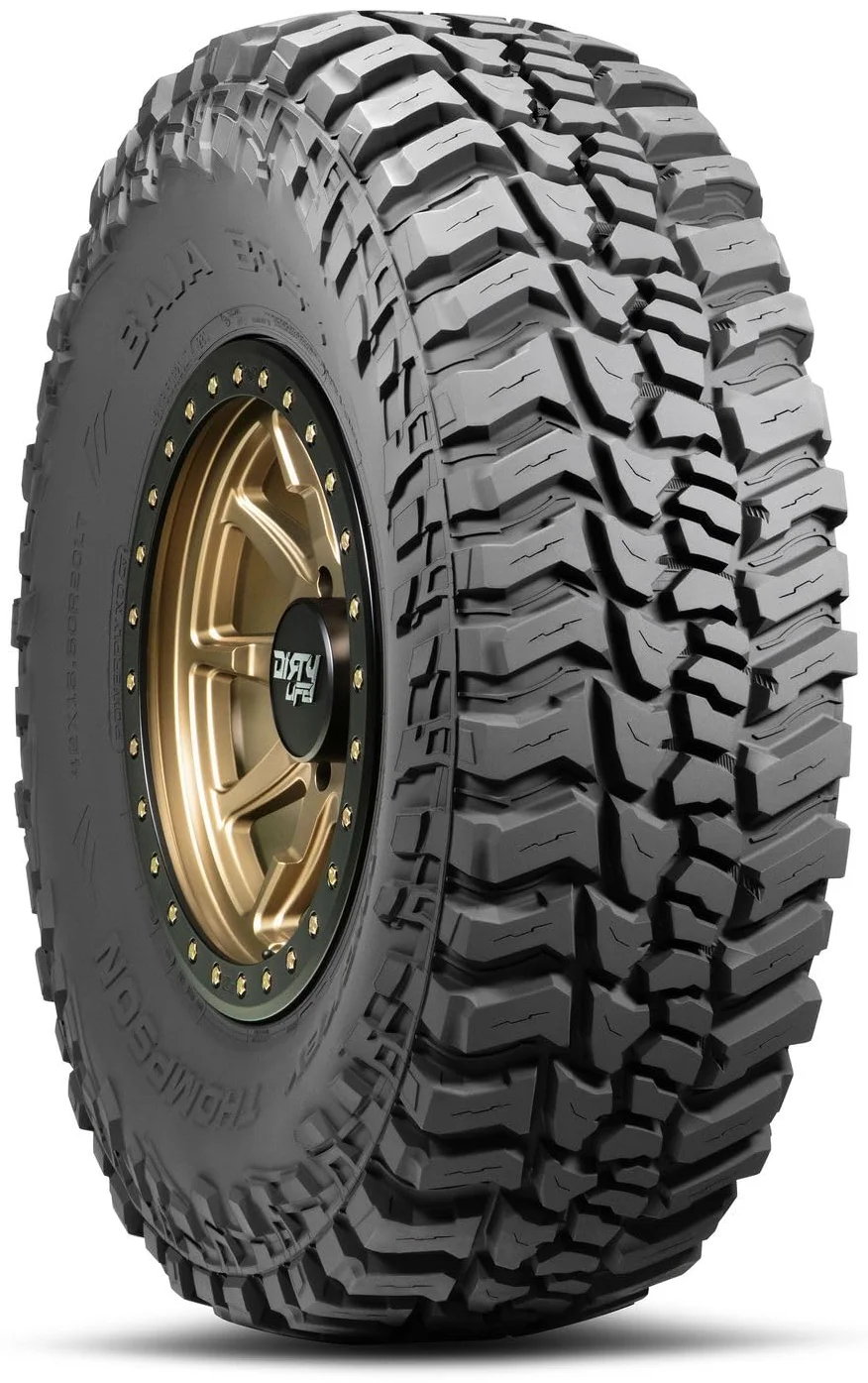
For tread, all-terrain tires suit mixed use, mud-terrain tires are built for mud and rock, and rugged-terrain tires sit in between.