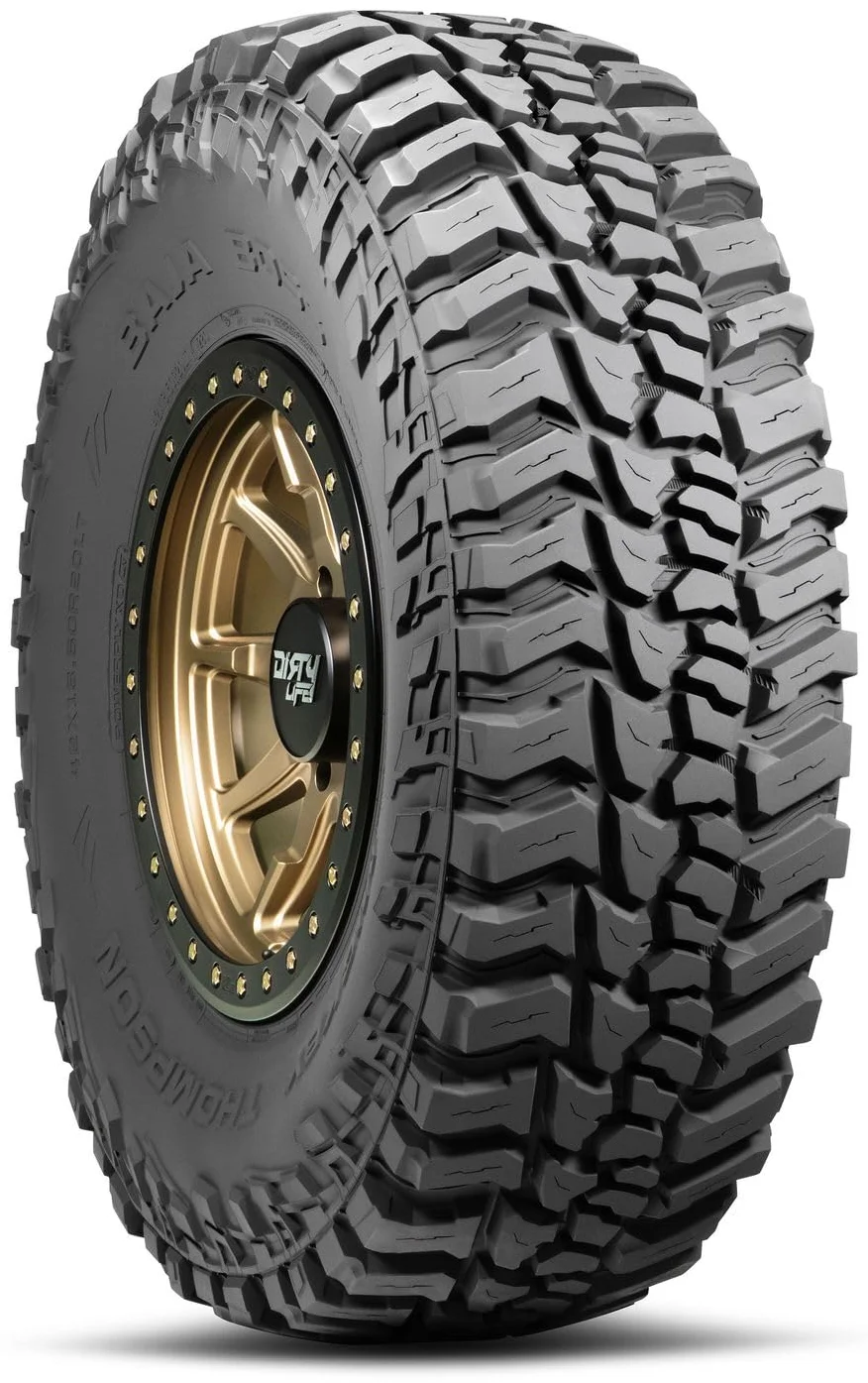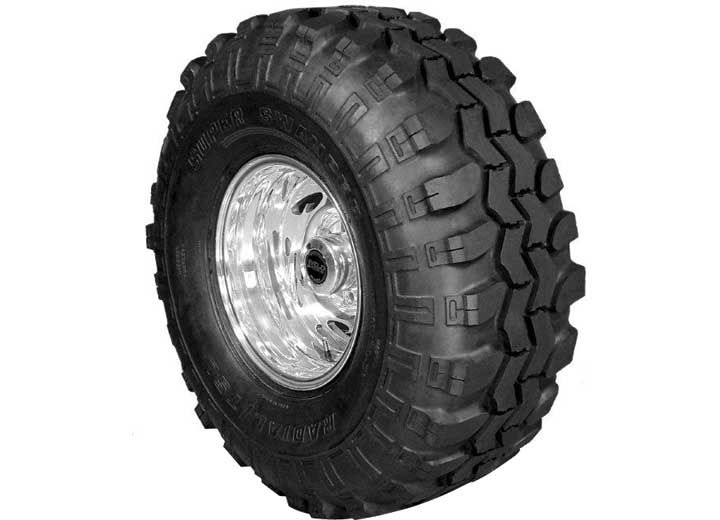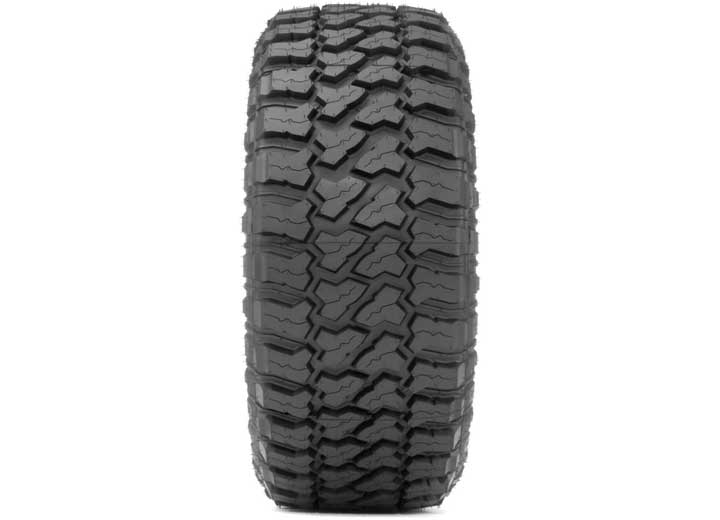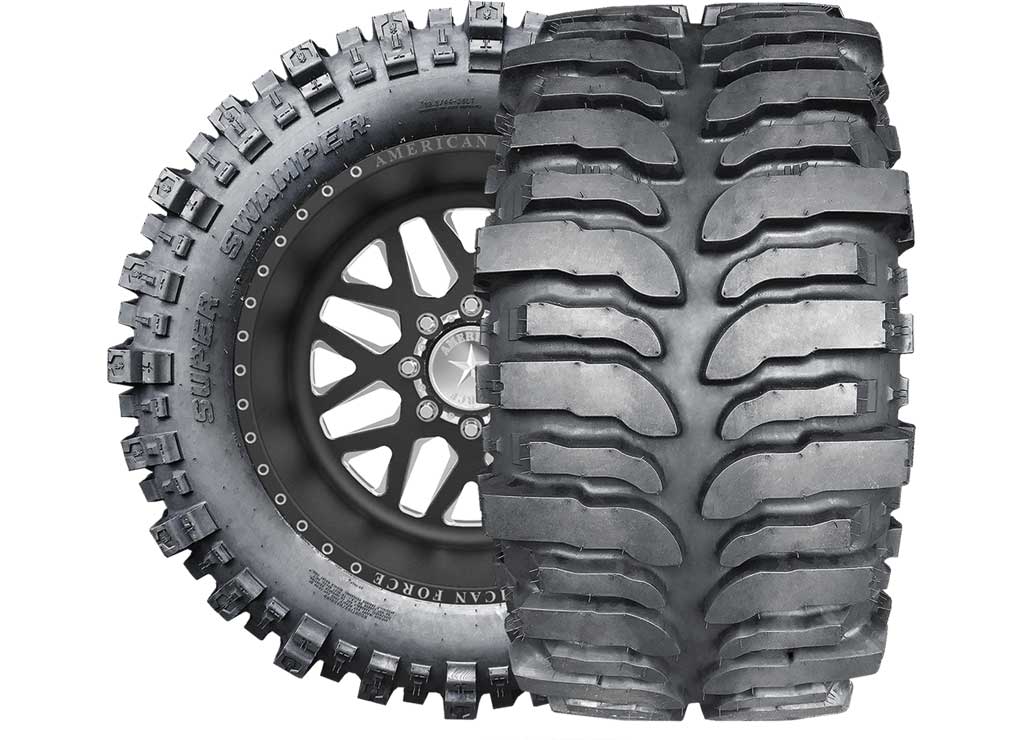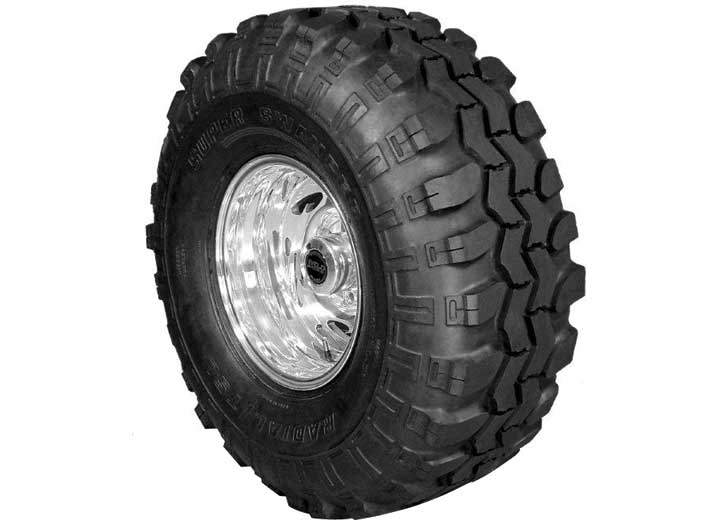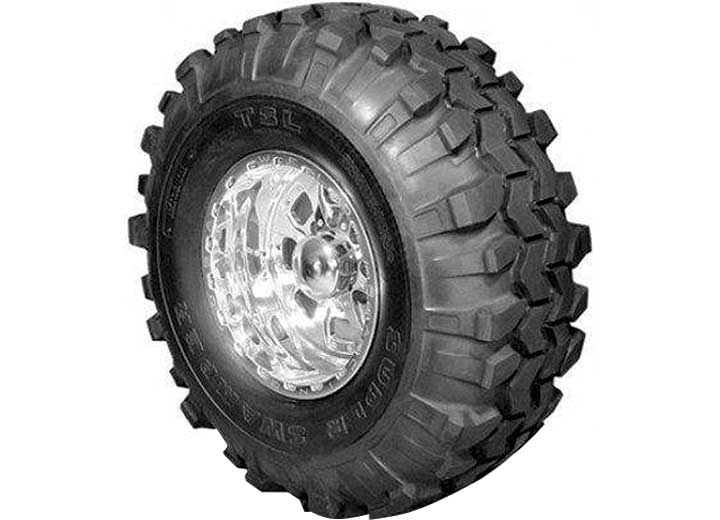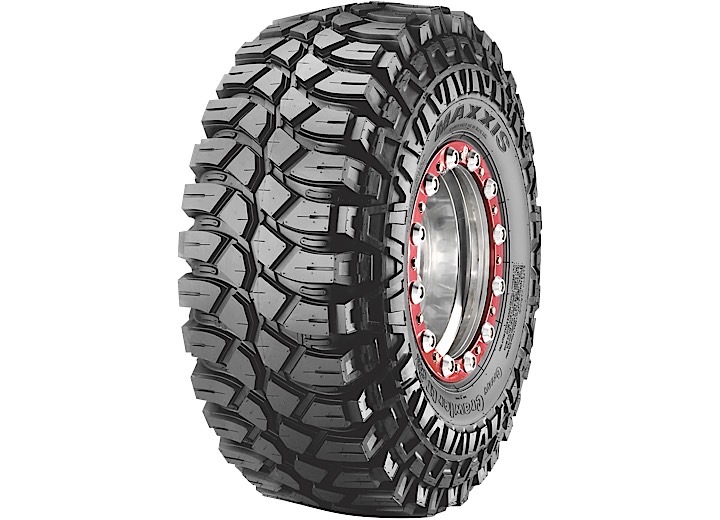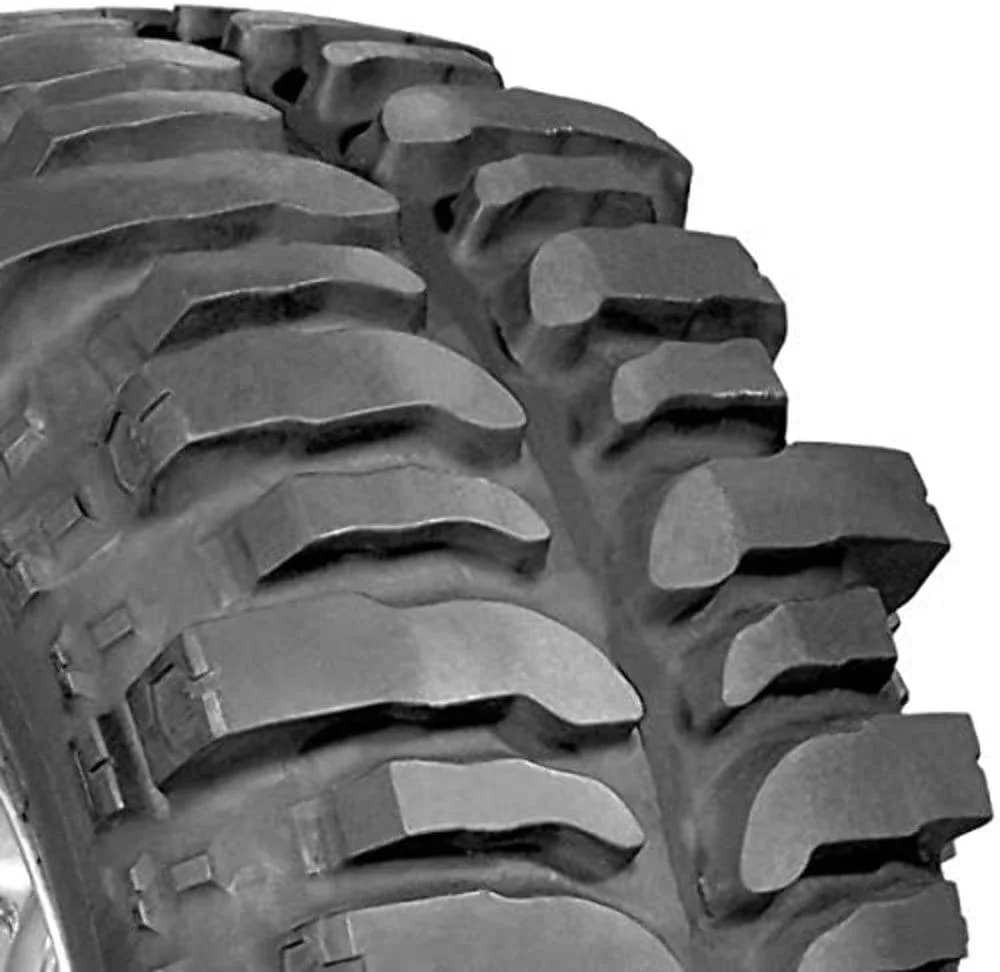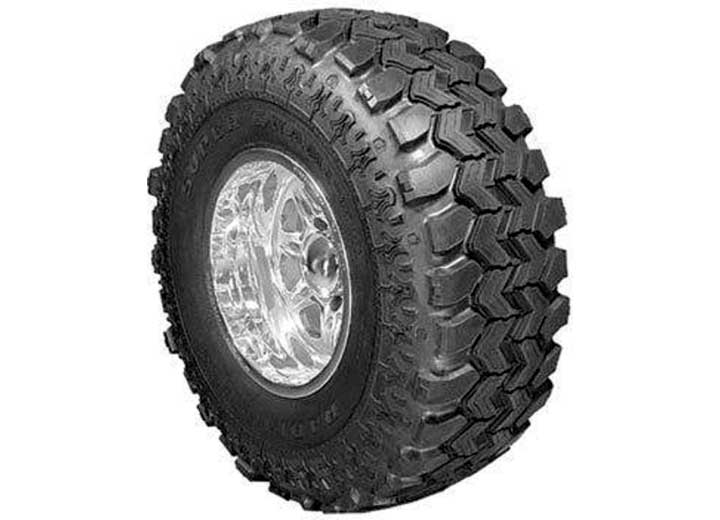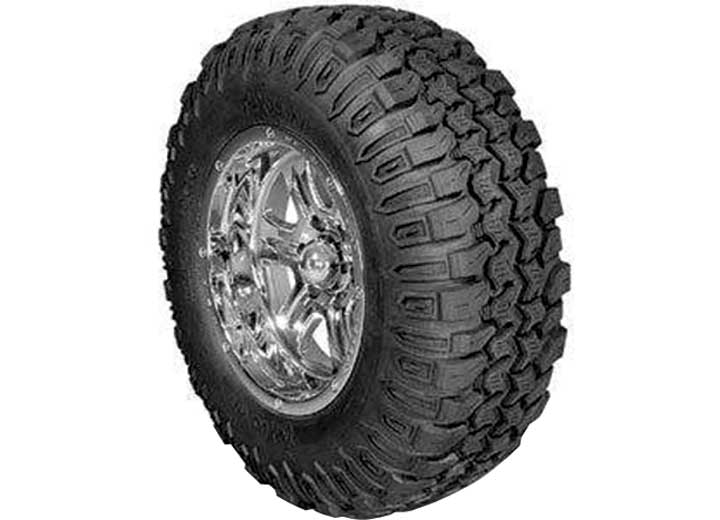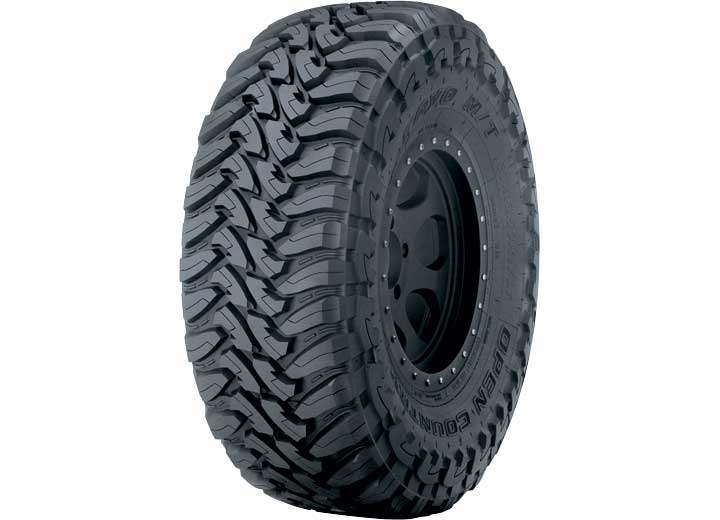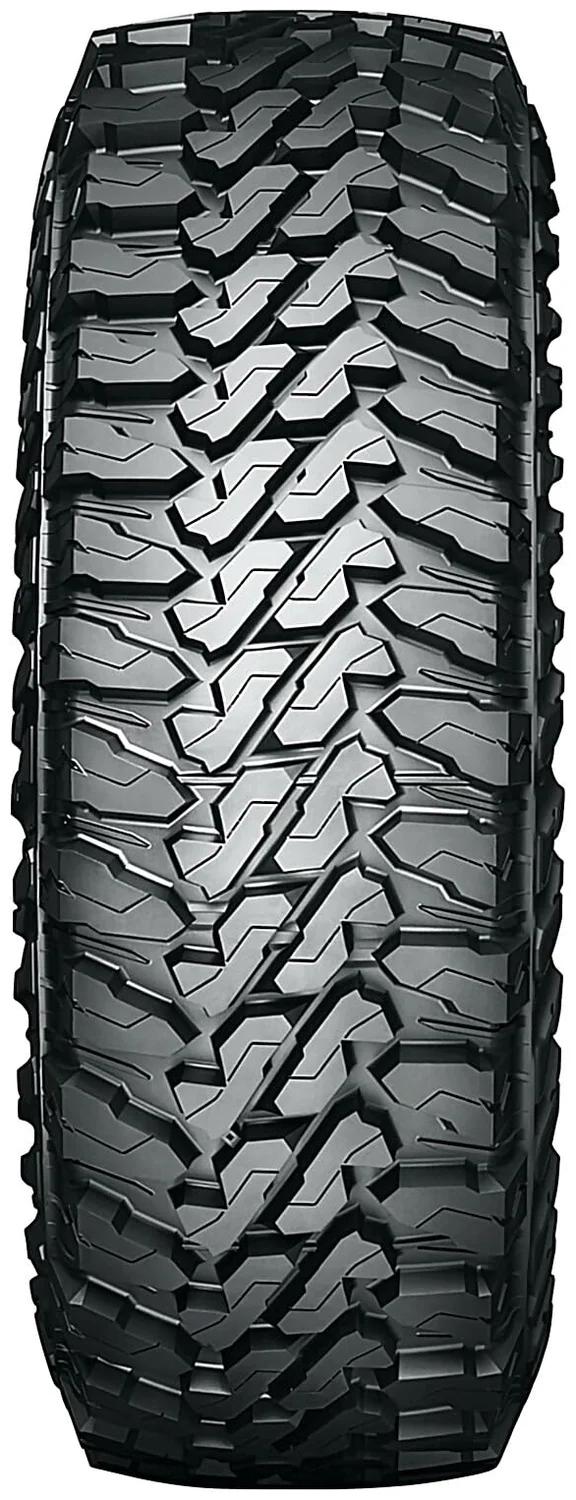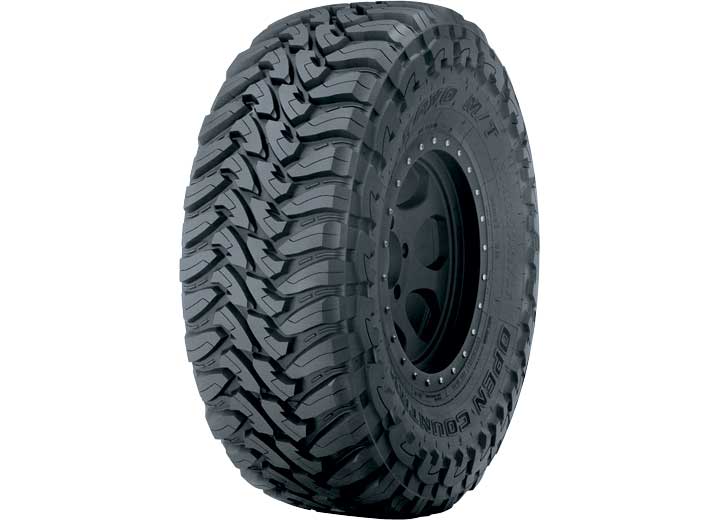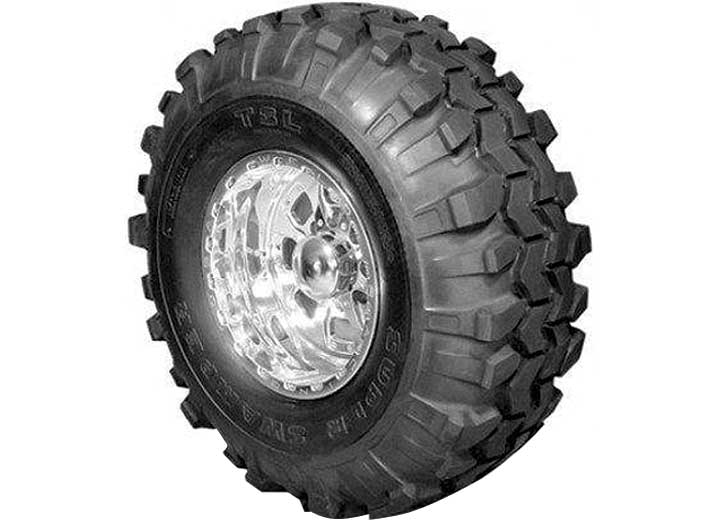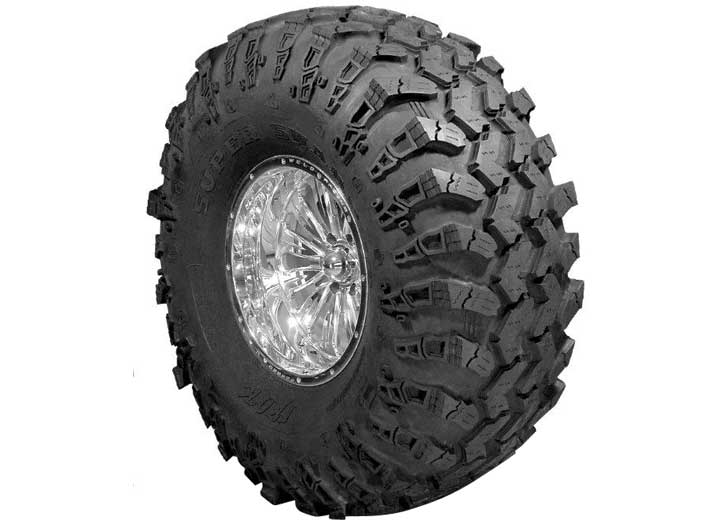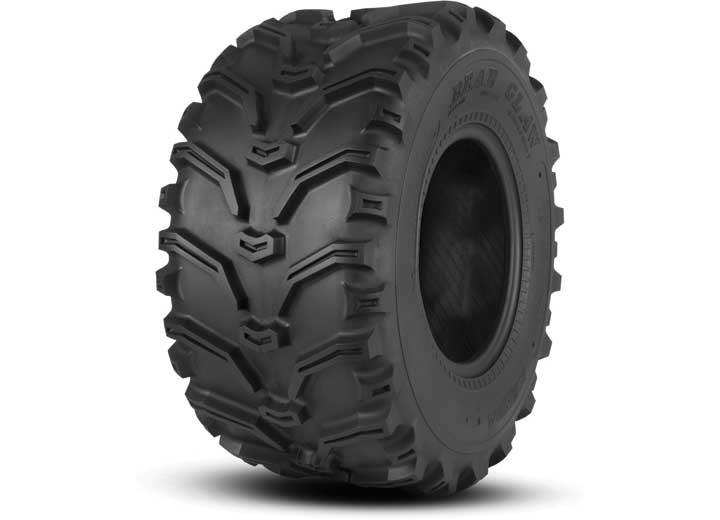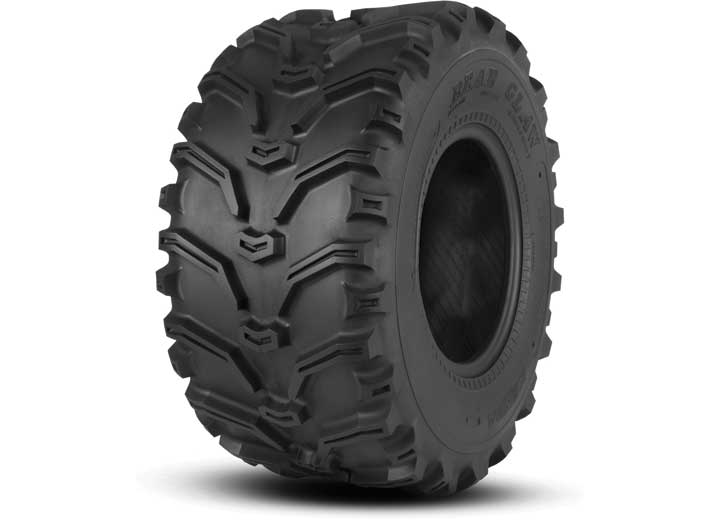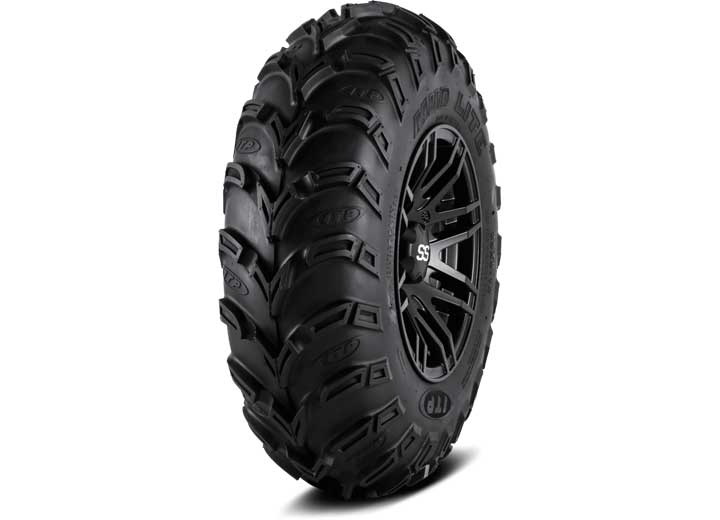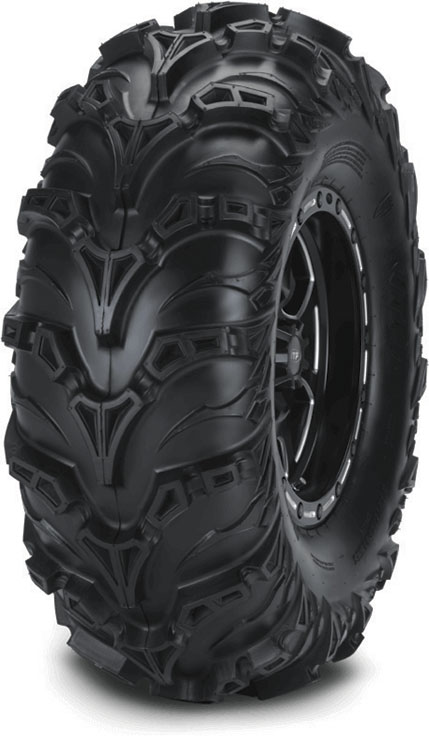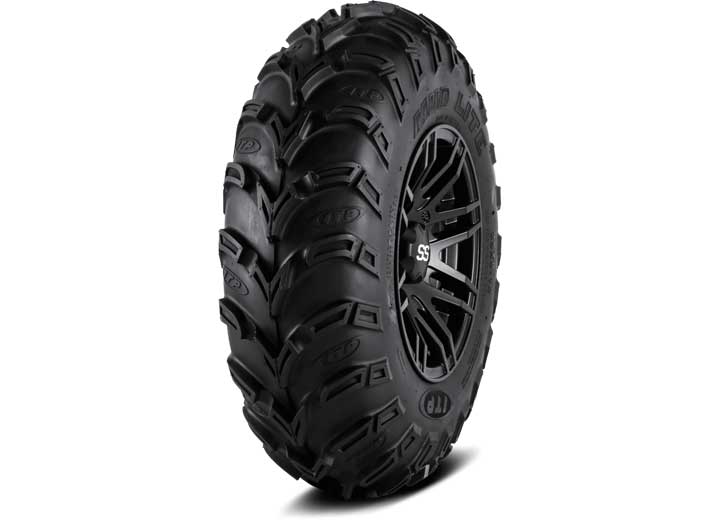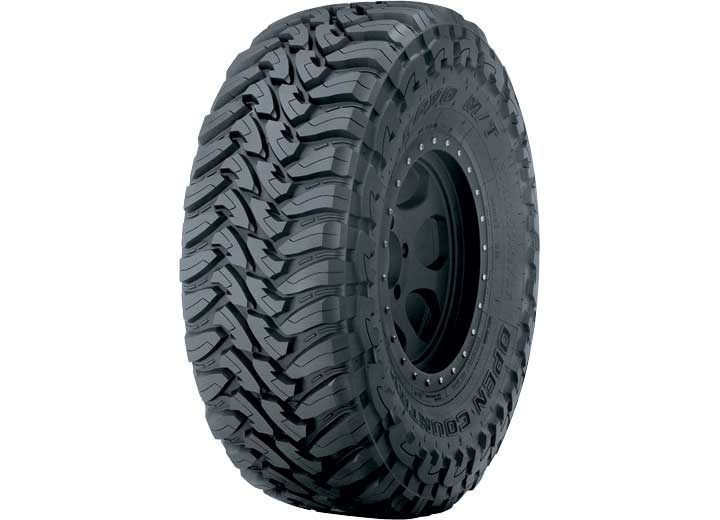
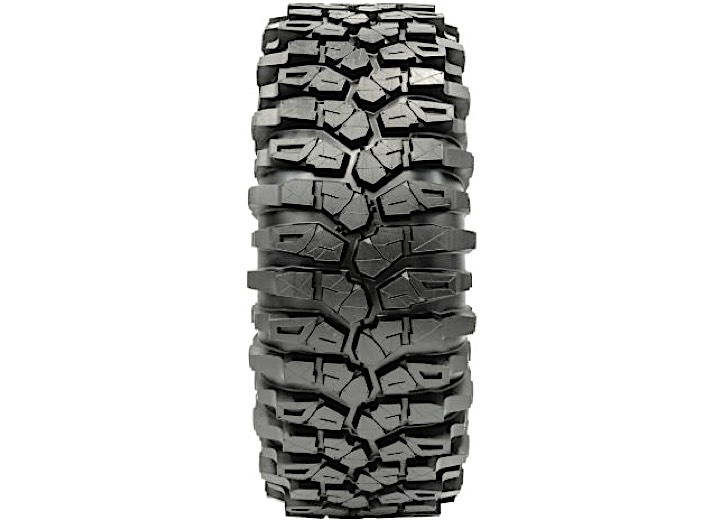
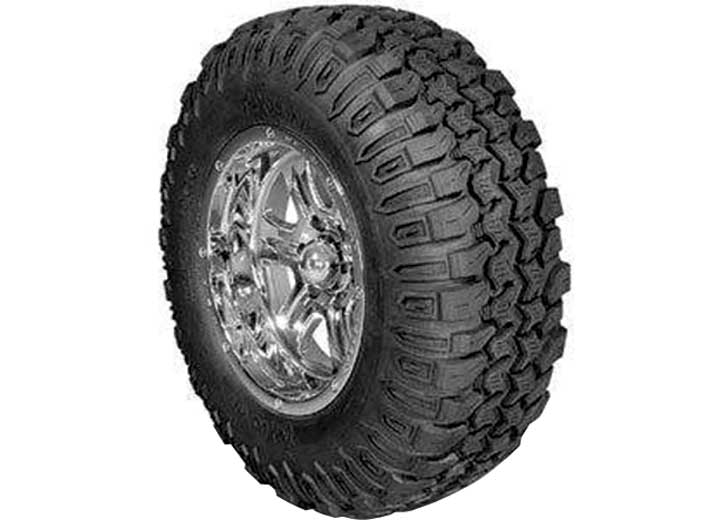
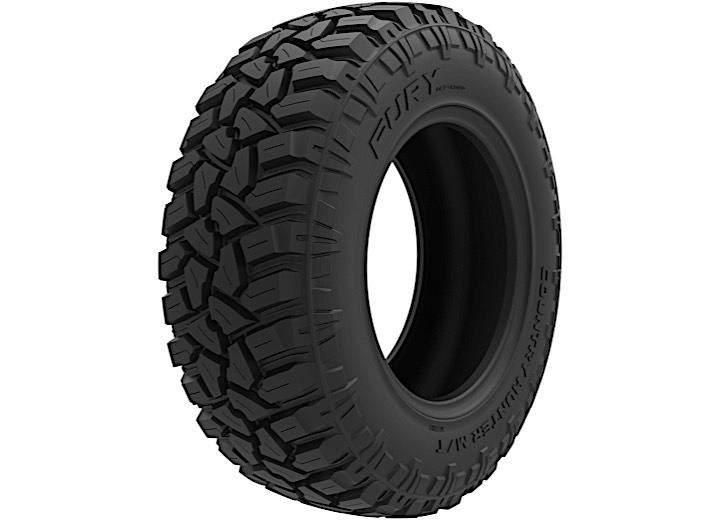
A mud terrain tire (M/T) is built for traction first and everything else second. Huge tread blocks, wide voids between them, and heavy lugs running down the sidewall let the tire bite into soft ground and fling mud out of the tread as it spins. That self-cleaning action is the whole point: a tire packed with mud is a slick, and an M/T is designed to stay open.
The tradeoffs are real. Mud tires are louder, heavier and wear faster on pavement than all terrain tires. If you trail ride, hunt muddy ground, drive unpaved ranch roads or run a dedicated off-road rig, they are worth it. If the truck lives on the highway, they usually are not. This page covers how to decide, how to size them, and how to make them last.
Who mud terrain tires are for (and not for)
Good fit:
- Regular trail riding, rock crawling or overlanding where you air down.
- Farm, ranch, logging or oilfield roads that turn to clay and mud after rain.
- Lifted trucks and Jeeps running 33 to 37-inch tires where the look and the clearance go together.
- Drivers who would rather give up some tread life and quiet than get stuck.
Not a good fit:
- Mostly highway commuting. You will pay for the noise, wear and fuel economy every day.
- Ice and packed snow. The big, hard blocks have less siping and less biting edge on slick surfaces than an A/T or winter tire, and the voids can pack with snow.
- Heavy towing on pavement, unless the tire is a high load range LT and you accept the extra squirm and wear.
If you split your time, look at rugged terrain or hybrid tires, which sit between A/T and M/T. Many owners find they get 80 percent of the off-road traction with noticeably less noise.
Mud terrain vs all terrain at a glance
| Trait | All terrain (A/T) | Rugged terrain (R/T) | Mud terrain (M/T) |
|---|---|---|---|
| Deep mud and clay | Fair | Good | Best |
| Rocks (aired down) | Good | Very good | Very good to best |
| Packed snow and ice | Good, often 3PMSF | Fair to good | Fair |
| Wet pavement braking | Good | Fair to good | Fair |
| Road noise | Low to moderate | Moderate | High |
| Tread life | Long | Medium | Shortest |
| Weight | Moderate | Heavier | Heaviest |
These are general tendencies, not guarantees for any one model. The jump from A/T to M/T is biggest in noise and pavement wear, so be honest about how many of your miles are actually off-road.
Sizing: flotation vs LT-metric, ply and load range
Mud tires are usually sold in two size formats:
- Flotation, like 35x12.50R17. That reads as 35 inches tall, 12.50 inches wide, for a 17-inch wheel. It is the easiest format for lifted trucks because you know the height right away.
- LT-metric, like 285/70R17. Width in millimeters, sidewall height as a percentage of width, then rim size. A 285/70R17 is roughly 32.7 inches tall, often called a "33-inch" tire.
Most M/T tires are built on light truck casings with load range C, D, E or F. Load range E (10-ply rated) is common in larger sizes because the extra strength resists punctures and supports heavy rigs. On a light Jeep, though, an E-range tire may ride stiff and resist airing down; a C or D can flex better on trails. Many off-road tires also advertise three-ply sidewalls, which add cut resistance against rocks.
| Tire height | Typical flotation size | Usually needs |
|---|---|---|
| About 33 in. | 33x12.50R15/R17/R20 | Leveling kit or small lift on many trucks; stock on some Jeeps and off-road trims |
| About 35 in. | 35x12.50R17/R18/R20 | Lift on most trucks; trimming possible |
| About 37 in. | 37x12.50R17/R20 | Bigger lift, often gearing changes |
Clearance depends heavily on your vehicle, wheel offset and suspension, so treat that table as a starting point. Our lift and leveling kits guide and off-road wheels guide cover the rest of the fitment picture.
Tread features worth comparing
Two mud tires can look alike in photos and behave very differently. When you read spec sheets, these are the details that separate them:
- Void ratio. Wider gaps between blocks clean out sticky mud faster but put less rubber on pavement. Tires aimed at mixed use close the center voids a little and keep the big gaps at the shoulders.
- Shoulder and sidewall lugs. Lugs that run well down the sidewall add grip in deep ruts and when aired down on rocks, and they help protect the sidewall from cuts.
- Stone ejectors. Small raised ribs in the groove bottoms push out gravel before it drills into the casing.
- Tread depth. Many M/T tires start with deeper tread than an A/T. More depth means more bite, but tall blocks also squirm more on pavement.
- Variable pitch. Blocks of slightly different sizes spread the noise across frequencies so it sounds less like a drone.
- Siping. A few M/T designs add more siping for wet roads and winter. If you see snow regularly, favor these, and check whether the tire is studdable.
- Weight. Compare published weights. A few pounds per corner adds up in acceleration, braking and stress on axles and ball joints.
Airing down and off-road use
Dropping pressure off-road lengthens the tire's footprint so more tread touches the ground and the casing can wrap around rocks. It also softens the ride on washboard. How low you go depends on the tire, the vehicle weight, the wheel and the terrain. Many drivers start somewhere in the 15 to 20 psi range for trails and go lower in sand, but the right number varies.
- Lower pressure increases the risk of unseating a bead, especially on standard wheels. Beadlock wheels exist for very low pressures.
- Drive slowly when aired down and avoid sharp sidehill turns that roll the tire off the bead.
- Always air back up before highway speed. Running low pressure fast builds heat that can damage the tire.
- Carry a reliable gauge and a compressor sized for big tires.
Also remember that bigger, heavier tires change your truck. They add rotating mass, which can slow acceleration and lengthen braking distance, and they throw off the speedometer unless you recalibrate.
Making mud tires last on the road
Mud tires that see pavement tend to cup (develop uneven high and low spots around the tread), which makes them louder over time. Prevention is mostly discipline:
- Rotate frequently, often every 3,000 to 5,000 miles. A five-tire rotation with a matching spare is ideal.
- Balance carefully. Big M/T tires can take a lot of weight to balance. A road-force balance can help if you feel vibration.
- Keep pressure right for your load. Overinflating to quiet the tire makes it wear in the center; underinflating wears the shoulders.
- Check alignment after lifts, trail damage or hitting anything hard.
Common mistakes: buying the biggest tire that will physically fit without checking gearing and brakes, running mismatched tread depths on 4x4s, never rotating, and expecting M/T tires to be good in snow and ice just because they look aggressive. Popular M/T brands include Nitto, BFGoodrich, Toyo, Mickey Thompson, Cooper and General, plus many value lines.