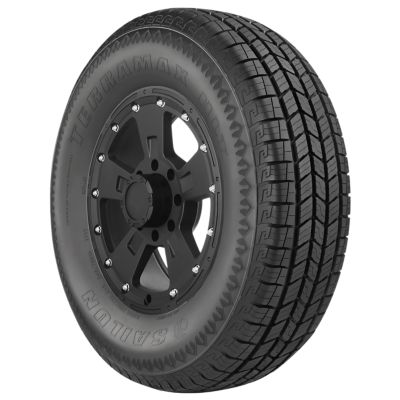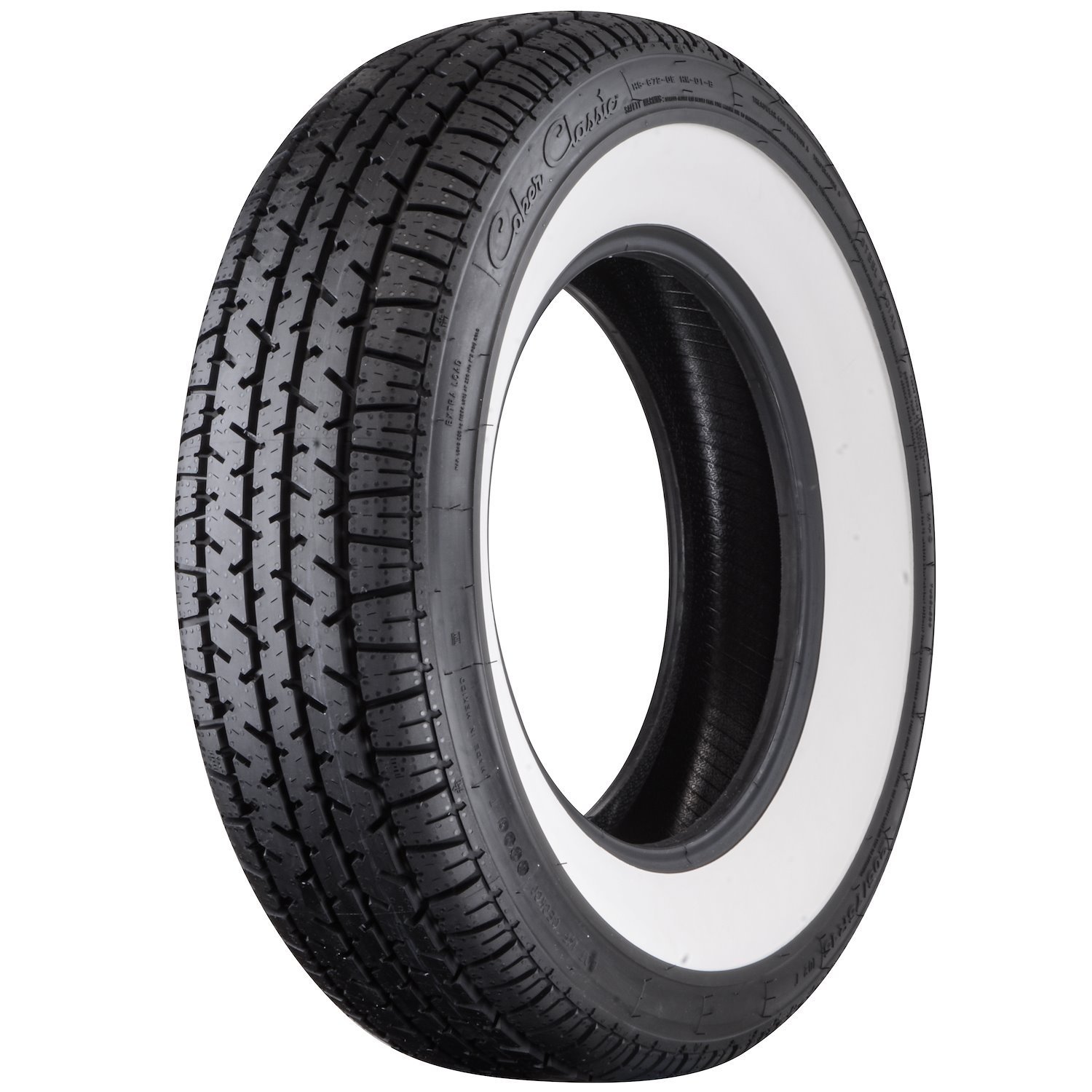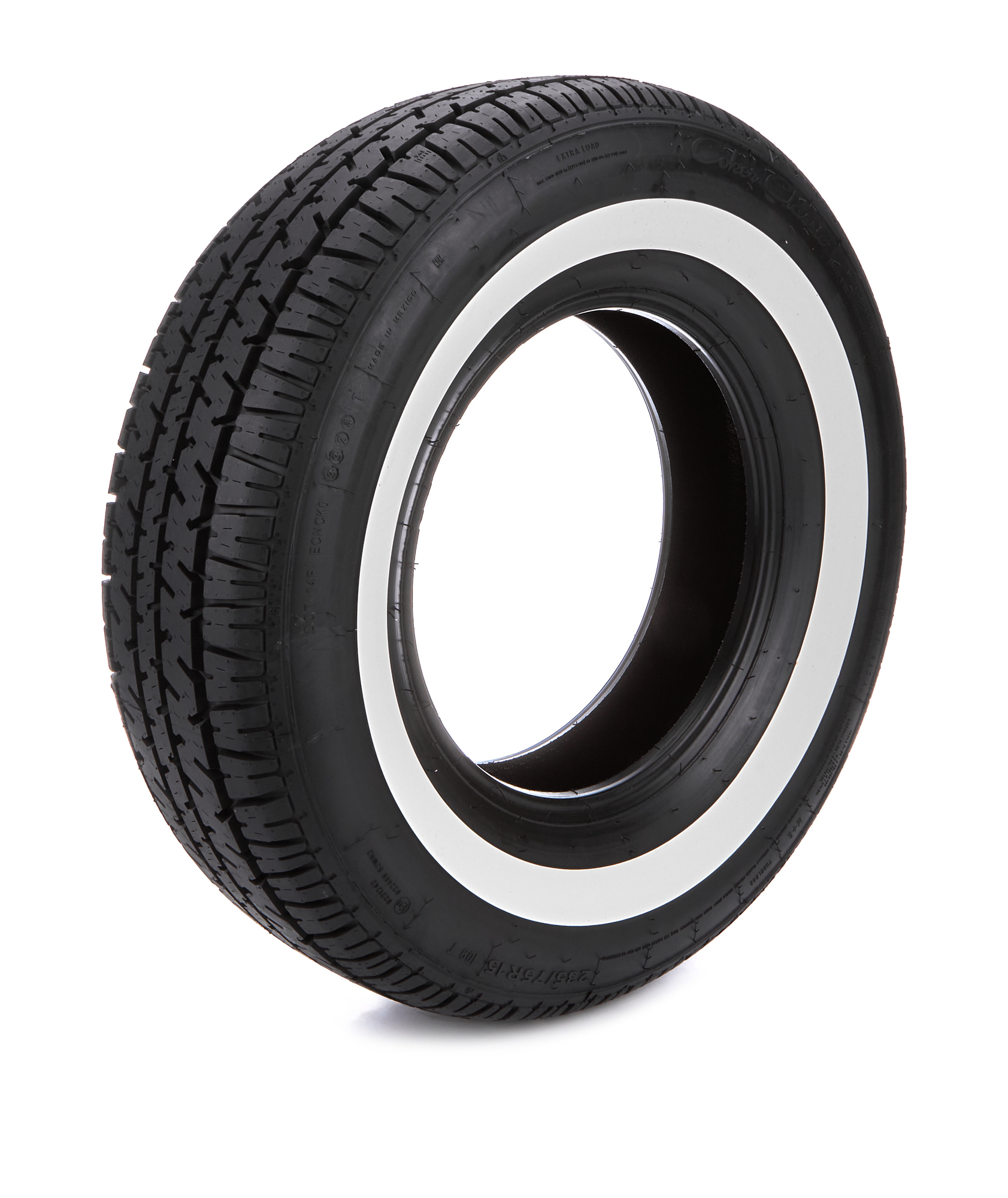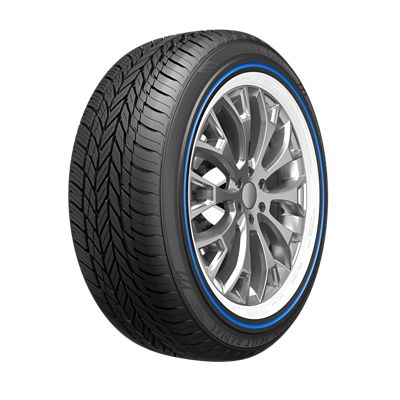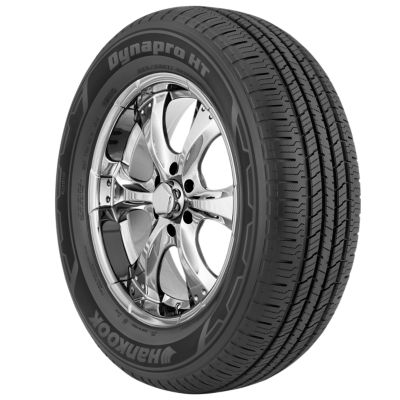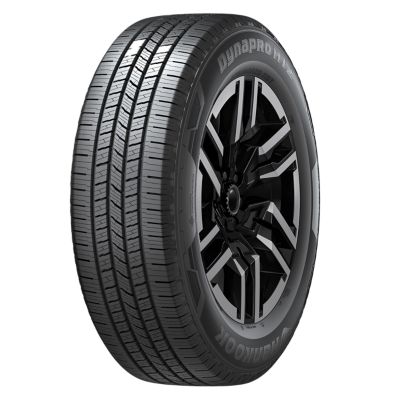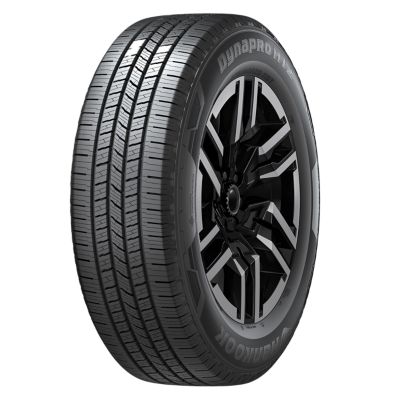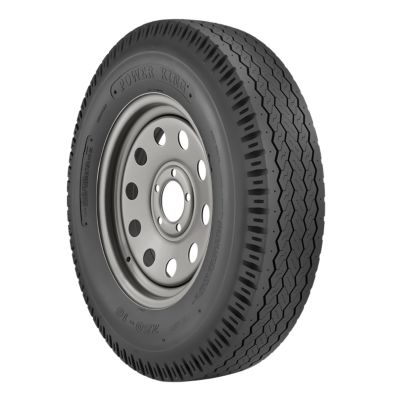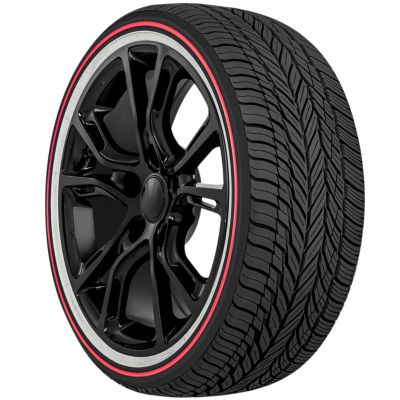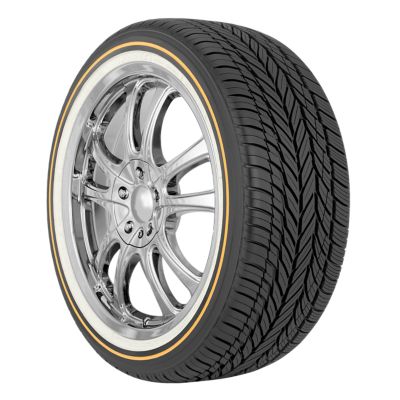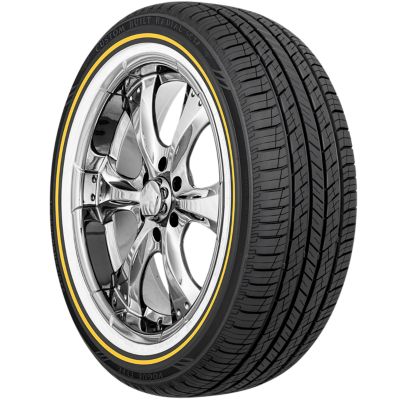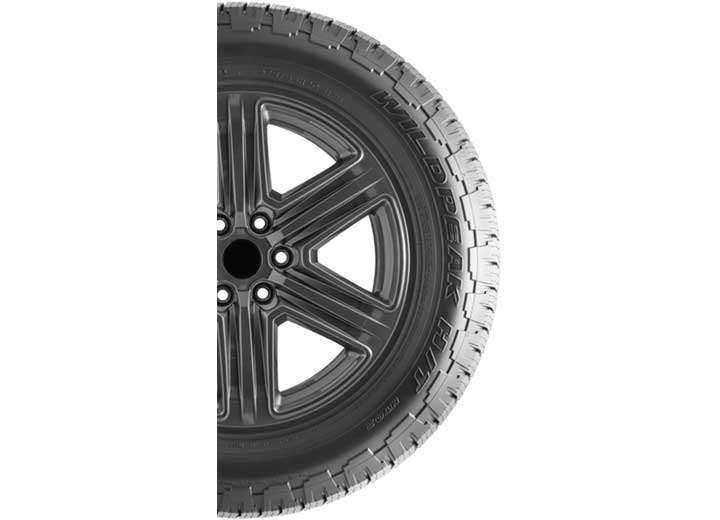
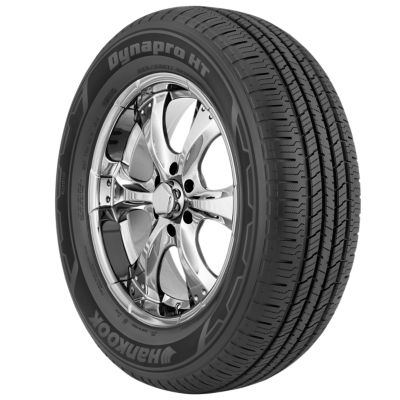
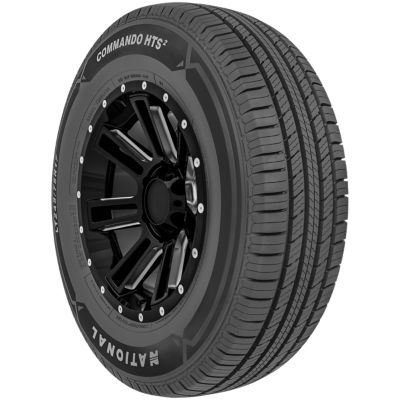
Highway tires and touring tires are built for the miles most people actually drive: paved roads, commutes, road trips and errands. They focus on a quiet, smooth ride, predictable handling in rain and long tread life. They do not try to be off-road tires or race tires, and that focus is exactly why they are so good at their job.
The two names overlap. Touring usually refers to car, minivan and crossover tires. Highway terrain (H/T) usually refers to the truck and SUV version, often on a stronger light truck casing for towing and hauling. Both share the same idea: maximum comfort and mileage on pavement.
For a lot of drivers this is the most sensible tire category there is. Unless you have a specific reason to go more aggressive (regular off-road use, deep snow, track days), a good highway or touring tire in the right size and load rating will ride better, cost less to run and last longer than the alternatives. Below we cover the sub-types, how to read load ratings for towing, how to compare tread life honestly, and the care habits that get you every mile you paid for.
Who highway and touring tires are for
A good fit if you:
- Drive almost entirely on pavement.
- Put on a lot of highway miles and want long tread life.
- Care about a quiet cabin and a comfortable ride.
- Tow on paved roads with a pickup or SUV and want stable, even-wearing tires.
- Want to keep fuel economy close to factory numbers.
Not a good fit if you: regularly drive gravel, dirt or job sites (look at all terrain tires), see heavy snow and ice (look at winter tires), or want sharp, sporty handling (look at performance tires).
Most highway and touring tires are all-season tires with the M+S marking. That handles light snow, but M+S is a tread geometry definition, not a snow test. A few touring tires also carry the 3PMSF snowflake symbol, which means they passed a standardized snow traction test.
Touring vs grand touring vs highway terrain (H/T)
| Type | Typical vehicles | Focus | Common speed ratings |
|---|---|---|---|
| Standard touring | Sedans, minivans, compact crossovers | Comfort, low noise, long tread life | S, T |
| Grand touring | Midsize and luxury sedans, crossovers | Comfort with sharper handling | H, V |
| Crossover / SUV touring | Crossovers and midsize SUVs | Quiet ride and load capacity for heavier vehicles | T, H |
| Highway terrain (H/T) | Pickups and full-size SUVs | Tread life, stability, towing on pavement | R, S, T |
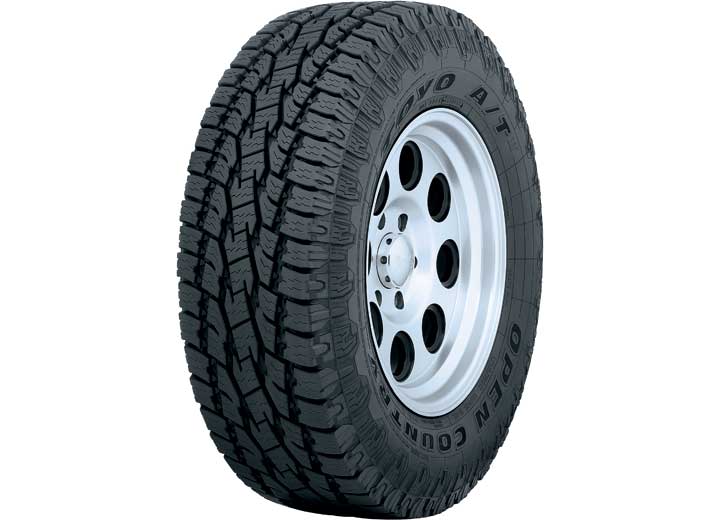
Compared with an all-terrain, an H/T truck tire has a closed tread with ribs running around the tire, smaller voids and less aggressive shoulders. That is why it is quieter, rolls easier and usually lasts longer, but it also gives up traction on loose surfaces and mud.
Load range, P-metric vs LT, and towing
Highway tires for trucks come in two main formats:
- P-metric (like P265/70R17): designed for passenger-type loads. Common on half-ton trucks and SUVs from the factory. Softer ride.
- LT (like LT265/70R17): light truck construction with load ranges C, D, E or higher. Required on most three-quarter and one-ton trucks.
| Load range | Ply rating | Typical max psi | Common use |
|---|---|---|---|
| SL (standard load) | 4-ply equivalent | 35 to 44 psi | Cars, crossovers, light SUVs |
| XL (extra load) | Reinforced | 41 to 51 psi | Heavier cars and SUVs |
| C | 6-ply | 50 psi | Light trucks, light towing |
| D | 8-ply | 65 psi | Half-ton towing |
| E | 10-ply | 80 psi | 3/4 and 1-ton trucks, heavy towing |
Always match or exceed the load range and load index on your door placard. If you tow often, an LT highway tire in load range E keeps the truck more stable under weight, at the cost of a firmer empty ride. Our light truck and SUV tires page goes deeper on load ranges, and if you are towing a trailer, see the trailer tires and wheels guide for the trailer side.
How to compare tread life and comfort
Highway and touring tires compete mostly on mileage, noise and wet grip. A few ways to compare:
- UTQG treadwear appears on P-metric tires. Touring tires often have high grades, and a higher number suggests longer life within the same brand. It is a rough guide across brands because each maker grades its own tires.
- Manufacturer tread life warranties are offered by many tire makers on touring and H/T lines. Terms differ, so read the tire maker's warranty, which usually requires regular rotation and correct pressure.
- Traction grade (AA, A, B, C) reflects straight-line wet braking. A is common on touring tires.
- Tread design: continuous center ribs feel stable on the highway; more siping helps in rain and light snow.
Search your size, like 235/65R17 or 275/55R20, and compare options from Michelin, Goodyear, Bridgestone, Continental, Cooper, Hankook, General and others.
Reading the size and choosing the right fit
Every tire size follows the same pattern. Take P235/65R17 104T: P means passenger construction (no letter means Euro-metric, also passenger; LT means light truck), 235 is the width in millimeters, 65 is the sidewall height as a percentage of width, R is radial and 17 is the wheel diameter in inches. 104 is the load index (1,984 lbs per tire) and T is the speed rating (118 mph).
For a highway or touring tire, a few practical checks go a long way:
- Copy the placard, not just the old tire. A previous owner may have installed the wrong size or a lower load index. The door jamb placard shows what the vehicle was designed for.
- Match load and speed at minimum. Going higher is fine; going lower is not.
- Think about your next 40,000 miles. If a tow camper, a roof box or a winter move is coming, buy for that, not for today.
- Keep the set matched. On AWD and 4x4 vehicles especially, four of the same model and size keeps the drivetrain happy.
If you are deciding between two similar tires, the one with the higher speed rating usually steers a bit more crisply, while the one with the higher treadwear grade usually lasts longer and rides a little softer.
Care tips and common mistakes
- Rotate every 5,000 to 7,500 miles or per the owner's manual. It is the biggest single factor in getting the full life from long-wearing tires.
- Set pressure to the placard, cold, and check monthly. For towing, many truck makers list a higher pressure for loaded use; follow the placard or owner's manual.
- Get aligned when you install new tires or notice pulling. Misalignment can eat the shoulders of a long-life tire quickly.
- Watch age as well as tread. Because these tires last a long time, they can age out before wearing out. Check the DOT date code and look for cracking.
Common mistakes: putting P-metric tires on a truck that calls for LT, choosing a tire with a lower load index than stock, running highway tires on rough gravel daily (sidewall cuts), and skipping rotations, which voids many tire makers' tread warranties.