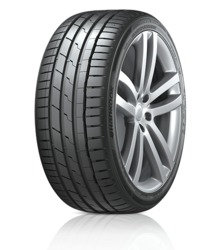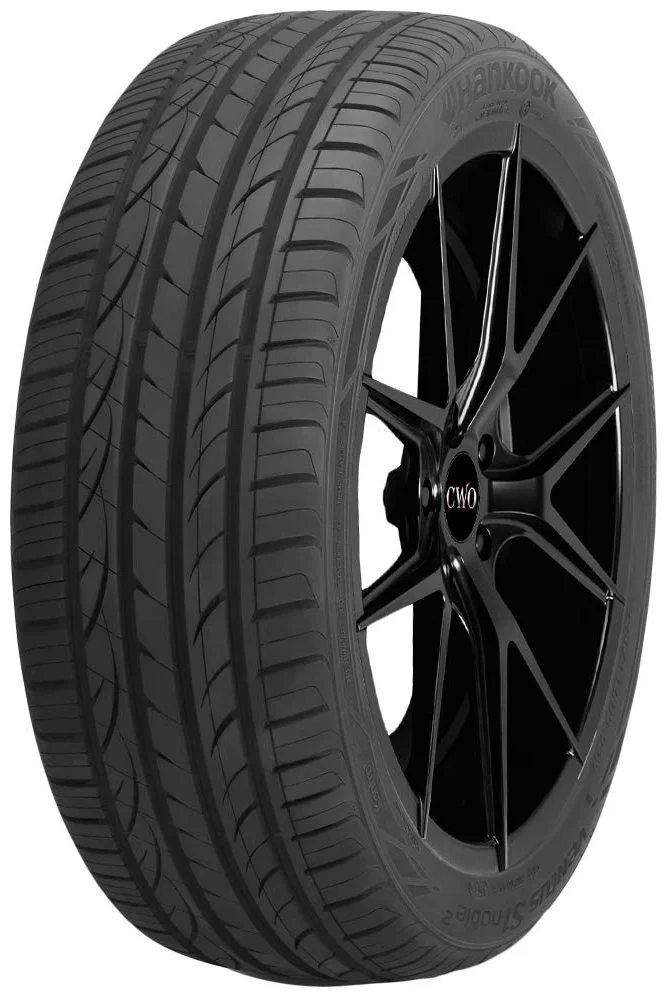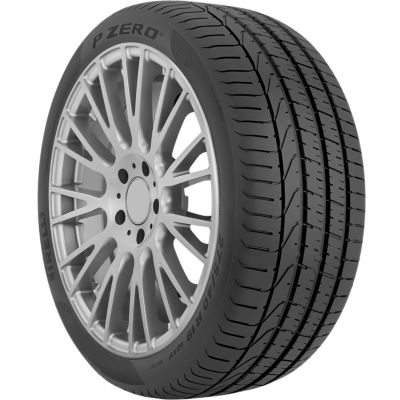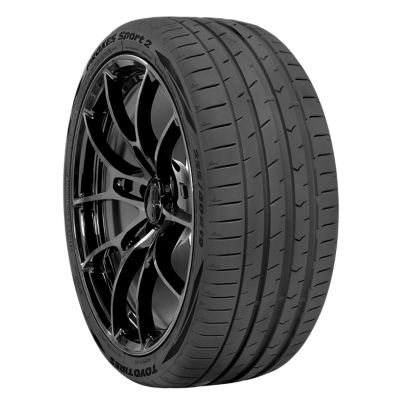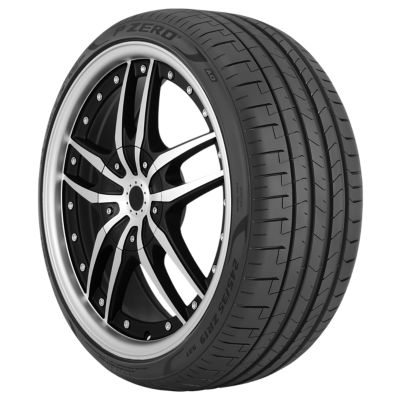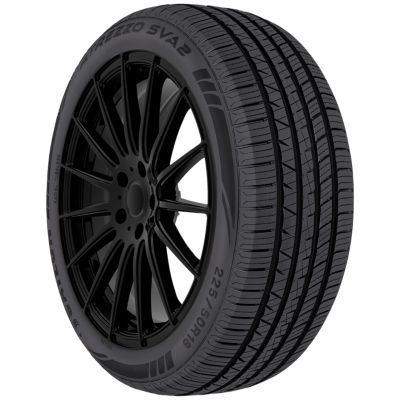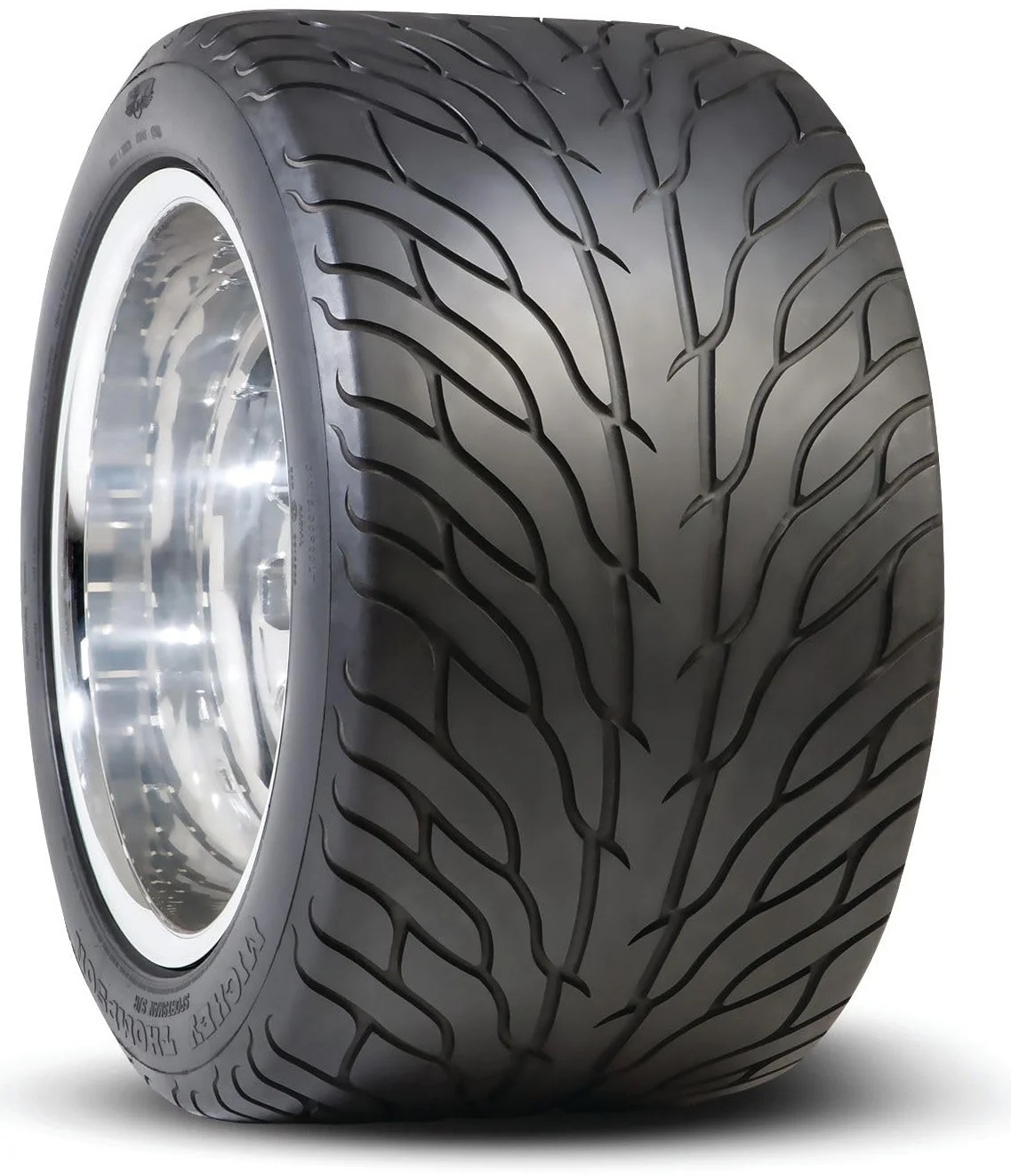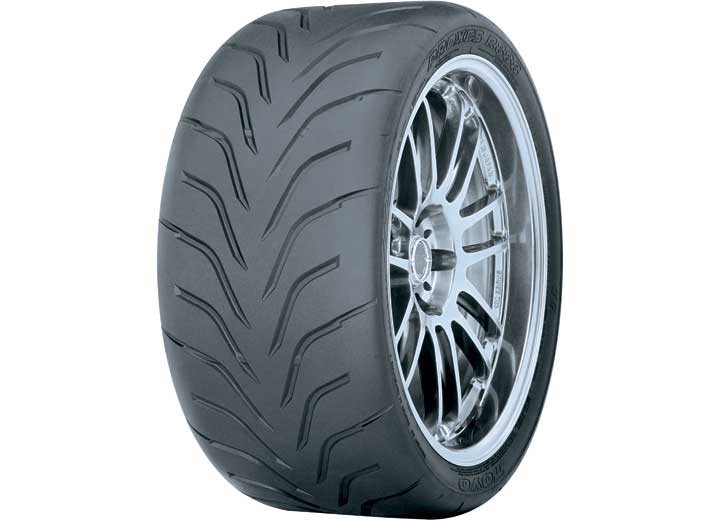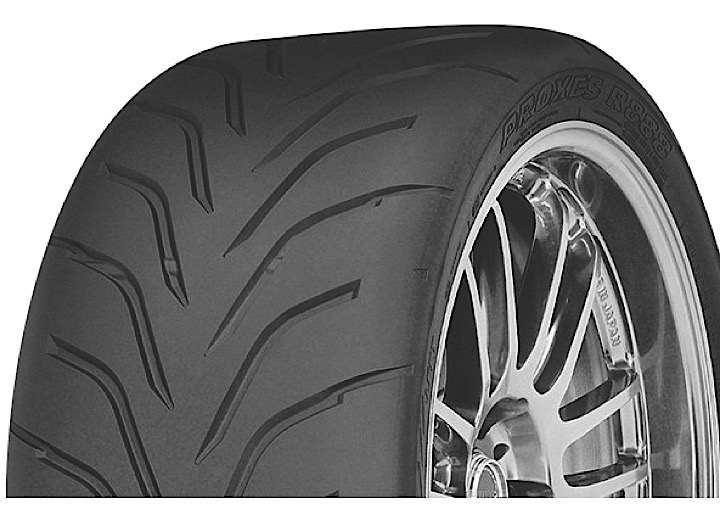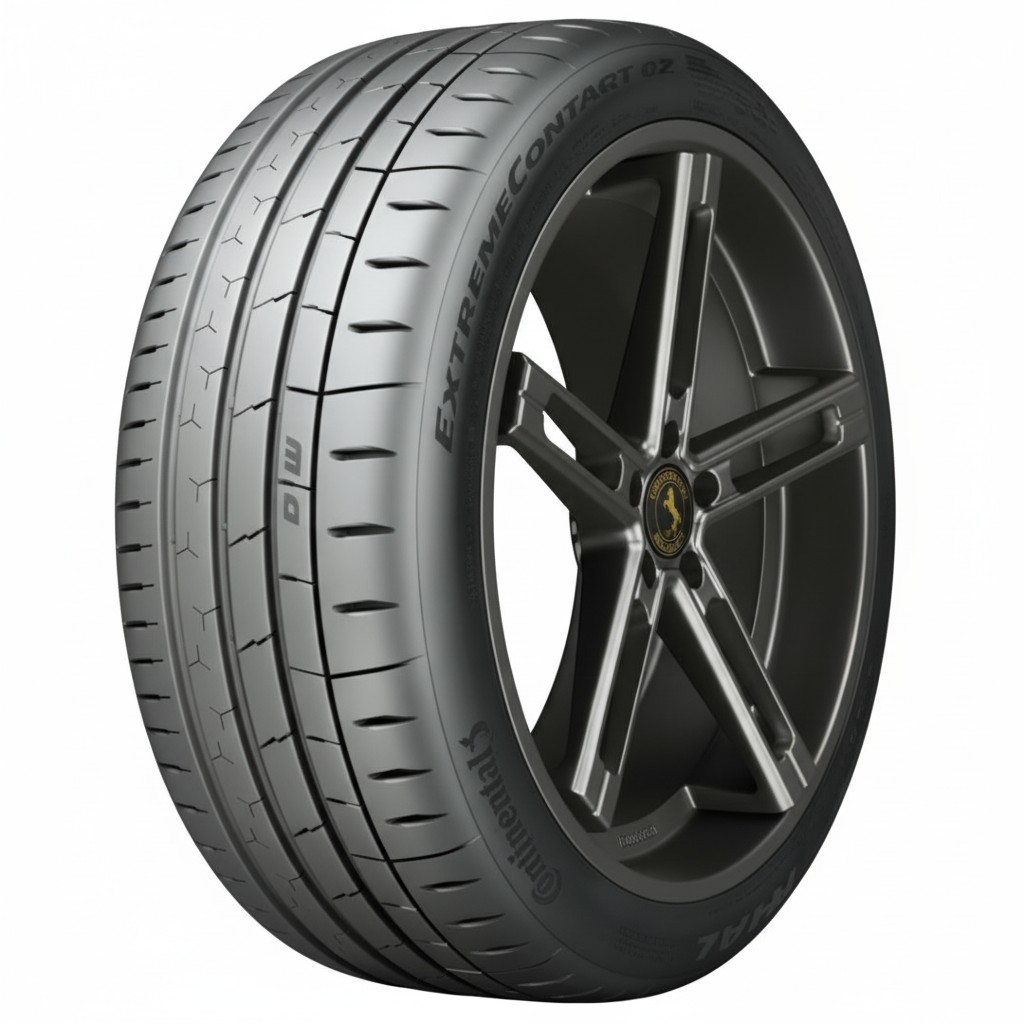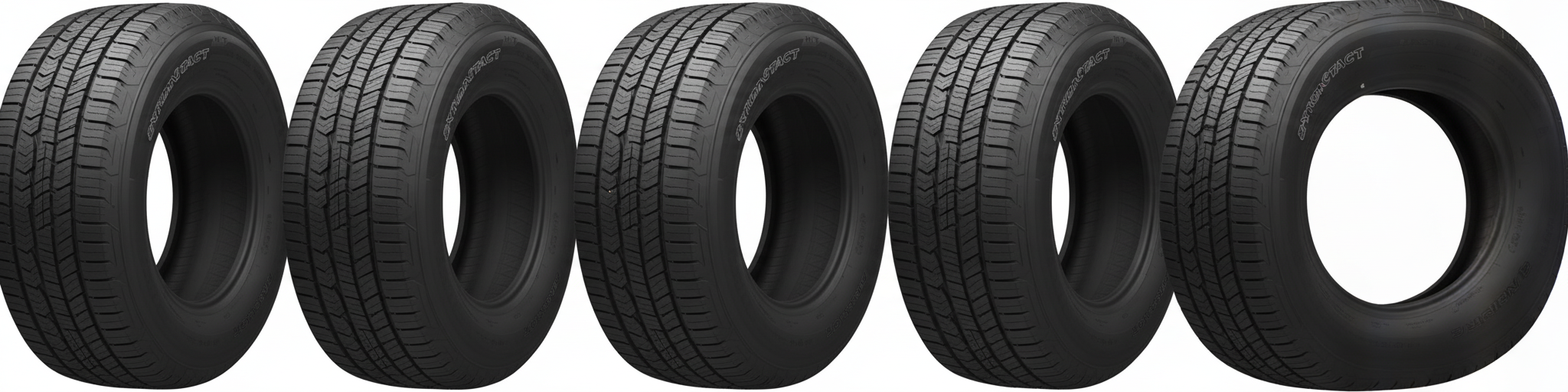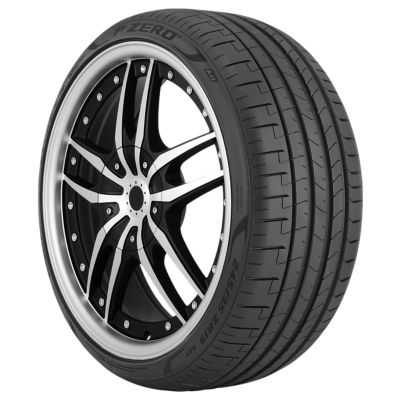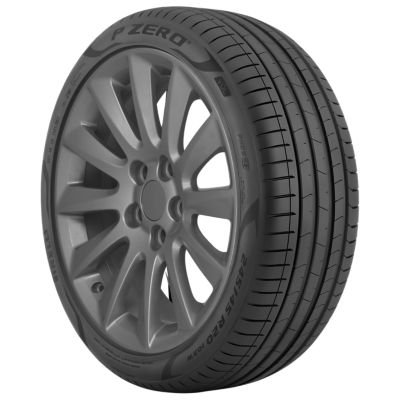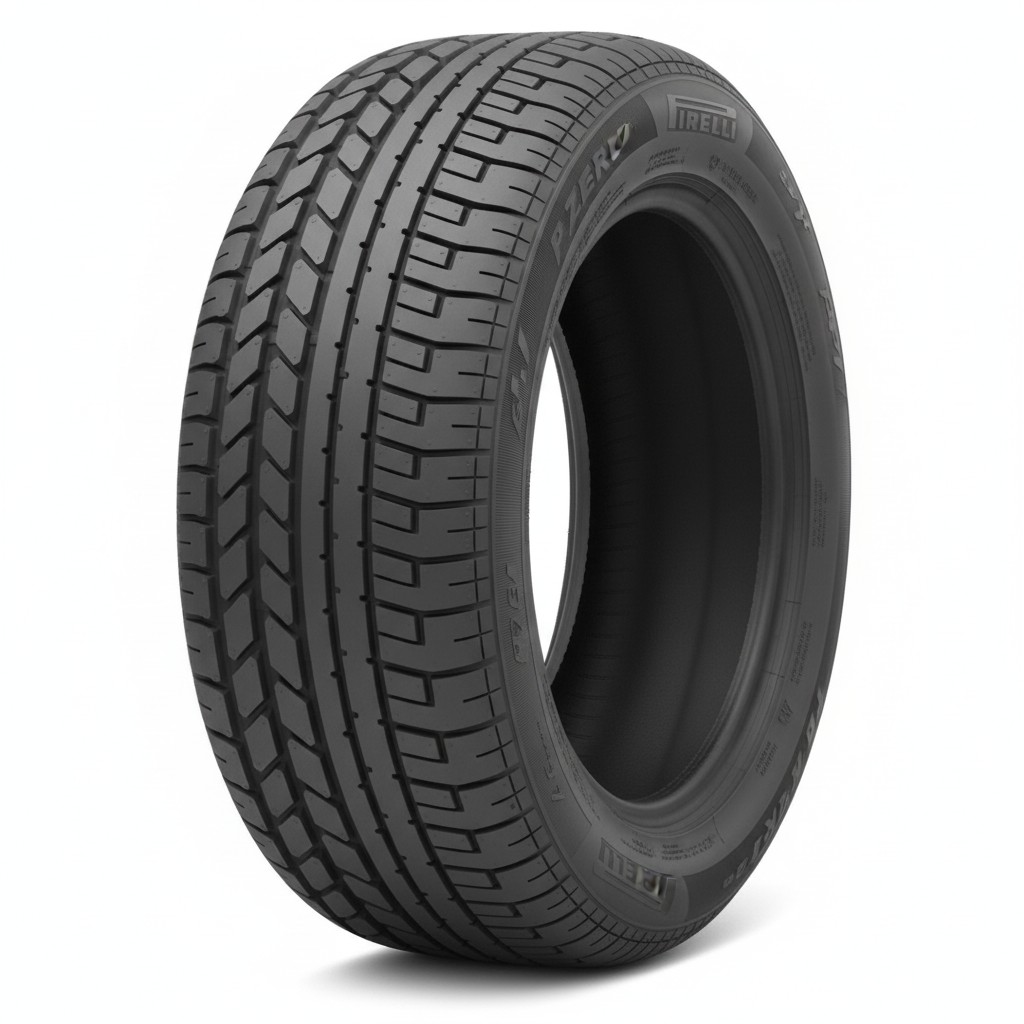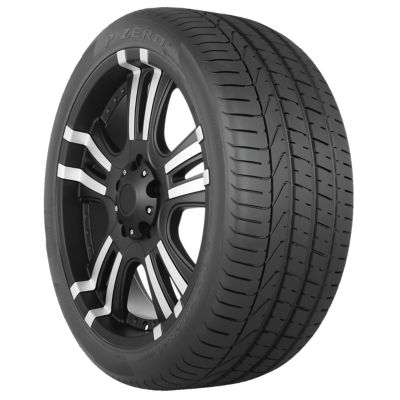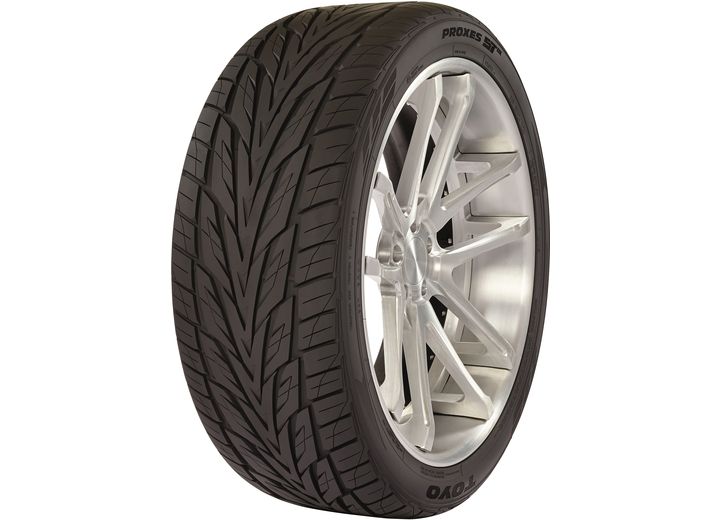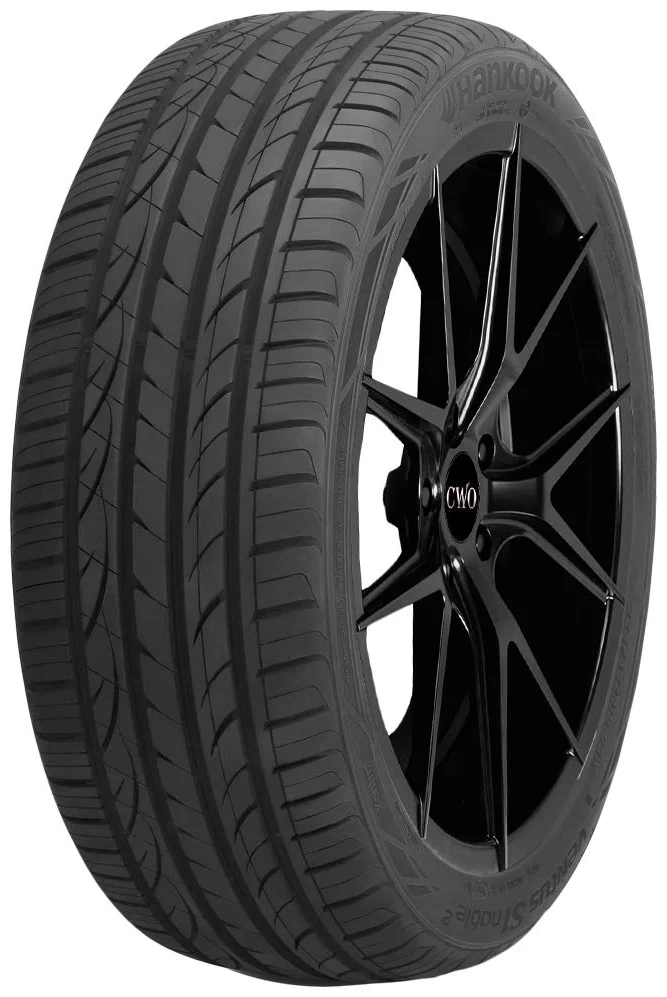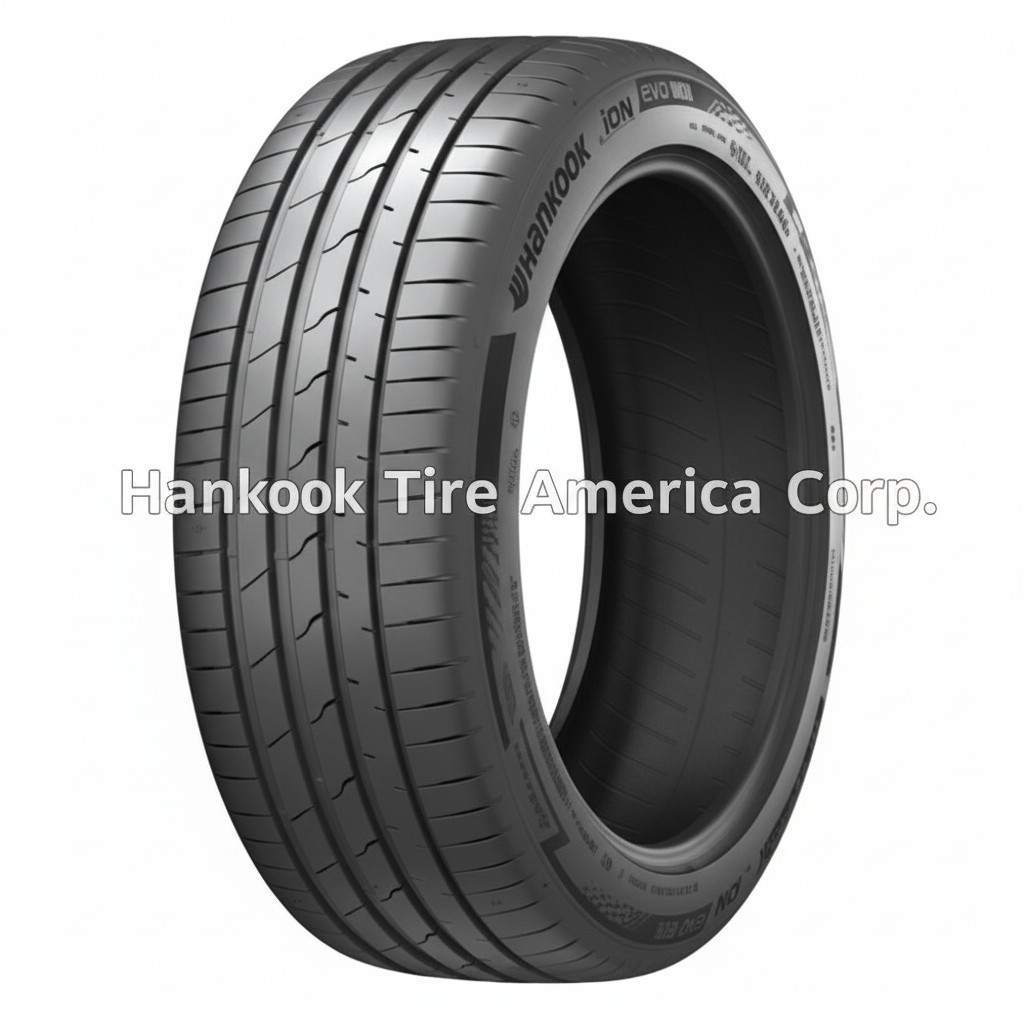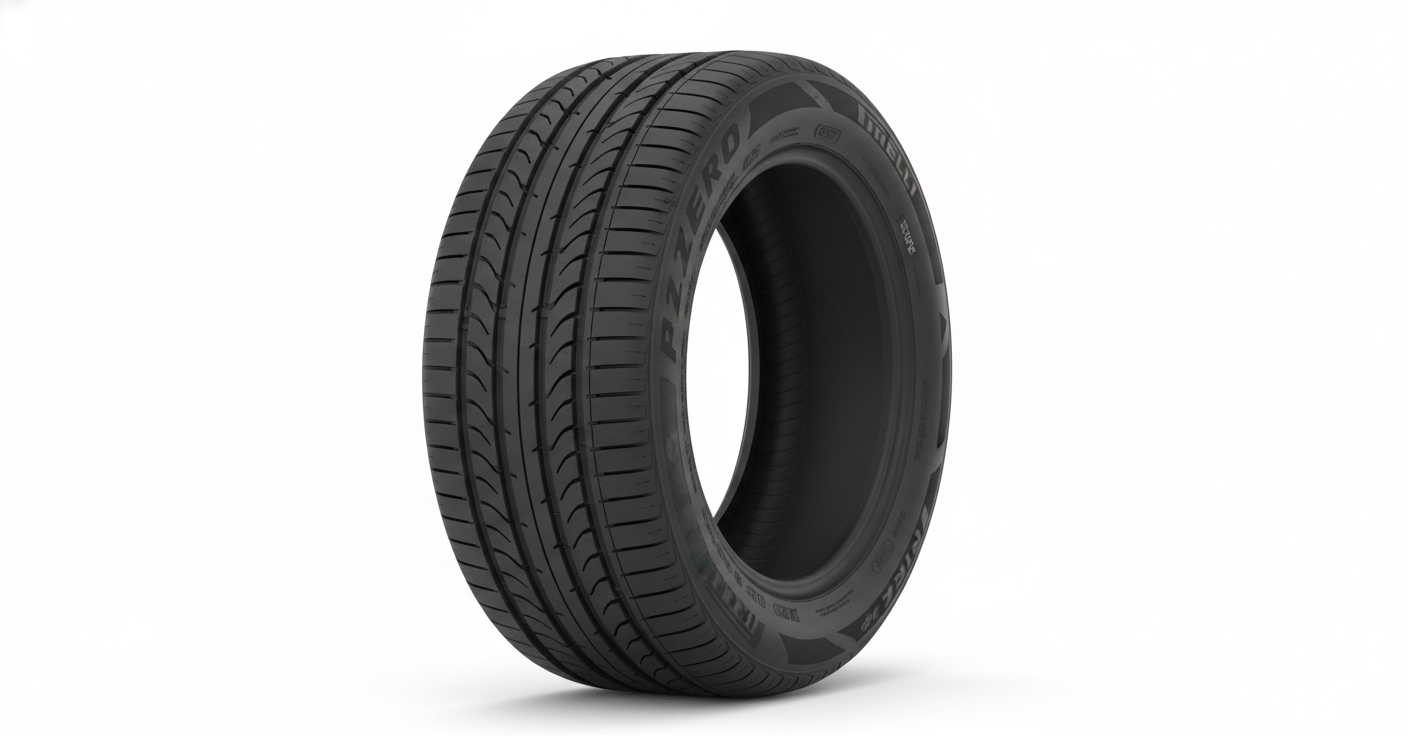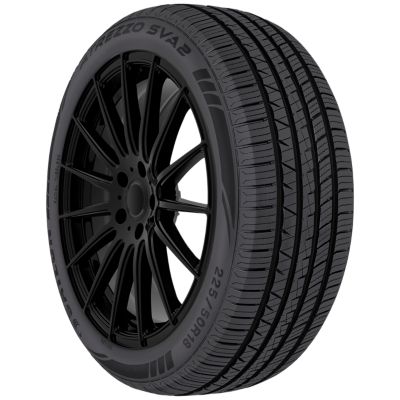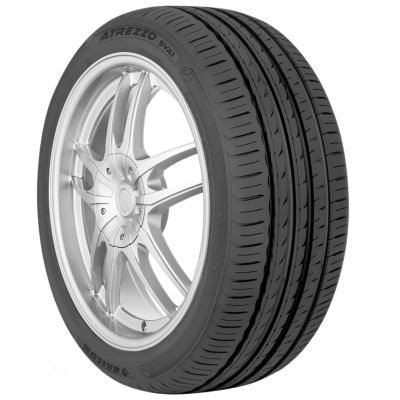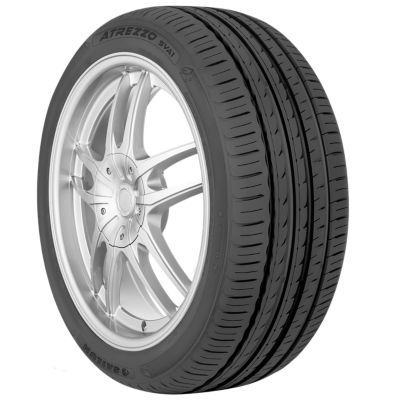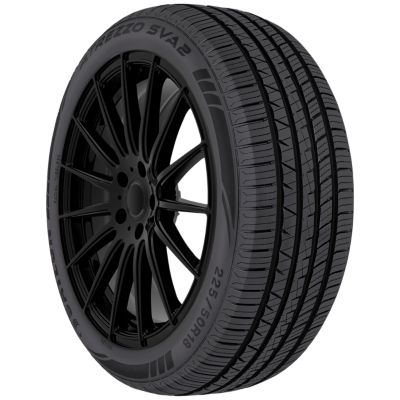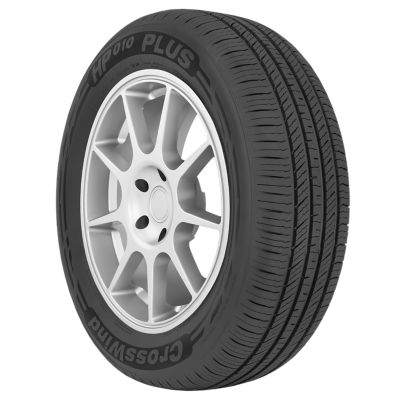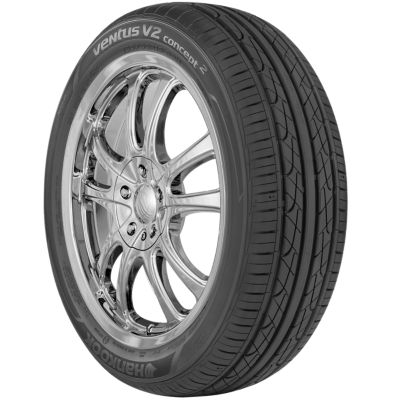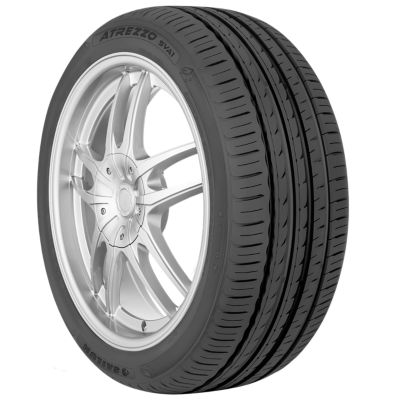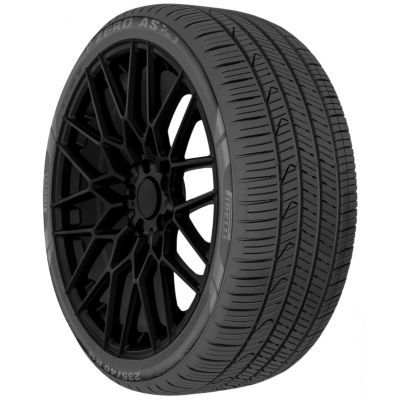
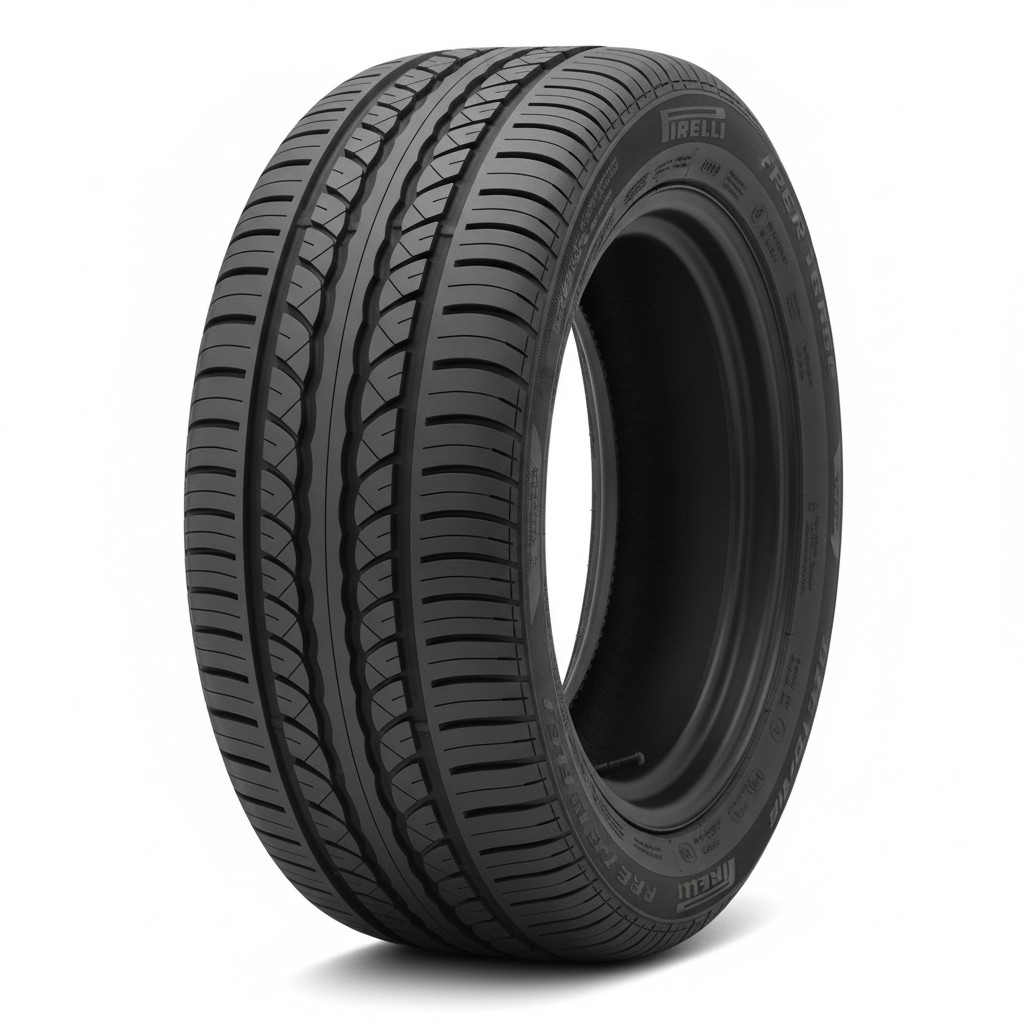
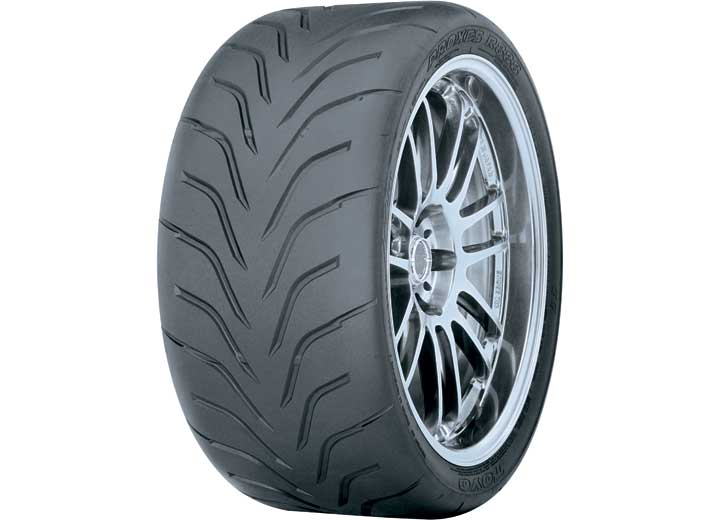

Performance tires trade some tread life and comfort for grip, steering response and braking. They use stickier compounds, stiffer sidewalls and tread patterns with large shoulder blocks that stay planted in corners. On a sport sedan, muscle car or hot hatch, the difference from a touring tire is obvious the first time you take an on-ramp.
"Performance" is a broad label, though. It covers everything from all-season performance tires that work year-round to max-performance summer tires that should not see snow. Picking the right one depends on your climate, your car and how you actually drive. This page breaks it down.
The short version: match what your car came with or go up, never down, and pick the category that suits your coldest month, not your warmest one.
Types of performance tires
| Category | Typical speed ratings | Strengths | Limits |
|---|---|---|---|
| All-season performance | H, V | Year-round use, sharper than touring tires, decent tread life | Less grip than summer tires; light snow only |
| Ultra high performance (UHP) all-season | V, W | Strong wet and dry grip for sport sedans, works in cool weather | Shorter life than touring; not winter tires |
| High / ultra high performance summer | V, W, Y | Excellent wet and dry grip, precise steering | Not for cold, snow or ice |
| Max performance summer | W, Y | Highest street grip, built for sports cars | Shortest tread life; poor below about 45 F |
| Extreme / track-focused | Y | Track days and autocross with street legality | Fast wear, poor in rain, standing water and cold |
Who they are for: owners of sporty cars, drivers who value steering feel and braking, and anyone whose car came from the factory on performance tires. Downgrading those cars to touring tires often changes handling noticeably.
Who should skip them: drivers who want maximum mileage and a soft, quiet ride (see touring tires), and anyone who needs one tire for snowy winters (see all season and winter tires).
Speed ratings, ZR sizes and load index
The speed rating is the last letter in the service description, like 95W. It shows the maximum sustained speed the tire is rated for under its rated load.
| Rating | Max speed |
|---|---|
| H | 130 mph |
| V | 149 mph |
| W | 168 mph |
| Y | 186 mph |
| (Y) | Above 186 mph, per manufacturer |
You will often see ZR in the size, like 245/40ZR18 97Y. ZR indicates a tire rated above 149 mph; the service description at the end gives the exact rating. Never go below the speed rating on your door placard. Higher speed ratings usually also mean better heat resistance and steering response, which matters even at legal speeds.
XL (extra load) tires carry more weight at higher pressure. Many performance cars specify XL, and you should stay with XL if yours does. Check the load index against the placard too.
Reading the size: in 245/40R18, 245 is width in millimeters, 40 is the sidewall height as a percentage of width (a short, stiff sidewall), R is radial and 18 is the wheel diameter. Low aspect ratios give sharp steering but less pothole protection.
Summer tires and cold weather
Summer performance compounds are designed to grip in warm conditions. As temperatures fall toward roughly 45 degrees Fahrenheit (7 Celsius), the rubber hardens and grip drops, even on dry roads. In snow and ice they offer very little traction.
Many tire makers also warn that some summer tires can develop surface cracking if they are flexed, driven or even handled in temperatures well below freezing. Read the manufacturer's storage guidance. If you live somewhere with real winters, the usual plan is summer tires for the warm months and a winter set (often on separate wheels) for the cold months, or a UHP all-season tire as a single compromise.
UTQG on performance tires: summer max-performance tires often have lower treadwear grades (commonly a few hundred) than touring tires, which reflects softer, grippier rubber. Traction grades of AA or A are common. Treadwear numbers are only roughly comparable across brands.
Staggered setups, rotation and care
Many performance cars run a staggered setup, with wider tires on the rear than the front (for example 245 front and 275 rear). That improves traction for rear-drive cars, but it also limits rotation: you cannot swap front to rear. Some tires are also directional (they must roll one way) or asymmetric (a marked outside face), which further limits rotation patterns.
- Rotate per the tire maker's guidance where the setup allows. Square, non-directional setups can rotate normally.
- Check pressure monthly. Low pressure costs grip and steering response quickly on low-profile tires.
- Check alignment, especially camber and toe, if the inside edges wear fast. Aggressive factory alignment on sports cars can wear inner shoulders.
- Watch for wheel and sidewall damage after potholes. Short sidewalls protect the rim less.
- Replace in pairs at minimum, and on AWD performance cars, replace all four to keep diameters matched.
Popular performance brands include Michelin, Pirelli, Continental, Bridgestone, Goodyear, Yokohama, Falken, Toyo, Hankook, Kumho and Nitto.
How to choose a performance tire
- Be honest about climate. If temperatures drop near freezing for months, either plan for two sets (summer plus winter) or choose an ultra high performance all-season. A max-performance summer tire as your only set is the wrong pick in a cold region.
- Match the size, load index and speed rating on your placard. Performance cars are tuned around those numbers. If the car runs staggered sizes, buy the front and rear sizes in the same model.
- Weigh wet grip heavily. Most crashes happen in rain, not on a dry track. Look for tread patterns with wide circumferential grooves and a good traction grade (AA or A).
- Consider how many miles you drive. High-mileage drivers usually get more value from a UHP all-season. Weekend cars can justify a stickier summer tire with a lower treadwear grade.
- Check run-flat requirements. Some cars come from the factory on run-flat tires and have no spare. Switching to non-run-flats is possible, but plan for a repair kit or spare first.
Shopping by size is the quickest route. Search the exact size on your sidewall, such as 225/45R17, then narrow by category and brand.
Common performance tire mistakes
- Running summer tires in winter. The single biggest one. Cold, dry roads are already a problem; snow is far worse.
- Mixing models front and rear. Different compounds and constructions can upset handling balance. Keep the same model on all four, even on staggered cars.
- Choosing by grip alone. If you drive 20,000 miles a year on the highway, a max-performance summer tire may not make sense. A UHP all-season can be a better daily fit.
- Plus-sizing too far. Bigger wheels and shorter sidewalls can look great but ride harsher and get damaged more easily. Keep overall diameter close to stock.
- Ignoring age. Even with tread left, older performance rubber hardens and loses grip. Check the DOT date code.
If your car came on performance tires and you want more comfort, compare a grand touring all-season in the same size and speed rating rather than dropping the rating.