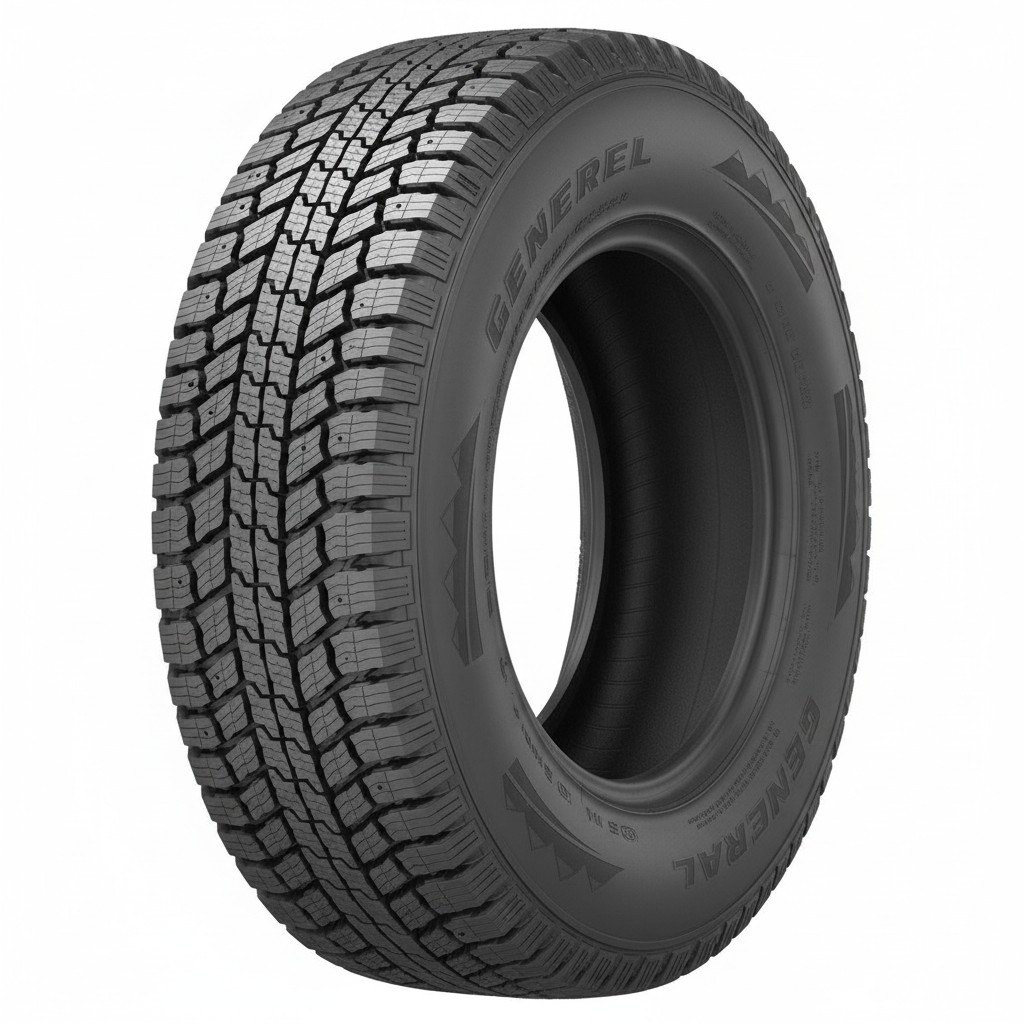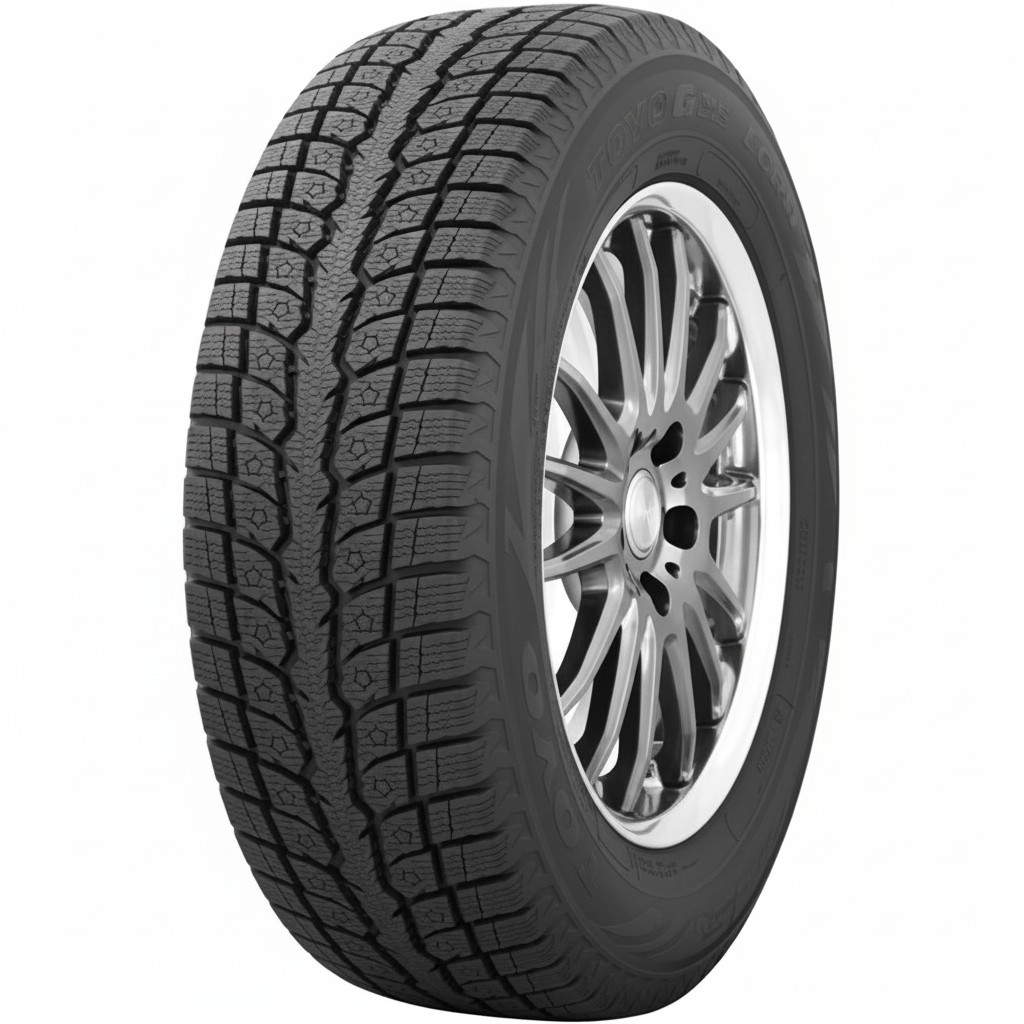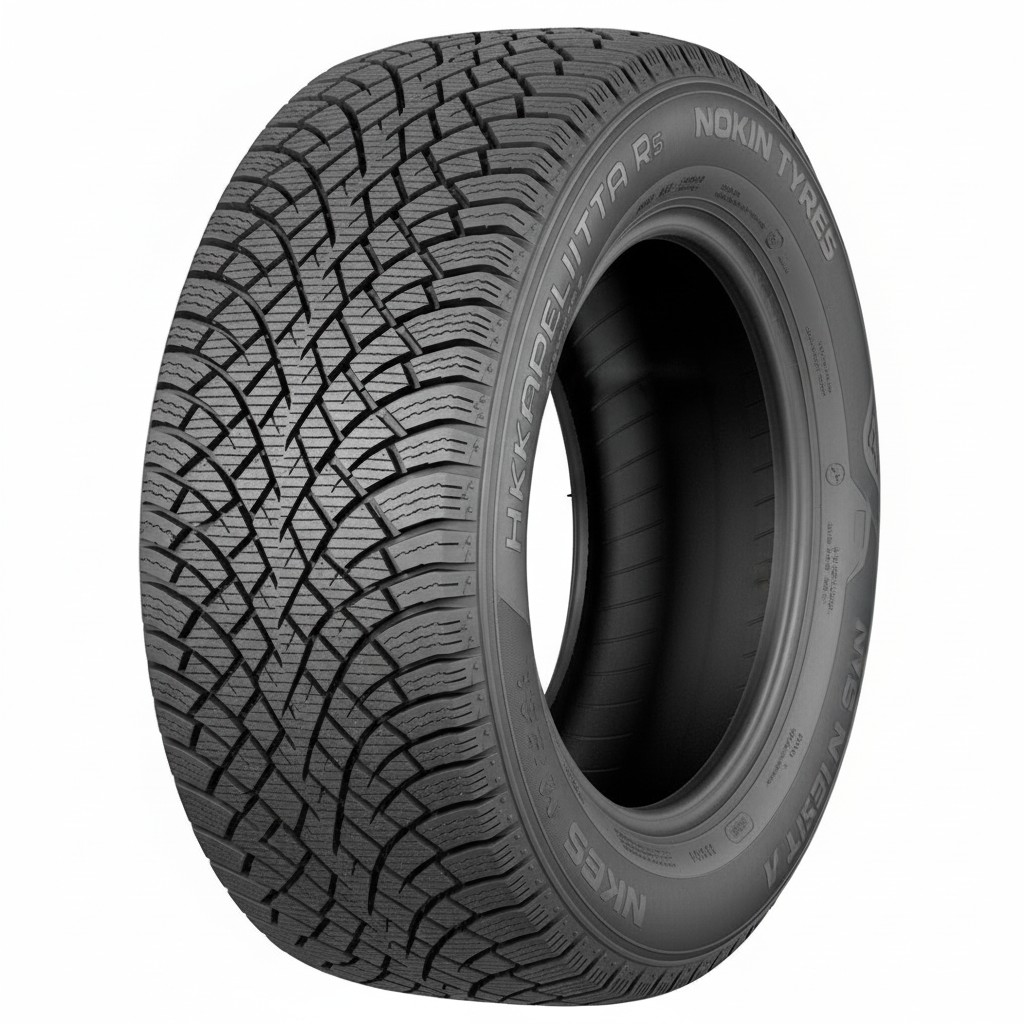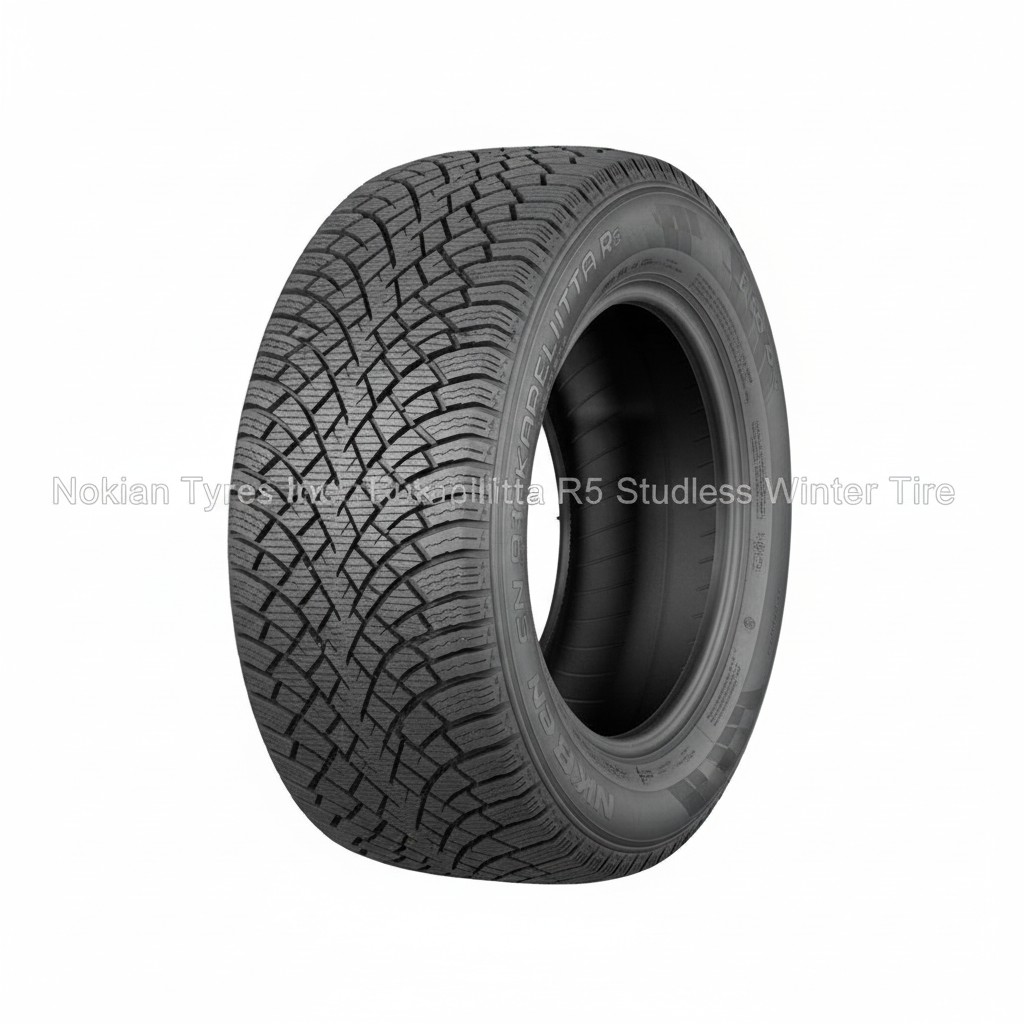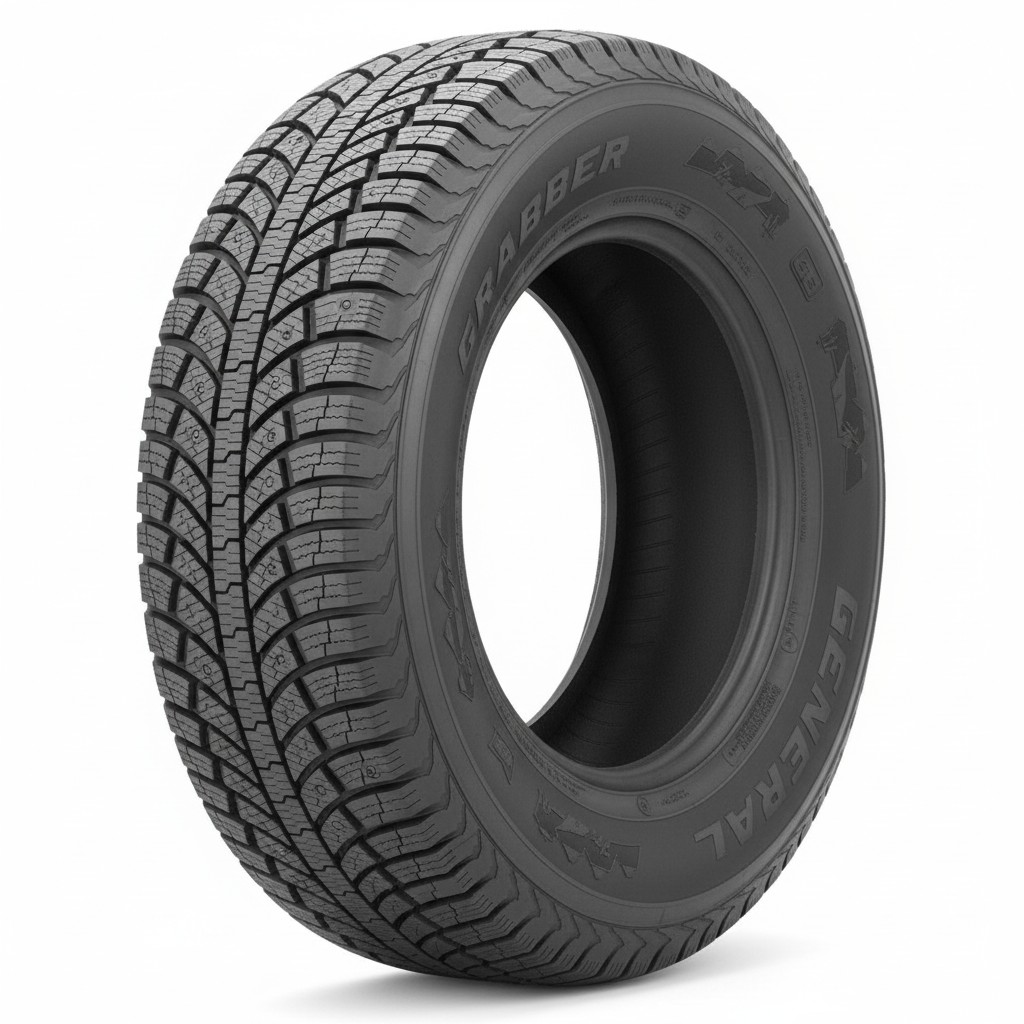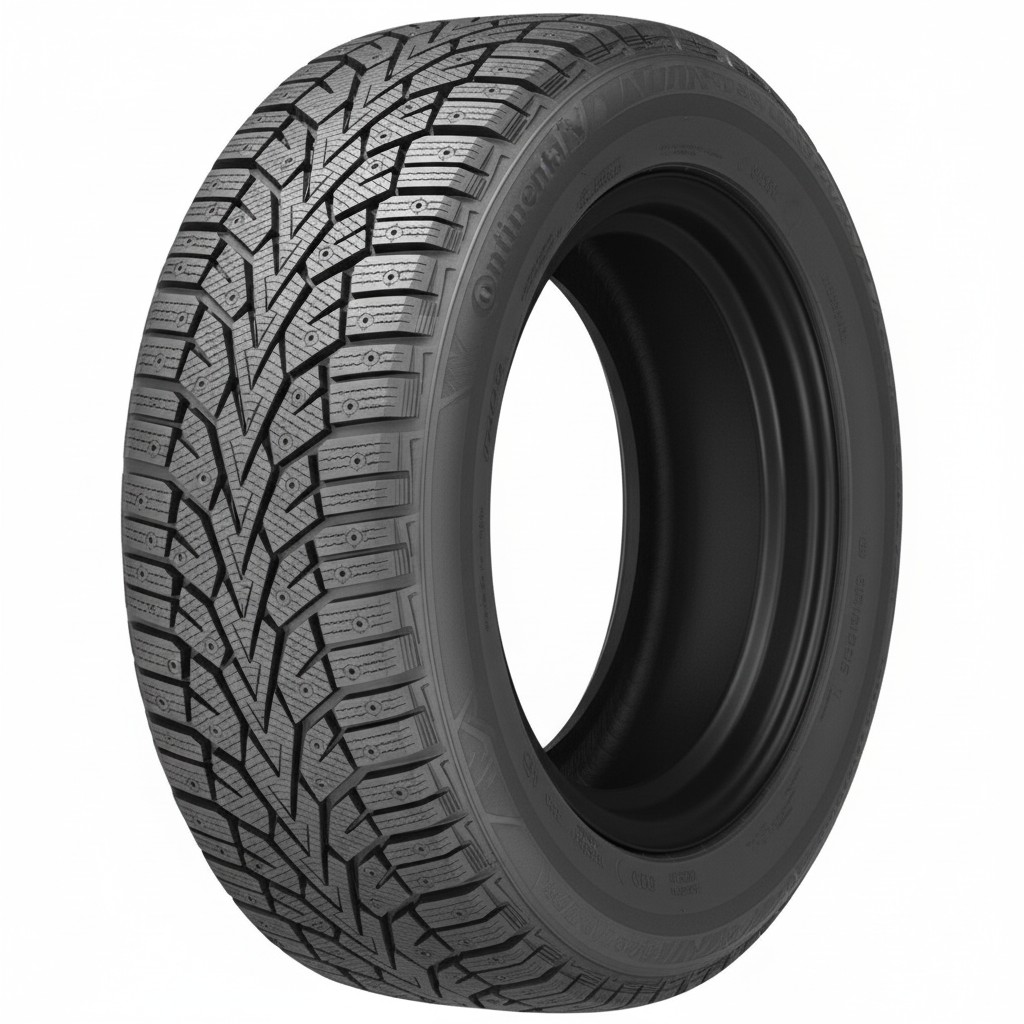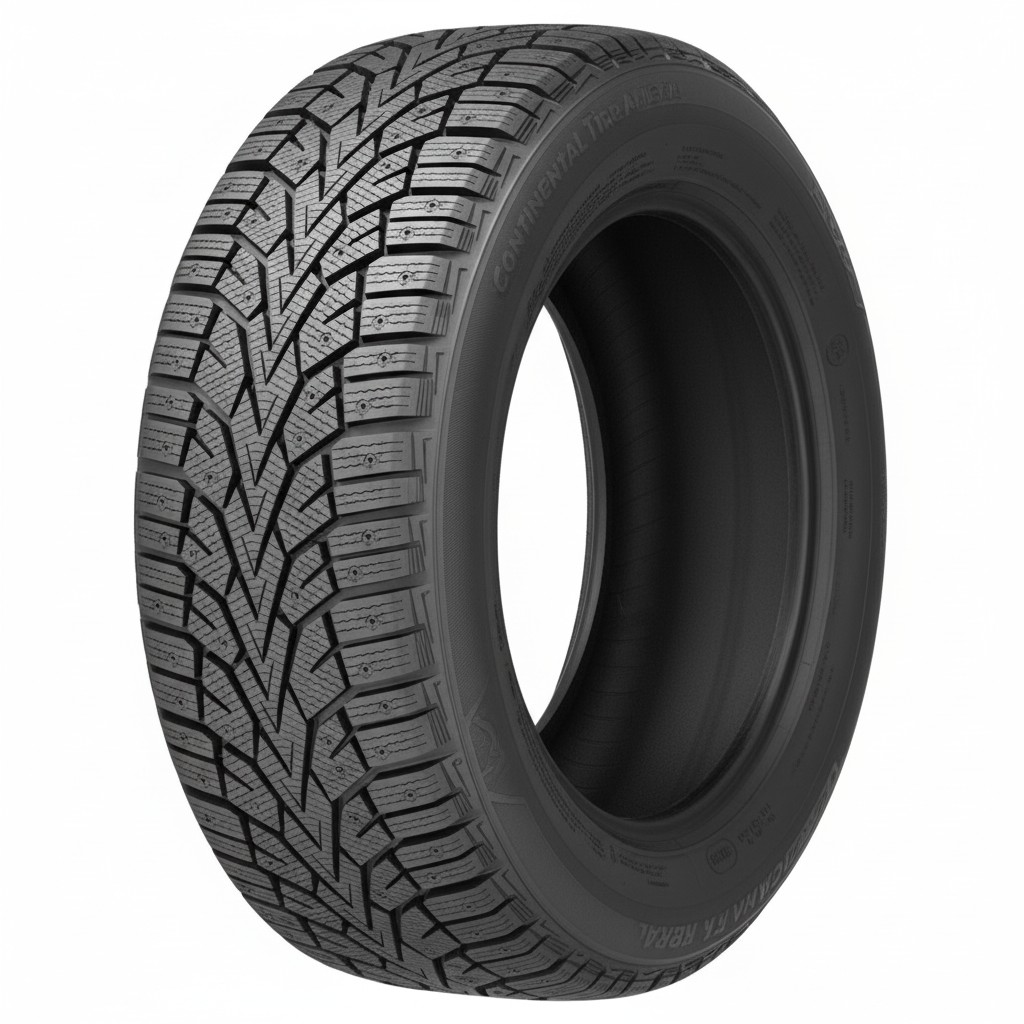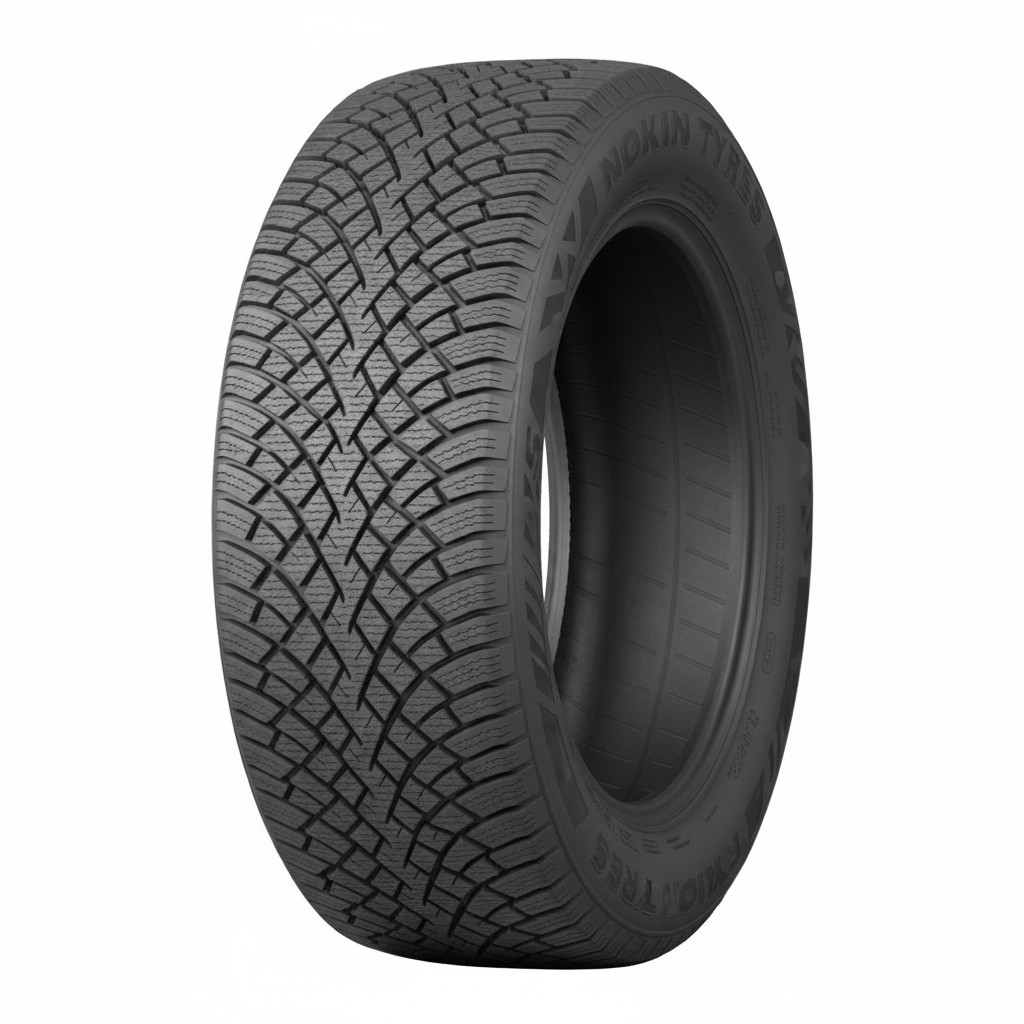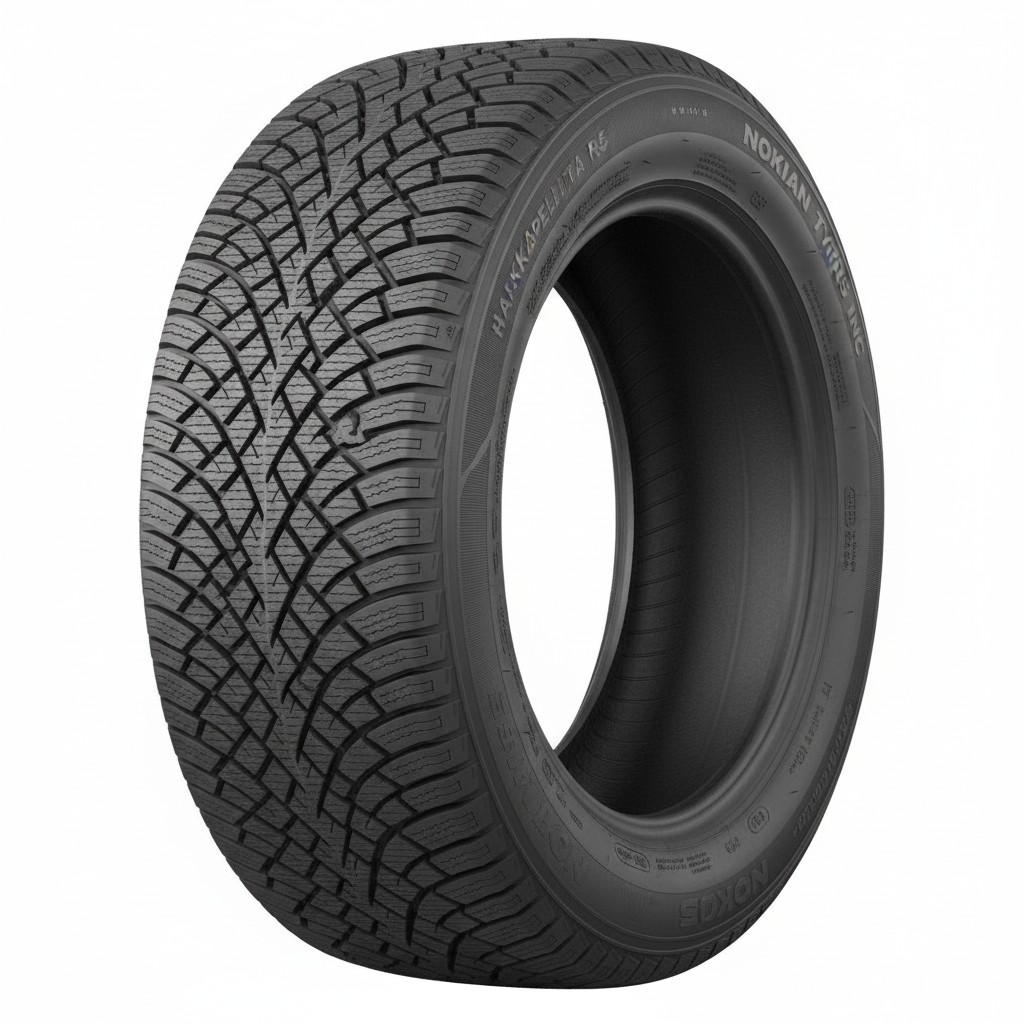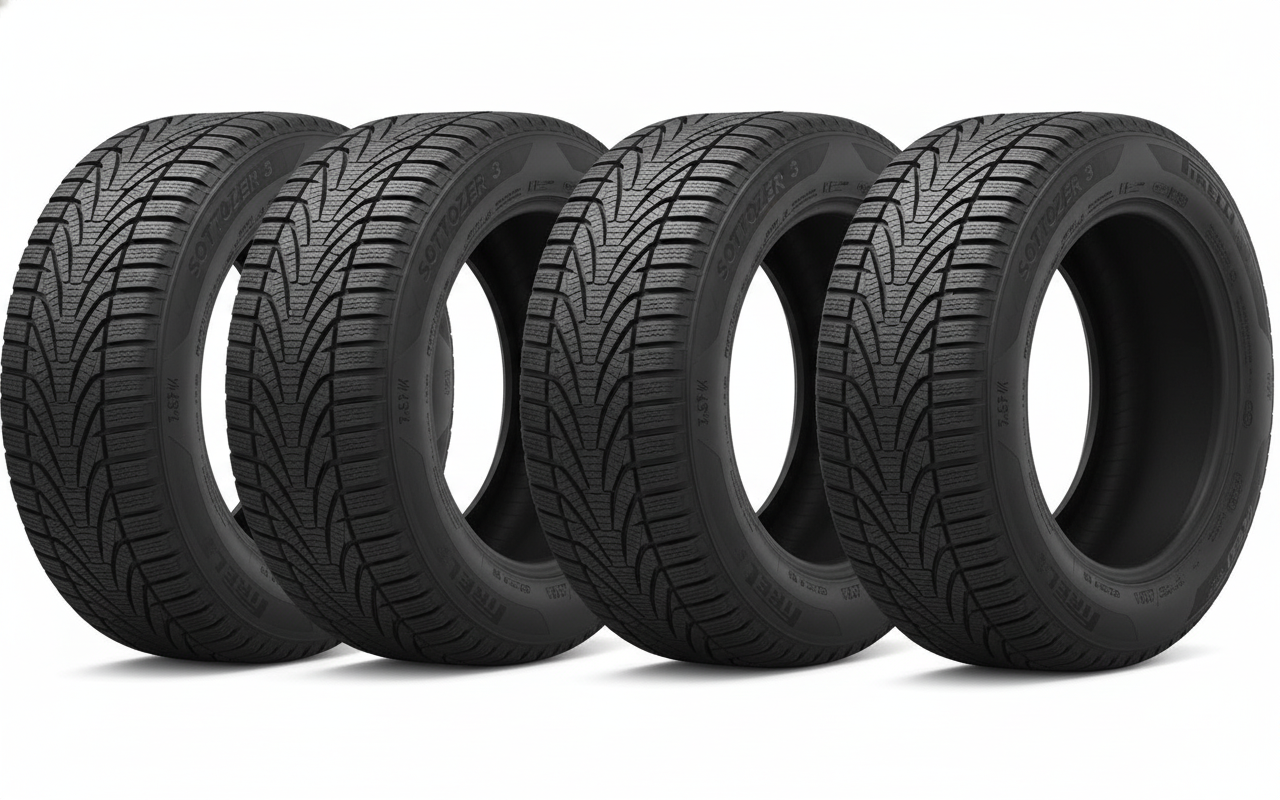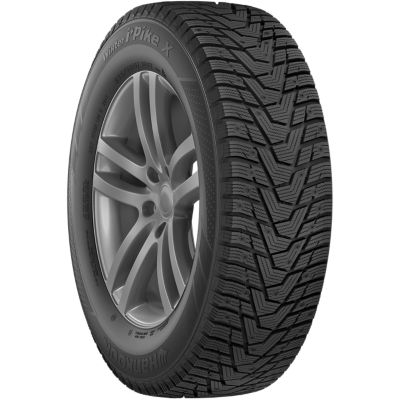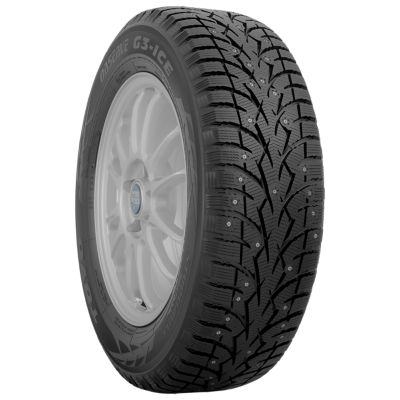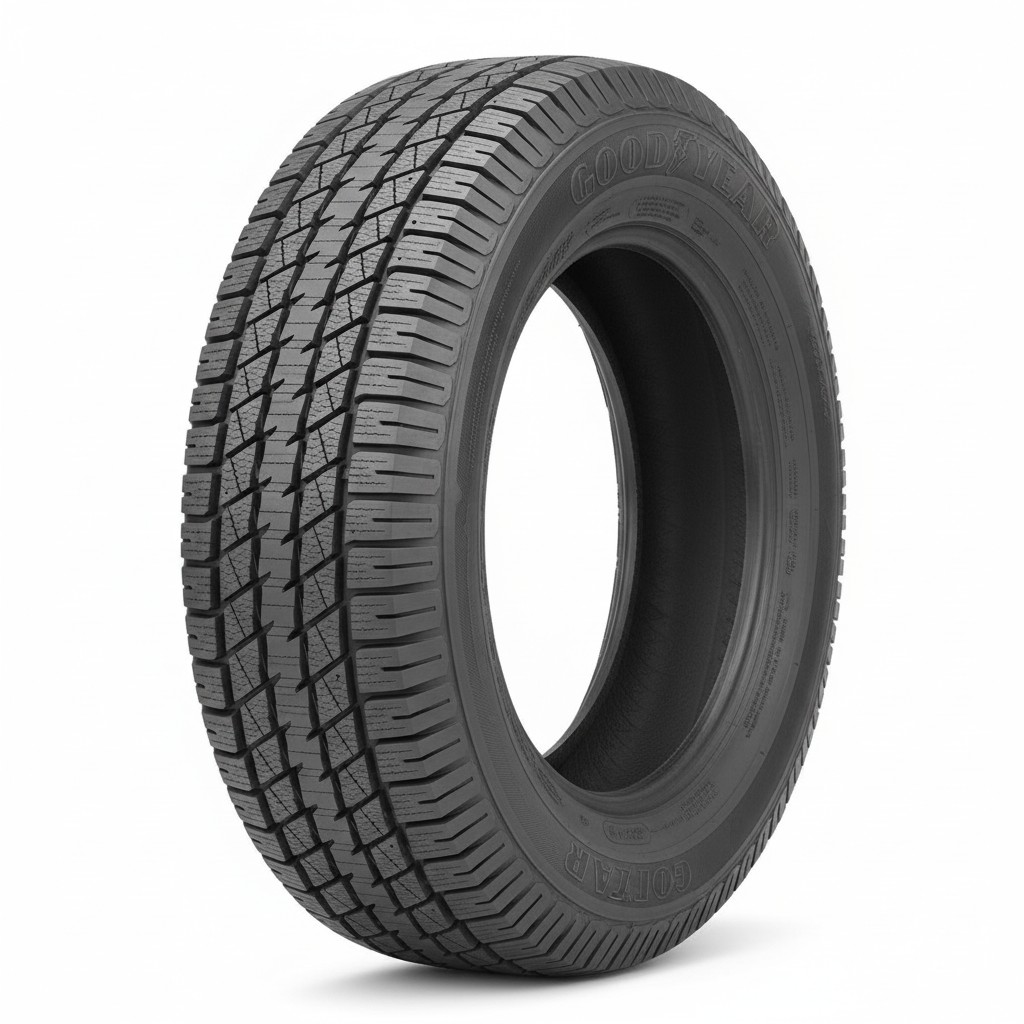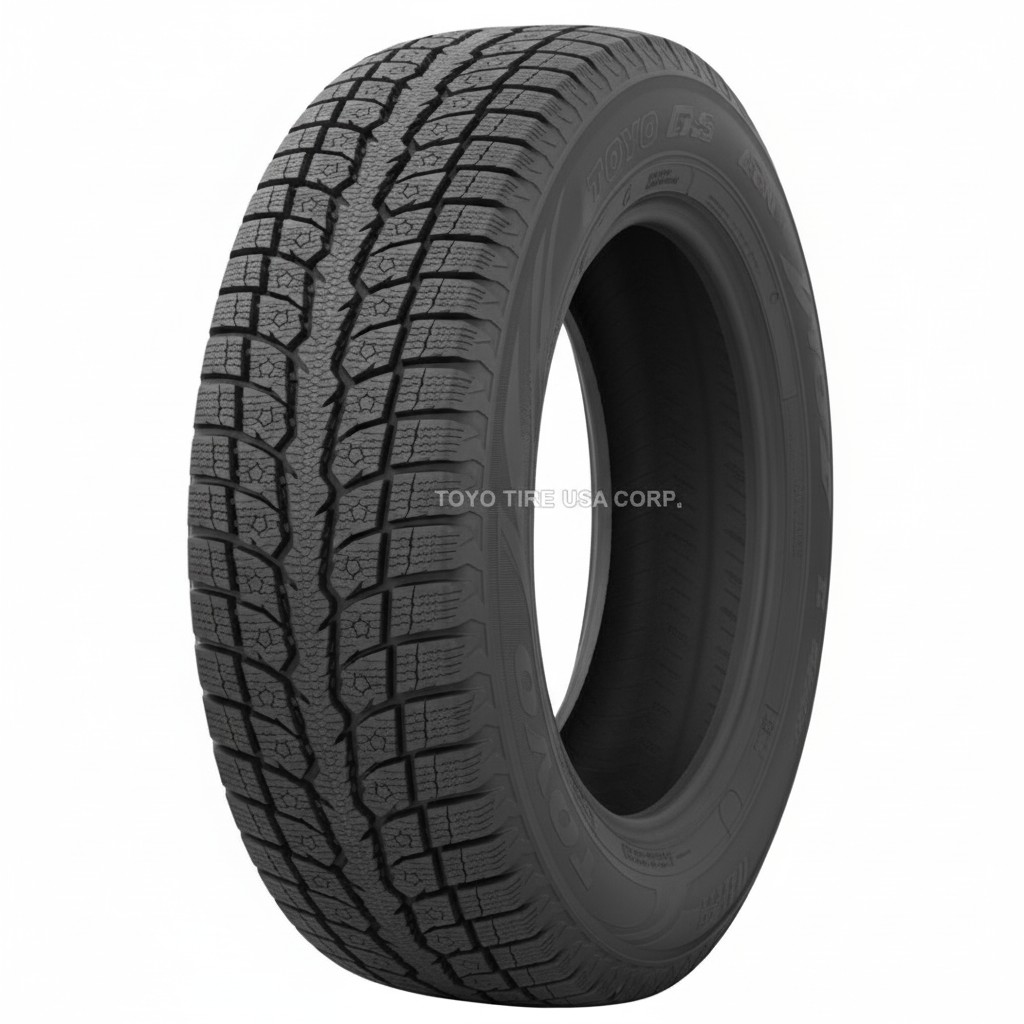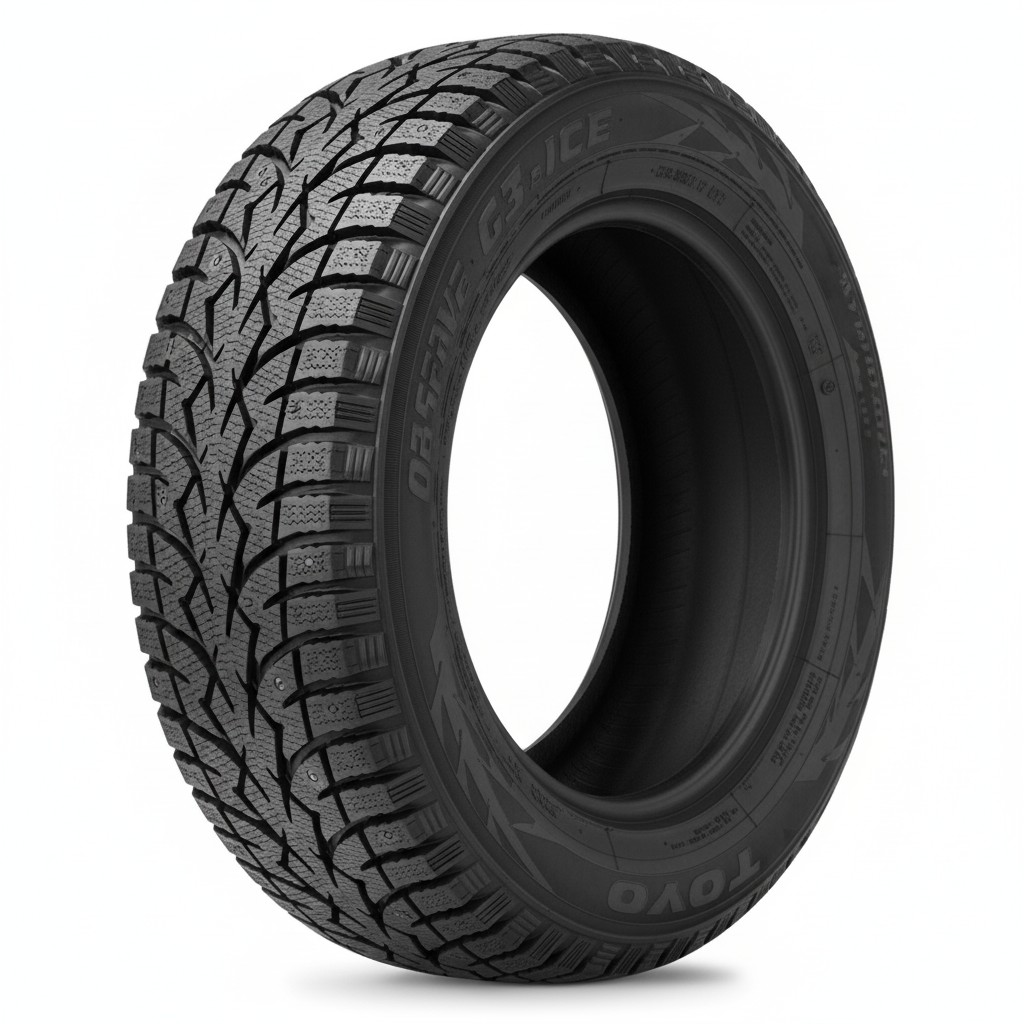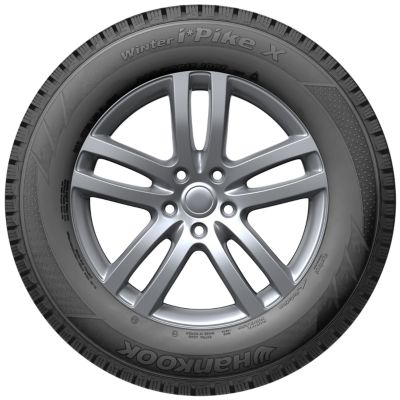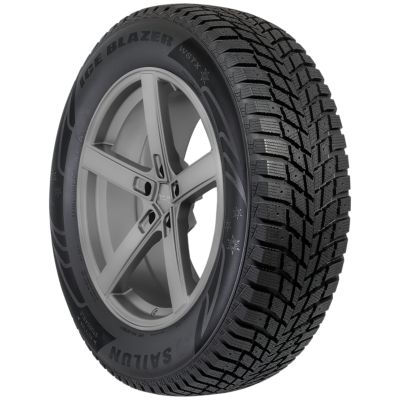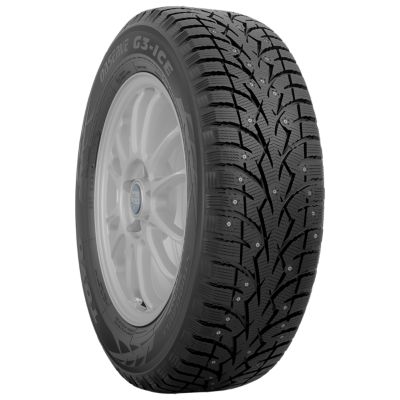
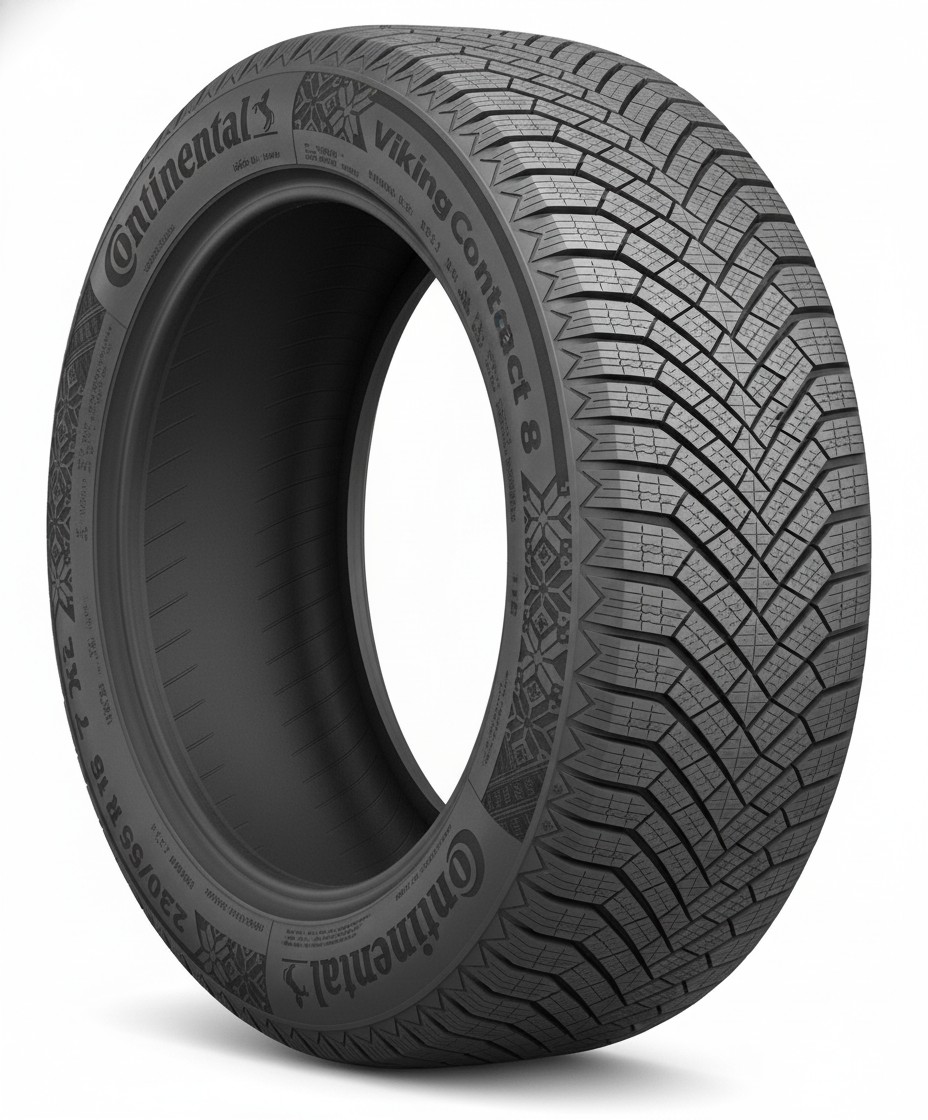
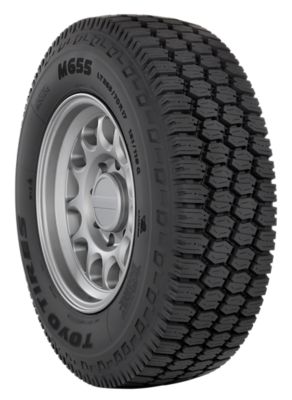
Winter tires, often called snow tires, are built for one job: grip when it is cold, snowy and icy. They use a rubber compound that stays soft and flexible well below freezing, a deep tread that packs and releases snow, and dense siping that creates thousands of biting edges. The result is shorter stopping distances and better cornering on winter roads than any all-season tire can manage.
All-wheel drive helps you get moving, but it does not help you stop or turn. Tires do that. If you live where snow and ice stick around for weeks, a set of winter tires is one of the most effective safety upgrades you can make. This page explains how to choose them, when to swap, and how to get several seasons out of a set.
One more reason drivers come around to them: while the winter set is on, your regular tires are sitting in storage. Over a few years, the two sets share the miles, so the cost difference is smaller than it first looks.
How winter tires work (and why all-seasons struggle)
Three things separate a winter tire from an all-season:
- Compound. All-season rubber firms up as it gets cold, roughly below 45 degrees Fahrenheit (7 degrees Celsius). Winter compounds are formulated to stay pliable in deep cold, so the tread can conform to the road surface.
- Siping. The small slits cut across winter tread blocks open up as the tire rolls, giving edges that grab ice and packed snow. Winter tires typically have far more siping than all-seasons.
- Tread pattern. Deeper grooves and open, often directional patterns pack snow into the tread. Snow sticks to snow, so packed tread actually adds traction, then the pattern sheds it as the tire rotates.
Who should run them: anyone in a region with regular snow, ice or sustained cold; drivers who cannot stay home on bad days; and owners of rear-drive or high-power cars, which are especially tricky on winter roads with all-seasons.
Who may not need them: drivers in mild climates with occasional light snow, where a good all-season or an all-weather tire with the snowflake symbol may be enough.
3PMSF, M+S, studded and studless
The three-peak mountain snowflake (3PMSF) symbol means the tire passed a standardized traction test on medium-packed snow, beating a reference tire by a set margin. Every true winter tire carries it. Some all-weather and all-terrain tires also carry it, which means they are good in snow, but they generally do not match a dedicated winter tire on ice.
M+S (mud and snow) only describes the tread geometry. It does not involve a snow test, so do not treat it as a winter rating.
| Type | Strengths | Tradeoffs |
|---|---|---|
| Studless winter | Excellent snow and good ice grip from compound and siping; quiet; legal everywhere | Wears faster than all-seasons in warm weather |
| Studdable / studded | Best grip on glare ice and hard-packed snow | Louder; can damage pavement; restricted or seasonal in many states |
| Performance winter | Better dry handling and higher speed ratings for sport cars | Less deep-snow and ice bite than studless ice tires |
| All-weather (3PMSF) | Year-round, no swaps, good in snow | Not as strong on ice or in deep cold |
Stud laws vary widely by state and province, including allowed dates and whether studs are permitted at all. Check your local rules before studding tires.
Sizing, wheels and light truck winter tires
Start with your vehicle's standard size. Many drivers keep the same size for winter. Some choose a slightly narrower tire or a smaller wheel diameter with a taller sidewall. A narrower tire can cut through slush and snow better, and a taller sidewall helps against potholes. If you change sizes, keep the overall diameter close to stock and stay within your vehicle's approved fitments.
A dedicated set of winter wheels makes seasonal swaps faster and cheaper over time, since you are not paying to dismount and remount tires twice a year. Steel wheels are a common choice because they are inexpensive and shrug off salt. Your TPMS sensors need to move with the tires or you will need a second set.
For trucks and SUVs, look for LT winter tires if you tow or carry heavy loads. Match the load range the truck needs (often D or E on heavy-duty trucks). See our light truck and SUV tires page for load range basics, and search common sizes like 225/65R17 or 265/70R17.
Speed ratings on winter tires are often lower than the original equipment (Q, S, T or H are common). Many regions and manufacturers allow a lower speed rating on winter tires, but you are responsible for staying within it.
When to put winter tires on and take them off
A common rule of thumb is to install winter tires once daily temperatures stay around 45 degrees Fahrenheit or colder, before the first real snow, and remove them in spring once temperatures stay above that range. Running soft winter tires through a hot summer wears them quickly and gives up some dry braking and handling.
Always install four. Putting winter tires only on the drive axle creates a grip mismatch between front and rear, which can make the car spin or plow in a slide. Four matching winter tires keep the car balanced.
| Tread depth | What it means in winter |
|---|---|
| 10/32 to 12/32 in. | Typical new winter tire range (varies by model) |
| 6/32 in. | Many experts consider this the practical limit for deep-snow performance |
| 4/32 in. | Snow traction significantly reduced; plan to replace |
| 2/32 in. | Legal minimum in most states; replace |
Some winter tires have tread wear indicators that show when they are no longer considered winter-capable. Check the tire maker's information.
Winter tires are not magic: driving habits still matter
Winter tires shorten stopping distances and improve cornering on snow and ice, but they do not change physics. A few habits make the most of them:
- Leave much more following distance than you would on dry roads; ice can multiply stopping distance several times over.
- Brake, accelerate and steer smoothly. Sudden inputs break traction on any tire.
- Clear snow off the whole car, including the roof and lights.
- Keep an eye on slush depth. Deep slush can cause hydroplaning even with good winter tread.
Think of winter tires as giving you a margin, not permission to drive like it is July.
Storage, pressure and common mistakes
- Check pressure often. Tires lose about 1 psi for every 10 degree Fahrenheit drop. Set pressure cold, to the placard value.
- Store them right. Clean the tires, keep them out of sunlight and away from ozone sources like electric motors. Store mounted sets stacked or hung; store bare tires upright.
- Rotate at each swap or per the tire maker's interval. Mark positions when you remove them.
- Watch age. Even with tread left, older winter compounds can harden. Check the DOT date code and the rubber's condition.
Common mistakes: buying only two winter tires, waiting until the first storm when demand spikes, assuming AWD replaces winter tires, and driving all summer on them. Well-known winter tire brands include Michelin, Bridgestone, Continental, Pirelli, Goodyear, Nokian, Toyo, Yokohama and General.