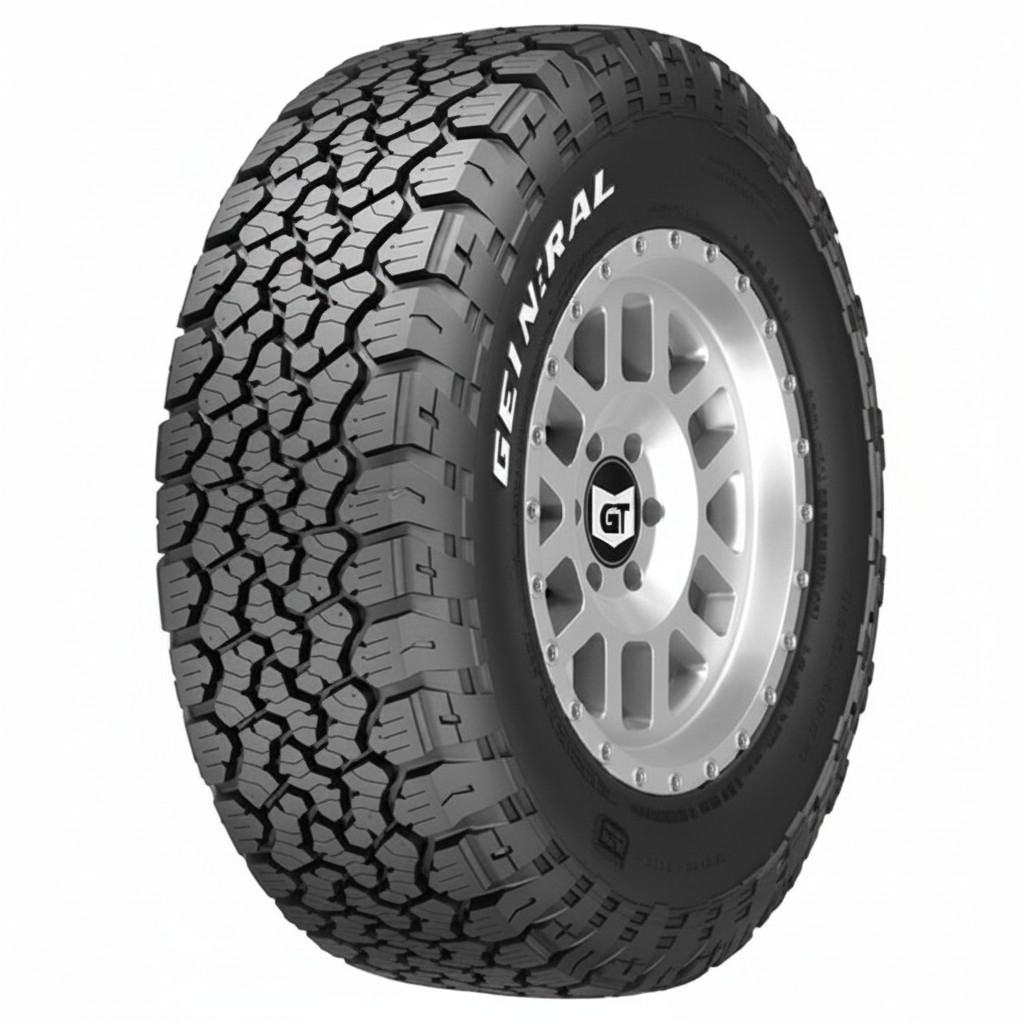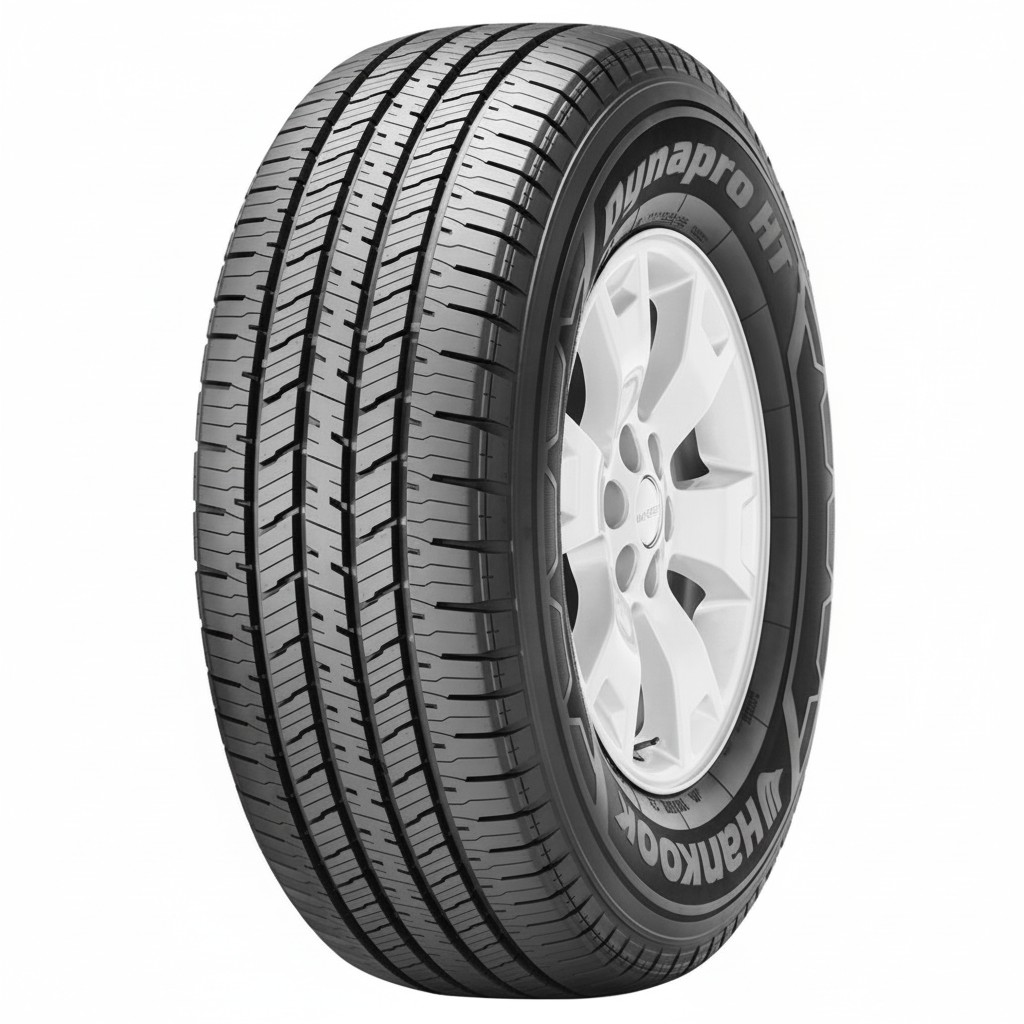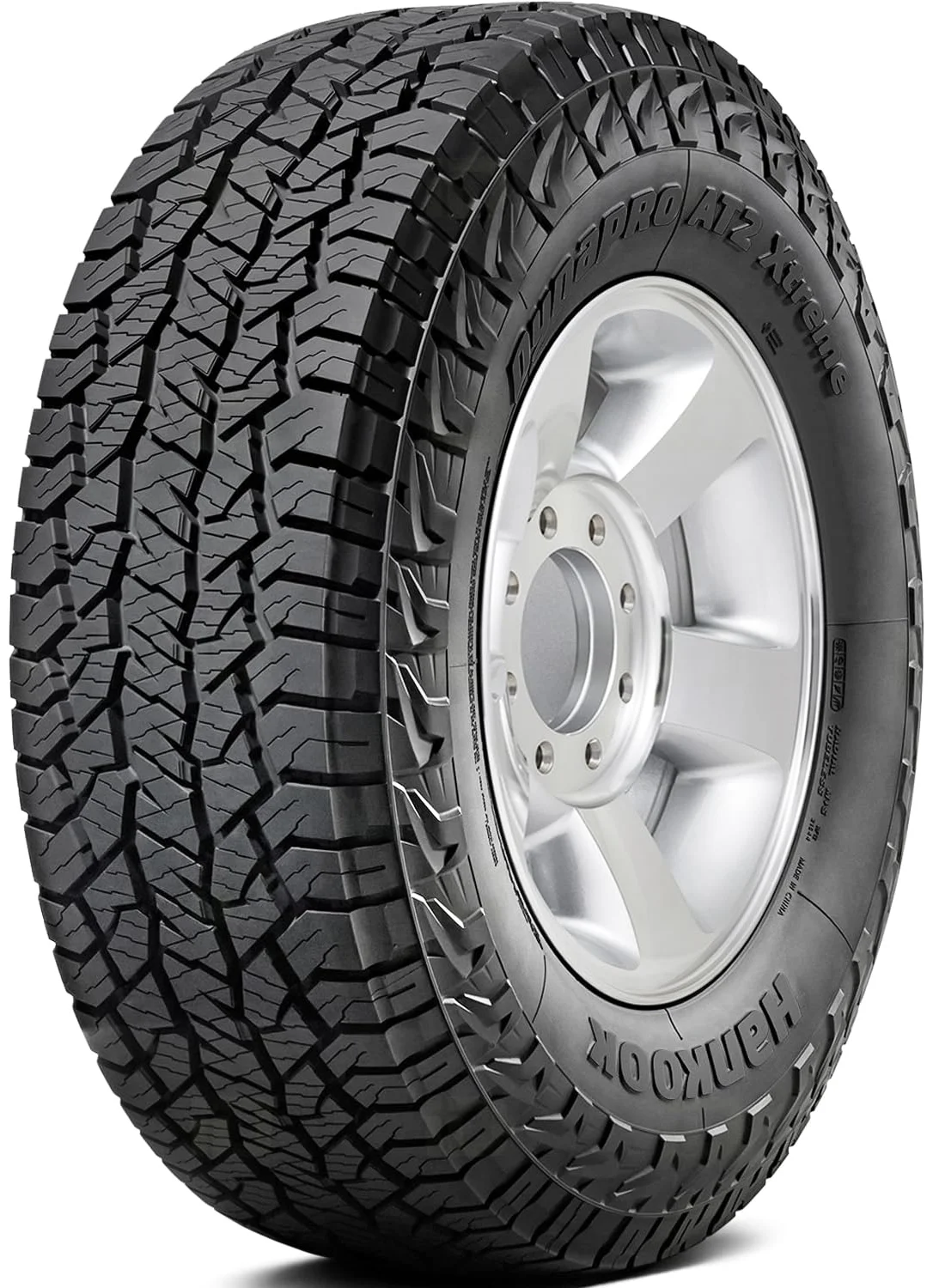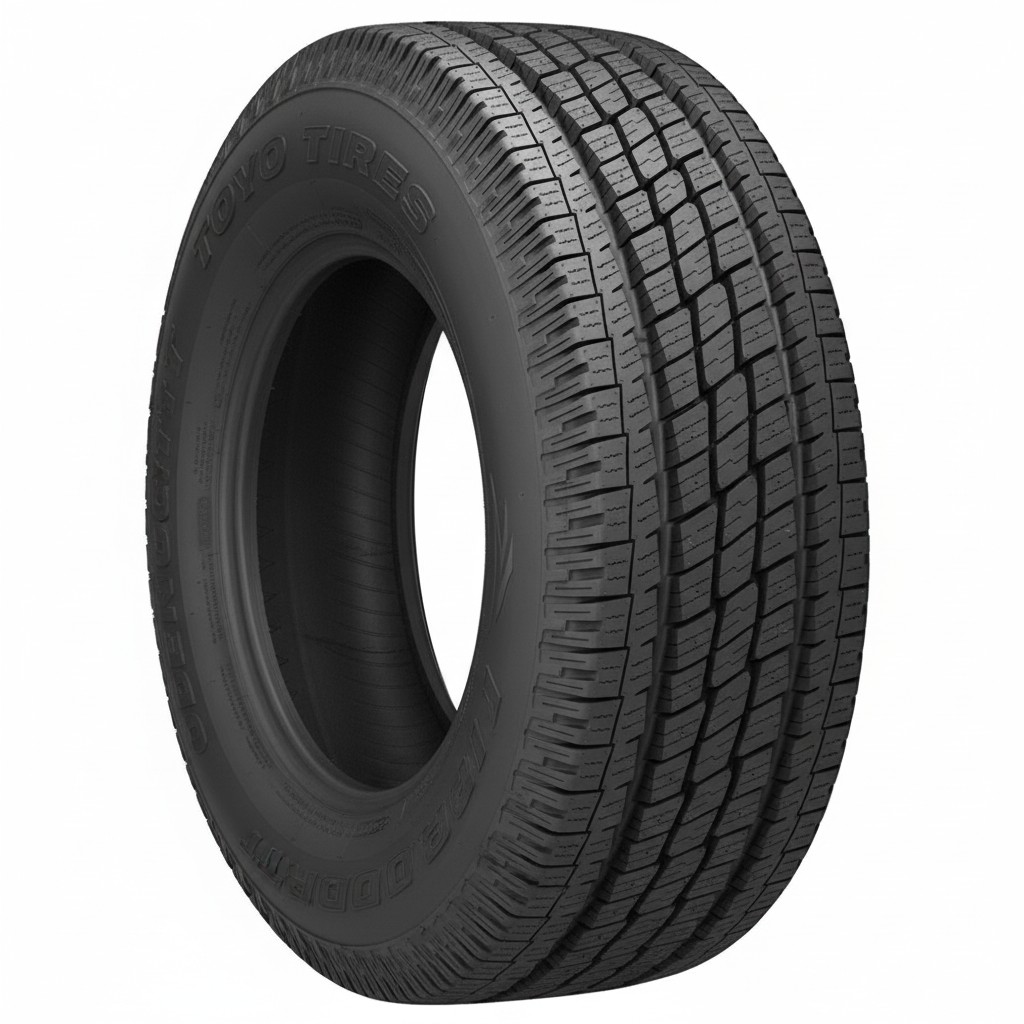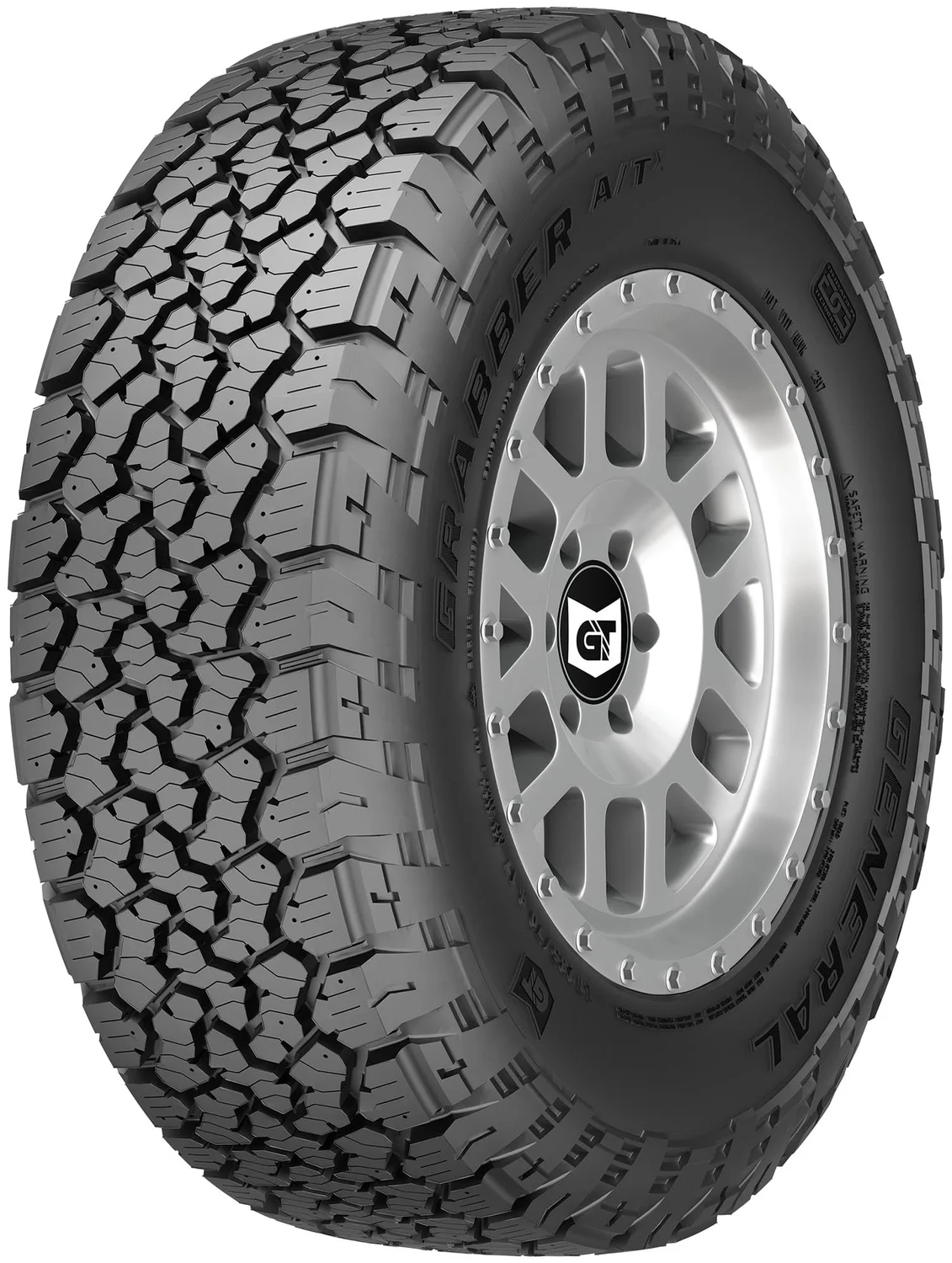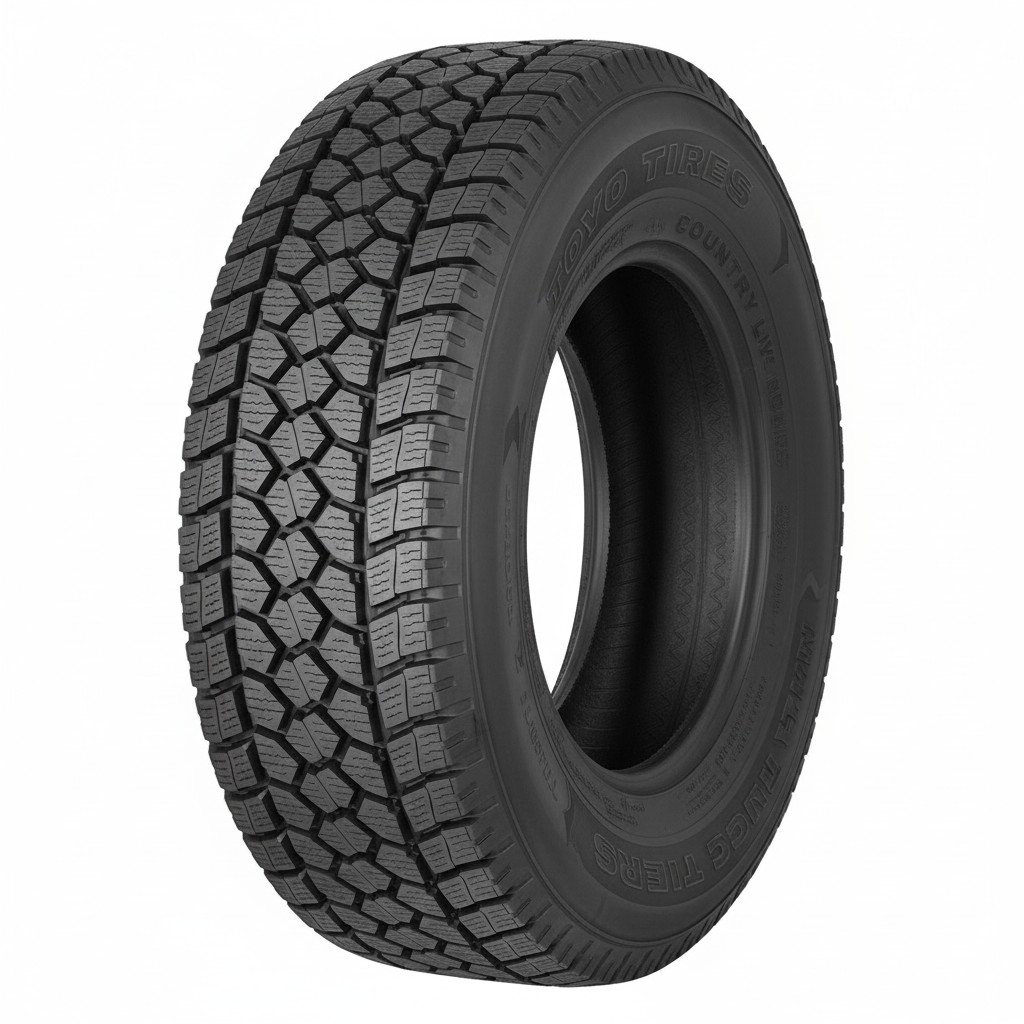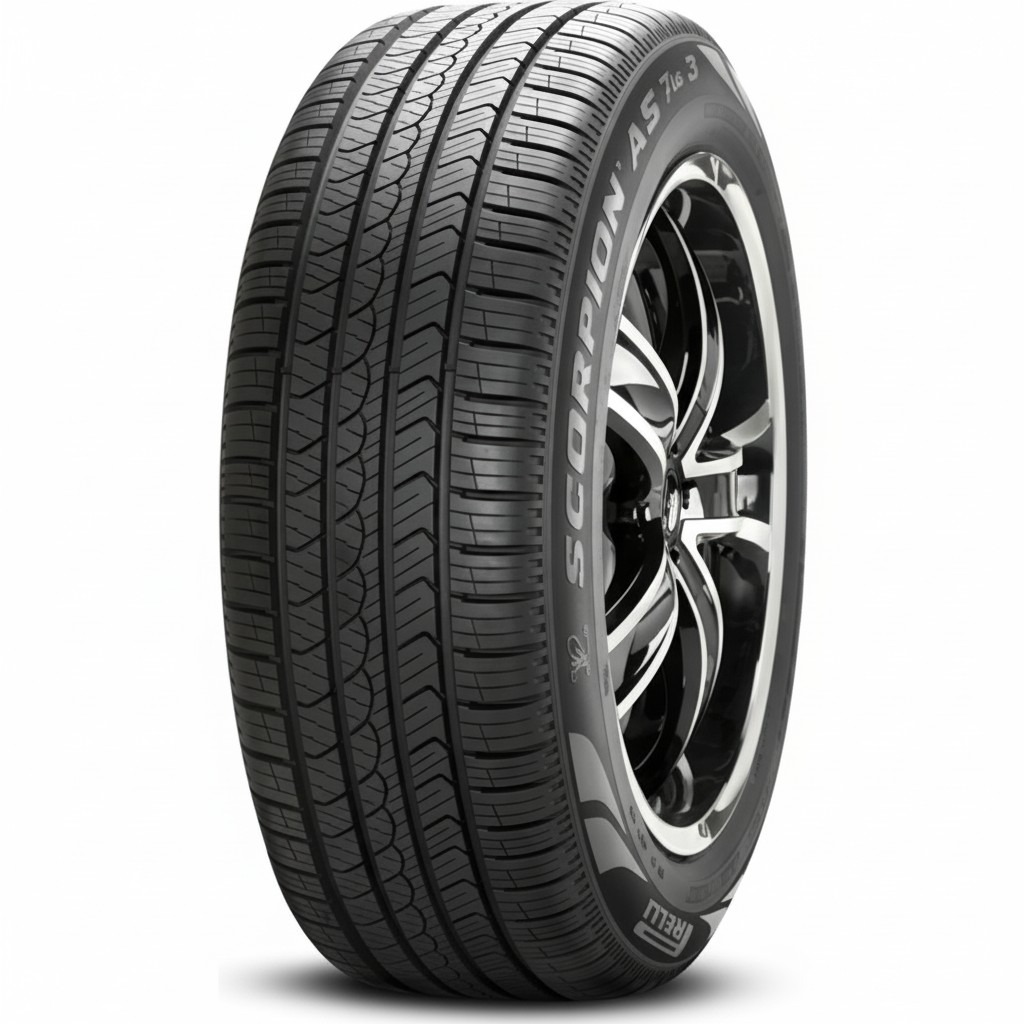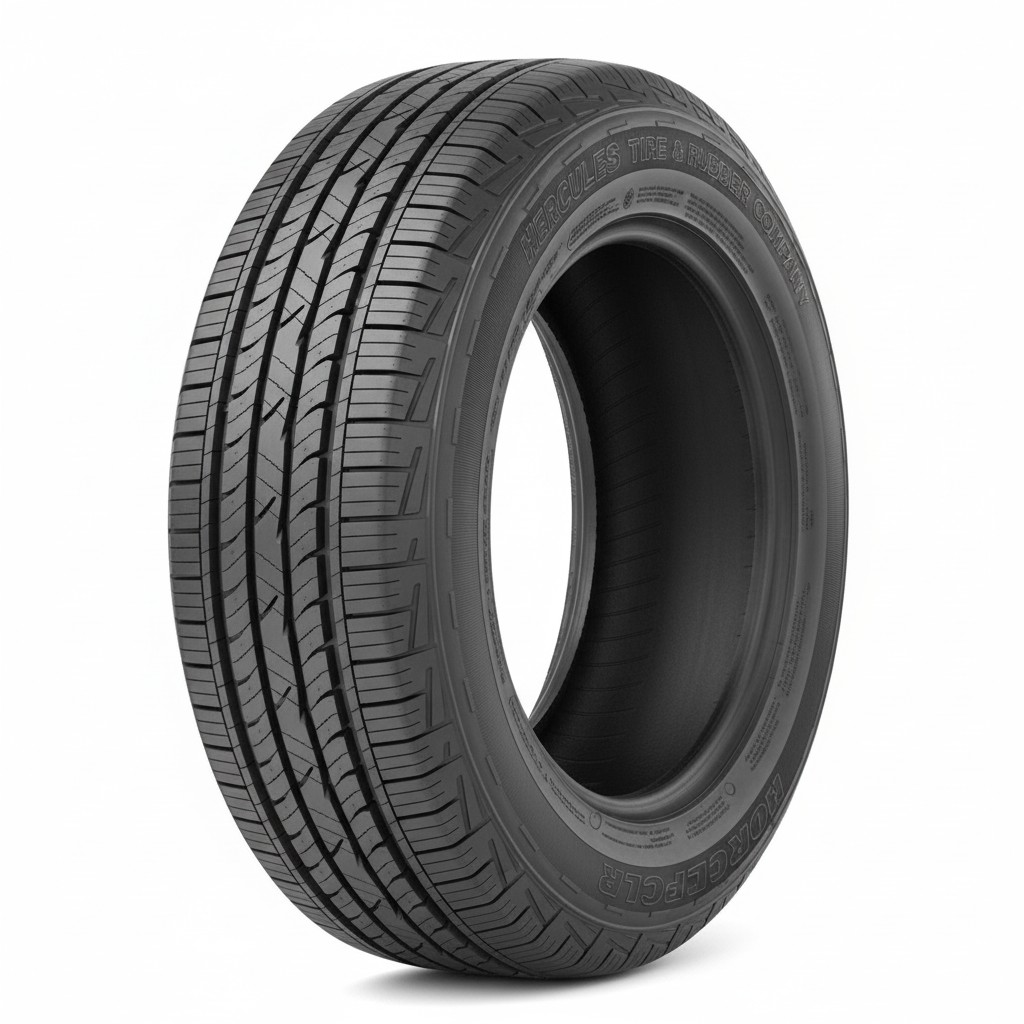
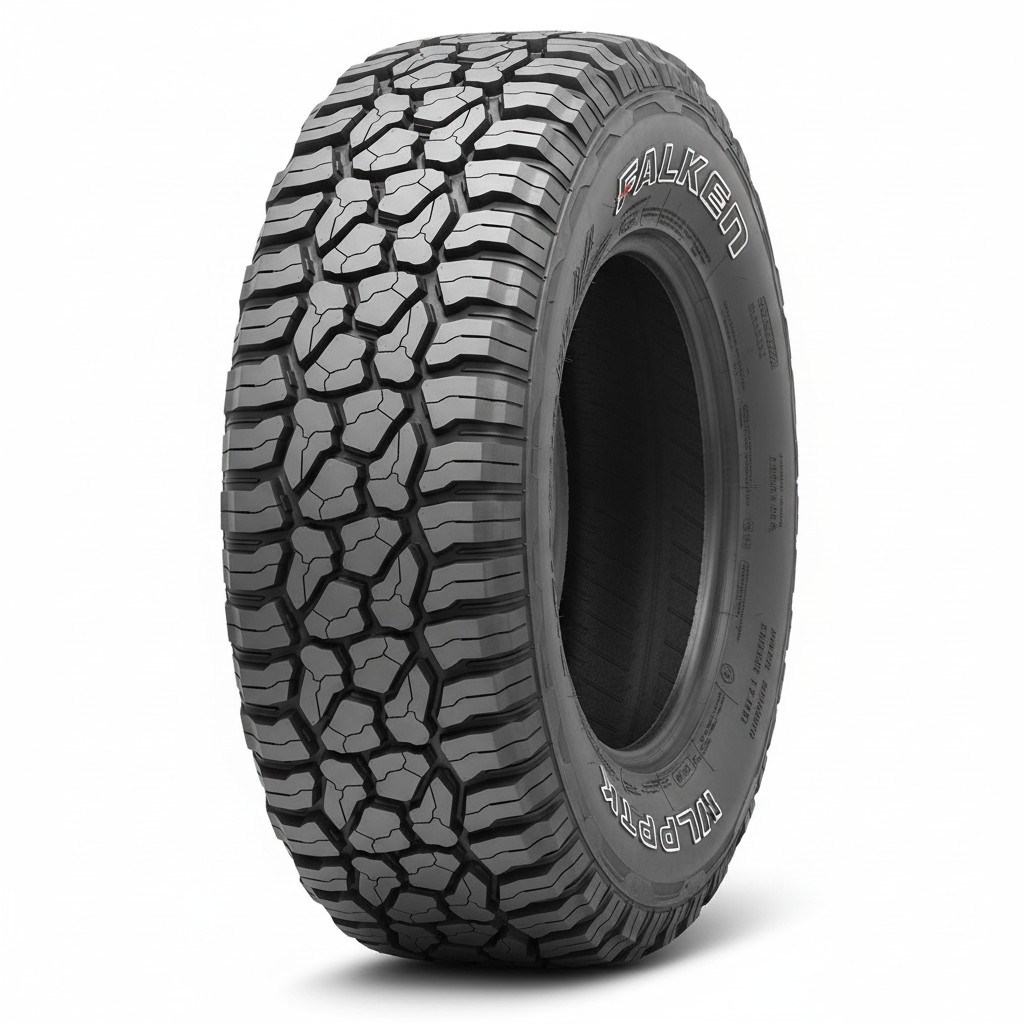
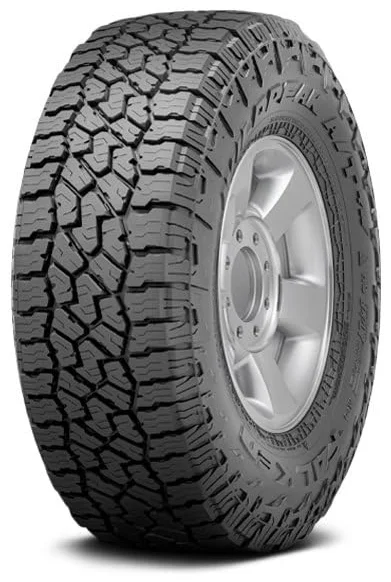
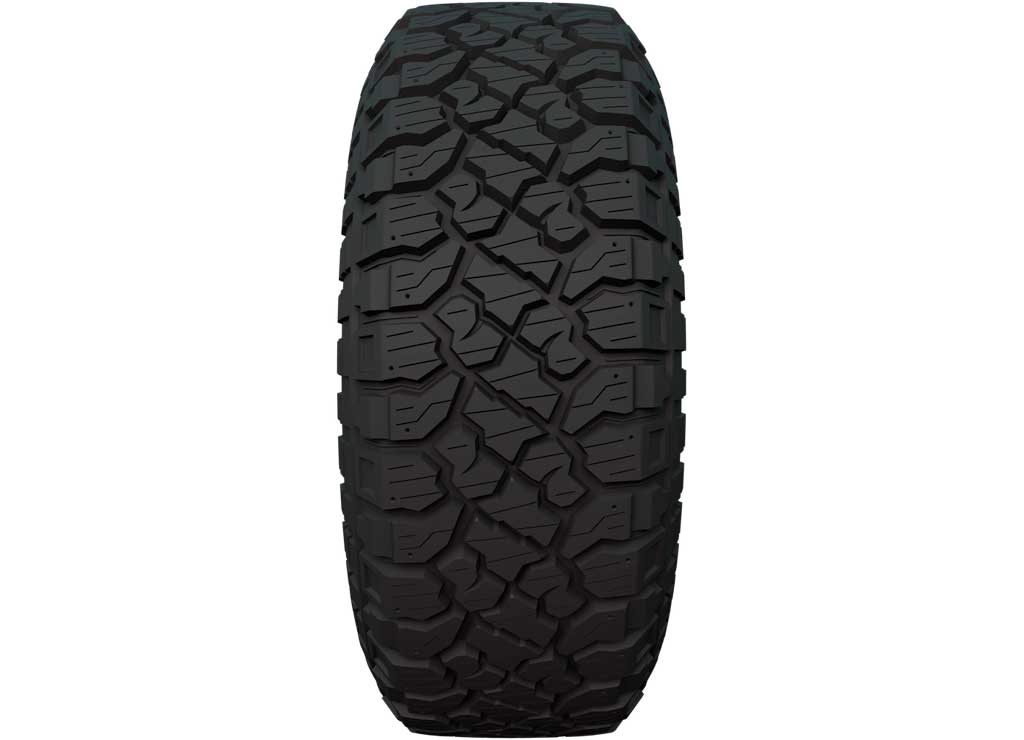
Pickups and SUVs ask more of their tires than cars do. They are heavier, they tow, they haul, and many of them see gravel roads and job sites as often as the highway. Light truck tires are built for that work, with stronger casings, higher load ratings and, in many cases, deeper tread than passenger tires.
Choosing truck and SUV tires comes down to three decisions: construction (P-metric or LT), load range (how much weight each tire can carry), and tread type (highway, all-terrain, rugged terrain or mud-terrain). Get those right and almost any well-made tire in your size will serve you well. Get them wrong and you can end up with a harsh ride, a tire that cannot handle your trailer, or one that wears out years early.
Everything below applies whether you drive a midsize pickup, a full-size half-ton, a heavy-duty diesel or a body-on-frame SUV. Crossovers built on car platforms usually use passenger tires instead; see passenger car tires if that is you.
LT vs P-metric: which does your truck need?
Look at the size on your sidewall or the door jamb placard:
- P265/70R17: P-metric (passenger). Designed for lighter loads and a softer ride. Common on half-ton pickups and many SUVs from the factory.
- LT265/70R17: light truck. Stronger casing, often extra plies in the tread and sidewall, and higher inflation pressures to carry heavier loads. Standard on most three-quarter and one-ton trucks.
- 265/70R17 with no prefix: Euro-metric, which is passenger construction.
If the placard calls for LT tires, stick with LT. If it calls for P-metric, you can usually move up to LT for more durability, but expect a firmer ride, a little more weight and, often, slightly lower fuel economy. You will also need to set pressure using the LT tire's load and inflation table, since LT tires need different pressures than P-metric to carry the same weight.
One more detail: when P-metric tires are used on light trucks and SUVs, the industry practice is to reduce their rated load capacity by about 10 percent (divide by 1.1). That is one reason owners who tow or haul often switch to LT tires.
Load range and load index explained
Load range is a letter that tells you how strong an LT tire is and how much pressure it is designed to hold. Ply rating is the older way of saying the same thing; a 10-ply rated tire does not literally have 10 layers.
| Load range | Ply rating | Typical max pressure | Typical trucks |
|---|---|---|---|
| SL / XL (P-metric) | 4-ply / reinforced | 35 to 51 psi | Crossovers, SUVs, half-tons |
| C | 6-ply | 50 psi | Light pickups, Jeeps, light towing |
| D | 8-ply | 65 psi | Half-ton towing, moderate hauling |
| E | 10-ply | 80 psi | 3/4 and 1-ton trucks, heavy towing |
| F | 12-ply | 95 psi | Heavy-duty and some commercial use |
The load index is the number after the size, like 121/118S. The first number is the load rating when the tire is used as a single; the second is when used in a dual setup (rear duallys). Load index 121 equals 3,197 lbs per tire. The letter at the end is the speed rating.
Rule of thumb: match or exceed the load range and load index on your door placard. Never go lower. Load range E is the go-to for heavy-duty pickups and for half-tons that pull big campers. Search popular sizes like LT275/70R18 or LT245/75R16.
Choosing a tread type
| Tread type | Best for | Noise | Tread life | Off-road |
|---|---|---|---|---|
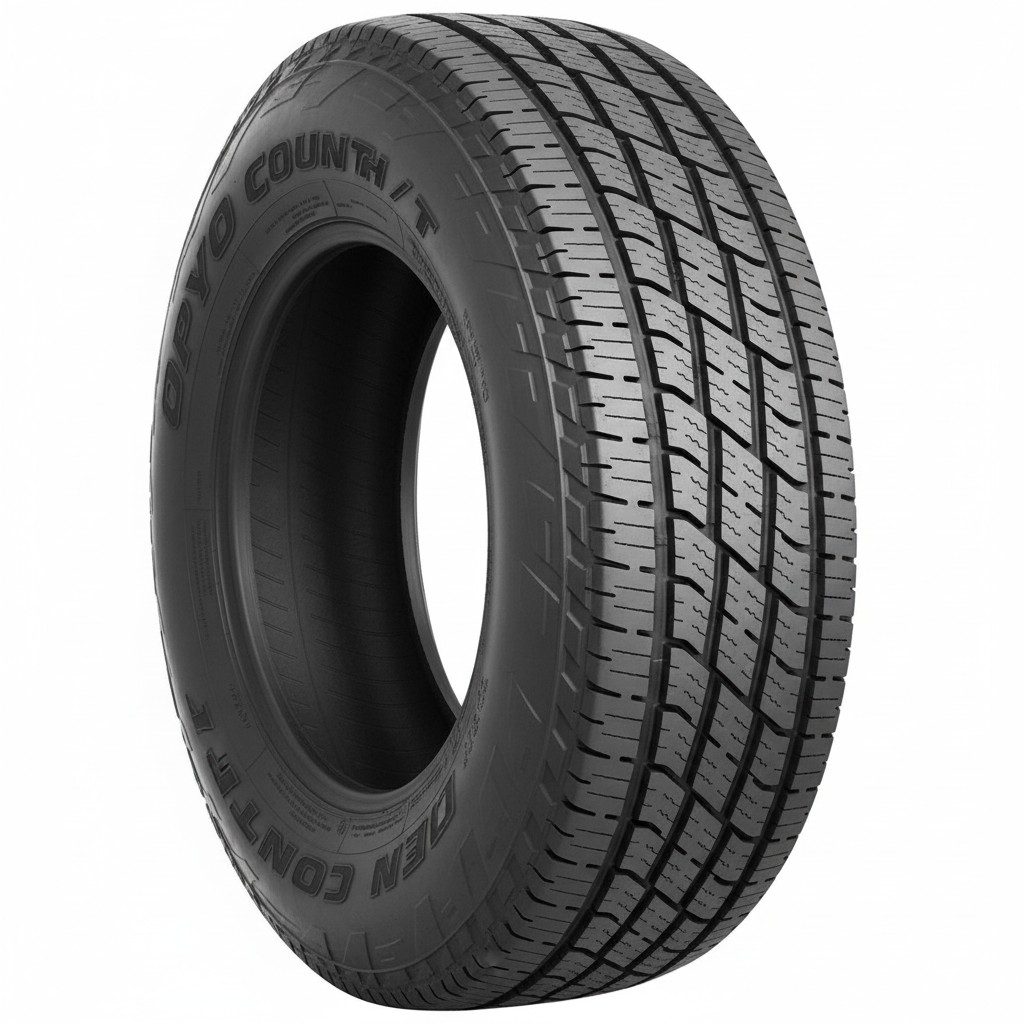
| Highway (H/T) | Pavement, commuting, towing on highways | Lowest | Longest | Light gravel only |
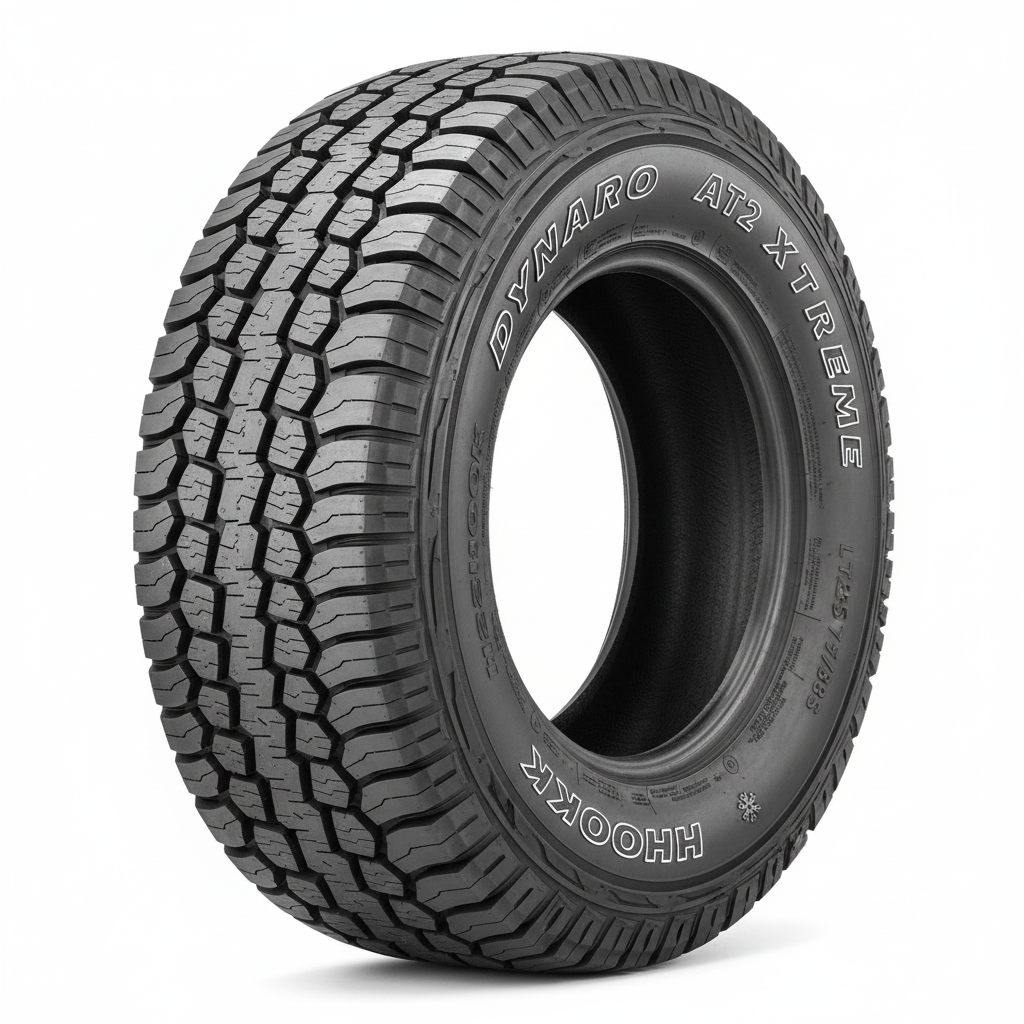
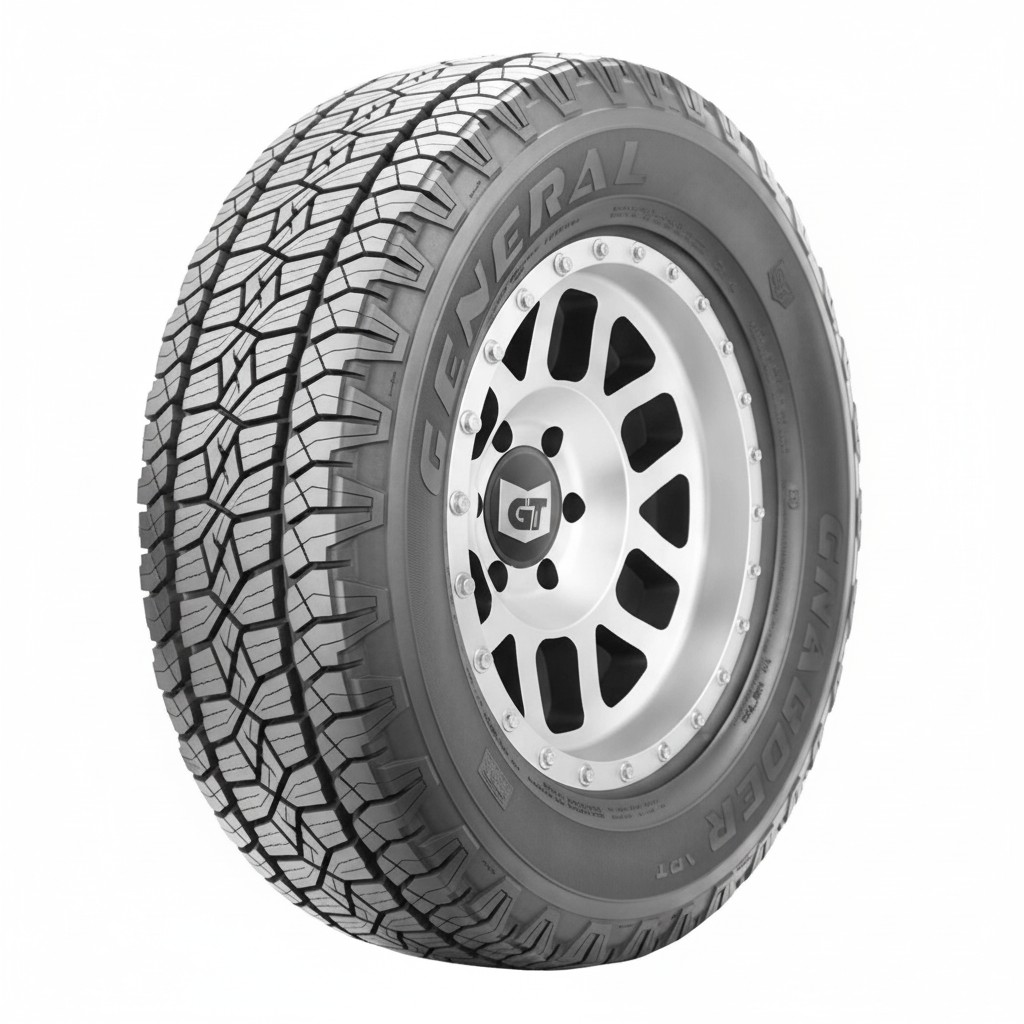
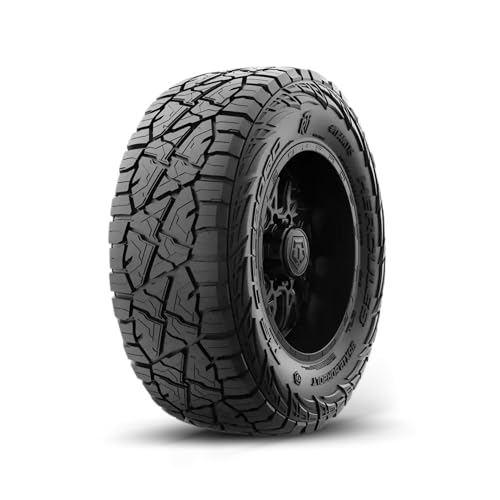
| All terrain (A/T) | Mixed pavement and dirt, snow with 3PMSF | Low to moderate | Long | Good |
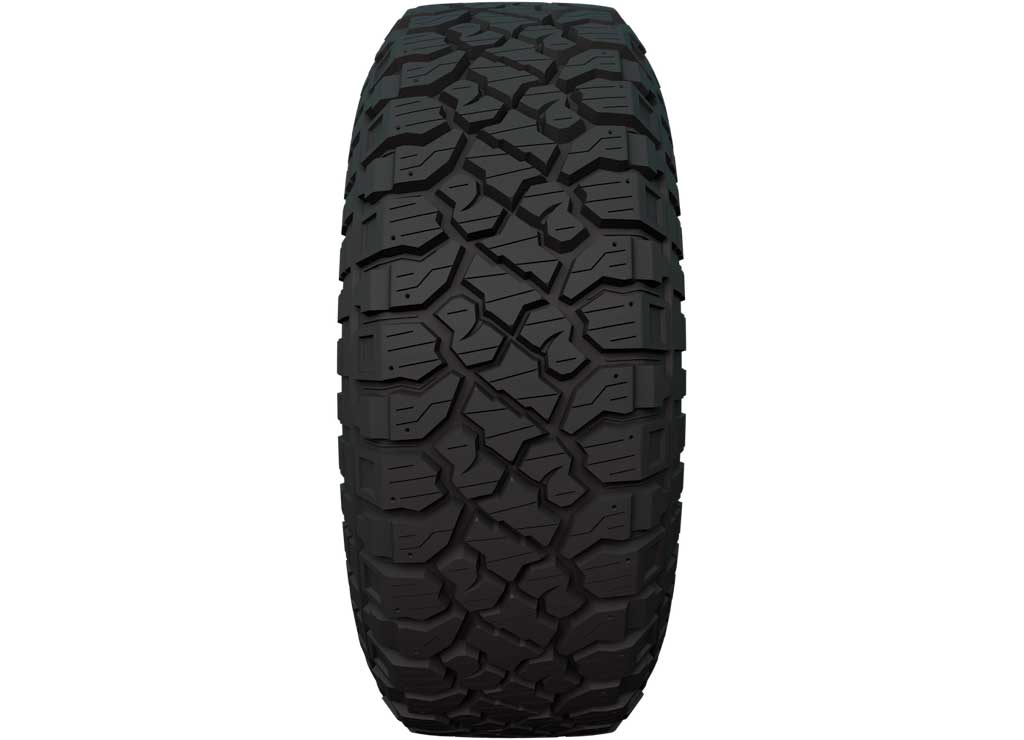
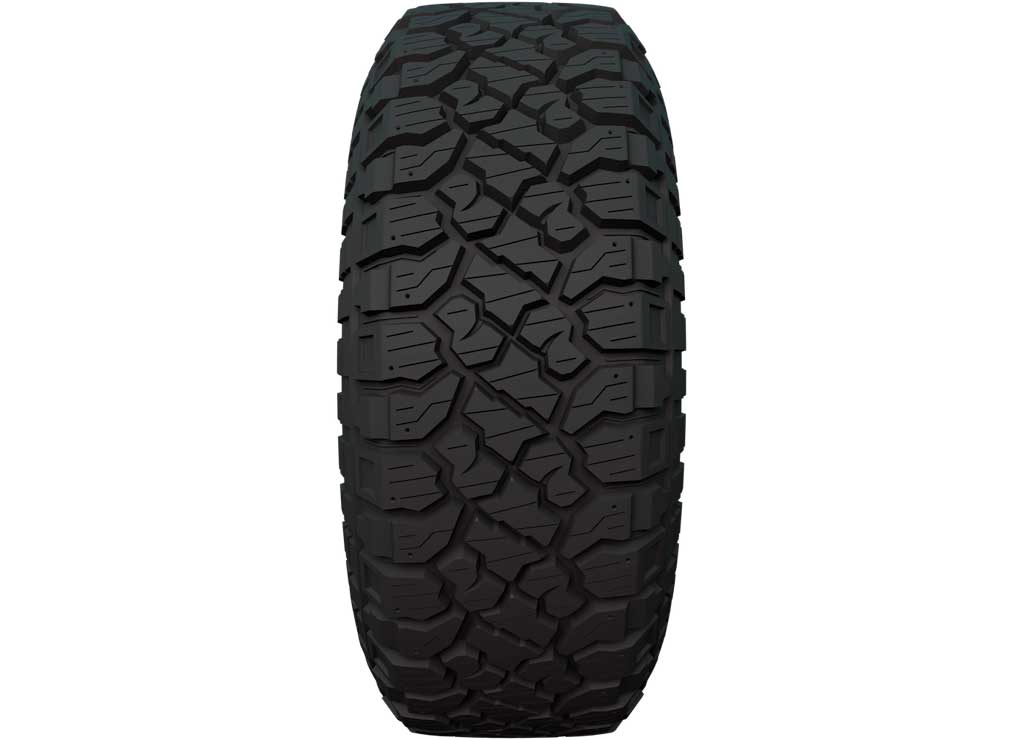
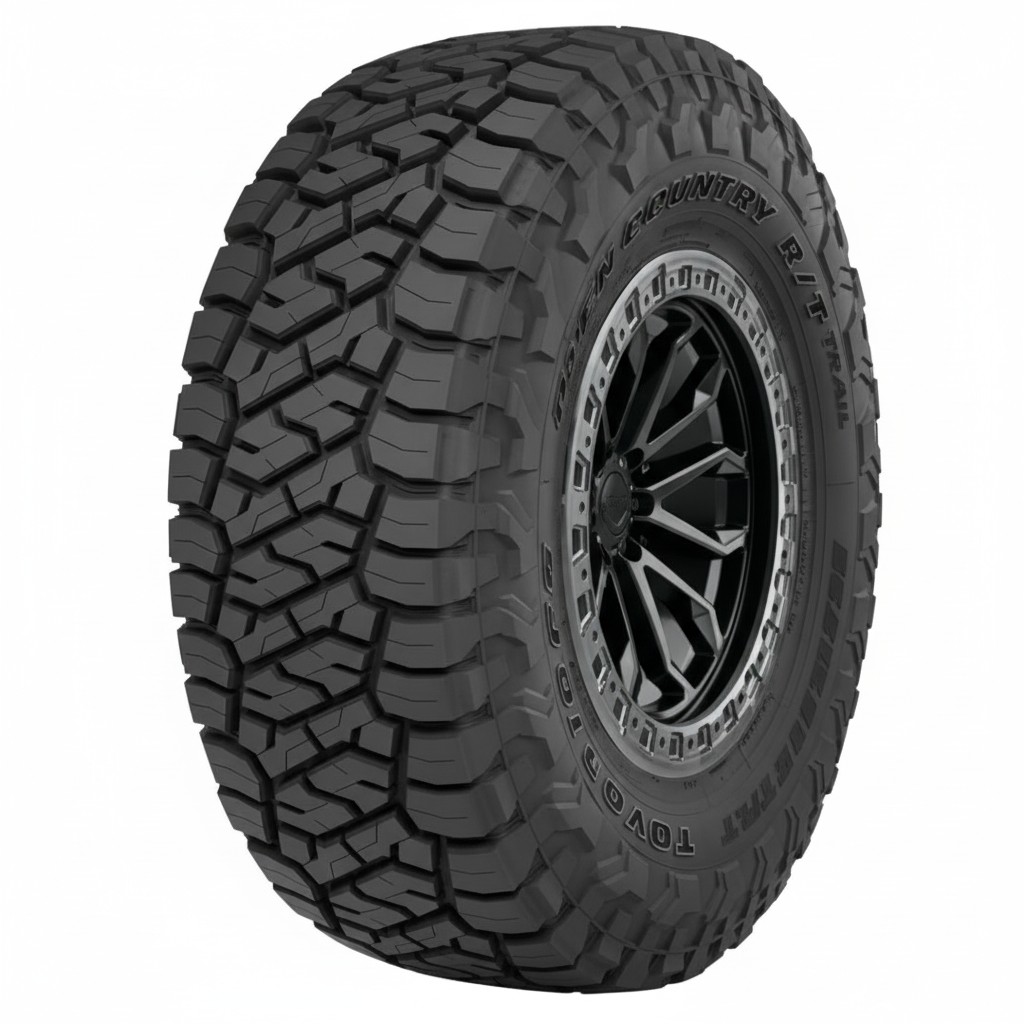
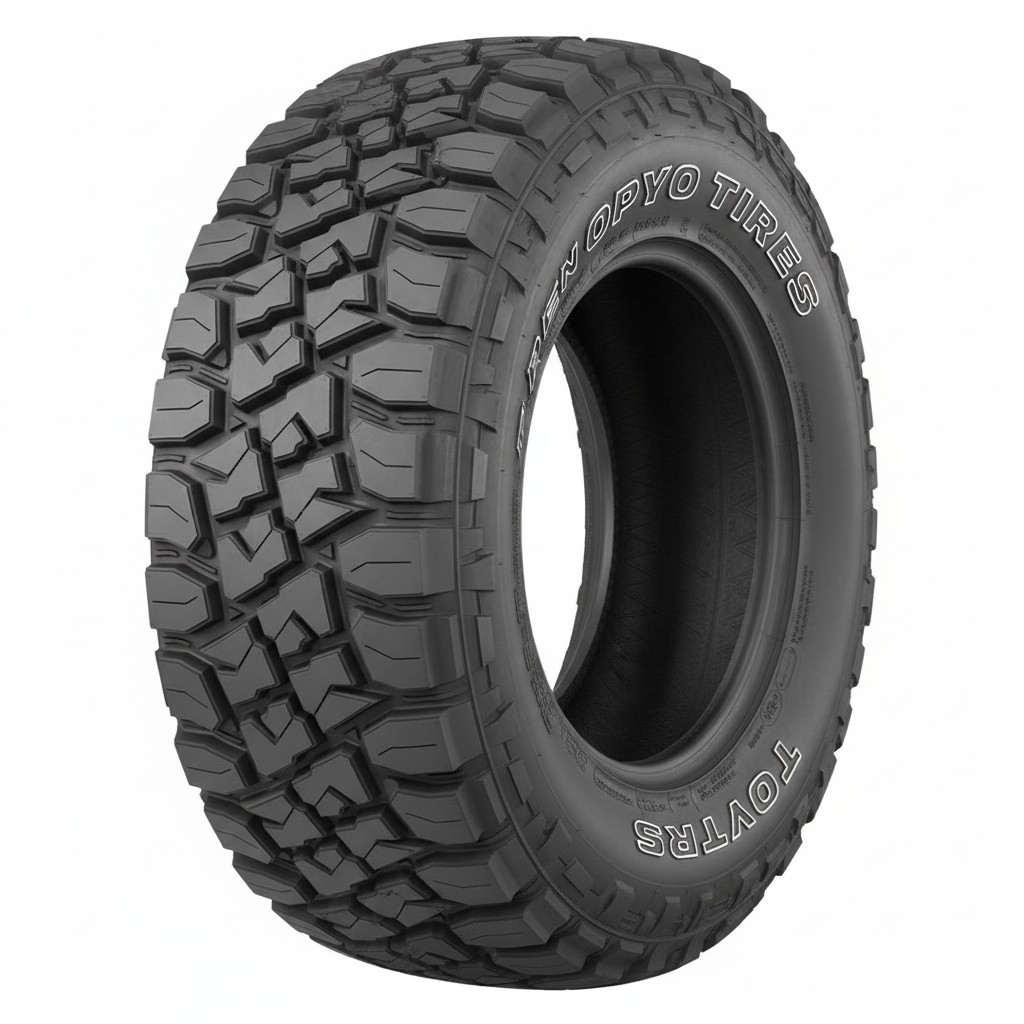
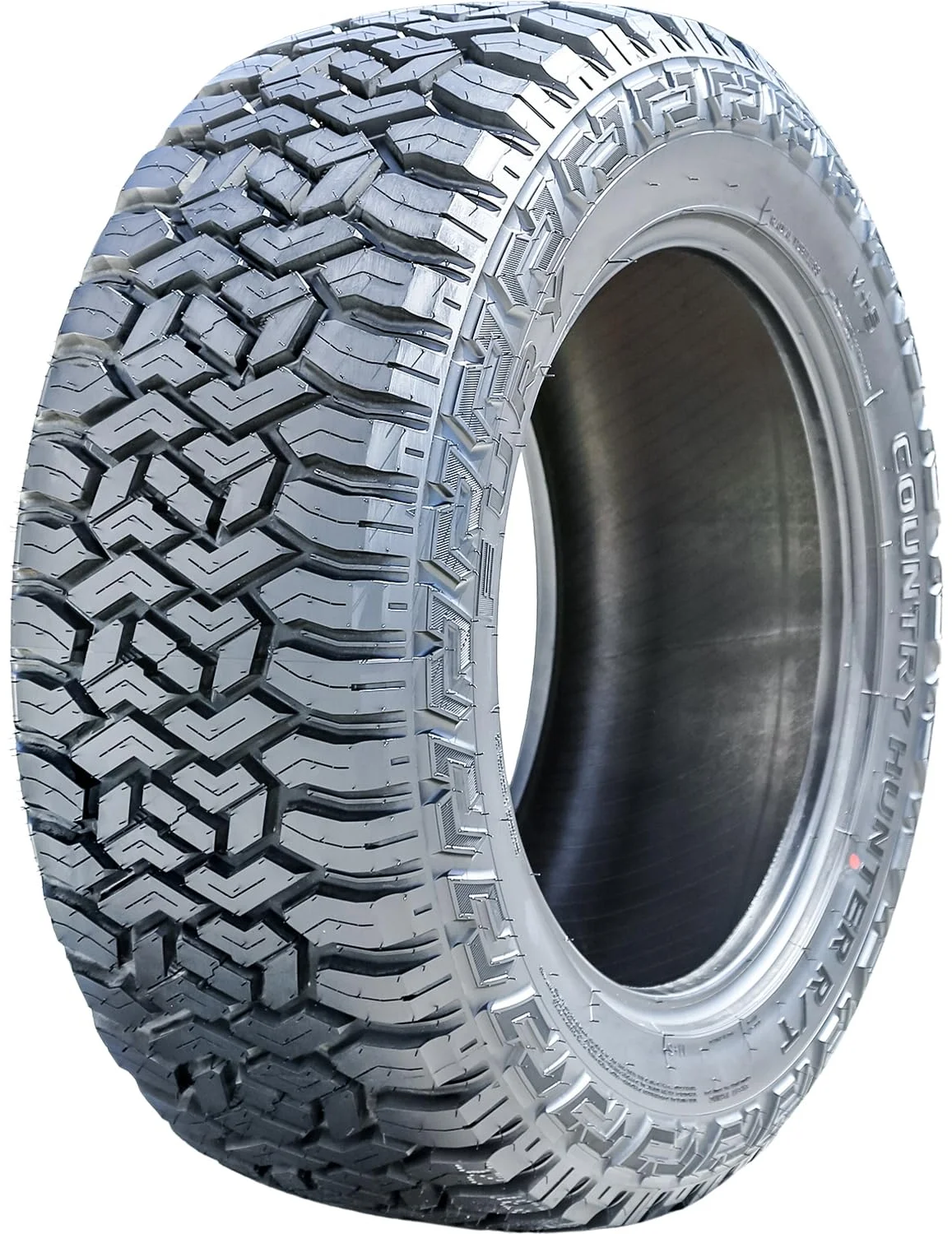
| Rugged terrain (R/T) | Frequent trail use, still daily driven | Moderate | Medium | Very good |
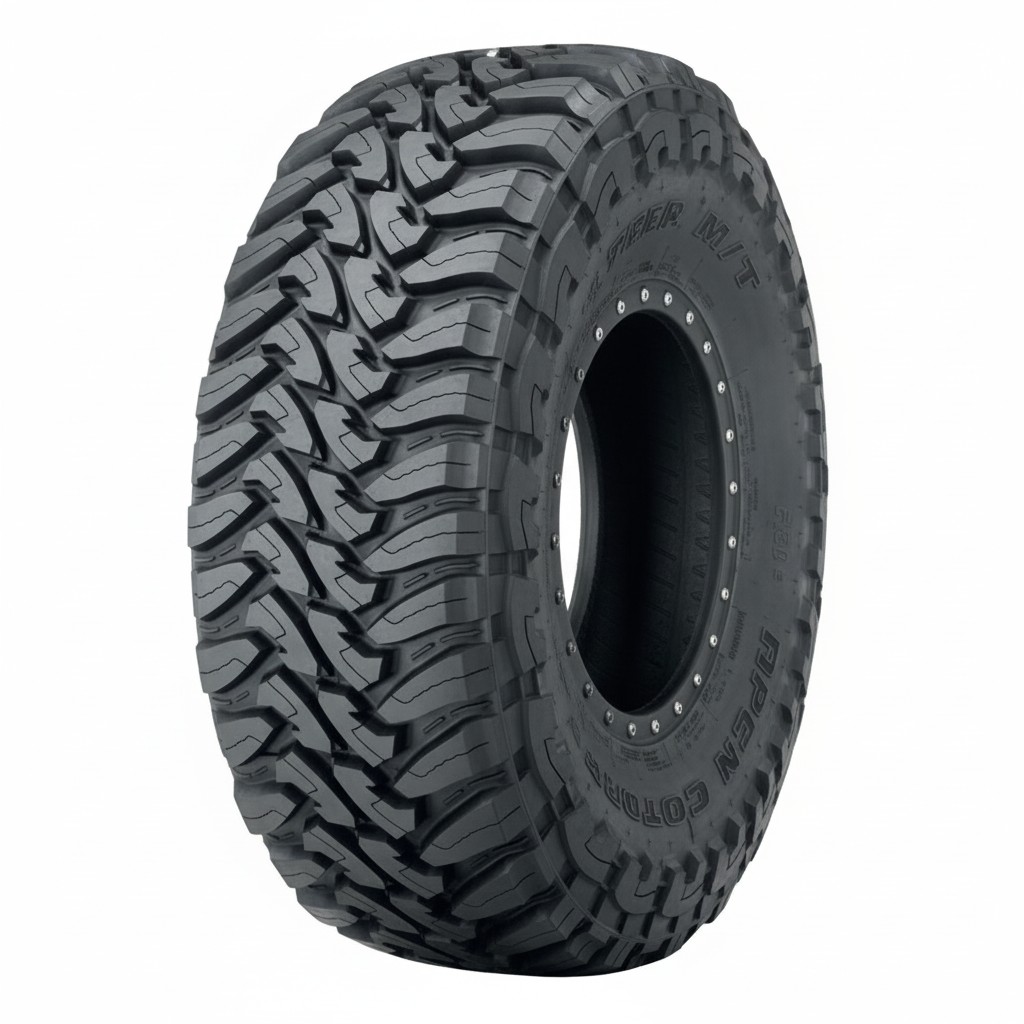
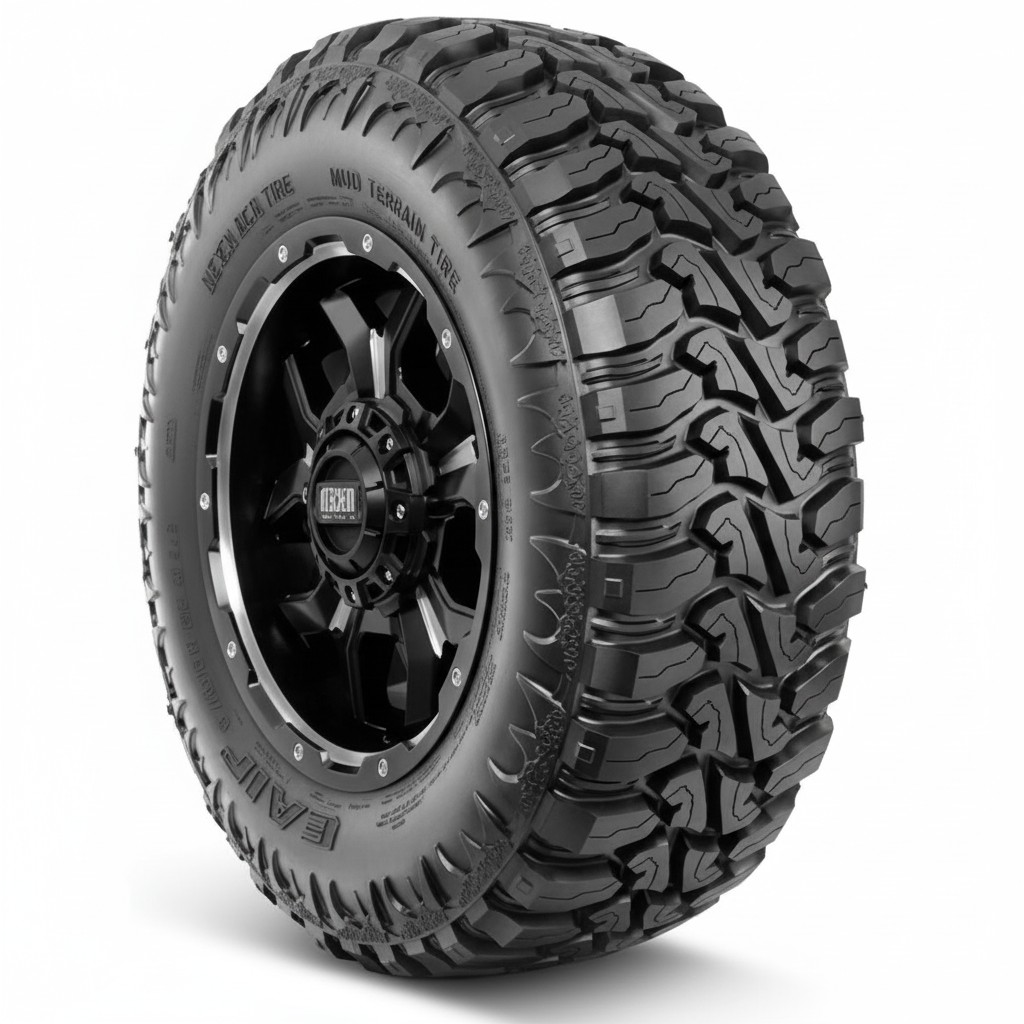
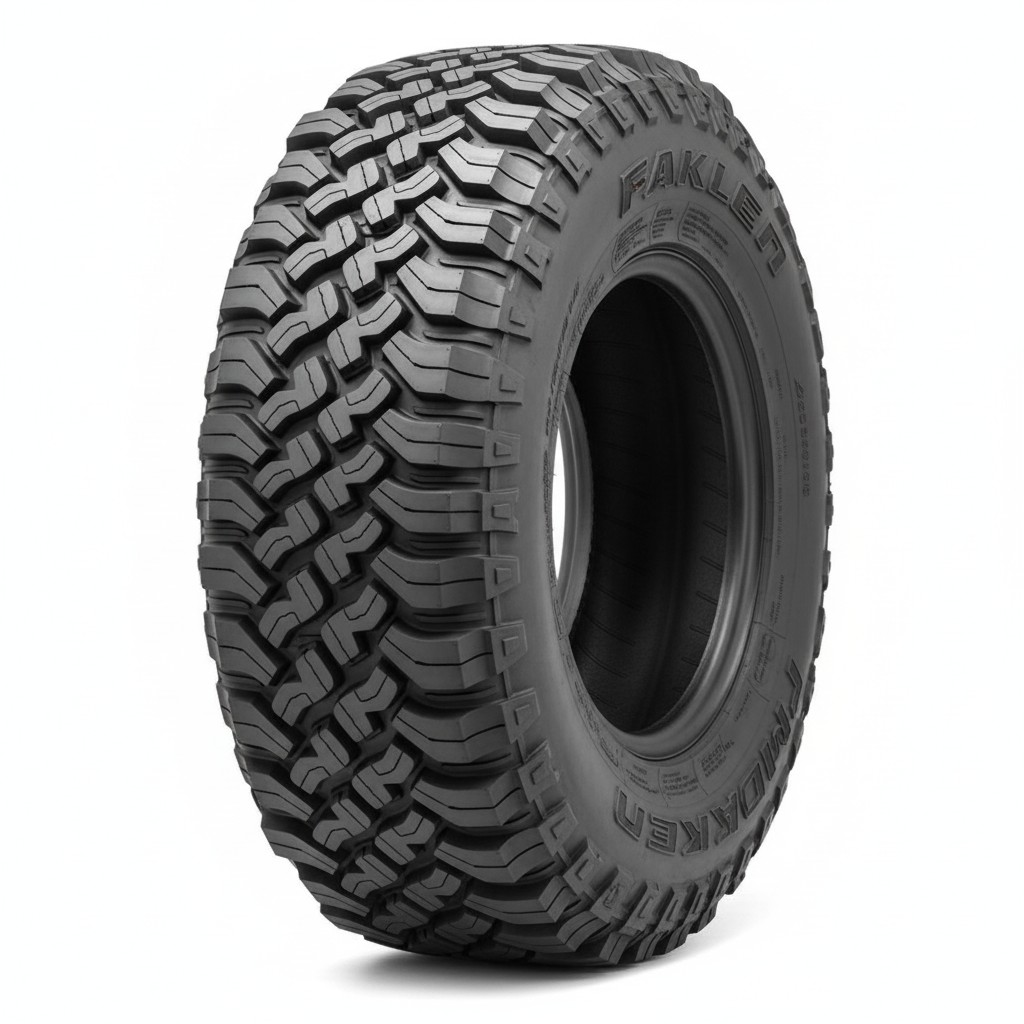
| Mud terrain (M/T) | Mud, rocks, dedicated off-road | Highest | Shortest | Best |
Be realistic about your driving. Most trucks spend the vast majority of their miles on pavement, and an aggressive tread you do not need costs you noise, fuel and tread life every day. If winters are serious where you live, consider an all-terrain with the 3PMSF snowflake symbol or a set of winter tires.
Going bigger: flotation sizes and fitment
Many truck and SUV owners step up a size when they replace tires. That can look great and add ground clearance, but it touches more of the truck than people expect.
- Flotation sizes like 33x12.50R18 list overall diameter, width and rim size in inches. They are common on lifted trucks and Jeeps. LT-metric sizes like 285/65R18 describe a similar tire in millimeters and percentages.
- Check clearance at full steering lock and full suspension compression, not just parked. Rubbing on the frame, control arms or fender liners is the usual problem.
- Wheel offset and backspacing change where the tire sits. A wider tire may need a different wheel.
- Speedometer and gearing. A taller tire makes the speedometer read low and effectively raises gearing, which can make the truck feel slower, especially when towing.
- Load rating still applies. A bigger tire is not automatically stronger. Check that the load index and load range still meet the placard.
A leveling kit or small lift is often what makes a size or two of extra tire fit. Measure, then buy.
Towing and hauling: pressure and setup
Most tire trouble while towing comes from heat, and most heat comes from low pressure. A few rules:
- Use the placard and owner's manual. Many trucks list separate pressures for normal and loaded or towing use, and rear tires often run higher than fronts when loaded.
- Check cold. Pressure rises as tires warm up. Set it before you drive, and do not let air out of hot tires.
- Max sidewall pressure is a limit, not a target for daily driving on a light truck. Running an empty three-quarter-ton at 80 psi makes it ride harsh and wear the tread center. Use a load and inflation table for your actual axle weights.
- Weigh it if you can. A truck scale at a truck stop gives axle weights so you can set pressure properly.
For the trailer itself, see our trailer tires page and the trailer tires and wheels buying guide. Trailer tires use different (ST) construction and different rules.
Rotation, alignment and common mistakes
- Rotate every 5,000 to 7,500 miles, or more often for aggressive treads. Front tires on trucks wear the shoulders from steering; rears wear the center under load.
- Include the spare in a five-tire rotation if it matches. It keeps all five at similar tread depth.
- Align after lifts and leveling kits. Changing ride height changes alignment. See our lift and leveling kits guide.
- Balance bigger tires carefully. Large LT tires can be harder to balance; vibration at highway speed usually means it is off.
Common mistakes: putting P-metric tires on a truck that needs LT, dropping a load range to get a softer ride, mixing sizes front to rear on a 4x4, oversizing without checking wheel load ratings and offset (the wheel needs its own load rating), and forgetting that a larger diameter changes speedometer readings. Popular truck tire brands include BFGoodrich, Michelin, Goodyear, Cooper, Toyo, Falken, General, Nitto, Firestone and Bridgestone.