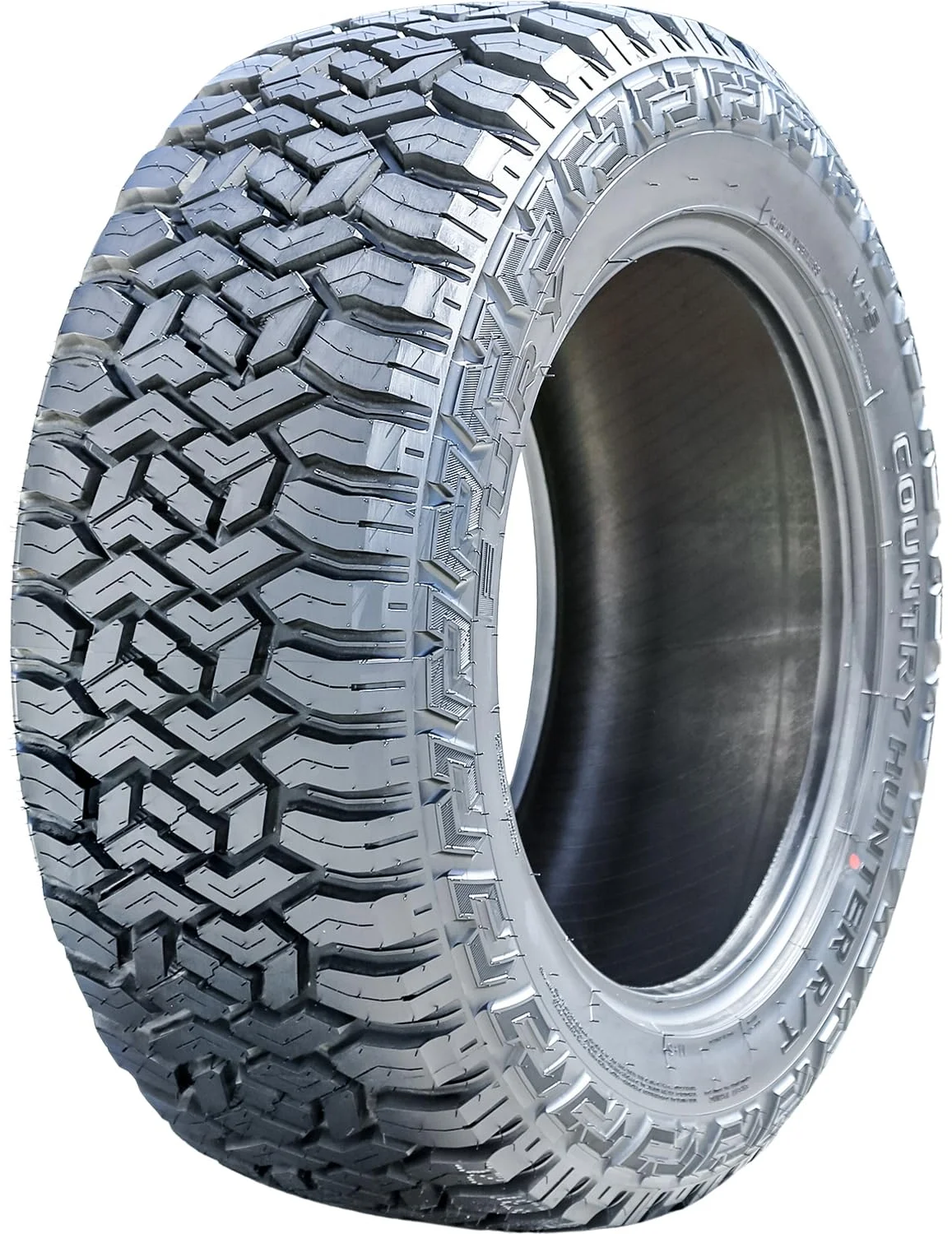
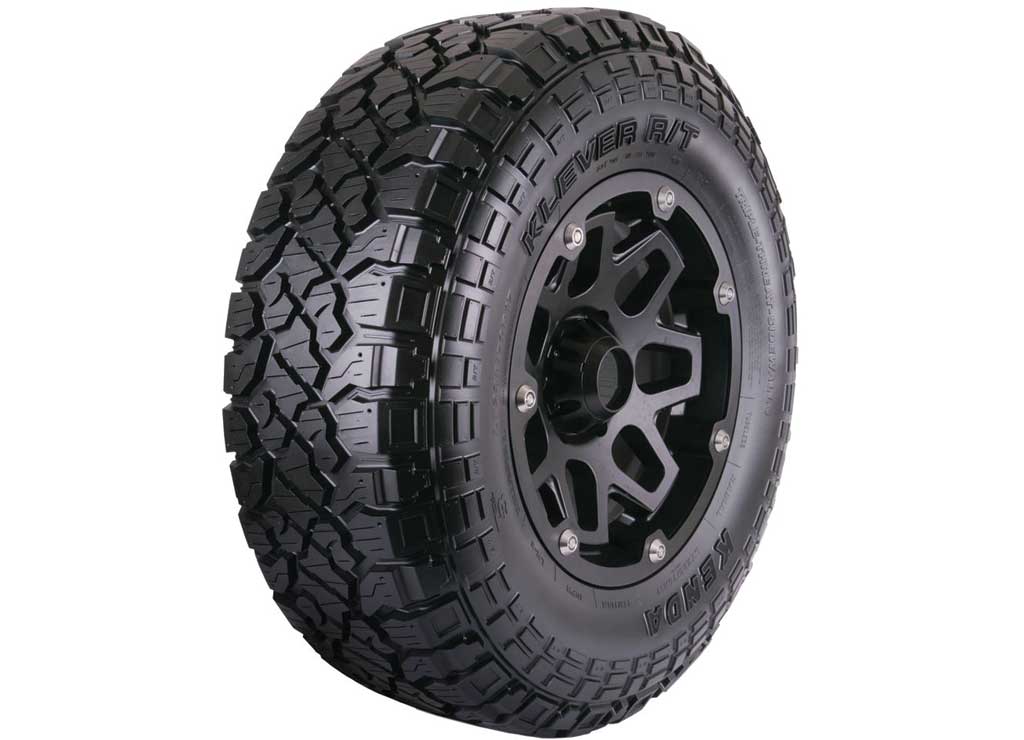
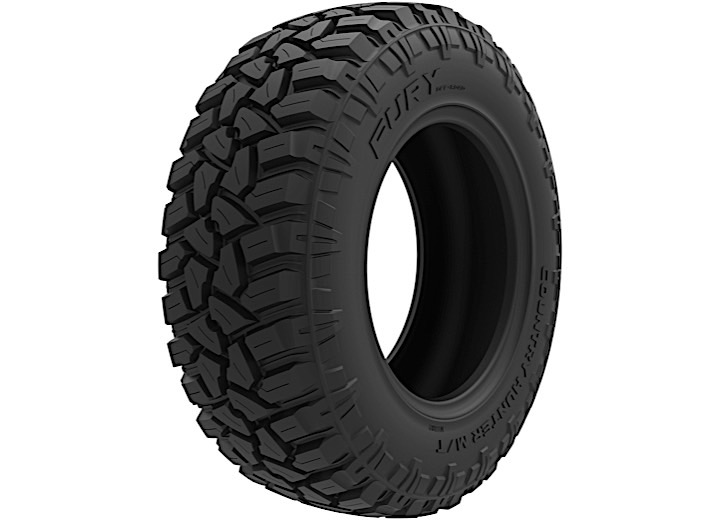
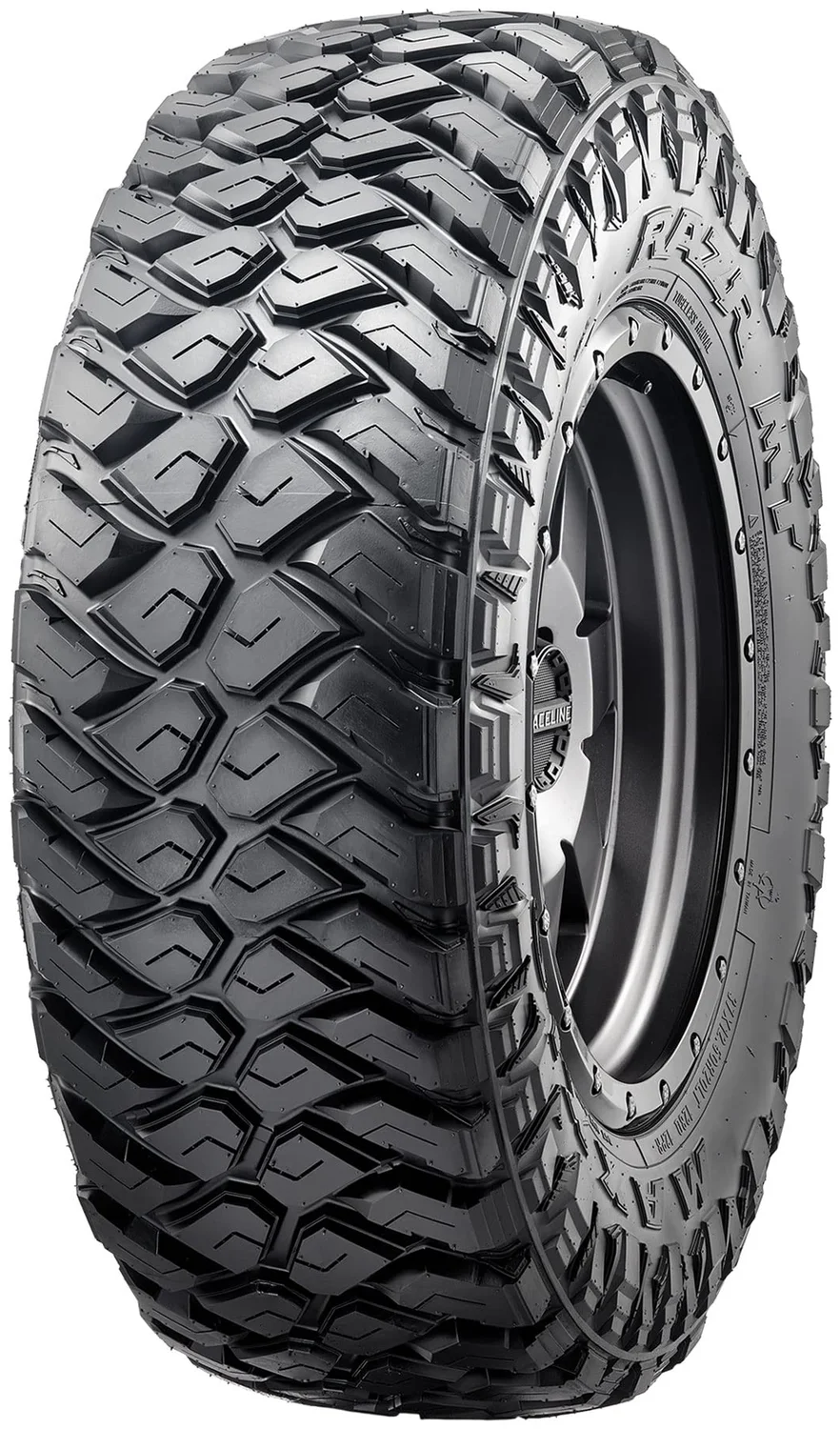
What Size Is a 37 Inch Tire?
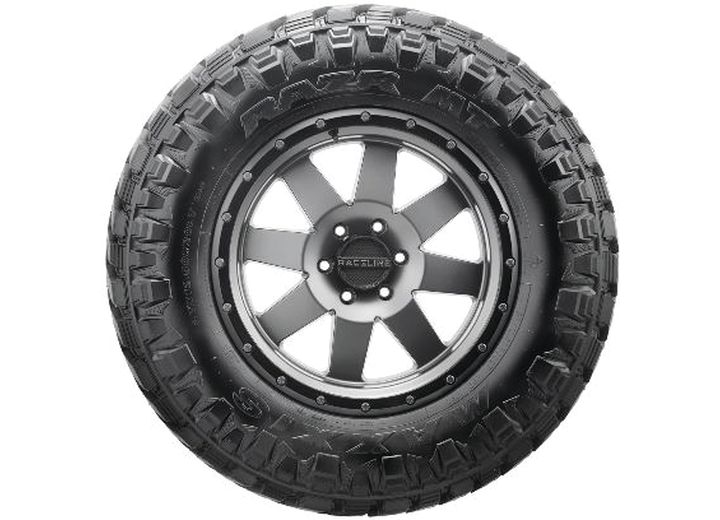
Most 37 inch tires are sold in flotation sizes such as 37x12.50R17, 37x12.50R20, 37x13.50R20 and 37x13.50R22. Metric sizes that calculate to about 37 inches, like 315/70R20 or 335/65R20, are less common. Real mounted height often runs a little under the nominal 37.
37 inch tire sizes by wheel diameter
Real metric tire sizes that measure about 37 inches tall (within roughly a third of an inch), calculated from the size code. Sizes with their own page are linked.
| Wheel | Metric sizes (approx. height) |
|---|---|
| 16 inch | 385/70R16 (37.2 in) |
| 22 inch | 275/70R22 (37.2 in) |
| 24 inch | 365/45R24 (36.9 in) |
Flotation sizes in stock
Flotation sizes list the height first: 37x12.50R17 means about 37 inches tall.
37x12.50R17 · 37x12.50R20 · 37x13.50R20 · 37x12.50R18 · 37x13.50R24 · 37x12.50R22 · 37x13.50R22 · 37x13.50R26 · 37x14.50R20 · 37x13.50R17 · 37x11.50R20 · 37x10.00R17 · 37x10R15 · 37x12.50R24 · 37x12.50R26 · 37x14.50R18
Calculated heights; real tires vary slightly by brand and tread depth. Compare any two sizes with the tire size calculator.
How 37 Inch Tire Sizes Are Written
At 37 inches, flotation sizing takes over. In 37x12.50R17, the tire is about 37 inches tall, about 12.5 inches wide, uses radial construction and fits a 17 inch wheel. Versions with a 13.50 width are also common, especially on 20 and 22 inch wheels, and give a wider footprint.
Metric 37s do exist. A size like 315/70R20 works out to 20 + 2 x (315 x 0.70) / 25.4, or about 37.4 inches. But availability in metric is limited, so most shoppers end up comparing flotation sizes by wheel diameter and width.
Wheel diameter changes the character of a 37. A 37x12.50R17 keeps a tall sidewall that can be aired down for traction on rocks and sand, while a 37 on a 20 or 22 inch wheel has a shorter sidewall that feels more planted on pavement but offers less cushion off-road. Many builders choose 17 inch wheels for trail use for that reason.
Why 37s Often Measure Under 37
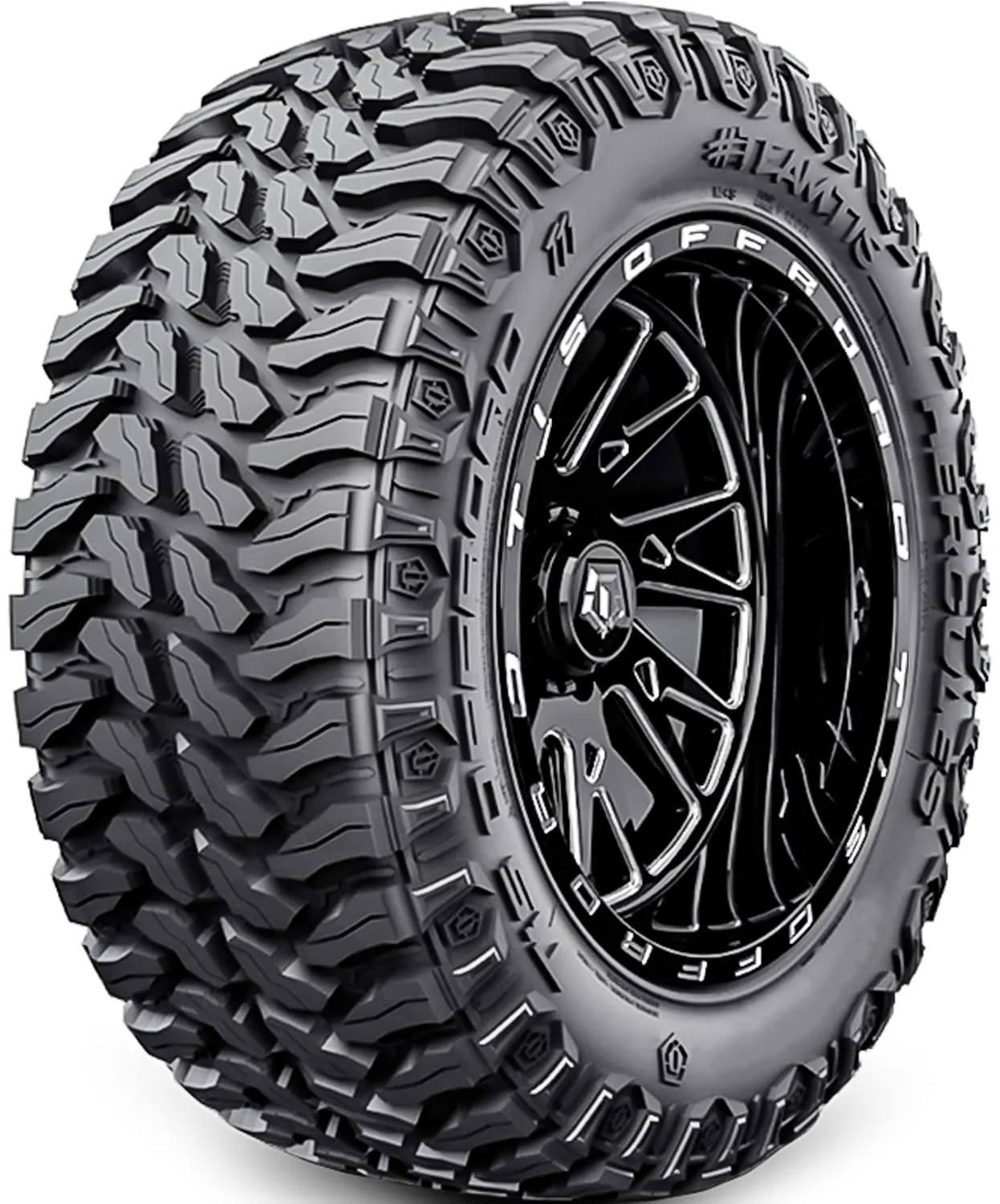
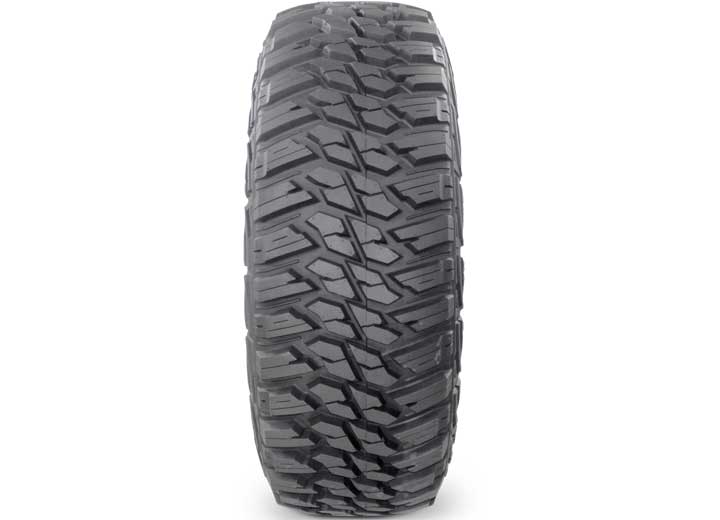
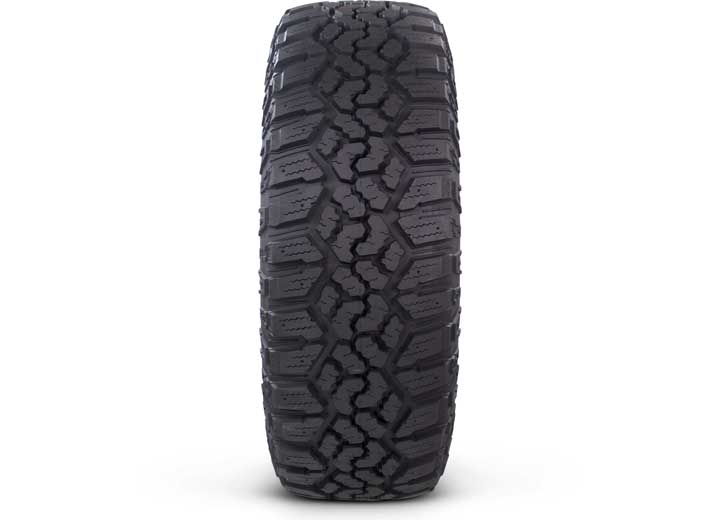
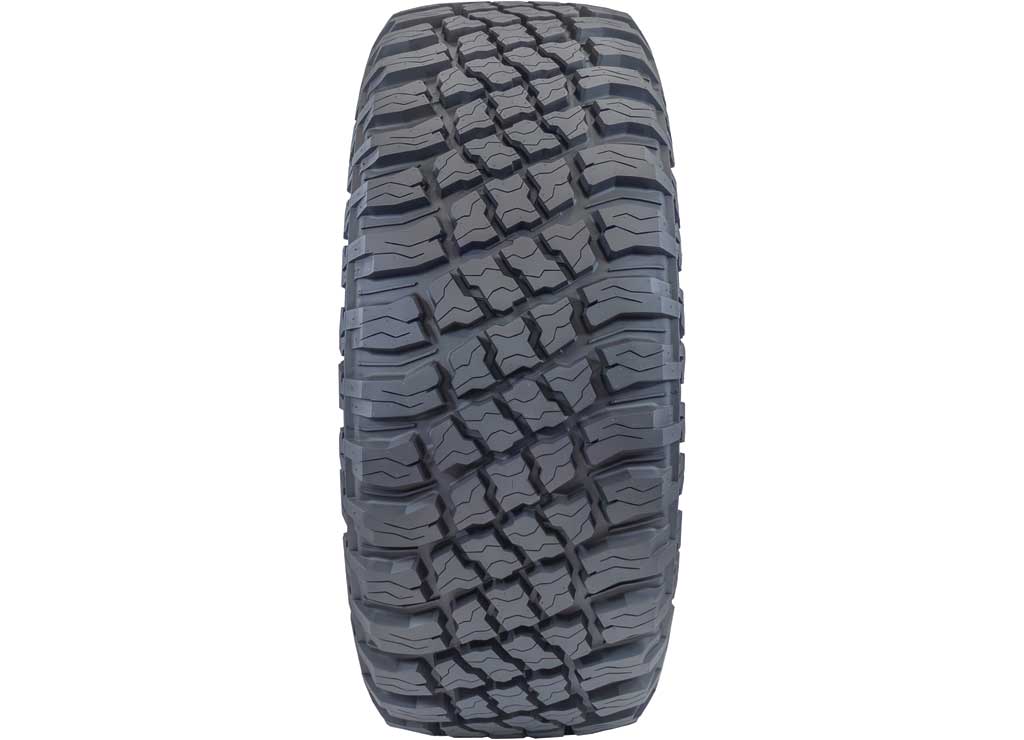
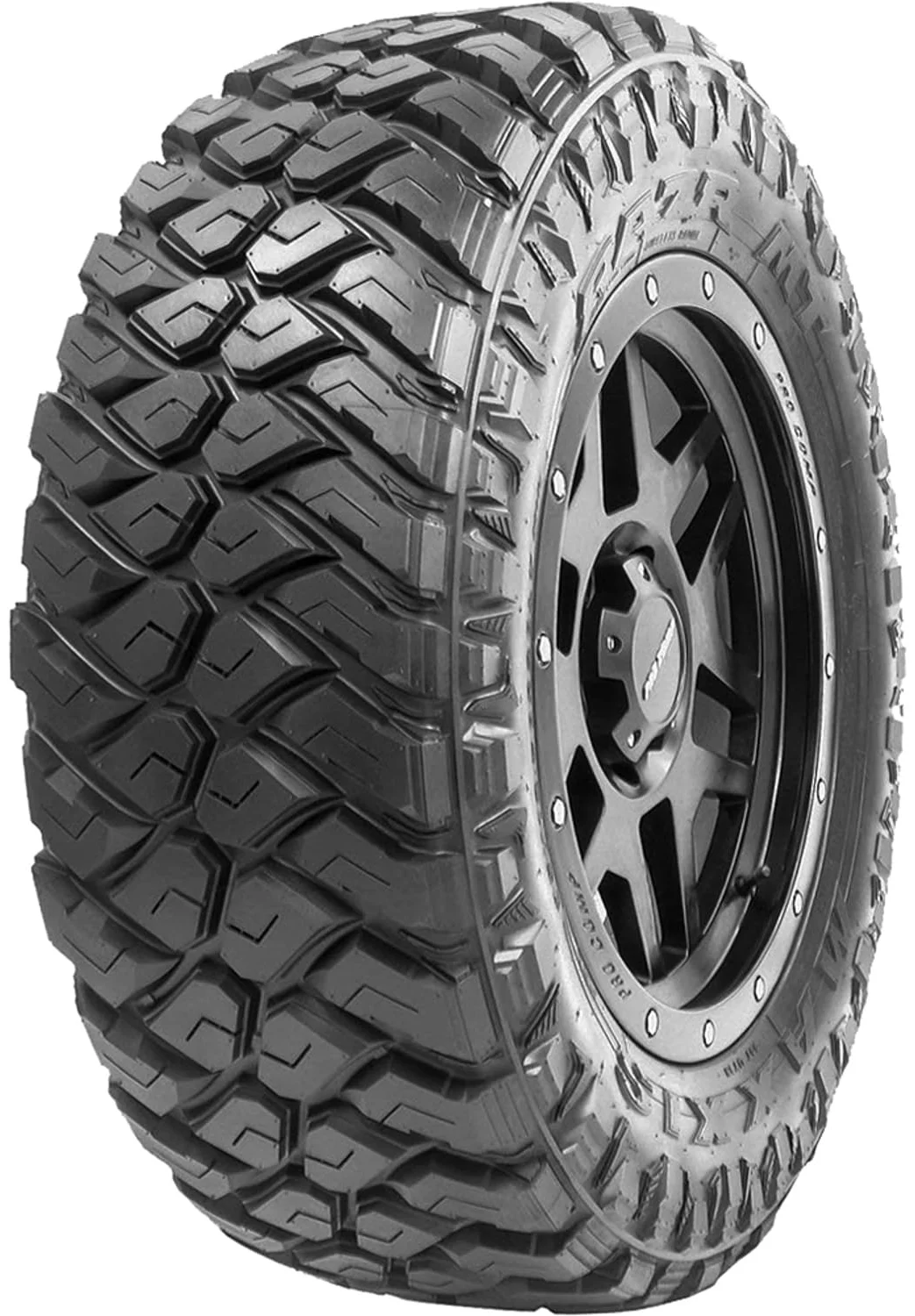
The 37 on the sidewall is a nominal number. Many 37s measure somewhat shorter once mounted, inflated and loaded, and the difference between brands can be noticeable. Tread depth, carcass design and the wheel width all play a role, and aggressive mud-terrain lugs often add height compared with an all-terrain in the same size.
If you are building to an exact clearance number, check the published overall diameter and section width for the specific tire.
What It Takes to Run 37 Inch Tires
Thirty-sevens usually require serious changes. On Jeep Wranglers, setups for 37s commonly include a lift of roughly 3.5 inches or more, fender changes or trimming, and wheels with the right backspacing. Full-size trucks typically need a 6 inch or larger lift, and some combinations call for fender trimming or aftermarket fenders as well.
Beyond clearance, consider the drivetrain. Heavier wheels and tires add stress to axles, ball joints, steering components and brakes, and many builders upgrade those parts. Our lift and leveling kit guide and off-road wheel guide cover the basics. Requirements vary greatly by vehicle, so research your specific platform before buying.
Gearing, Weight, MPG and Tread Choice
Regearing is generally expected with 37s. Without it, acceleration, towing and transmission behavior can suffer. A 37 inch tire is also heavy, and most are LT construction in Load Range D, E or higher. Fuel economy typically drops noticeably, and braking distances can grow without brake upgrades.
Your speedometer will read low too. Going from a 35 to a 37 is about a 5.7 percent change, so an indicated 60 mph is near 63.4 mph actual. From a 33, the gap is about 12 percent, or roughly 67 mph actual at an indicated 60. Recalibration is strongly recommended.
Choose mud-terrain tires for mud, rock and serious trails, all-terrain tires for a more road-friendly setup, or rugged-terrain tires as a compromise. Browse our truck and SUV tires for options.