What Size Is a 38 Inch Tire?
A 38 inch tire is almost always a flotation size such as 38x13.50R20, 38x13.50R22, 38x13.50R24 or 38x15.50R20. By the formula, metric sizes like 325/70R20 and 295/70R22 come out near 38 inches, but they are rarely produced. Actual height usually runs slightly under nominal.
38 inch tire sizes by wheel diameter
Real metric tire sizes that measure about 38 inches tall (within roughly a third of an inch), calculated from the size code. Sizes with their own page are linked.
| Wheel | Metric sizes (approx. height) |
|---|---|
| 22 inch | 255/80R22 (38.1 in) |
Flotation sizes in stock
Flotation sizes list the height first: 38x15.50R20 means about 38 inches tall.
38x15.50R20 · 38x15.50R26 · 38x15.50R15 · 38x13.50R20 · 38x15.50R24 · 38x15.50R22 · 38x13.50R28 · 38x15.50R18 · 38x13.50R26 · 38x13.50R24 · 38x15.50R30 · 38x13.50R18 · 38x16.50R28 · 38x12.50R15
Calculated heights; real tires vary slightly by brand and tread depth. Compare any two sizes with the tire size calculator.
Reading 38 Inch Tire Sizes
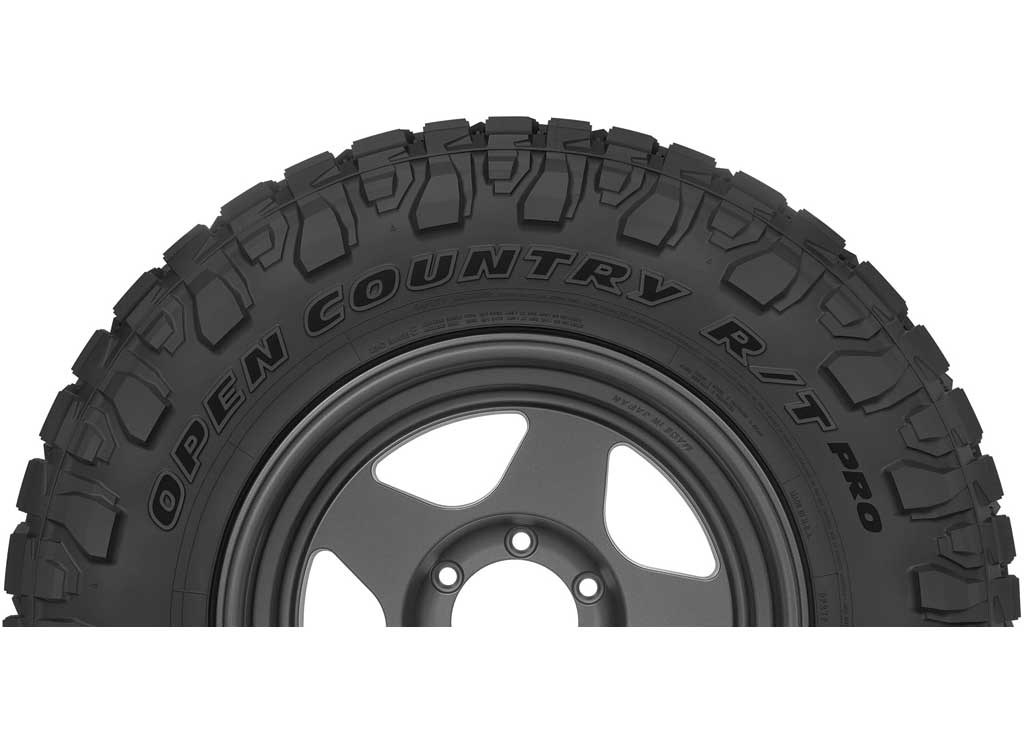
At 38 inches, nearly every tire on the market uses flotation sizing. In 38x13.50R20, 38 is the overall diameter in inches, 13.50 is the section width in inches, R means radial and 20 is the wheel diameter. A 38x15.50 is about two inches wider and is common on dedicated off-road builds.
Metric sizes do calculate to 38 inches. A 325/70R20 works out to 20 + 2 x (325 x 0.70) / 25.4, about 37.9 inches. Because so few metric 38s are made, most buyers in this class choose among flotation sizes based on wheel diameter and width.
The wheel choice shapes how a 38 behaves. Smaller wheels leave more sidewall, which helps when airing down on rocks and sand, while 22 and 24 inch wheels give a lower-profile look suited to show trucks and mostly paved driving. Wider 15.50 versions also generally call for a wider wheel to support the tire properly, so plan wheels and tires together.
Why 38s Vary in Real Height
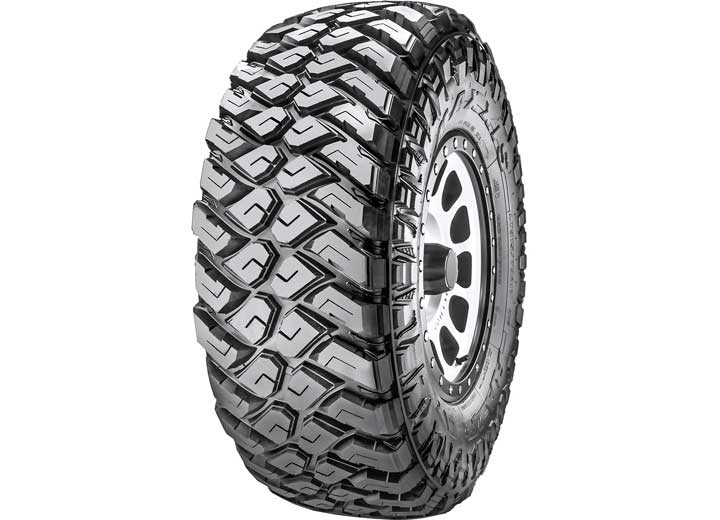
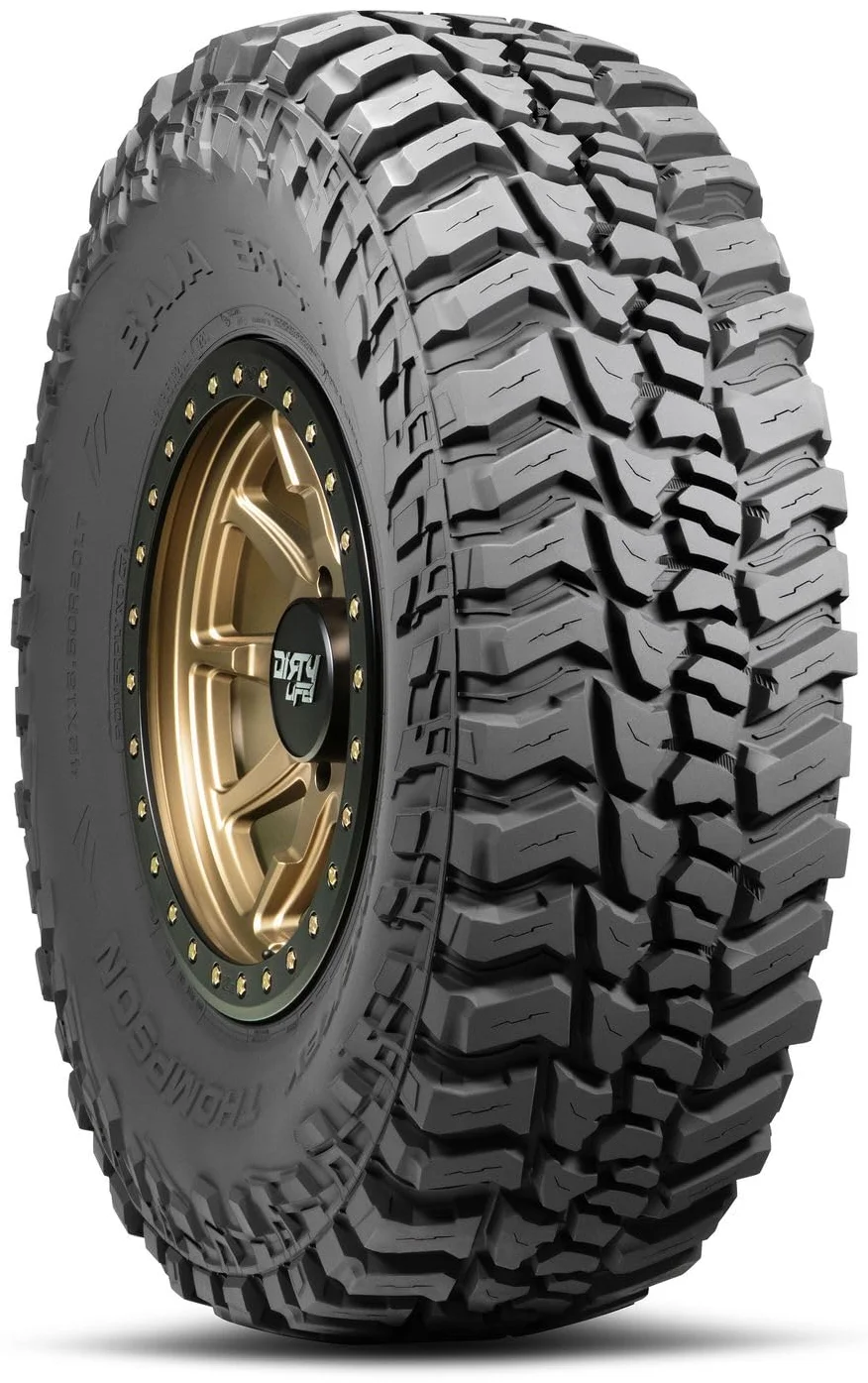
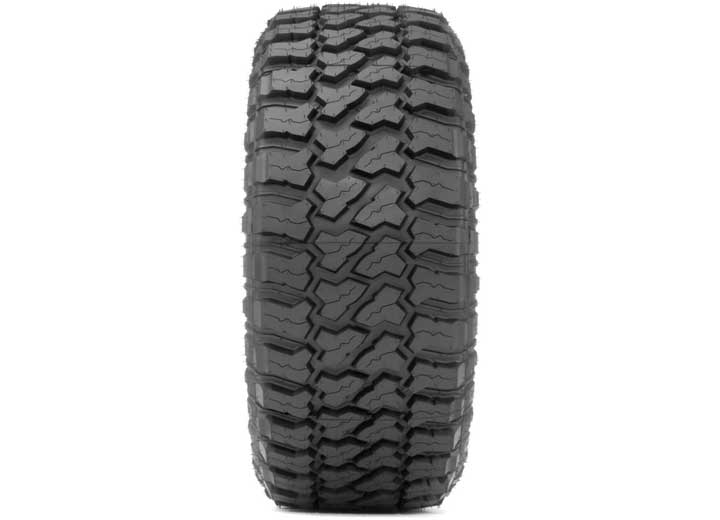
Like every tire size, 38 is a nominal number. Real mounted height often lands somewhat under 38 inches, and brand-to-brand variation is common because of differences in molds, tread depth and construction. Tall, aggressive lugs on mud-terrain designs tend to measure taller than all-terrain tread in the same size, and wheel width changes the tire's profile.
For builds where every half inch counts, compare the published overall diameter and section width for the exact tire model.
What It Takes to Run 38 Inch Tires
A 38 inch tire is a major build decision. Full-size trucks typically need a large suspension lift, often 6 inches or more, and many also need fender trimming or fender modifications. On Jeeps and other solid-axle rigs, 38s commonly call for significant lift, aftermarket fenders and careful attention to bump stops so the tire does not hit the body at full compression.
Wheel offset and backspacing need careful planning, as does the drivetrain. Axles, steering components, ball joints and brakes all see more load. Our lift and leveling kit guide and off-road wheel guide cover the basics. Fitment varies widely, so research your specific vehicle and build.
Gearing, Load Range and Tread Choice
Regearing is generally considered necessary with 38s, and many builders also upgrade axle shafts and brakes. Most 38s are heavy LT tires in Load Range D, E or F. Expect a substantial drop in fuel economy and more effort for steering and braking.
The speedometer reads low as well: from a 35 to a 38, the change is about 8.6 percent, so an indicated 60 mph is roughly 65 mph actual. From a 33, it is about 15 percent, close to 69 mph actual.
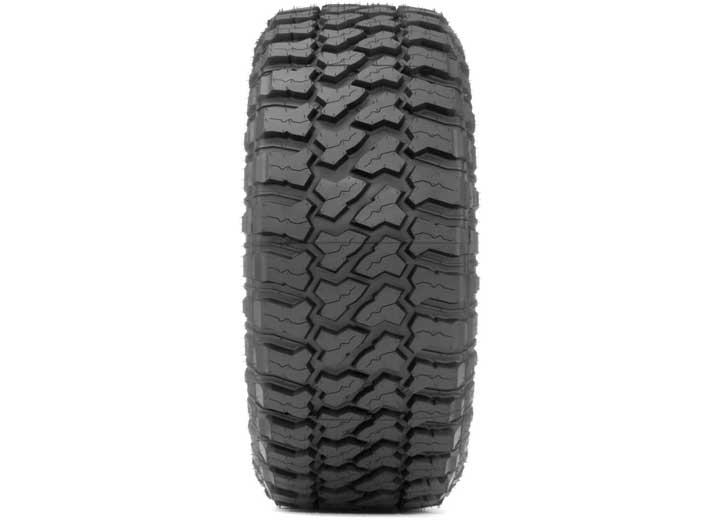
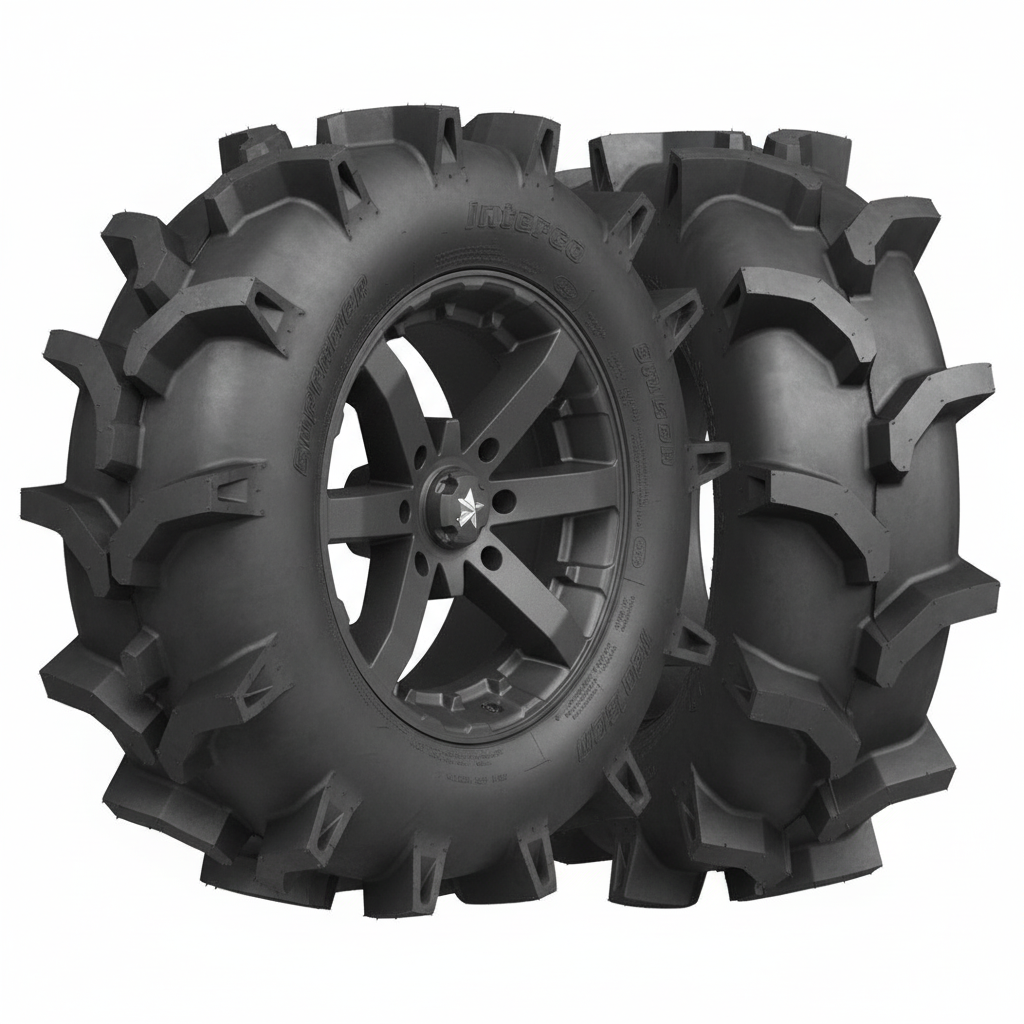
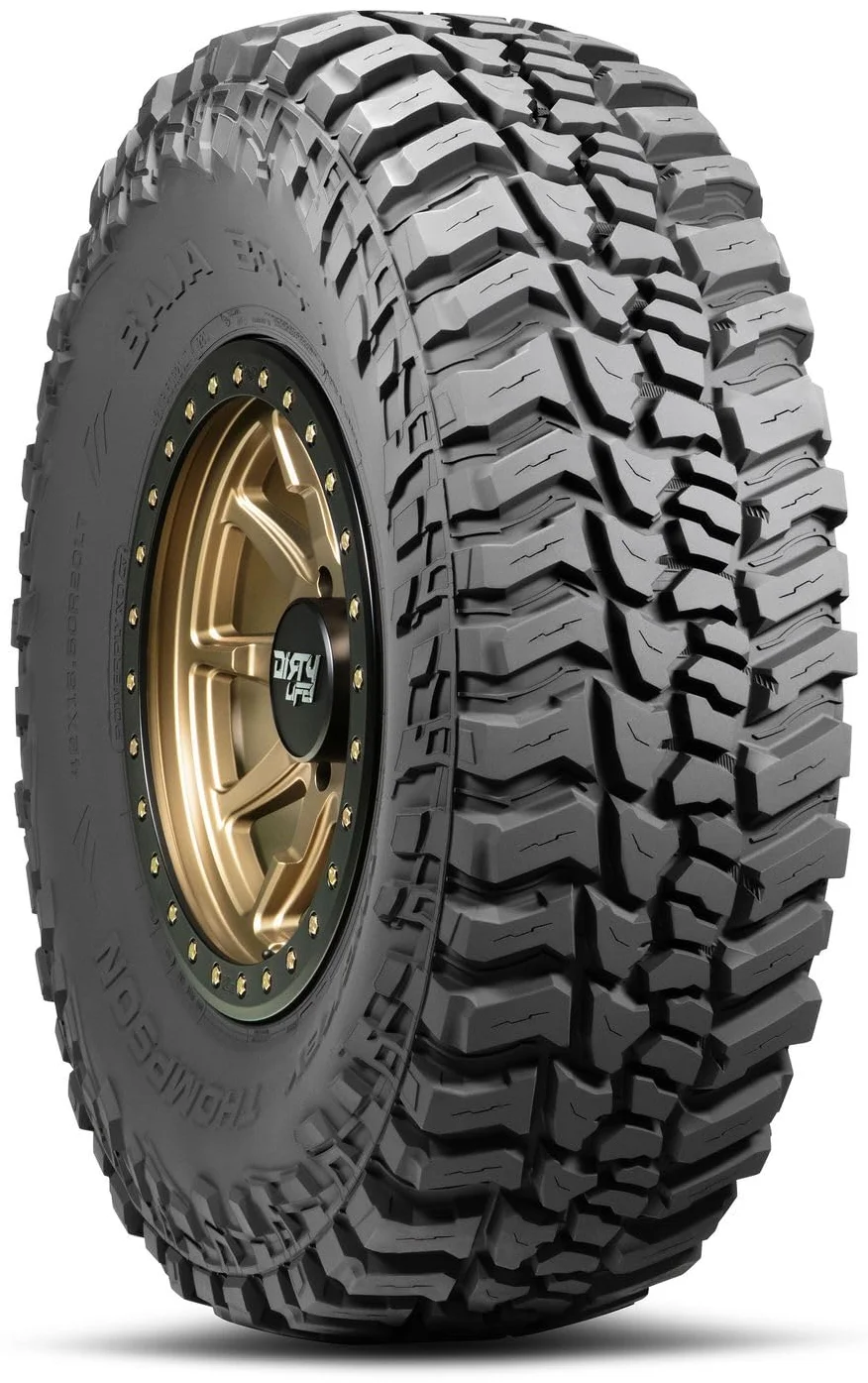
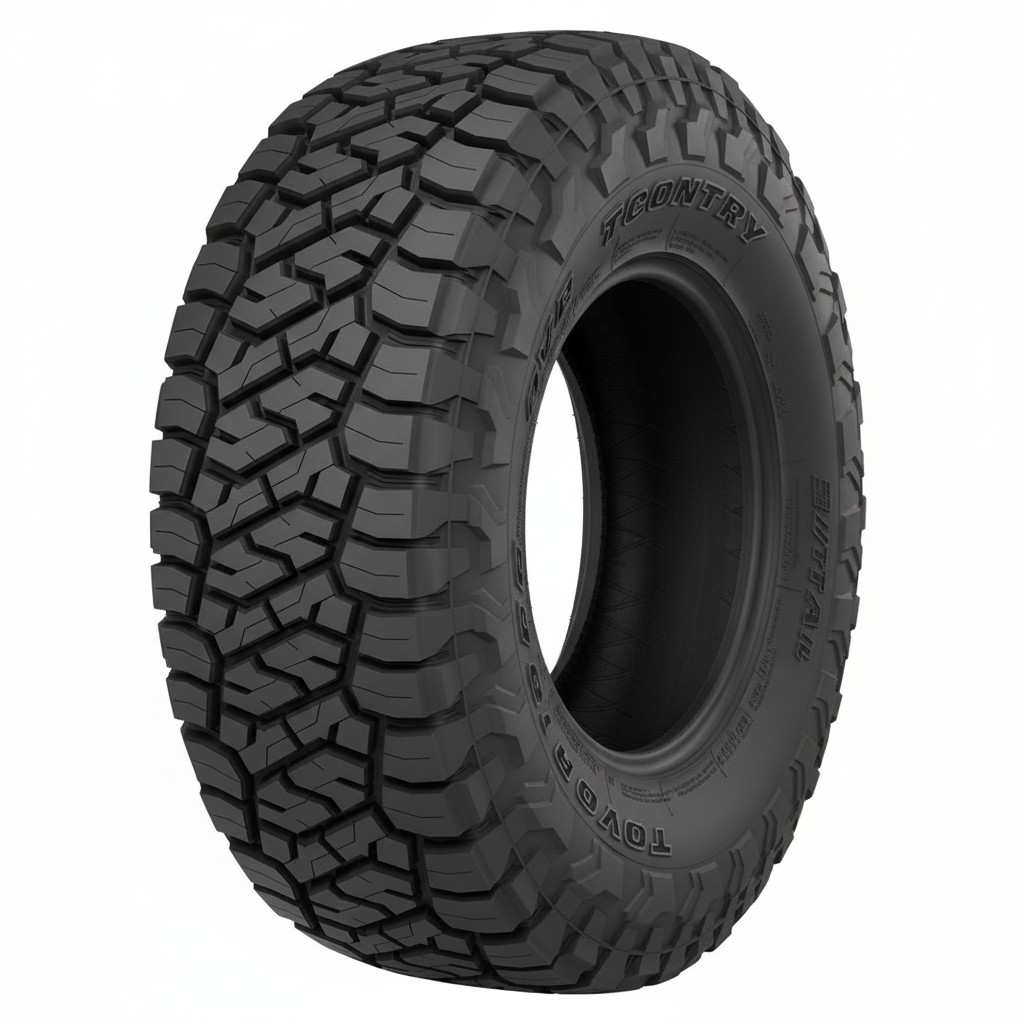
Most 38s are mud-terrain tires built for mud, rock and deep trail use, though some all-terrain tires and rugged-terrain designs are made in this size. Compare options in our truck and SUV tires section.