Rigging a boat or kayak for fishing comes down to putting the right hardware in the right place: rods where you can reach them and where a strike will not pull them overboard, downriggers that hold depth without fouling, and electronics mounted so the transducer reads clean and the screen stays visible. Get the mounting wrong and you lose gear, get poor sonar returns or crack a deck.
This guide walks through the four main decisions: which rod holder style fits your boat, how to set up downriggers and size the weight, how to mount a transducer or fish finder, and how to mount radar, antennas and phones. Brands we carry include Scotty, Railblaza, YakAttack, C.E. Smith, Taco, Sea Dog and Whitecap for rod holders and mounts, Cannon and Extreme Max for downrigger weights, Raymarine, Furuno, Lowrance and Humminbird for transducers and adapters, and Scanstrut for radar towers, mast mounts, cable seals and ROKK phone mounts.
Rod holder styles compared
| Style | How it mounts | Best for | Trade-offs |
|---|---|---|---|
| Flush mount | Set into a hole cut in the gunwale or deck | Permanent trolling and storage spots on fiberglass and aluminum boats | Requires cutting; check for wiring, foam or hull structure below first |
| Clamp-on rail | Clamps around a bow or stern rail tube | Pontoon boats, center consoles with rails, no drilling | Must match the rail diameter exactly |
| Track or port mount | Locks into a gear track or a small screw-down base | Kayaks and small boats where you move gear around | Lighter duty than a flush mount for big offshore fish |
| Rack or tube | Bolts to a console, T-top or bulkhead | Storing several rods vertically out of the way | Storage only; not meant to fight a fish |
Flush mounts such as the C.E. Smith 15 degree stainless holder and the Sea Dog flush mount are the classic choice. The angle matters: a shallower angle points the rod more upright for storage and casting access, a steeper angle lays it out wider for trolling. Before you cut, confirm the depth of the holder will clear whatever is under the gunwale, and seal the cutout so water cannot wick into the core of a cored deck.
Clamp-on holders from Taco Metals and C.E. Smith are sized by rail outside diameter, commonly 1 inch to 1.25 inch or 1.5 inch. Measure your rail with calipers or a tape before ordering. Taco's 316 stainless adjustable holder suits saltwater use, while aluminum models save weight.
Kayak and small boat holders work best on a modular system. Railblaza uses a small StarPort or MiniPort base that accepts many accessories, and Scotty uses its own mount and side deck bracket. YakAttack's Tethertube and the Railblaza rod tube give you secure vertical storage behind the seat. If you also need a way to carry the boat, see our kayak racks guide.
Downriggers and choosing the right weight
A downrigger lowers a heavy weight (often called a cannonball) on a steel cable to a set depth. Your line clips to a line release near the weight, so the lure runs at that depth. When a fish strikes, the line pops free and you fight it on your rod with no weight attached.
Three pieces of hardware matter beyond the downrigger itself:
- The mount. Downriggers bolt to a gunwale plate, a rail mount or a side bracket. The Scotty right angle side bracket and the Cannon rail side mount let you position the boom where it clears the hull and other lines. Mount on solid structure and add a backing plate where the maker calls for one.
- The weight. Heavier weights hang more vertically and track depth better in current and at faster trolling speeds. Lighter weights are easier on the downrigger motor and on you. Many small boat anglers fish in the 4 to 8 lb range, and deeper water or faster trolling often calls for 10 lb or more. Always check the weight rating of your downrigger and mount.
- Releases and retrievers. A release such as the Cannon offshore saltwater line release sets how hard a strike must pull before the line frees. The Cannon Retro-Ease retriever helps you recover a weight if a cable breaks or the weight needs to come off.
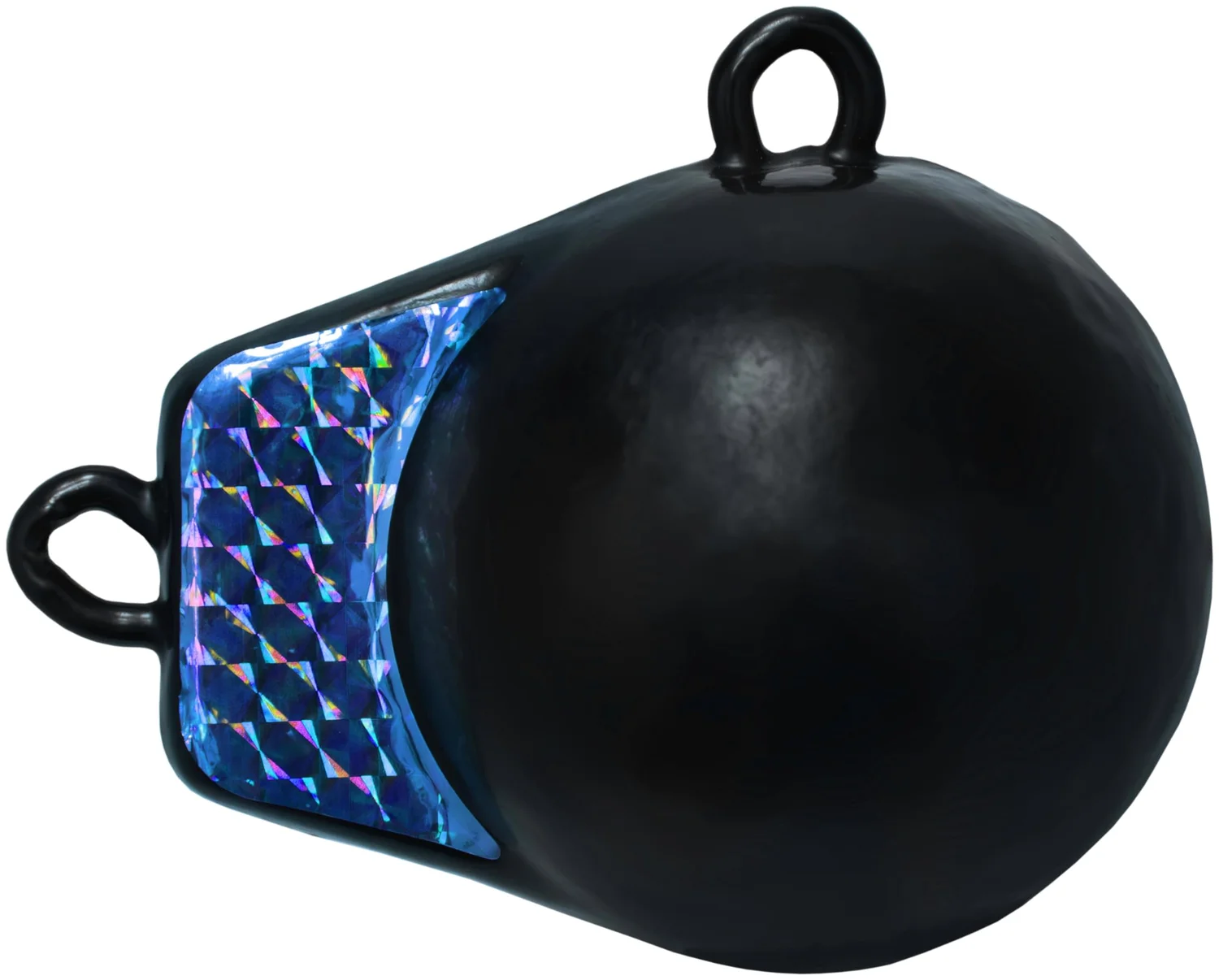
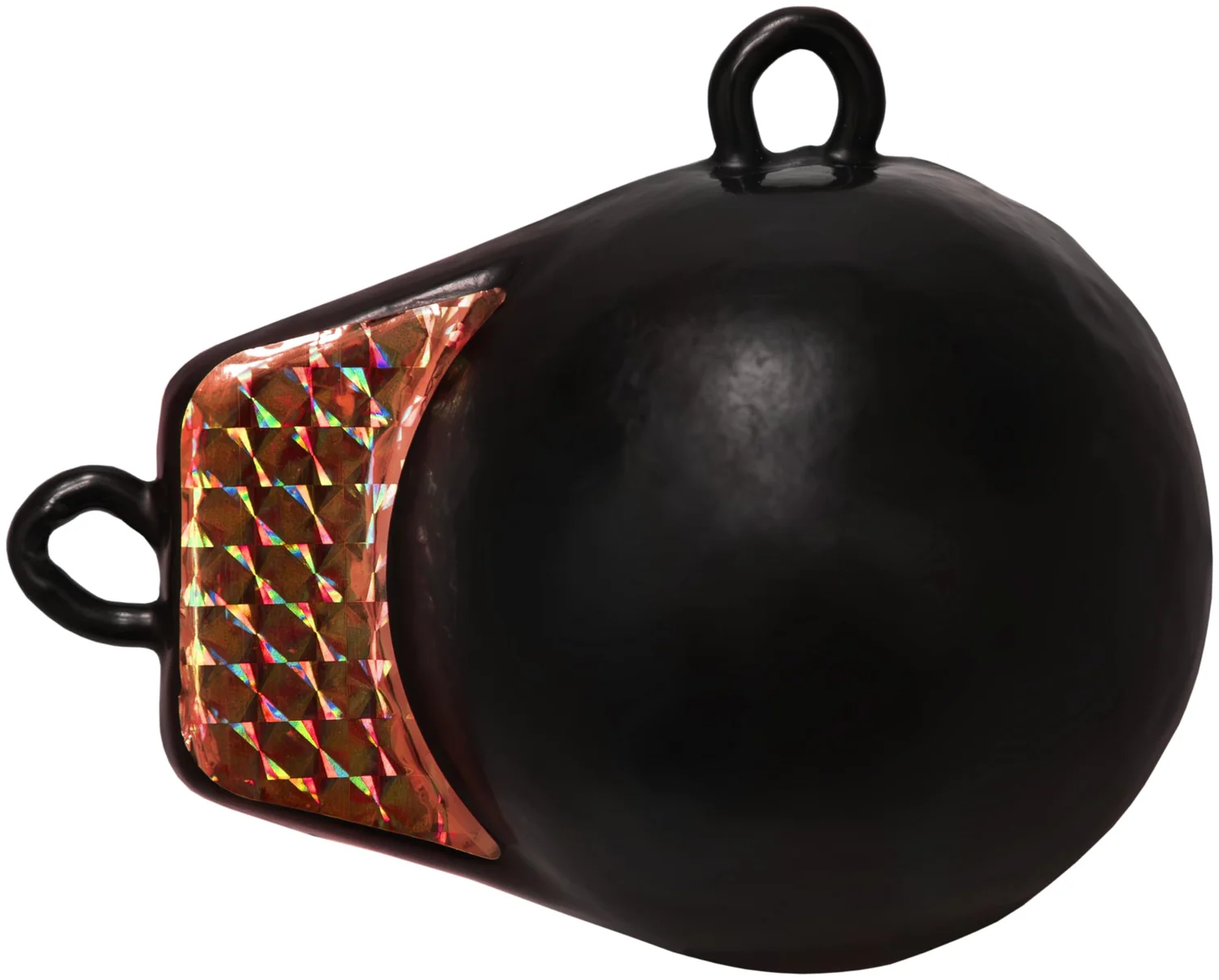
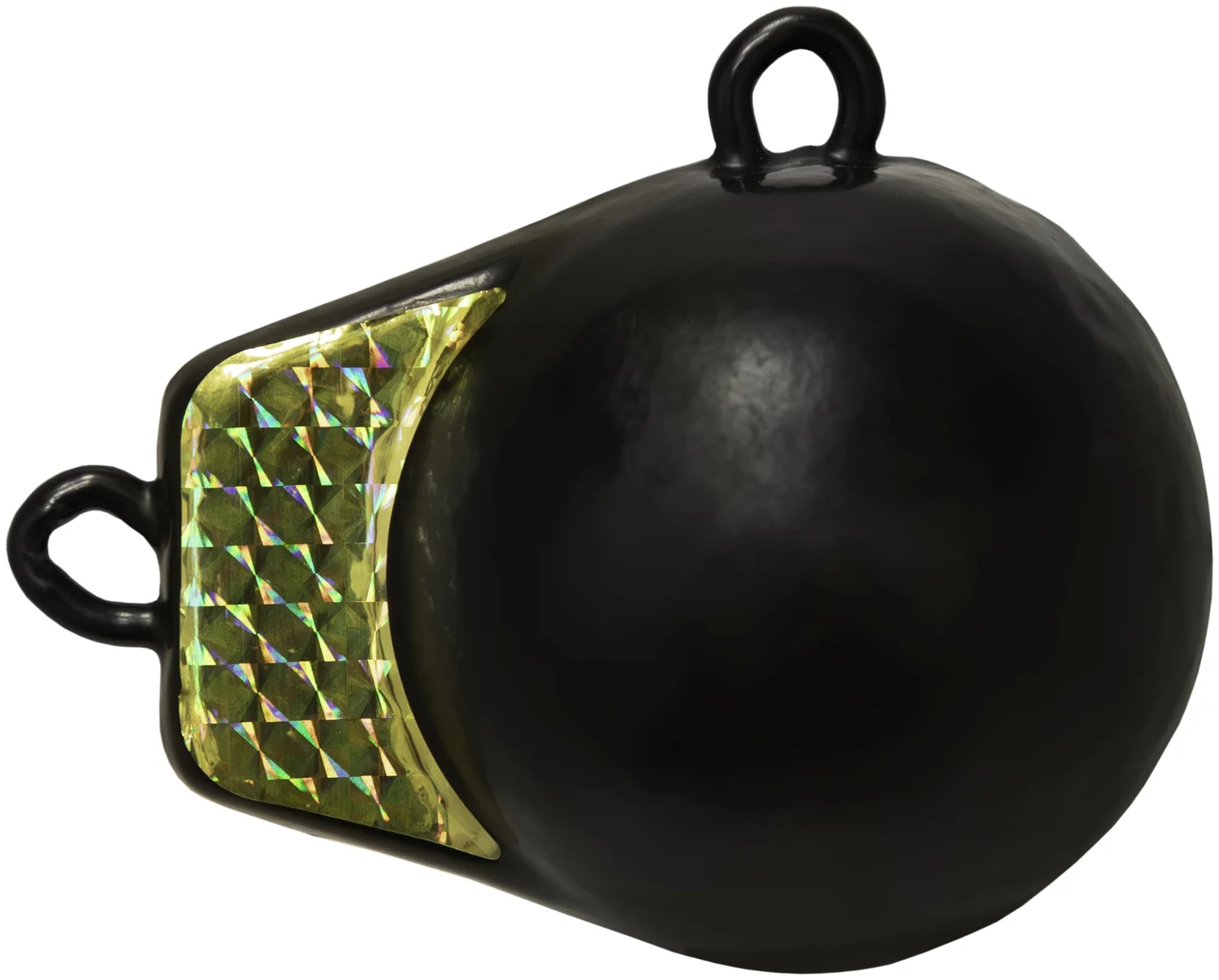
Weight shape: plain round balls are simple and cheap. Finned or flash weights, like the Extreme Max coated ball with fin and the Cannon flash weights, track straighter with less spin, and the flash finish is meant to add attraction. Coated weights also help protect the boat's finish when the ball swings near the hull.
| Situation | Typical starting weight |
|---|---|
| Small inland lakes, slow trolling, shallow sets | 2 to 6 lb |
| General lake and bay trolling | 6 to 8 lb |
| Deep sets, current or faster trolling | 10 lb and up |
These are rough starting points. The best weight is the one that holds the depth you want at your speed with a manageable cable angle.
Transducers and fish finder mounts
The transducer is the part of your sonar that sends and receives the signal, and how it is mounted affects the picture more than most anglers expect. There are three common approaches:
- Transom mount. Bolts to the back of the hull, below the waterline. Easy to install and service, and the most common choice on trailer boats. Raymarine's RealVision 3D and RVM-100 and the Furuno 525STID-PWD are examples. The transducer needs clean, unbroken water flow, so keep it away from strakes, rivets and the prop wash.
- Thru-hull. Installed through a hole in the hull, often with a fairing block. Best performance at speed and in deeper water, as with the Furuno 526TID bronze low profile unit, but it is a permanent install that should be done carefully and is often left to a marine shop.
- Trolling motor or bracket mount. A Rig Rite trolling motor transducer bracket or a jack plate L bracket puts the transducer where you actually fish. Transducer armor plates protect side imaging units from stumps and rocks.
Compatibility is the trap. Transducers are not universal. Connectors, frequencies and power ratings differ by brand and series. Adapter cables like the Humminbird 9-pin side imaging adapter and the Lowrance Uniplug unit adapter exist to bridge specific combinations, so check your display model and the transducer's listed compatibility before buying.
For the screen itself, a ball or quick-release mount such as the Railblaza R-Lock fish finder mount or a Scotty ball mount with universal plate lets you swivel the unit toward you and remove it for storage. Run cables through a proper cable seal, not an open hole in the deck.
Radar, antenna, Starlink and phone mounts
Larger boats need a stable, elevated place for radar domes, antennas and satellite dishes. Scanstrut specializes in this: the PowerTower lifts a radome above the windshield or hardtop, base wedges correct for a sloped mounting surface so the radar sits level, and mast mounts like the SC20 attach radomes to a sailboat mast. The self-levelling LMM-1 keeps a dome radar level as the boat heels, mainly for sailboats. The SCSL01 wedge is sized for a Starlink Flat High Performance dish. Match the mount to your exact radar or dish model and its weight, and check the mounting surface can take it.
Cable seals are cheap and often skipped. Every cable that passes through a deck or hardtop is a leak path. Scanstrut DS series seals come in plastic and stainless and in single, double and multi-cable versions; pick by the number and diameter of the cables you are running.
Phones and tablets: the Scanstrut ROKK line includes universal phone and tablet clamps plus waterproof wireless chargers, and FLIP and Ventura series USB sockets add charging at the helm. If you want a phone-specific mount for a bike, car or boat, our Quad Lock phone mounts guide covers that system. Running more electronics means more draw on your batteries; see our marine battery chargers guide to keep up.