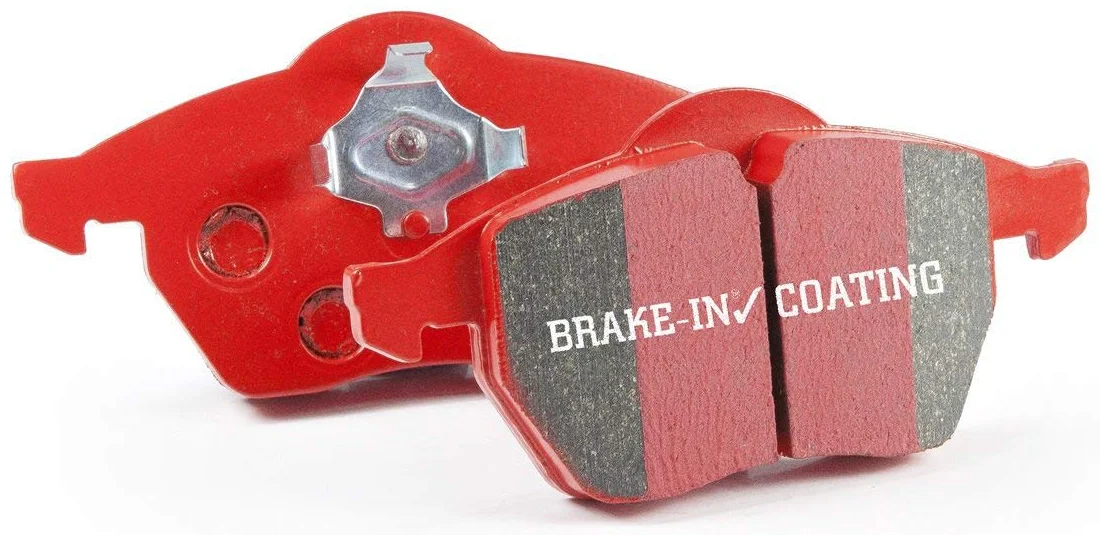
Brake pads and rotors are wear parts. Every stop turns speed into heat by pressing friction material against spinning iron, and both slowly wear away. Choosing replacements comes down to how you drive: a daily commuter, a half-ton that tows a camper and a weekend track car all want different pads, and sometimes different rotors.
We stock pads from Brembo, Power Stop, Hawk, Hella Pagid, Wagner and R/M Brakes, rotors from Brembo, Raybestos, Hella and Hawk, complete kits from Power Stop and Wilwood, and calipers, hardware, grease and sensors to finish the job. This guide explains pad types, rotor styles, when to replace each, and how to choose upgrades that make sense.
Brake pad types: ceramic, semi-metallic and more
The friction compound is the biggest choice you'll make. Each type balances noise, dust, bite, heat tolerance and rotor wear differently.
| Pad type | Strengths | Tradeoffs | Good for |
|---|---|---|---|
| Ceramic | Quiet, low dust, long life, smooth feel | Generally less heat capacity than metallic for heavy use | Daily drivers, commuters, most cars and crossovers |
| Semi-metallic | Strong bite, handles heat well | More dust and noise, can wear rotors faster | Trucks, towing, spirited driving |
| NAO / organic | Quiet and gentle on rotors | Wears faster, less heat tolerance | Light, everyday cars |
| Truck and tow formulas | Built for heavy loads and repeated stops | May be a bit noisier or dustier than economy ceramic | Half-tons and heavier that tow or haul |
| Race / track | Very high heat tolerance | Often noisy, dusty and poor when cold; many are not intended for street use | Track days and racing only |
A few in-stock examples: Brembo offers NAO ceramic and ceramic street pads for a long list of cars, trucks and SUVs, plus Sinter SA sintered pads for powersports. Power Stop's Z17 Evolution line is a ceramic daily-driver pad, Z23 Evolution Sport adds a carbon-fiber infused ceramic for sportier driving, and Z36 Truck and Tow is aimed at pickups and SUVs that tow. Hawk DTC pads are racing compounds. For more detail, read ceramic vs semi-metallic brake pads.
Whatever you choose, buy pads for your exact year, make, model and axle (front and rear pads are different), and replace them in axle sets, both sides at once.
Rotors: blank, drilled, slotted and coated
Most drivers are best served by a quality blank (smooth) rotor that matches the original design. It has the most iron mass for its size, wears evenly and is the most affordable. Upgrades exist for specific needs:
- Slotted rotors have grooves that help clear gas, dust and water from the pad face. They're popular on trucks that tow and on performance cars.
- Drilled rotors (or drilled and slotted, like the Hawk Performance rotors we carry) shed heat and water and look great behind open wheels, but under very hard track use drilled holes can be a starting point for cracks.
- Coated rotors, such as Brembo UV Coated and Raybestos Element3, have a protective finish on the hat and vanes to resist rust, which keeps them looking clean behind open-spoke wheels.
- Two-piece rotors, like Hella's high-carbon BMW rotors, pair an iron friction ring with a separate hat to save weight and manage heat.
See drilled vs slotted vs blank rotors for the full comparison.
When to replace rotors. Every rotor has a minimum thickness, usually cast or stamped on it. Replace it if it's below that number, or if it's cracked, deeply grooved, heavily rusted or causing a pulsing pedal that machining can't fix. Many shops now replace pads and rotors together because new rotors are affordable and give new pads the best surface to bed into. Read resurfacing vs replacement and warped rotor symptoms.
When to replace pads, and when to upgrade
Pad life varies hugely with driving style, vehicle weight and pad compound. Signs it's time:
- A high-pitched squeal from a built-in wear indicator, or a dash warning on cars with wear sensors (replace the sensor when it's triggered; we stock Hella sensors for many Mercedes-Benz models).
- Grinding, which can mean metal-on-metal contact and rotor damage.
- Visible pad material that looks thin, often around 3 mm or less, though the exact replacement point depends on the vehicle and pad.
- Longer stopping distances, a soft pedal or pulling to one side, which can also point to calipers or fluid.
More in signs your brake pads need replacing and how long brake pads last.
Worth upgrading? If you tow, haul or drive mountain grades, a truck and tow pad with slotted rotors, or a complete kit like Power Stop's Z36 Truck and Tow kit, is a sensible step up. If brakes fade on the track, a big brake kit from Wilwood or Power Stop's Z23 upgrade kit with calipers adds rotor size and heat capacity. Big brake kits often require larger wheels for clearance, so check fitment first. See when a big brake kit is worth it and, for towing, brake fade on mountain roads.
Doing the job right: calipers, hardware and bed-in
Brakes are safety critical. If you're not confident doing the work, have a qualified shop do it. If you are, these steps separate a quiet, long-lasting brake job from a noisy one:
- Check the calipers. A sticking caliper wears pads unevenly and overheats rotors. Replacement calipers, like the remanufactured A1 Remfg units and the Raybestos calipers we carry, are an affordable fix. "Unloaded" calipers come without pads, so order those separately. See sticking caliper symptoms.
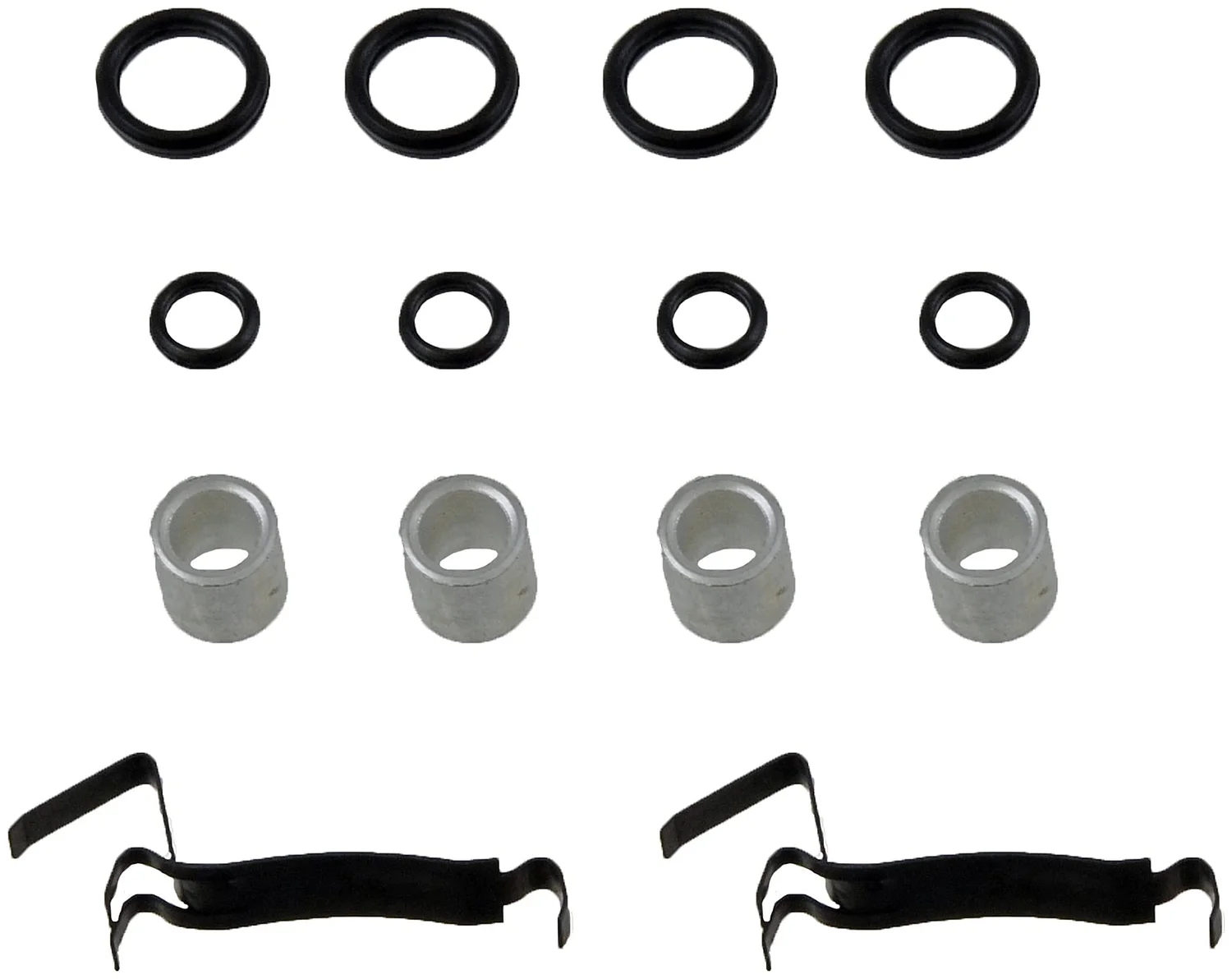
- Replace the hardware. Worn abutment clips and slide pins cause noise and uneven wear. Use the clips supplied with the pads or a hardware kit like Dorman's.
- Lubricate correctly. Use a brake-specific grease, such as CRC Sta-Lube synthetic brake and caliper grease, on slide pins and contact points. Keep all grease and fingerprints off the pad friction surface and rotor face.
- Torque to spec. Torque caliper bolts and lug nuts to the vehicle's specification, in the correct pattern.
- Bed in the pads. A series of moderate stops from speed transfers an even layer of pad material to the rotor. Follow the pad maker's procedure; our bed-in guide explains why it matters.
- Check the fluid. Brake fluid absorbs moisture over time. See when to change brake fluid.
Want to dress up the calipers too? MGP caliper covers are a cosmetic add-on for specific vehicles, and they don't change braking performance.