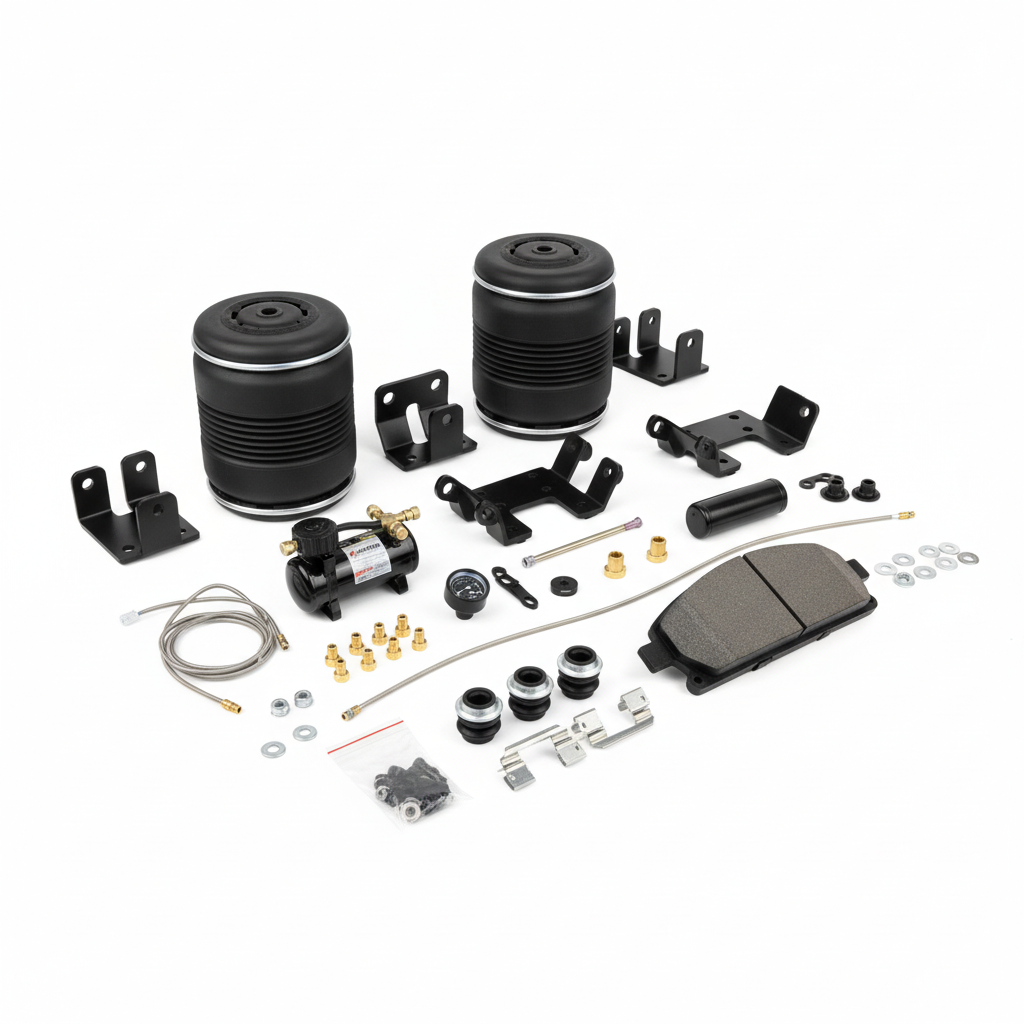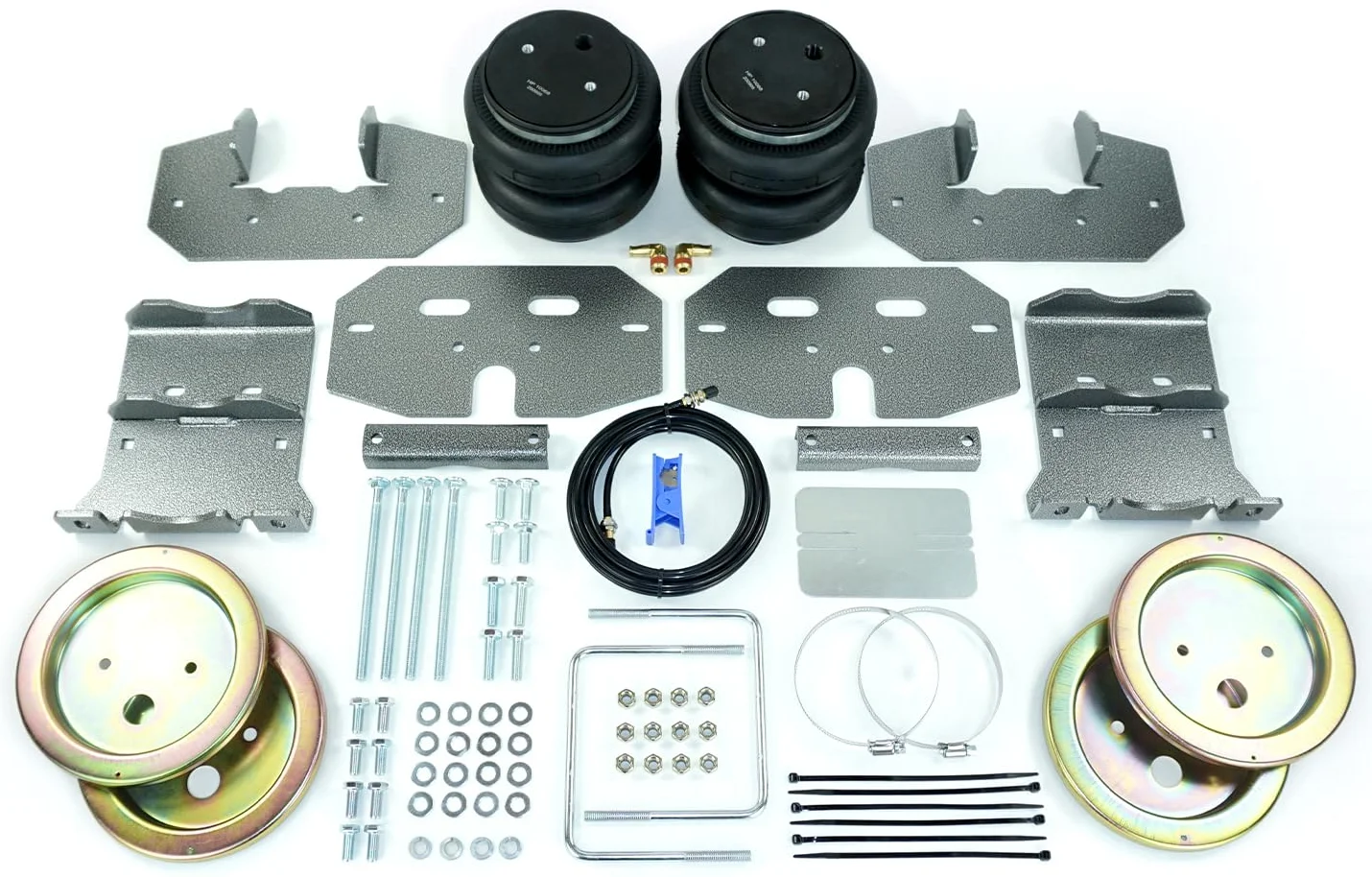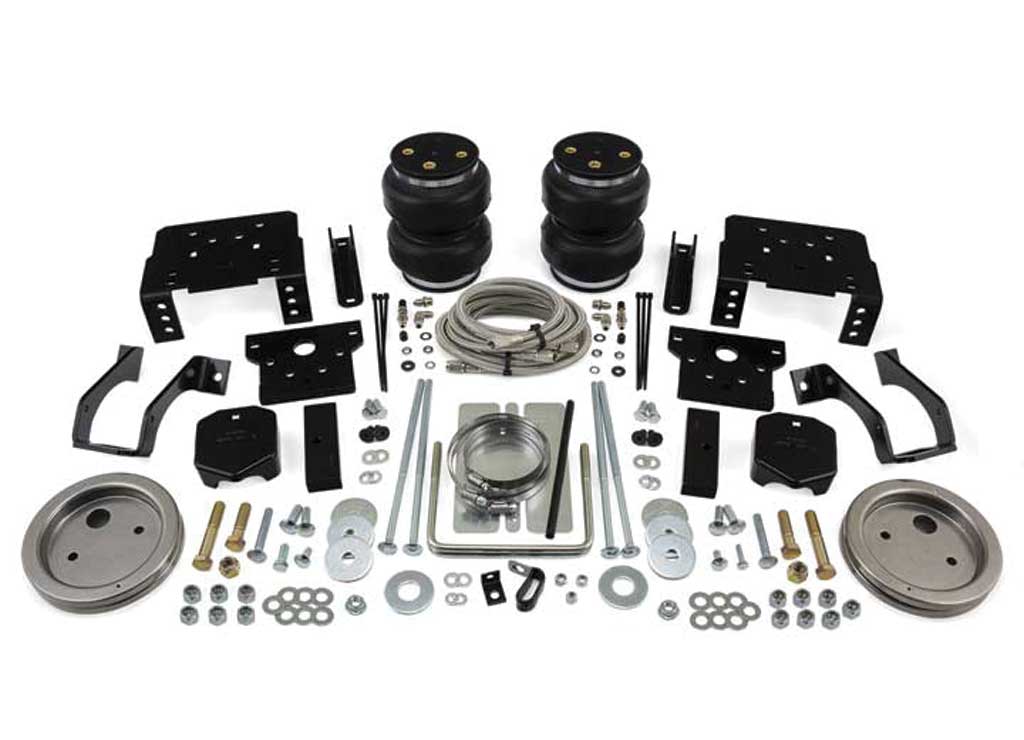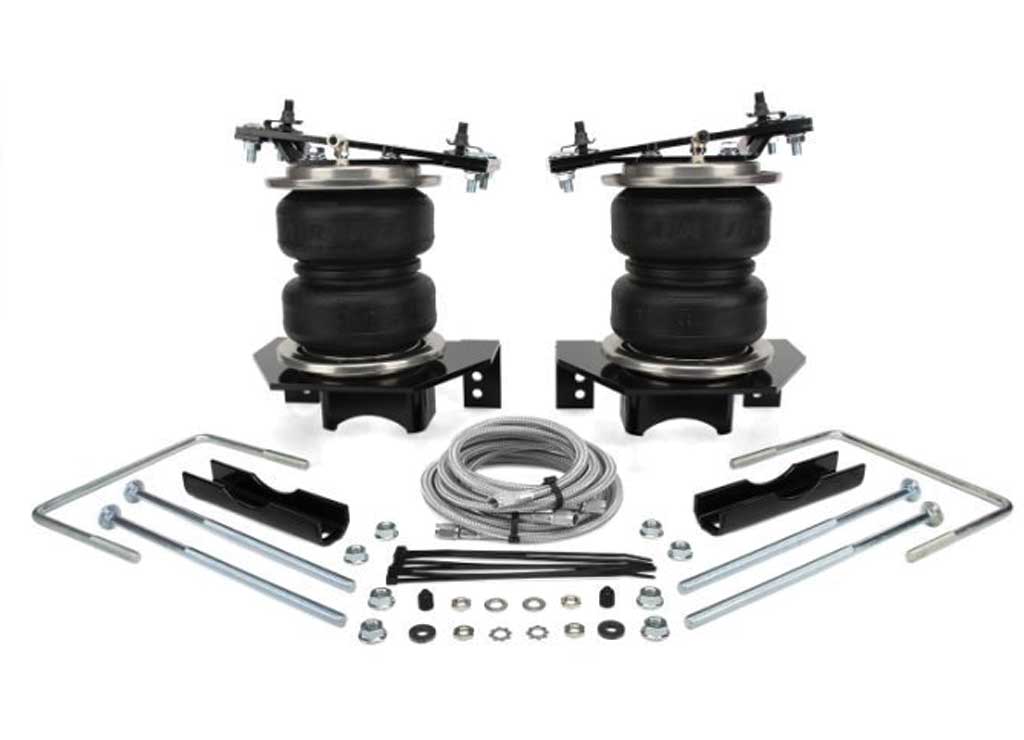
Put a heavy camper on the hitch, a slide-in camper in the bed or a load of tools in a work van, and the rear suspension squats. The headlights aim high, the front end gets light, and the truck can wallow and sway in corners. Helper springs add support to the factory suspension so the vehicle sits closer to level and stays more stable under load, then stay mostly out of the way when it's empty.
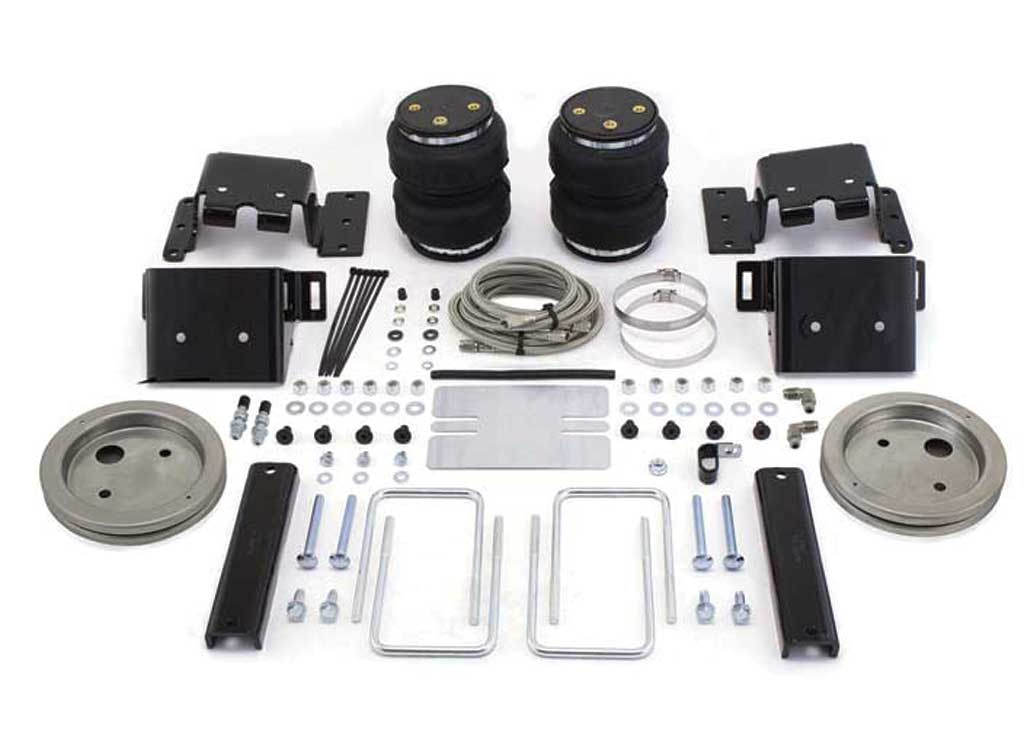
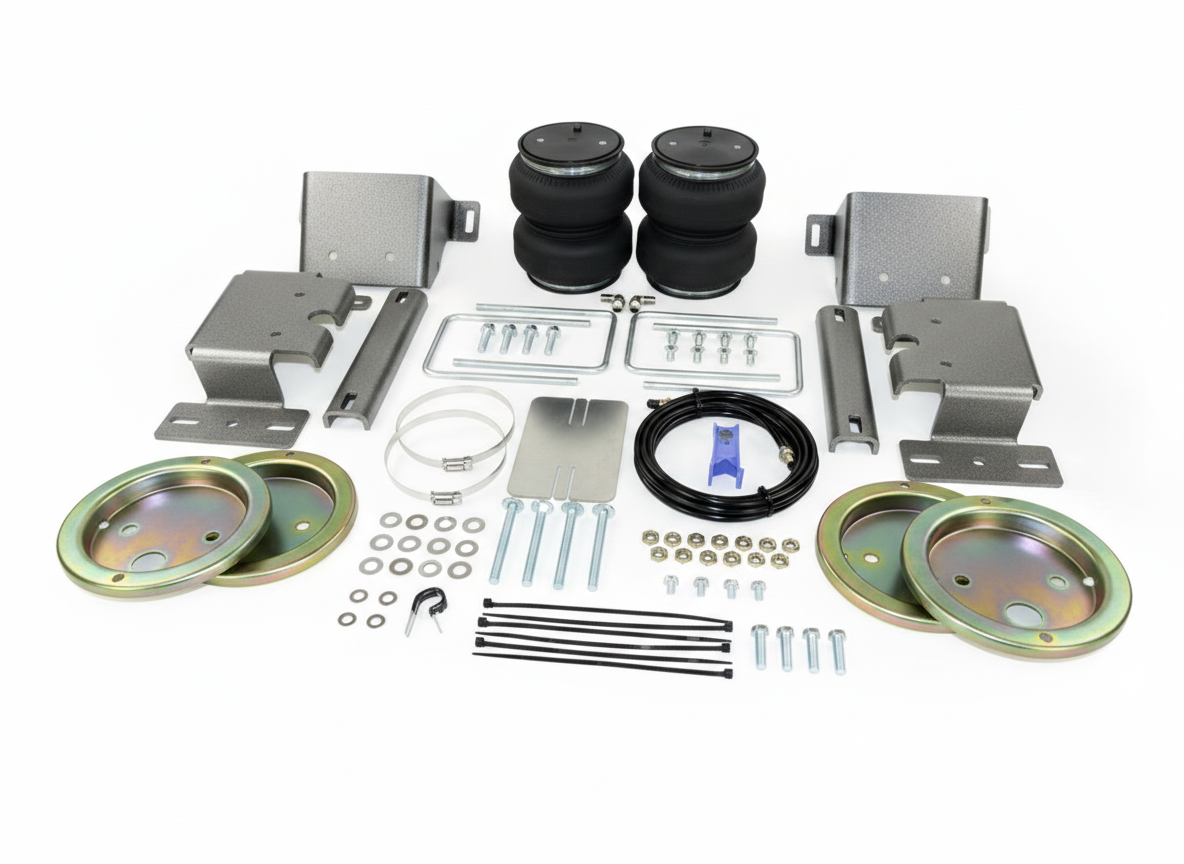
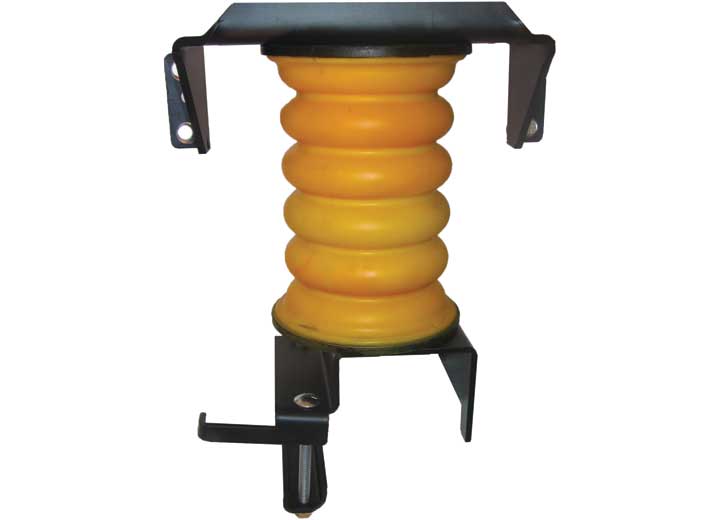
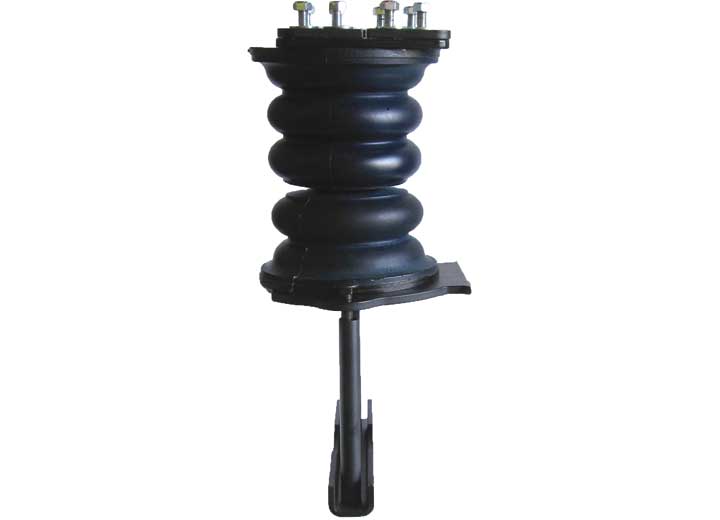
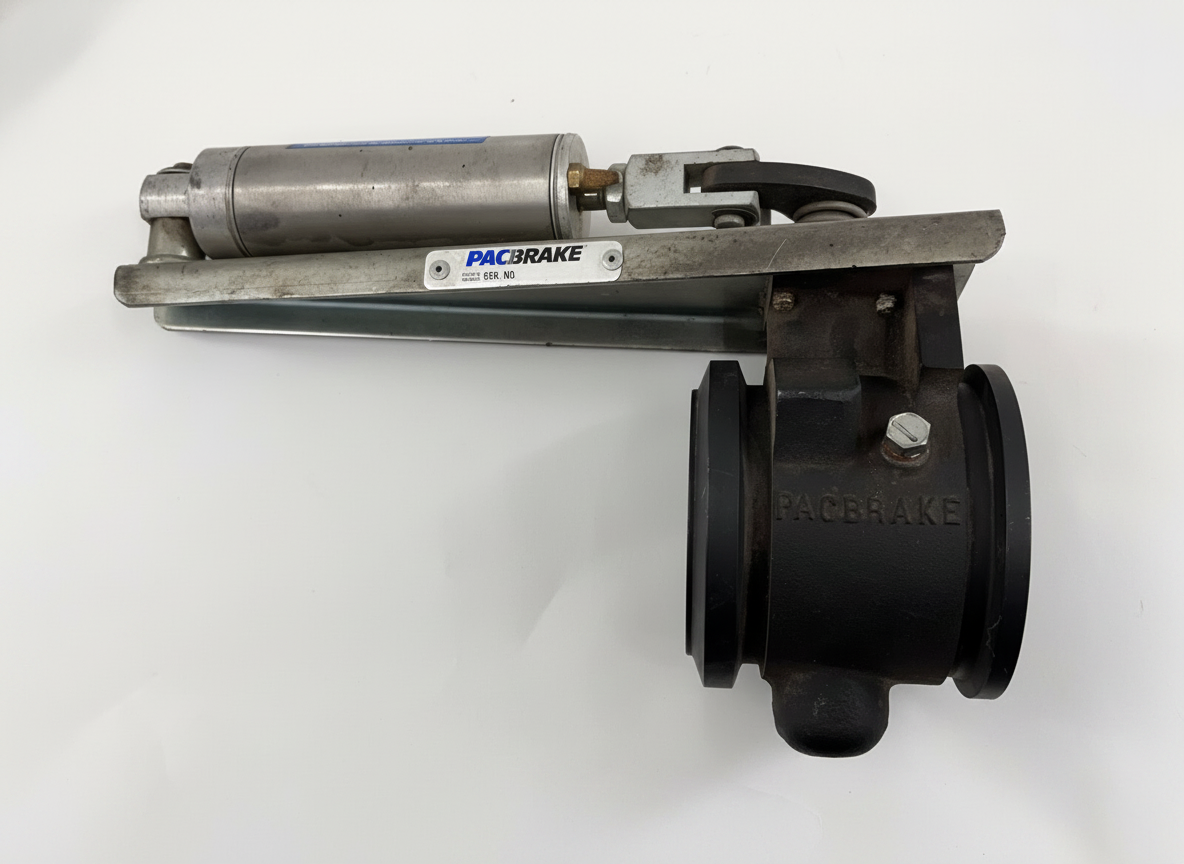
We stock three main types: air springs (often called air bags) from Air Lift, Firestone Ride-Rite and Pacbrake, SumoSprings from SuperSprings, and leaf helper springs from Hellwig and SuperSprings, plus replacement air springs, spacers and fittings. This guide explains how each type works, what they can and can't do, and how to choose.
What helper springs do, and what they don't
Helper springs are about ride height, stability and comfort under load. A good kit can level the vehicle, cut body roll and sway, reduce bottoming out, and keep headlight aim and steering feel closer to normal.
What they don't do is raise your vehicle's payload, GVWR, rear axle rating or towing capacity. Those ratings come from the axle, frame, brakes, wheels and tires, not just the springs. A truck that sits level on air bags can still be overloaded, so weigh your rig and stay within the numbers on the door sticker. Check your tires too; see tire load index explained.
For bumper-pull campers, helper springs work alongside a weight distribution hitch, not instead of one. The WD hitch moves tongue weight forward to the front axle; helper springs support what stays on the rear. If your manual calls for weight distribution, you still need it.
Air bags vs SumoSprings vs leaf helpers
| Type | How it works | Best for | Examples in stock |
|---|---|---|---|
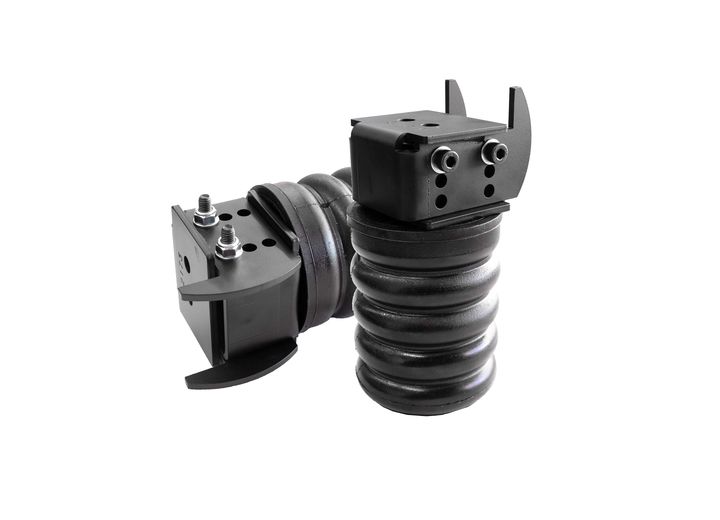
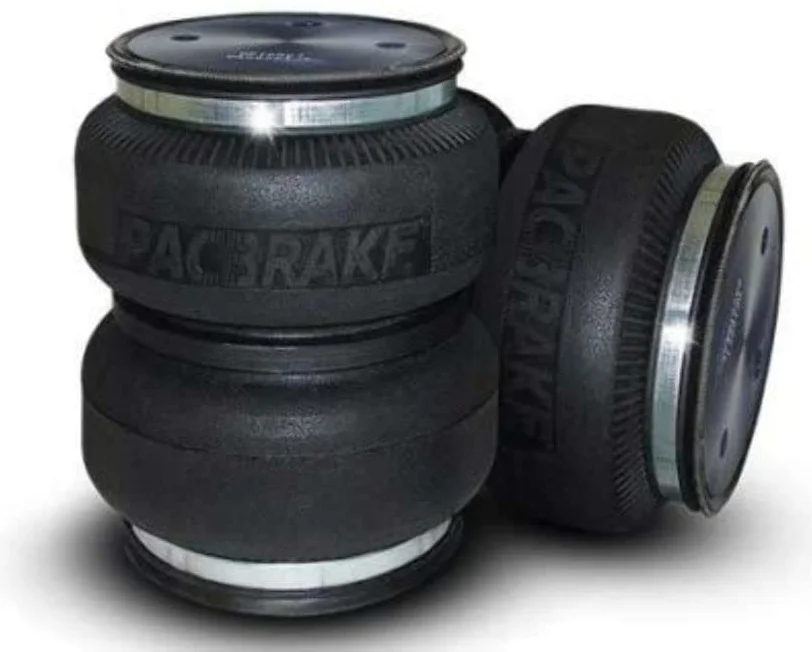
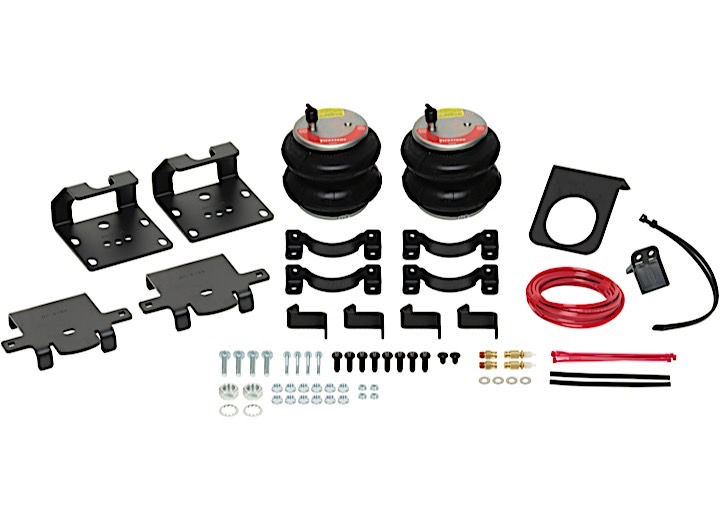
| Air springs (bellows) | Rubber air bags between frame and axle; you set support by changing air pressure | Loads that vary a lot, travel trailers, fifth wheels, slide-in campers | Air Lift LoadLifter 5000, Firestone Ride-Rite, Pacbrake Alpha HD and HD Pro |
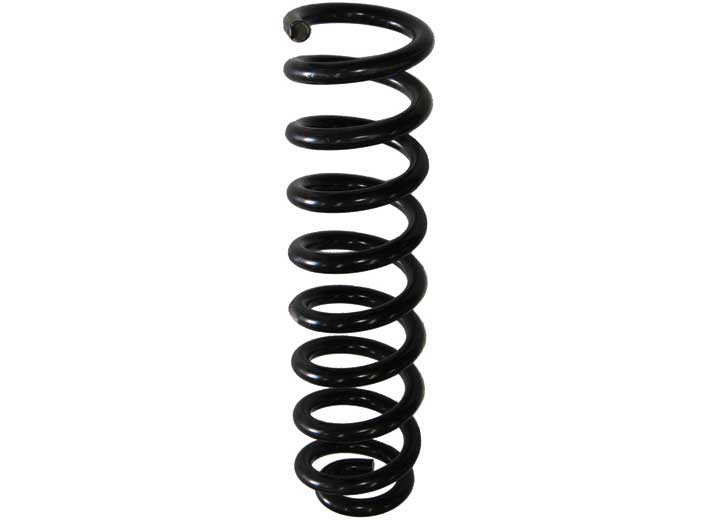
| In-coil air springs | Air bladders that sit inside the factory coil springs | Coil-sprung rear suspensions and SUVs | Pacbrake Alpha SD in-coil |
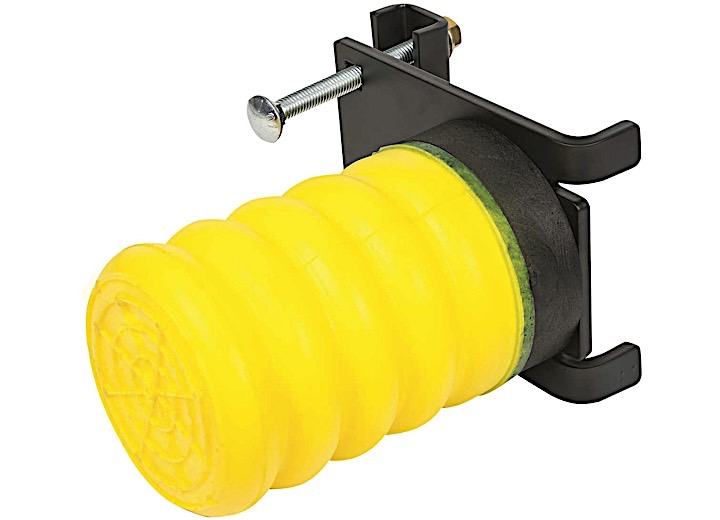
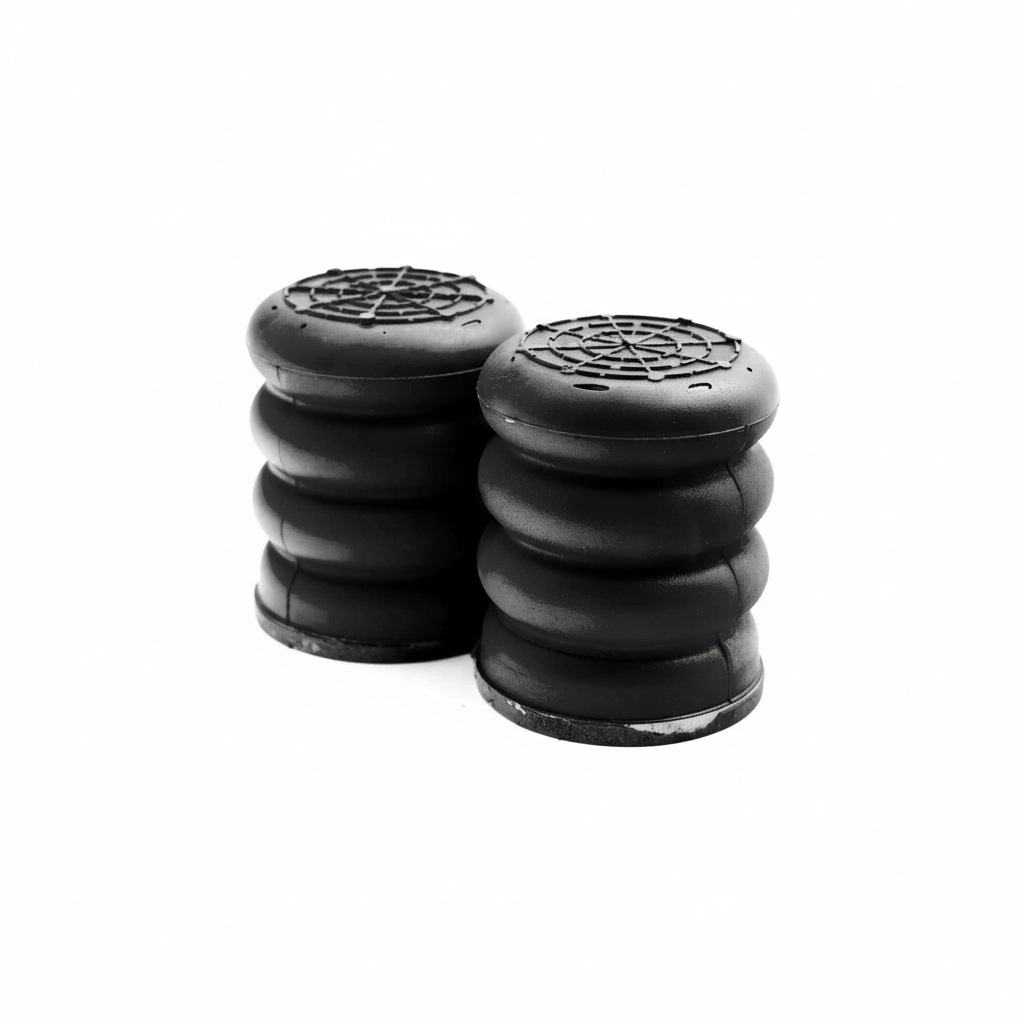
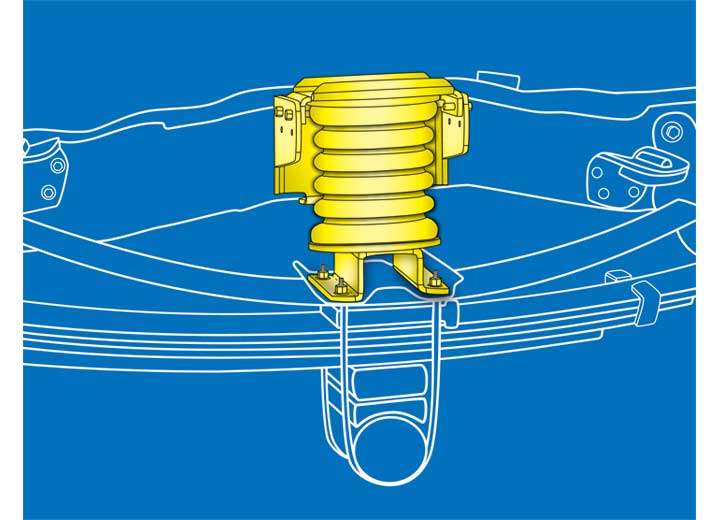
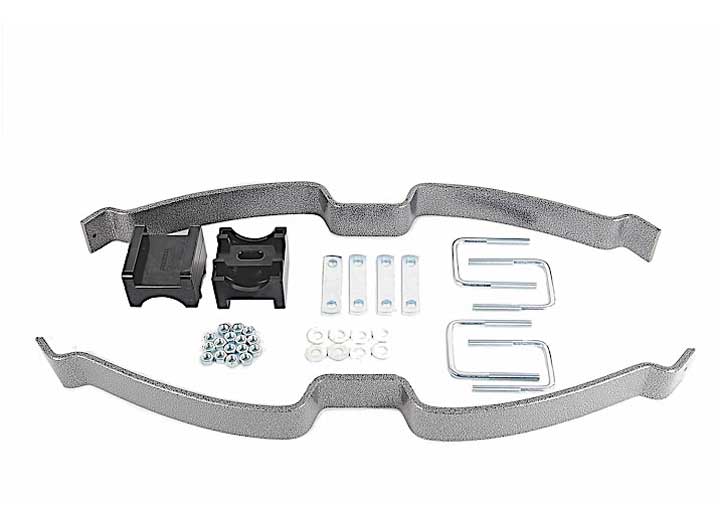
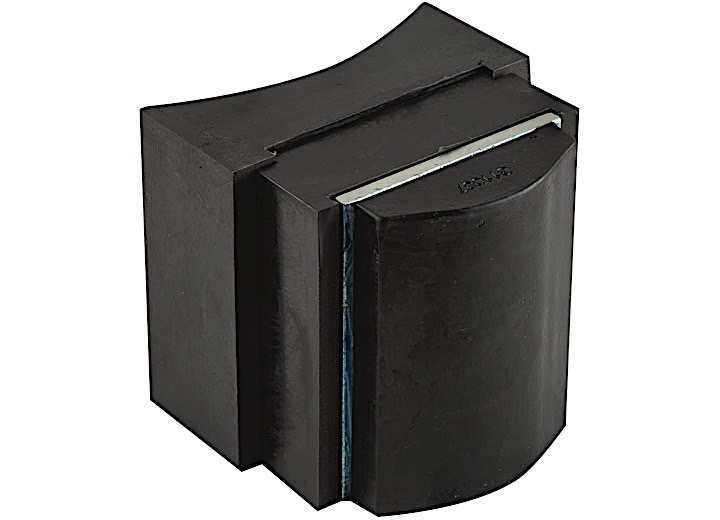
| SumoSprings | Microcellular urethane blocks that compress progressively; no air to manage | Set-and-forget support, work vans, daily drivers that tow sometimes | SumoSprings for F-150, Super Duty, Transit, ProMaster, Wrangler JL |
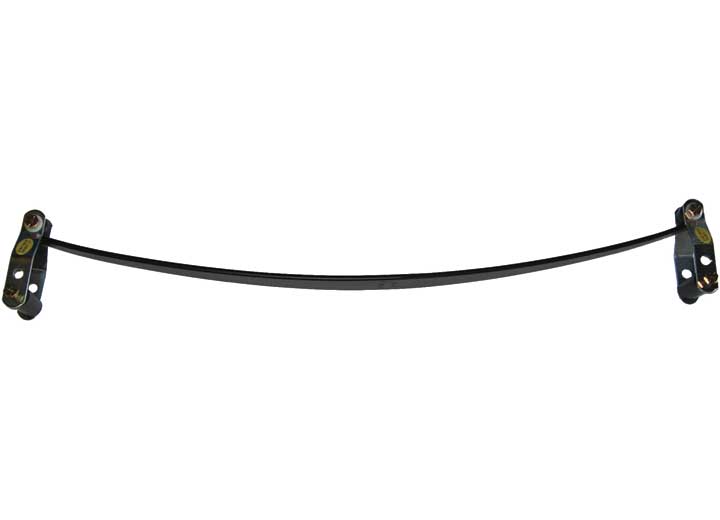
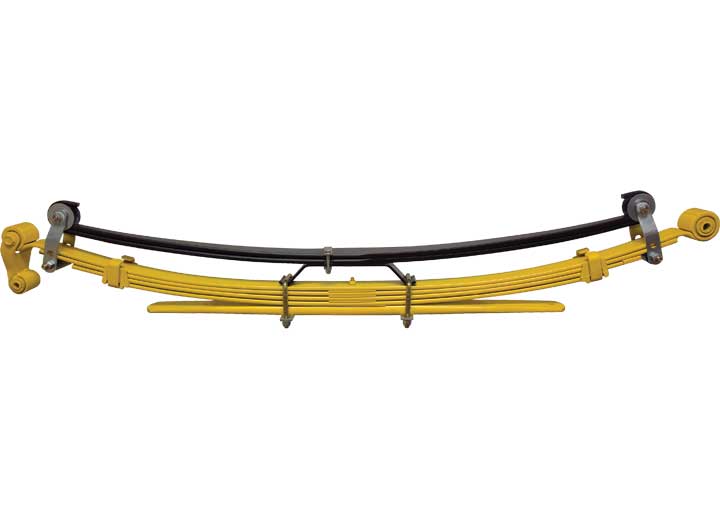
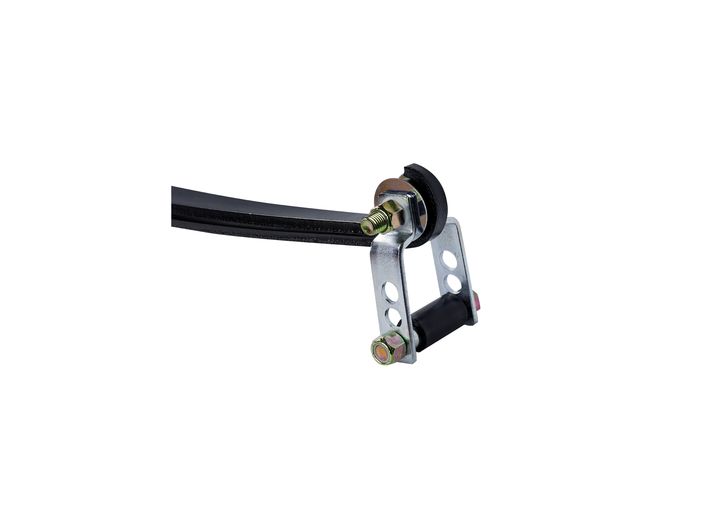
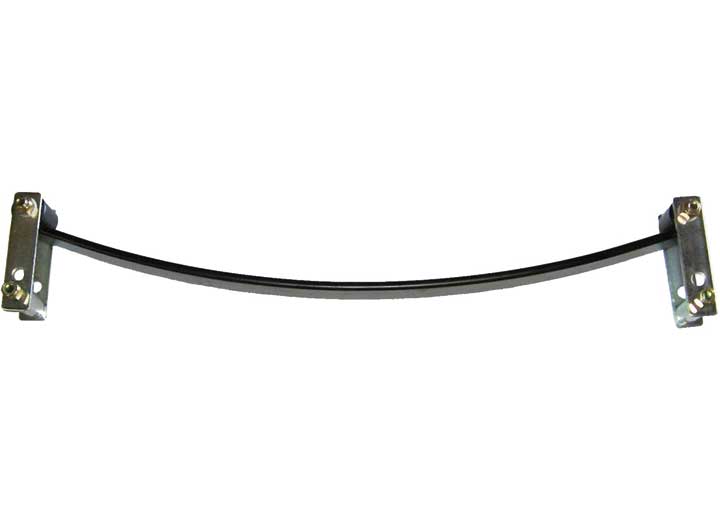
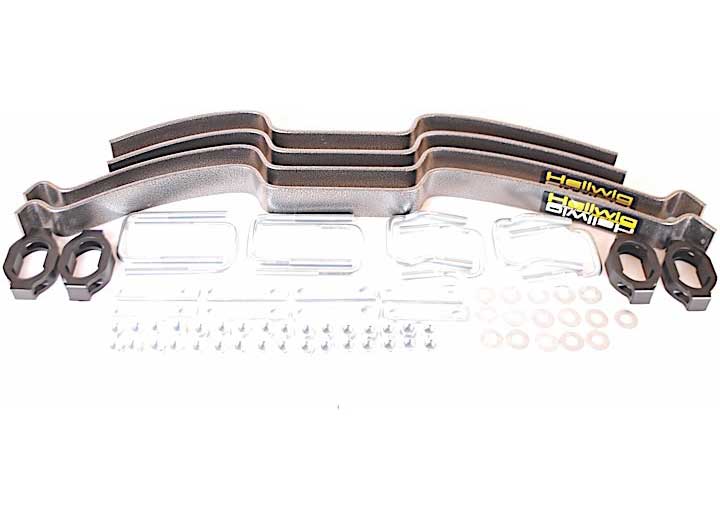
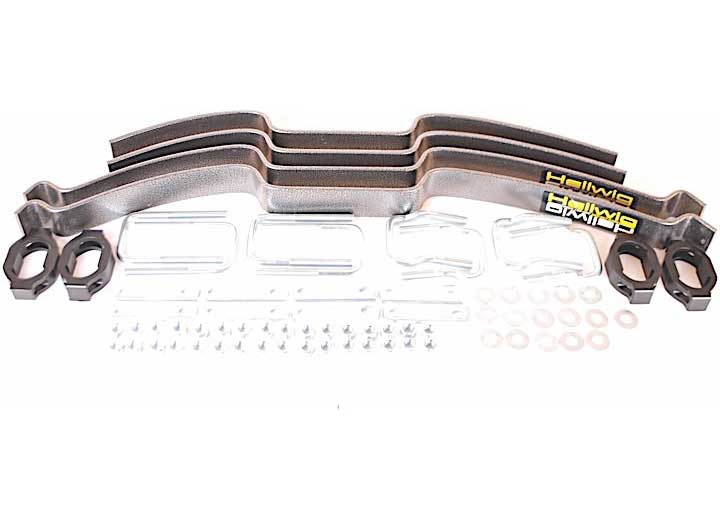
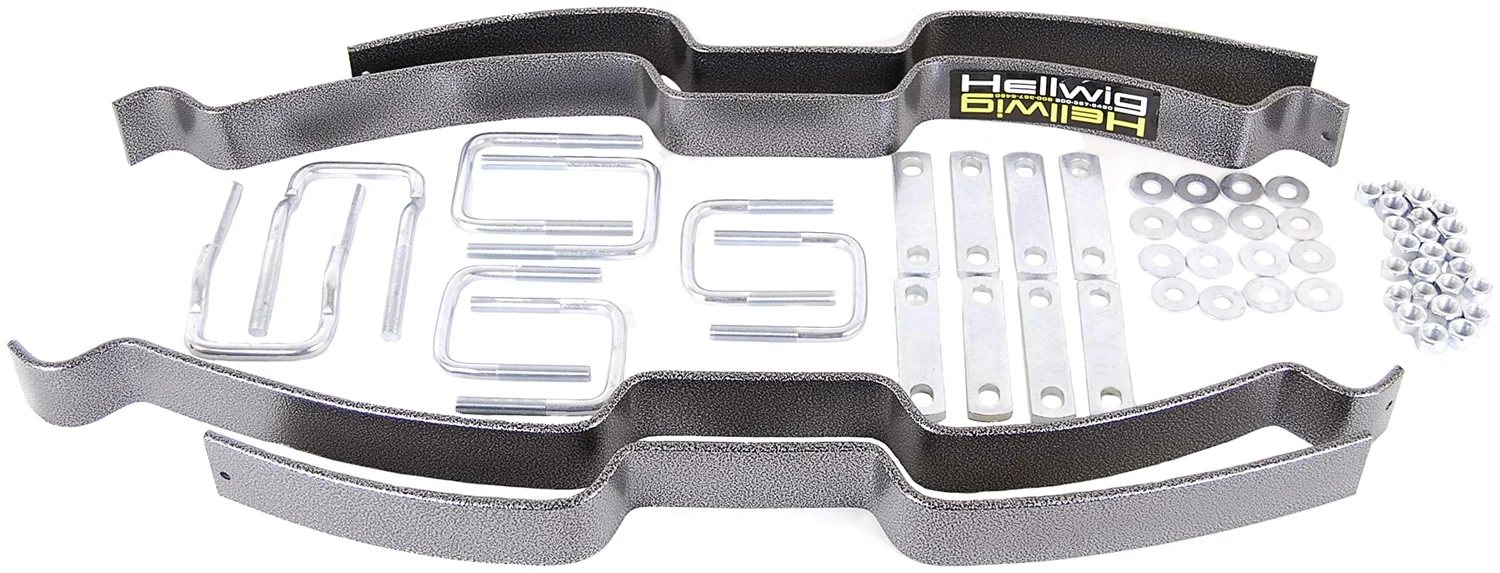
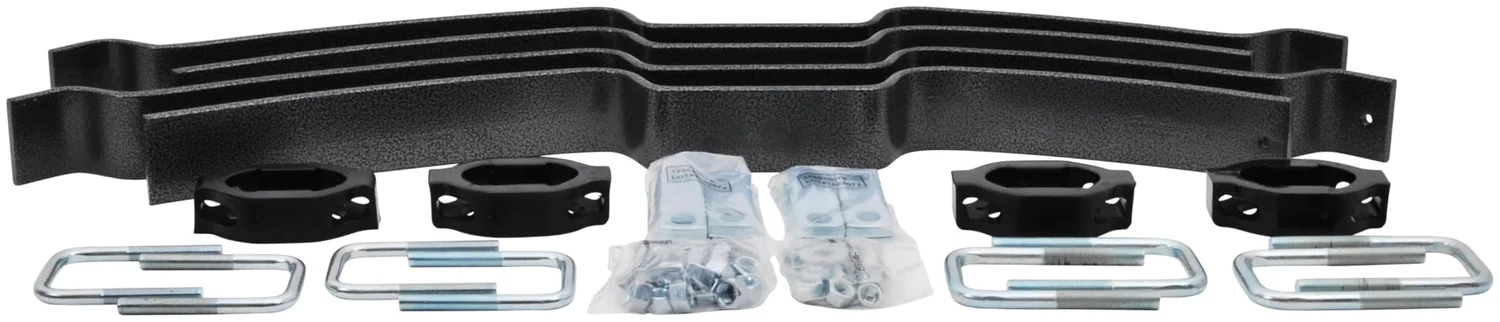
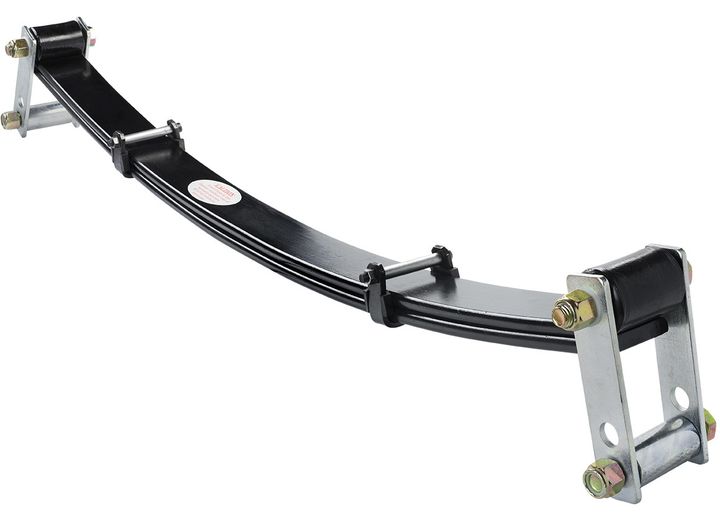
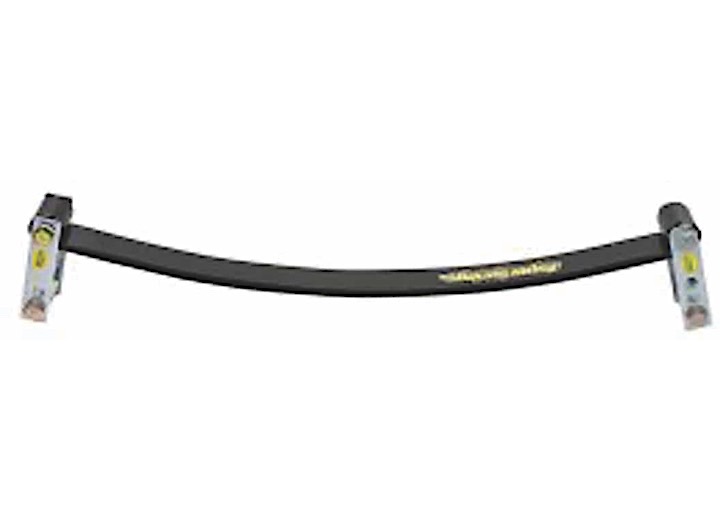
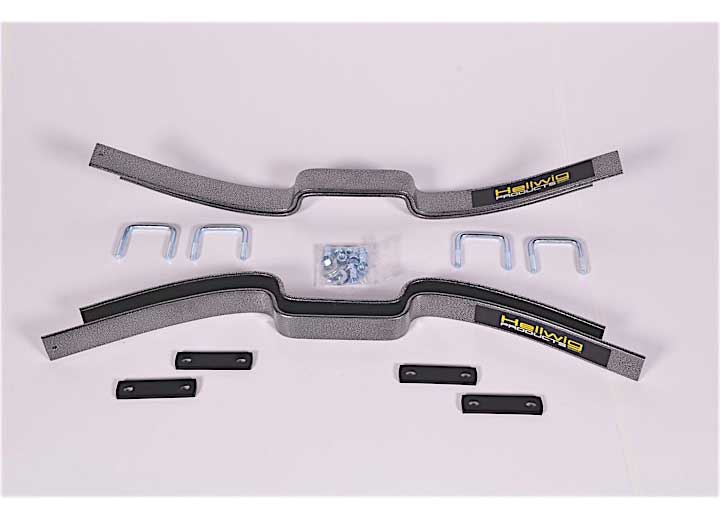
| Leaf helper springs | Extra leaf or spring that engages as the load compresses the suspension | Constant heavy loads like service bodies and work trucks | Hellwig EZ990, EZ1000, EZ Level Step, Pro Series; SuperSprings |
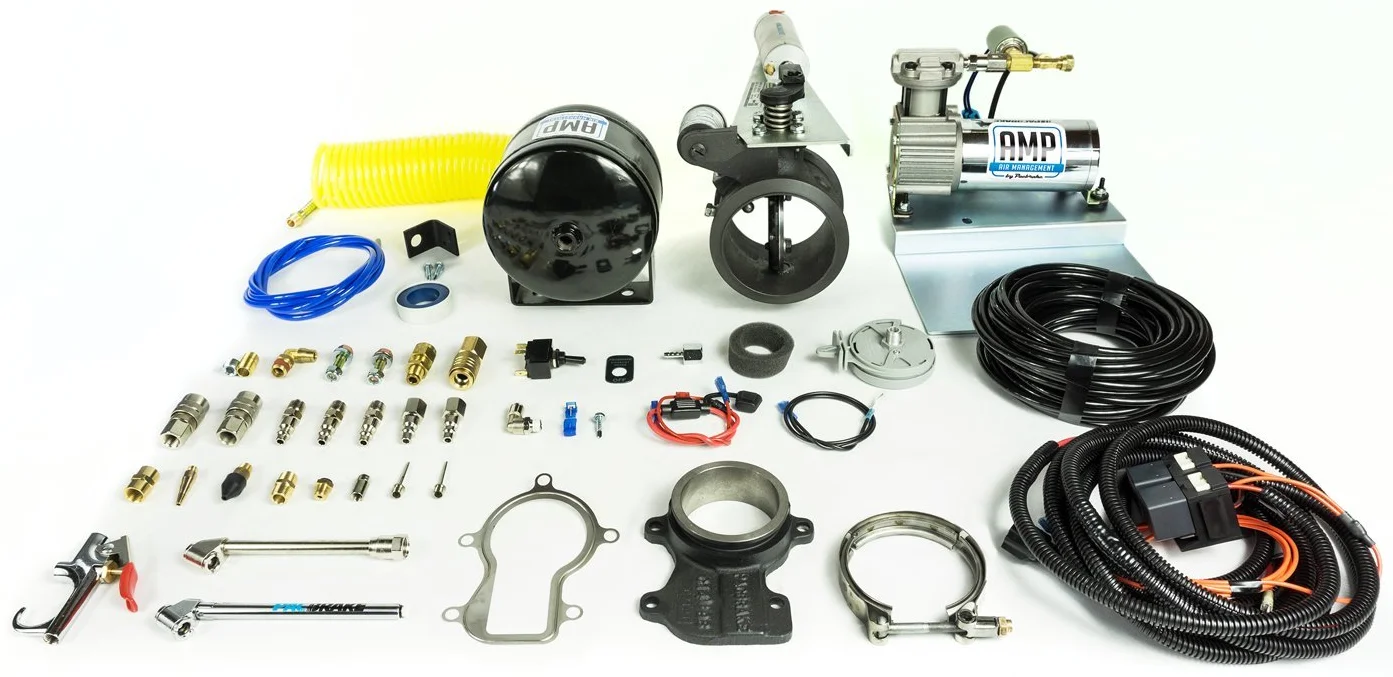
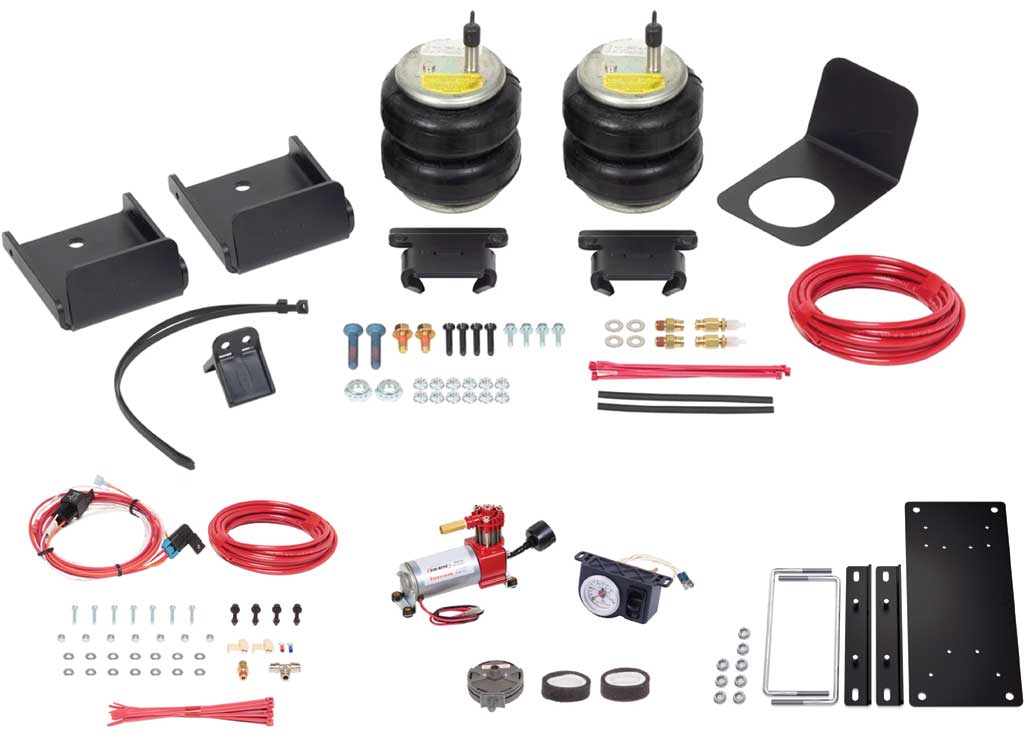
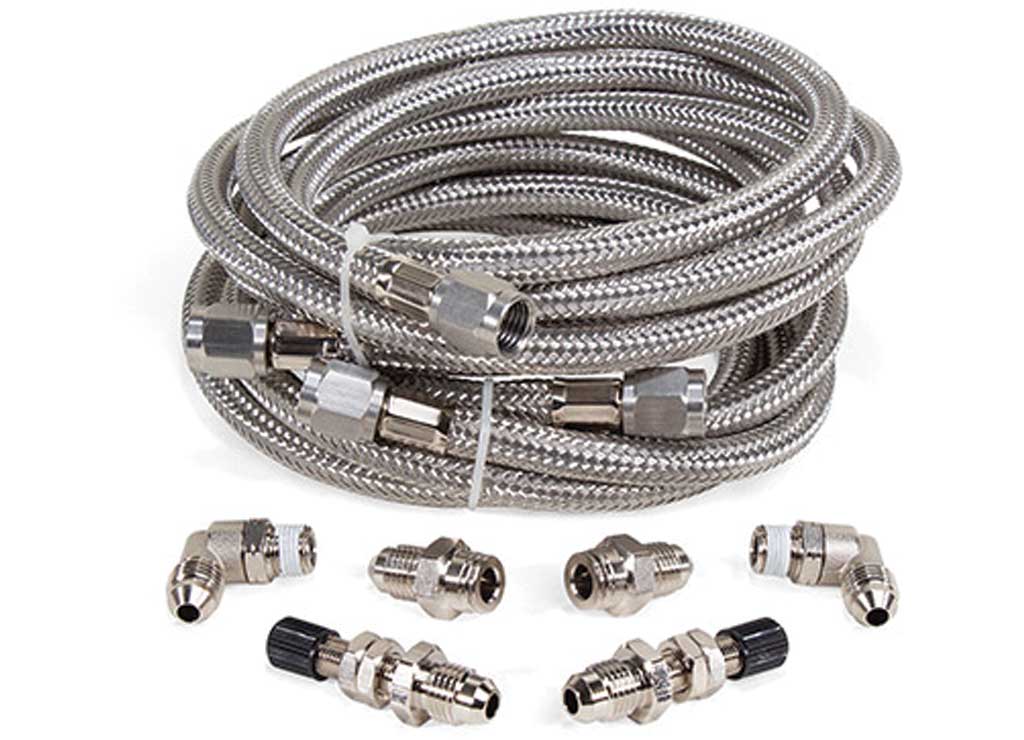
Air springs are the most adjustable. Run low pressure when empty for a near-stock ride, add air when you hitch up. Basic kits use a fill valve for each side, which also lets you balance a load that's heavier on one side. Kits with onboard compressors or air management (Firestone's All-In-One and Pacbrake HD Pro kits, for example) let you adjust from the cab. Most air springs need a minimum pressure at all times, often around 5 psi, so check the instructions, and plan on checking pressure regularly.
SumoSprings need no air lines, compressor or pressure checks. They stiffen progressively the more they compress, so they help most when loaded. SuperSprings offers different density ratings for some applications, so pick the one that matches your typical load.
Leaf helpers are simple steel and suit trucks that carry weight most of the time. They engage once the suspension compresses to the helper, so they add little stiffness when empty, but they aren't adjustable on the fly.
Not sure whether air or coil is right for you more broadly? See air suspension vs coil springs.
How to choose the right kit
- Start with fitment. Most kits are vehicle specific: make, model, year range, 2WD or 4WD, cab and bed, and sometimes trim (for example, some kits exclude Power Wagon, Rebel, AT4 or Trail Boss models, or need a different kit for those). Match the listing exactly.
- Think about how often the load changes. Hitching and unhitching a camper on weekends favors adjustable air springs. A van or service truck that's always loaded favors SumoSprings or leaf helpers.
- Match the support to the load. Kit names often hint at capacity. Air Lift's LoadLifter 5000, for instance, is marketed for up to about 5,000 lb of load-leveling support with the bags inflated. Ratings are per kit, measured differently by each brand, and still never exceed your vehicle's ratings.
- Check for lifts and factory air. Lifted trucks often need spacers or a different kit to keep the air spring in its working range. Vehicles with factory air or self-leveling suspension usually don't need, or can't take, an add-on kit.
- Plan the install. Most kits bolt on with hand tools using existing holes, but some require drilling or moving parts like brake lines or exhaust hangers. Read the instructions before you start, and torque everything to spec.
| Your situation | Usually a good fit |
|---|---|
| Half-ton towing a travel trailer on weekends | Air springs, plus a WD hitch |
| Three-quarter or one-ton with a fifth wheel or slide-in camper | Heavy-duty air springs |
| Cargo van that's always loaded | SumoSprings or leaf helpers |
| Work truck with a service body or ladder rack | Leaf helpers or SumoSprings |
| Want to adjust from the driver's seat | Air kit with compressor or air management |
Maintenance, replacement air springs and spacers
Air springs last longest when they're kept at or above minimum pressure, kept away from heat and sharp edges, and checked for leaks. A spray bottle of soapy water on fittings and lines finds most slow leaks. Inspect the bags for cracking or rubbing whenever the truck is on a lift, and keep air lines clear of the exhaust.
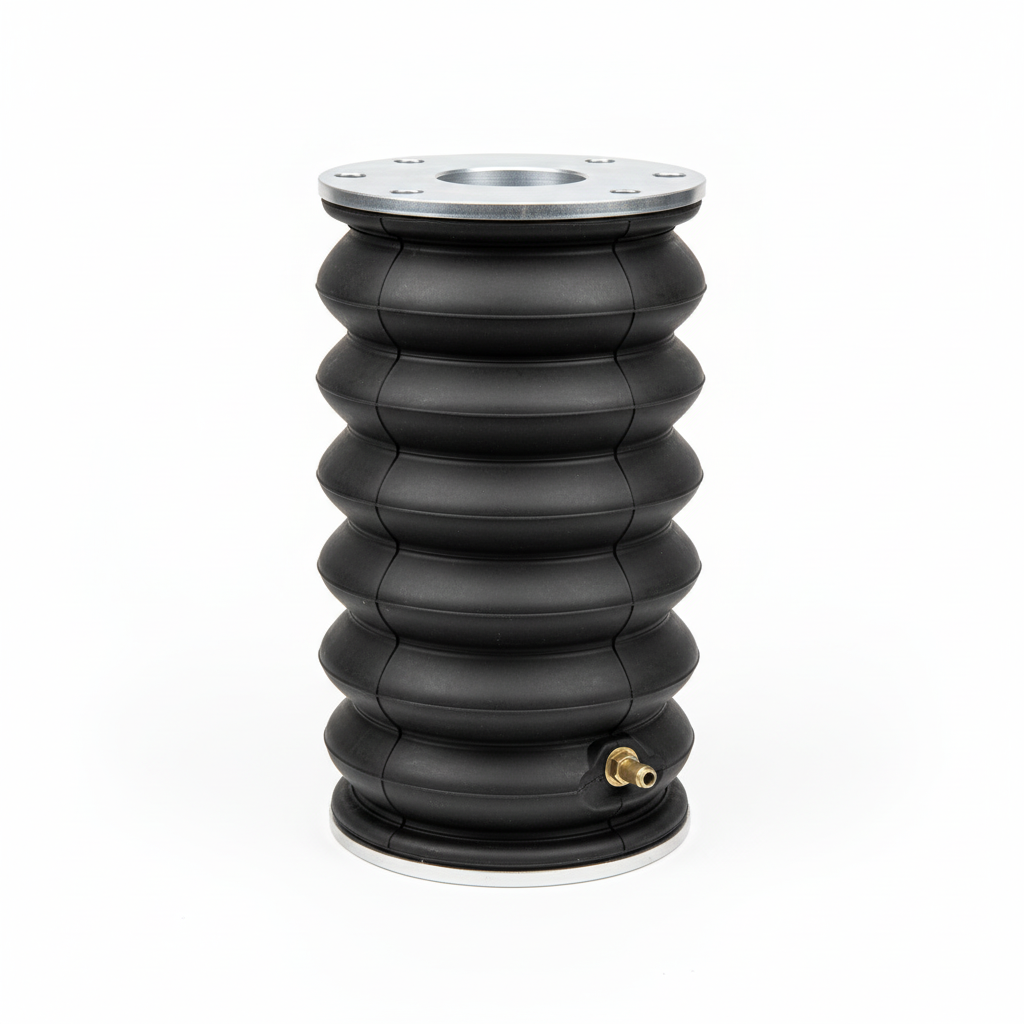
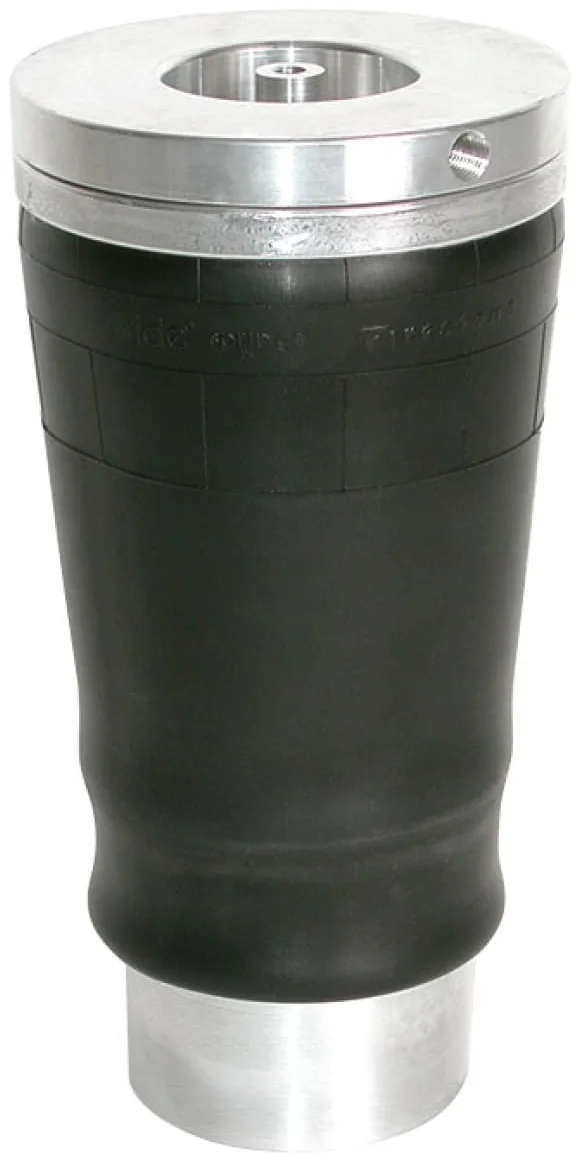
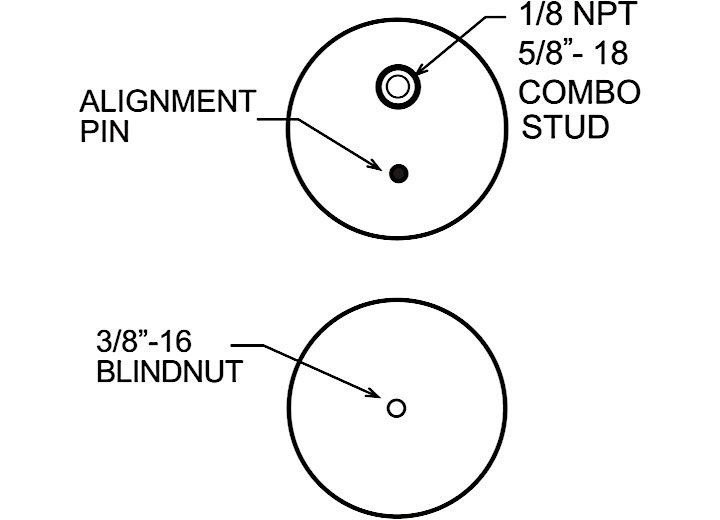
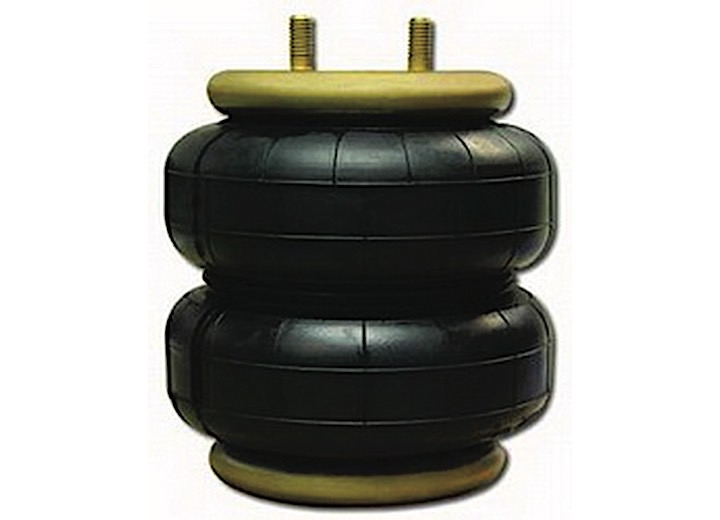
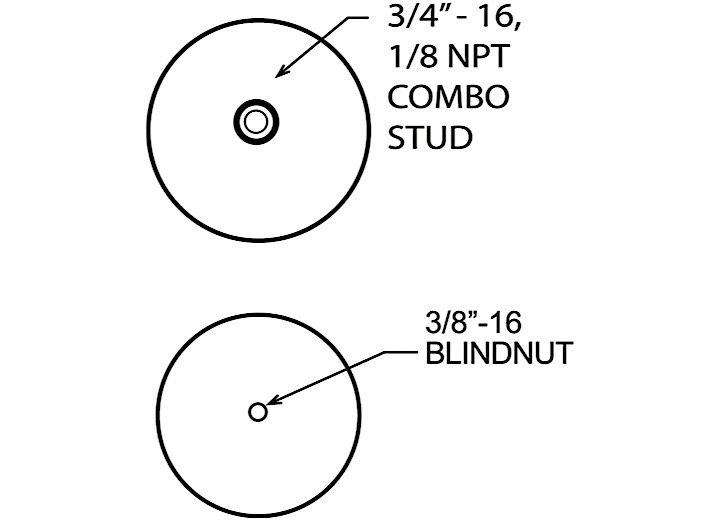
When a bag does fail, you often don't need a whole new kit. We stock replacement air springs from Firestone, Pacbrake and Ridetech, including single and double convoluted bags and rolling sleeve styles, plus Firestone inflation valve brackets and Daystar air bag cradles. Match the part number or the bag dimensions to what's on the truck.
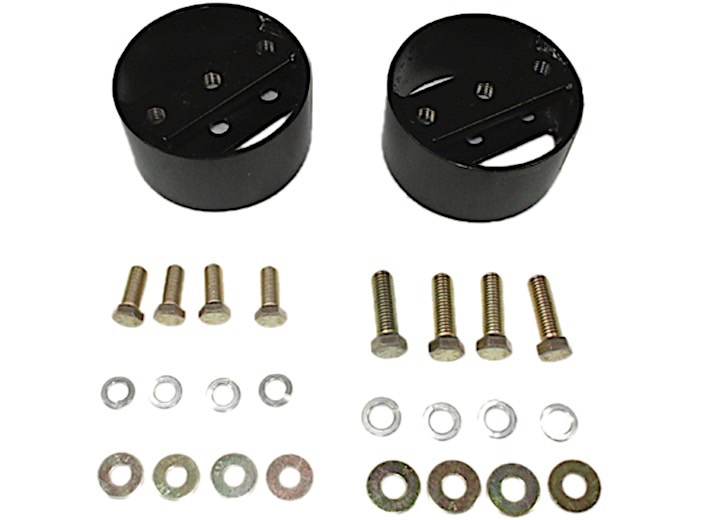
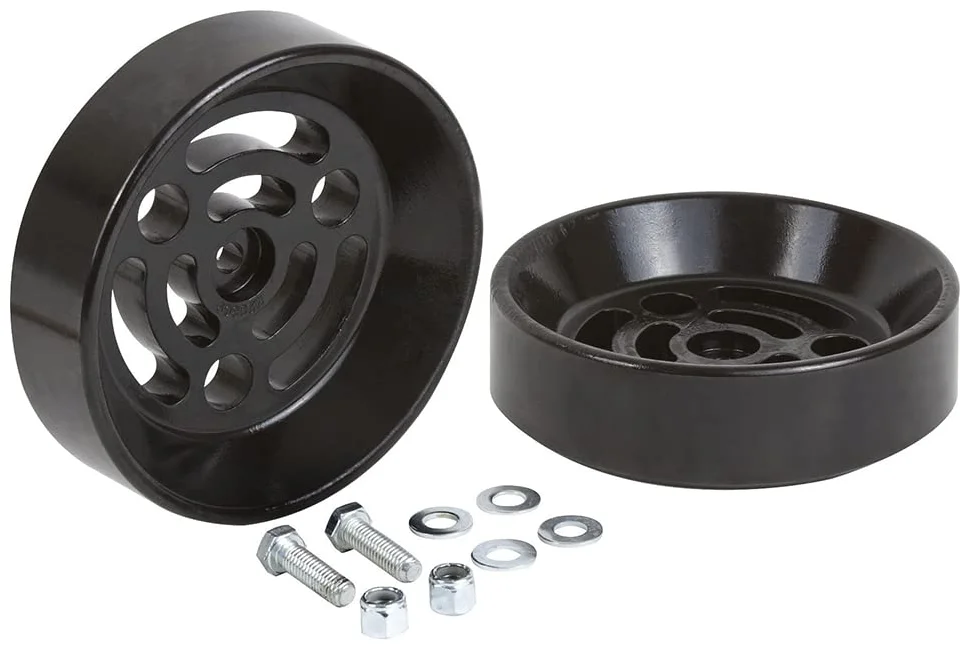
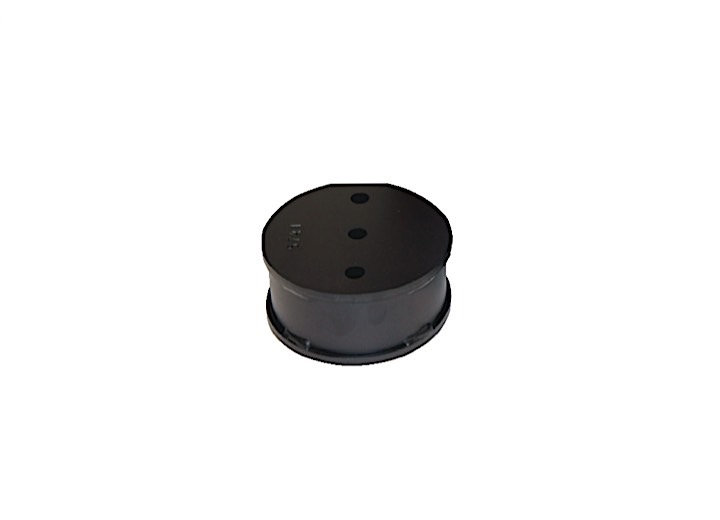
Spacers (from Firestone and others) raise the mounting point so the bag sits at the correct height on lifted or modified trucks. Each spacer is designed for a specific spring and lift, so match it to your kit.
SumoSprings and leaf helpers need little more than an occasional look for cracks, loose hardware or worn pads. If your truck still feels floaty or bouncy under load after helpers are installed, the shocks may be worn; see our shocks and struts guide and signs of bad shocks.