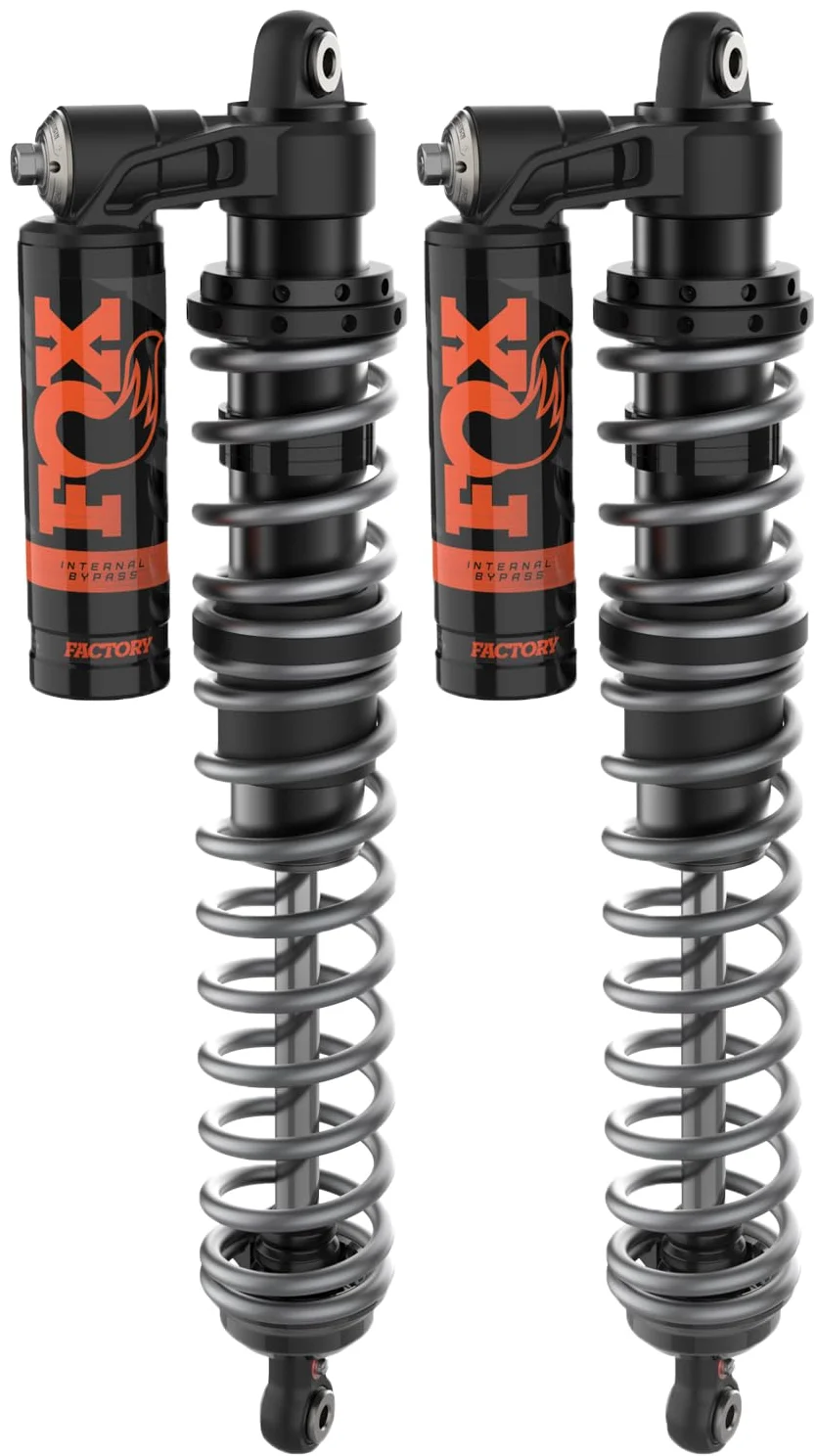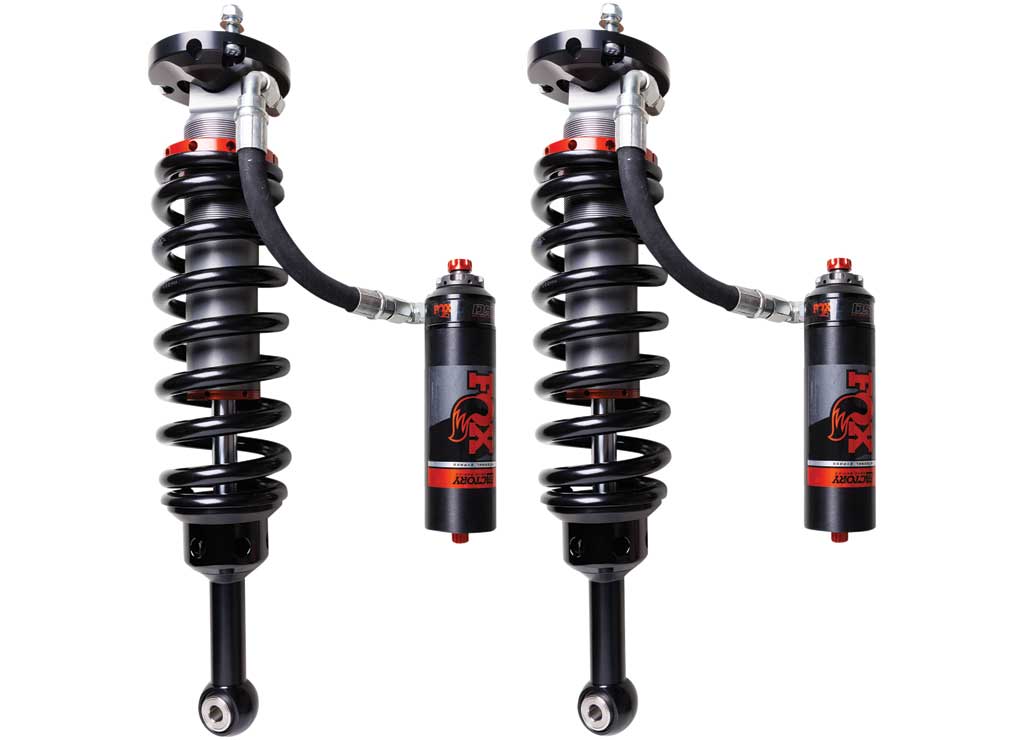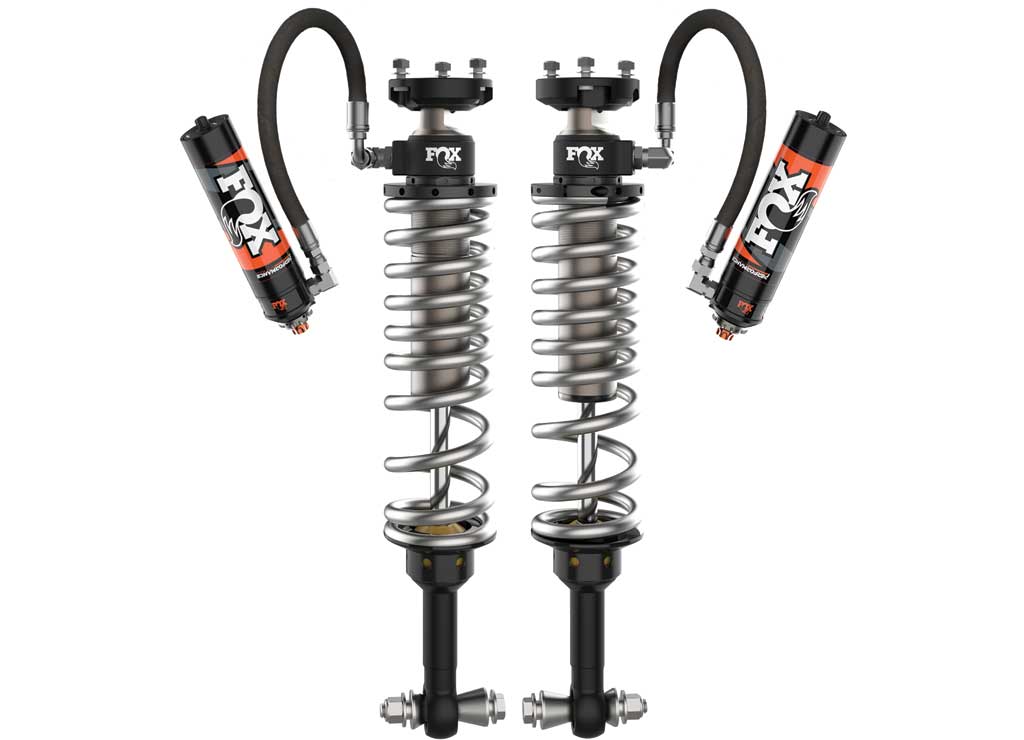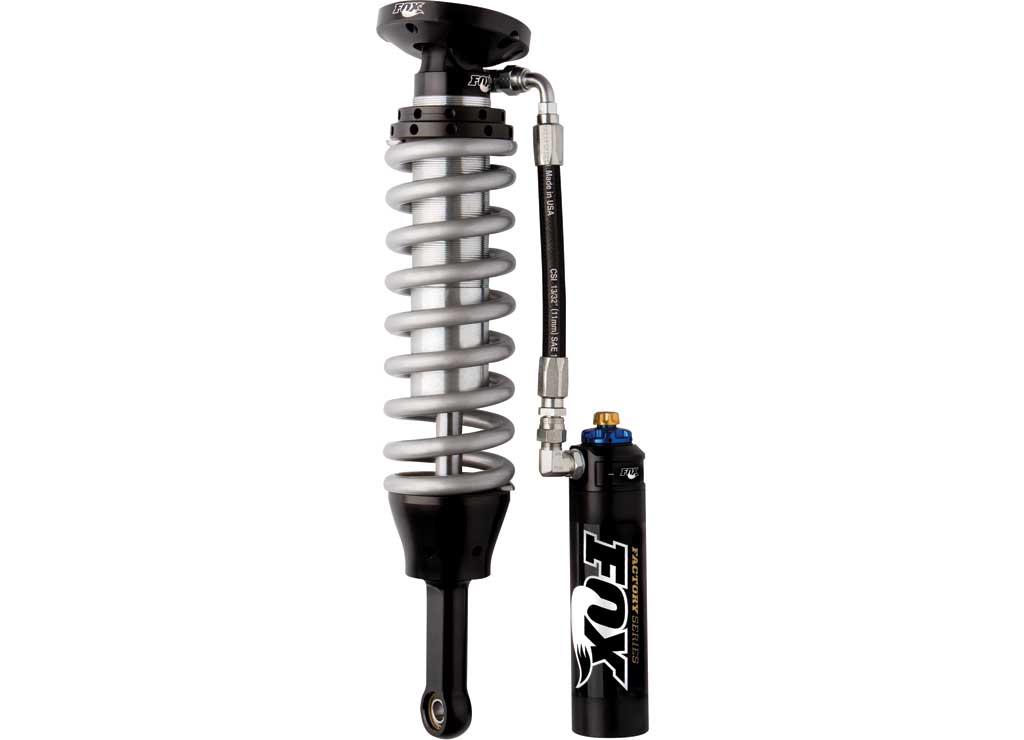

Springs hold your vehicle up. Shocks and struts control how fast those springs move. Without good damping, a truck keeps bouncing after a dip, the nose dives under braking, the body leans in corners and the tires skip over bumps instead of staying planted. Worn dampers make a vehicle less comfortable and less controlled long before they fail completely.
We stock shocks, struts and coilovers from Bilstein, Fox, Rancho, Fabtech (Dirt Logic and Performance), Skyjacker, Icon, KYB, Monroe, QA1, Eibach, Zone Offroad and Ridetech, for everything from a Honda CR-V to a lifted Super Duty. This guide covers how to tell shocks from struts, which type you need, and how to size them.
Shocks vs struts: what's on your vehicle
A shock absorber is a damper only. It mounts between the frame or body and the suspension and controls motion, but it doesn't carry the vehicle's weight or locate the wheel. Most solid rear axles on trucks, and many front ends on trucks and Jeeps, use shocks.
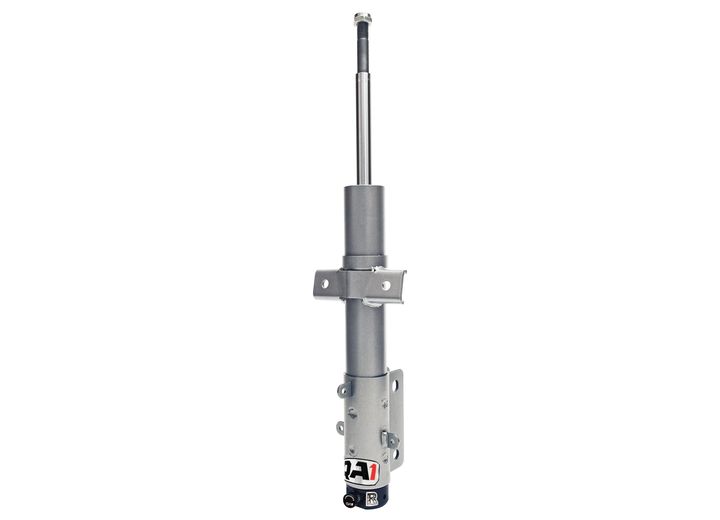
A strut combines a damper with a structural part of the suspension. It usually supports the coil spring and serves as a steering pivot, so it affects wheel alignment. Most cars and crossovers use struts up front, and many use them in the rear too.
The practical differences: struts take more work to replace, and you should get an alignment afterward. Replacing a bare strut means compressing the coil spring, which is dangerous without the right spring compressor and know-how, so many people have a shop do it. Bad strut mounts can also cause clunks; see bad strut mount symptoms. Our shocks vs struts article explains how to tell which your truck has.
OE replacement, heavy duty and performance
Choose by how you use the vehicle, not just price.
| Category | What it's for | Examples in stock |
|---|---|---|
| OE replacement | Restoring the original ride and handling on a stock vehicle | KYB Excel-G struts, Bilstein B4, Monroe Reflex, Fabtech Performance OE |
| Heavy duty / towing | Firmer control for trucks that tow, haul or carry a camper | Bilstein 4600 and B6 Heavy Duty, KYB Gas-a-Just |
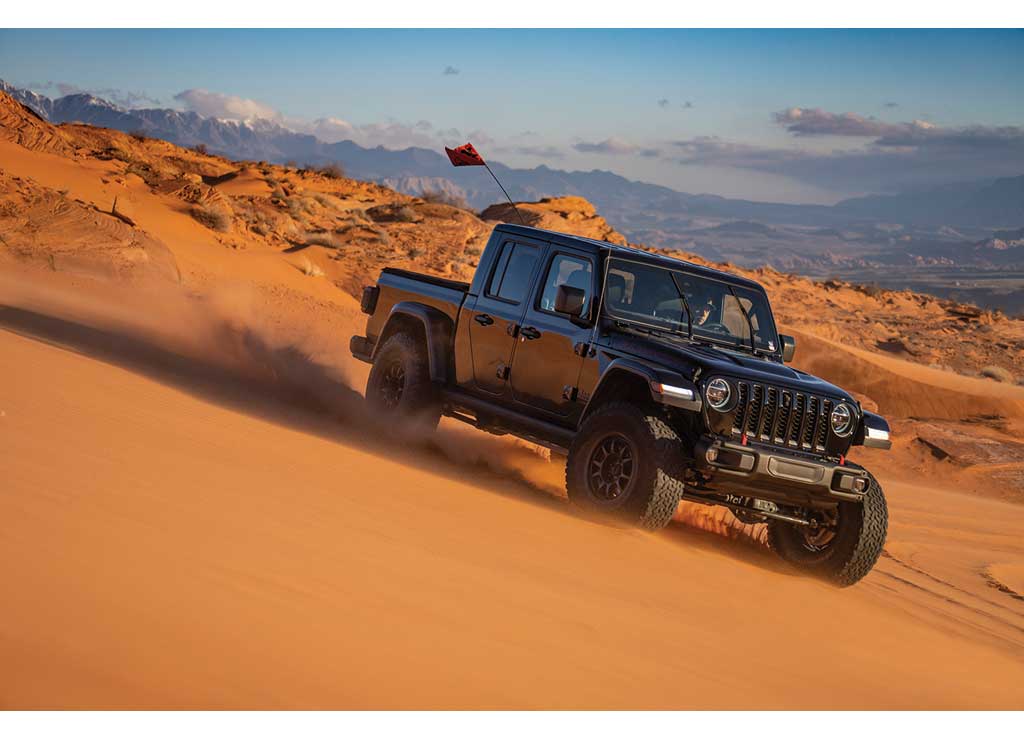
| Leveled and lifted trucks | Longer travel to match a level or lift kit | Bilstein 5100 and B8 5160, Rancho RS5000X, Skyjacker M95 and ADX, Zone Nitro |
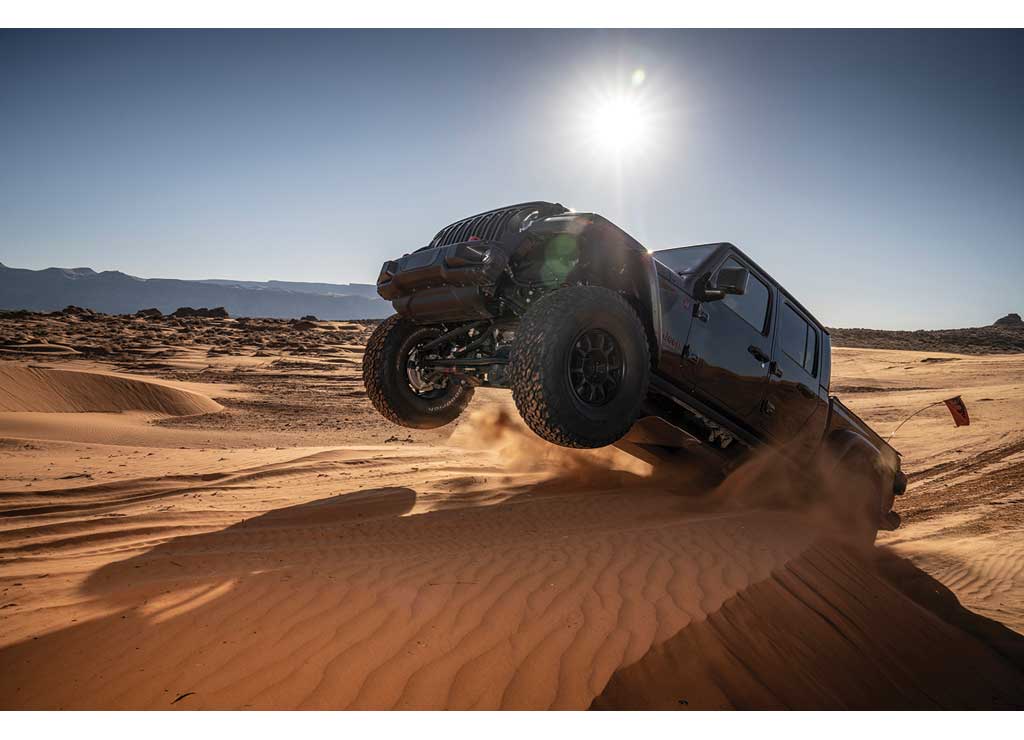
| Off-road performance | High-speed dirt, washboard and heat resistance | Fox 2.0 and 2.5 Performance Series, Fabtech Dirt Logic, Icon |
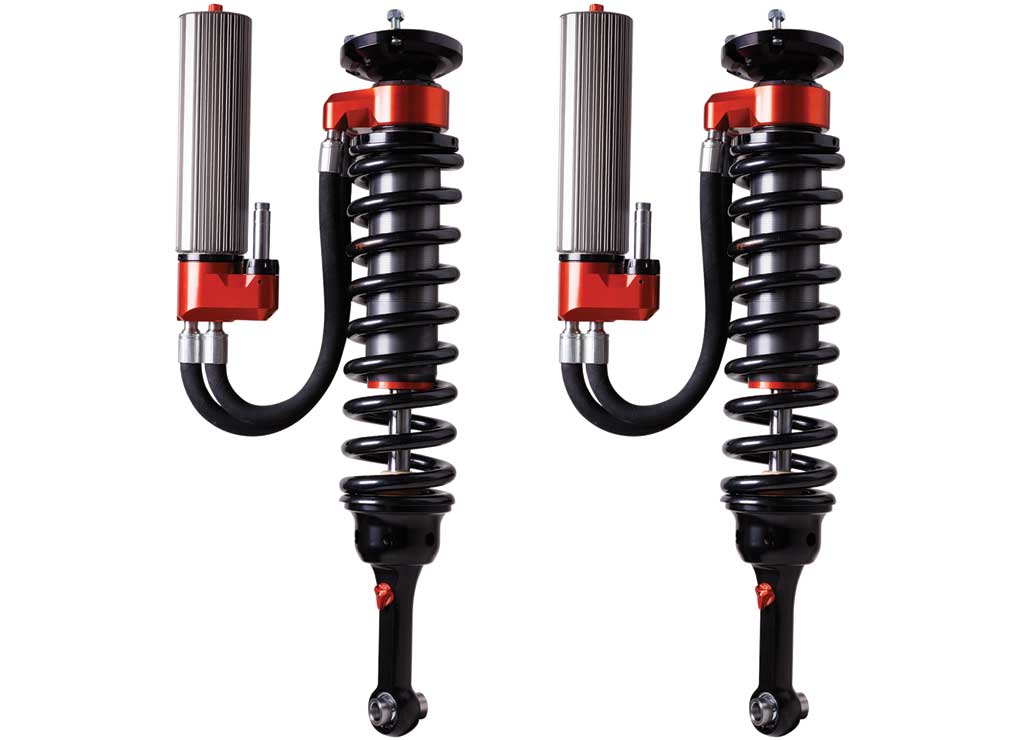
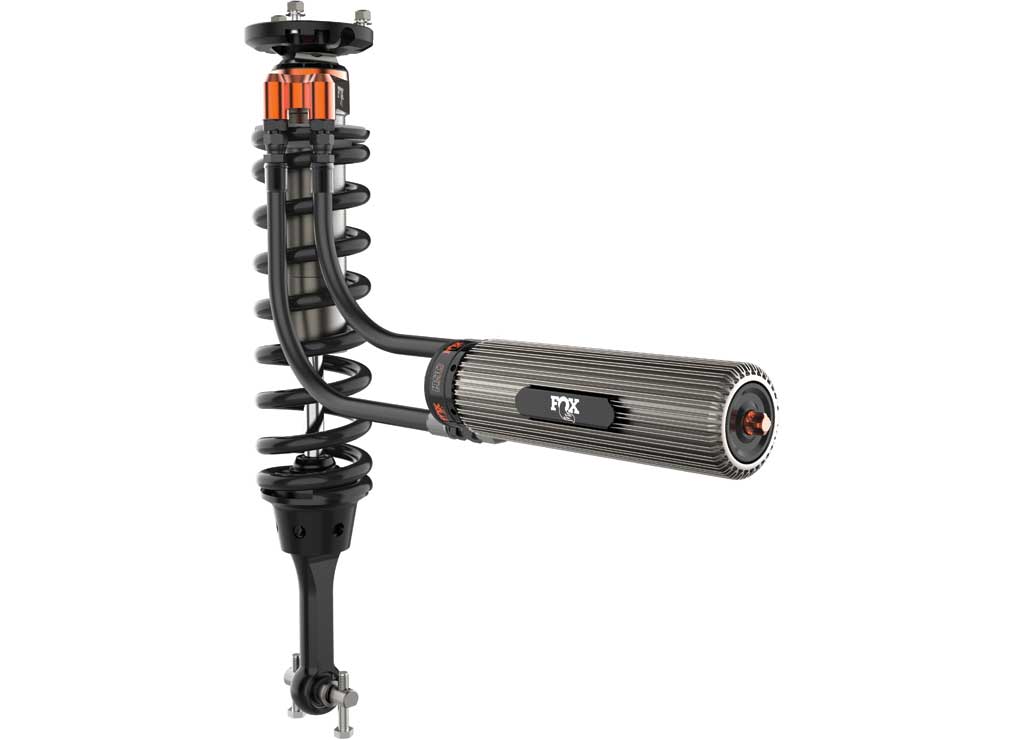
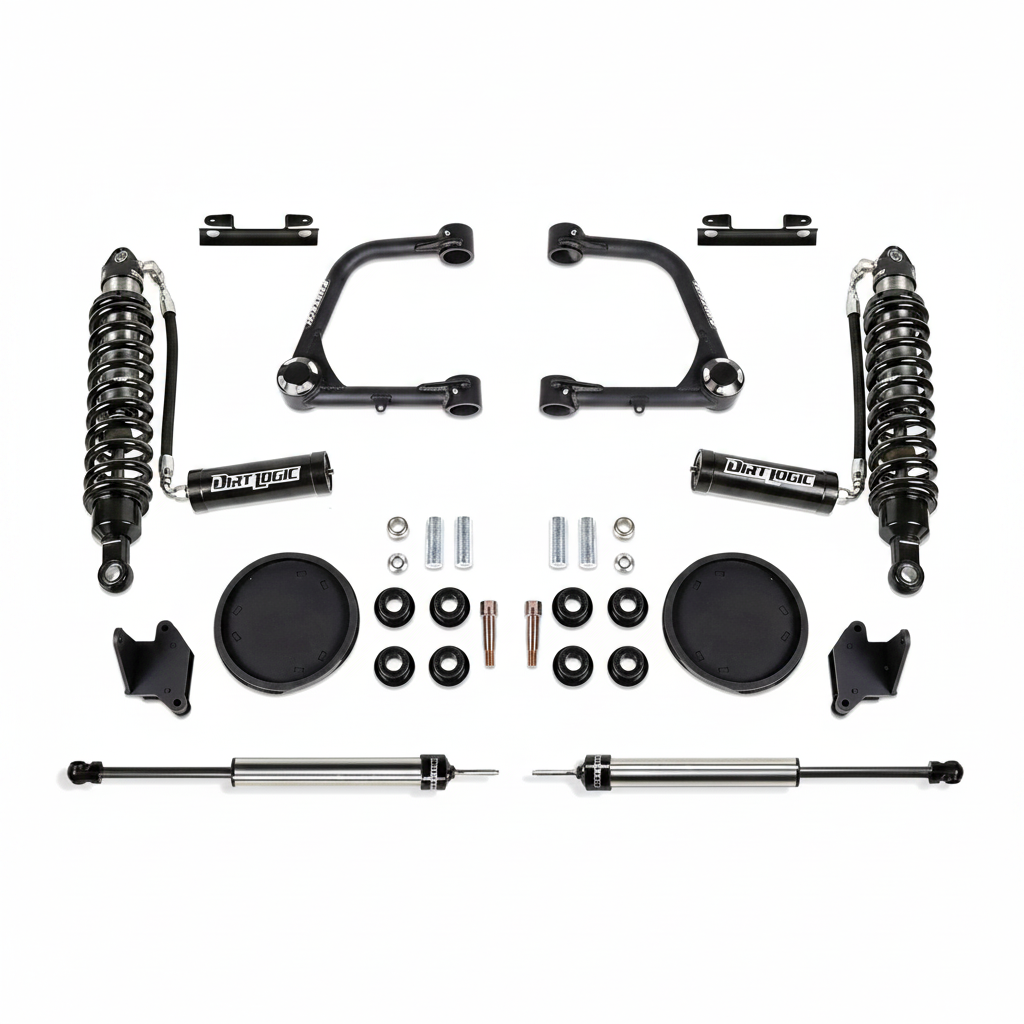
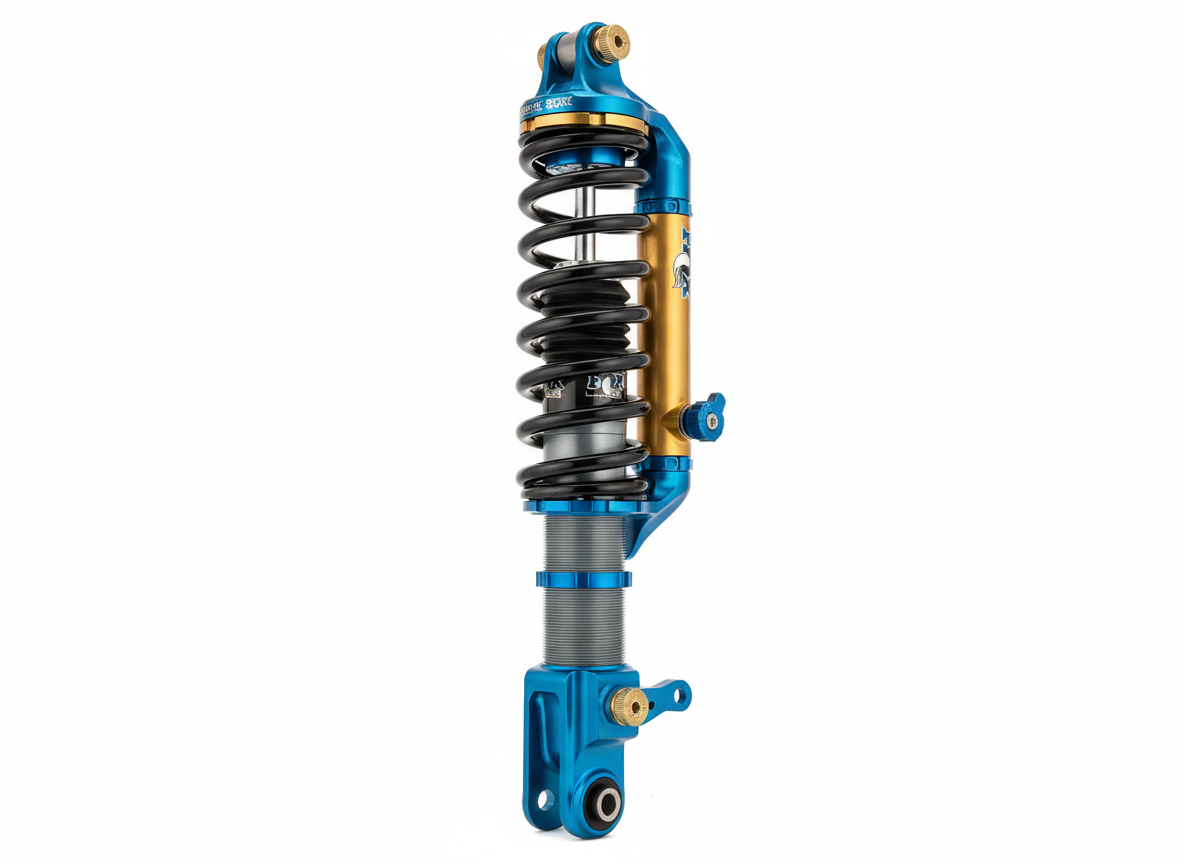
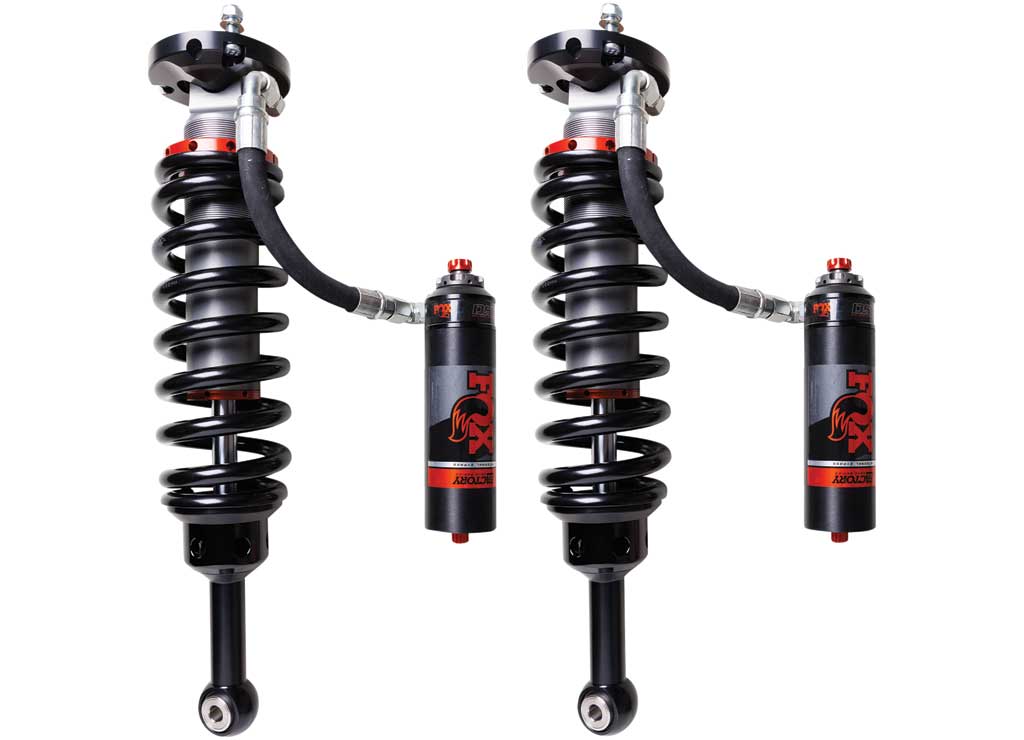
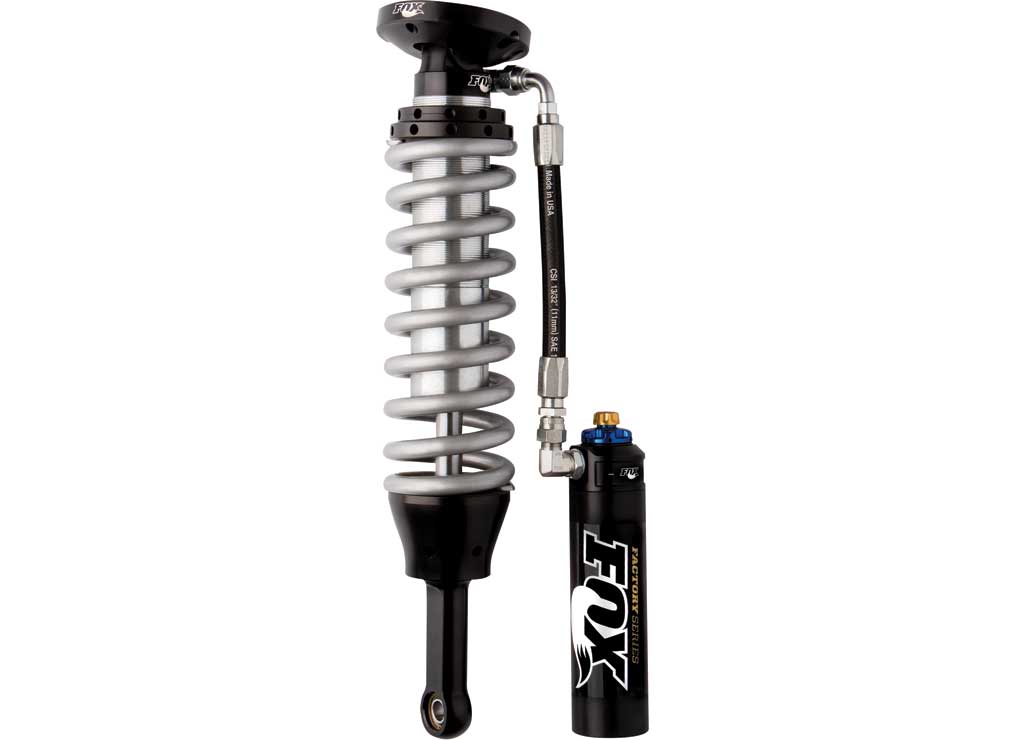
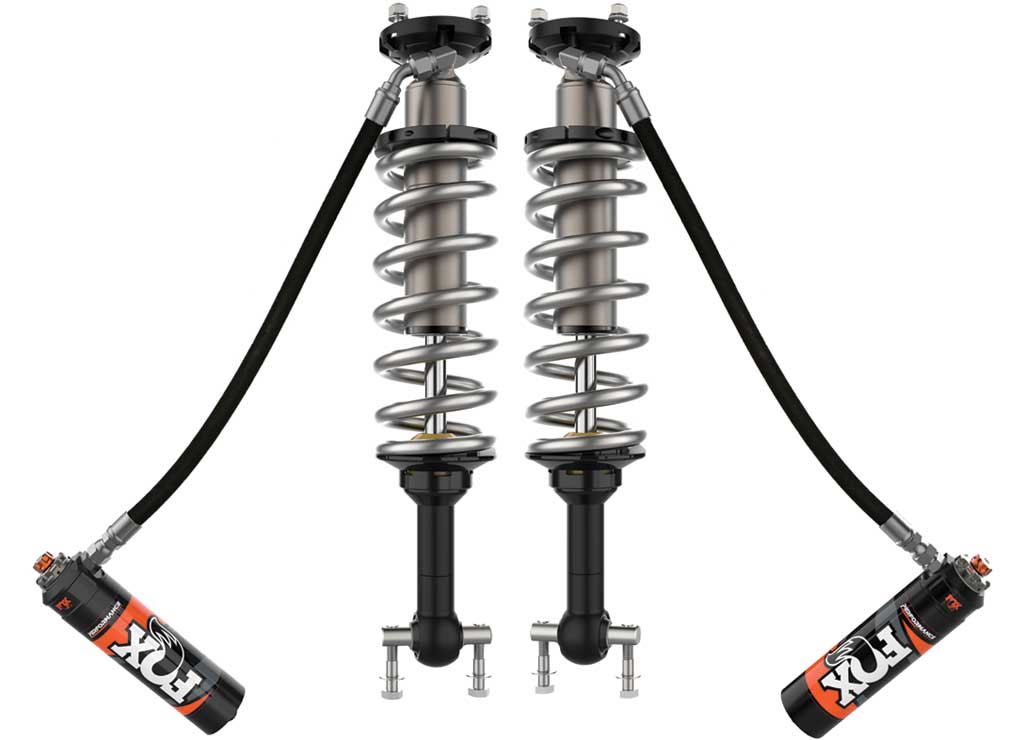
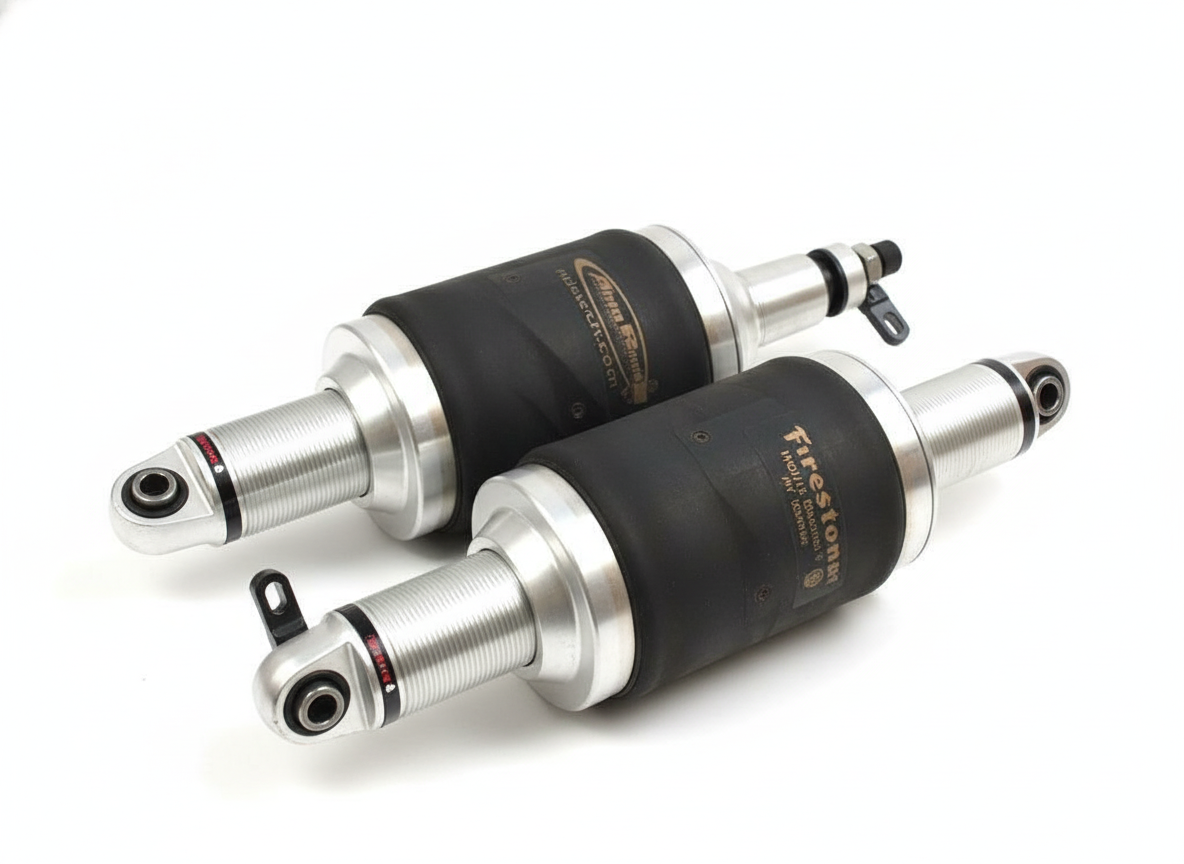
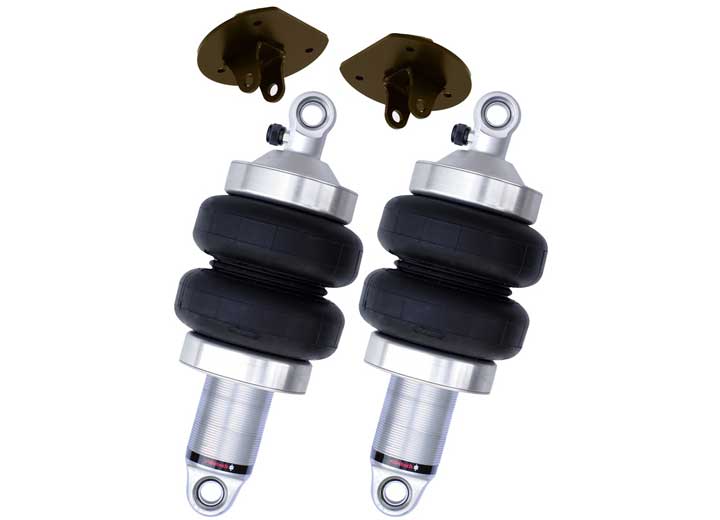
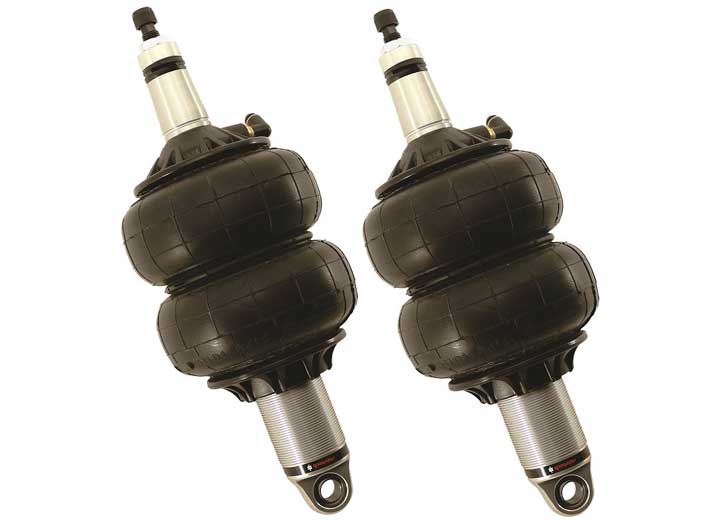
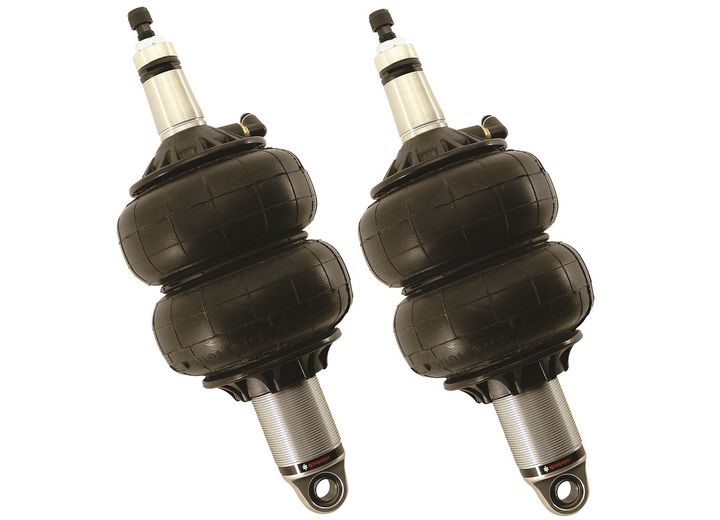
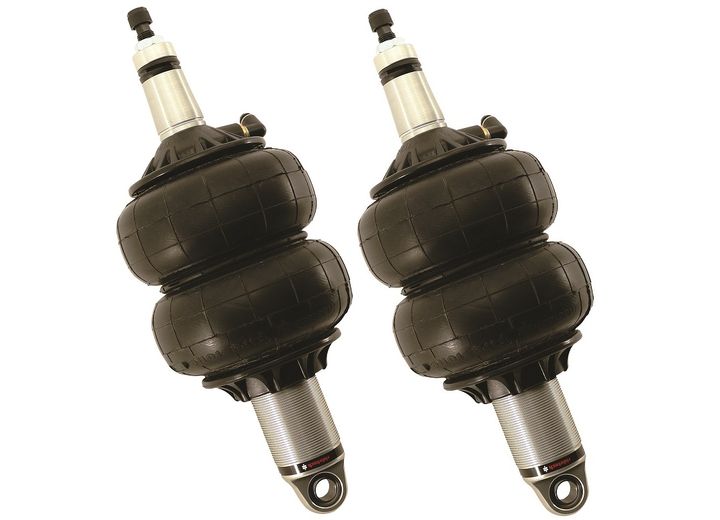
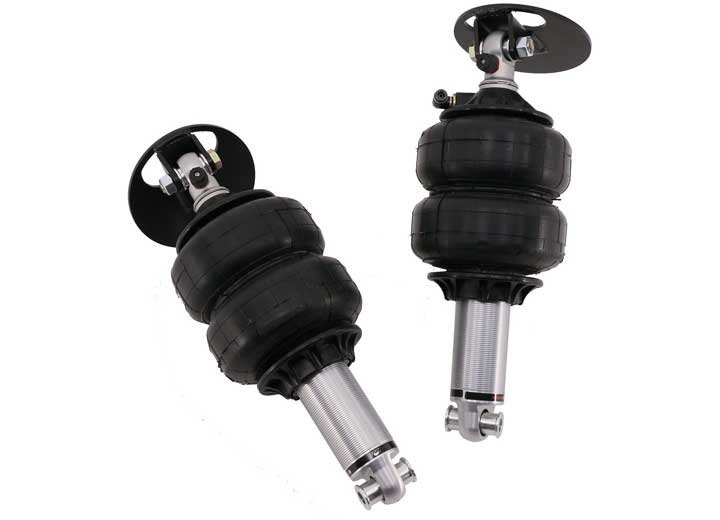
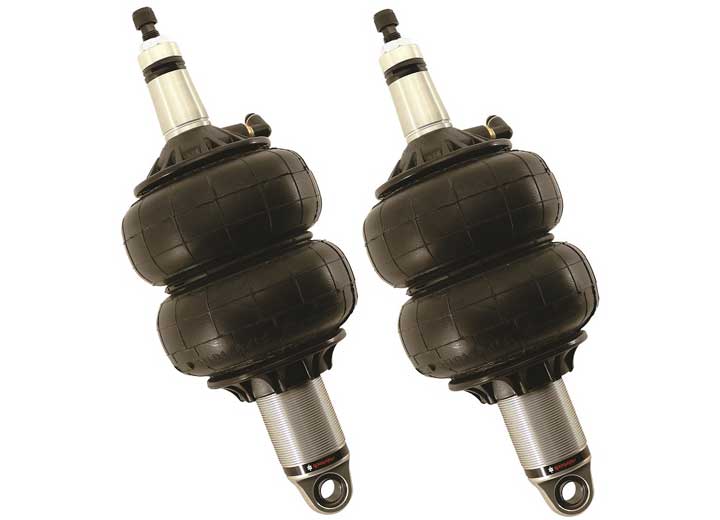
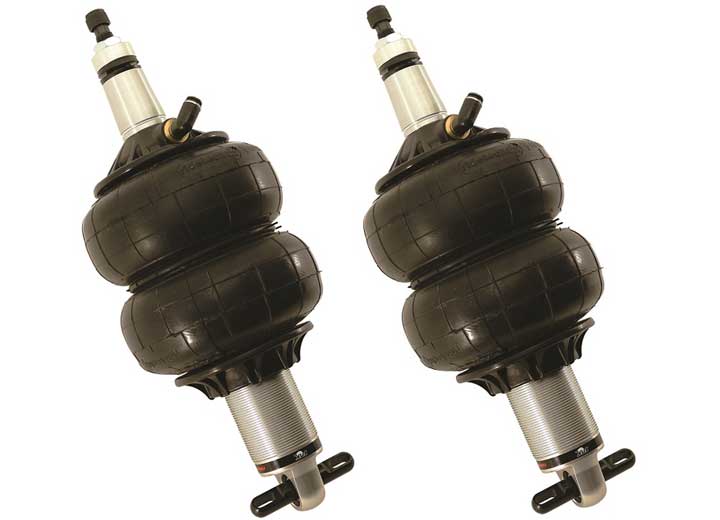
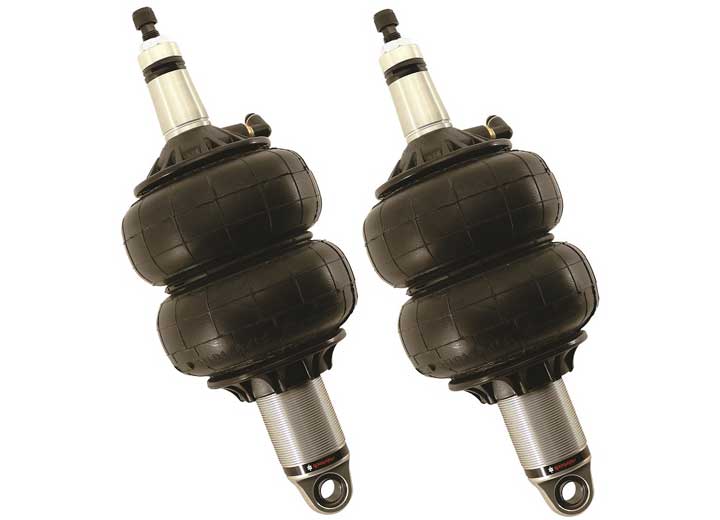
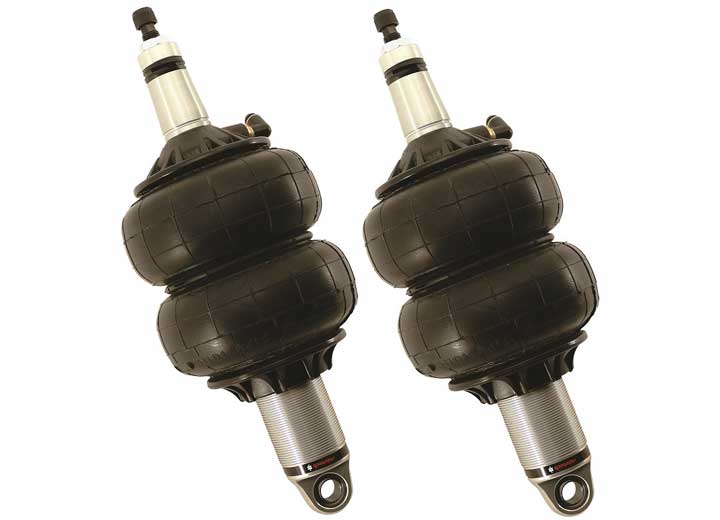
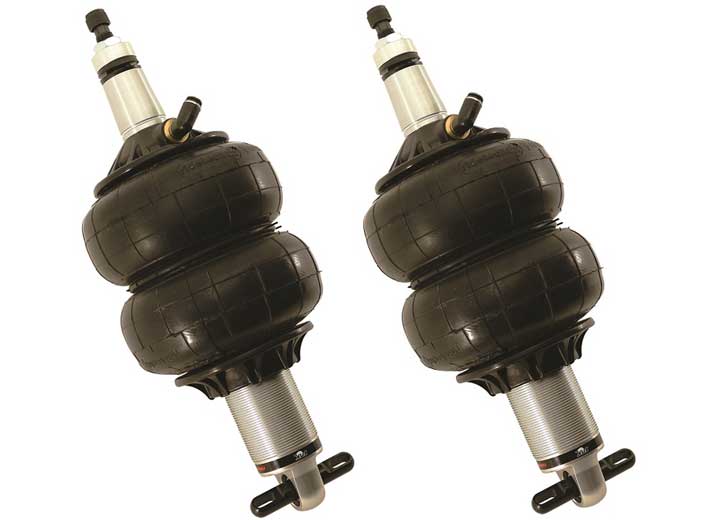
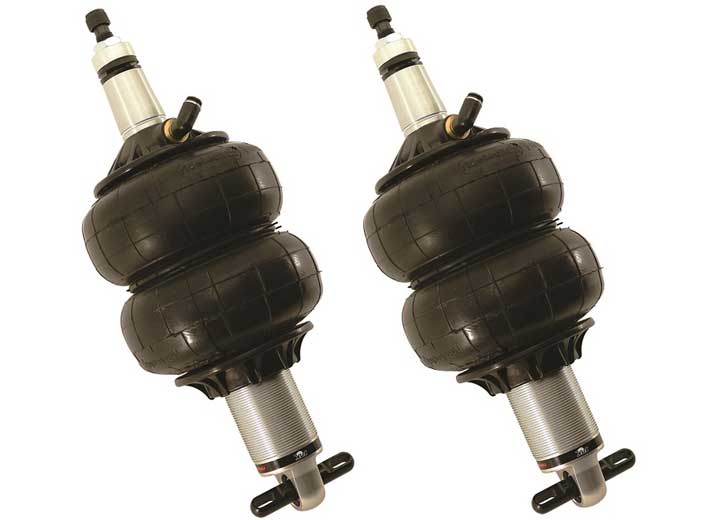
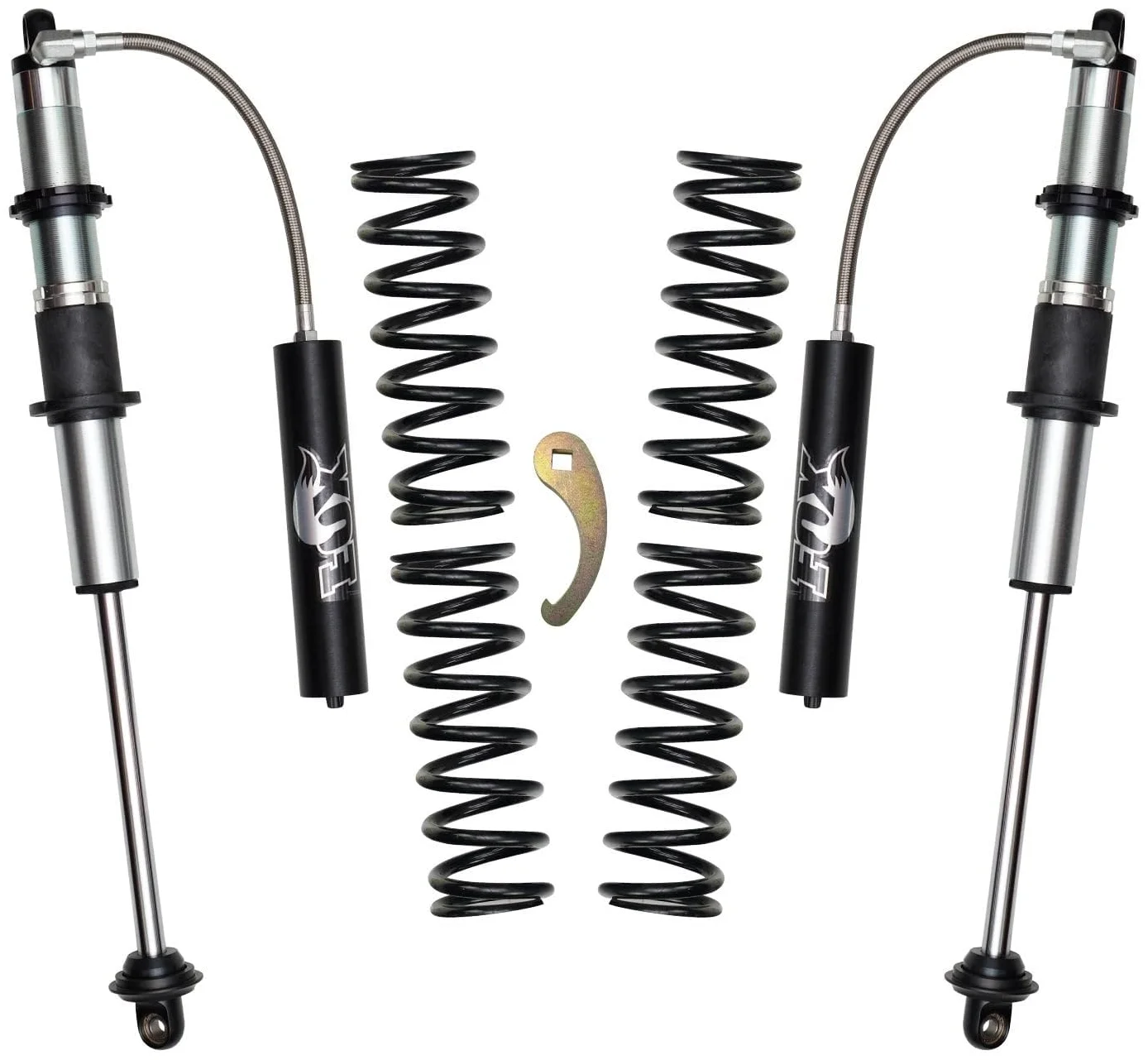
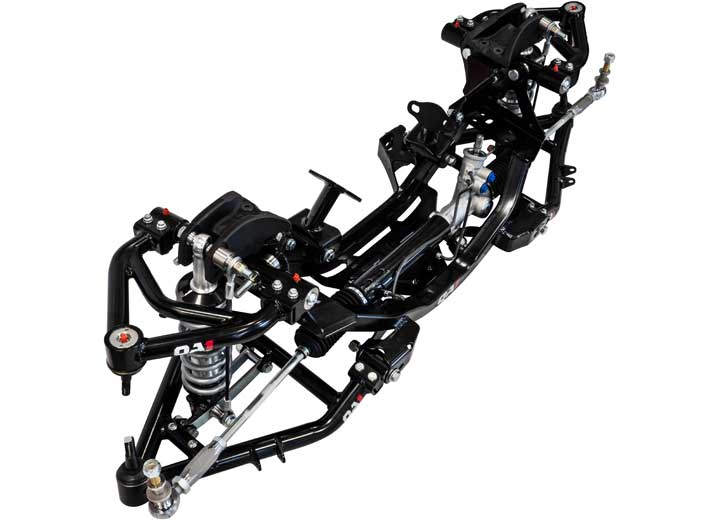
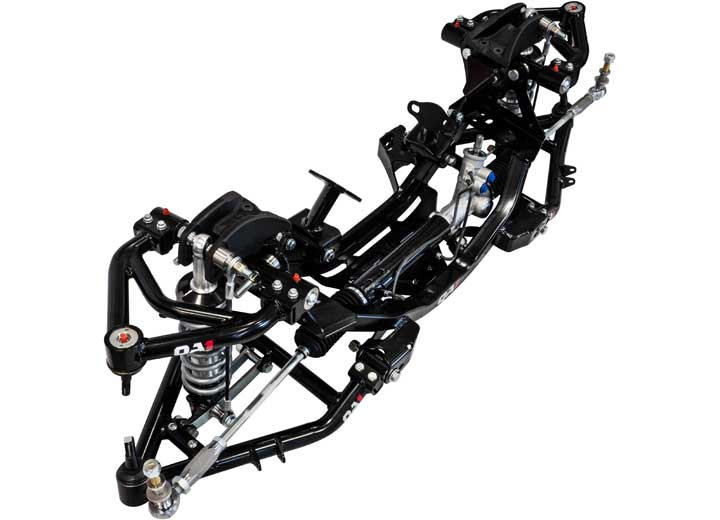
| Coilovers | Shock and spring in one adjustable unit, for ride height and tuning | QA1 Pro Coil, Fox Performance Elite, Skyjacker ADX, Fabtech Dirt Logic coilovers, Ridetech |
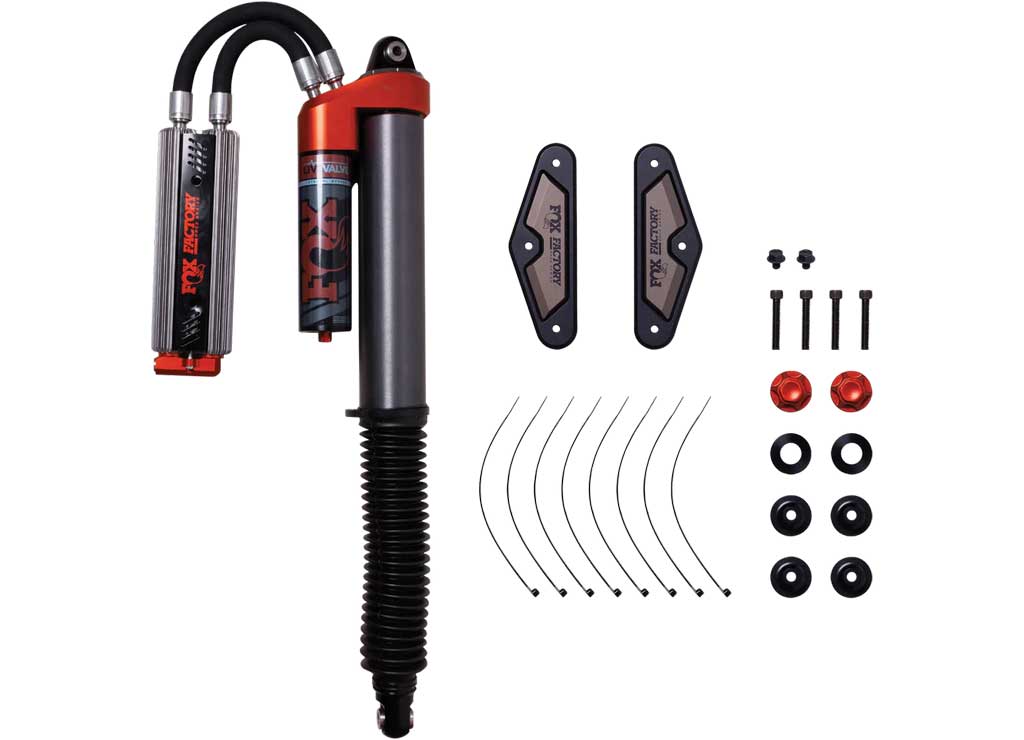
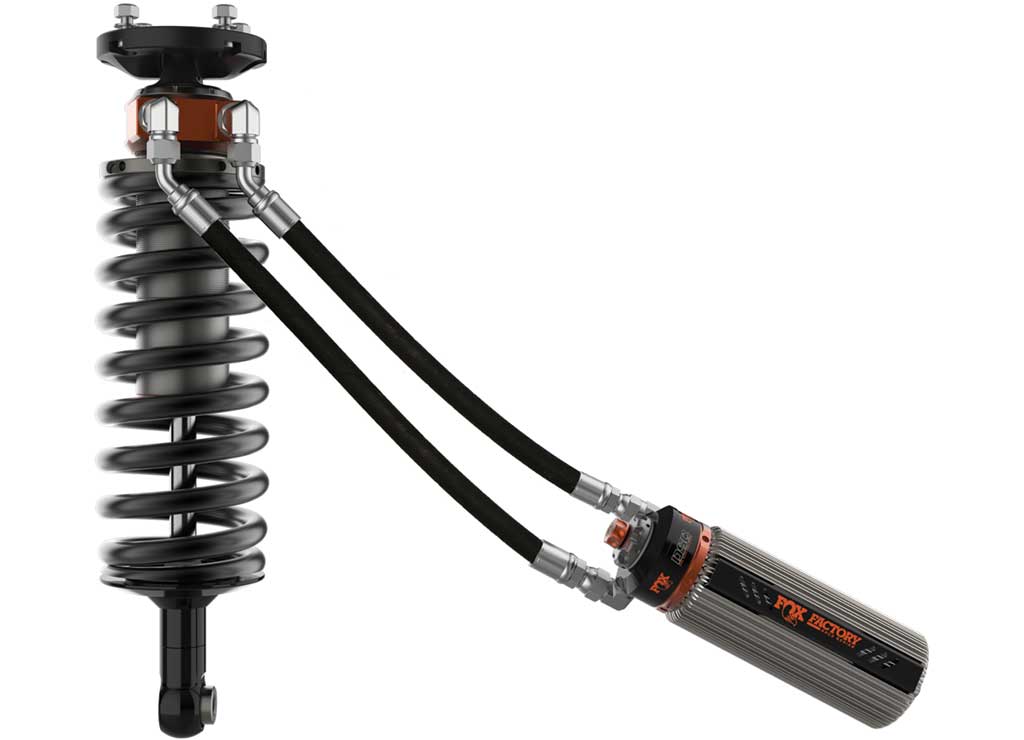
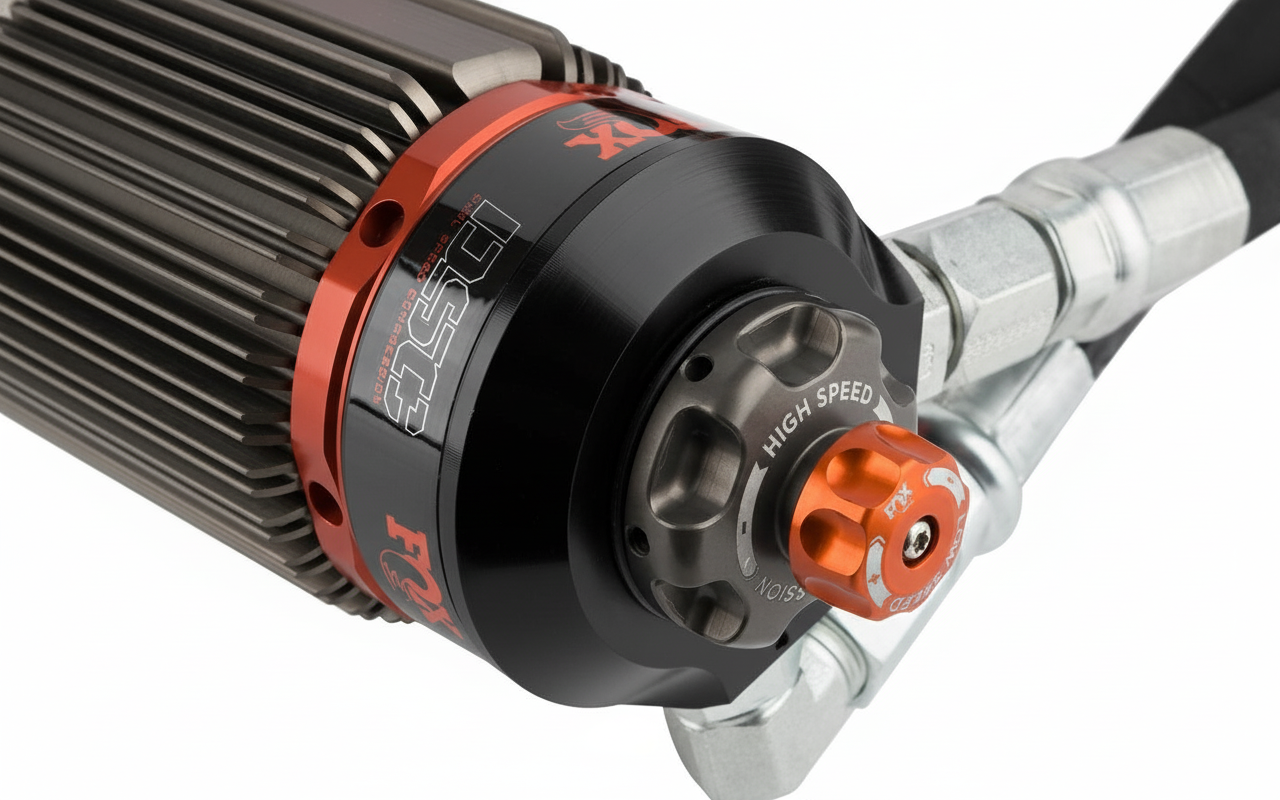
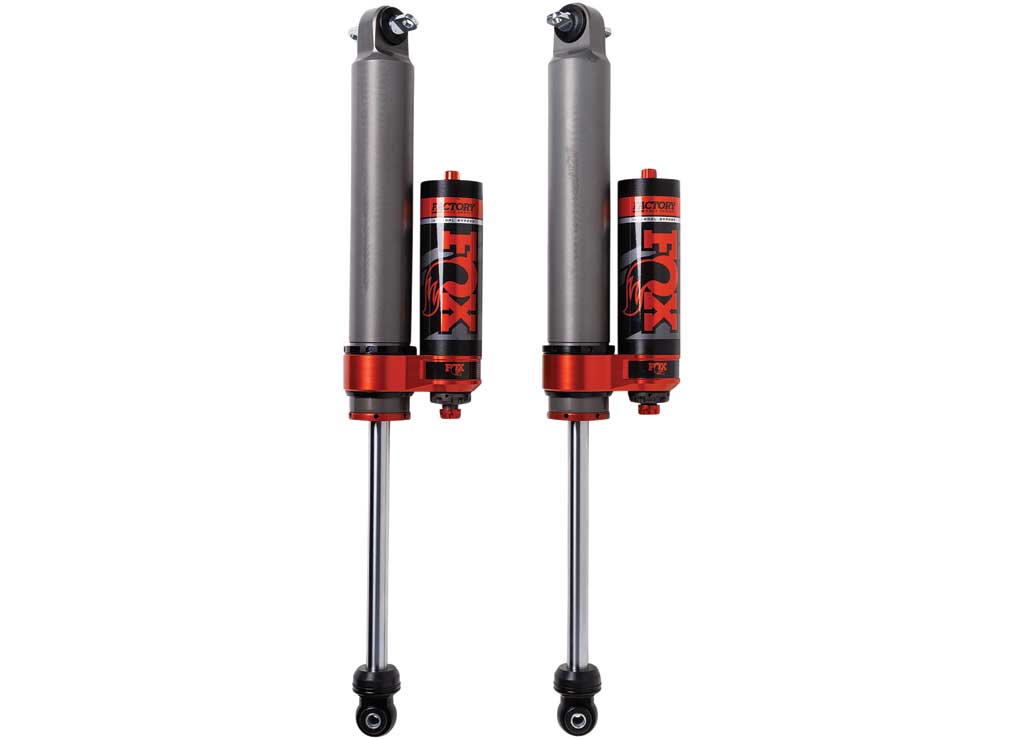
Monotube vs twin-tube. Twin-tube shocks have an inner and outer tube and are common in OE replacements; they're affordable and ride comfortably. Monotube shocks use a single, larger tube with gas separated from oil (often by a floating piston, the IFP in many Fox and Icon names). They generally run cooler and fade less under hard use, which is why most performance and off-road shocks are monotube. Reservoir shocks add extra oil and gas capacity in a piggyback or remote can for even better heat control on long, rough runs.
Bigger body diameters (2.0, 2.25, 2.5 inch and up) generally mean more oil and more heat capacity, at a higher price.
Sizing shocks for stock, leveled and lifted trucks
Shock length matters as much as brand. A shock that's too short tops out and can be damaged at full droop; one that's too long bottoms internally before the bump stops. Here's how to get it right:
- Stock height: buy shocks listed for your exact year, make, model, drive (2WD or 4WD) and position (front or rear).
- Leveled or lifted: buy shocks specified for your lift height, usually listed as a range like 0 to 2 inch or 4 to 6 inch of lift. Many lift kits list which shocks they're designed around.
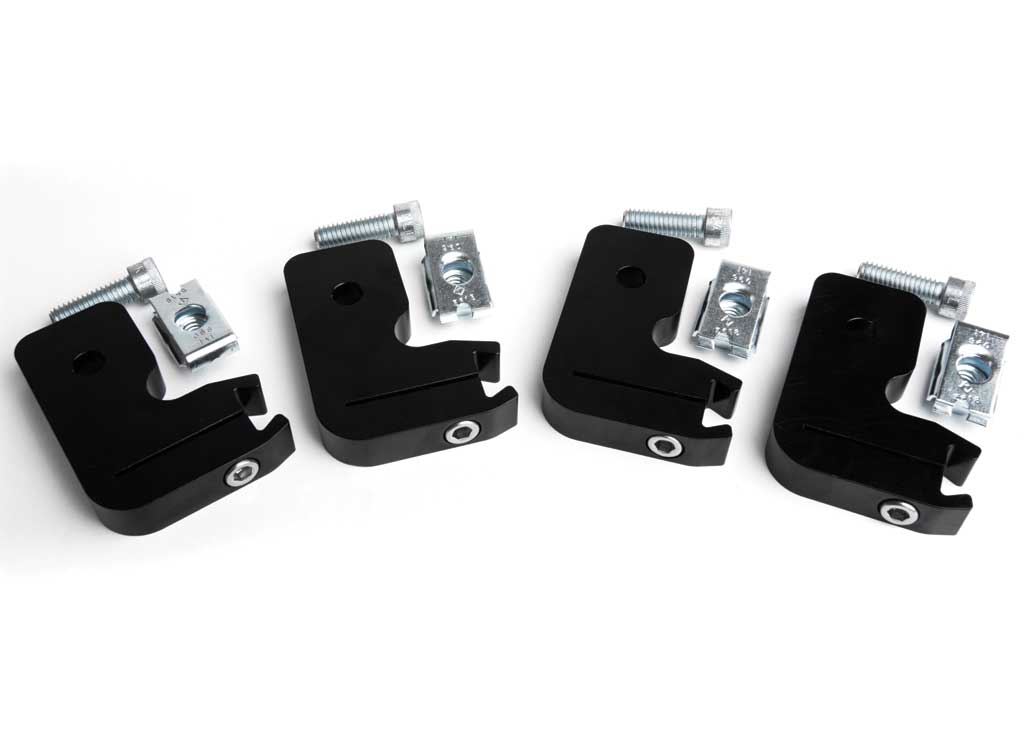
- Small lifts: shock extenders, like the Maxtrac JL extenders we carry, can relocate a mount so stock-length shocks work with a modest lift. Check the extender's stated lift range.
- Universal shocks: some Skyjacker, Zone and Fox shocks are listed by extended length, collapsed length and mount type. Measure your current shock at ride height and at full droop, and compare carefully.
Shock boxes, like Skyjacker's M95 box for the Gladiator and ADX component box for the Wrangler JL, bundle the correct shocks for a specific vehicle and lift. If you're still planning the lift itself, start with our lift and leveling kit guide, since many kits we sell include shocks from Fox, Fabtech and others.
| Setup | What to look for |
|---|---|
| Stock truck, daily use | OE replacement or heavy duty, listed for your exact vehicle |
| Leveling kit (about 1.5 to 2.5 inch front) | Shocks or coilovers rated for leveled height |
| 4 to 6 inch lift | Lift-specific shocks, often 2.0 inch or larger monotube |
| Heavy towing or camper | Heavy-duty shocks plus helper springs or air bags if the rear sags |
When to replace, and doing it right
There's no single mileage for shocks and struts; it depends on roads, loads and quality. Common signs they're worn:
- The vehicle keeps bouncing after a dip or speed bump, or floats at highway speed.
- The nose dives hard under braking, or the body leans and rolls more than it used to.
- Oil leaking down the shock body (a light film can be normal; a wet, dripping shock is not).
- Cupped, scalloped tire wear; see tire cupping causes.
- Clunks over bumps from worn bushings or mounts.
Read signs of bad shocks for a fuller checklist.
Replace in pairs. Always replace both shocks or struts on an axle so the vehicle stays balanced. Replacing all four at once is common because they wear at similar rates.
Install tips. Support the vehicle on proper stands, never just a jack. Torque mounting bolts to spec with the suspension at ride height when the instructions call for it, so the bushings aren't preloaded in a twisted position. Get an alignment after strut replacement or any change in ride height; see how often to get an alignment. If you're lowering a car rather than lifting a truck, coilovers vs lowering springs covers the tradeoffs.