Seat covers protect the factory upholstery from work clothes, mud, pets, kids, sun and spills, and they can save a worn or torn seat for a fraction of the cost of reupholstering. Most of the choice comes down to two things: fit (custom patterned for your exact seats, or universal) and fabric (how it handles water, dirt, heat and wear). Get the fit right first, because even the best fabric looks bad if it bunches and slides.
Covers also help resale value: a truck with clean original seats is easier to sell than one with stains, sun fade and torn bolsters. We stock custom-fit covers from Covercraft (SeatSaver), FIA and Coverking, plus budget universal covers from Plasticolor, Carver and Body Armor.
Custom fit vs universal
| Custom fit | Universal | |
|---|---|---|
| How it fits | Patterned for a specific year, model, cab and seat configuration | Stretches or ties over a range of seat shapes |
| Headrests, armrests, consoles | Separate pieces and cutouts that match your seat | Basic, may cover or skip some features |
| Side airbags and controls | Designed around them when the listing says so | Sideless styles leave the seat sides uncovered |
| Look | Close to factory upholstery | Functional, looser fit |
| Typical price | Roughly $150 to $400 per row | Roughly $30 to $120 |
Custom-fit covers like the Covercraft SeatSaver, FIA custom fit series and Coverking custom covers are cut for your seats, so they stay put and look close to stock. Universal covers like Plasticolor sideless covers, the Carver reversible cover and Body Armor universal rear covers are a quick, low-cost way to protect seats in a work truck or older vehicle.
Ordering the right custom cover
Custom covers are specific, and the details matter. Before you order, check:
- Year, make, model and cab: regular, extended (SuperCab, Quad Cab, Double Cab) and crew or Mega Cab trucks use different rear seats.
- Front seat type: buckets, a full bench, a 40/20/40 split bench (with a fold-down center section) or 40/60.
- Rear seat split: 60/40, 50/50 or solid bench, and whether it has a fold-down armrest or cupholders.
- Headrests: adjustable or fixed (molded in).
- Features: center console, storage under the seat, power or manual controls, seat-mounted seat belts, and seat-mounted side airbags.
- Trim exclusions: many listings exclude specific trims, like the Silverado and Sierra 1500 SeatSaver listings that exclude Legacy and Limited models, or Ranger listings that exclude the Raptor.
Side airbags: if your seats have side airbags built into the seat, use a cover that the maker states is compatible with them. These covers use seams or openings designed to let the airbag deploy. Do not put a standard cover over a seat-mounted airbag. When in doubt, check your owner's manual for the airbag location and contact the cover maker.
Covers are sold by row. Many people cover the front row first, since it wears fastest, and add the second row later. Covercraft also offers logo options on some models, like Jeep and Ram logo SeatSavers.
Fabrics: polycotton, neoprene and more
- Polycotton (Covercraft SeatSaver): a tough, breathable woven fabric that stays cooler than vinyl or neoprene in summer. Many polycotton covers are machine washable; check the care instructions. A favorite for work trucks and daily drivers.
- Neoprene (FIA NP series and others): wetsuit-style material that resists water and is easy to wipe down. Good for beach, lake, hunting and outdoor use; it can feel warmer in hot weather.
- Neosupreme (Coverking): a neoprene-look fabric that gives a similar appearance and water resistance at a lower price than true neoprene.
- Heavy-duty woven and canvas-style fabrics: FIA's custom fit lines and other work-oriented covers focus on abrasion resistance for job sites.
- Leatherette and vinyl: easy to wipe clean and dressy, but warmer in summer and colder in winter.
Jeeps, Broncos and open vehicles are a special case. With the top and doors off, seats see rain, dust and direct sun, so water-resistant fabrics like neoprene or Neosupreme and darker colors make sense. FIA and Covercraft both make Wrangler and Bronco covers, including Covercraft SeatSavers with a Jeep logo. Even with a water-resistant cover, water can soak into the seat foam through seams, so a quick wipe after a storm helps.
Work trucks take the most abuse from tools, gear and dirty clothes. Prioritize abrasion resistance and washability over looks, and cover the driver's seat bolster, which usually wears out first from sliding in and out.
Color matters more than you might think. Charcoal, gray and black hide dirt; tan and brown blend with lighter interiors. If you are covering a worn seat, a fabric with a bit of texture also hides lumps.
Installing, care and seat repair
Custom covers typically install with straps, hooks and plastic retainers that tuck between the seat back and cushion; budget an hour or so per row and take your time on the headrests and bench sections. Small hardware kits like FIA's Stick-A-Studs help secure covers where there is nowhere to hook a strap. Keep the covers clean with regular vacuuming and follow the maker's washing instructions, since high heat can shrink some fabrics.
Heated and ventilated seats: heated seats usually still work under a cover, though they may take longer to warm up through thicker fabrics. Ventilated (cooled) seats lose much of their airflow under most covers, so check whether the cover maker offers a perforated or vent-compatible option for your vehicle before you buy.
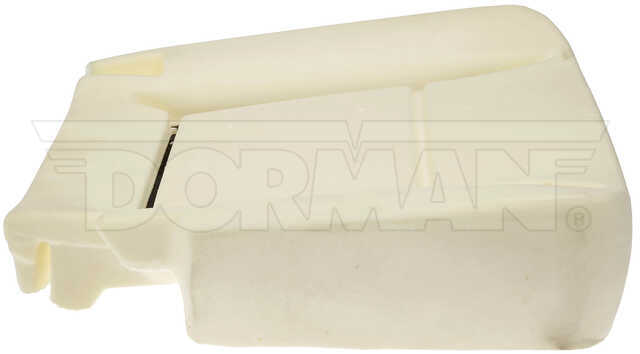
If the seat itself is damaged, a cover hides the problem but does not fix the support. For some trucks you can buy replacement pieces, like Dorman's lower seat cushion covers and cushion foam for 2008-2010 Ford Super Duty and F-150 seats. RV owners can protect captain's chairs with covers like the Classic Accessories RV captain seat cover.
Finish the interior with matching protection underfoot; see our floor mats and liners guide. Hauling in the bed too? See our bed mats and liners guide.