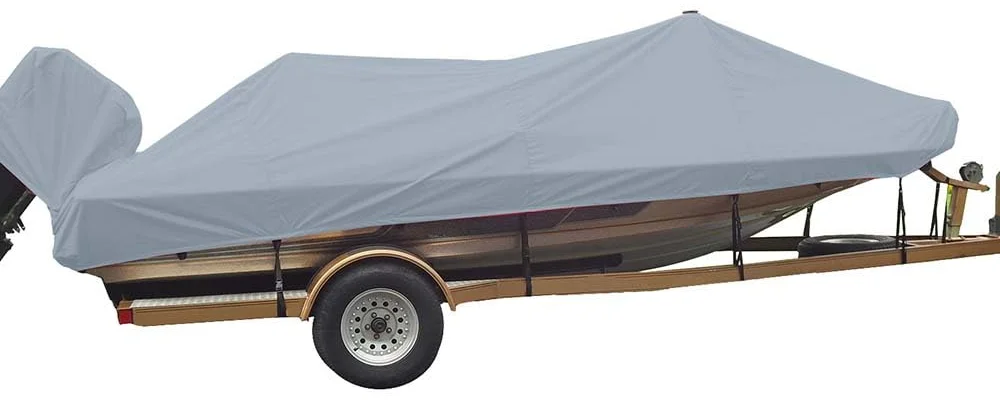
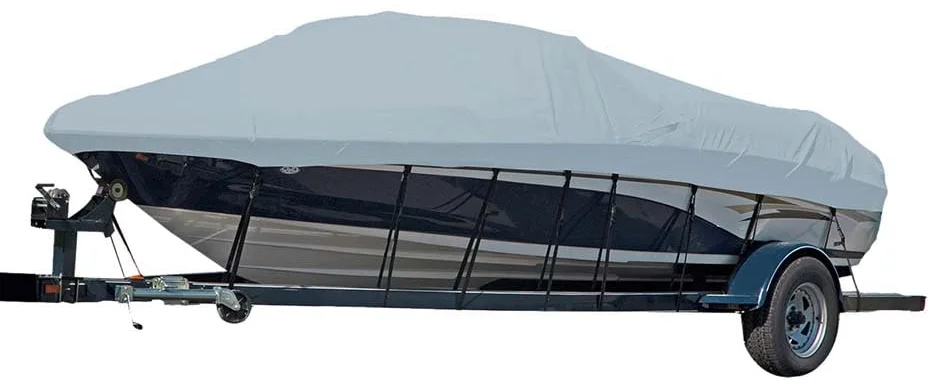
Sun, rain, leaves and bird droppings do more damage to a boat sitting in the driveway than most seasons on the water. A good boat cover keeps upholstery, carpet and electronics out of the weather and keeps rainwater from collecting in the hull. A bimini top or T-top shade does the opposite job, keeping sun off the crew while you are out. Most of what we carry is from Carver, which makes both covers and bimini kits in a wide range of sizes. Getting either one right comes down to accurate measurements, the right fit style and support and hardware that keep the fabric tight.
How to measure for a boat cover
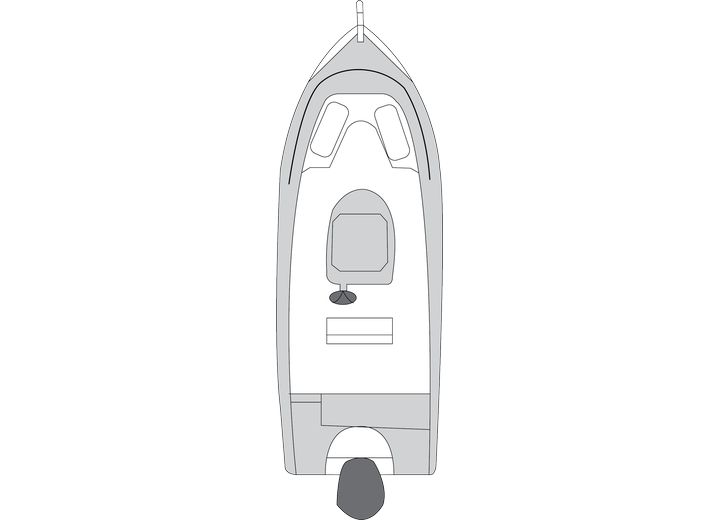
- Centerline length: run a tape from the tip of the bow straight down the middle of the boat to the back of the transom. Do not follow the curve of the gunwale. Covers are usually sold by a length range, such as 14 feet 7 inches to 15 feet 6 inches.
- Beam width: measure the widest point of the hull, side to side.
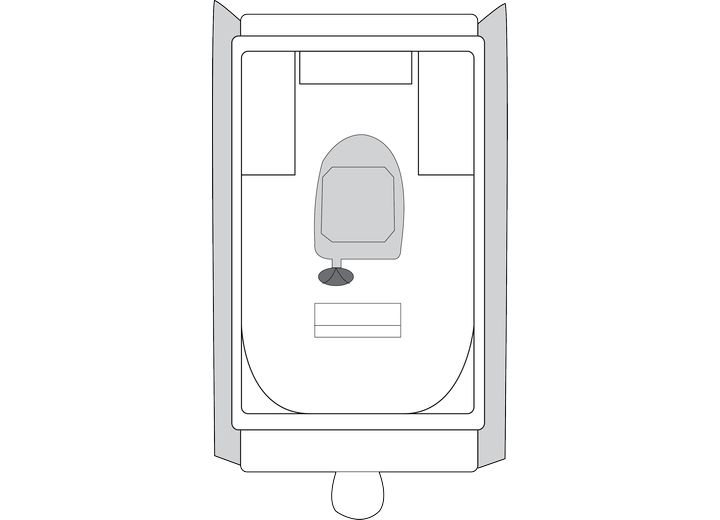
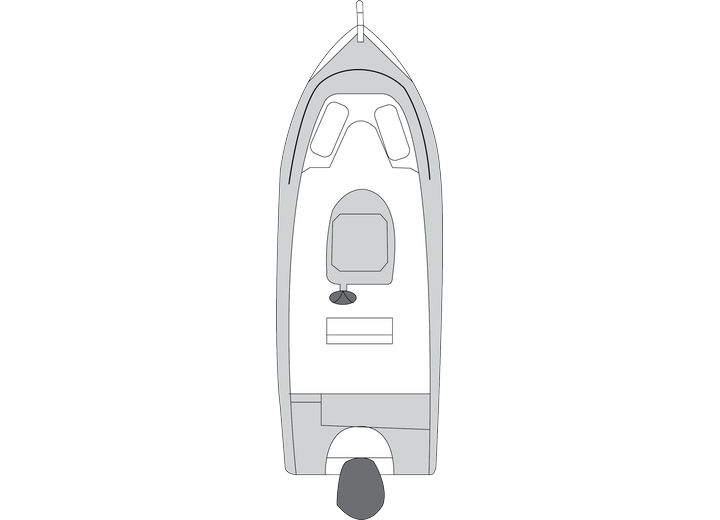
- Hull style and features: note the hull type (V-hull runabout, bass boat, jon boat, ski boat, inflatable) and anything that changes the shape: windshield type (walk-through or center console), bow rails, trolling motor, ladder or swim platform, and whether the engine is outboard or inboard/outboard.
Each cover maker has its own rules for what to include, such as whether the length includes a swim platform or the outboard motor, so always follow the maker's measuring guide for the cover you are buying. When you fall between two sizes, the fit chart usually tells you which way to go.
| Fit style | How it fits | Good for |
|---|---|---|
| Styled-to-fit | Cut for a hull style and length range, such as a 19 foot V-hull with windshield and bow rails | Popular boat types where you want a close, neat fit |
| Size-based (Flex-Fit Pro) | Numbered sizes covering a length and beam range, with elastic and straps to snug the fit | Common runabouts and bass boats, budget buys, replacing a worn cover fast |
| Custom | Patterned to one boat model | Unusual hulls and owners who want the closest fit |
Fabric, storage and trailering
- Polyester covers, such as the Carver Poly-Guard and Flex-Fit Pro lines, are lighter and more affordable and are a good fit for seasonal and driveway use.
- Solution-dyed acrylic such as Sunbrella is known for holding color and resisting fading and is breathable, so it is a popular choice for bimini canvas and long-term covers. It costs more.
- Breathability matters. A cover that traps moisture can lead to mildew underneath. Vents help air move through, and a breathable cover is better than a plastic tarp for long storage.
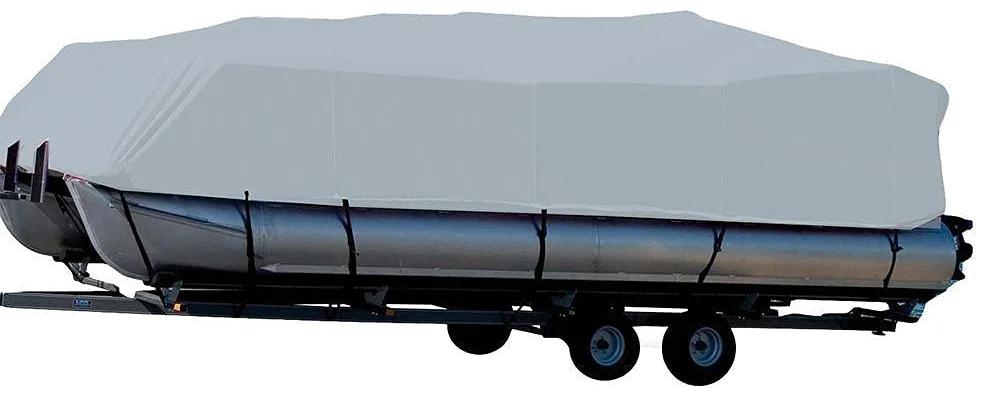
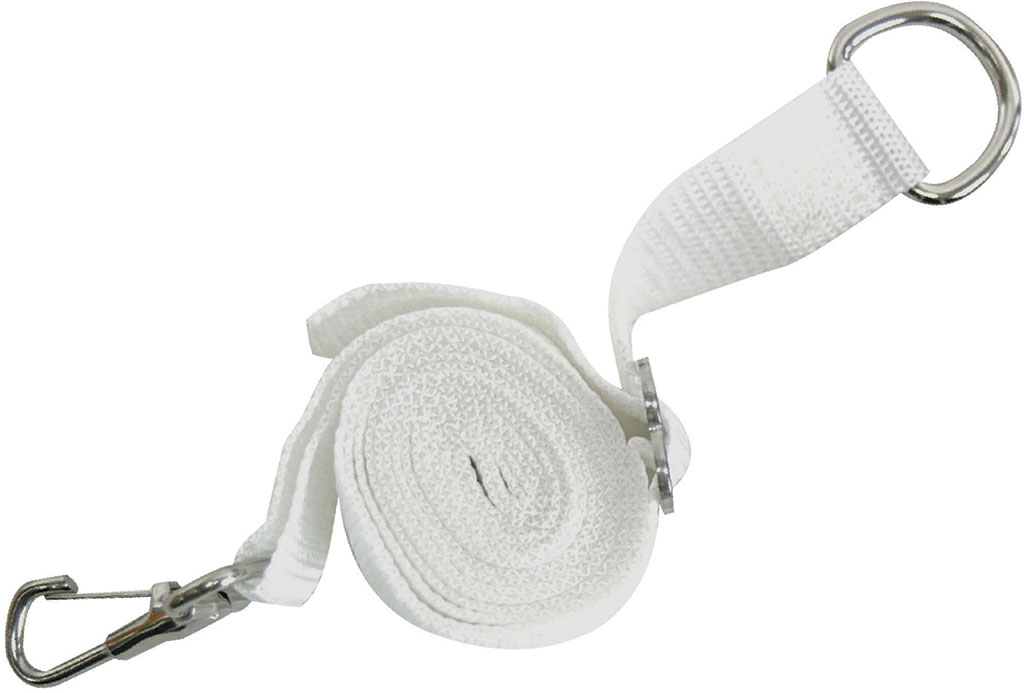
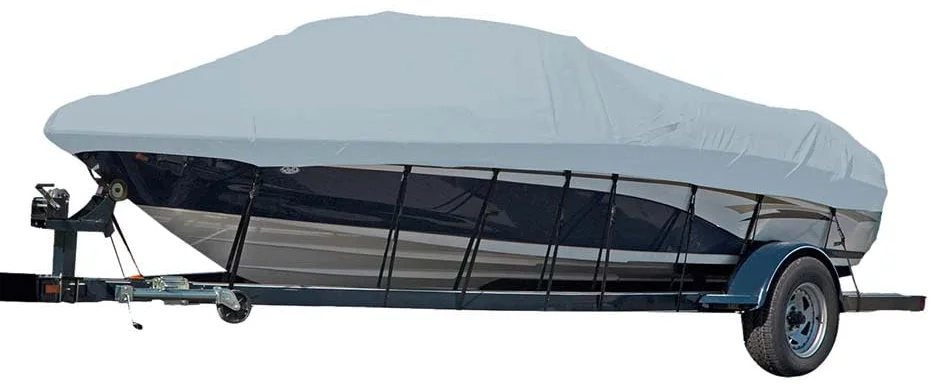
Trailering with a cover on: some covers are designed to be towed with, but the cover must be tight. A loose cover flaps at highway speed, which wears the fabric and the gelcoat. Use every tie-down strap, run straps under the hull or to the trailer frame, and check the maker's guidance on towing before you drive with it. Our boat trailer parts guide covers the rest of the rig.
At the dock, a well-fitted cover also keeps rain out between trips. See our dock and boat accessories guide for lines, fenders and dock hardware.
Support poles, kits and hardware
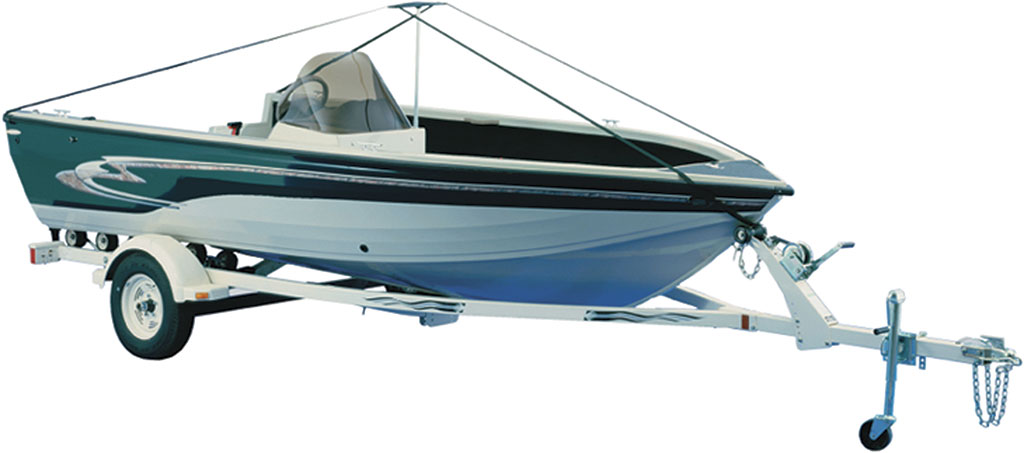
The biggest killer of boat covers is pooling water. Rain collects in a low spot, the weight stretches the fabric, and the pocket gets deeper until seams tear or the cover drops into the boat. A support system tents the cover so water runs off.
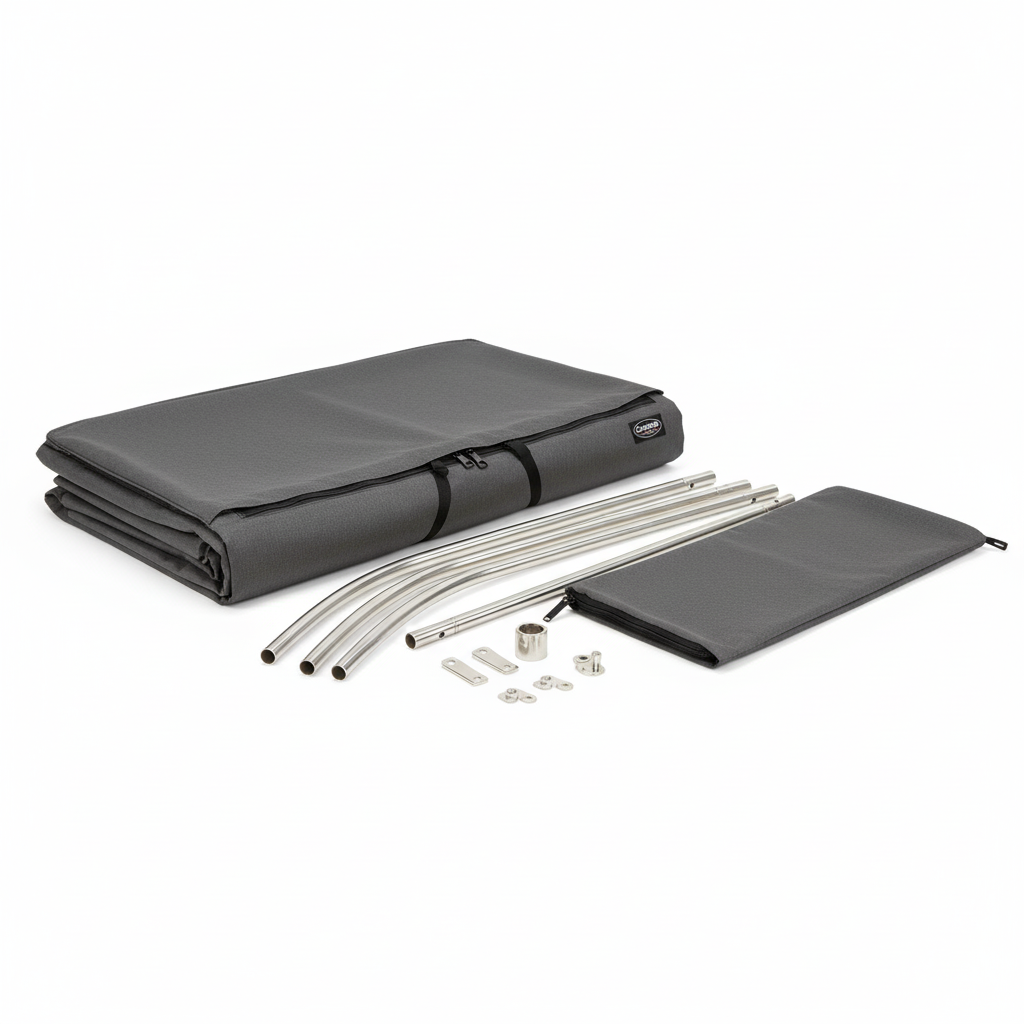
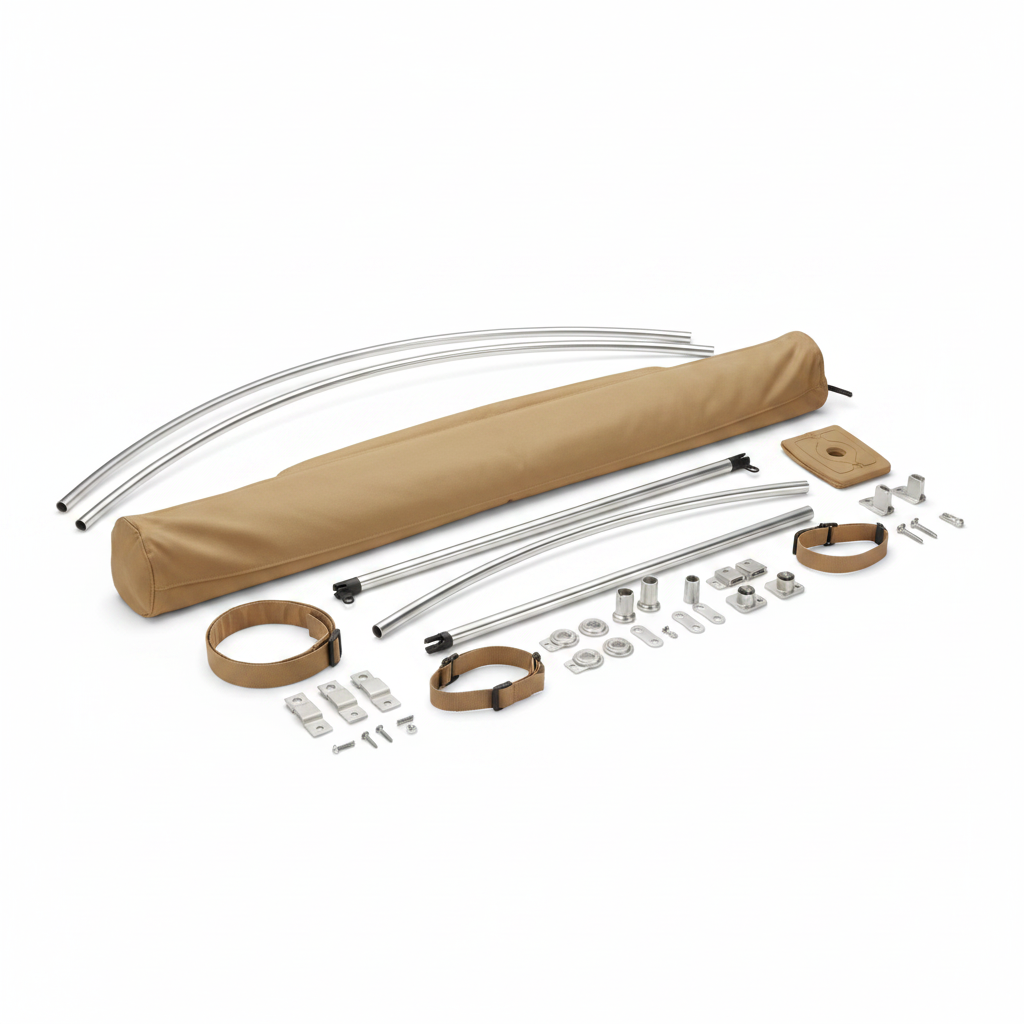
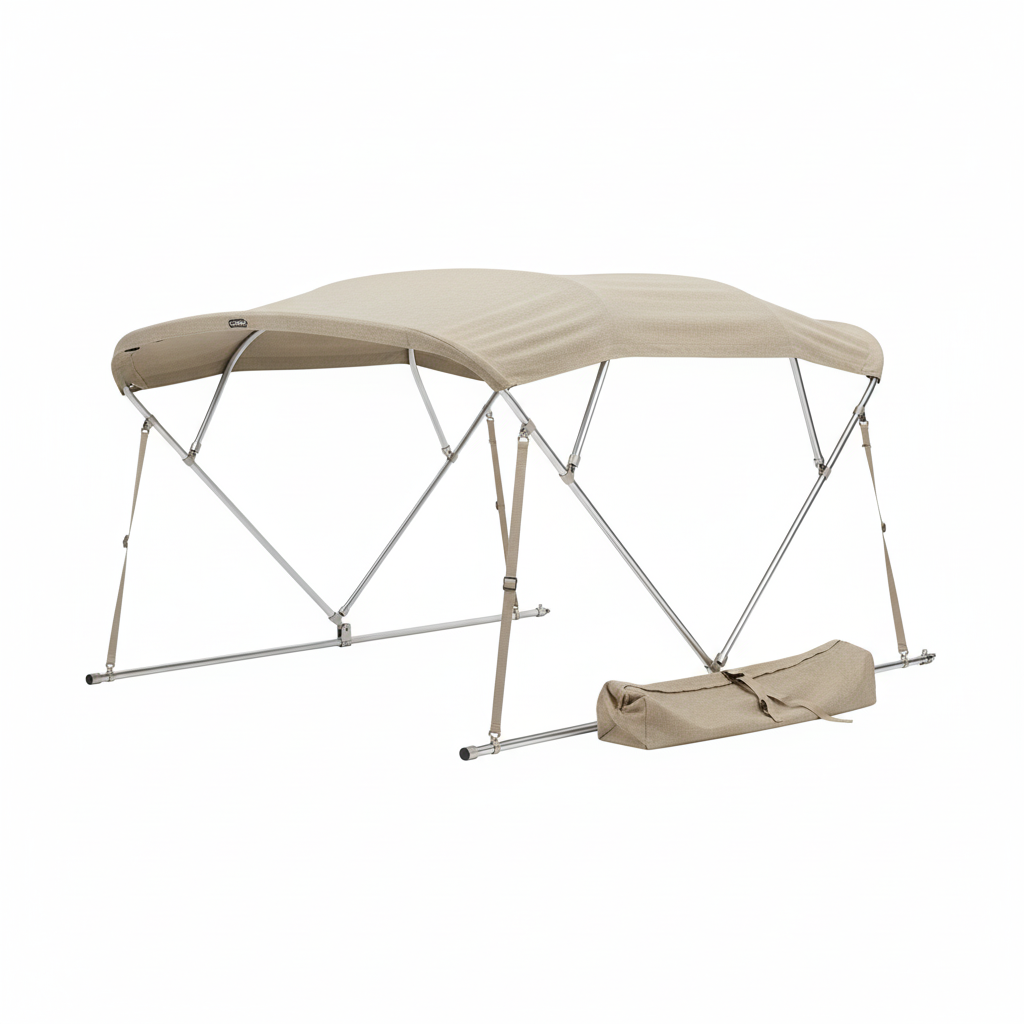
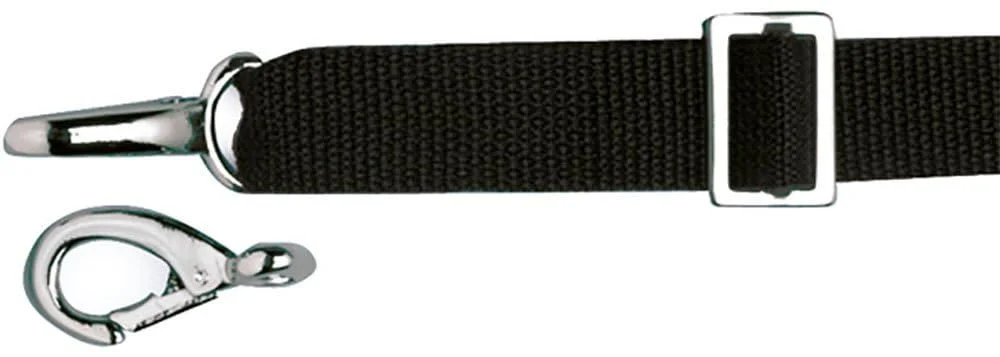
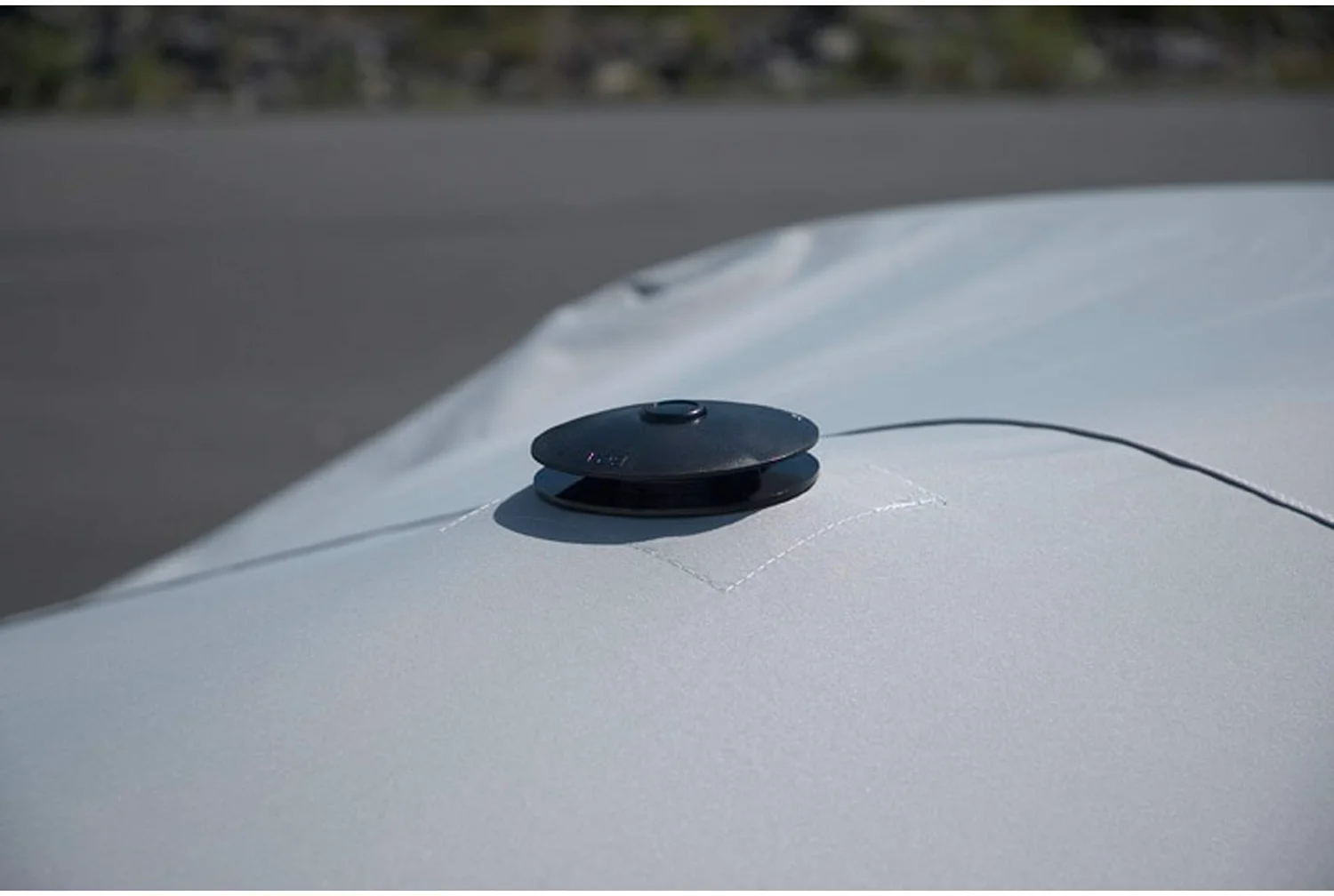
- Adjustable support poles from Attwood (28 to 48 inch and 36 to 60 inch) and Carver stand in the cockpit and push the cover up. Some include a vent at the top.
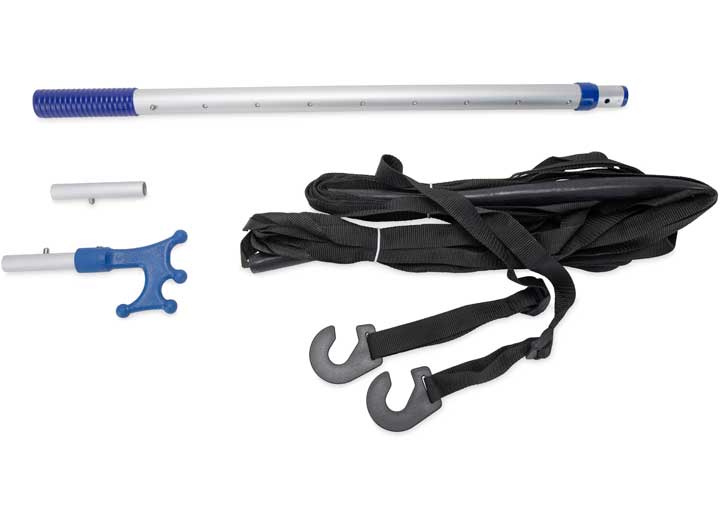
- Support kits and systems from Camco and Attwood use straps and poles to create a ridge from bow to stern.
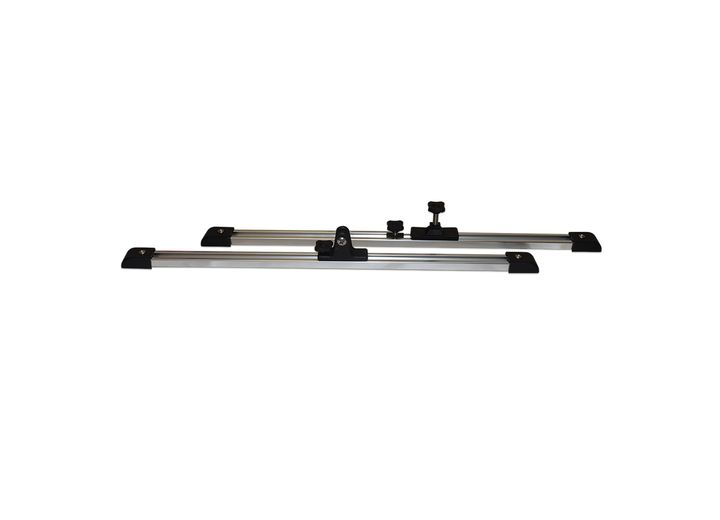
- Brace kits and slide track kits from Carver support covers on larger boats and give you a frame to slide the cover along.
- Reinforcement kits add patches at high-wear points such as windshield corners and bow rail ends.
Before covering the boat, pad any sharp corners, pull the drain plug if the boat is stored out of the water (and leave a reminder at the helm to put it back in), and set the support pole first so the cover goes on already tented.
Choosing a bimini top or T-top shade
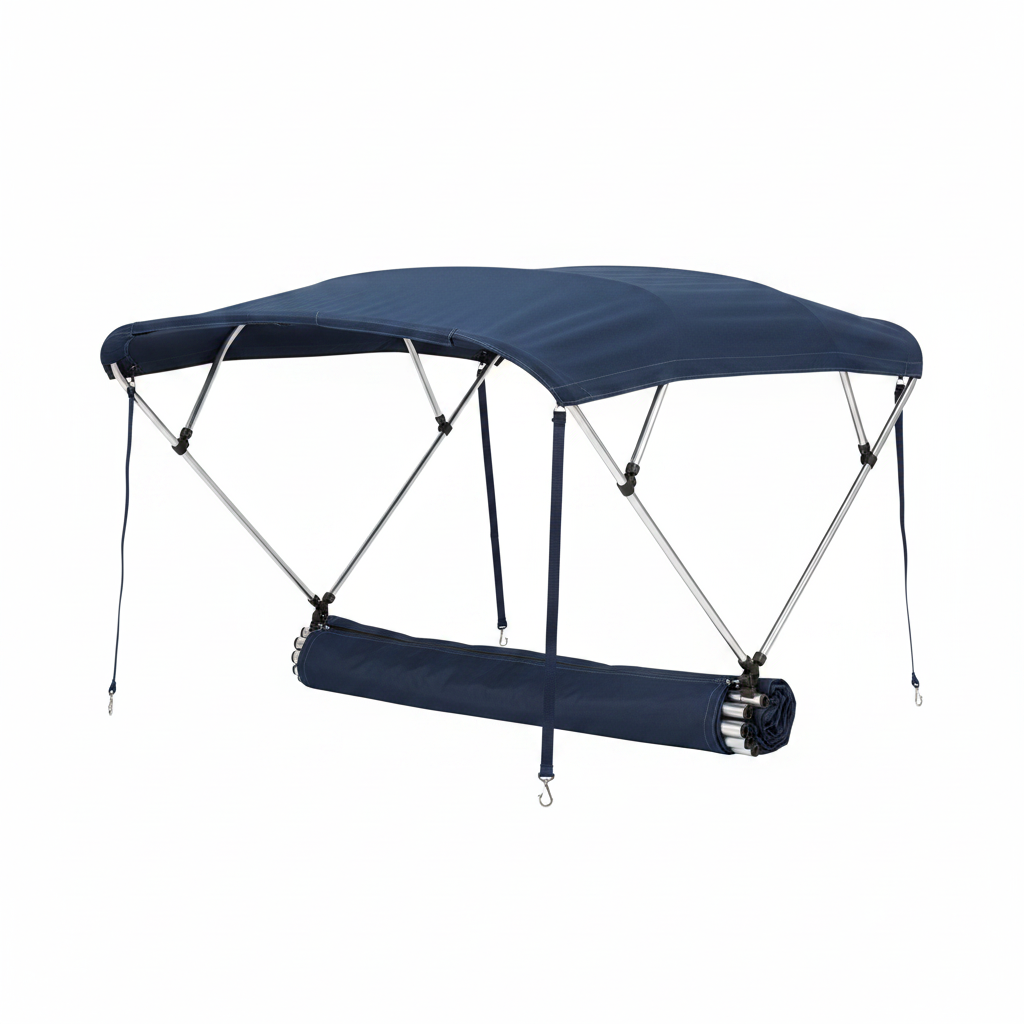
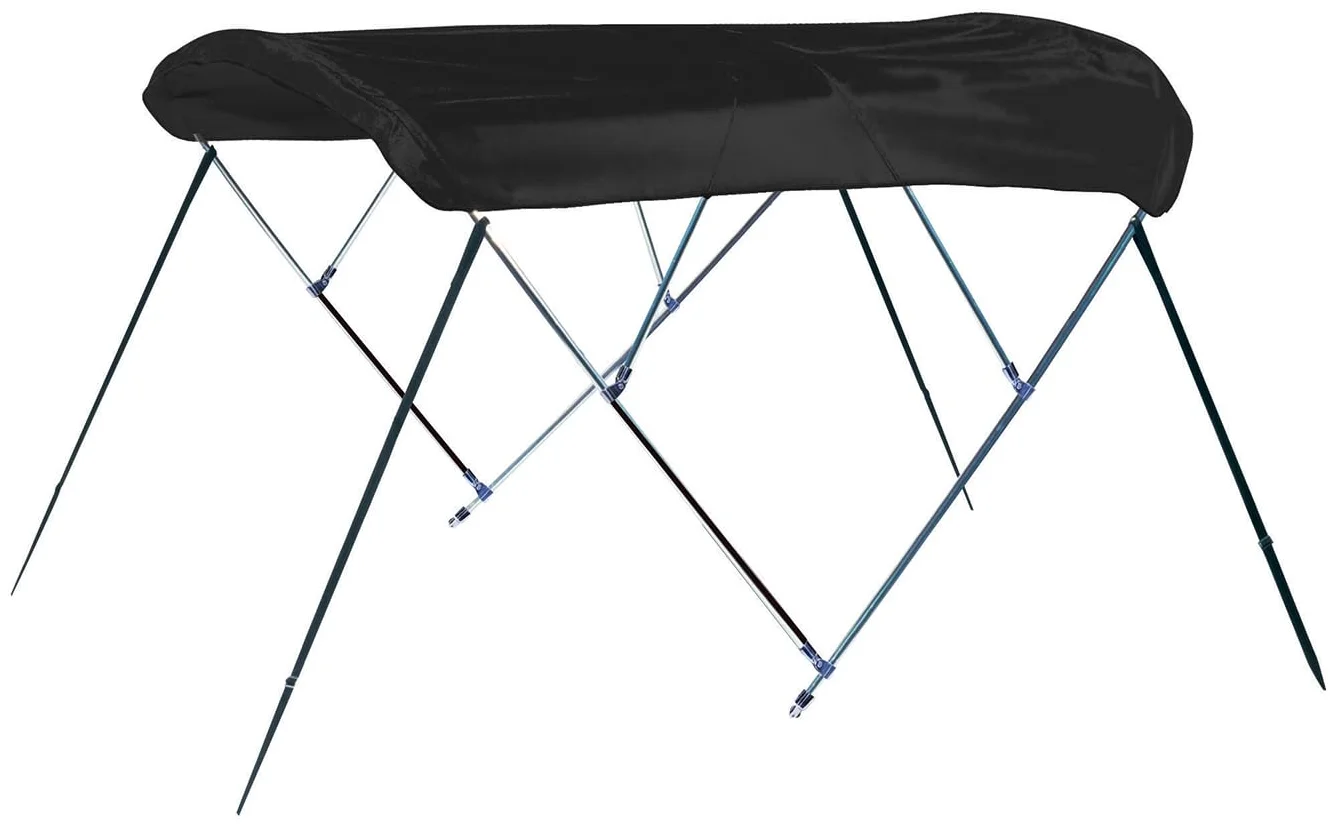
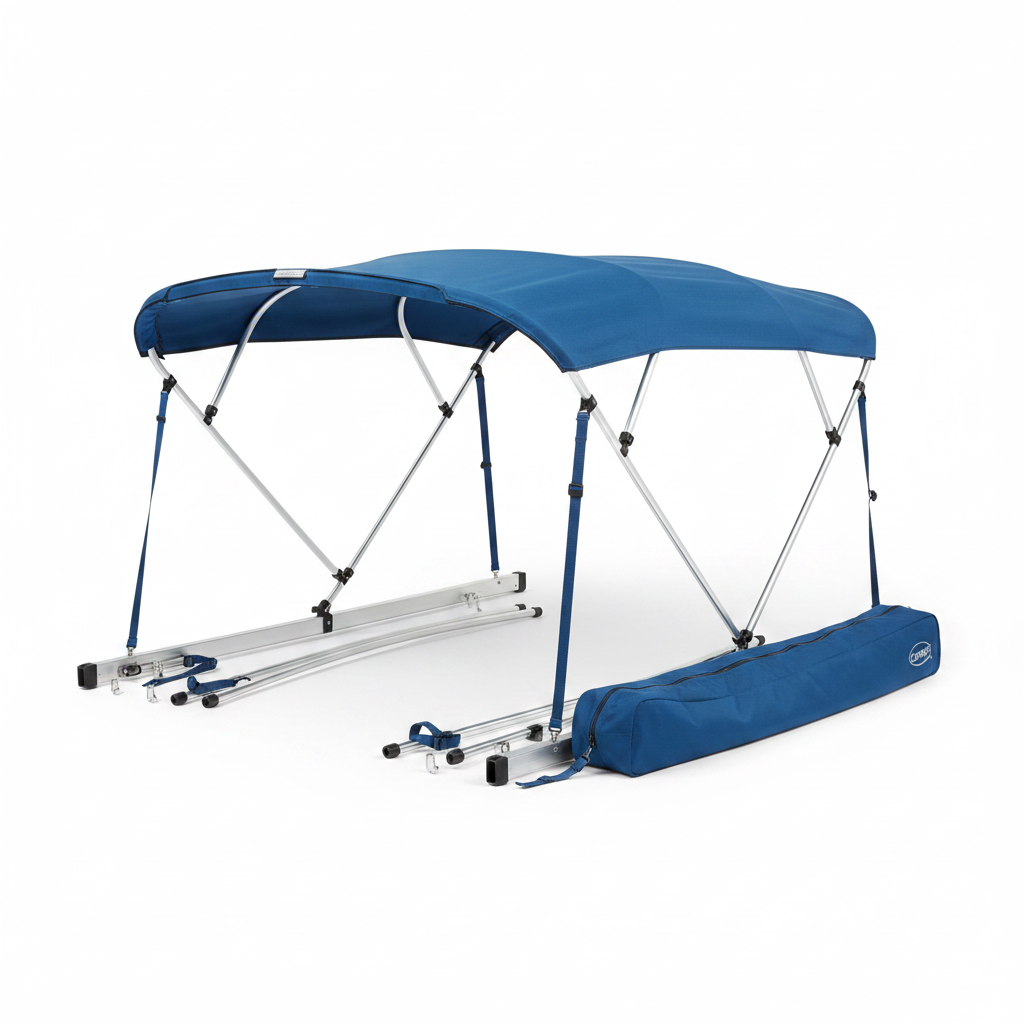
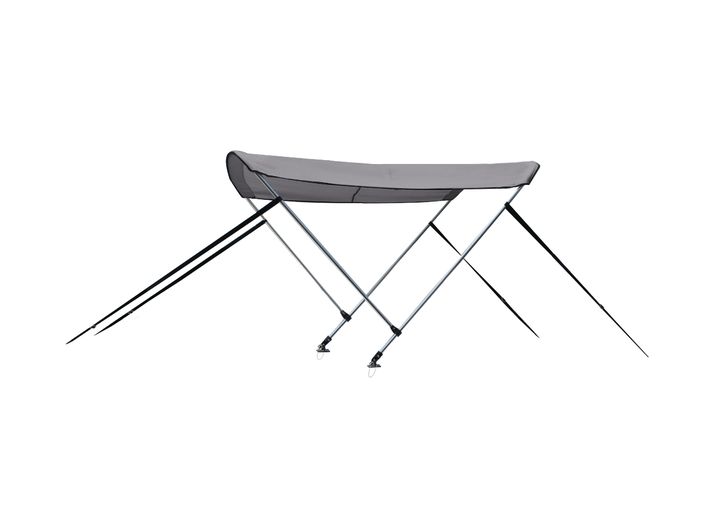
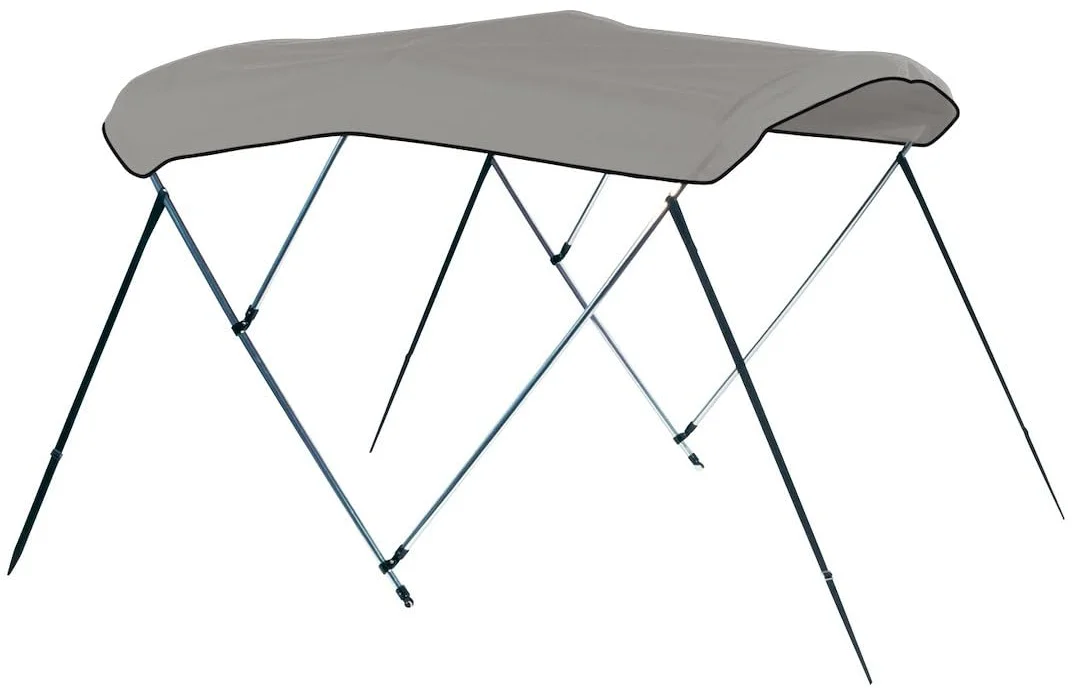
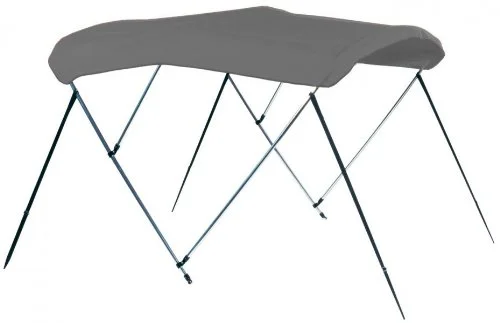
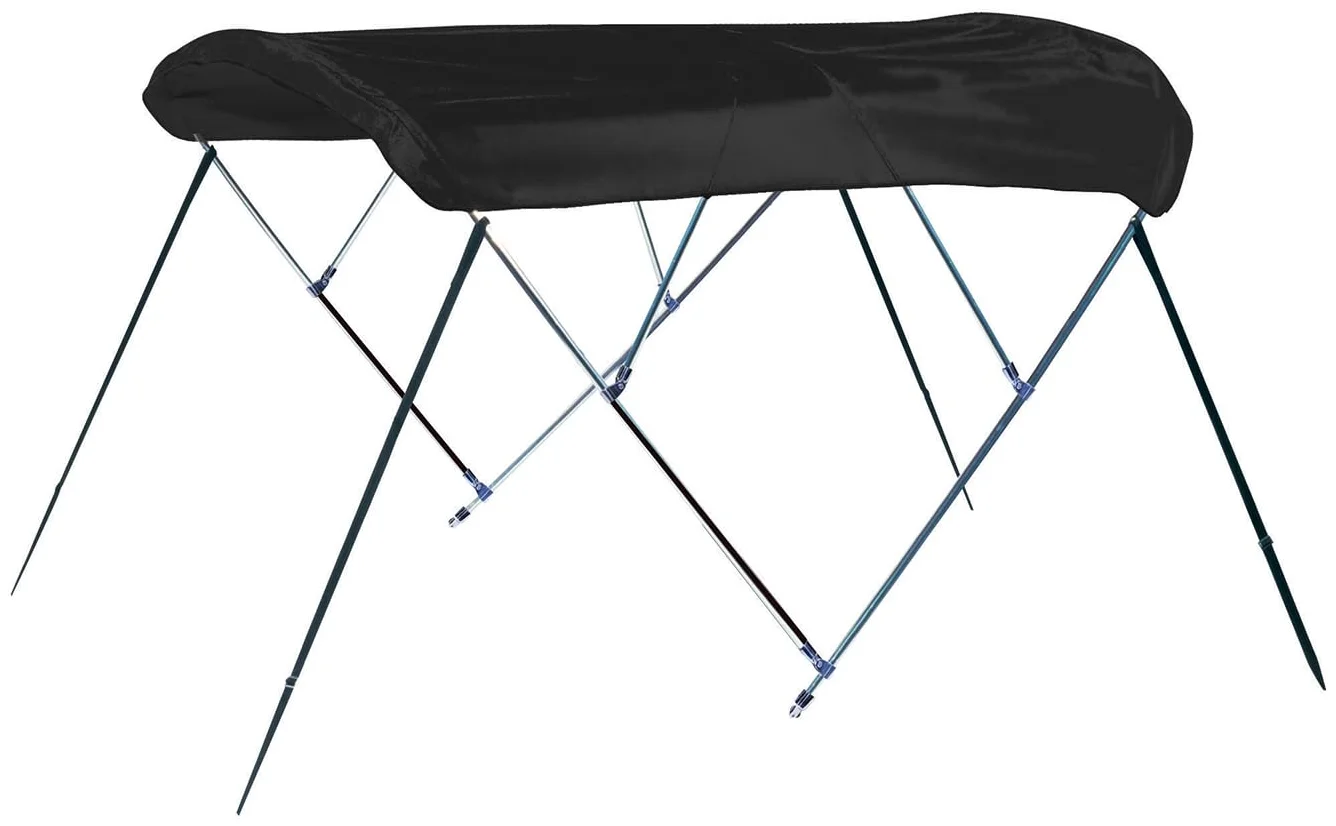
Bimini kits are sold by number of bows, height and mounting width. Carver kits, for example, come in 2 bow and 3 bow versions at heights such as 42, 46 and 54 inches.
- Width: measure across the boat from outside to outside at the points where the bimini will mount, typically on the gunwale or rail. Kits are sold by a width range such as 79 to 84 or 91 to 96 inches.
- Height: measure from the mounting point to where you want the top to sit. Taller tops give standing headroom; lower tops are less affected by wind and are easier to fold.
- Bows and length: more bows generally means a longer canopy and more shade. 2 bow tops suit smaller boats; 3 bow tops cover a larger area.
- Frame: round aluminum tube is common on runabouts; square tube frames are typical on pontoons, such as the Carver 1 inch square pontoon frame. Inflatable boats need a mounting kit like the Carver Hypalon inflatable bimini kit.
- Boot and canvas: a boot is the zippered sleeve that covers the folded top. Replacement canvas with boot is sold separately when your frame is still good.
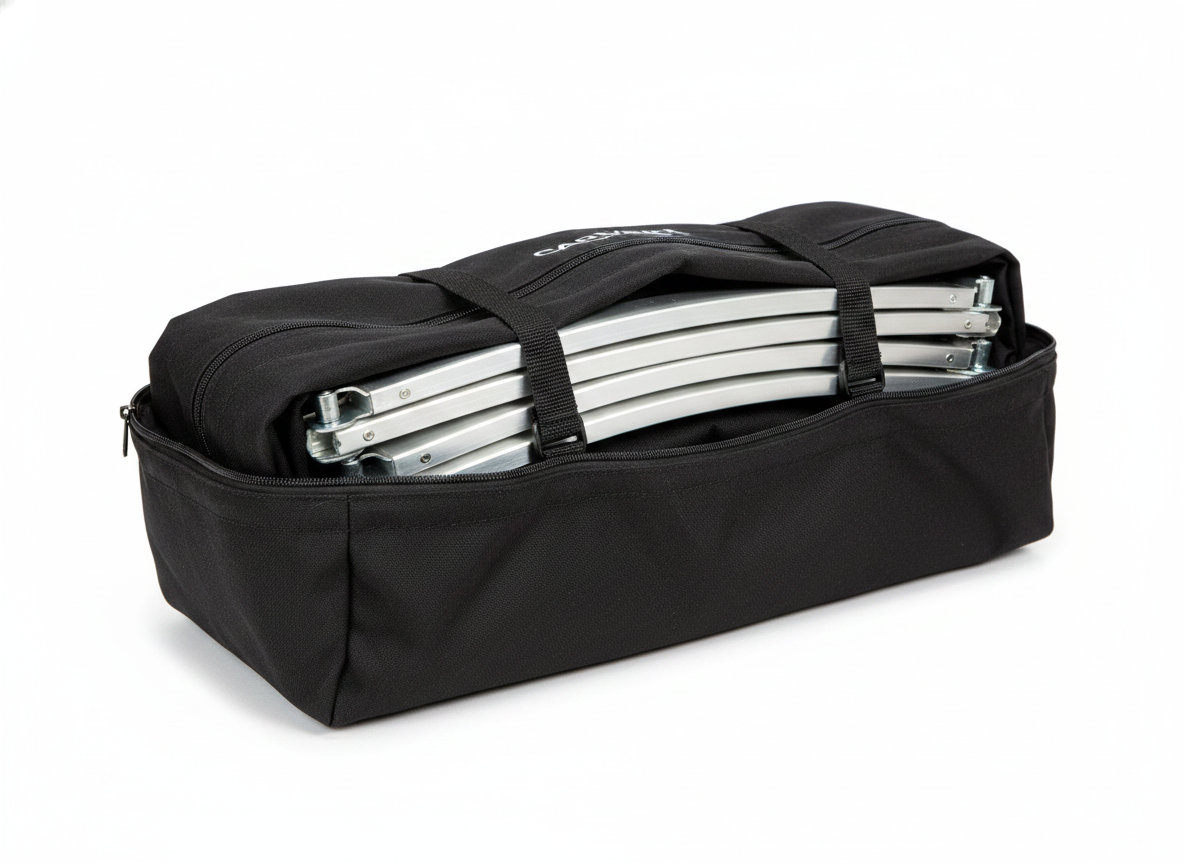
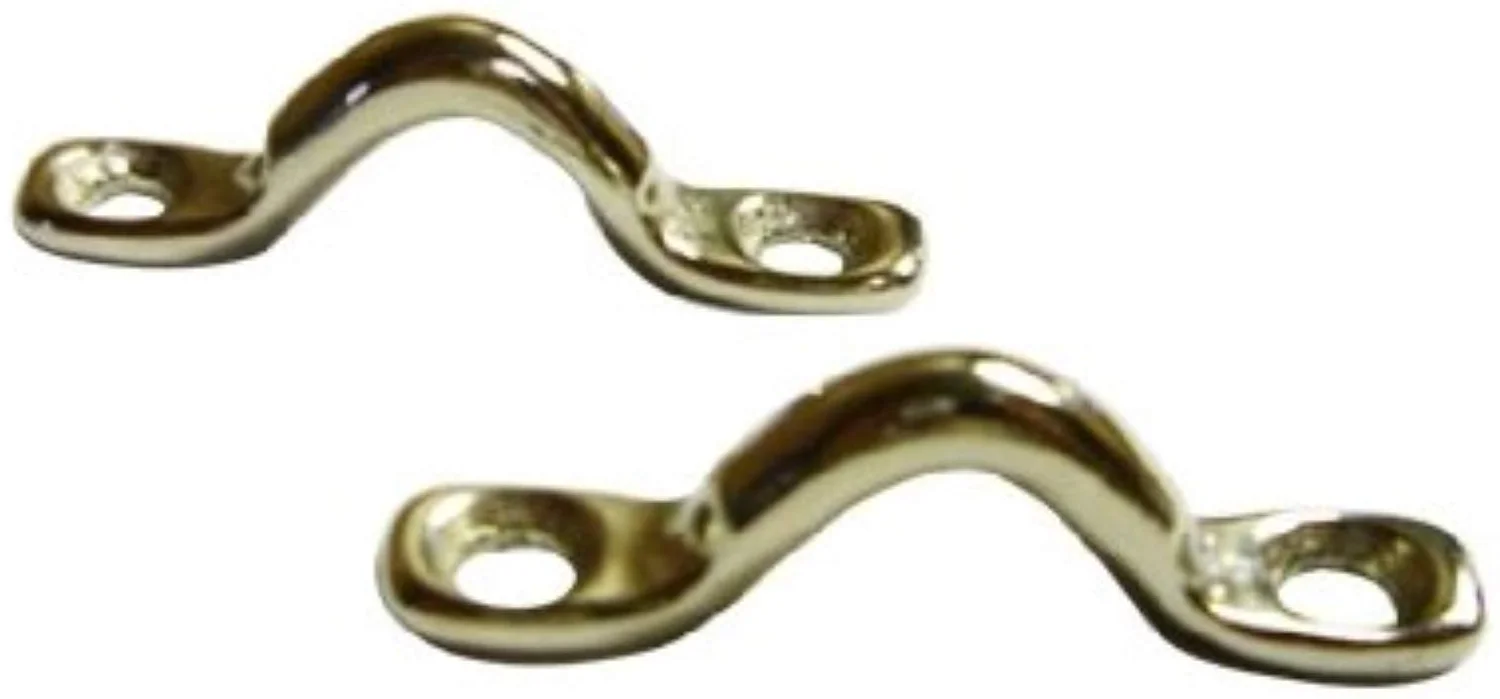
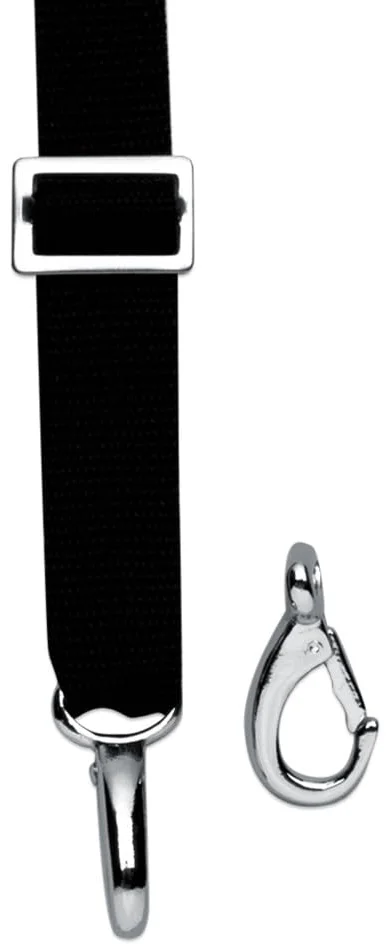
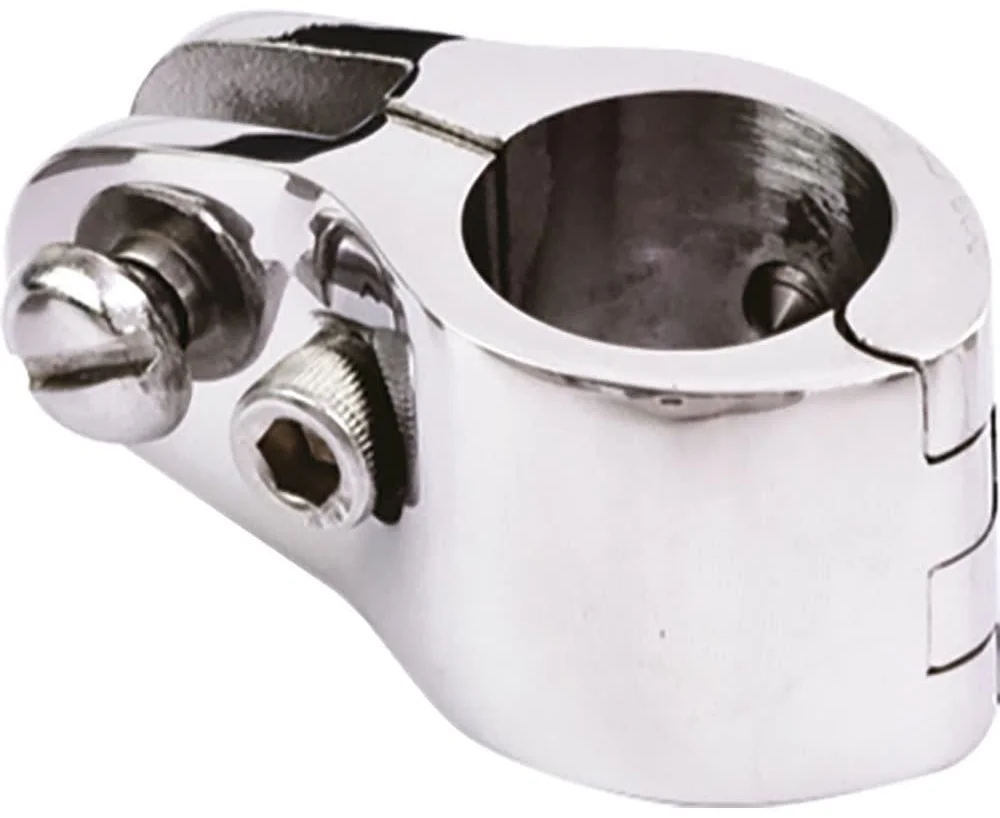
Hardware: stainless straps, slides, caps and deck fittings from Sea Dog, Whitecap and Carver hold the frame in position. Adjustable straps let you tension the canopy so it does not flap. Most makers advise folding the top and securing it in the boot before trailering at highway speed.
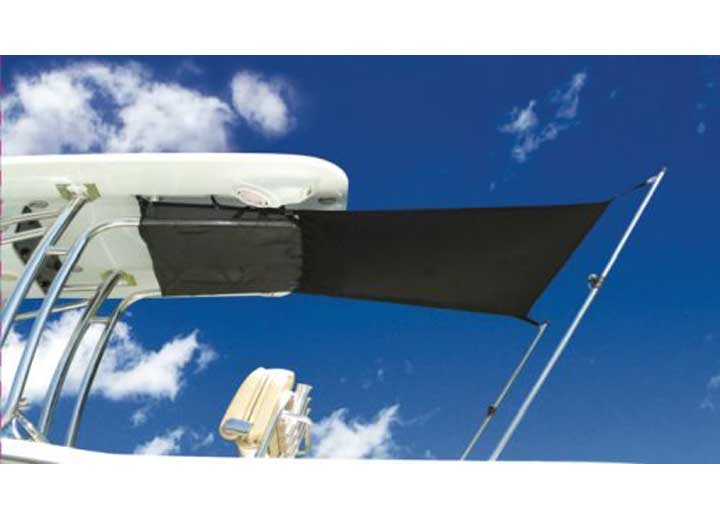
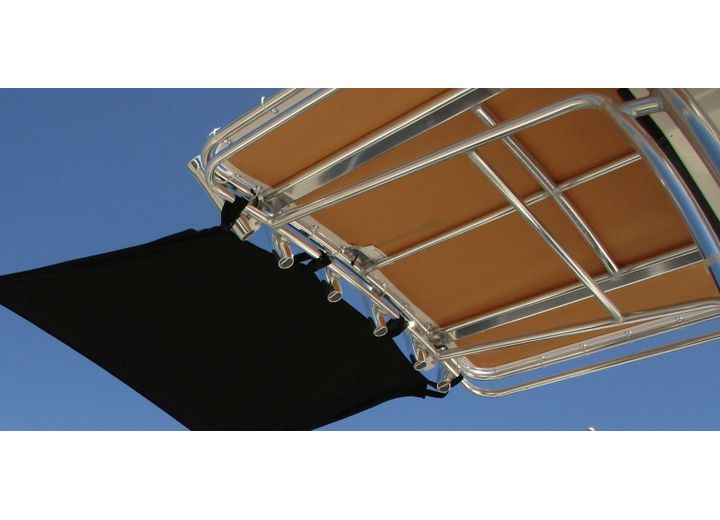
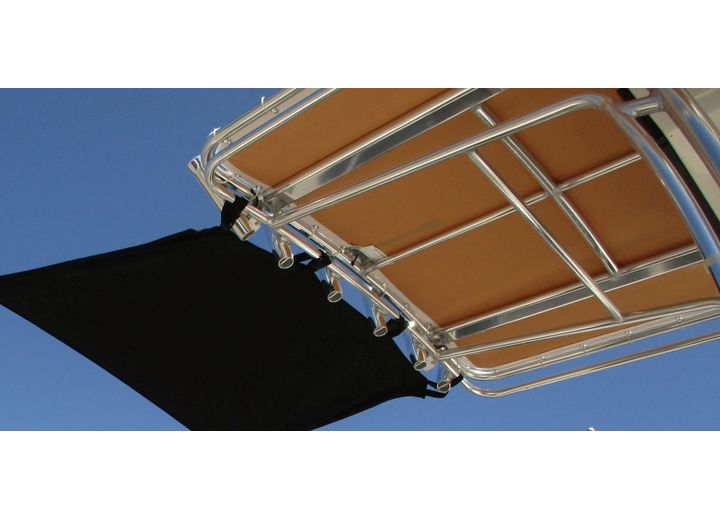
T-top shade extensions such as the Carver T-Shade (4 and 5 foot lengths) attach to an existing T-top and extend shade back over the cockpit. For mounting rod holders on your top or rails, see our rod holders guide.