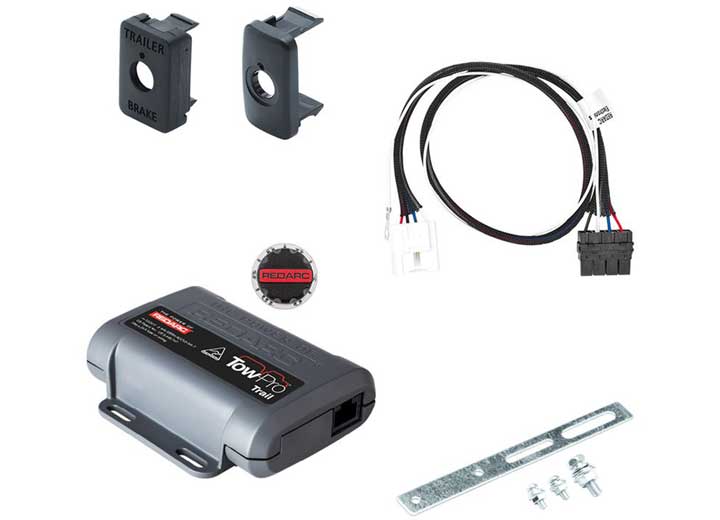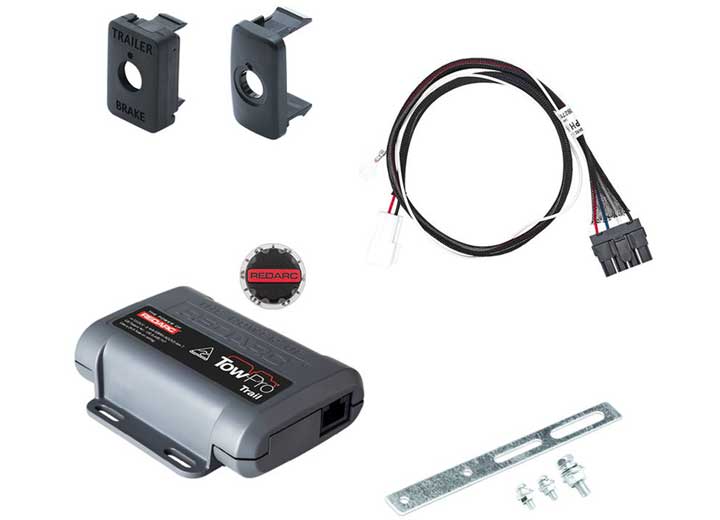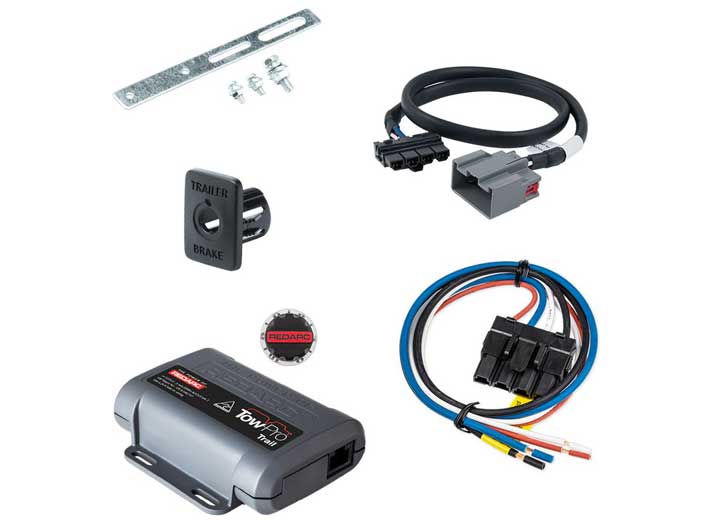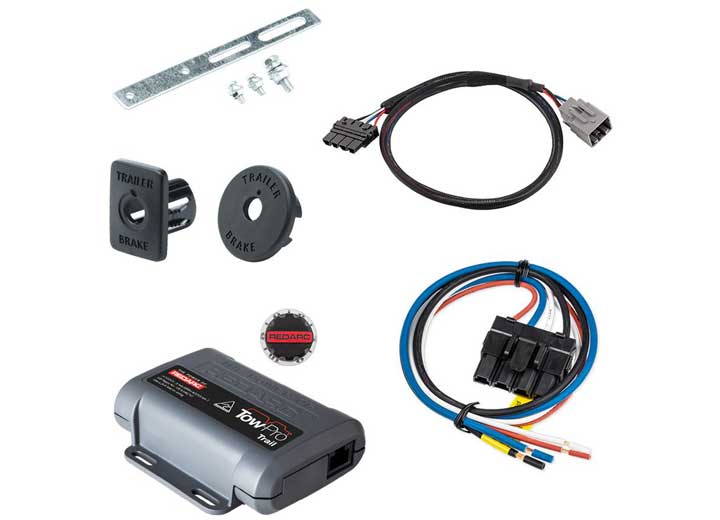
A proportional controller is usually the better pick. It uses an internal motion sensor to read how quickly the vehicle is slowing, then sends matching power to the trailer brakes. A gentle stop gets gentle trailer braking and a panic stop gets strong trailer braking, almost instantly.
A time-delayed controller, sometimes called solid state, does not sense deceleration. When you press the pedal it ramps power up to the maximum you set, over a delay you set, and holds it there. It costs less and is simple to mount, but its output depends on how long your foot is on the pedal, not how hard you are stopping.
Side by side comparison
| Proportional | Time-delayed | |
|---|---|---|
| How it decides braking force | Motion sensor reads vehicle deceleration | Ramps to a preset level over a set time |
| Light stops | Light trailer braking | Ramps toward full set power if the pedal stays down |
| Panic stops | Strong braking almost immediately | Short lag while it ramps up |
| Stop-and-go traffic | Smooth | Can feel grabby or late |
| Mounting | Often needs to sit within a stated angle range | Usually any angle |
| Typical cost | Higher | Lower |
| Best fit | Campers, heavy trailers, frequent towing | Light, occasional towing on a budget |
Factory integrated controllers in most newer trucks work proportionally. Electric-over-hydraulic trailer brakes generally call for a controller rated for that system, so check the actuator manufacturer's recommendation.
Worked example: the same stop with each controller
Picture a 6,000 lb travel trailer behind a half-ton pickup. You set the gain on each controller so the trailer brakes work hard without locking on a firm stop. The numbers below are illustrative, to show the behavior rather than any one model's output.
- Easy stop at a light from 30 mph. The proportional unit senses a mild slowdown and sends roughly a third of its set output. The time-delayed unit starts low, then keeps climbing toward 100 percent of its setting for as long as the pedal is held, so near the end of the stop the trailer can tug the truck.
- Sudden stop at 55 mph. The proportional unit senses hard deceleration and goes to near full output right away. A time-delayed unit with a 1 second ramp is only partway there during that first second; at 55 mph you cover about 80 ft per second, so that second matters.
That gap is why proportional controllers are favored for heavier trailers and for anyone who tows often. A time-delayed controller can still be set up well for a light trailer you tow a few times a year.
Setting gain on either type
- Load the trailer as you normally tow it.
- On a dry, level, empty road or lot, drive about 20 to 25 mph.
- Apply only the controller's manual lever or button.
- Raise gain until the trailer wheels are just short of locking, then back off slightly. On a time-delayed unit, also adjust the sync or delay so the trailer neither lags nor grabs.
- Recheck when the load changes a lot or the road is wet.
Follow the controller's own instructions, which may differ, and the trailer manufacturer's guidance. New brakes often need a burnish or break-in period before they reach full strength.
Which one fits your towing
Use the trailer and how often you tow to decide.
- Travel trailers, fifth wheels and car haulers: proportional. These trailers are heavy enough that smooth, fast response on hard stops matters on every trip.
- Frequent towing in traffic or hills: proportional. Constant slowing and speed changes are where time-delayed units feel least natural.
- A light utility trailer with electric brakes, towed a few times a year: a time-delayed controller is a workable budget choice if it is set up carefully.
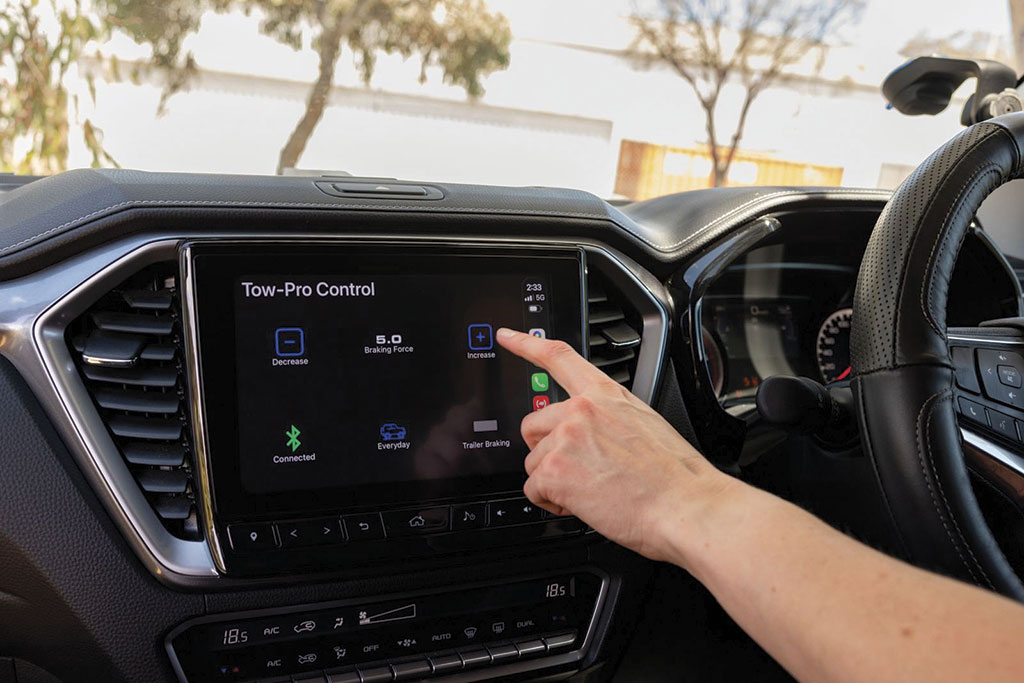
- Truck with a factory integrated controller: you may not need an aftermarket unit at all. Check the dash for a trailer brake gain control.
- Electric-over-hydraulic brakes: follow the actuator maker's controller requirement, which often points to proportional.
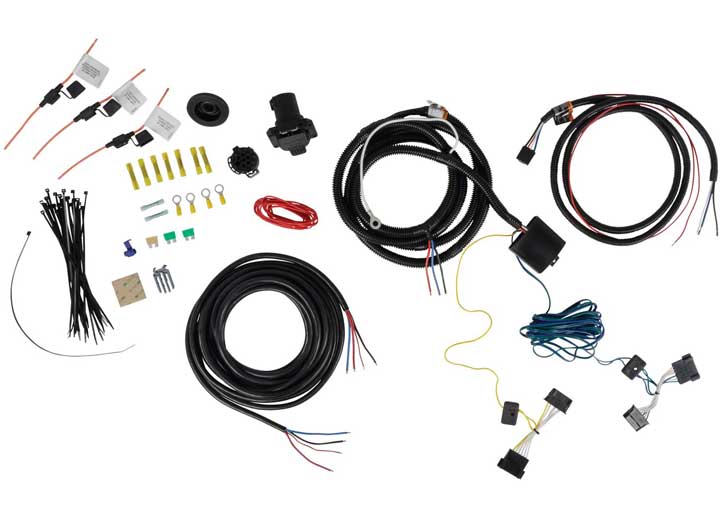
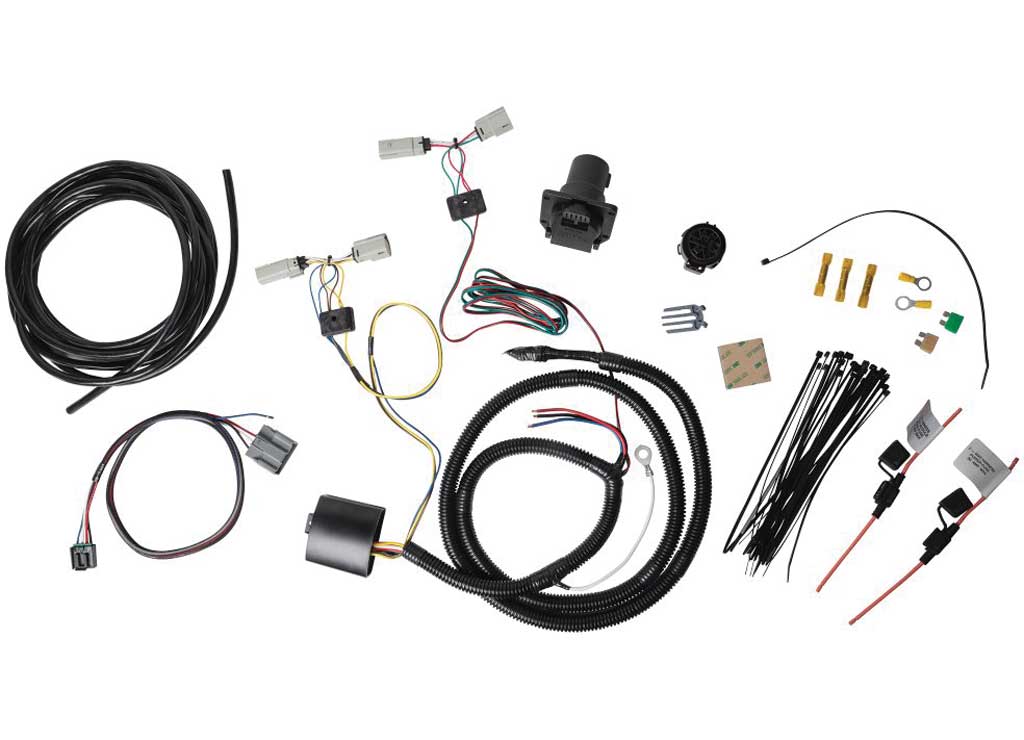
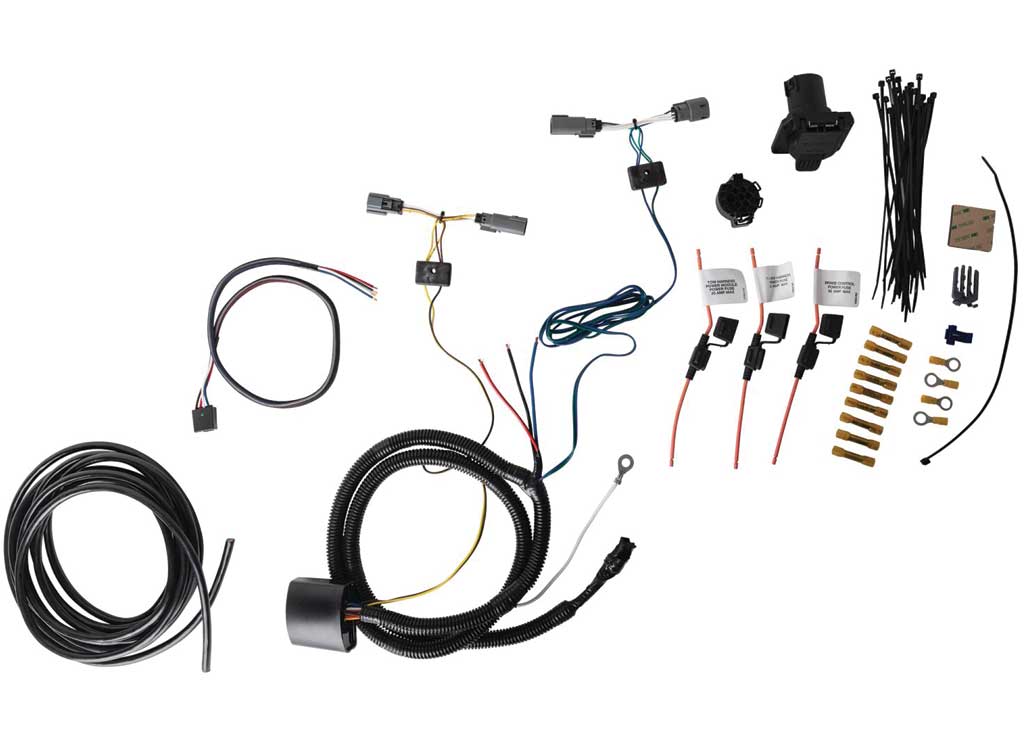
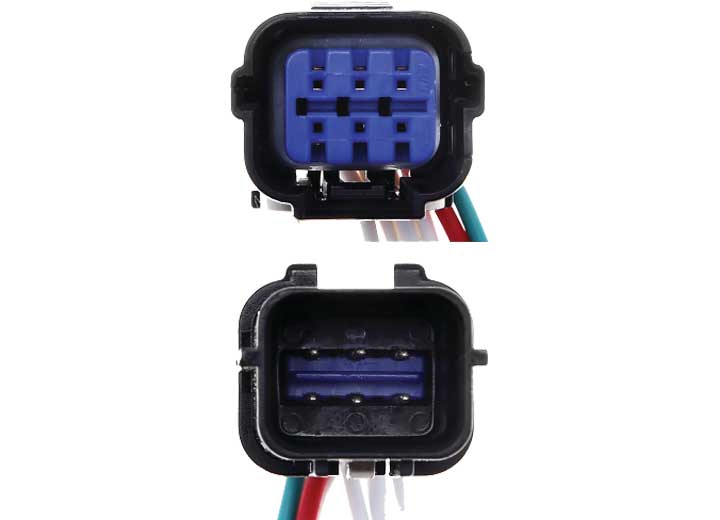
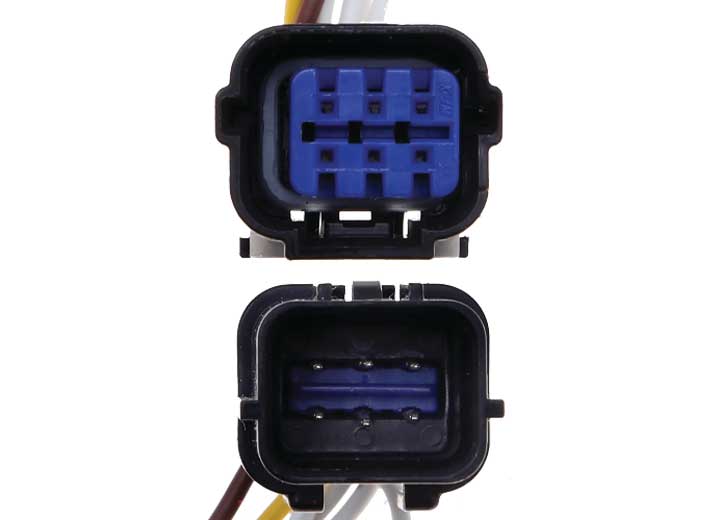
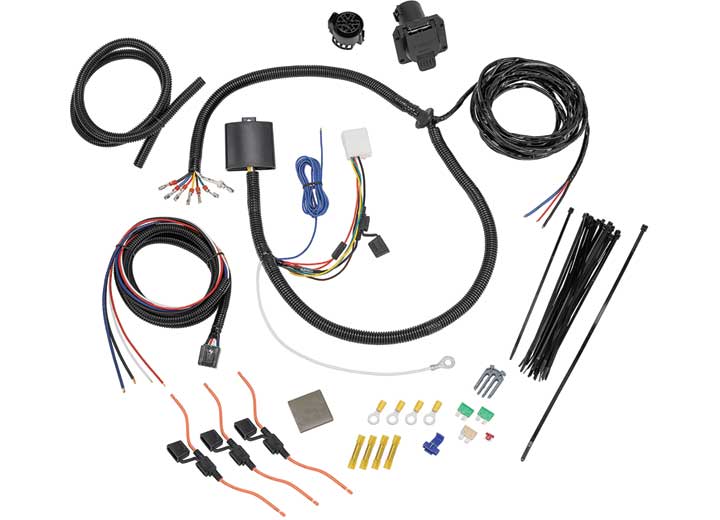
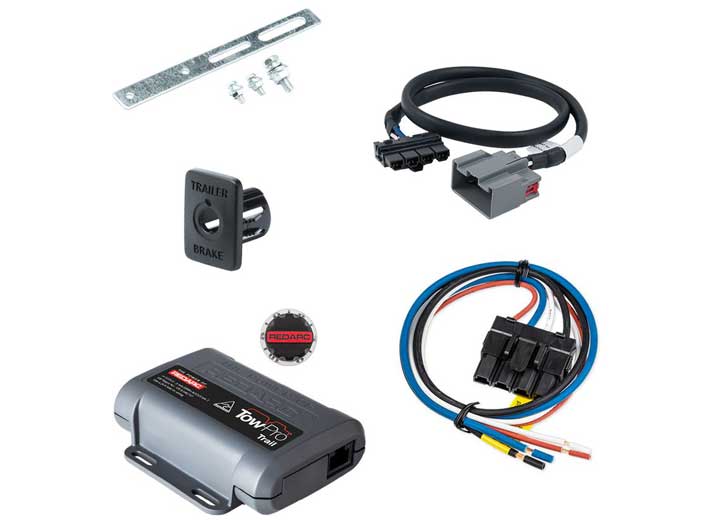
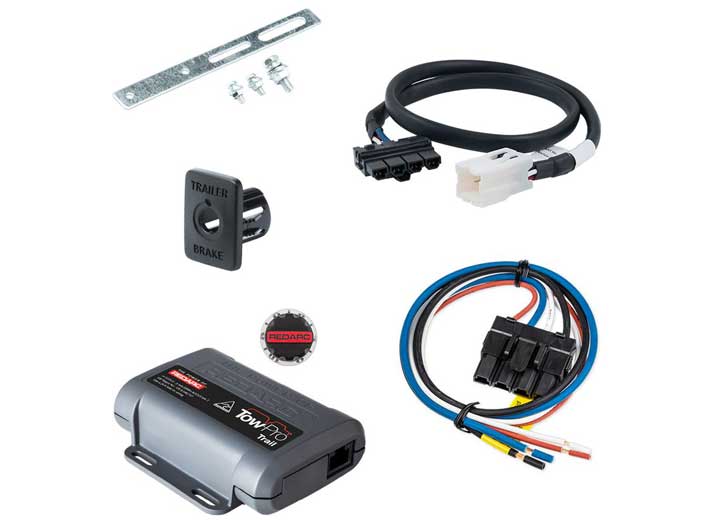
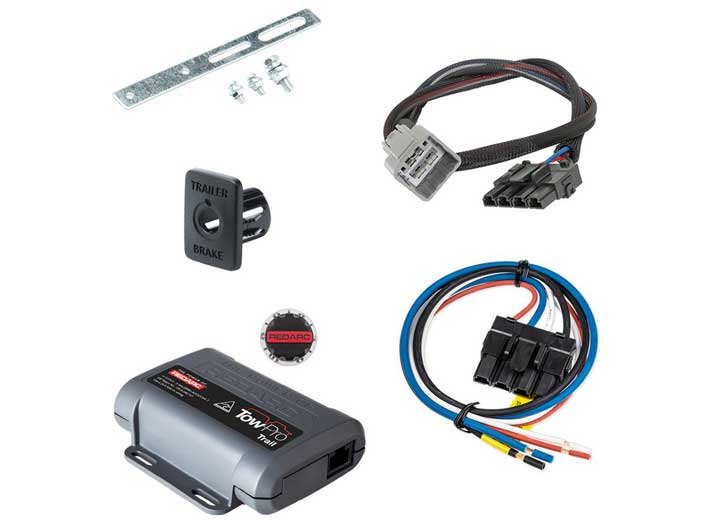
Whichever you choose, confirm the unit supports your number of brake axles, and buy the vehicle-specific harness so installation plugs into the factory connector instead of splicing wires.
Common mistakes
- Mounting a proportional unit at the wrong angle. Many need to sit level front to back or within a stated tilt range to read deceleration correctly.
- Never adjusting gain. An empty trailer and a loaded one need different settings.
- Splicing when a plug-in harness exists. Most trucks with a tow package have a factory connector; a vehicle-specific harness is cleaner and easier to undo.
- Ignoring the axle rating. Make sure the controller supports your number of brake axles.