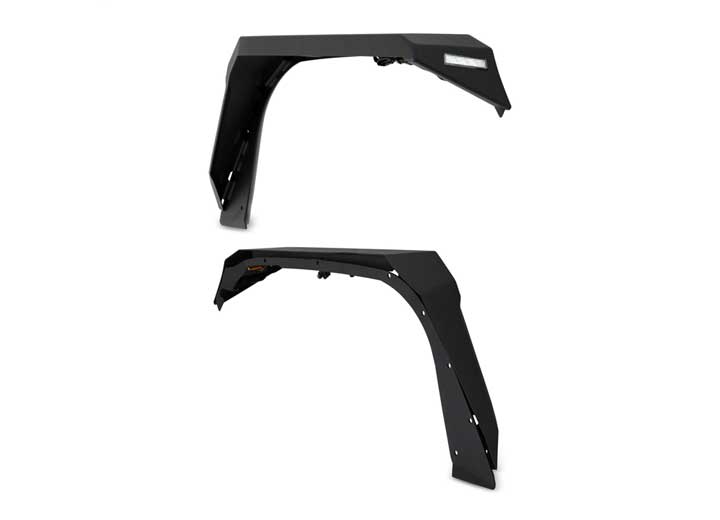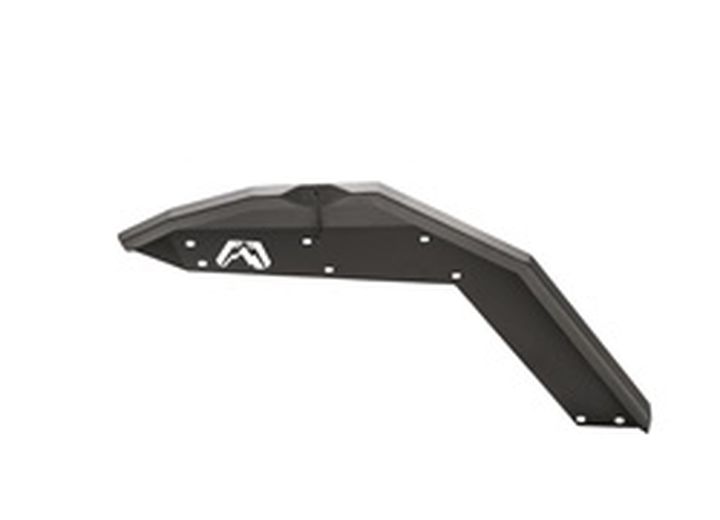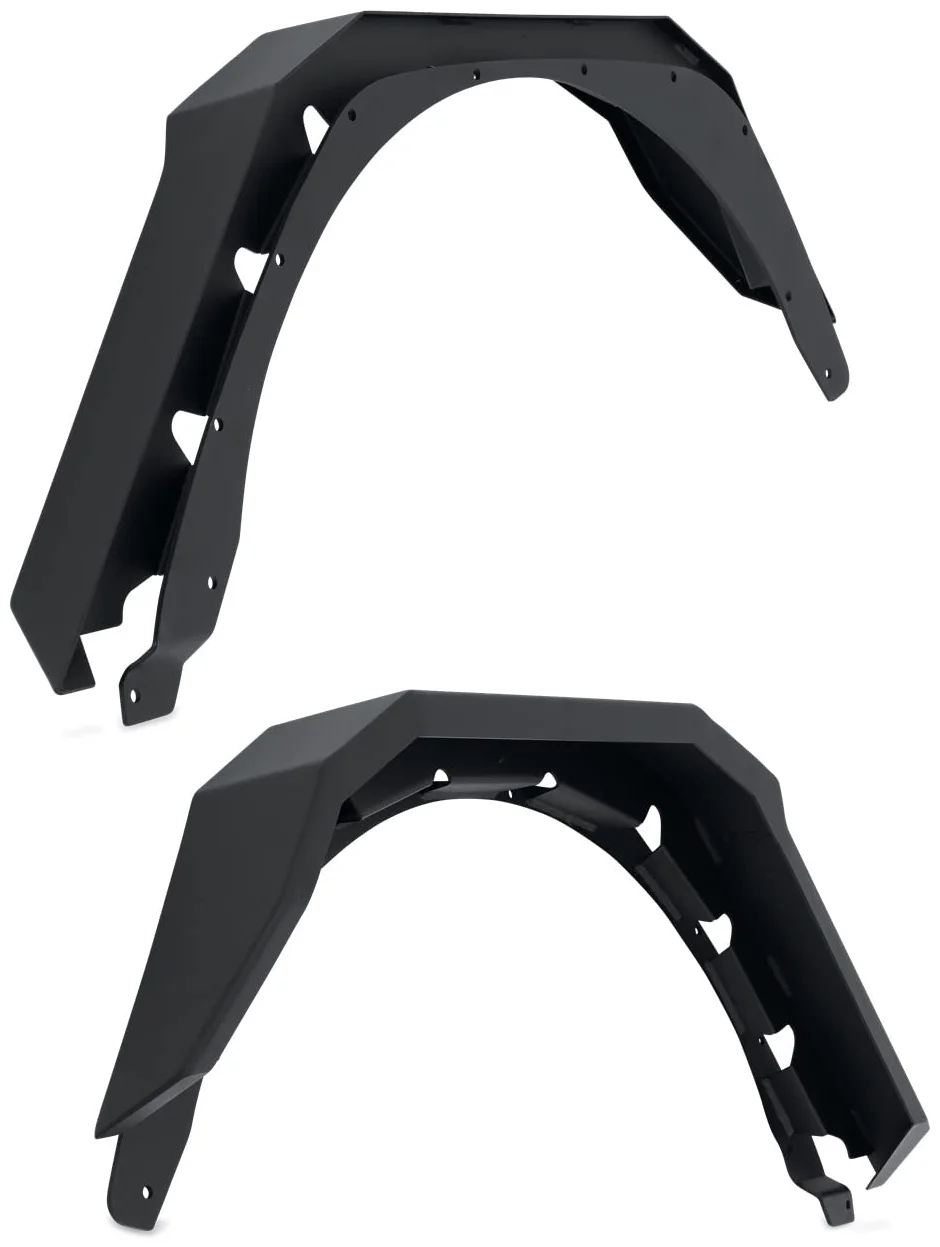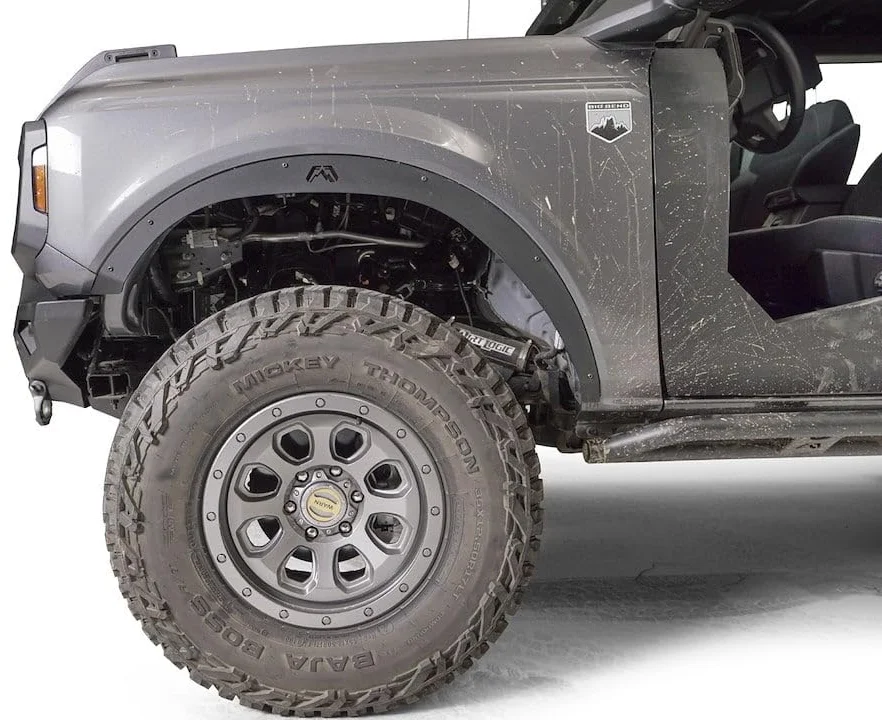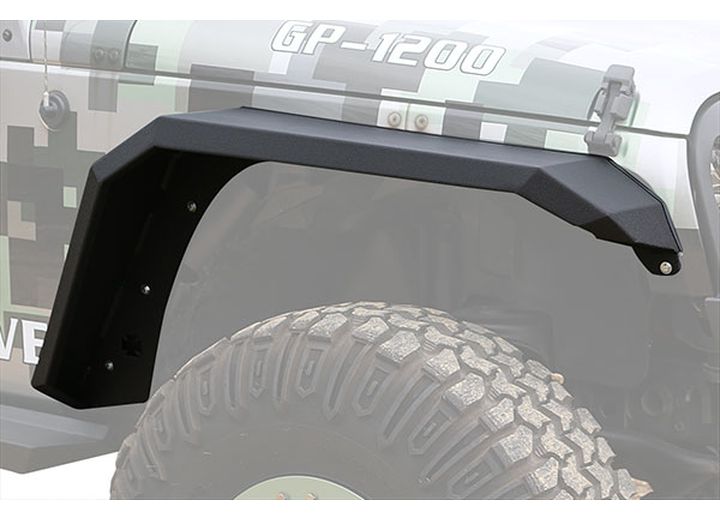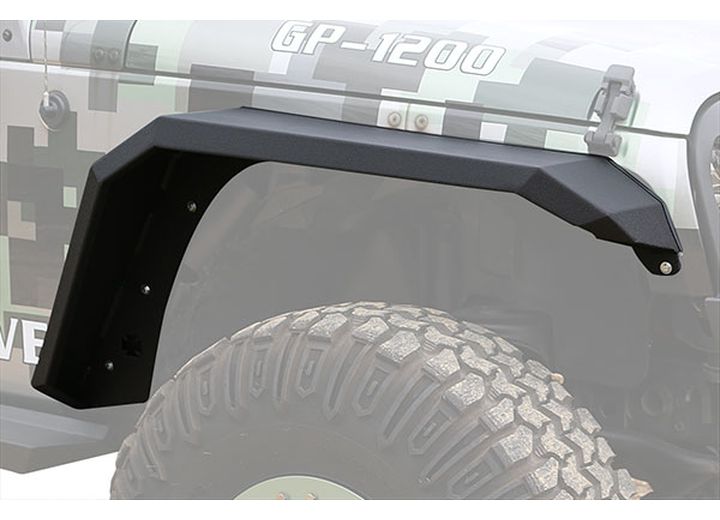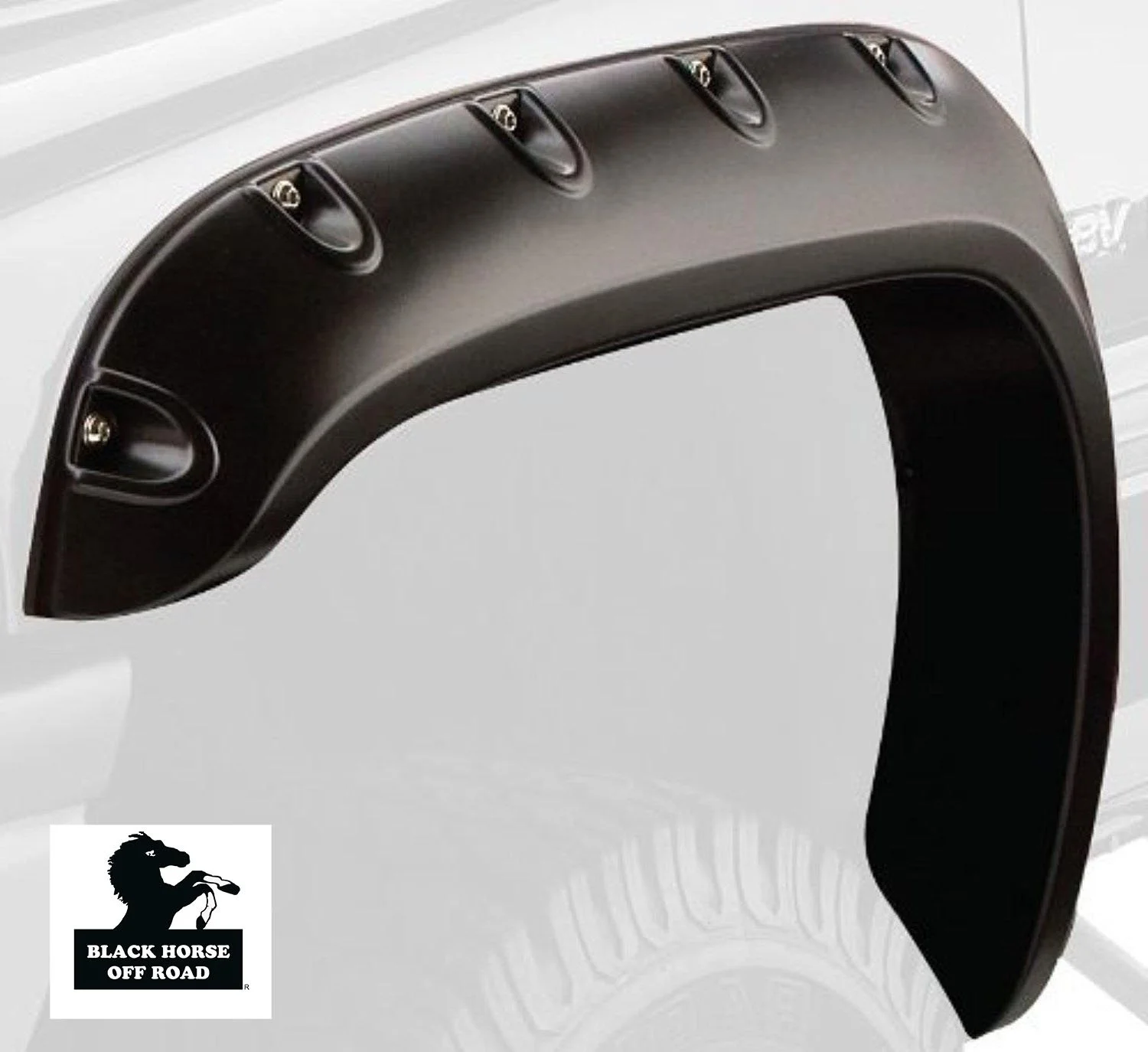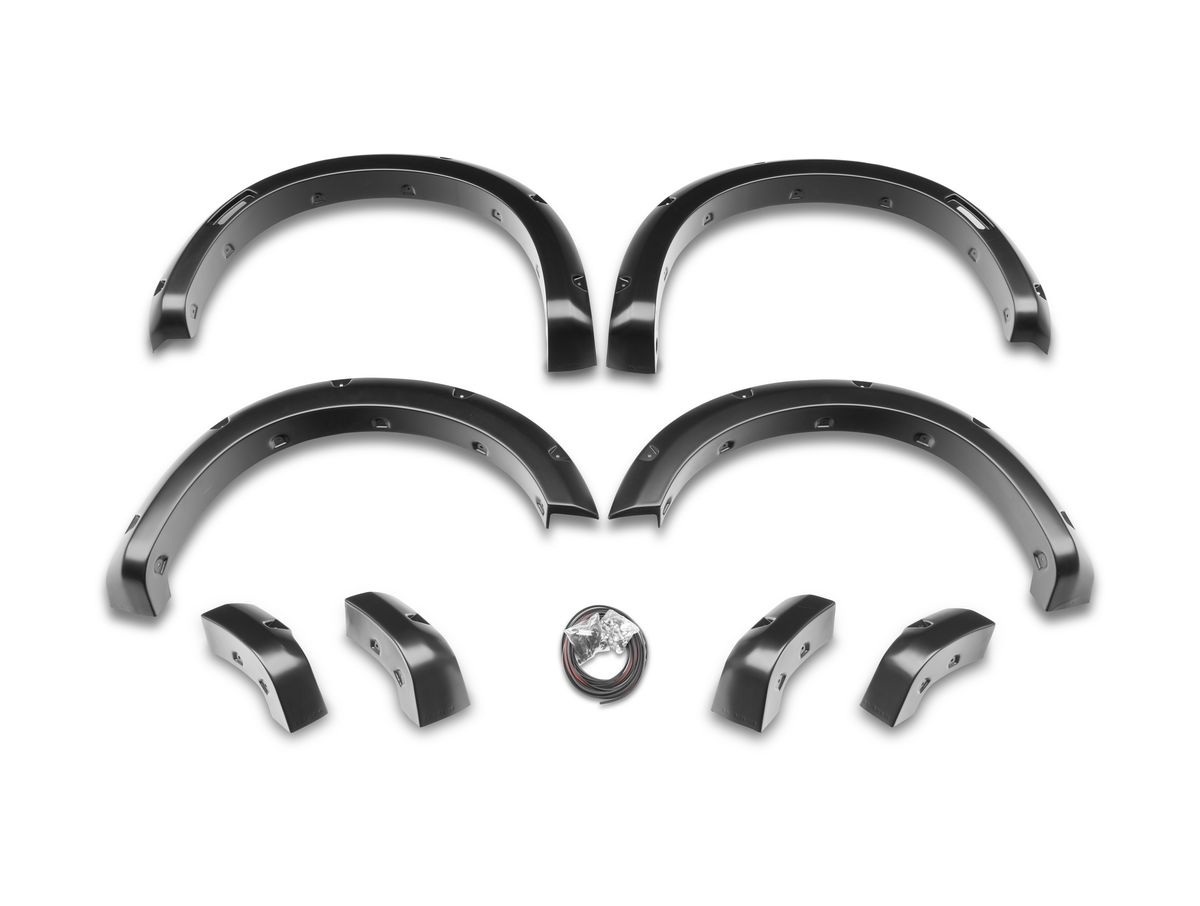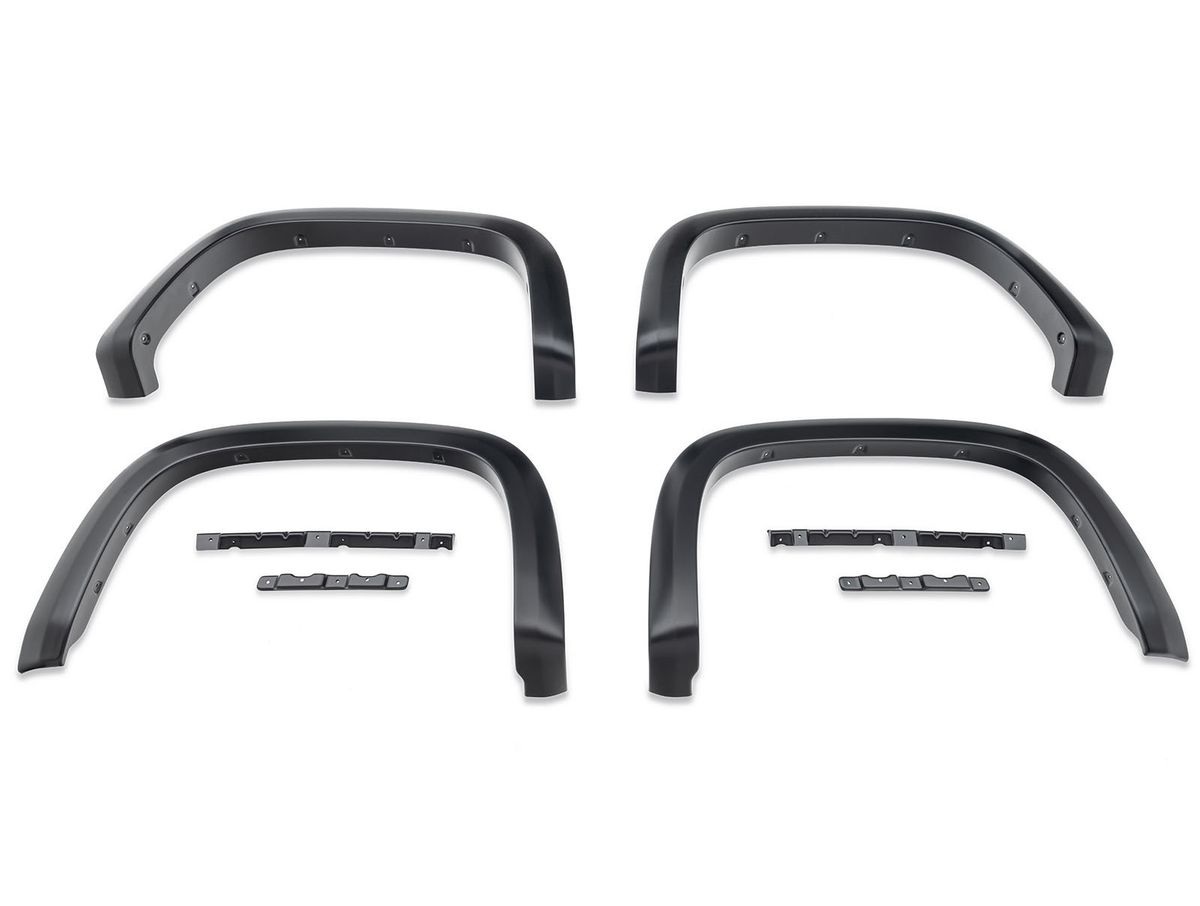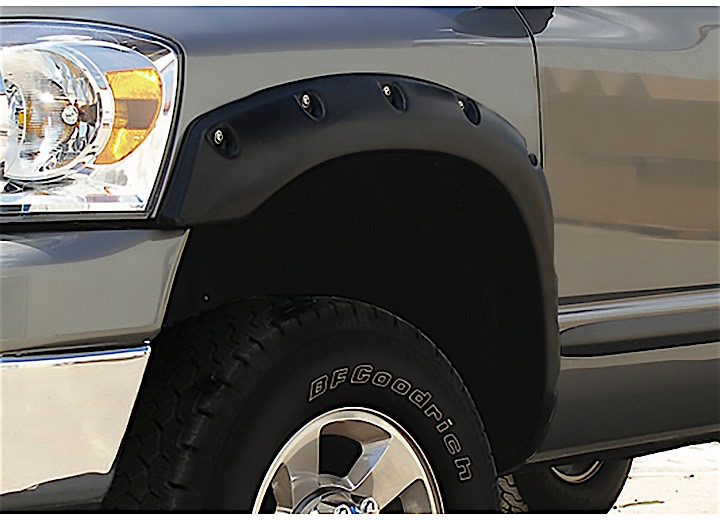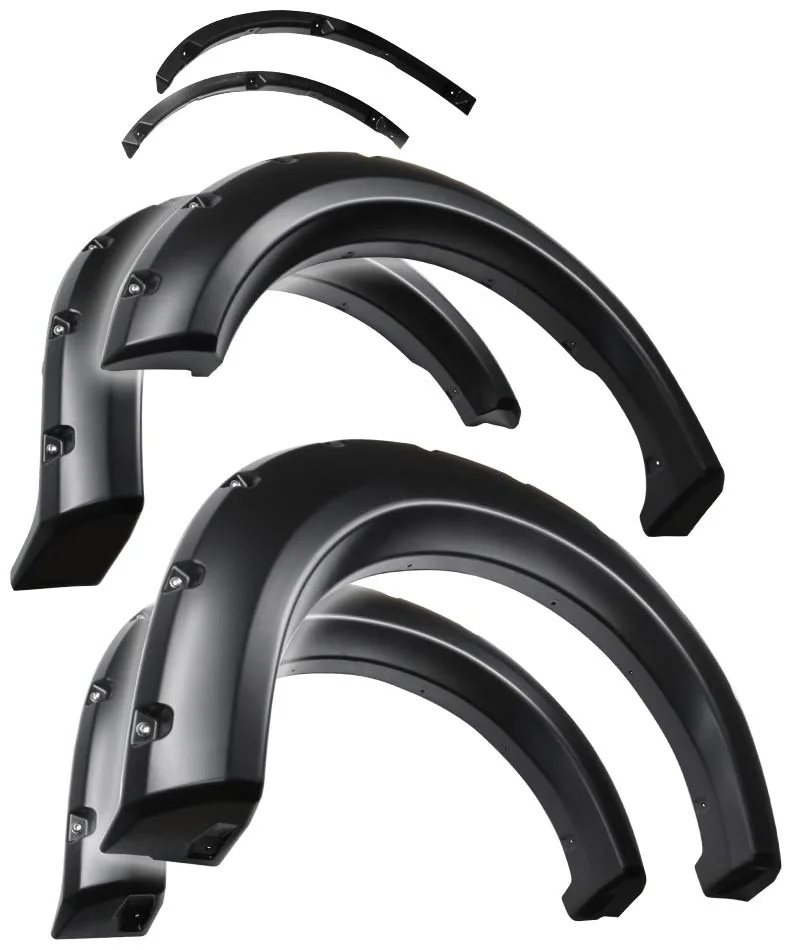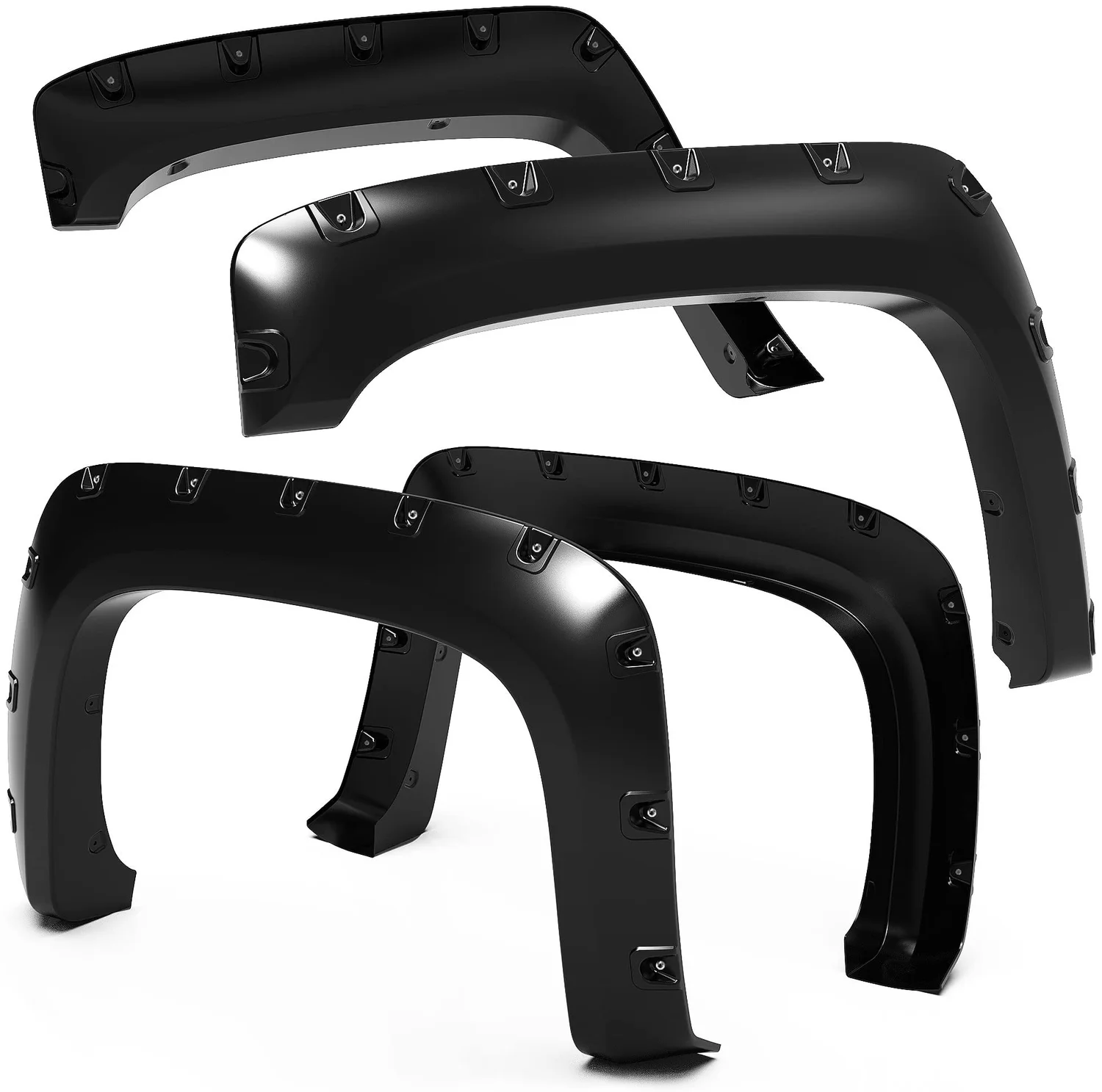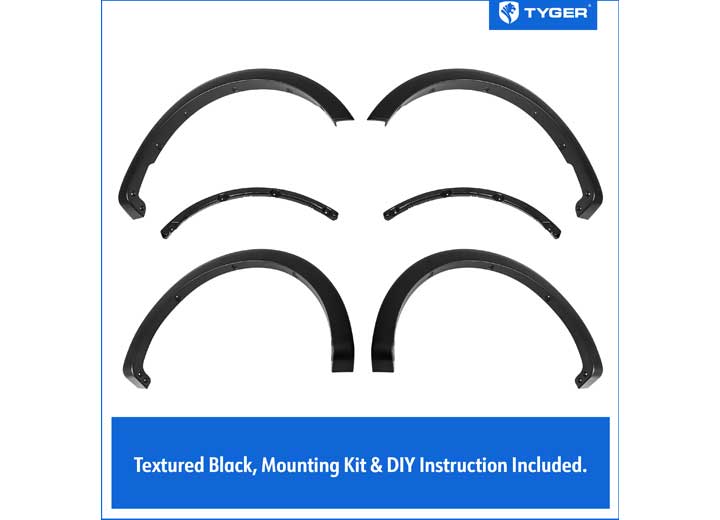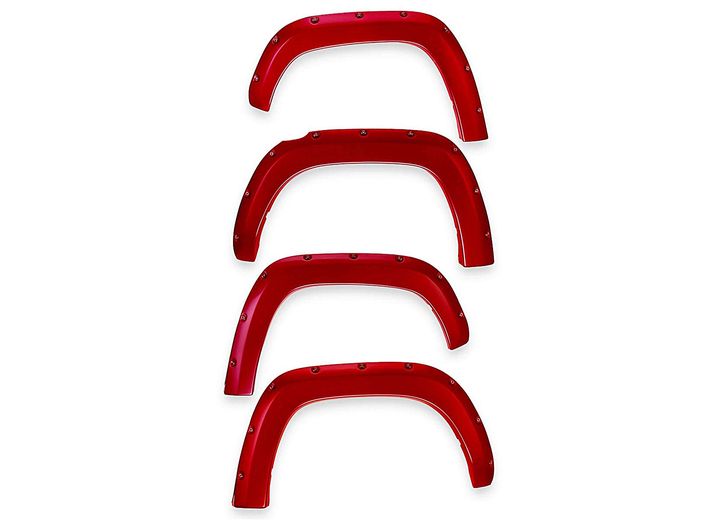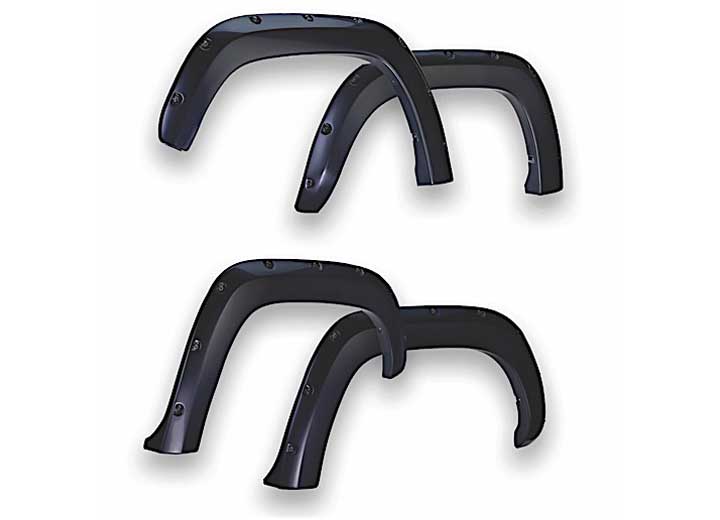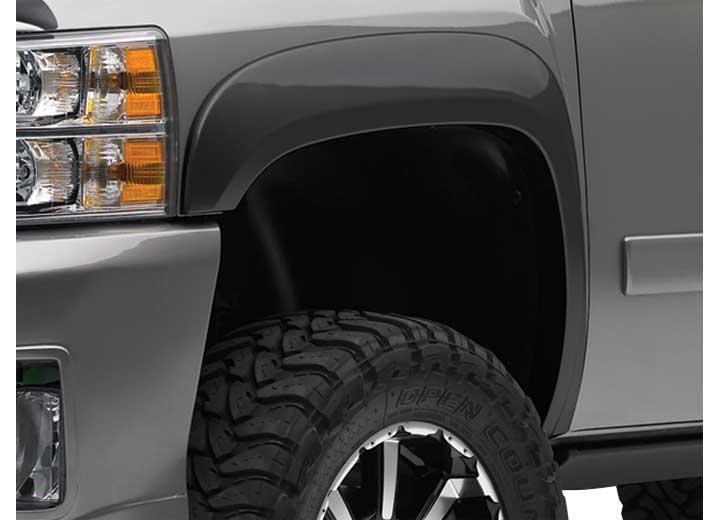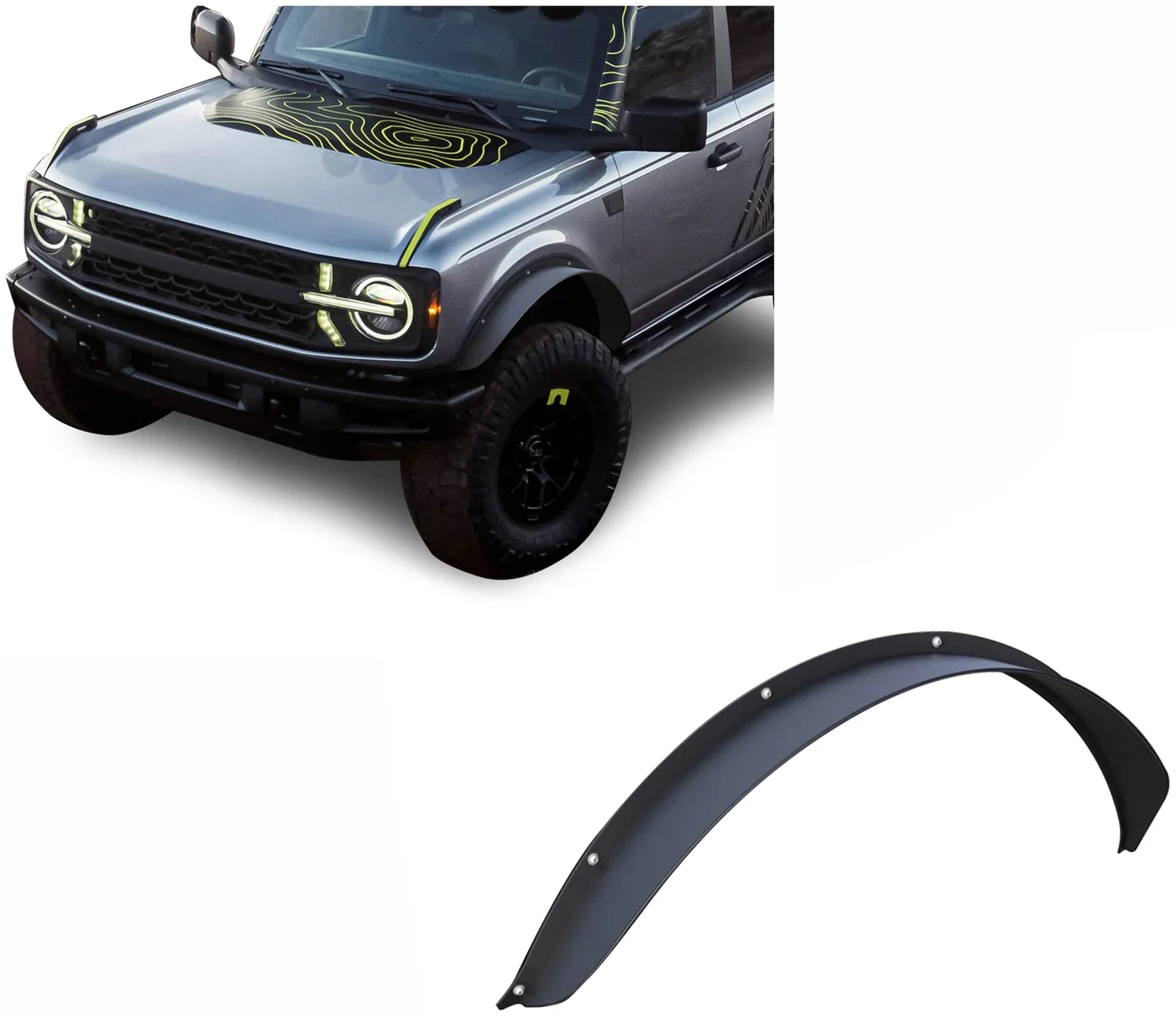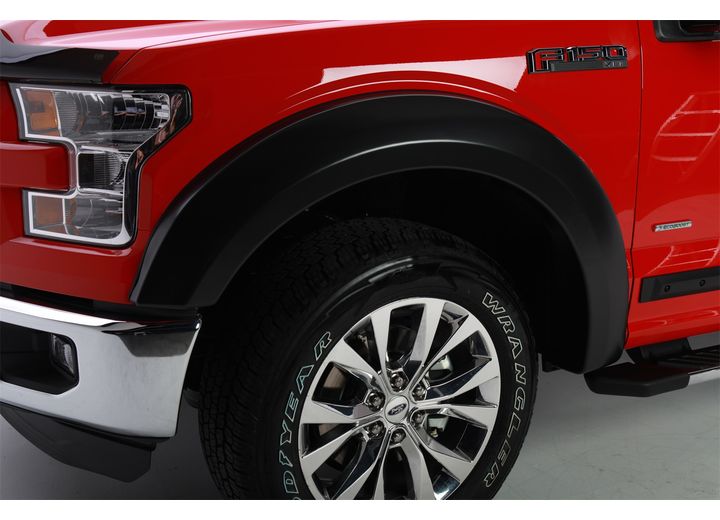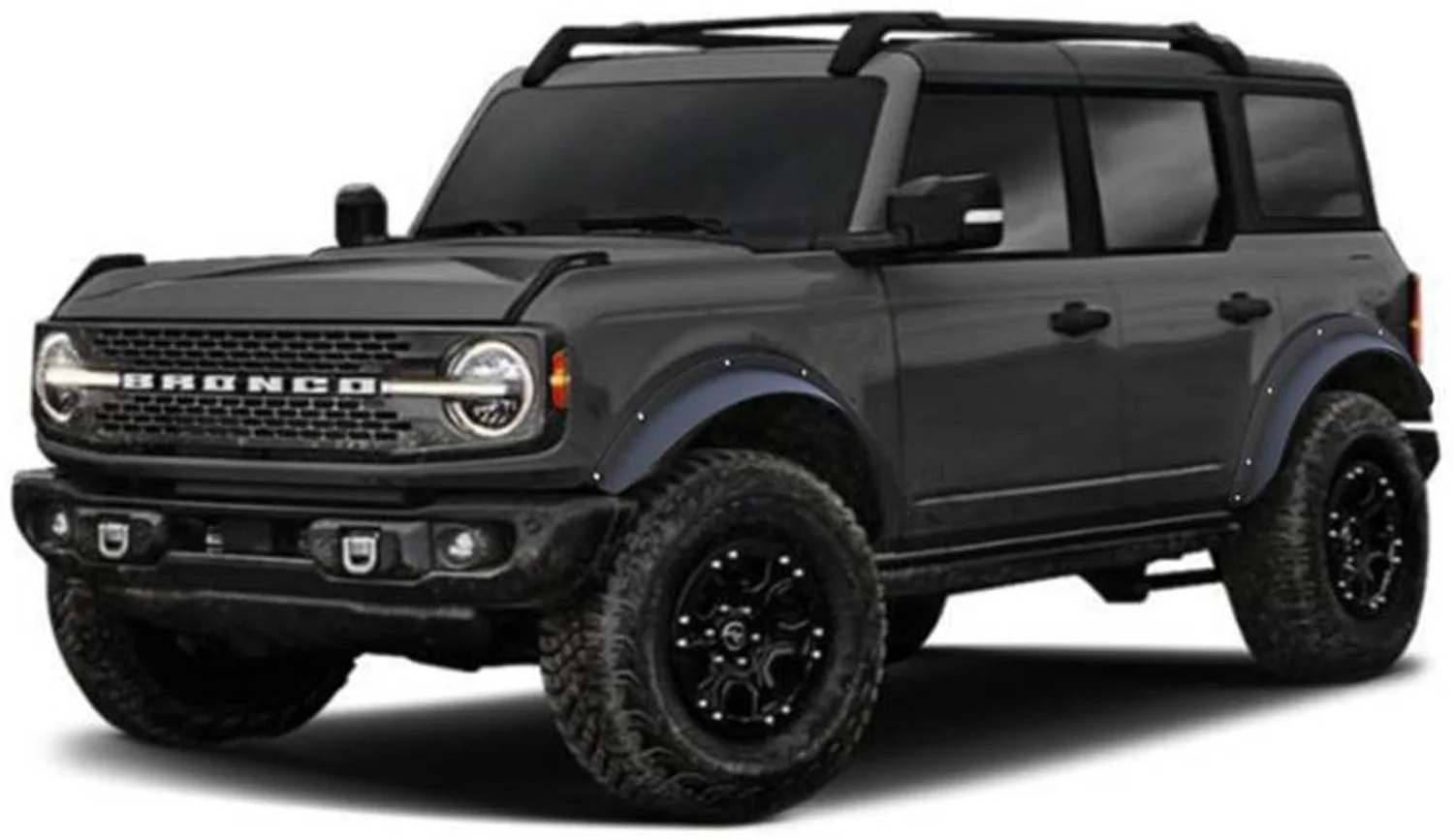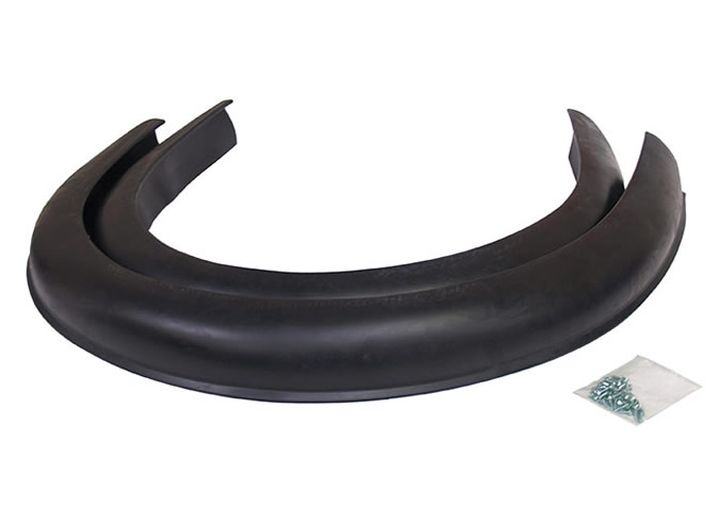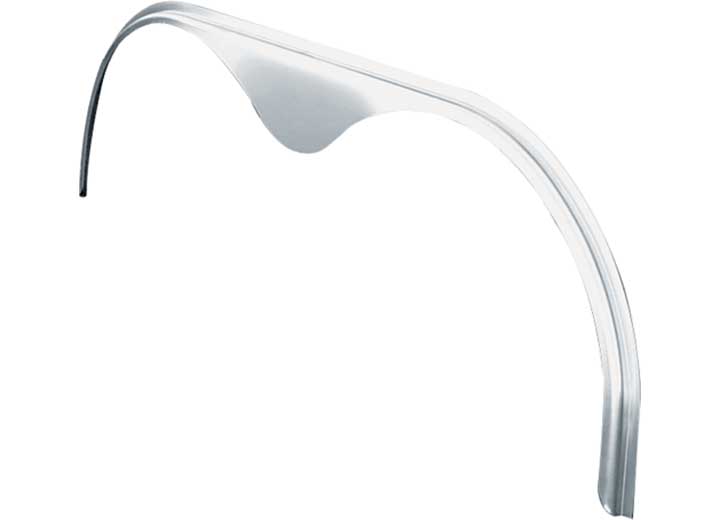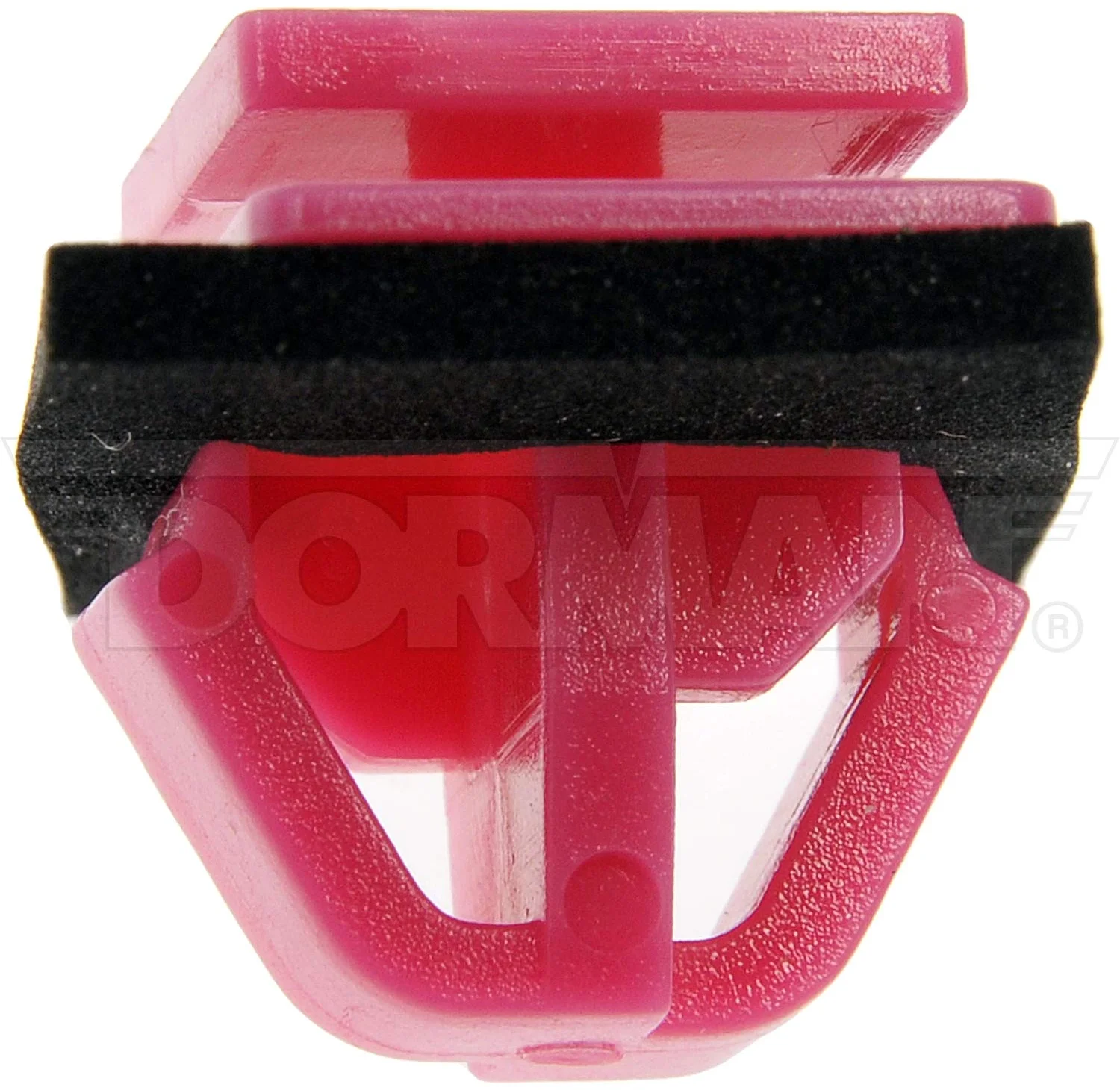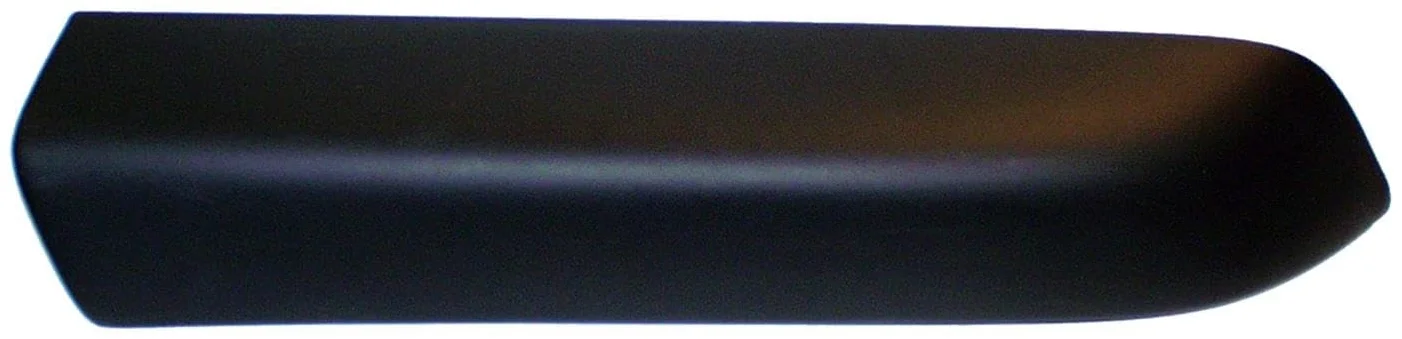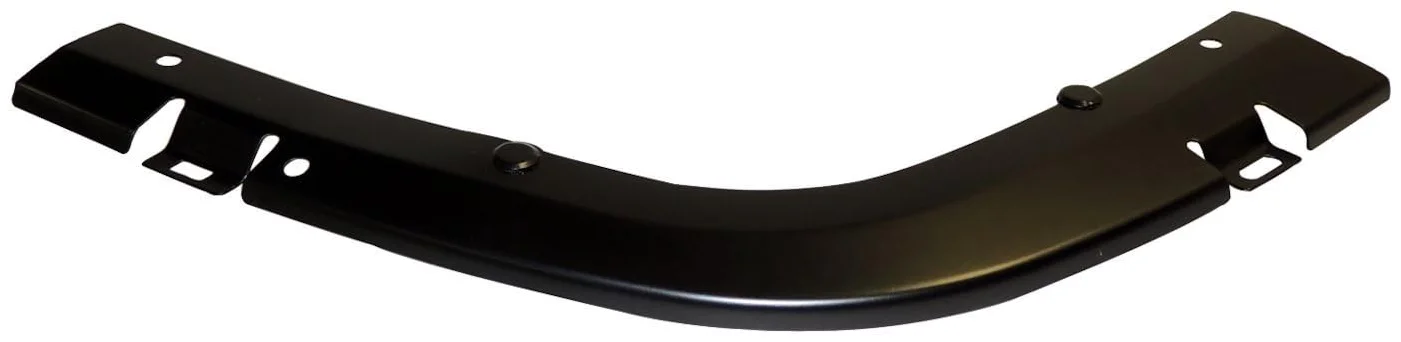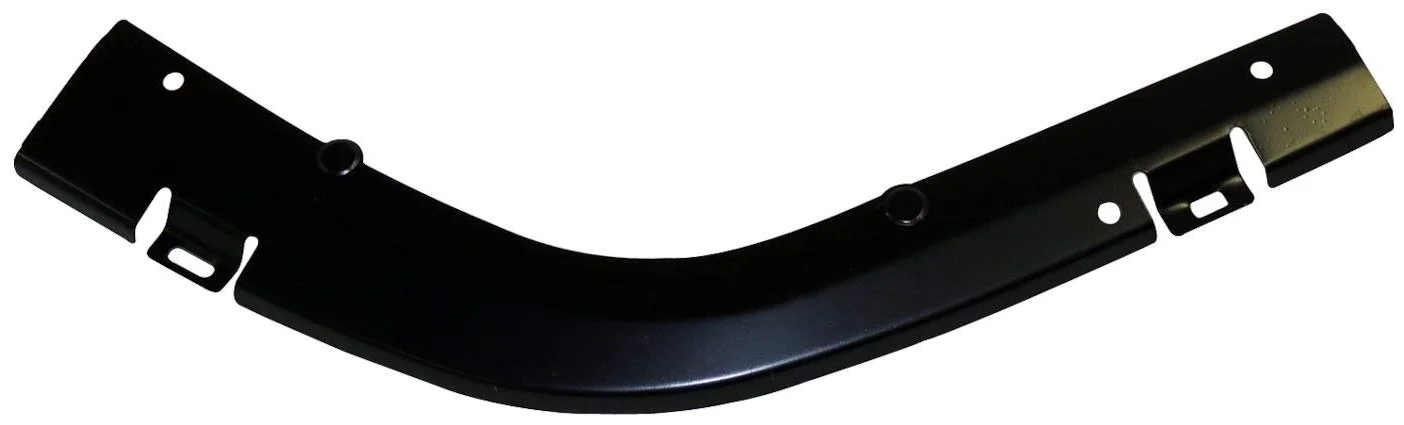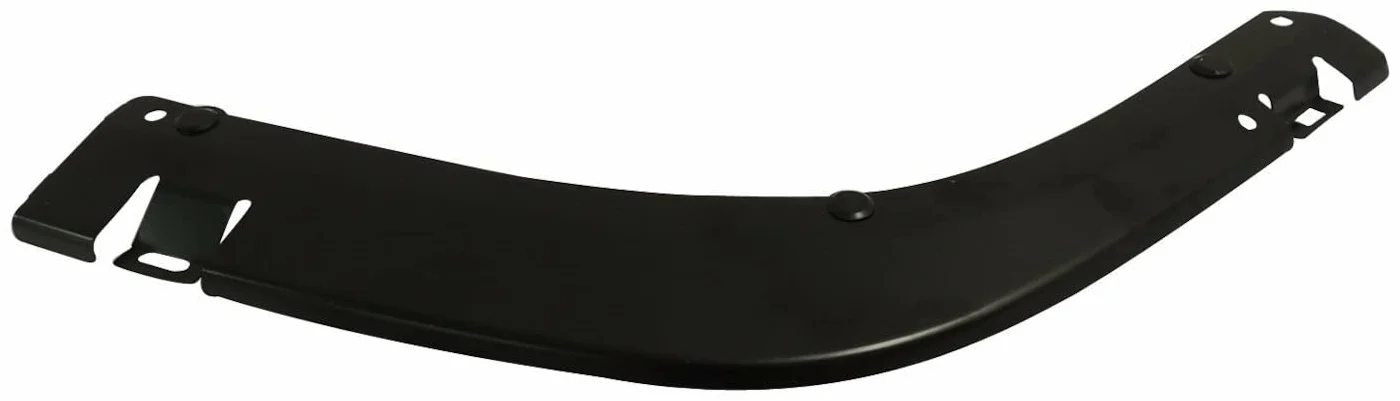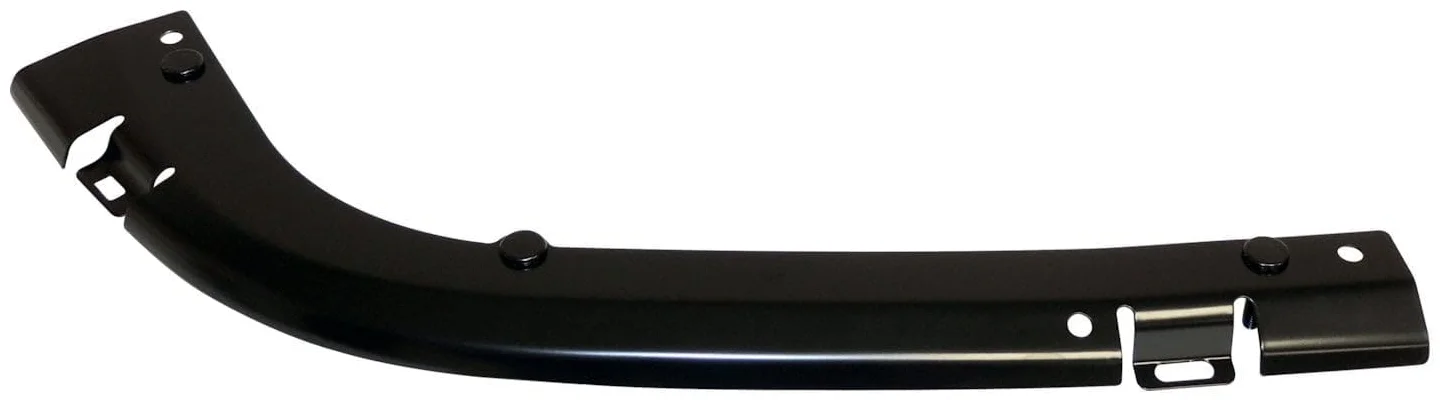
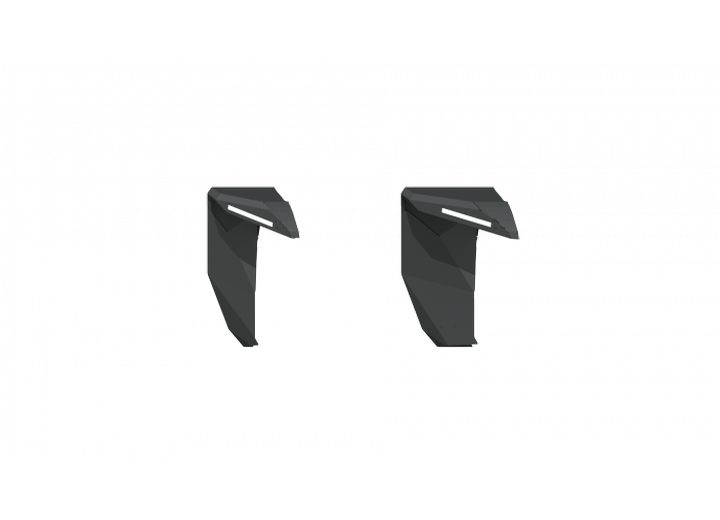
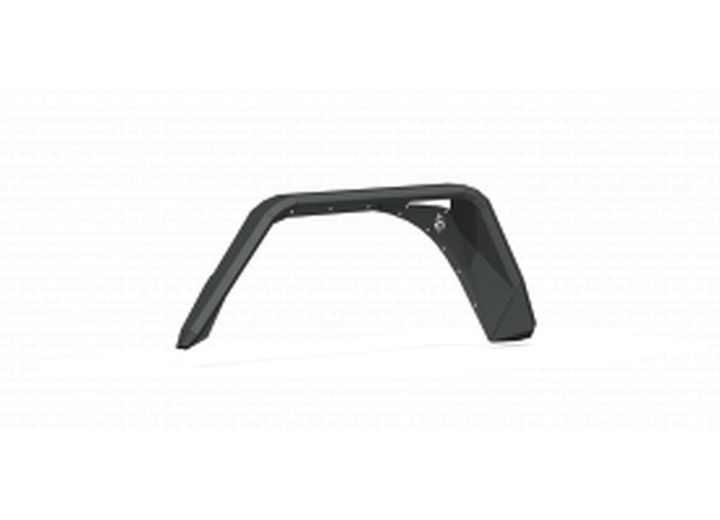
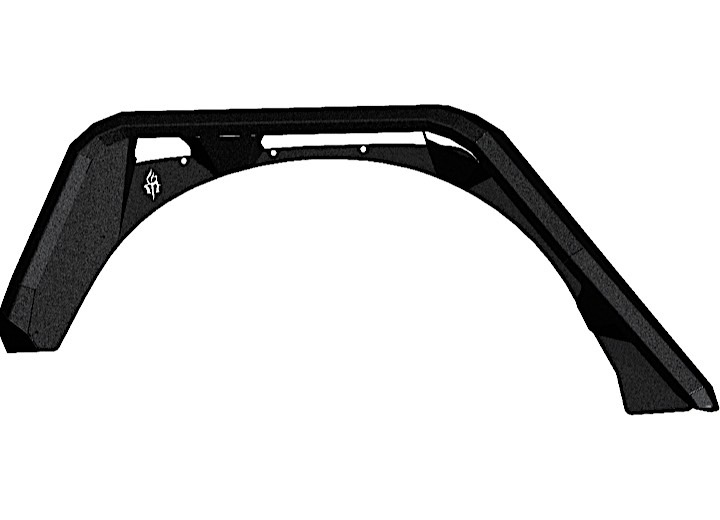
Fender flares are extensions that bolt or clip around the wheel openings. They do three jobs: cover the extra width of wider tires and lower-offset wheels, protect the paint from rocks and mud thrown by the tires, and change the look of the truck. Replacement flares also fix a common problem on older trucks and Jeeps: cracked, faded or missing factory flares.
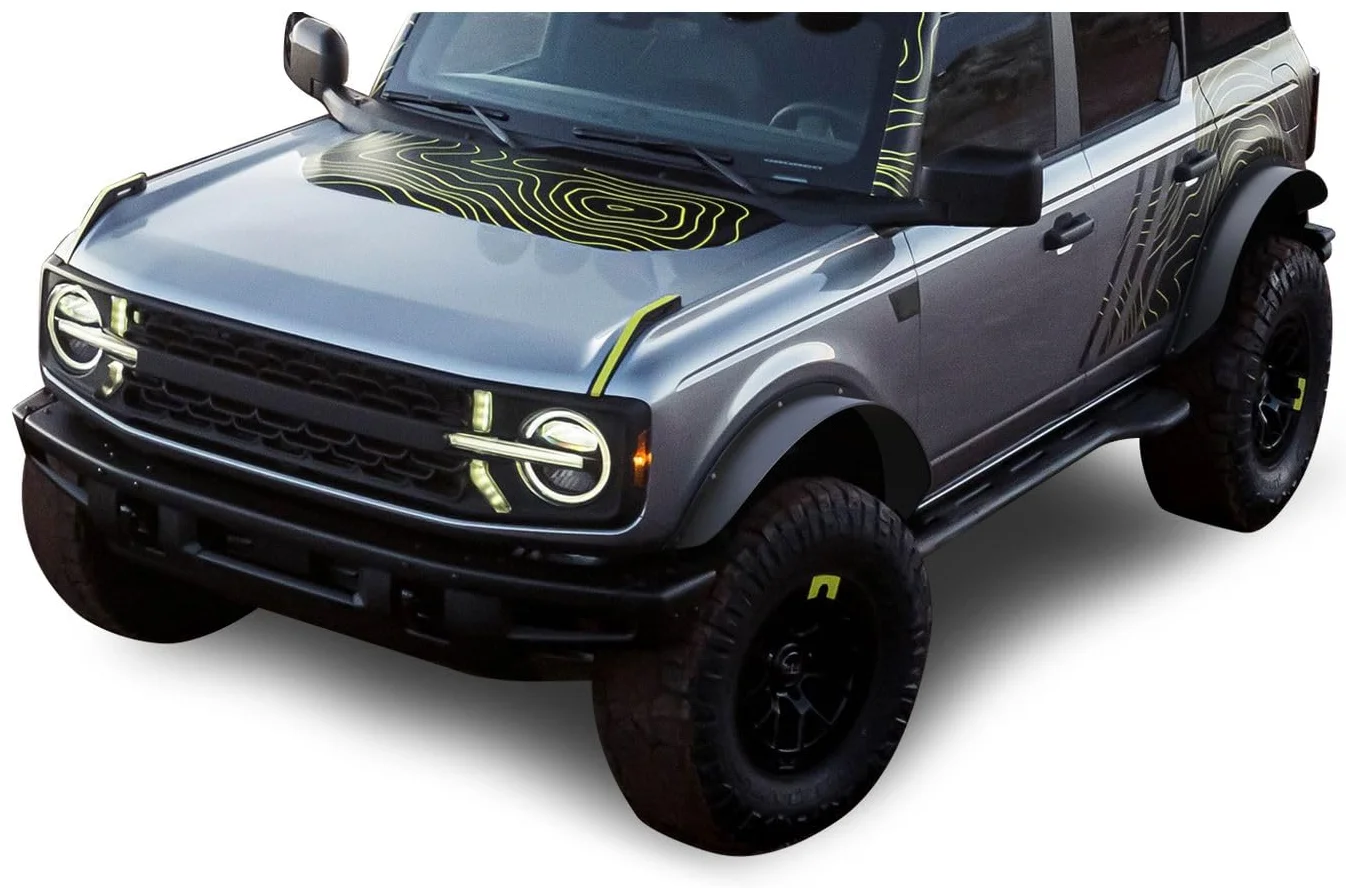
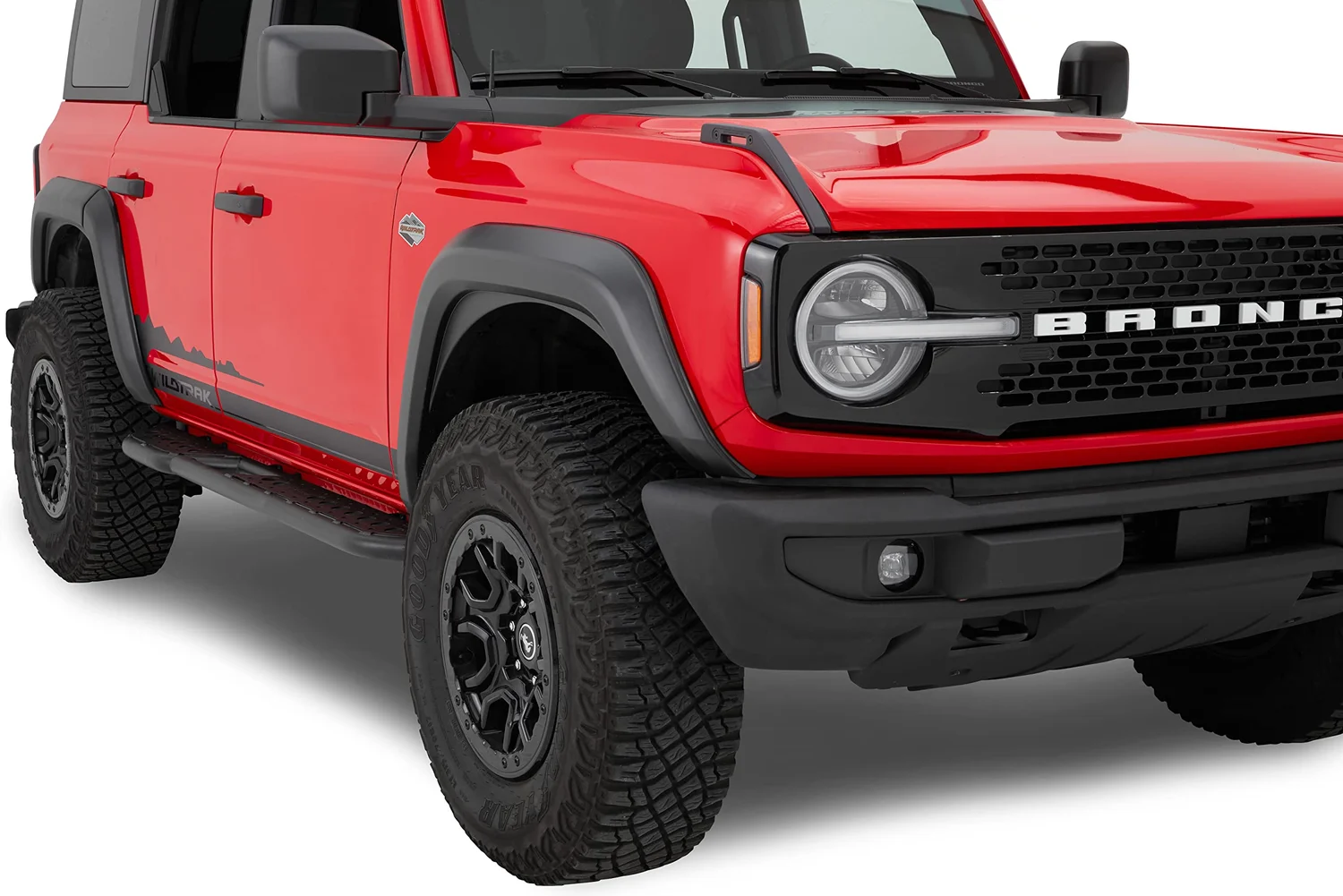
We carry flares for full-size trucks from Tyger Auto, EGR, Husky Liners and Sherman; Jeep flares from Crown Automotive, Body Armor 4X4, Iron Cross, Road Armor, Fab Fours, Winjet and Penda; Bronco flares from Bestop, Black Horse and Body Armor; and trailer fender flare trim from Pacer and Kampco. Plus the clips, retainers, braces and hardware kits that keep them on.
Fender flare styles compared
| Style | Typical width | Look | Good for |
|---|---|---|---|
| OE / factory style | Narrow, close to stock | Smooth, matches the factory trim | Replacing damaged flares, stock or near-stock tires |
| Pocket / bolt-riveted style | Moderate | Raised faux bolts or rivets around the edge | Leveled trucks with slightly wider wheels and tires |
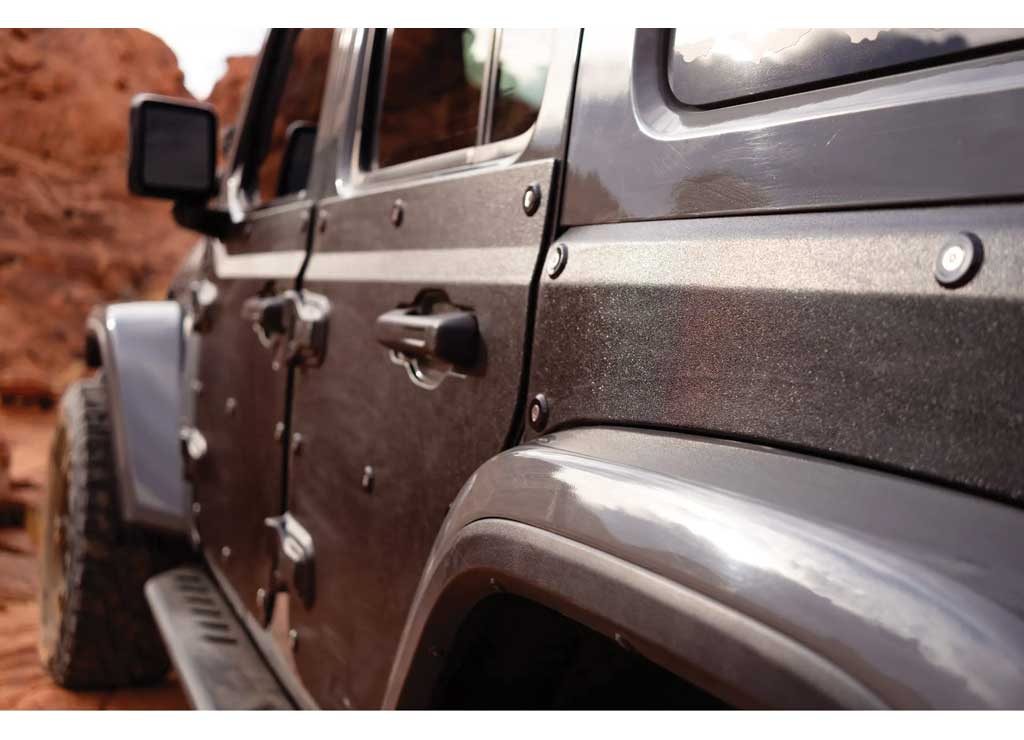
| Bolt-on look / rugged | Moderate to wide | Bold, often textured | More coverage and an aggressive look |
| Wide or high-clearance (Jeep) | Wide, often cut higher | Flat or tubular profile | Lifted Jeeps with big tires that need room to flex up |
| Steel or aluminum armor | Varies | Heavy-duty metal | Trail use where flares hit rocks and trees |
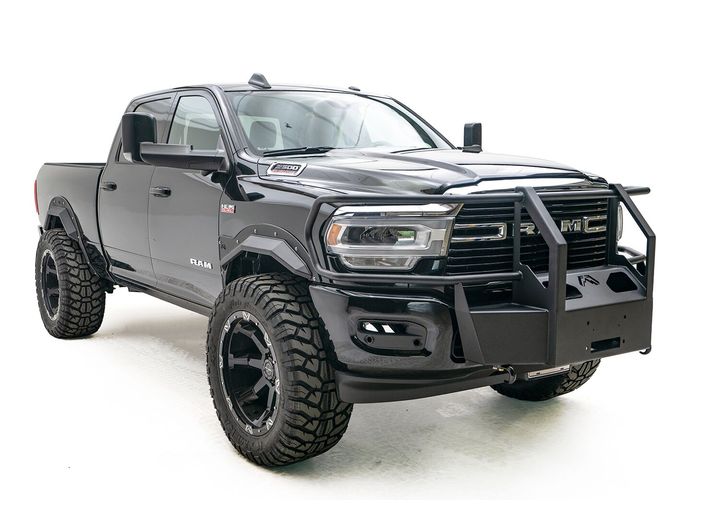
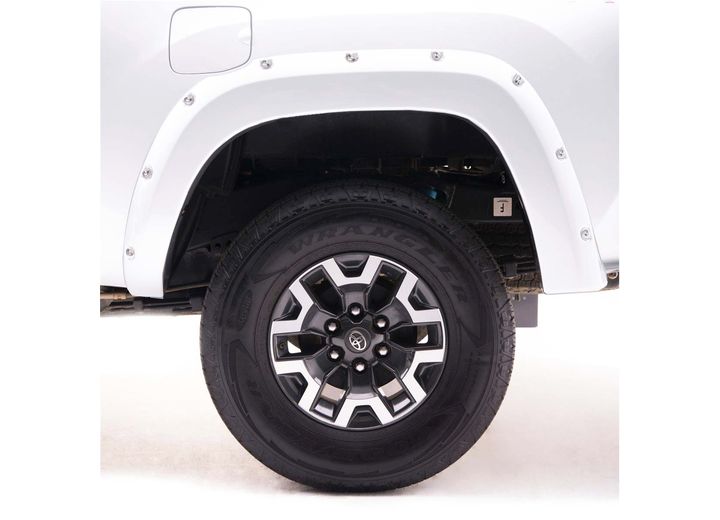
On trucks, the choice is mostly about look and coverage. Tyger Auto offers both factory style paintable sets and pocket style sets in smooth matte black for Silverado, Sierra, F-150, Ram and Tundra. EGR sells bolt-on look and rugged flares, including some sets in factory paint colors such as Race Red and Summit White, so there is no painting needed.
On Jeeps, flares are also about clearance. Wide flares cover bigger tires, while high-clearance and flat-style flares move the wheel opening up so the tire can stuff into the fender when the suspension compresses. Steel flares from Body Armor, Iron Cross and Road Armor add protection on the trail. Some Jeep owners go further with a flare delete kit; check the instructions for what trimming that involves.
Tire coverage, wheel offset and the law
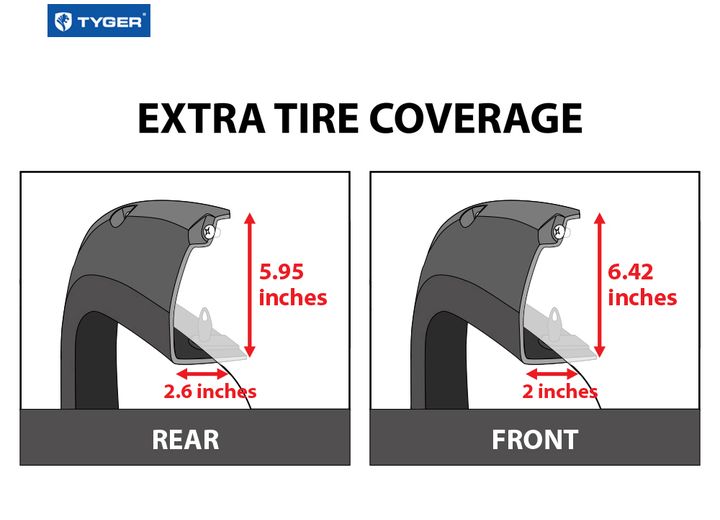
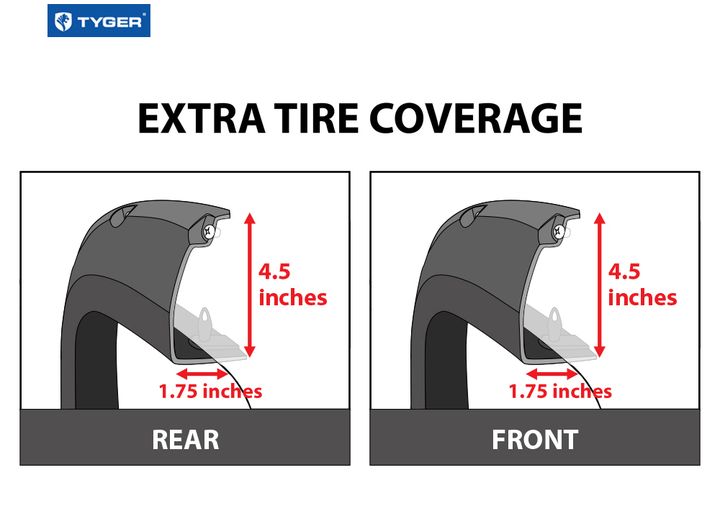
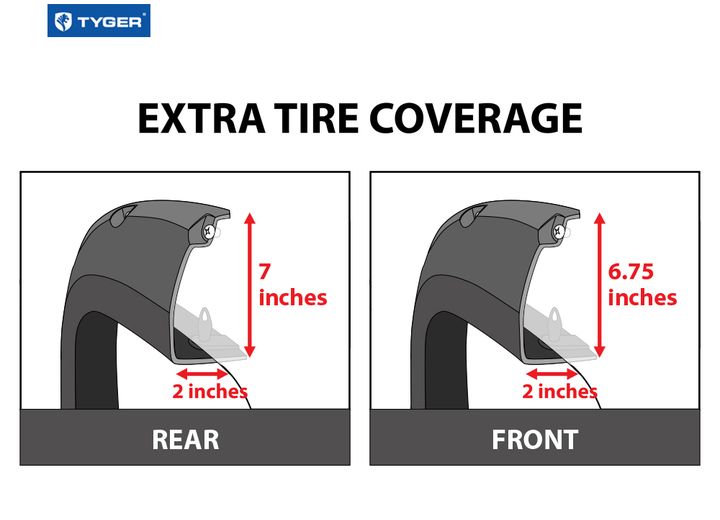
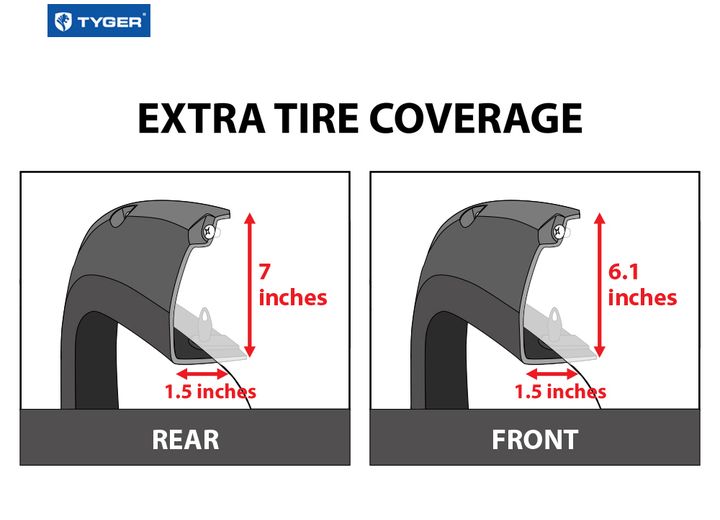
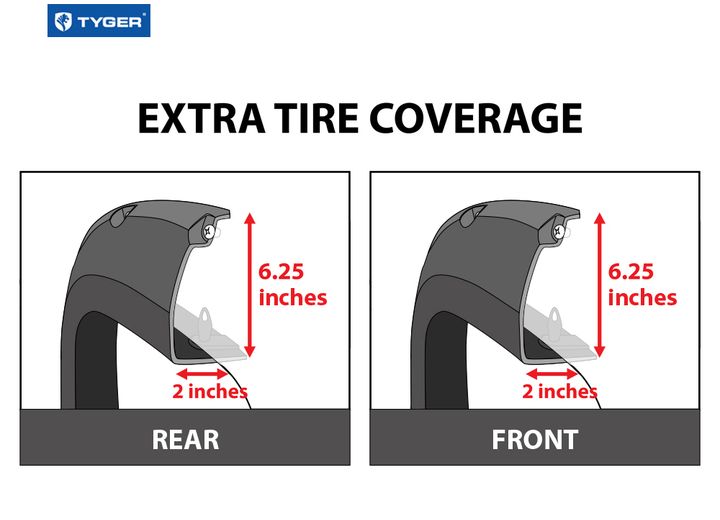
Wider tires and wheels with less offset (more poke) push the tread outward past the stock fender line. Flares extend that line so the tread stays covered. How much a flare adds varies by product, from barely past stock on factory-style sets to several inches on wide styles; the extension is usually listed in the product details or instructions.
- Measure what you have. With the truck on level ground and wheels straight, measure how far the outside of the tire sticks out past the fender edge.
- Plan for the new setup. If you are changing wheels, our offset and backspacing guide explains how far a wheel will move out. Plus-sizing and taller tires change clearance too.
- Choose a flare that covers it. Pick a style with enough extension to cover the tread, keeping in mind turning and suspension travel.
Tire coverage laws vary by state. Some states require the tire tread to be covered by the fender, flare or a mud flap, and some set limits on how far tires can stick out. Rules and enforcement differ widely, so check your state and local regulations before running wheels and tires that extend past the body. Flares are often the simplest way to stay on the right side of these rules, and mud flaps handle the spray behind the wheel.
Shopping for the wheels and tires first? See our off-road wheels guide and best tires for trucks and SUVs.
Getting the right fit: model, bed length and trim
Flares are molded to one body shape, so the listing has to match your vehicle exactly. Before ordering, confirm:
- Model years and generation. A Silverado 1999-2006 and a 2007-2013 use different flares; a Jeep JK and JL are not interchangeable.
- Bed length and cab. Rear truck flares often differ for 5.5, 6.5 and 8 foot beds; some list crew cab or double cab only.
- Trim and package exclusions. Listings sometimes exclude trims with factory flares, sensors or unique bodywork (for example, a Ram Rebel or an F-150 with a specific tech package). Read the full title.
- Two-door vs four-door. Jeep and Bronco rear flares can differ by door count.
- Front, rear or full set. Crown sells individual corners as well as 4- and 6-piece kits, which helps if you only cracked one.
Finish options: textured black hides scratches and matches many factory trims; smooth matte black has a cleaner look; paintable flares can be painted to match the body. Paint adhesion on plastic usually needs a plastic-specific primer or adhesion promoter, so follow the manufacturer or ask your paint shop. Factory-color flares like some EGR sets skip that step.
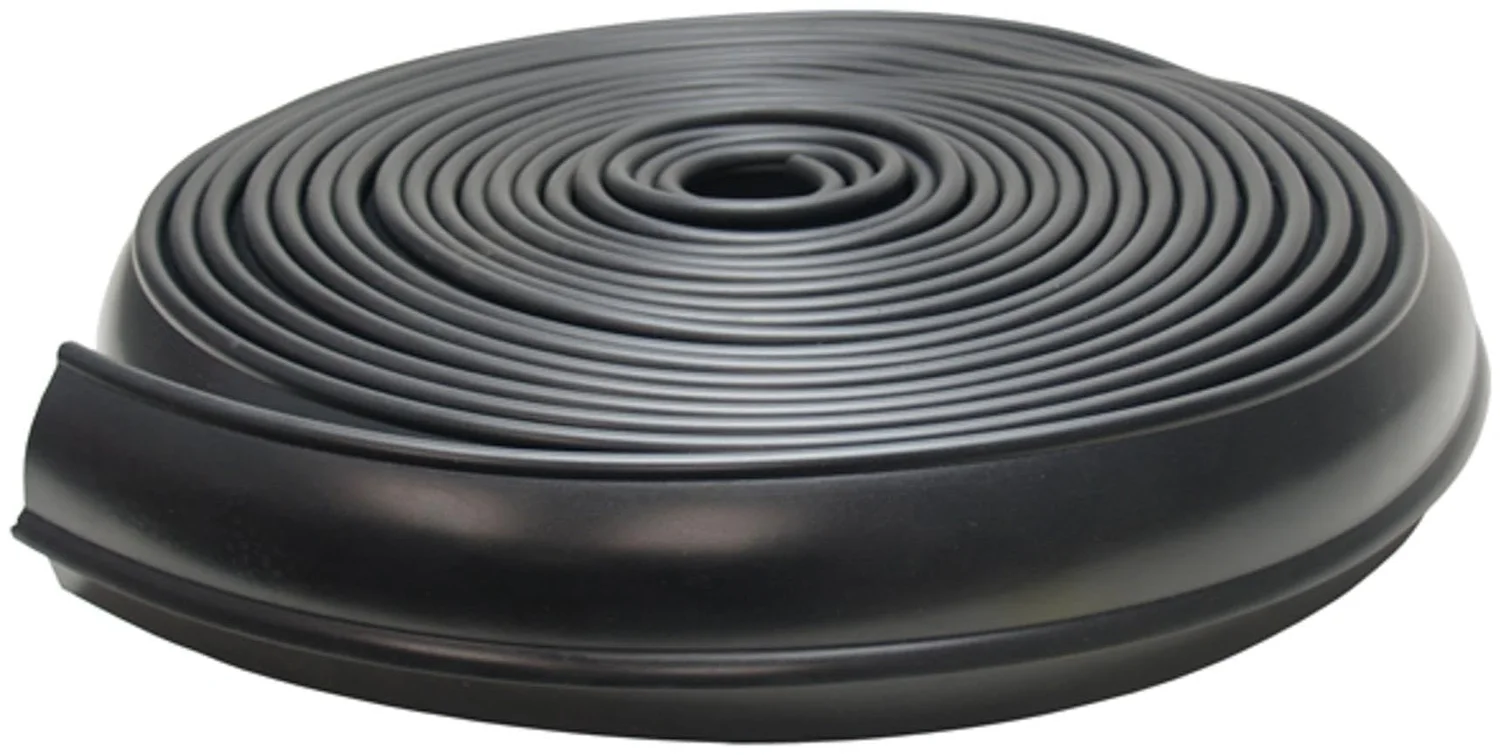
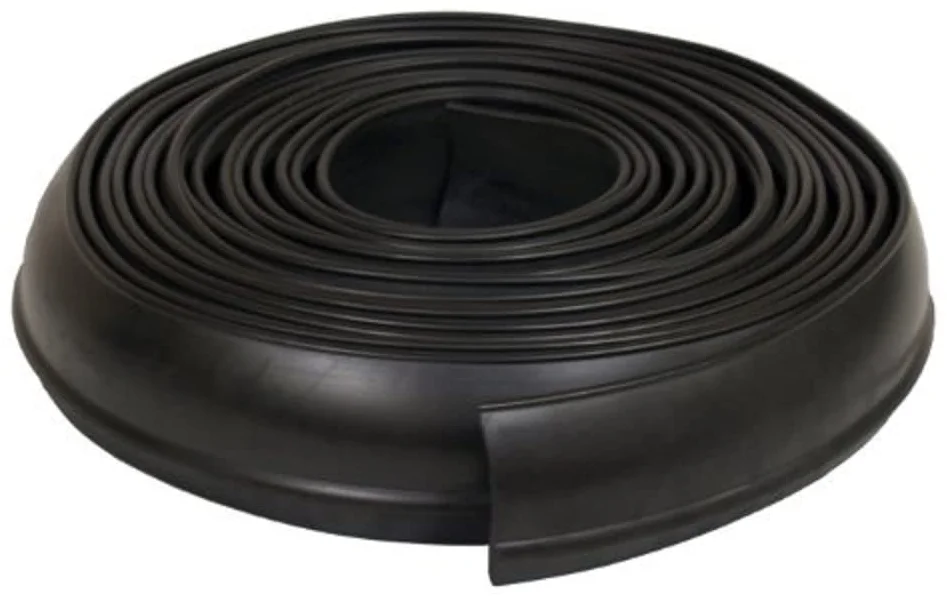
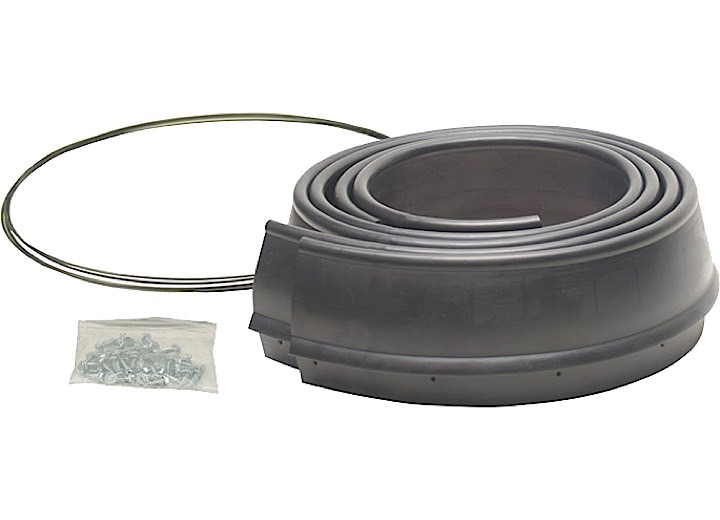
Trailer fenders: Pacer and Kampco sell flare trim in rolls or pre-cut lengths that attach to the edge of trailer fenders to cover sharp edges and add width. Measure the fender edge length before ordering.
Installing fender flares and keeping them on
Installation varies a lot by product. Many replacement flares use the factory mounting holes and clips and need only basic hand tools. Others, including some pocket and bolt-on look styles, require drilling into the fender lip, or trimming the inner liner or bumper. The product instructions are the authority here; read them before you buy if you do not want to drill.
- Test fit first. Hold each flare in place before removing anything to confirm it matches the opening.
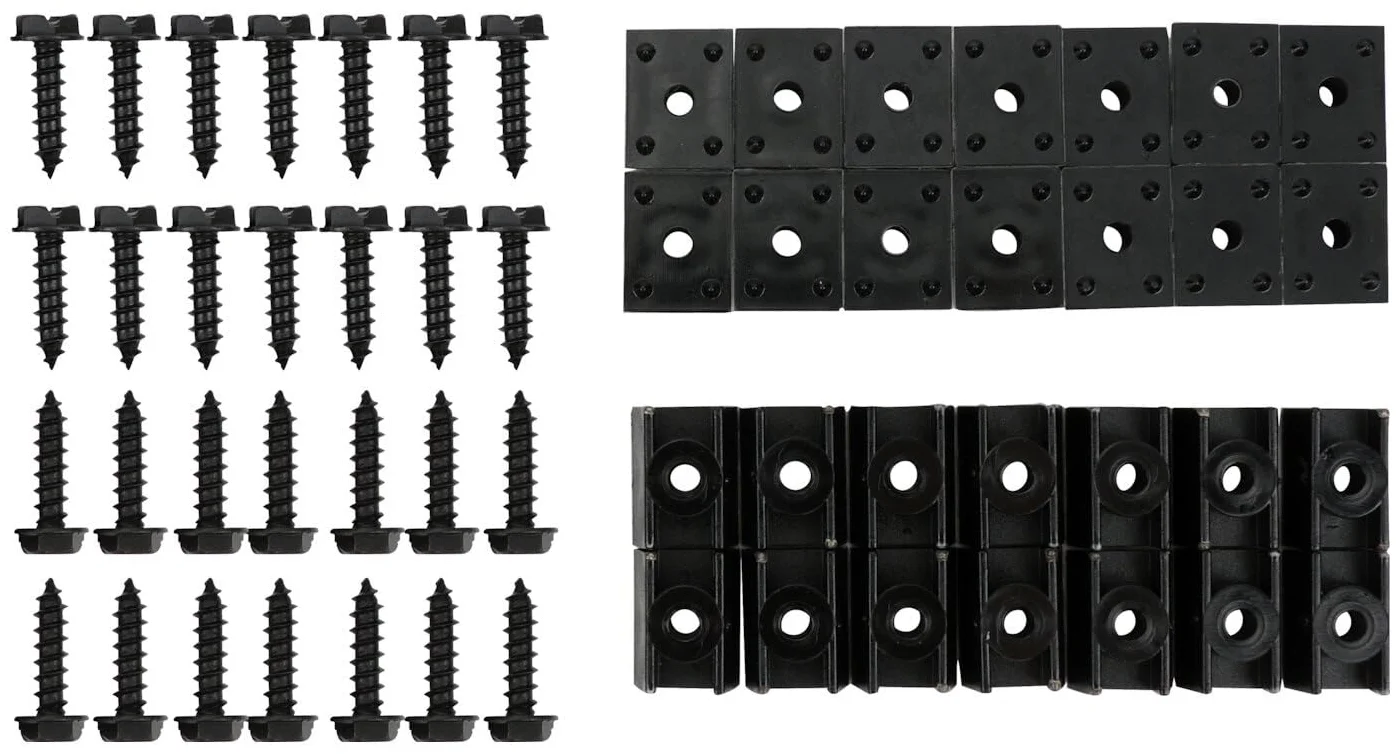
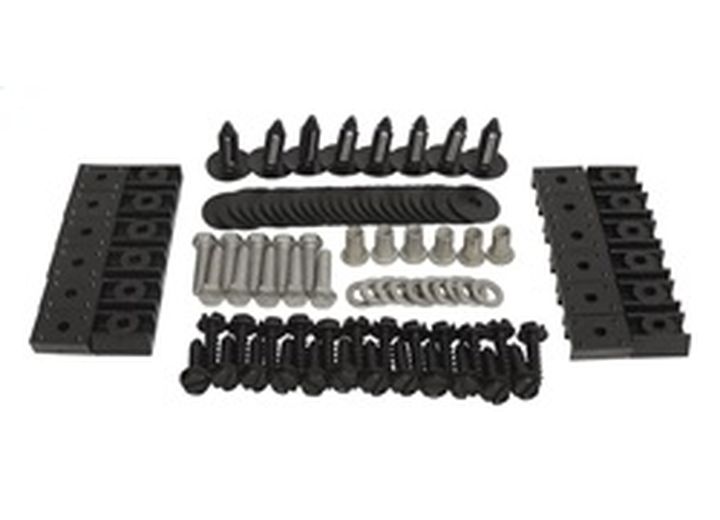
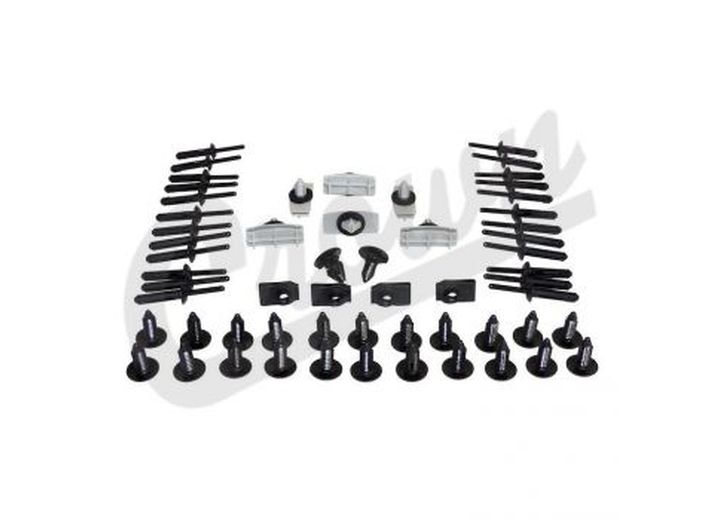
- Use new clips. Old retainer clips are brittle and often break on removal. Crown and Dorman sell retainer clips and hardware kits for many Jeeps and GM, Ford and Chrysler vehicles, and Crown sells flare braces and extensions for JK and TJ Wranglers.
- Protect the paint. Some kits include edge trim or foam tape where the flare touches the body. Clean the area first so trapped dirt does not wear through the paint.
- Check clearance at full lock and full compression. On lifted trucks, turn lock to lock and, if possible, cycle the suspension to make sure tires do not hit the new flares.
- Re-check hardware after the first few weeks, especially on trucks that see washboard roads or trails.
Flares pair naturally with other exterior upgrades such as running boards and lift or leveling kits. For Jeep builds, see our Jeep doors and tops guide.