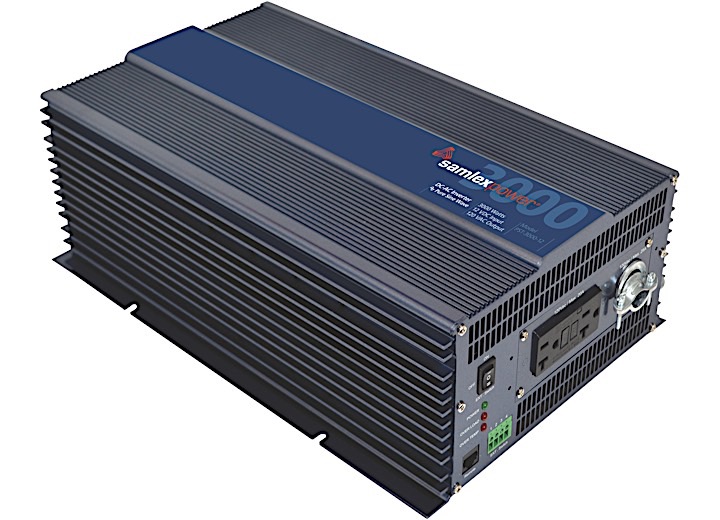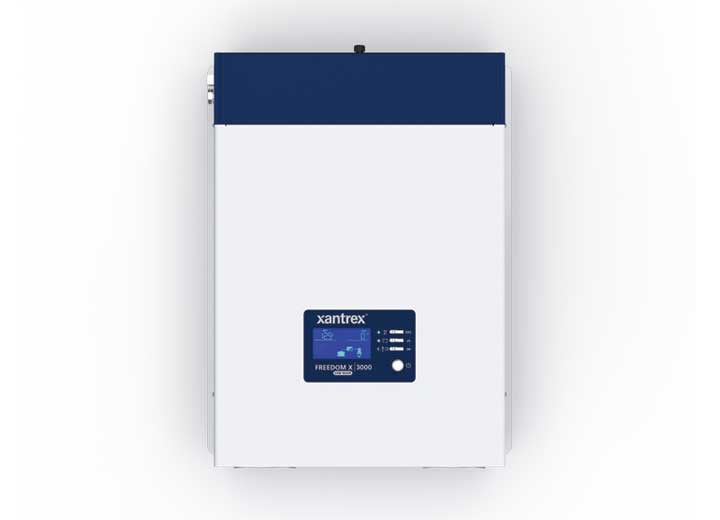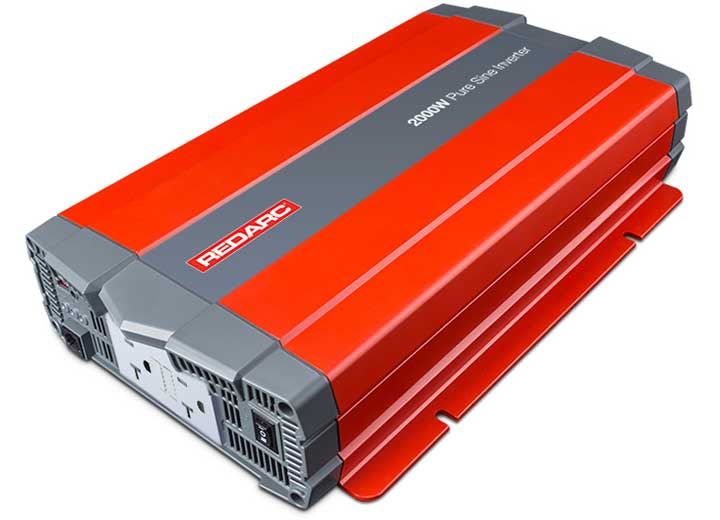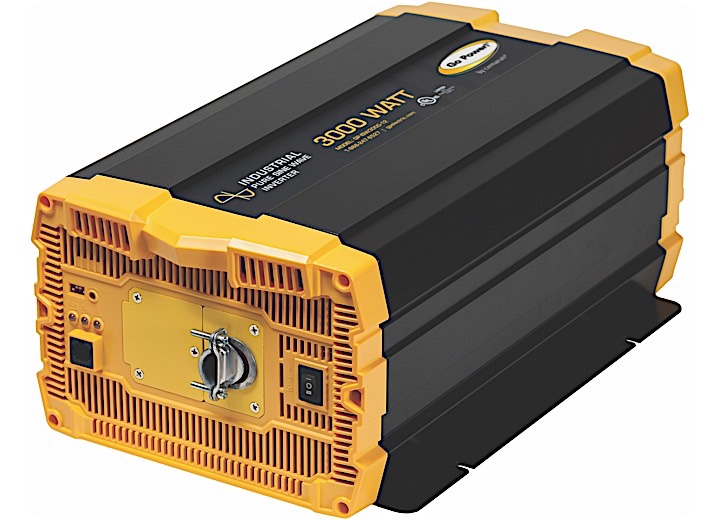
A power inverter turns 12 volt DC battery power into 120 volt AC household power, so you can run a laptop, coffee maker, power tools or a CPAP machine from a truck, RV, boat or work van. Inverters do not make energy, though. Everything they deliver comes out of a battery, and that battery has to be recharged by the engine's alternator, shore power, a solar kit or a generator.
That is why this guide covers the whole system. We stock pure sine and modified sine inverters from Go Power!, Samlex America, AIMS Power, Xantrex, Redarc, Wagan, Holman and Battery Tender; inverter chargers from Mastervolt, Samlex, AIMS and Go Power!; solar panels and kits from Go Power!, Samlex, Renogy, Redarc and Xantrex; and portable and standby generators from Cummins Onan, Champion, DuroMax and Generac. Start by working out how much power you need, then pick the pieces.
Sizing an inverter: watts, surge and battery draw
Add up the running watts of everything you will use at the same time, then add a margin. The label on most appliances lists watts, or amps you can multiply by 120 to get watts. Devices with motors or compressors (fridges, pumps, air compressors, some power tools) also pull a short surge when they start, often two to three times their running watts. An inverter has a continuous rating and a higher peak rating; your total running load should sit comfortably under the continuous number.
| Inverter size | Typical uses | Approx. 12V draw at full load | How it is usually connected |
|---|---|---|---|
| 300 to 400W | Phones, laptops, camera batteries, small fans | About 30 to 40 amps | Short cables direct to battery; small units may plug into a 12V socket at low loads |
| 600 to 1,000W | TVs, CPAP, small tool chargers, a blender | About 60 to 100 amps | Heavy cables to the battery with a fuse |
| 1,500 to 2,000W | Microwave, coffee maker, most corded hand tools | About 150 to 200 amps | Heavy cables, fuse or breaker, often hardwired |
| 3,000W and up | Several loads at once, RV air conditioning on some setups | About 300 amps or more | Large battery bank, very heavy cables, professional install recommended |
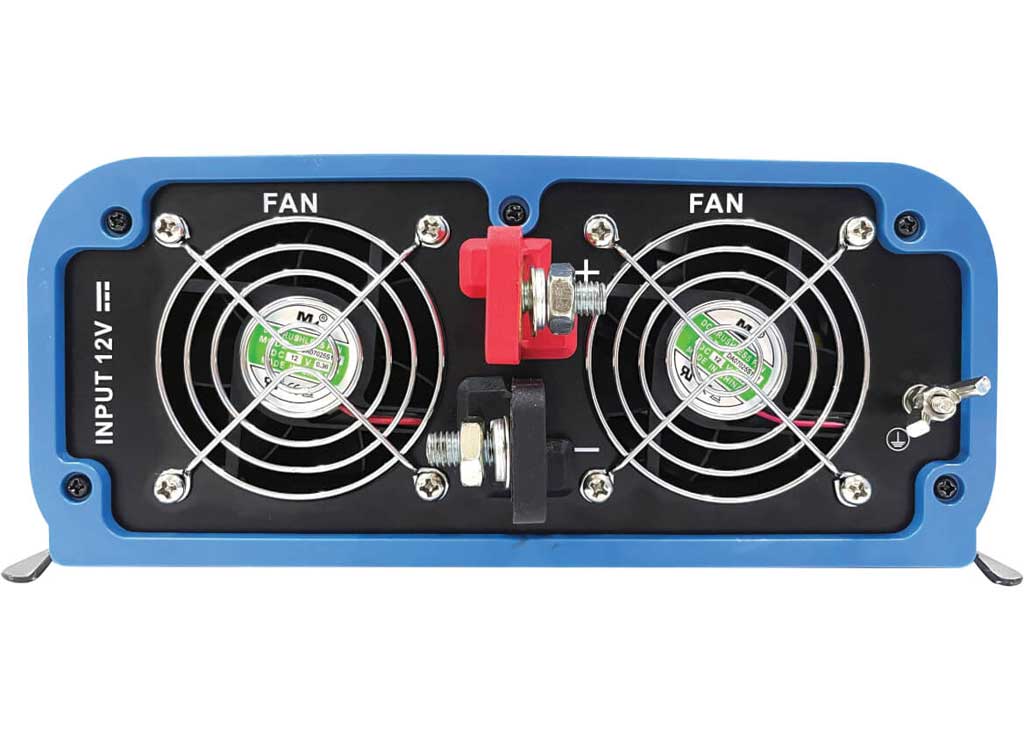
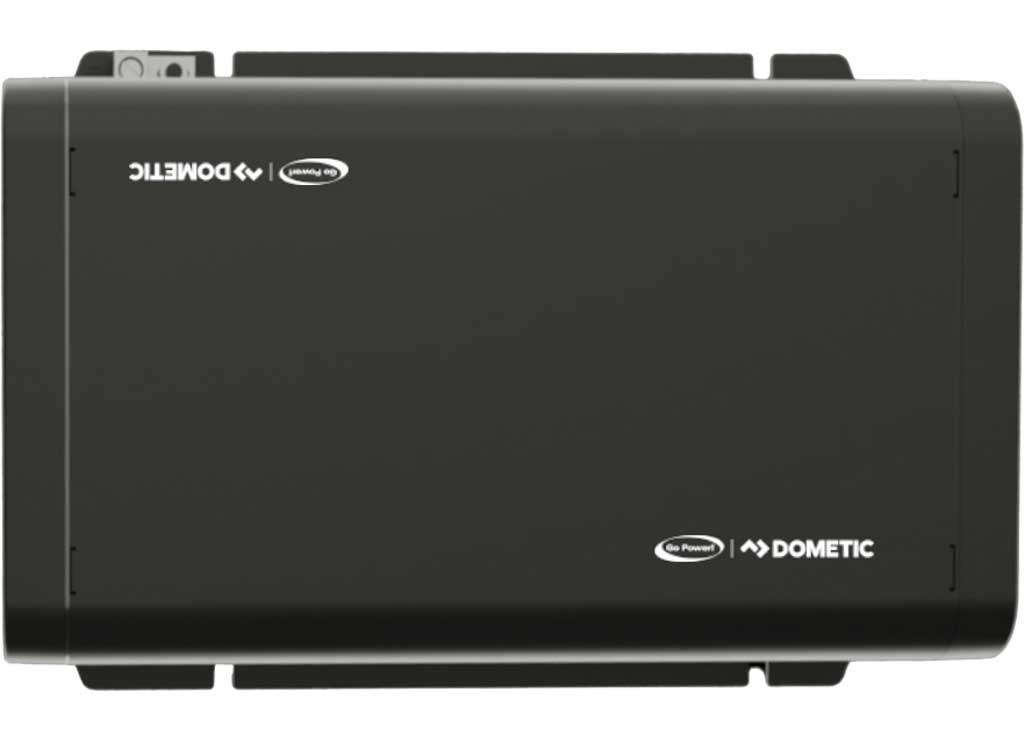
Those amp figures are rough; real draw is higher because inverters lose some energy as heat. The takeaway: big inverters need big batteries and thick cables. A 2,000 watt inverter on a single starting battery will drain it quickly and can leave you stranded. Keep cables short, use the gauge and fuse the manufacturer specifies, and fuse the positive cable close to the battery. Go Power! sells install kits matched to its smaller inverters. If you plan to run off the battery often, read up on AGM, flooded and lithium batteries and check your alternator can keep up.
Pure sine wave vs modified sine wave
Utility power is a smooth sine wave. Pure sine wave (also sold as true sine) inverters reproduce it closely, so anything that runs on a wall outlet should run normally. Modified sine wave inverters produce a stepped approximation that is cheaper to build.
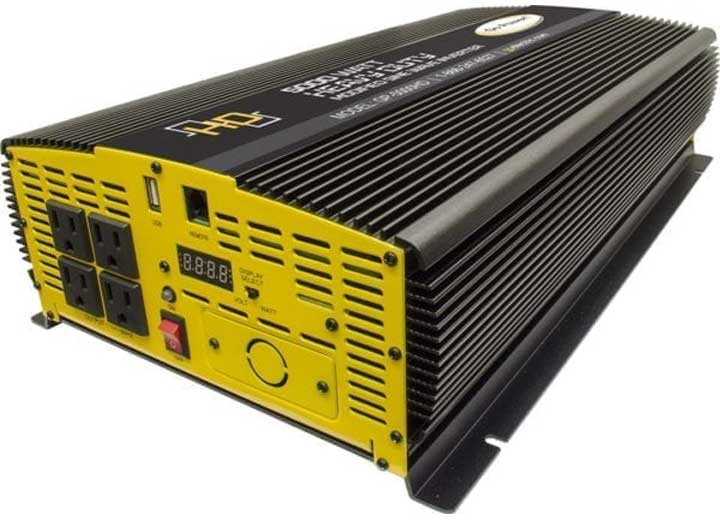
- Modified sine is usually fine for simple resistive loads like incandescent lights and heaters, many universal-motor power tools and basic chargers. Go Power!, Samlex SAM series, Wagan, Install Bay and Battery Tender all offer modified or budget units.
- Pure sine is the safer choice for laptops and electronics, medical devices such as CPAP machines, variable-speed tools, microwaves, induction cooktops, audio gear and anything with a motor that runs all the time. On modified sine, some of these hum, run hot, run poorly or will not run. Check the device manufacturer if in doubt.
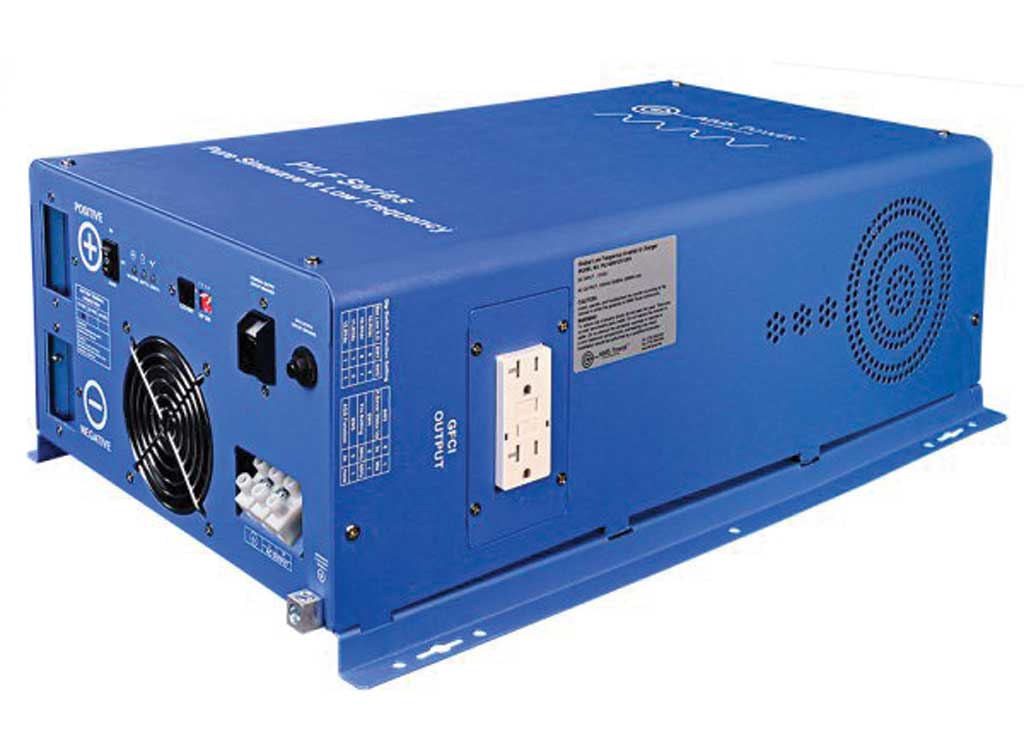
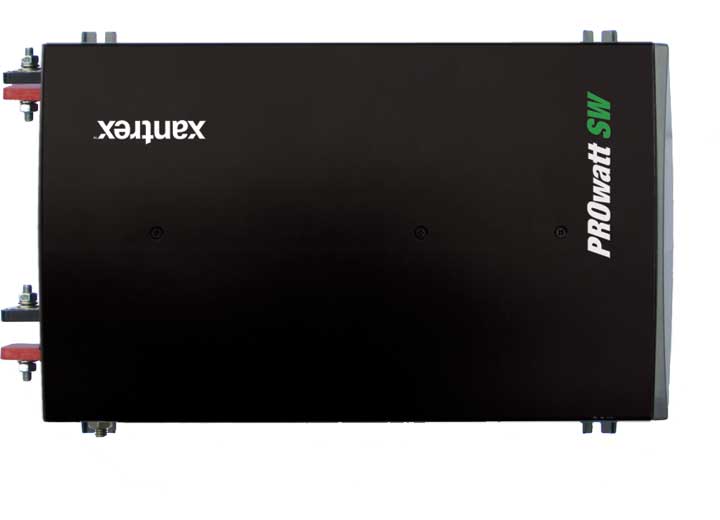
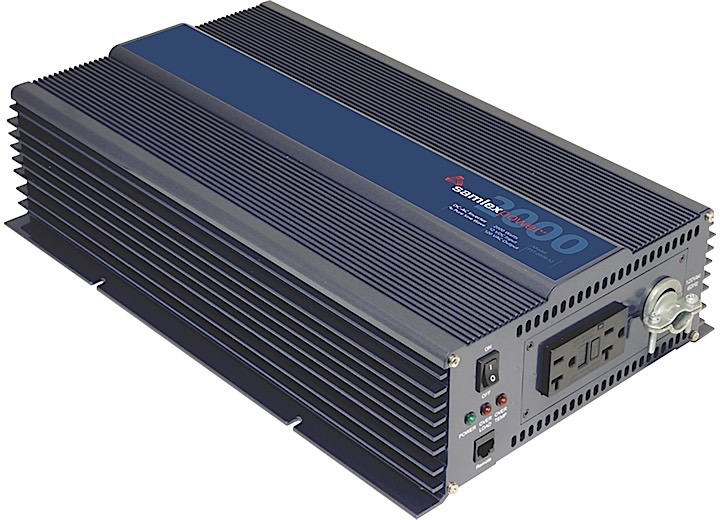
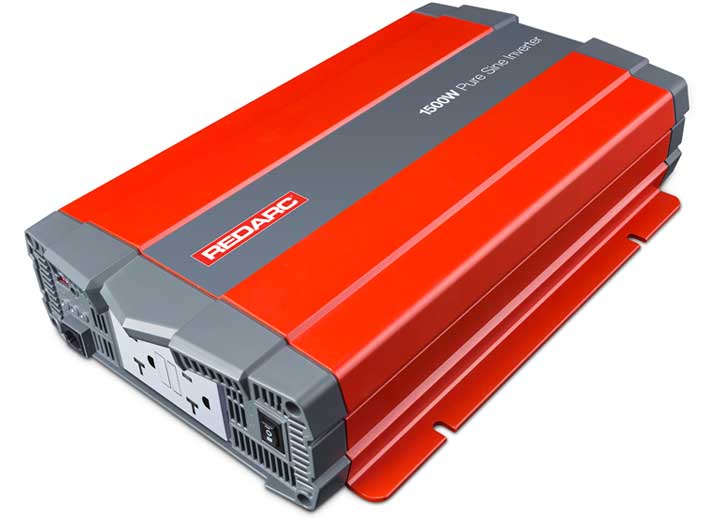
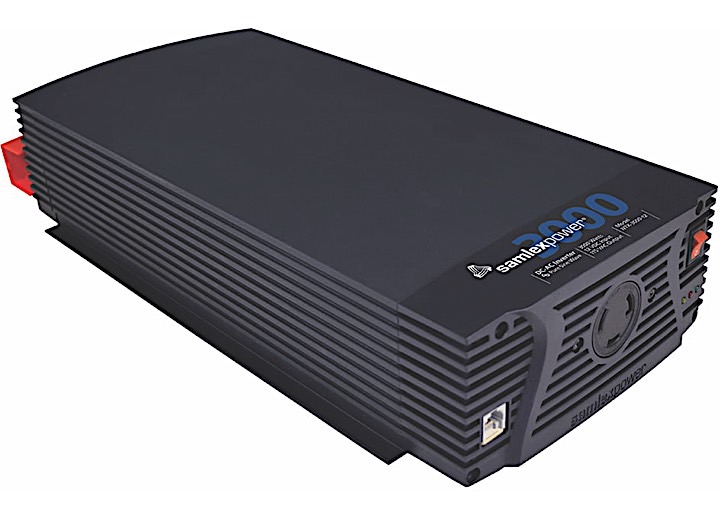
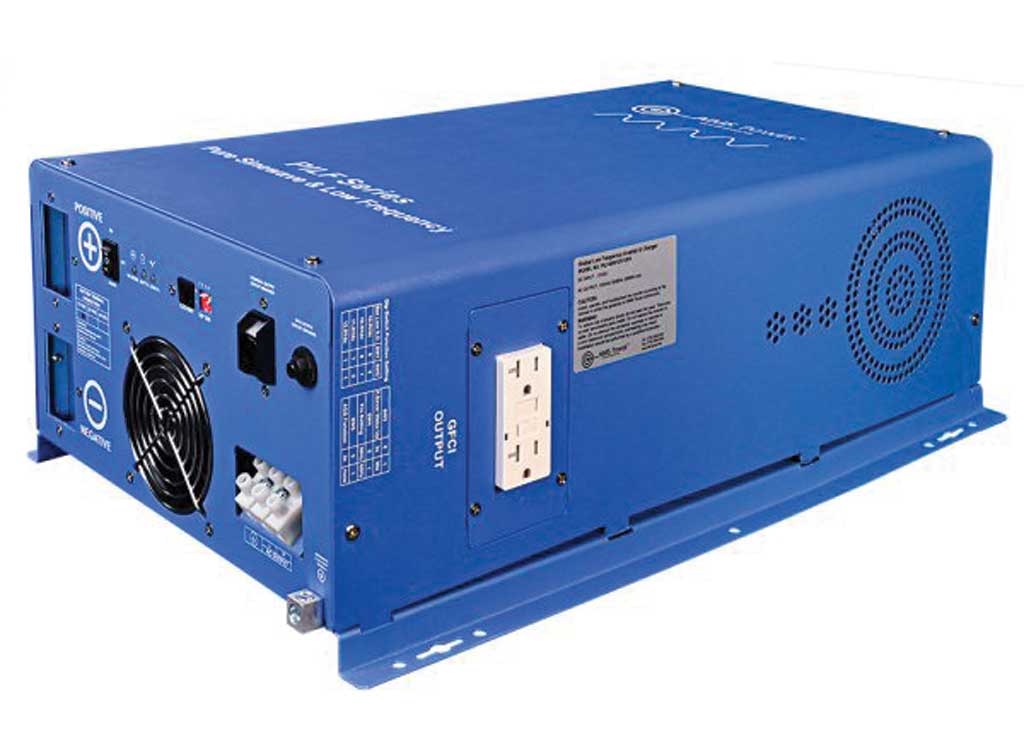
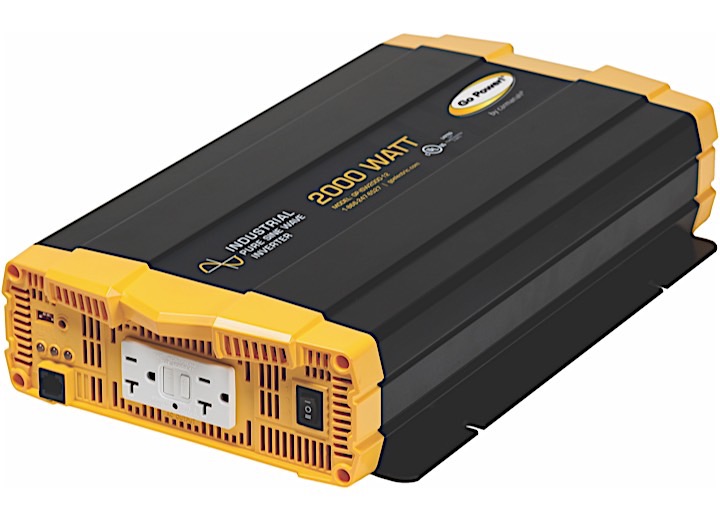
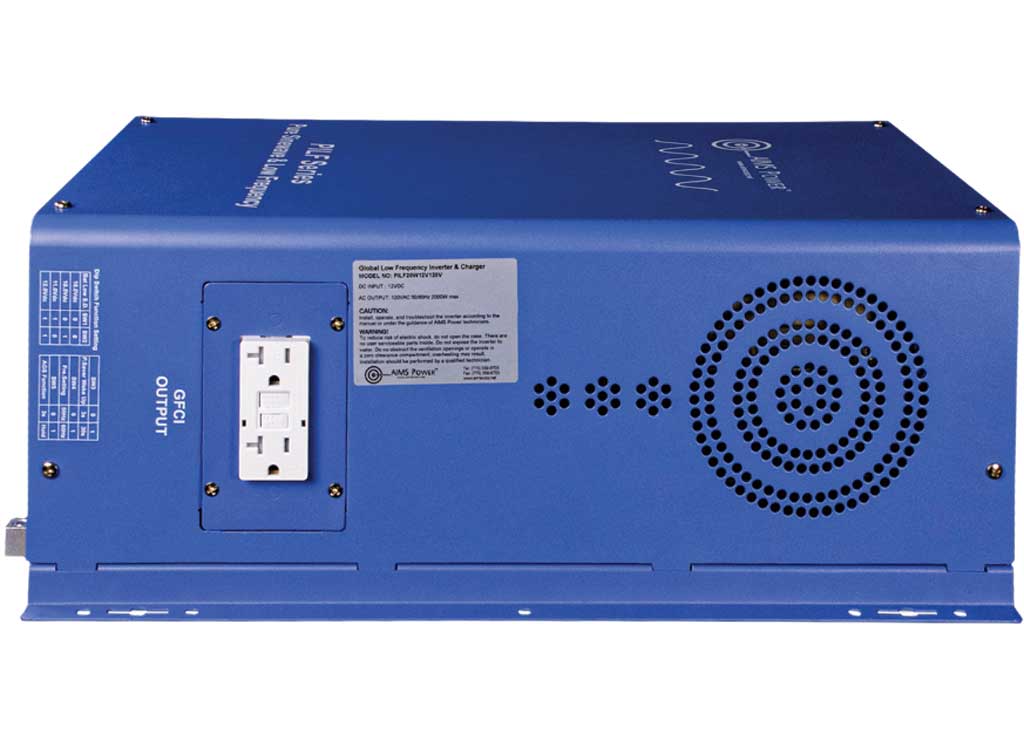
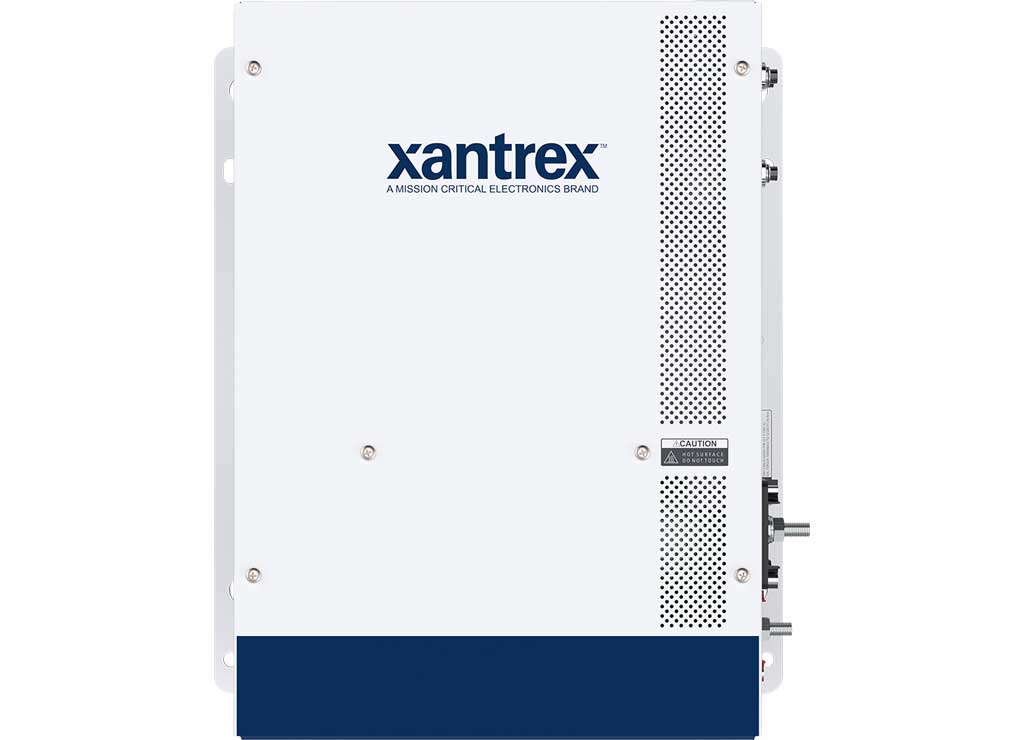
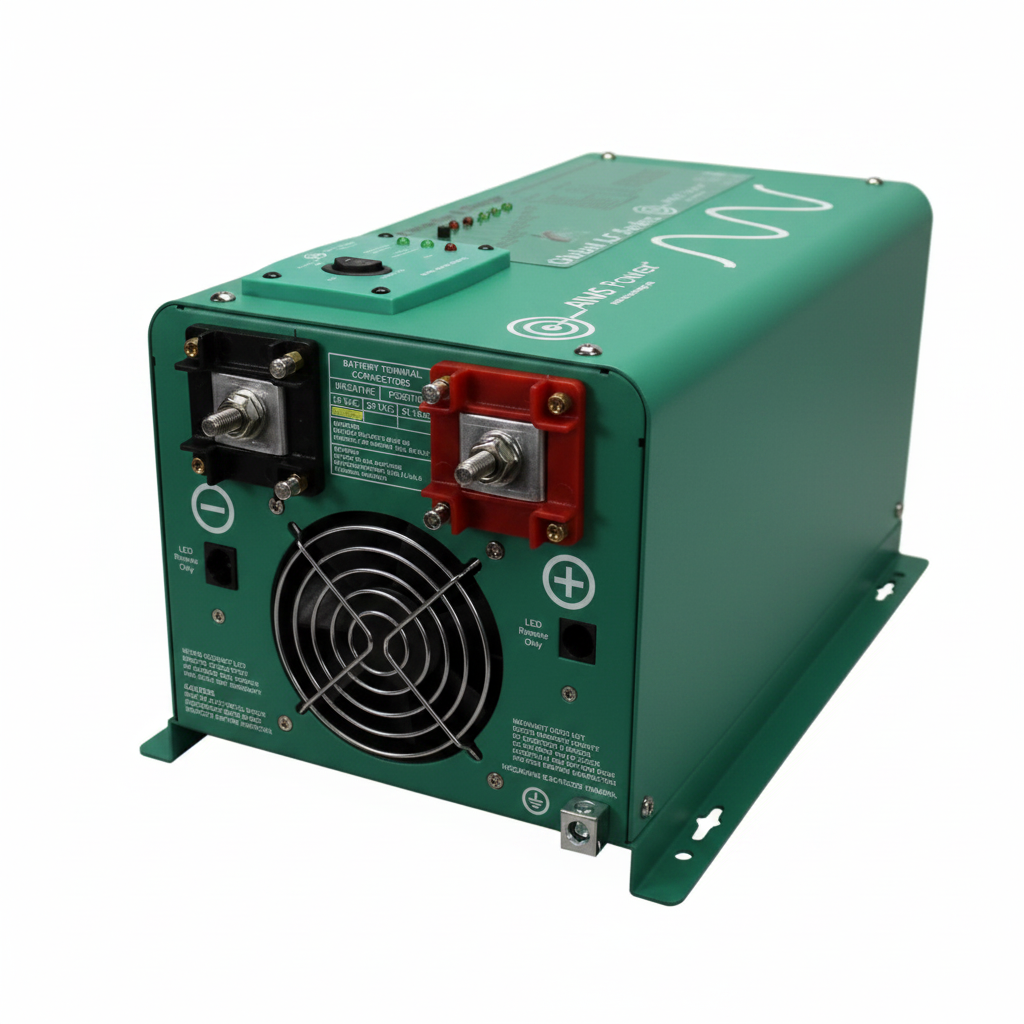
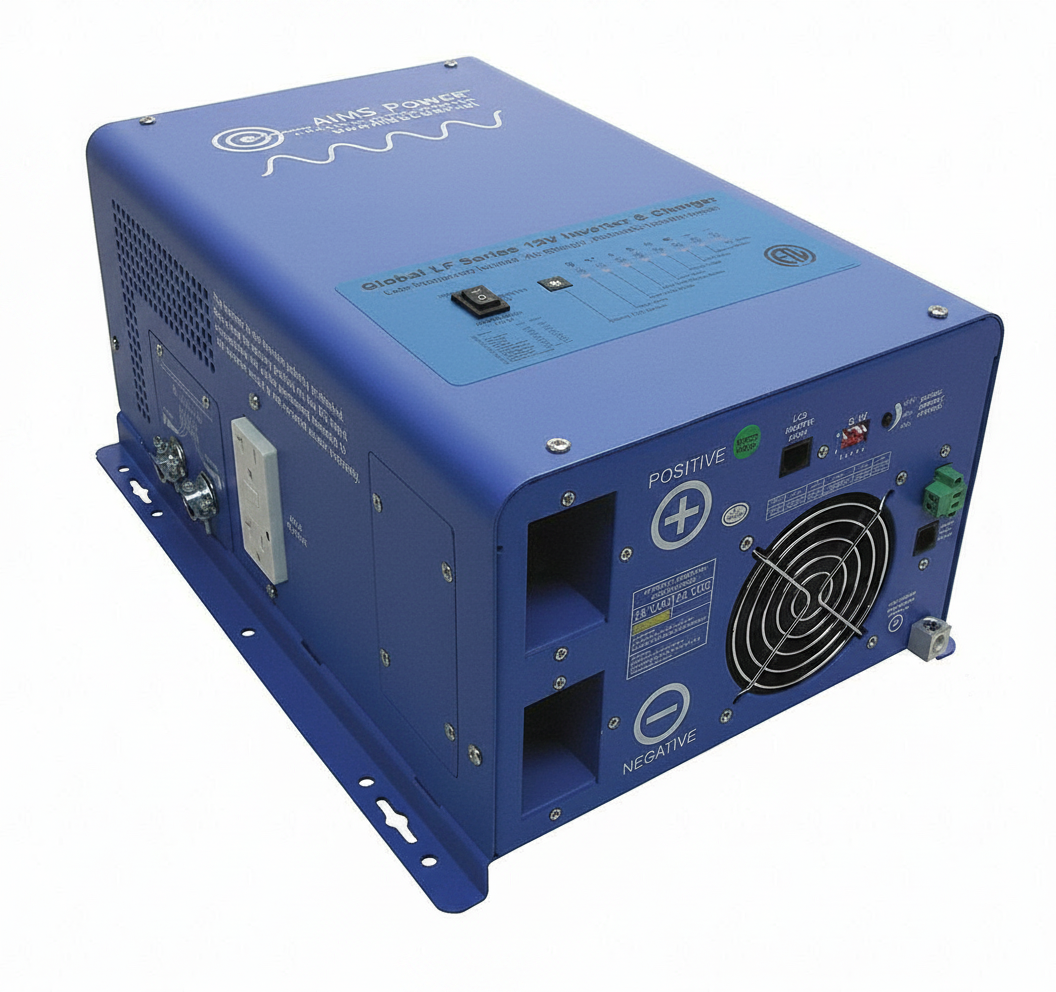
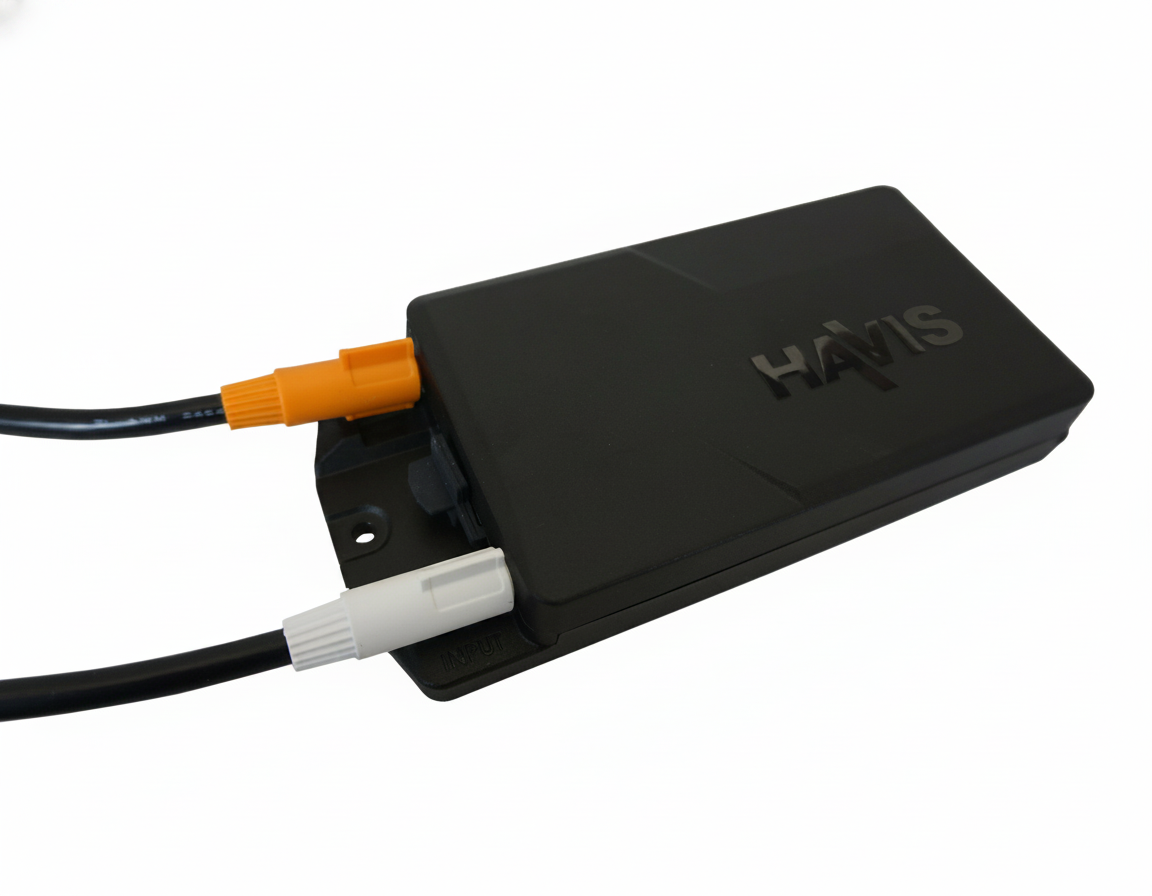
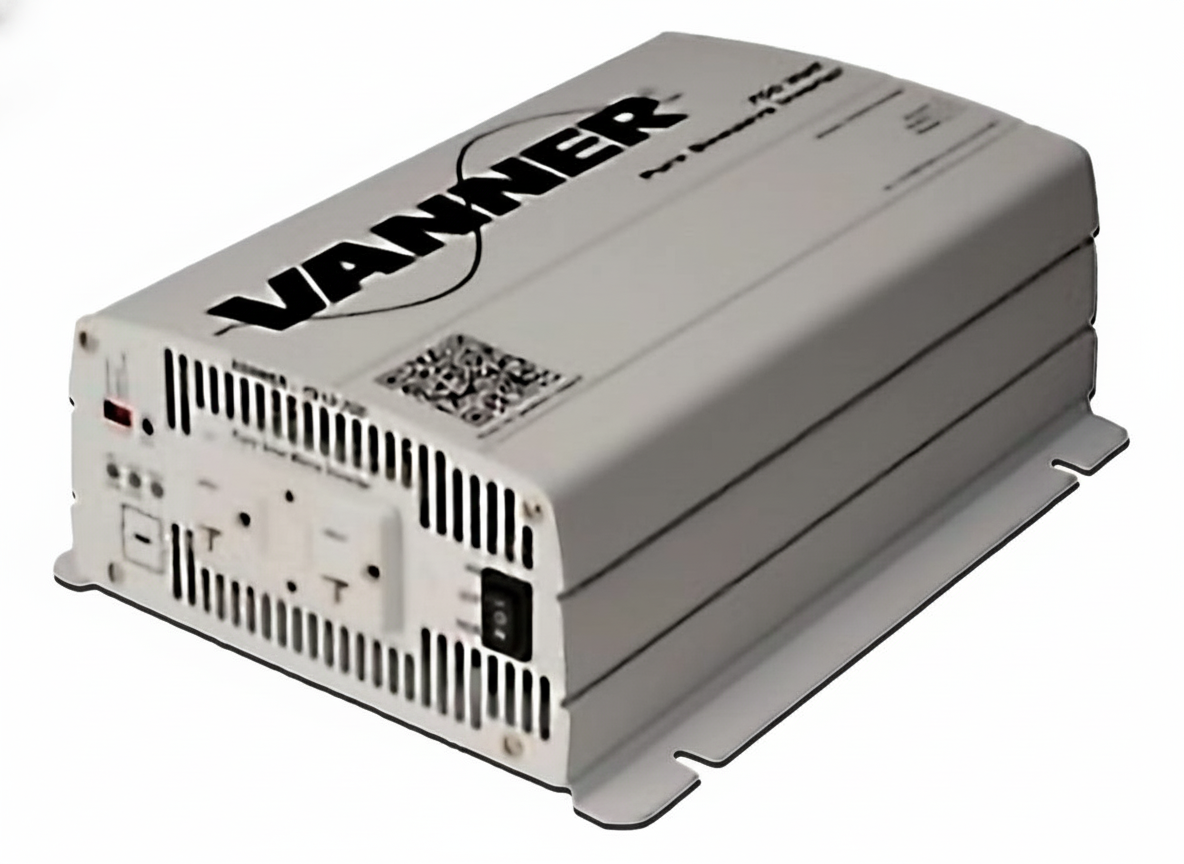
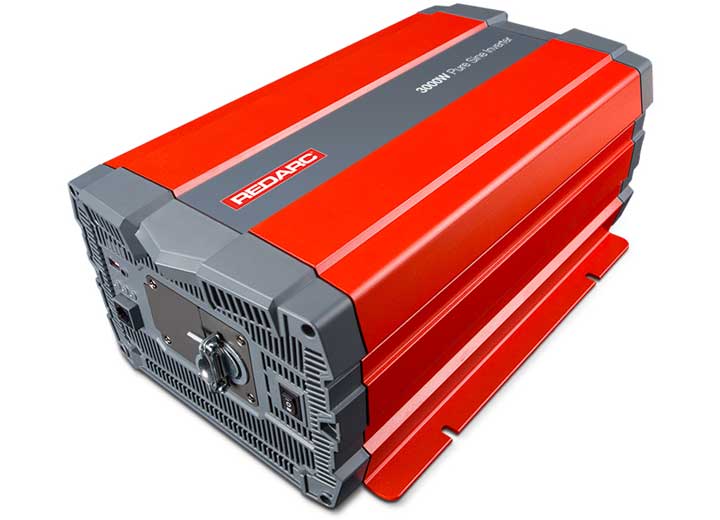
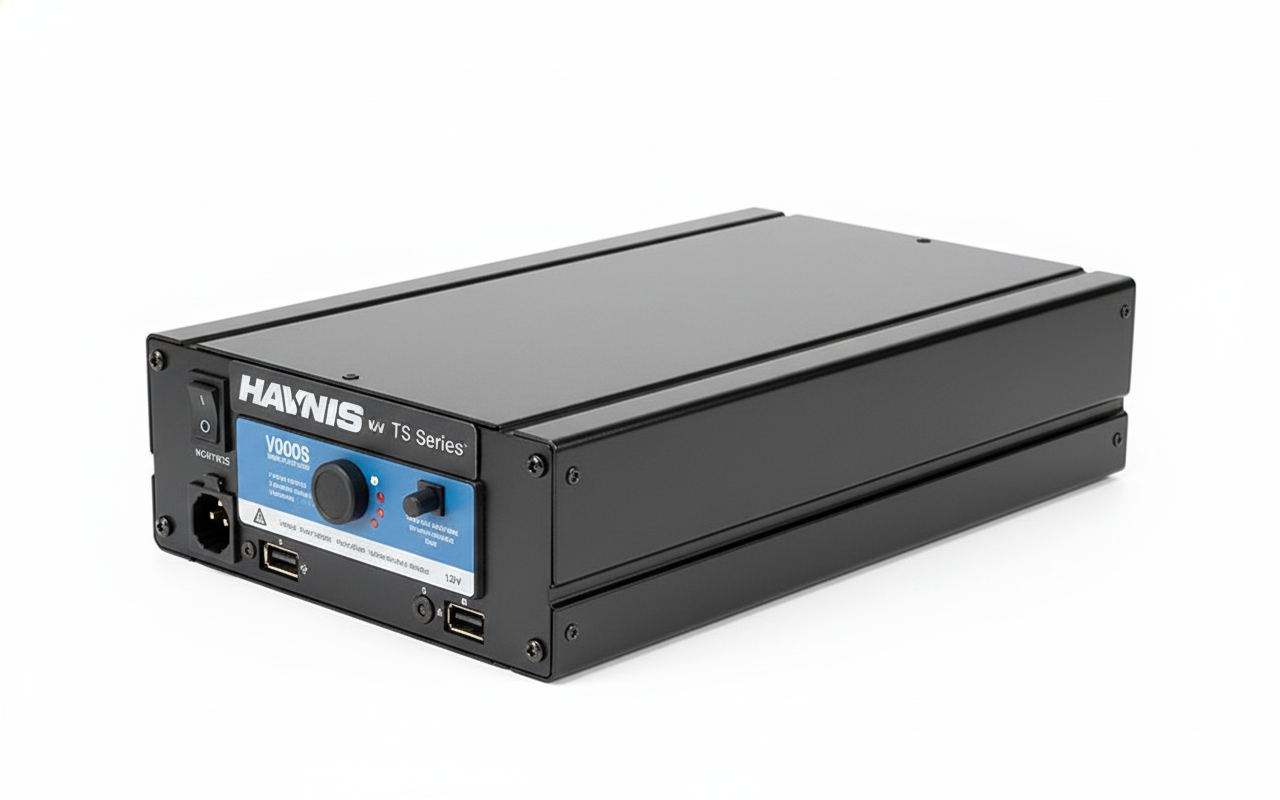
Pure sine options include the Go Power! pure sine line from 1,000 to 2,000W, Samlex PST series, Redarc units with a GFCI outlet, Holman, Xantrex PROWATT, and Havis Vanner commercial inverters. AIMS Power also sells low frequency pure sine inverters. Low frequency models use a heavy transformer and are generally better at handling large motor surges, at the cost of weight; high frequency models are lighter and more compact.
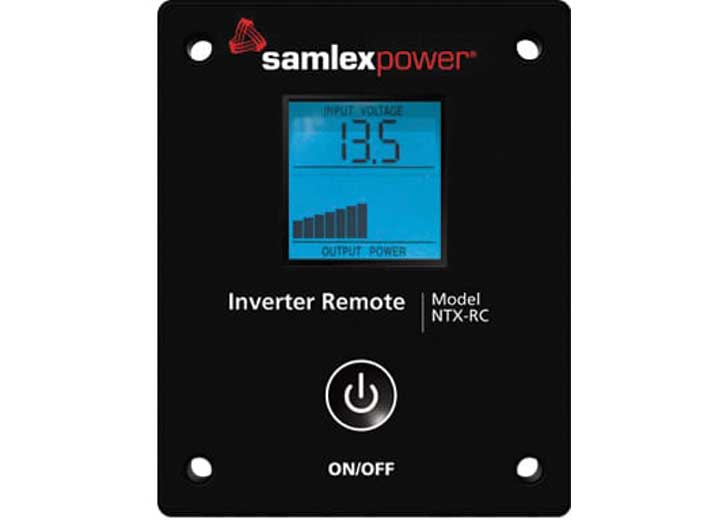
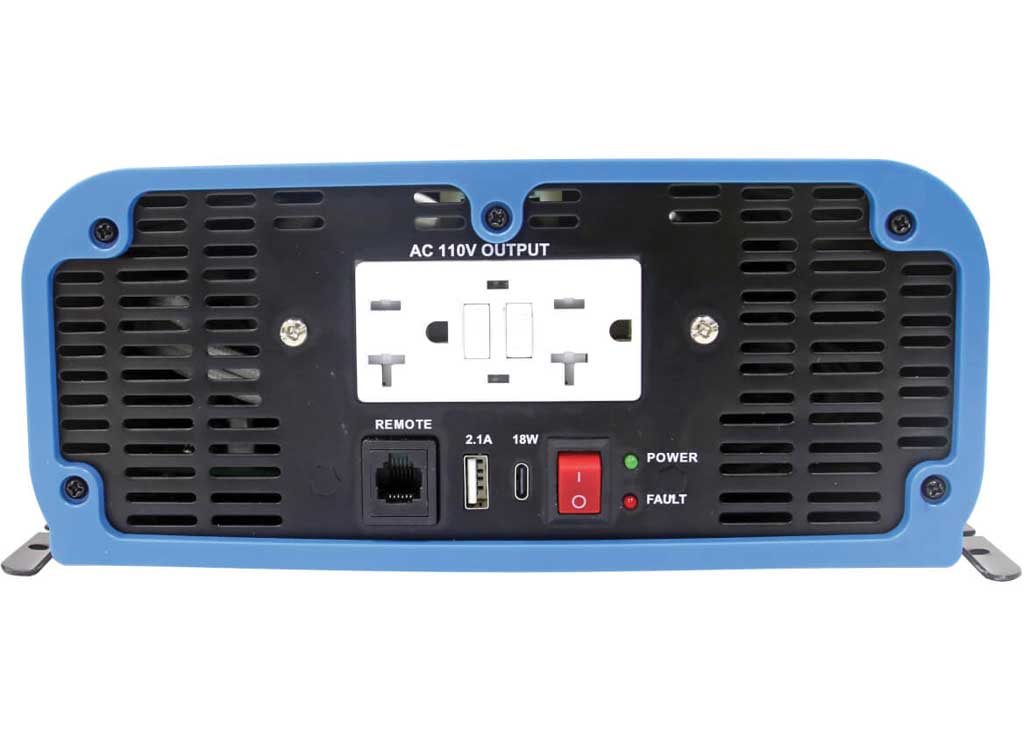
Many larger units offer a remote control or remote switch so you can mount the inverter near the battery and turn it on from inside the cab or coach. Mounting near the battery is the right call because it keeps the heavy DC cables short.
Inverter chargers and solar kits for RVs, vans and boats
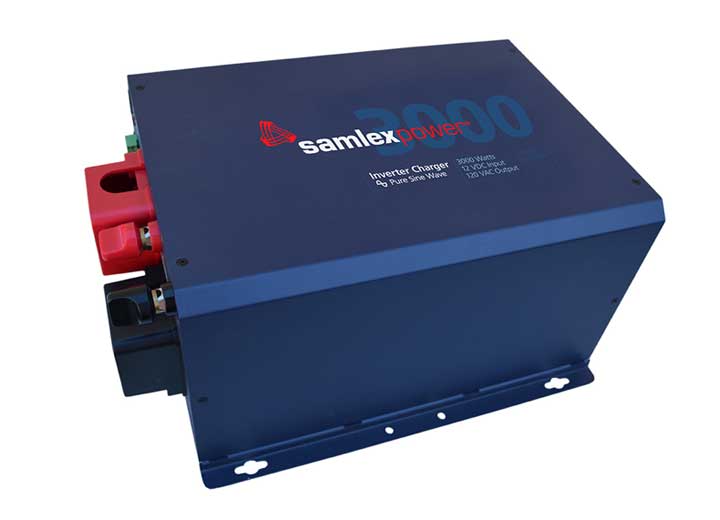
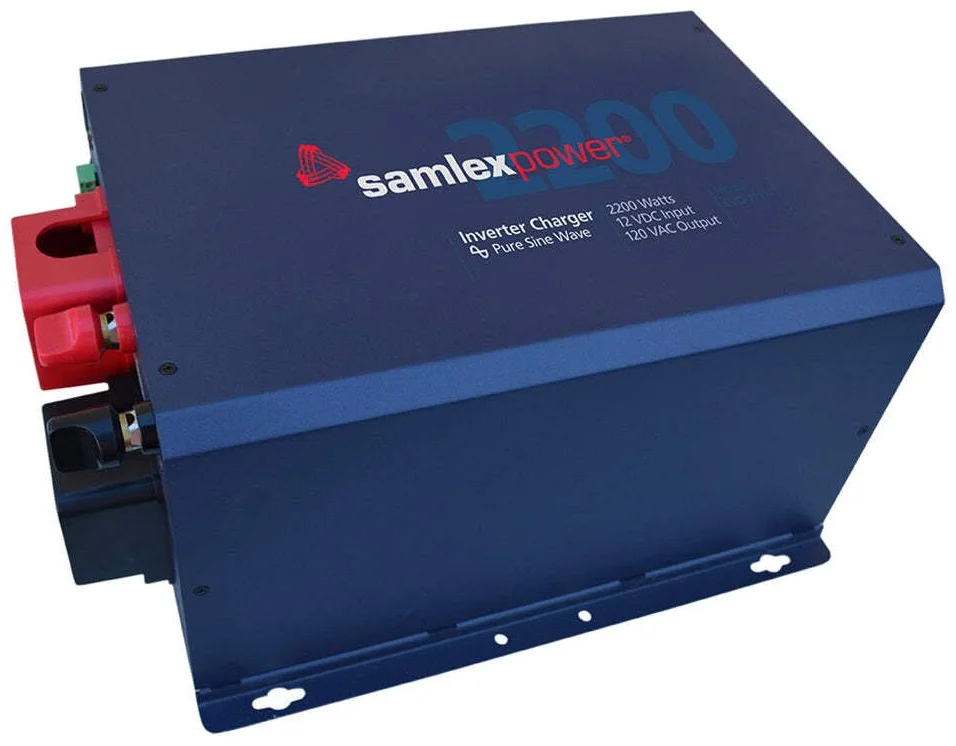
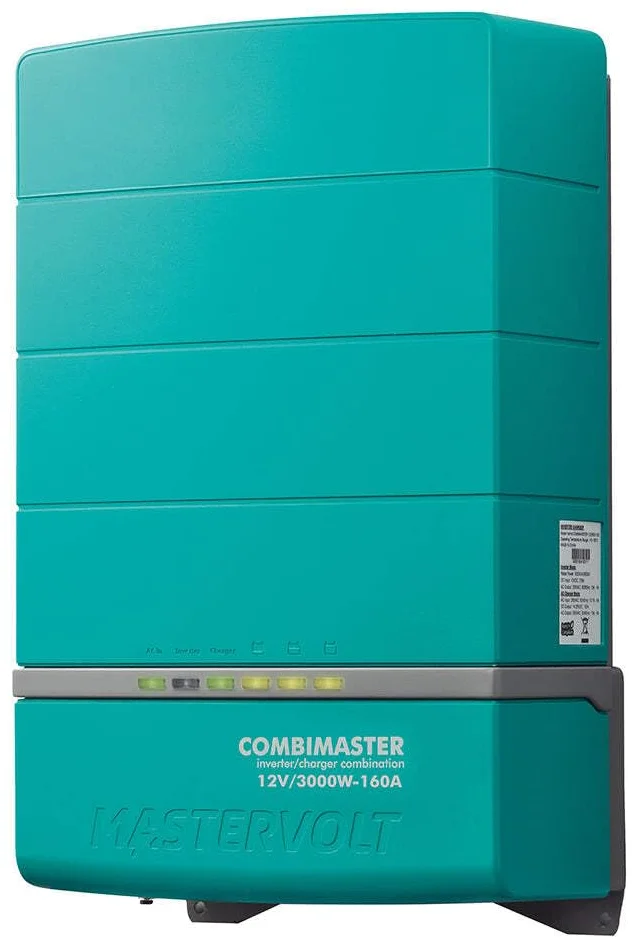
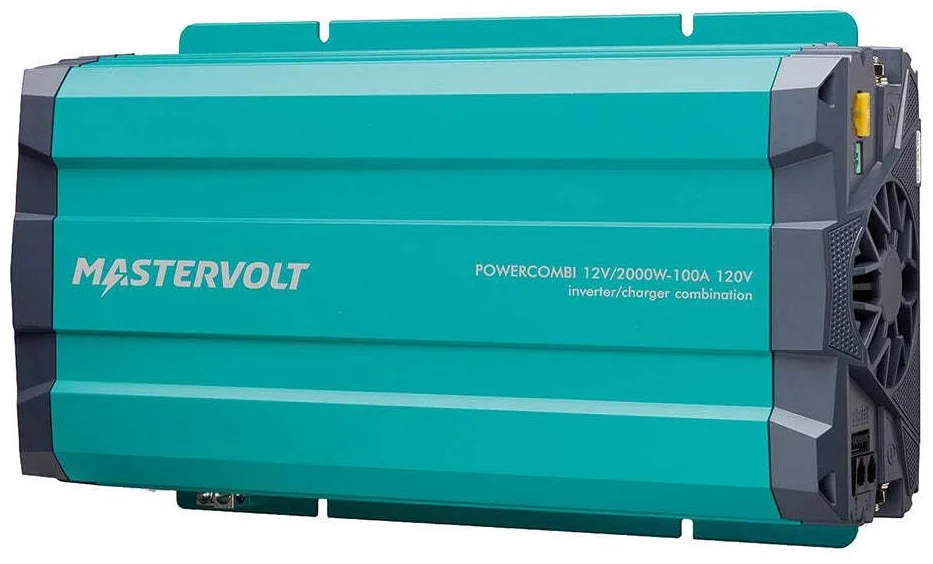
In an RV or boat, an inverter charger combines three jobs in one box: an inverter for running AC loads off the batteries, a battery charger for when you plug into shore power or run a generator, and an automatic transfer switch that passes shore power straight through when it is available. Mastervolt CombiMaster and PowerCombi, Samlex EVO, AIMS and Go Power! Advanced units are examples. Match the transfer switch to your coach (30 amp or 50 amp service), and choose a charger amperage that suits your battery bank and battery chemistry. Hardwired installs into an RV electrical system are best done by someone familiar with RV wiring.
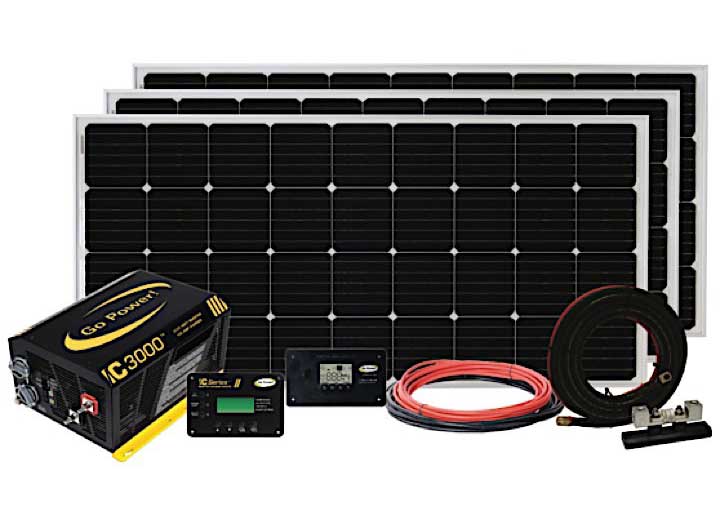
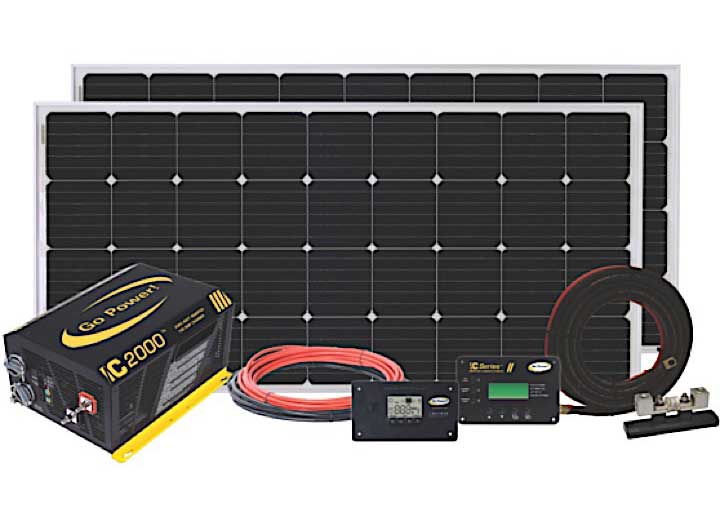
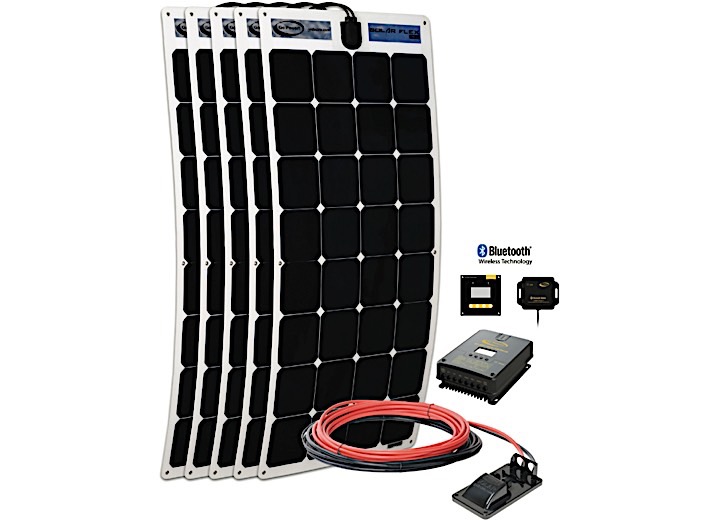
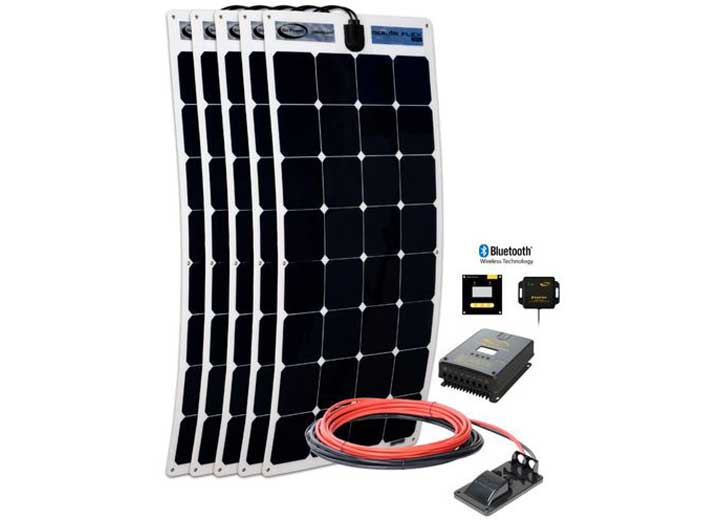
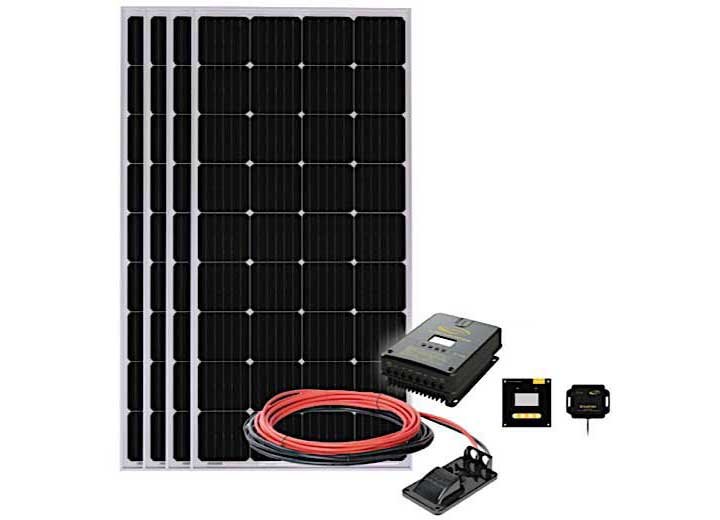
Solar keeps the batteries topped up without running an engine or generator. A kit typically includes panels, a charge controller and wiring. Points to compare:
- Panel watts. Real output depends on sun angle, season, shade and heat. A rough planning figure is a few hundred watt-hours per day for each 100W of panel in decent sun, but it varies a lot by location.
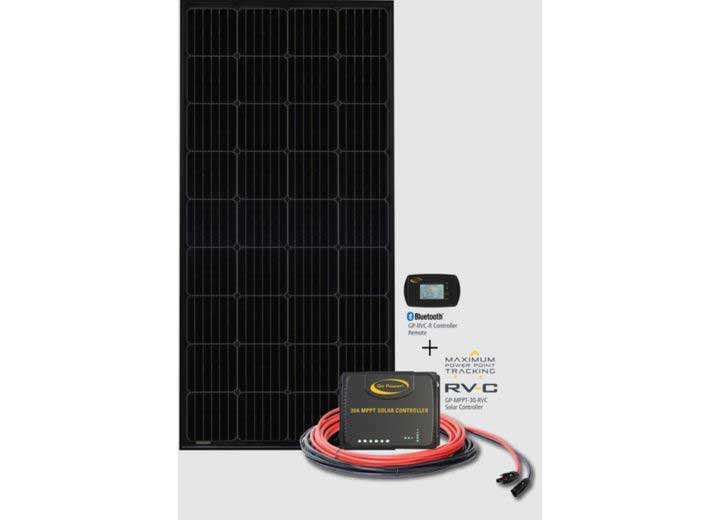
- Controller type. MPPT controllers (as in the Go Power! Flex and Eclipse kits) usually harvest more energy than basic PWM controllers, especially in cold weather or when panel voltage is higher than battery voltage.
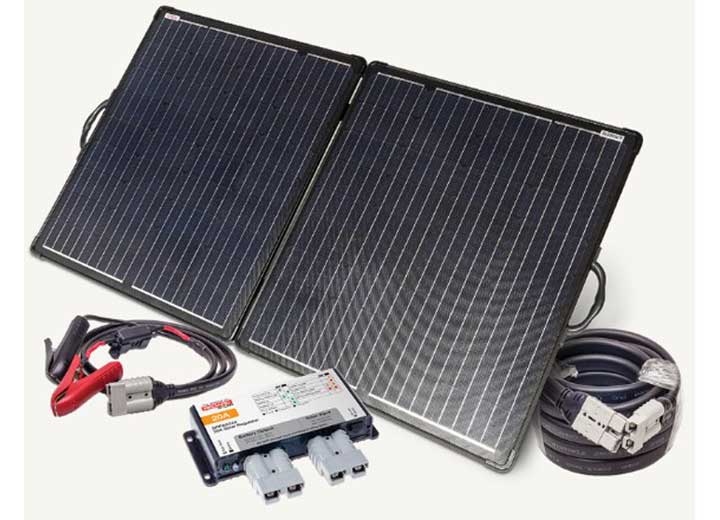
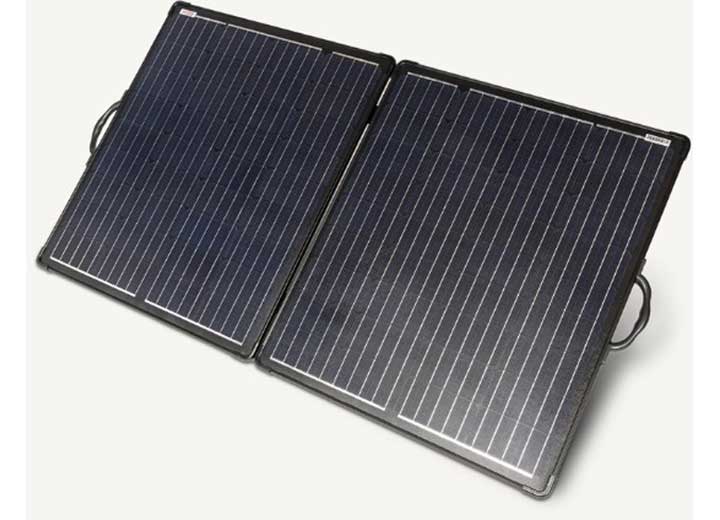
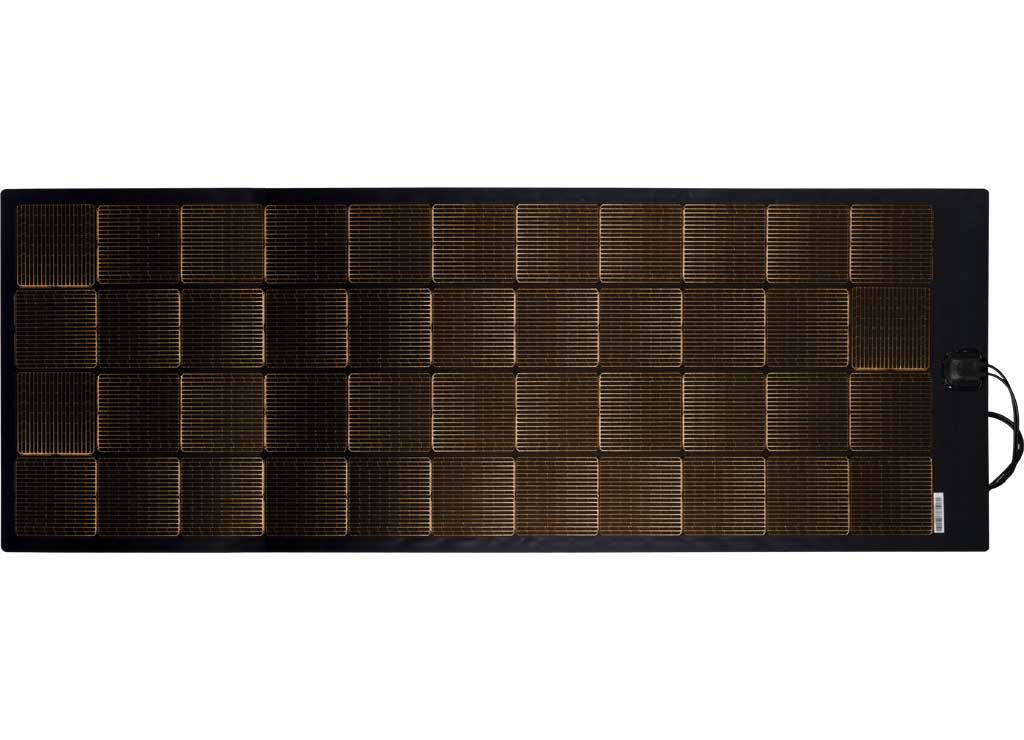
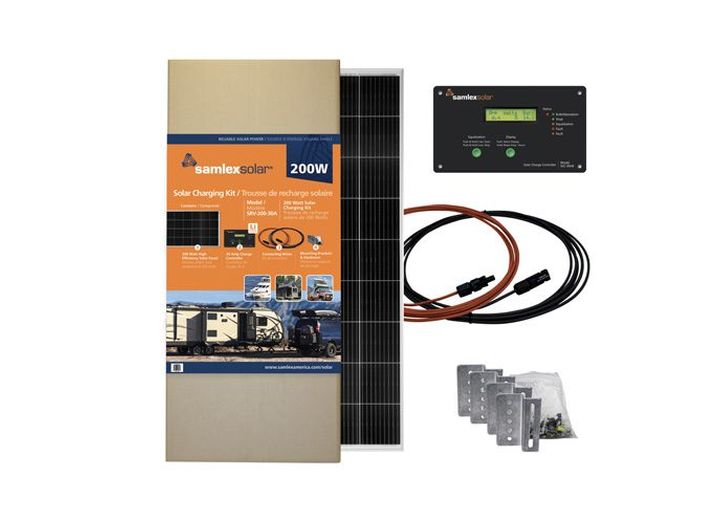
- Rigid, flexible or portable. Rigid panels such as the Renogy 200W, Samlex 200W kit and Xantrex 100W are durable for roof mounting. Flexible panels follow curved roofs and save weight. Folding portable panels like the Redarc 120W can be set out in a sunny spot and aimed at the sun while the RV stays parked in the shade.
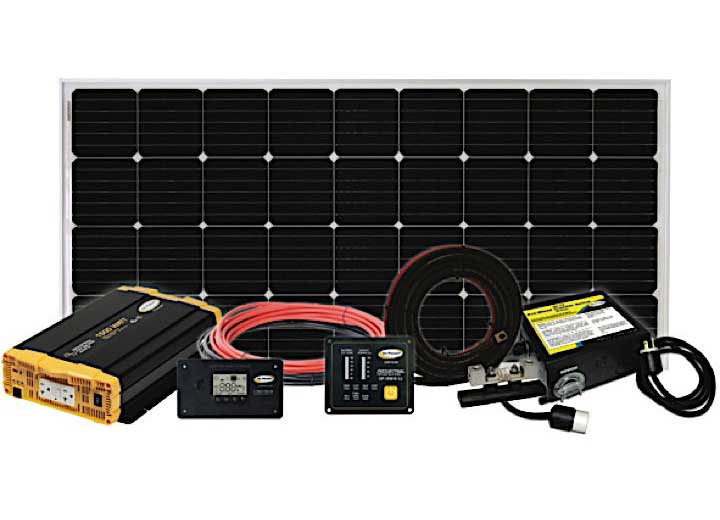
- Expandability. Some kits combine solar, an inverter and a transfer switch, such as the Go Power! Weekender and SolarExtreme kits.
Keeping batteries charged matters on the water too; see our marine battery chargers guide.
Generators and power stations
When you need more power than a battery bank can supply, or for days at a time, a generator is the answer.
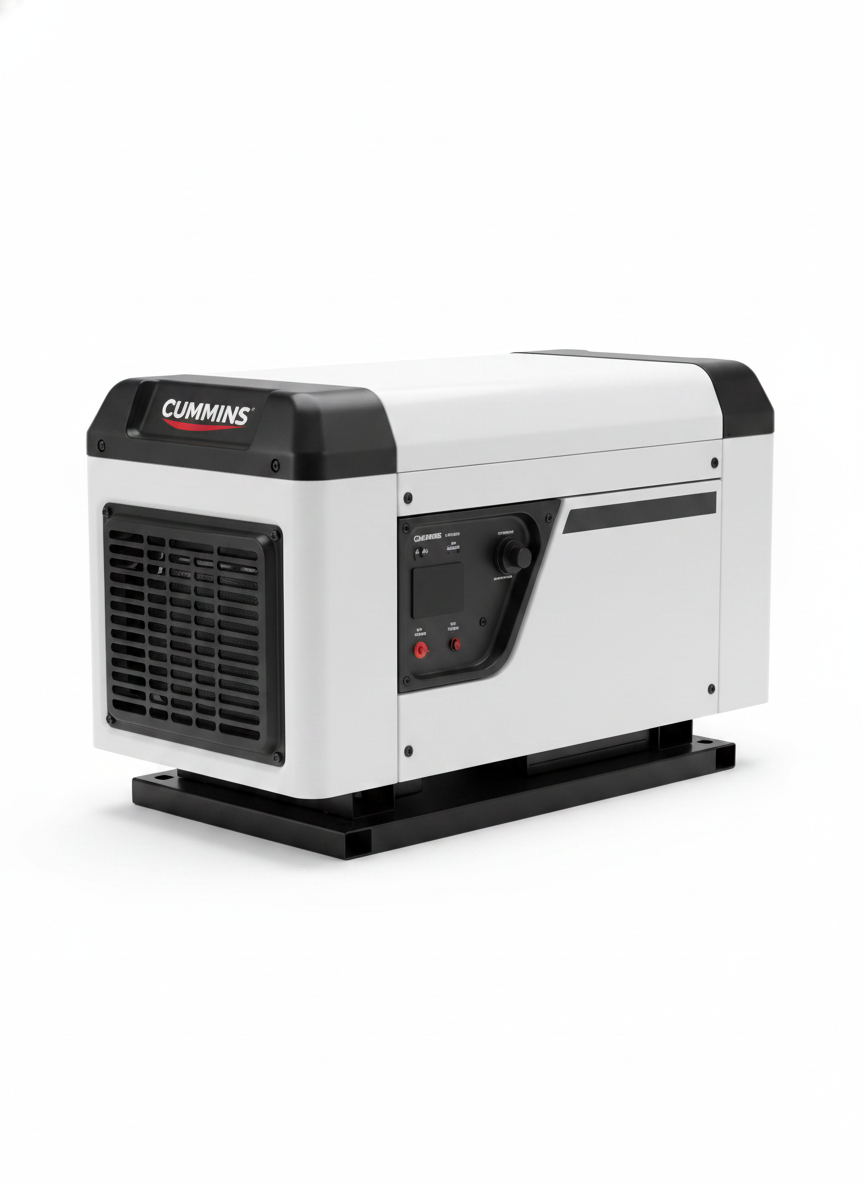
- Inverter generators, such as the Cummins Onan P4500iDF and Champion 8500 watt inverter generator, produce clean power suitable for electronics and typically run quieter and more efficiently at light loads than conventional open-frame models.
- Conventional portable generators like the Cummins Onan P9500DF and DuroMax XP15000HX+ deliver more watts per dollar for job sites, backup power and big RV air conditioners. Many are dual fuel (gasoline or propane).
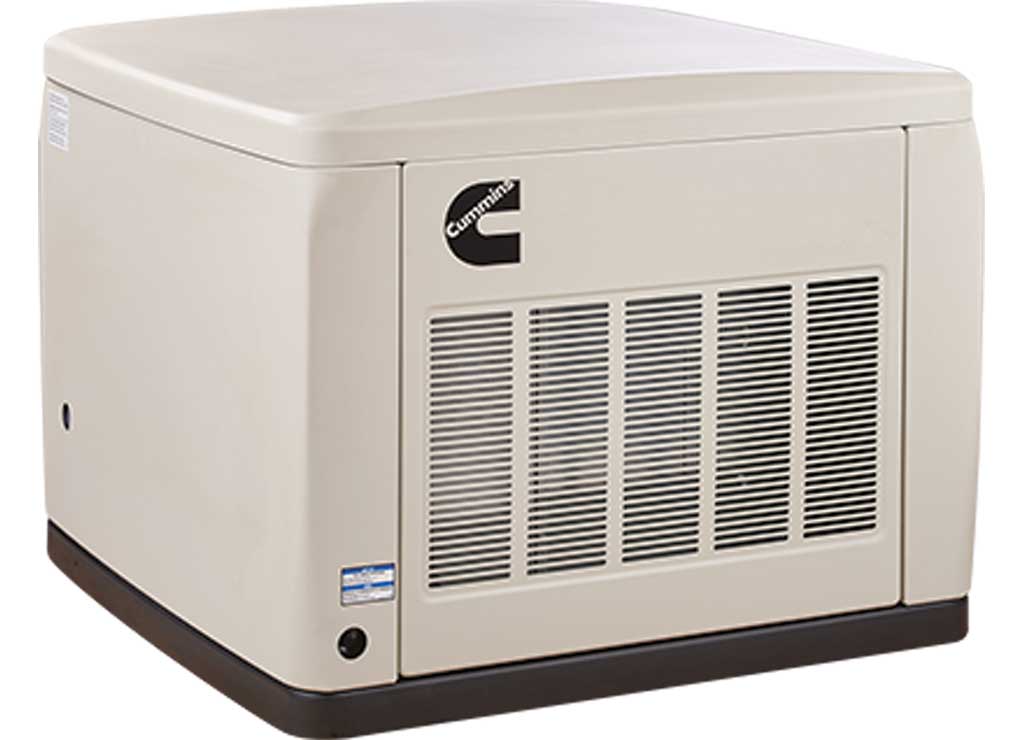
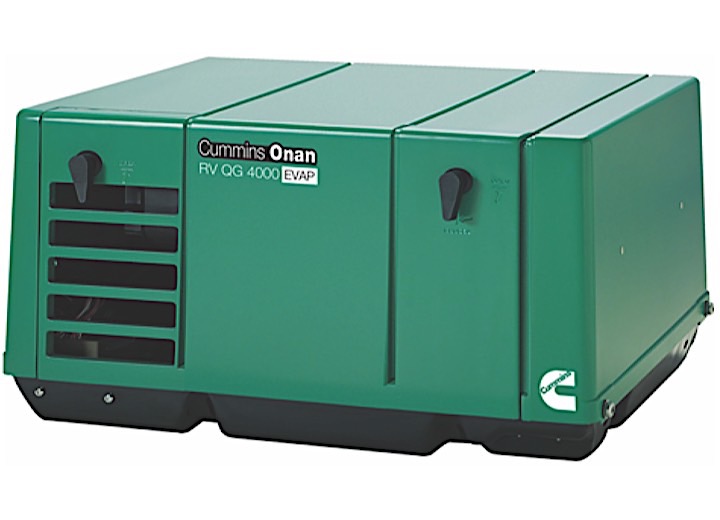
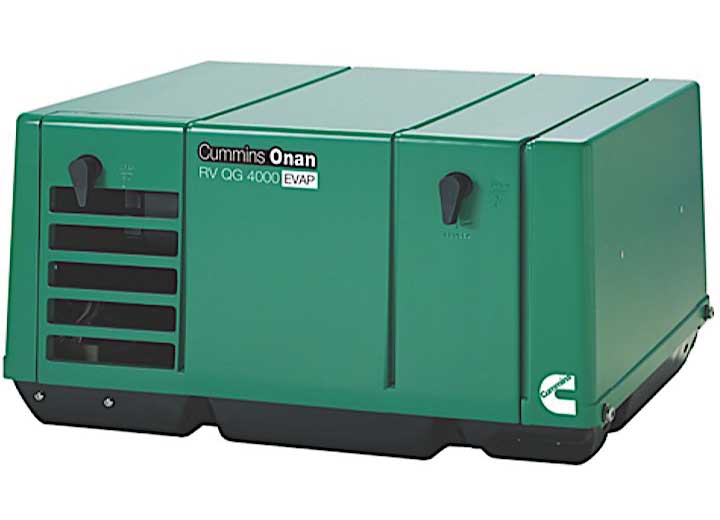
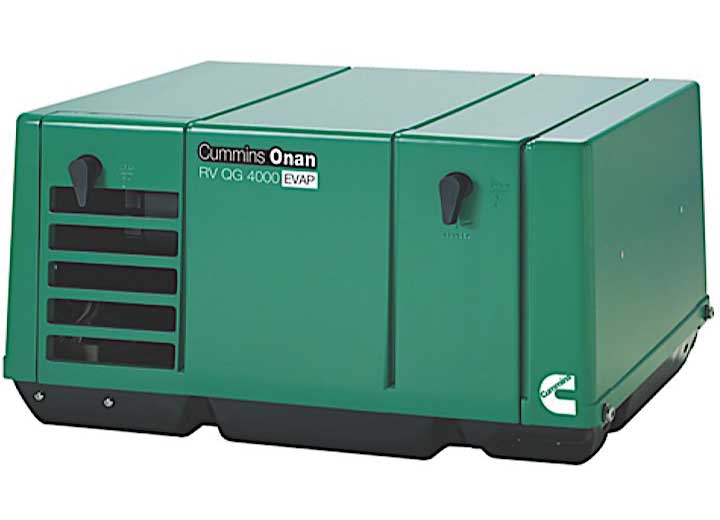
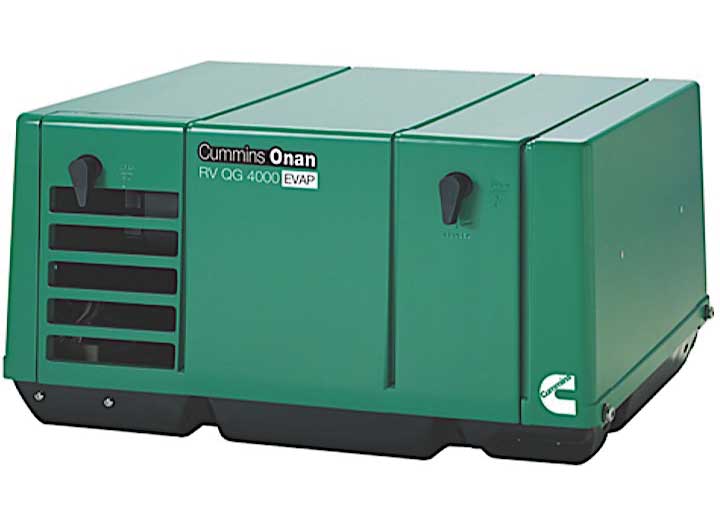
- RV built-in generators from Cummins Onan mount in the coach; we also carry Onan exhaust parts, switches and breakers.
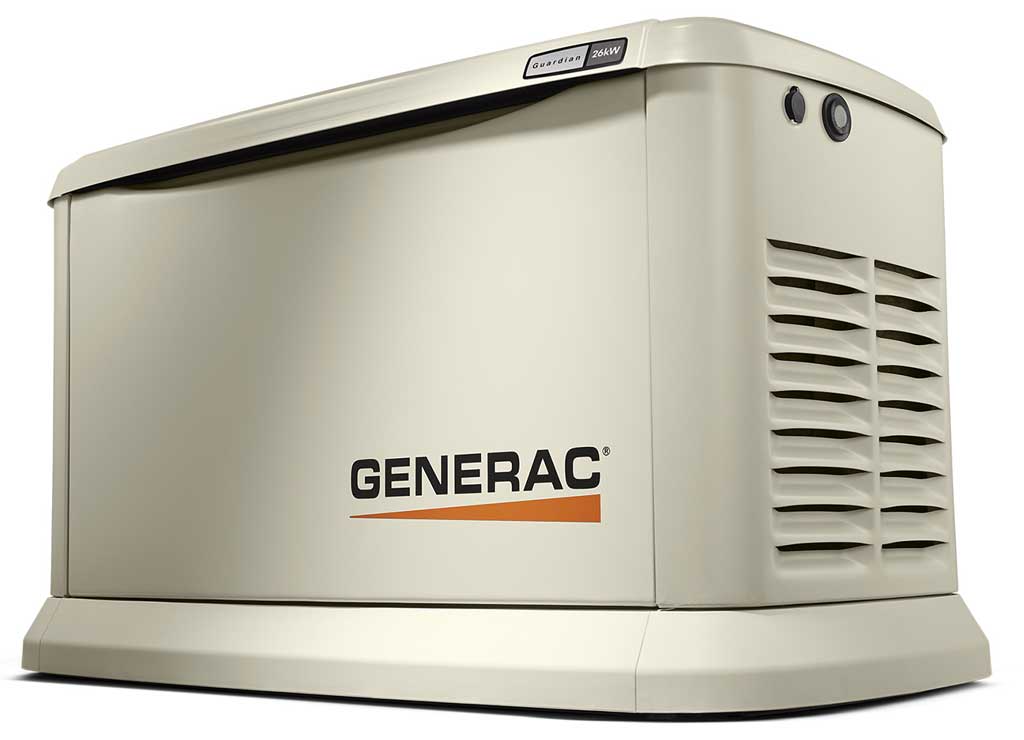
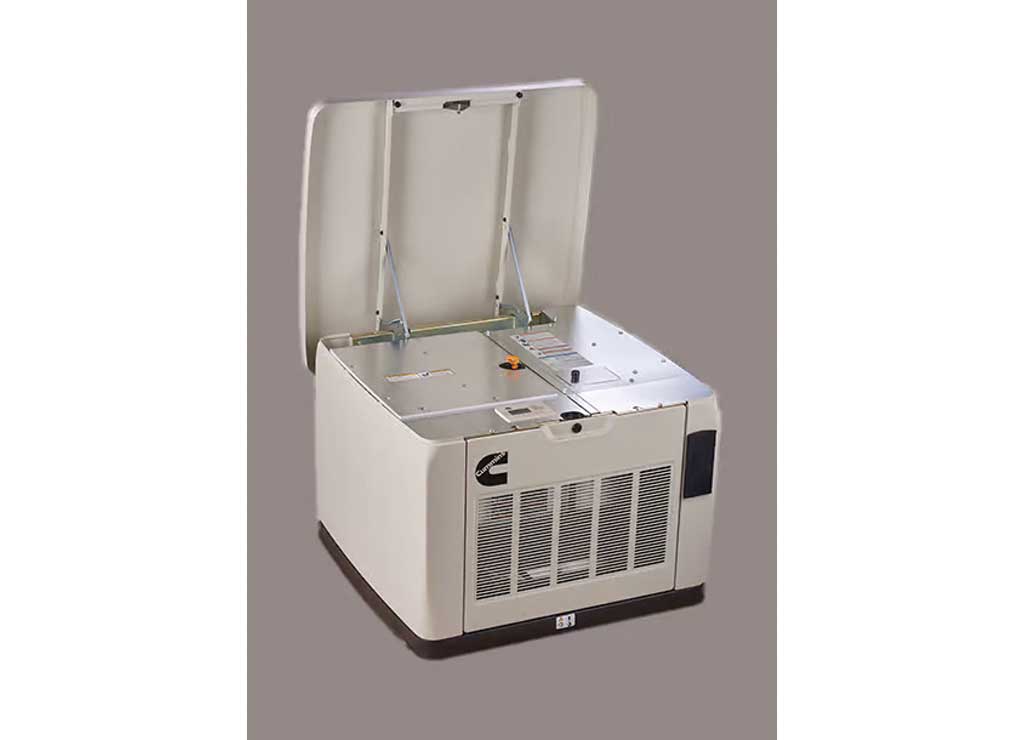
- Home standby generators such as the Generac 26kW air-cooled unit and the Cummins Onan Quiet Connect series are permanently installed with an automatic transfer switch. They require a licensed electrician, permits in most areas, and a correctly sized gas supply.
- Portable power stations such as the Nebo Rambler are battery packs with built-in inverters. They are silent and can be used indoors, but hold far less energy than a generator.
Safety: generators produce carbon monoxide, which can kill. Never run one indoors, in a garage, in an RV compartment not designed for it, or near open windows and vents. Some newer models include CO detection and automatic shutoff. Plug RVs in with a properly rated cord or adapter (we stock 30 and 50 amp generator adapters and cords from Marinco, AP Products and Champion), and never backfeed a house through an outlet. Emissions rules vary; some generators are sold as 49-state models that are not legal for sale in California, so check CARB compliance if you are there.