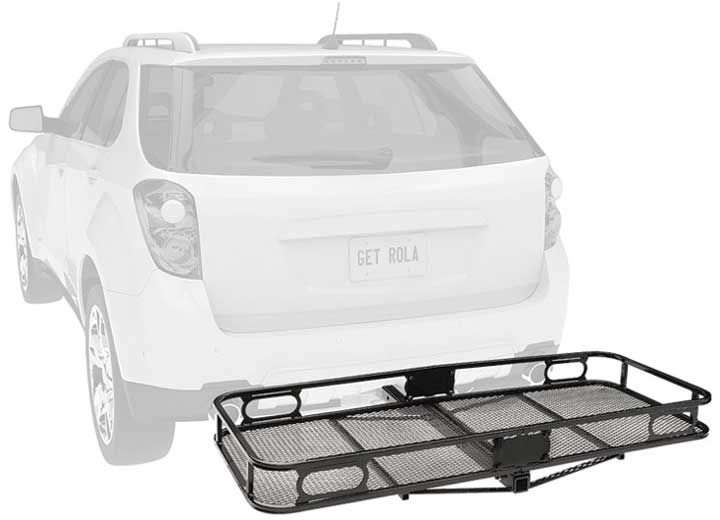
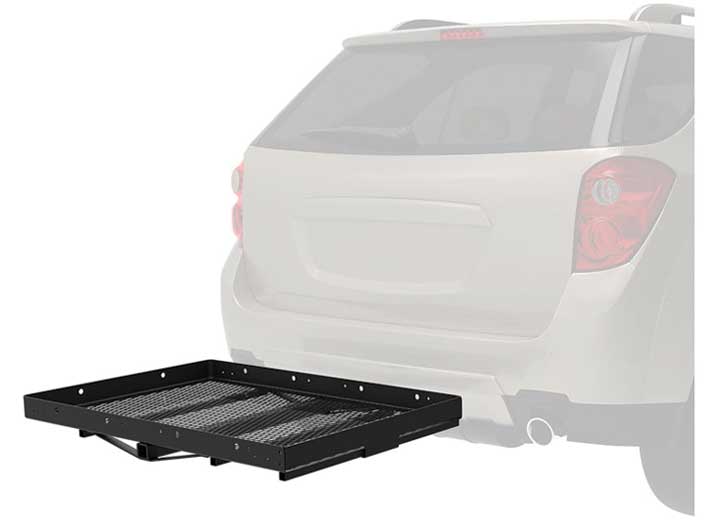
When the cabin is full, there are two places to put more gear: behind the vehicle on the hitch or on top of it on the roof. Hitch carriers handle heavy, dirty and awkward loads at waist height. Roof boxes and bags keep gear dry and out of the way but are limited by what your roof can hold. Pickup and RV owners have a third option, a sliding cargo tray that brings the load to you instead of making you climb in after it. Four questions narrow the choice: how heavy is the load, does it need to stay dry and locked, what hitch or roof rack do you already have, and how often will it come on and off.
Hitch carrier vs roof box vs roof bag or basket
| Hitch cargo carrier | Roof cargo box | Roof bag or basket | |
|---|---|---|---|
| Typical load | Heavy gear: coolers, generators, firewood, totes | Light, bulky gear: luggage, sleeping bags, skis | Soft bags, camping gear, oddly shaped items |
| Weight limit set by | The carrier rating and your hitch tongue-weight rating | Your vehicle's roof load rating and rack rating | Same as a roof box |
| Weather and security | Open unless you add a bag and net; not lockable | Hard shell, usually lockable and weather resistant | Bags are water resistant, not lockable; baskets are open |
| Loading | Easy, waist height | Overhead reach; easier with a step | Overhead reach |
| Storage when empty | Many fold up; still bulky | Large, needs wall or ceiling space | Bags fold small; baskets stay on the rack |
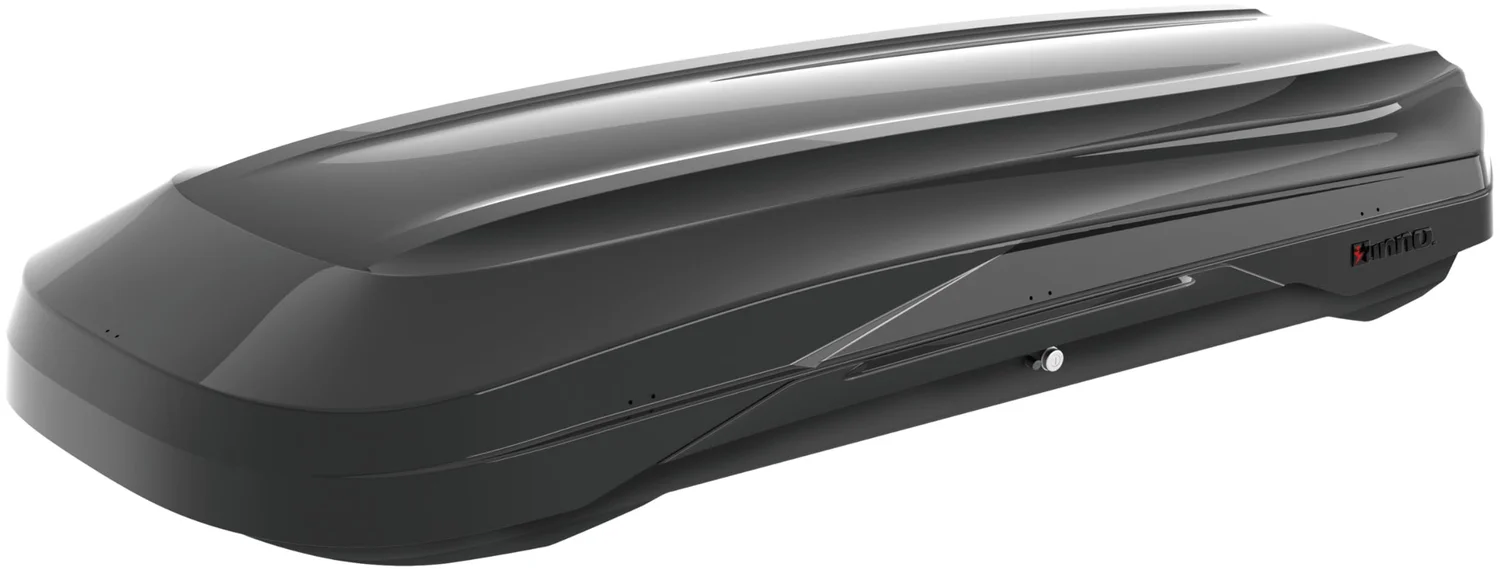
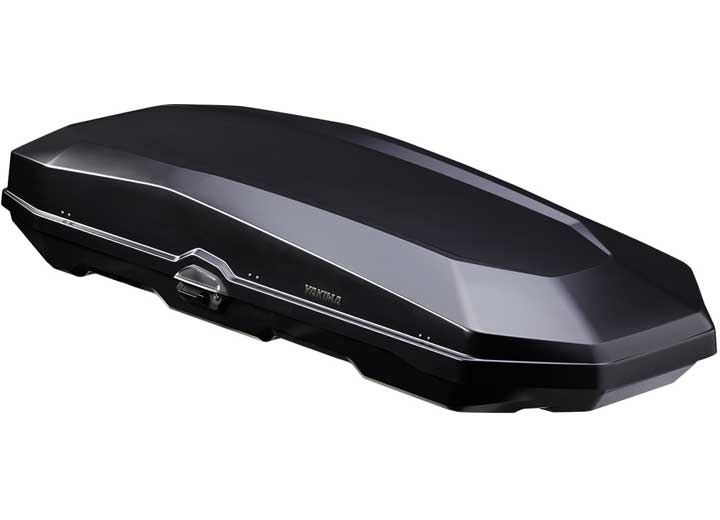
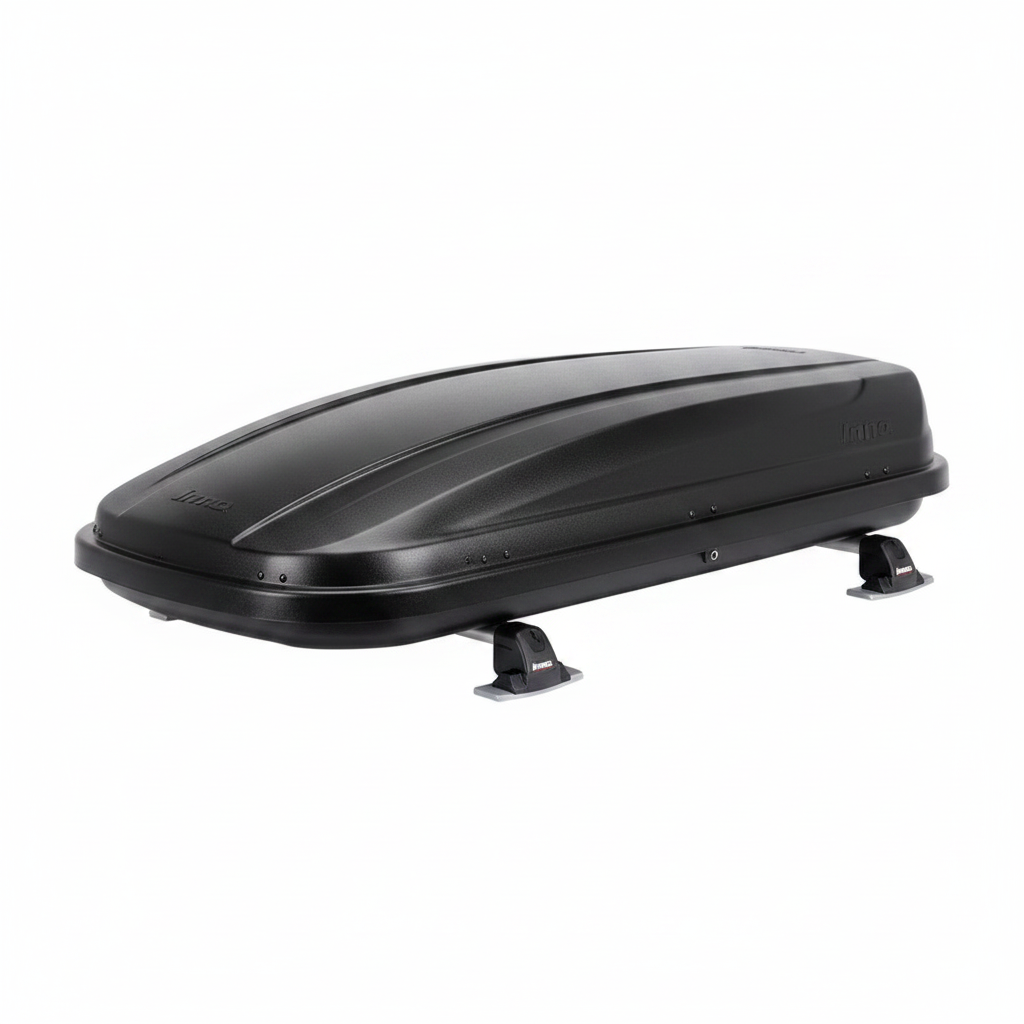
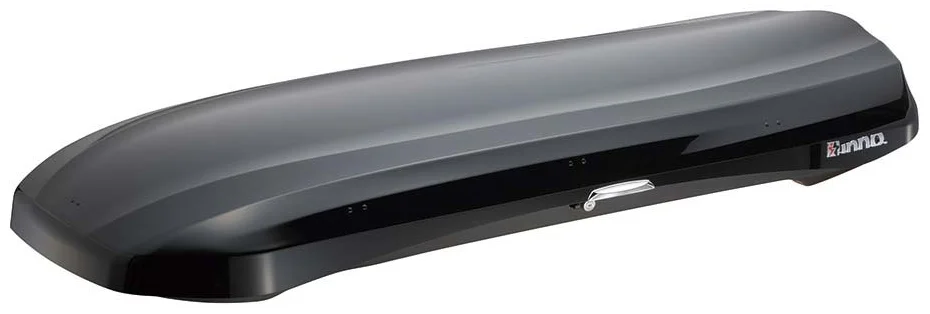
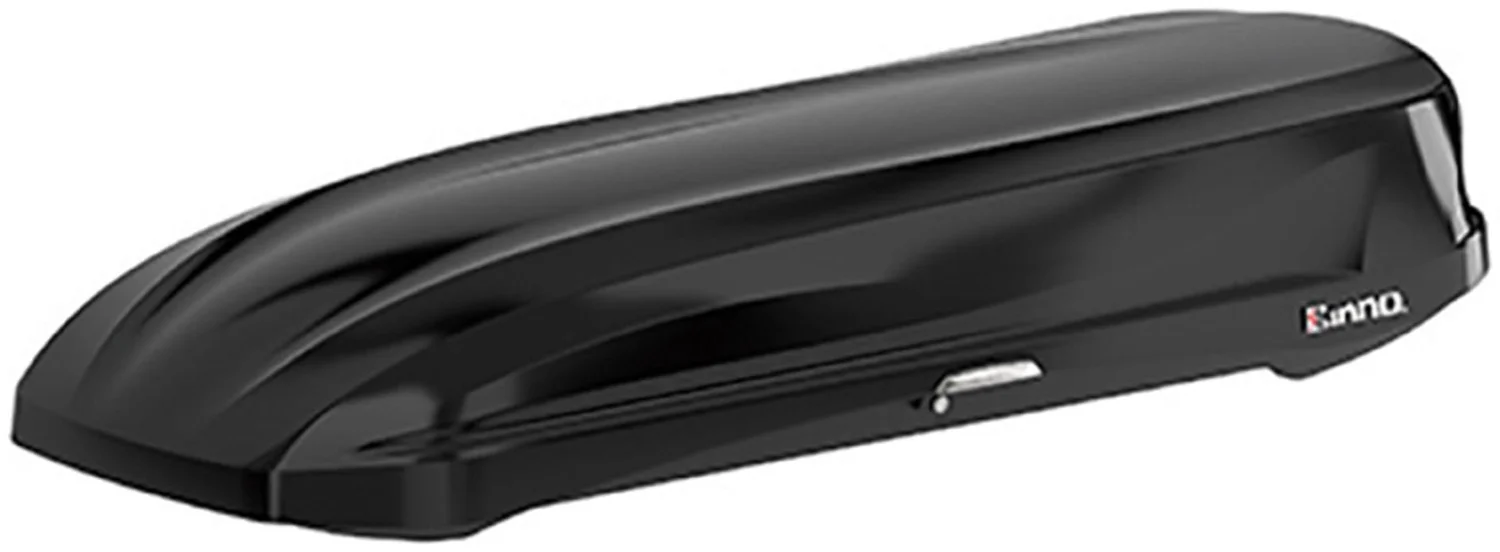
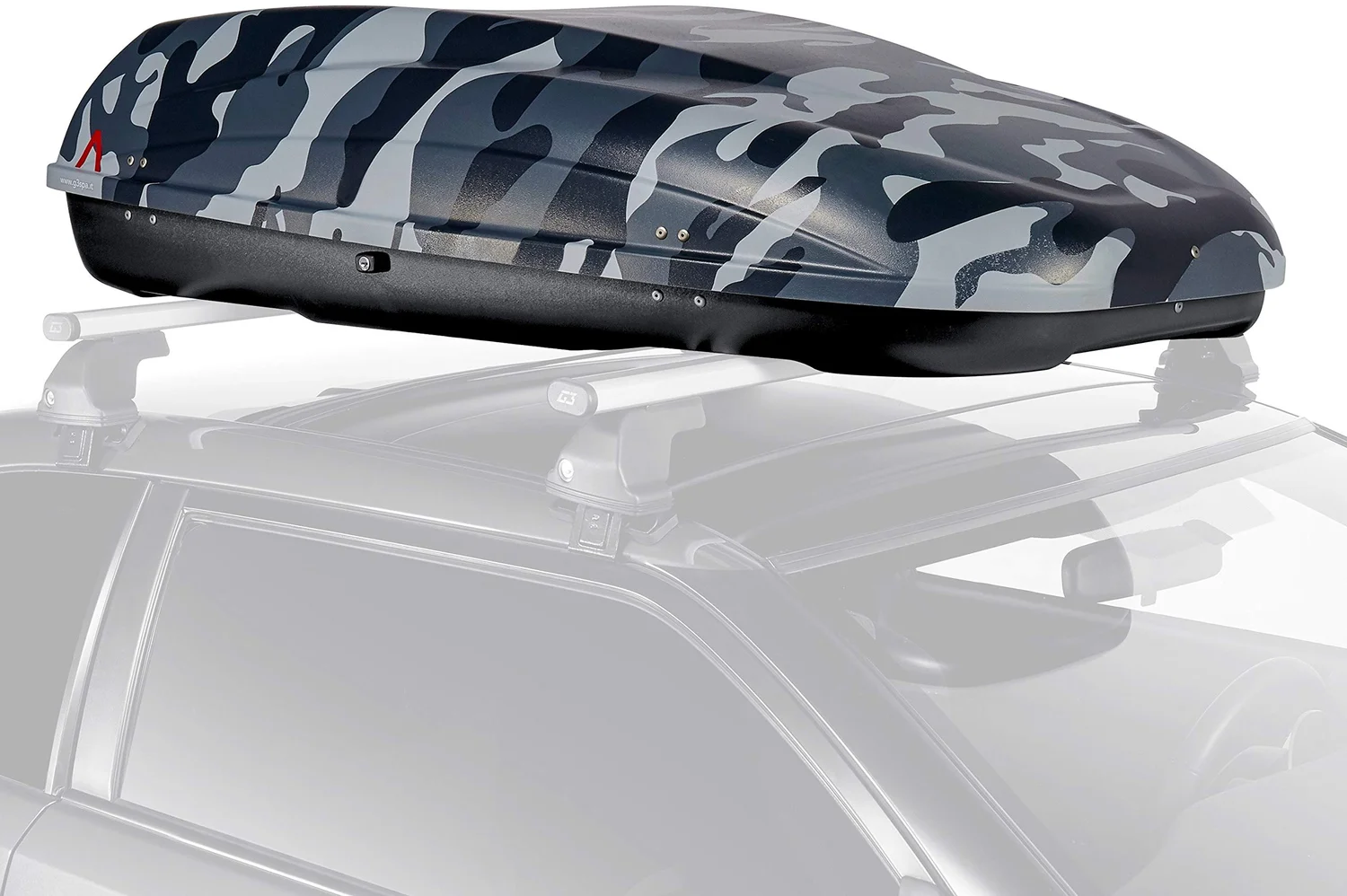
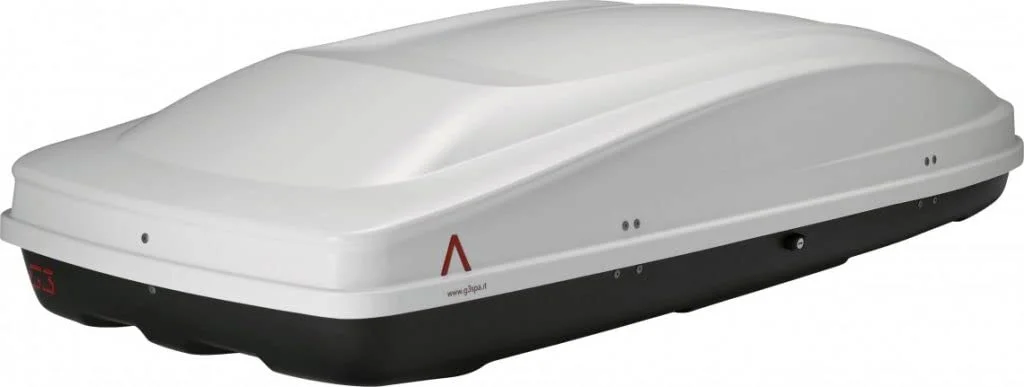
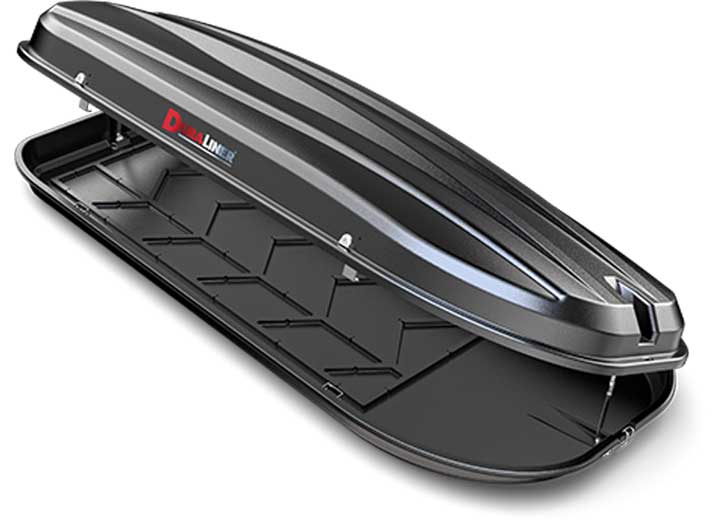
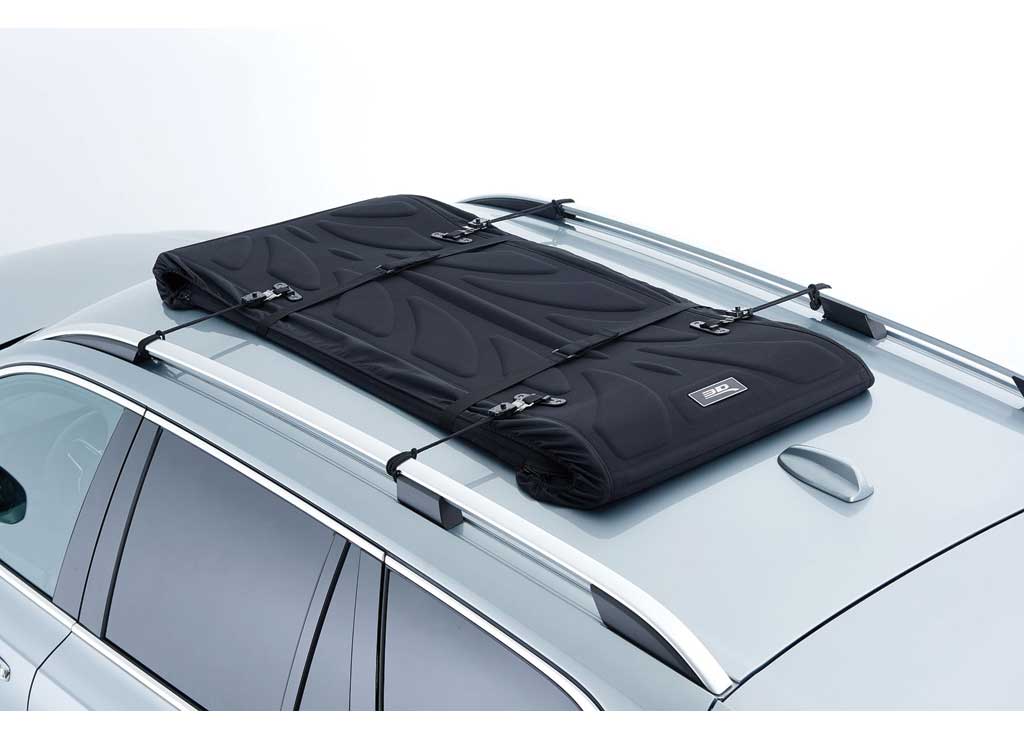
A good rule: heavy goes on the hitch, light and bulky goes on the roof. Roof boxes like the Yakima CBX 18, Inno Phantom and Inno Wedge come in a range of volumes (11 to 18 cubic feet among what we carry). Soft options like the 3D Mats Californian foldable roof bag make sense if you only need the space a few times a year and do not have room to store a hard box.
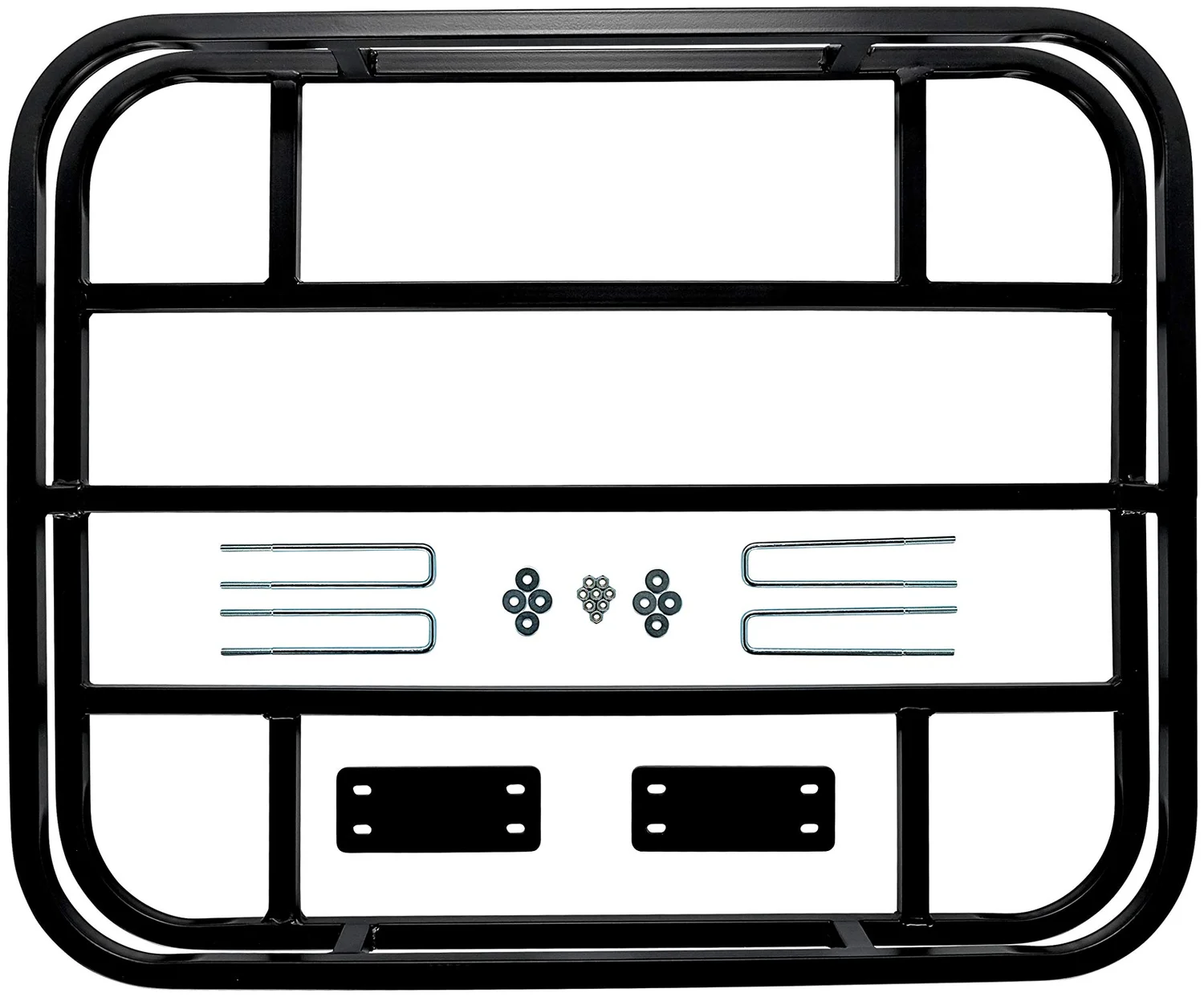
Choosing a hitch cargo carrier
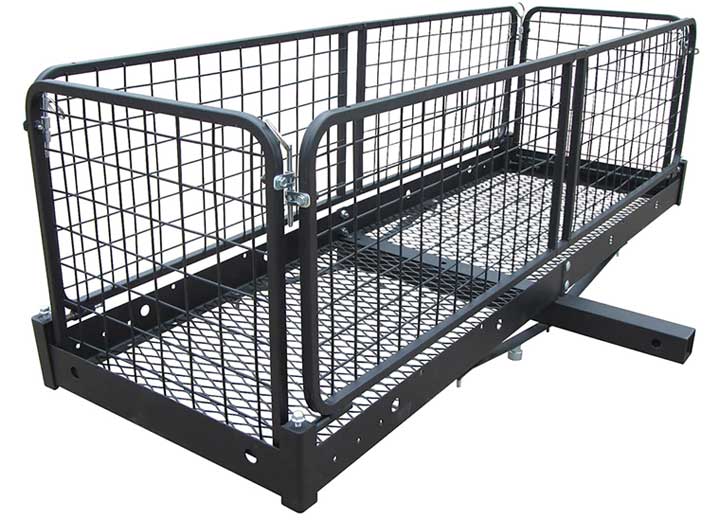
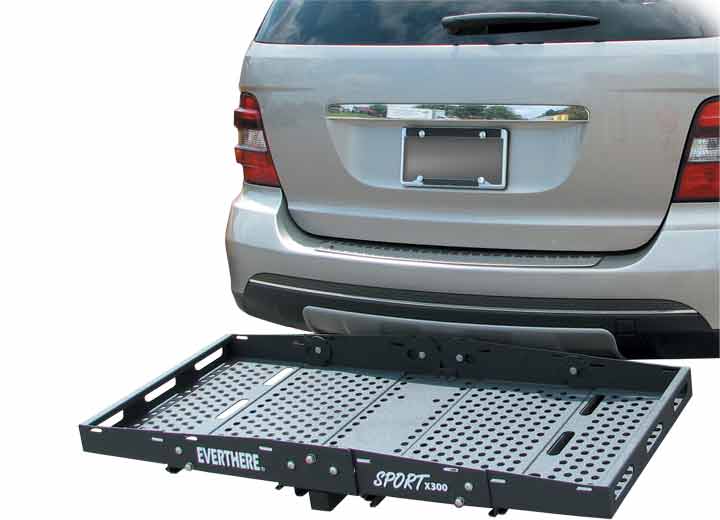
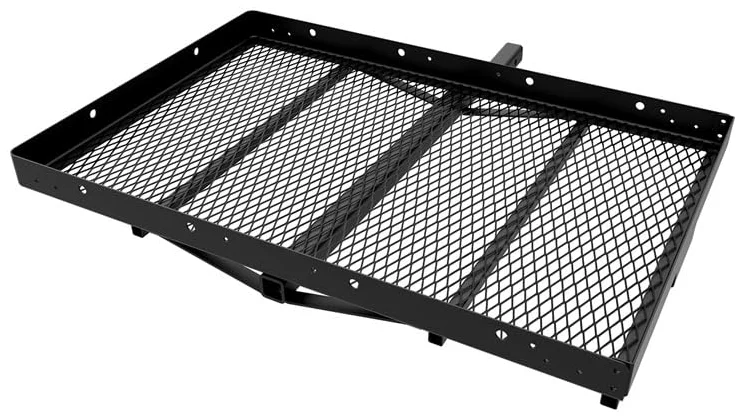
- Receiver size: most full-size steel carriers, such as the Everthere X300 Class III and Draw-Tite Solo, are built for a 2 inch receiver. Do not force a heavy 2 inch carrier into a 1-1/4 inch hitch with a reducer. Not sure what you have? See our trailer hitch classes guide.
- Weight rating: a carrier may be rated for 500 lb, but the real limit is the lowest of the carrier rating, the hitch tongue-weight rating and the vehicle's own limit. Add the weight of the carrier itself to the cargo. On a Class I or II hitch that number is reached quickly.
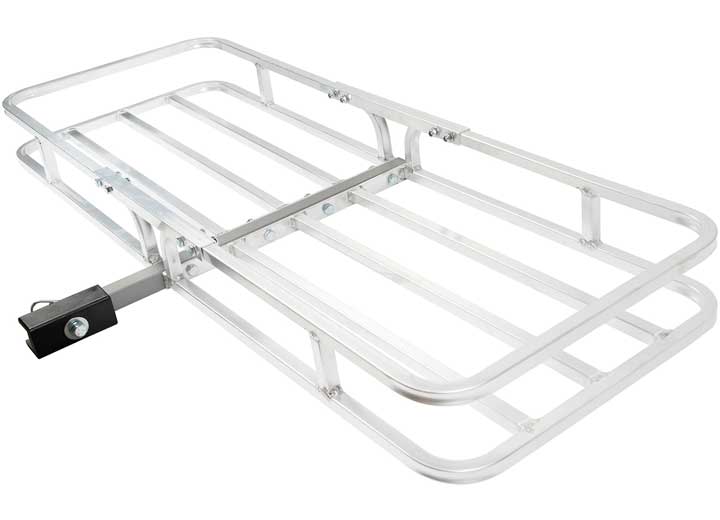
- Steel vs aluminum: steel is cheaper and tough; aluminum is lighter and does not rust, which leaves more of your tongue-weight budget for cargo.
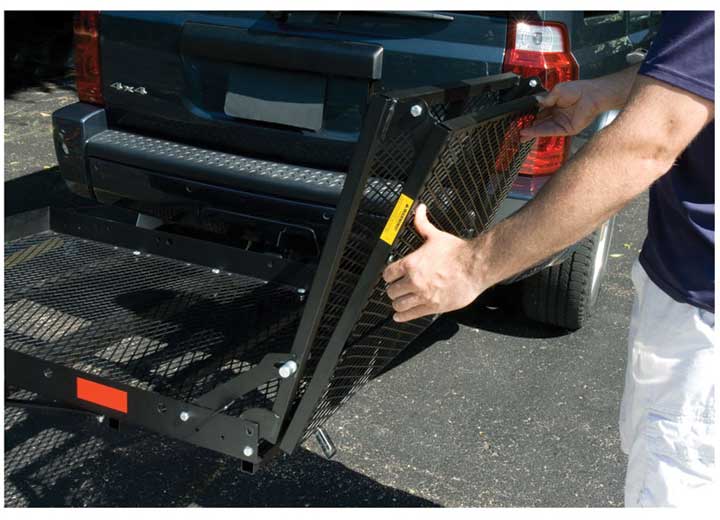
- Folding and rise: a folding carrier swings up against the vehicle when empty. A raised or rise shank keeps the platform from scraping on driveways and ramps.
- Anti-rattle: a threaded hitch pin or anti-rattle clamp stops the carrier from banging around in the receiver.
- Ramps: accessories like the Draw-Tite cargo carrier loading ramp let you roll a wheeled cooler, generator or mobility scooter up onto the platform.
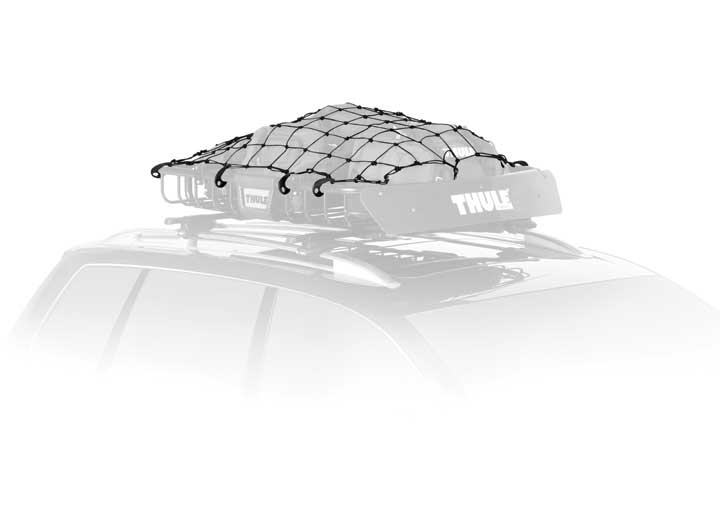
Lights and plate: a loaded carrier can hide your tail lights and license plate. Rules vary by state, so check yours; many owners add a plate relocation bracket or a carrier light kit. Secure every load with straps and a cargo net, and use a weatherproof cargo bag if it needs to stay dry.
RV bumper carriers, such as the Camco Eaz-Lift bumper-mount carrier and Quick Products bumper-mounted carrier, attach to the square rear bumper on travel trailers and motorhomes. Many RV bumpers are not built for much weight, so confirm your bumper's rating with the RV maker before loading it.
Roof boxes, bags and baskets: load limits and fit
Every vehicle has a roof load rating in the owner's manual, often somewhere around 100 to 165 lb for cars and crossovers and sometimes more for trucks and SUVs. That number has to cover the crossbars, the box or basket and the gear together, and your crossbars have their own rating too. A large hard box can weigh 40 lb or more empty, so an 18 cubic foot box will usually run out of weight allowance before it runs out of space.
- Crossbars first: boxes and baskets mount to crossbars, not to a bare roof. If you need bars, start with our roof racks and crossbars guide.
- Hatch clearance: on SUVs and wagons, check that the rear hatch can open fully without hitting the back of the box. Many boxes can be slid forward on the bars to make room.
- Garage and drive-through height: a box adds well over a foot to the vehicle's height. Measure before you pull into the garage.
- Box shape: long, narrow boxes fit skis and leave room for a bike or kayak beside them; wide, short boxes like the Inno Wedge hold luggage and sit farther from the hatch.
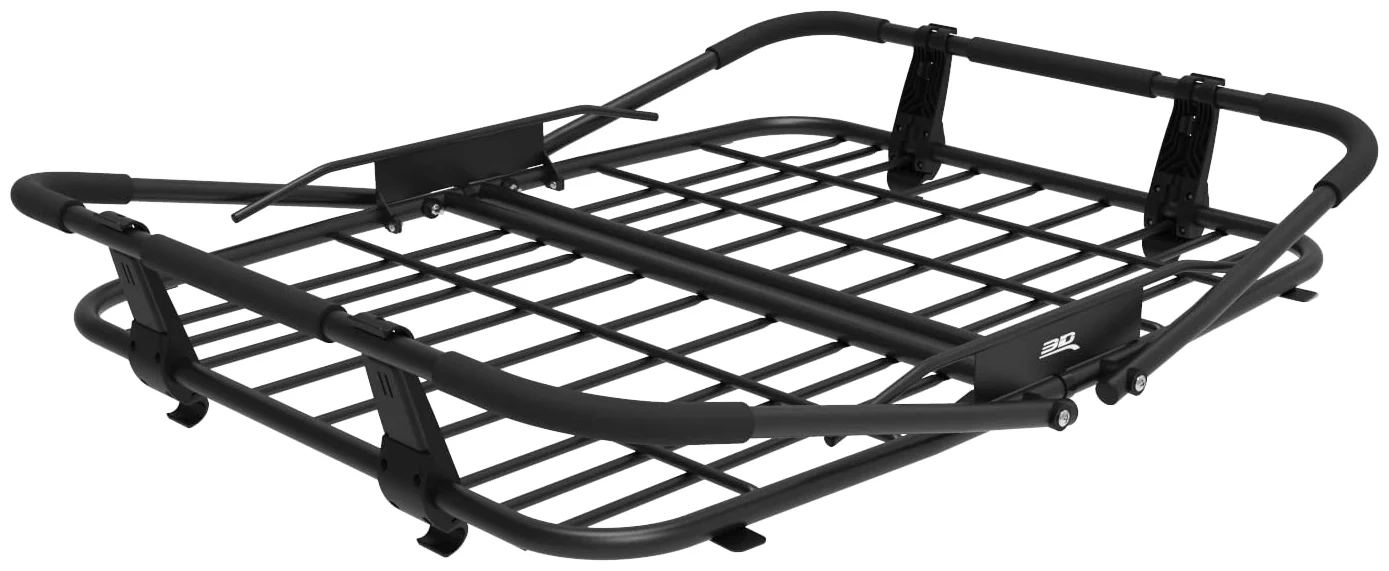
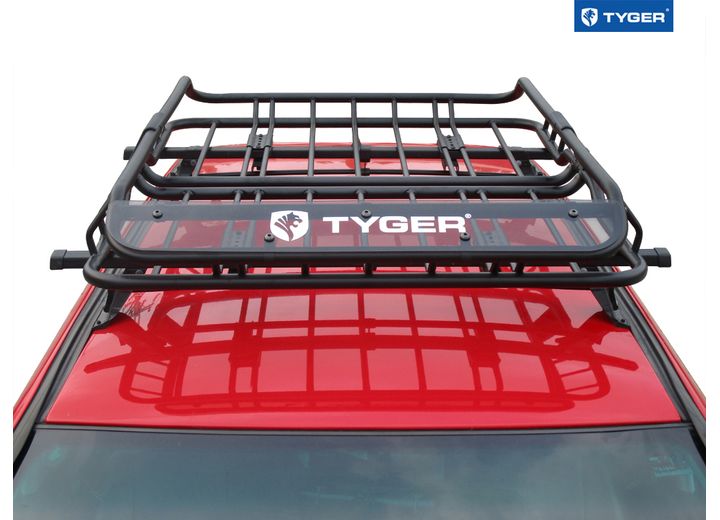
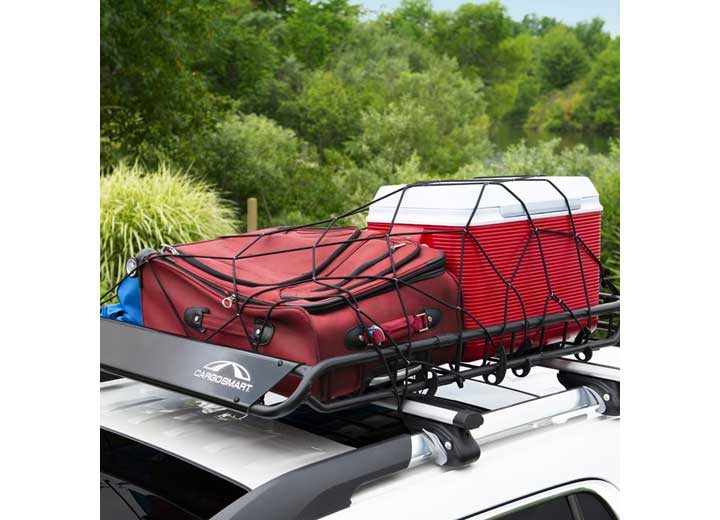
- Baskets: open steel baskets like the Tyger Auto roof cargo basket and 3D Mats transforming roof basket carry spare tires, fuel cans and duffels. A wind fairing helps cut noise. Pair a basket with a cargo net or a roof bag to keep loose items in.
Anything on the roof adds drag, so expect some loss in fuel economy at highway speed, and take the box or bag off when you do not need it. Keep heavy items low and centered, and re-check straps and mounting hardware after the first few miles.
Sliding cargo trays for trucks and RVs
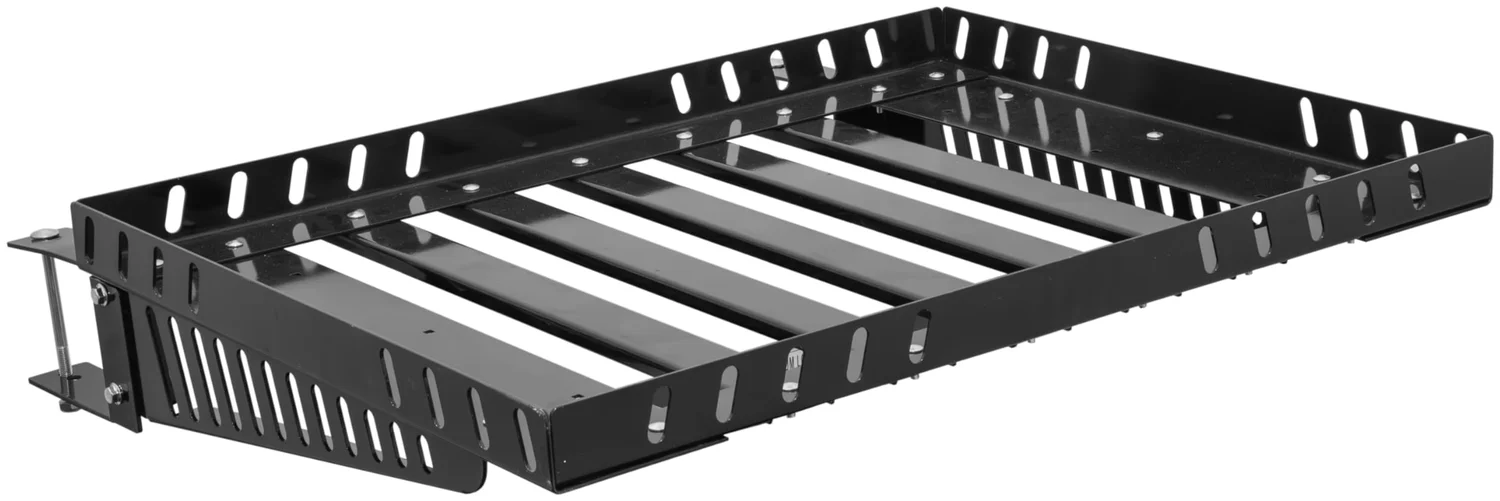
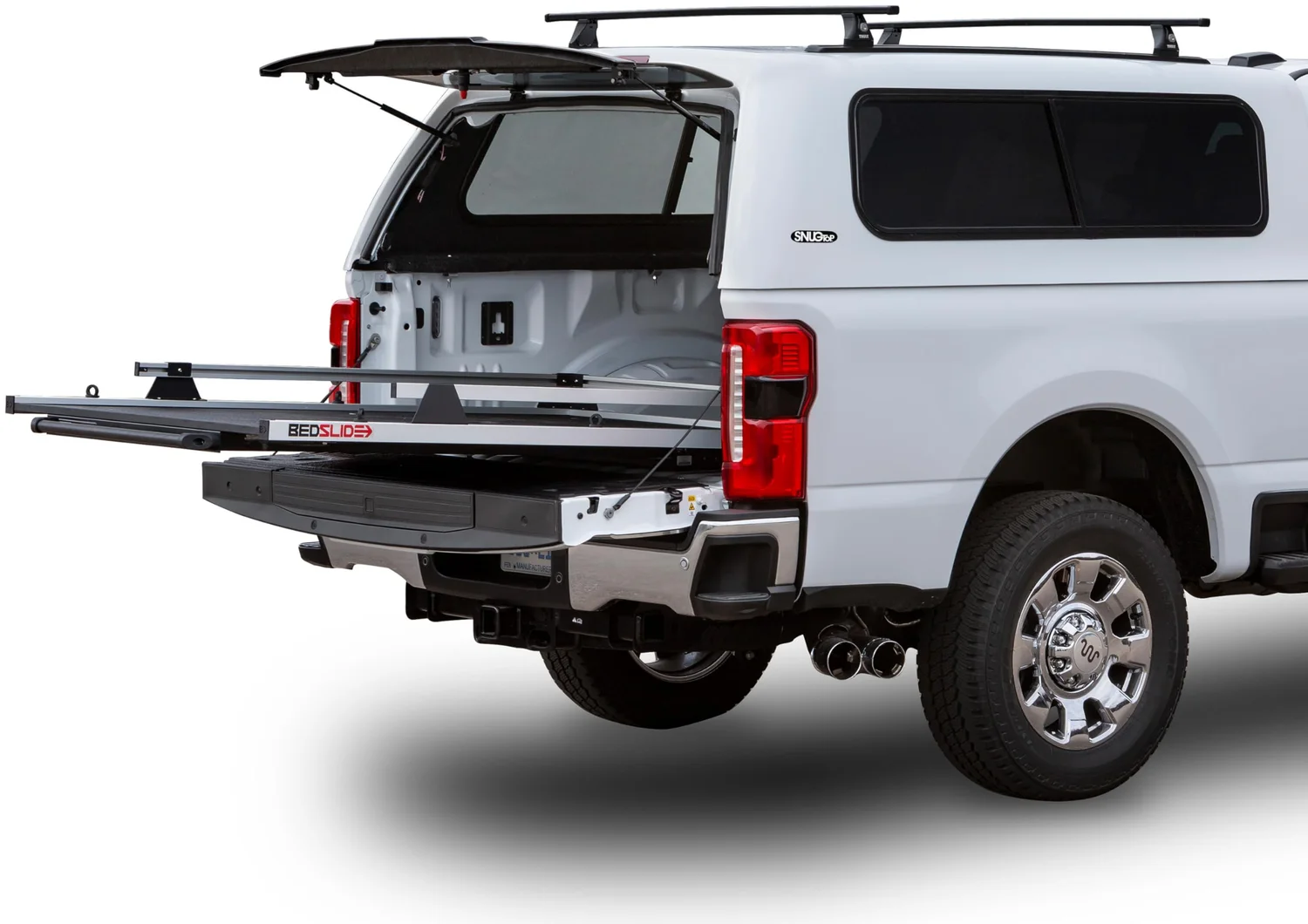
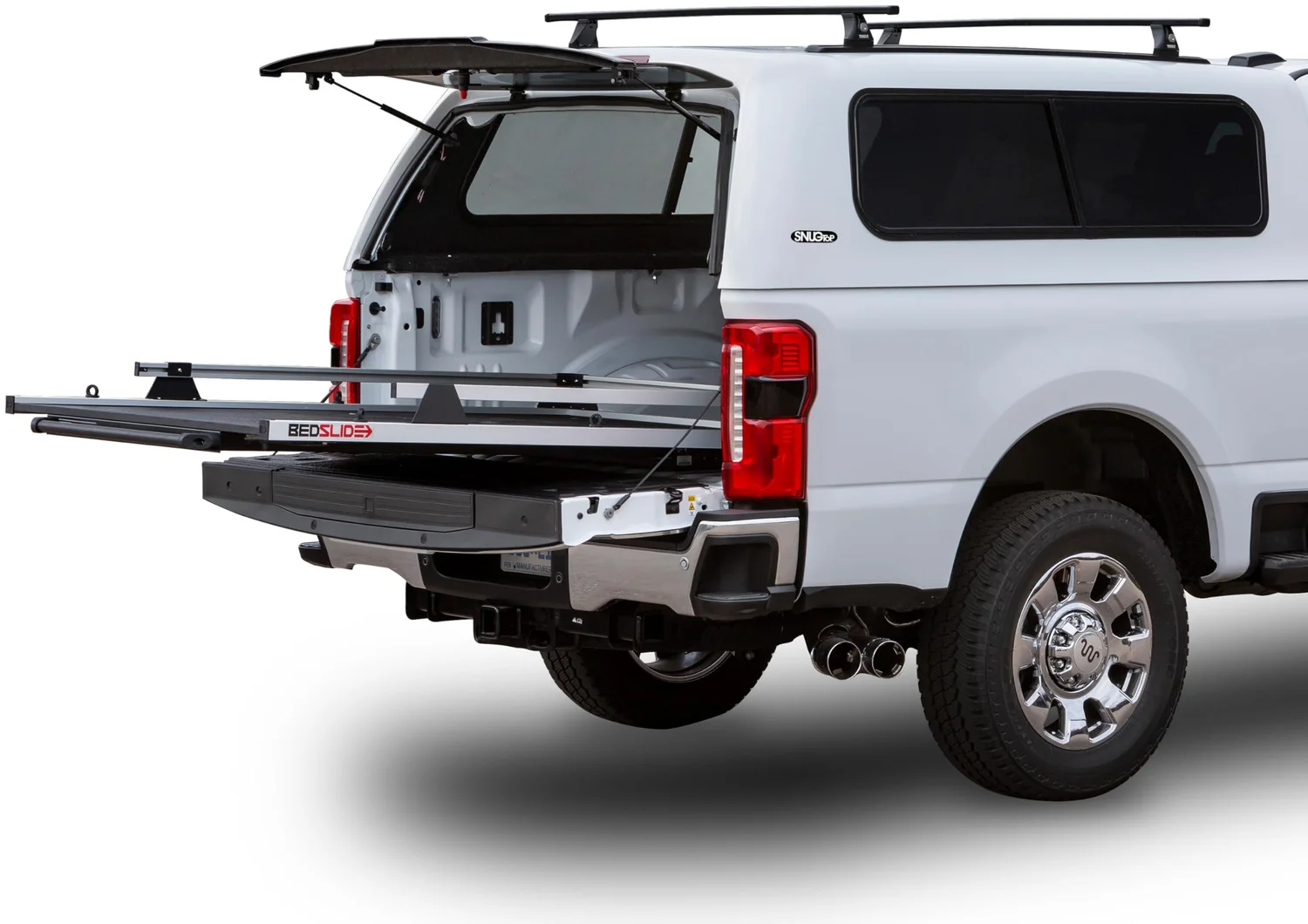
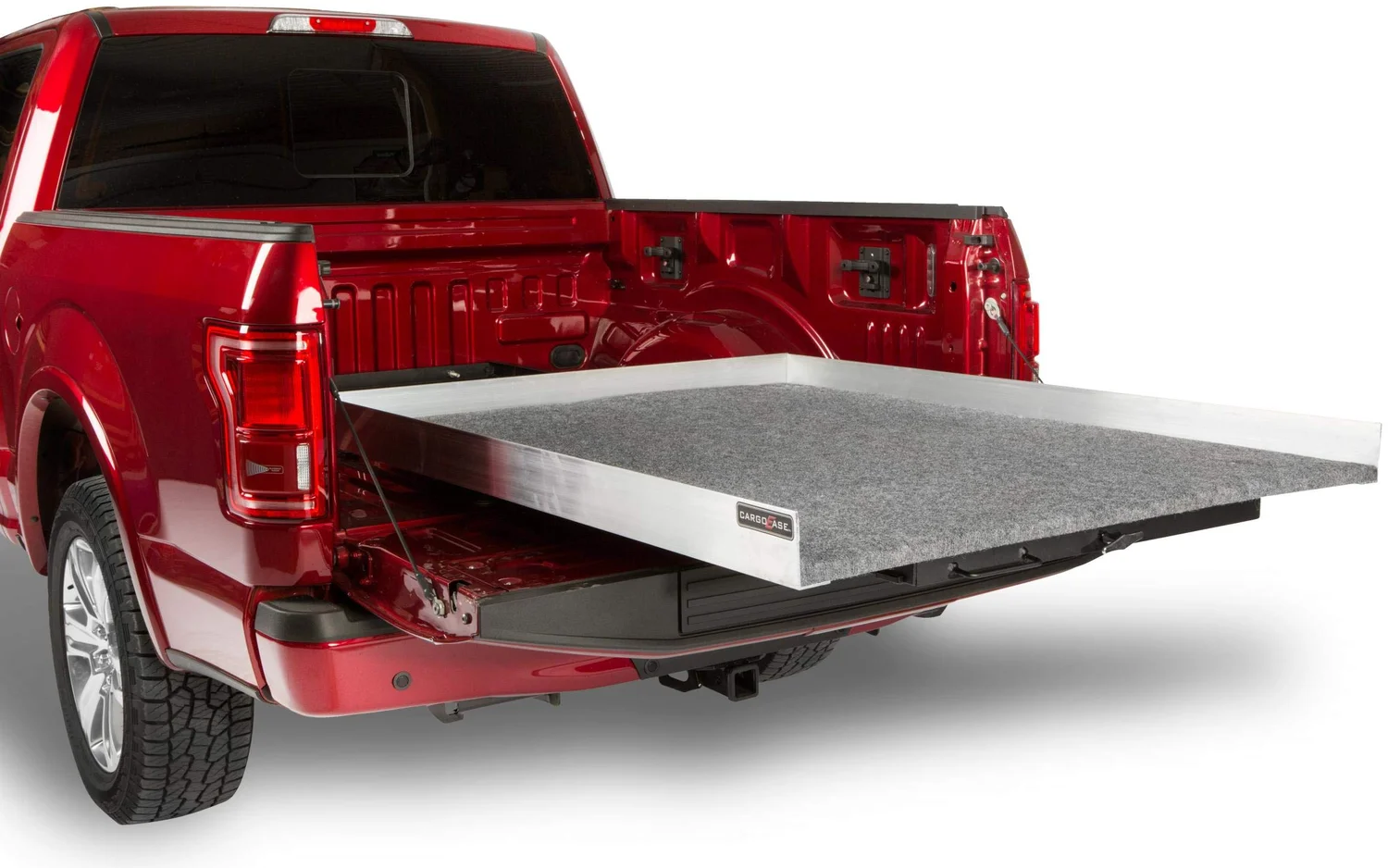
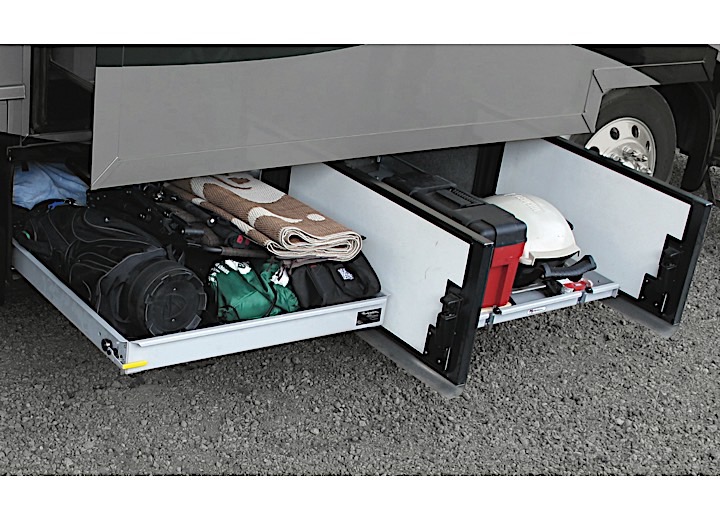
A sliding tray rolls out of the bed or storage bay so you can reach gear without climbing in. Two very different products share the name:
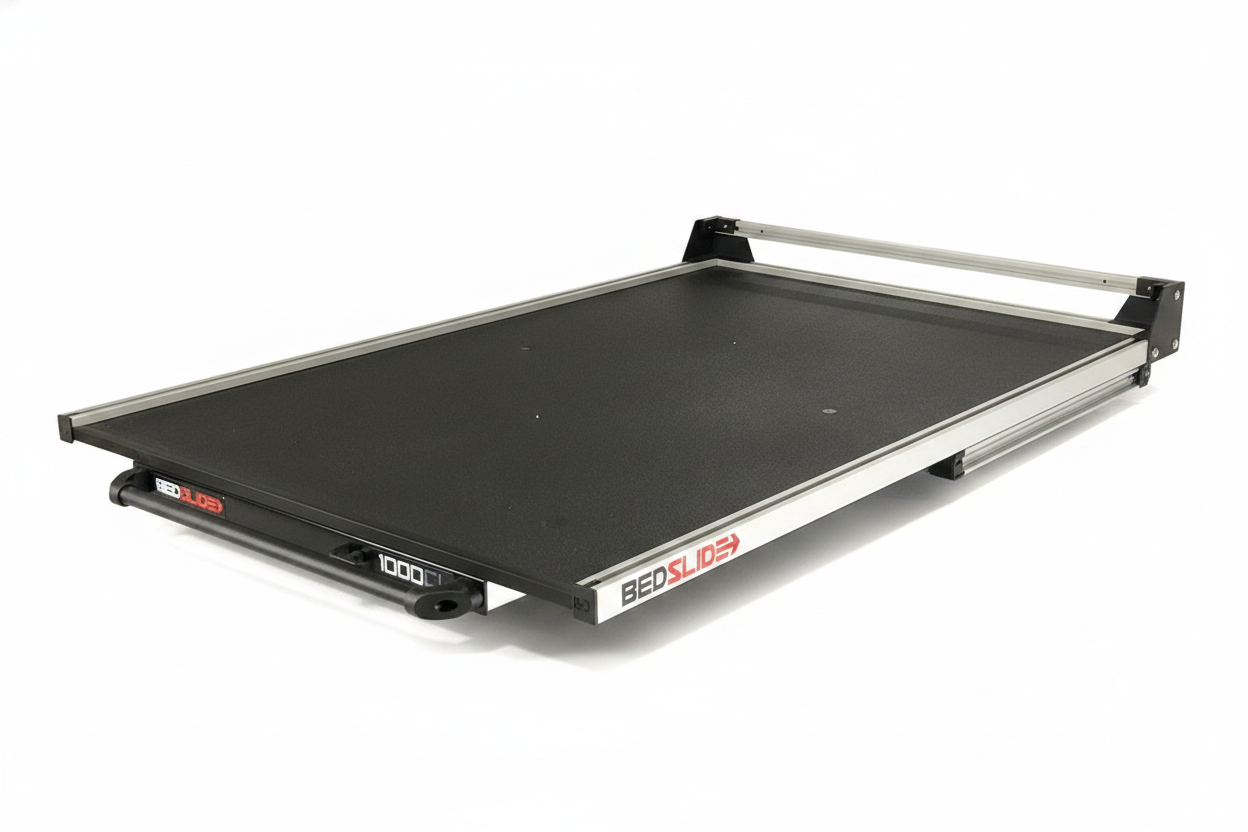
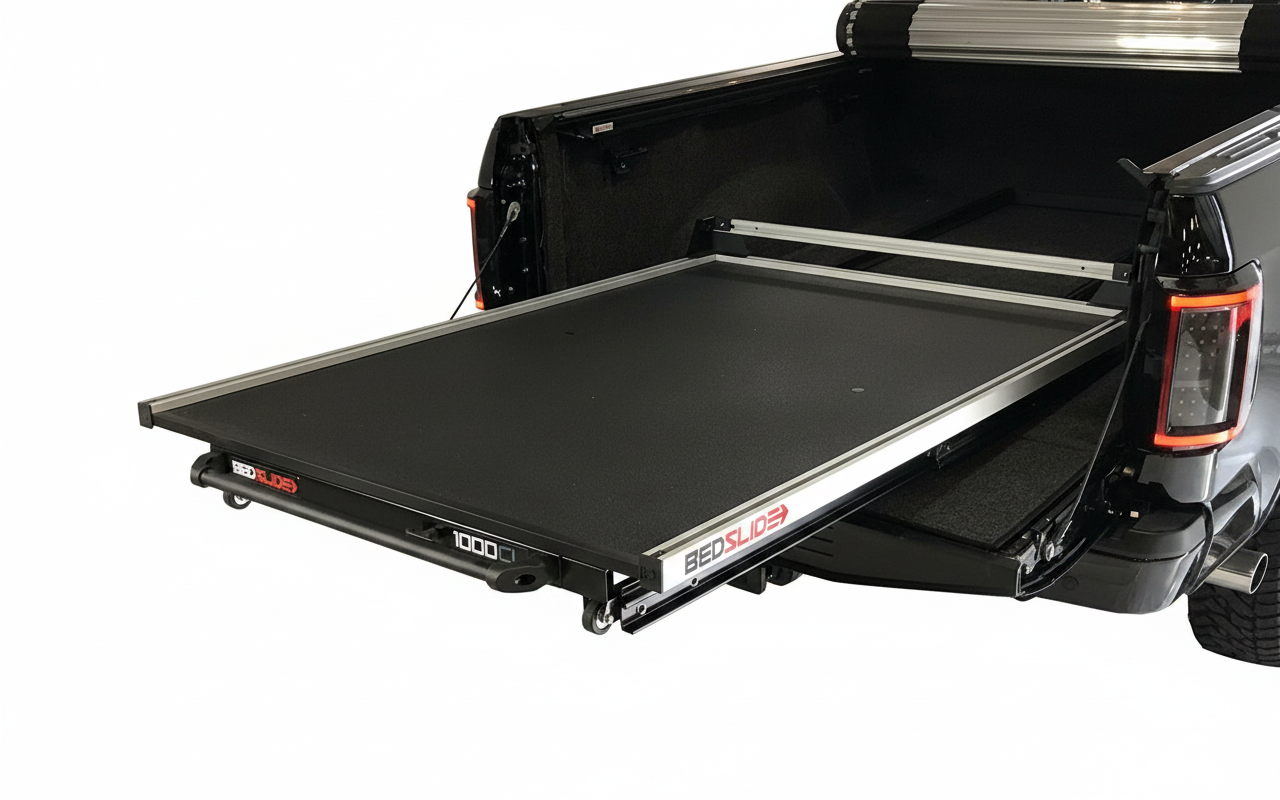
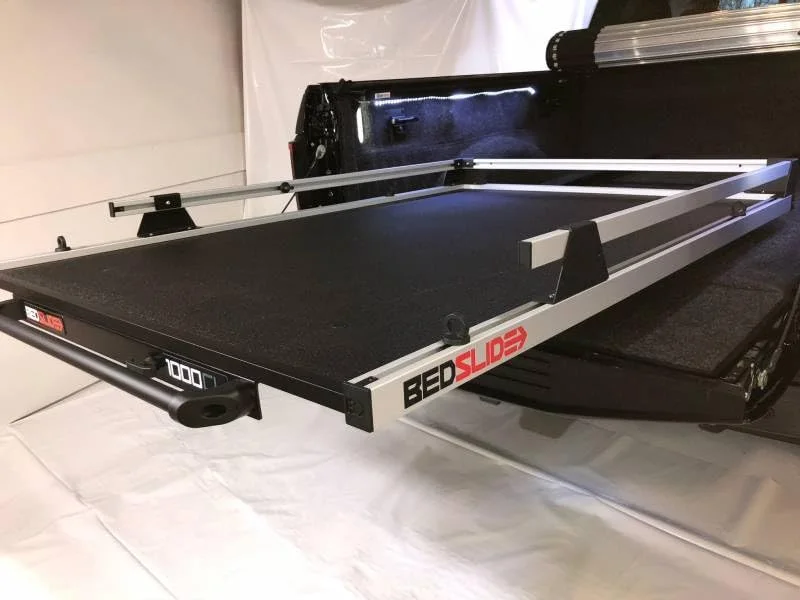
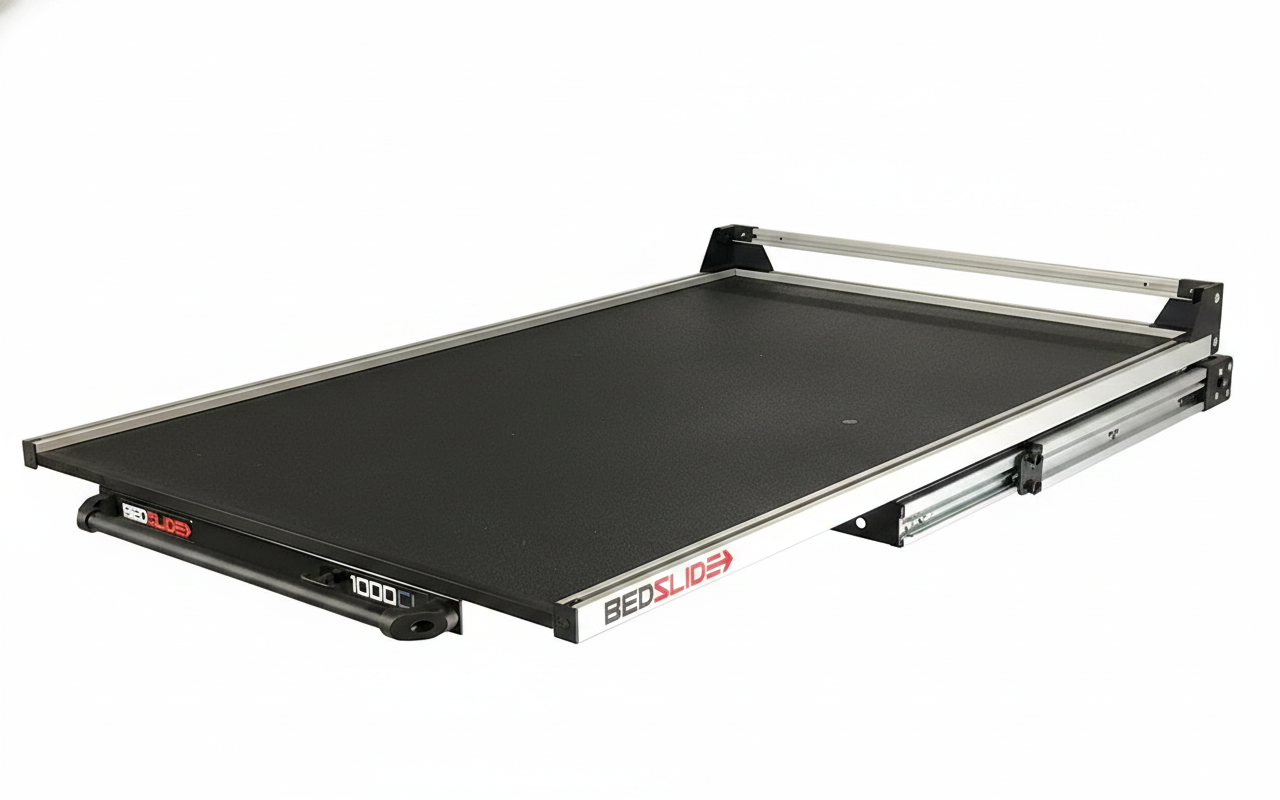
- Truck bed slides like the Bedslide Classic, Contractor and S Series trays are sized to specific beds (Tundra, Tacoma, Colorado and Canyon, Silverado EV and others). Match the tray to your exact bed length and model year, and check whether it works with your tonneau cover or bed liner. Add-ons like the Bedslide BedBin and deck divider kit split the deck into compartments.
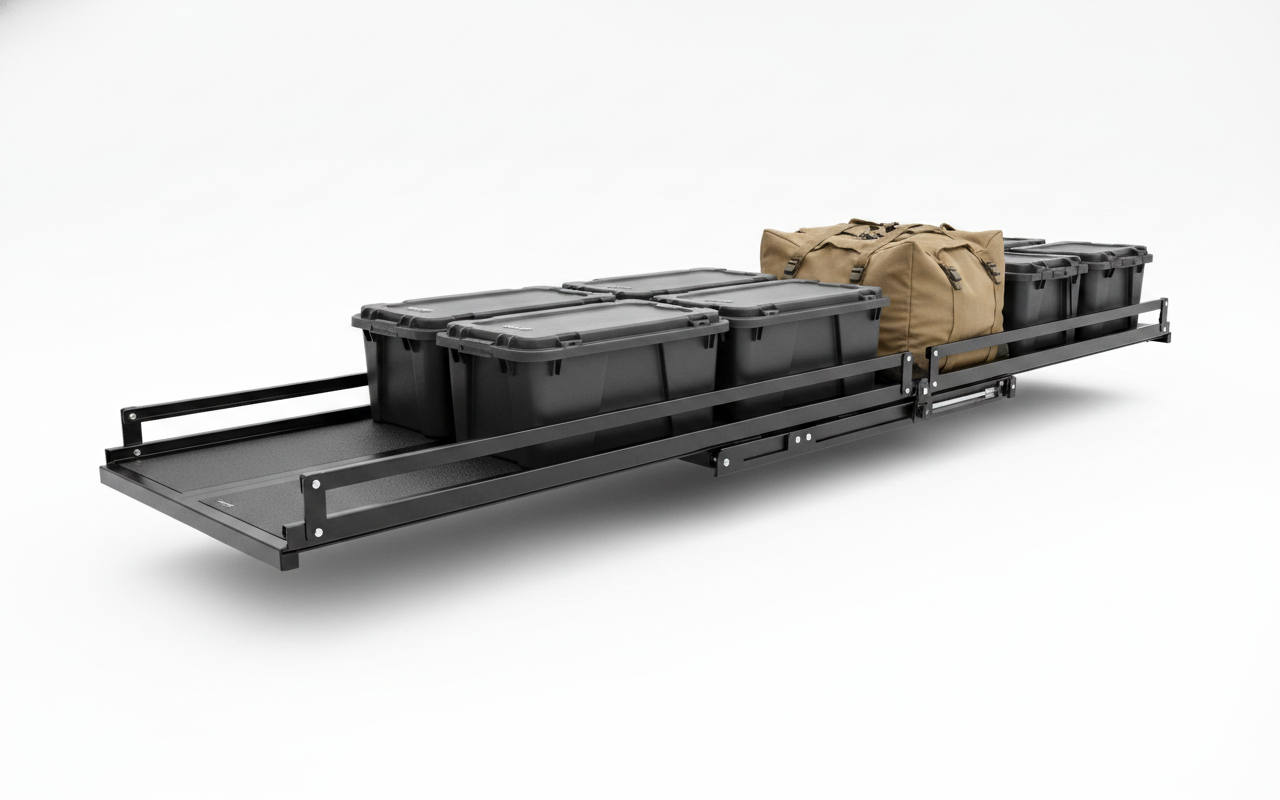
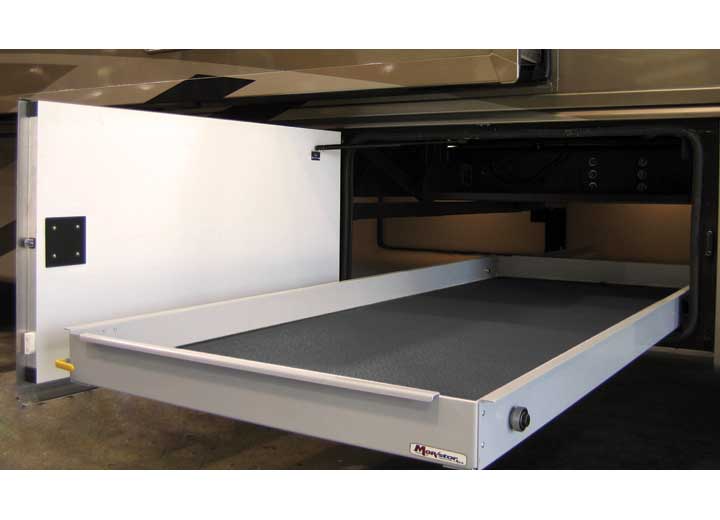
- RV basement cargo trays from Morryde slide out of under-floor storage compartments. The name tells you the key specs: tray size (for example 26 x 72 inches), 60% or 80% extension (how far it pulls out), and 1-way or 2-way (2-way trays slide out of either side of a pass-through bay).
For any tray, measure the opening and the inside of the compartment, including door frames and anything that sticks into the space, before ordering. Check the weight rating against what you will actually store, and remember that a fully loaded tray still counts against your truck's payload or RV's cargo capacity.
For bed-only storage, see our truck bed mats and liners and truck tool boxes guides.