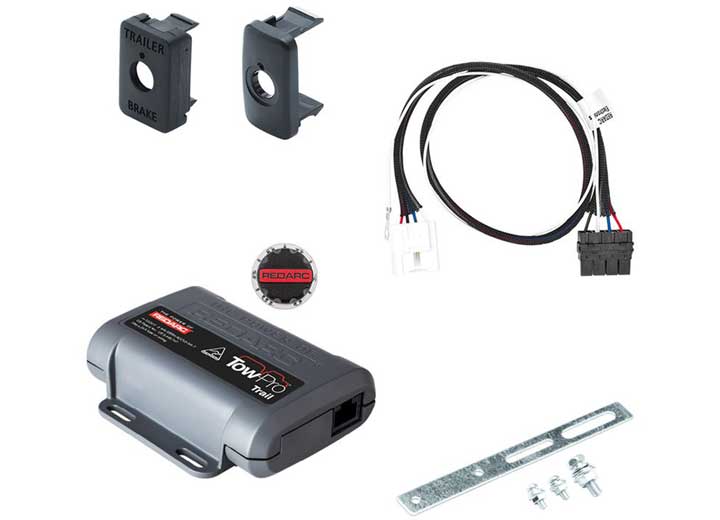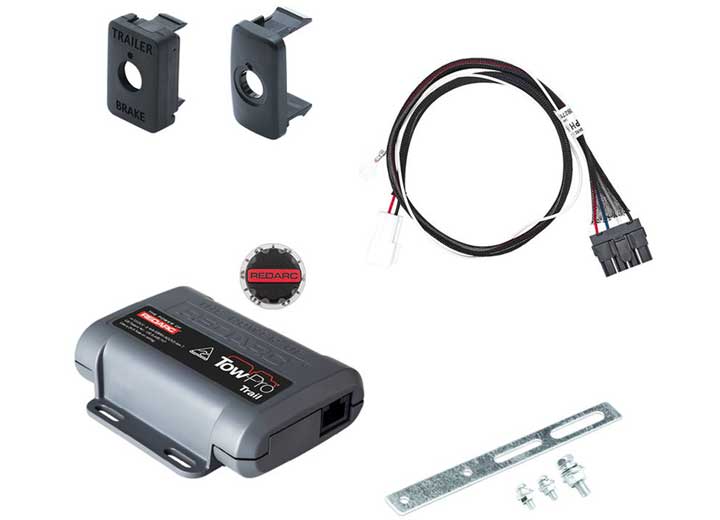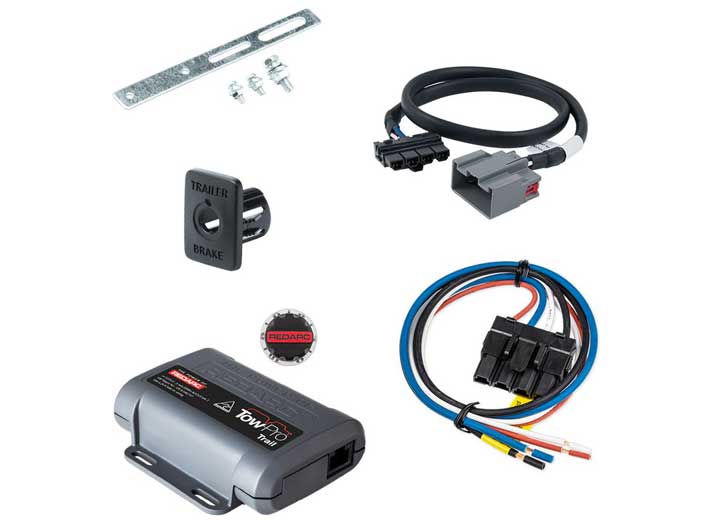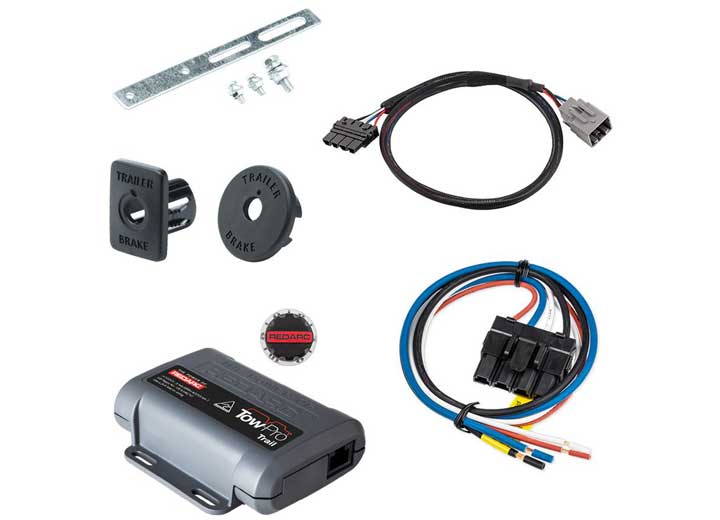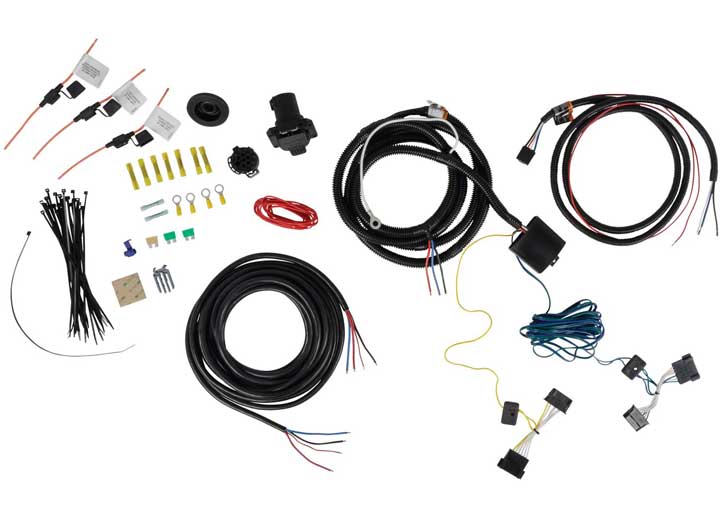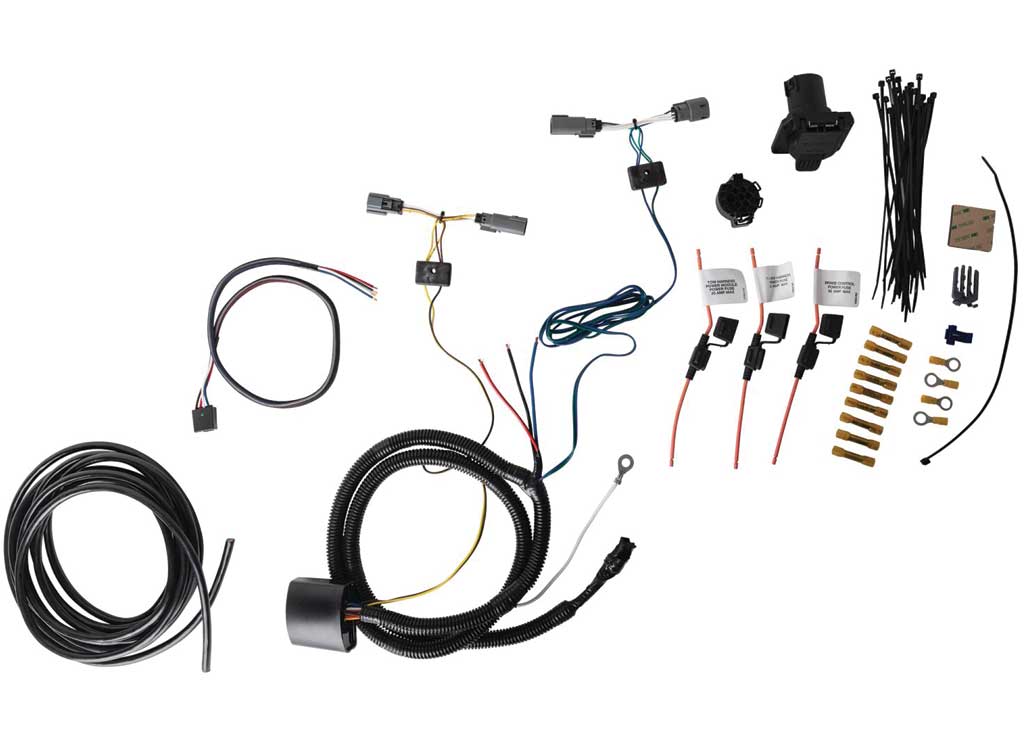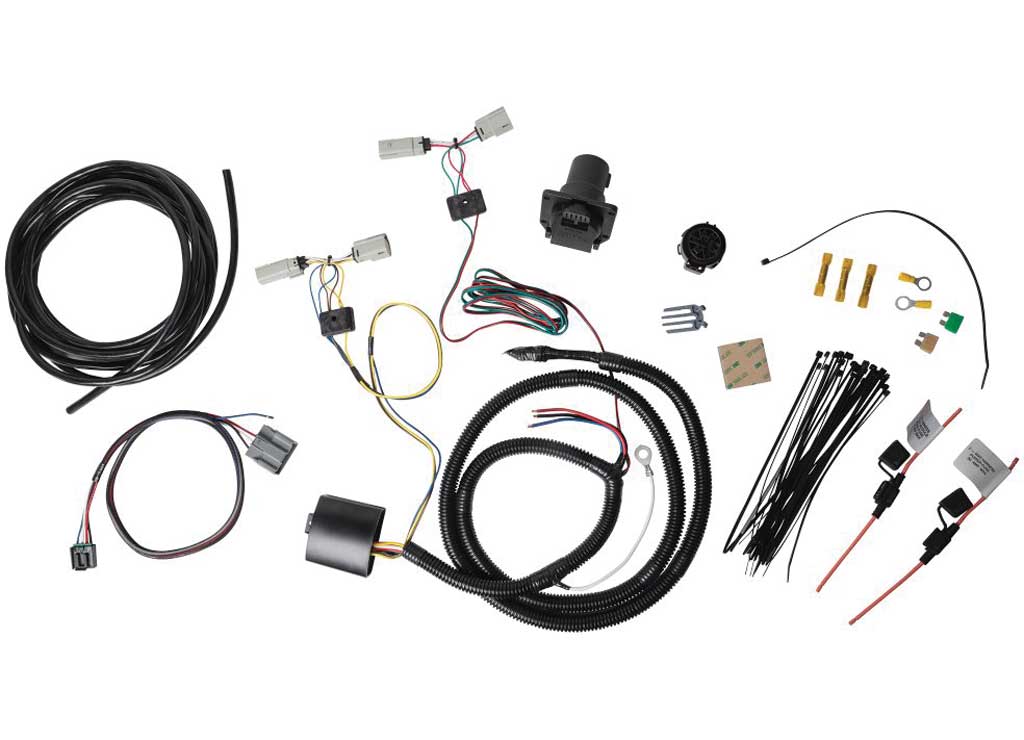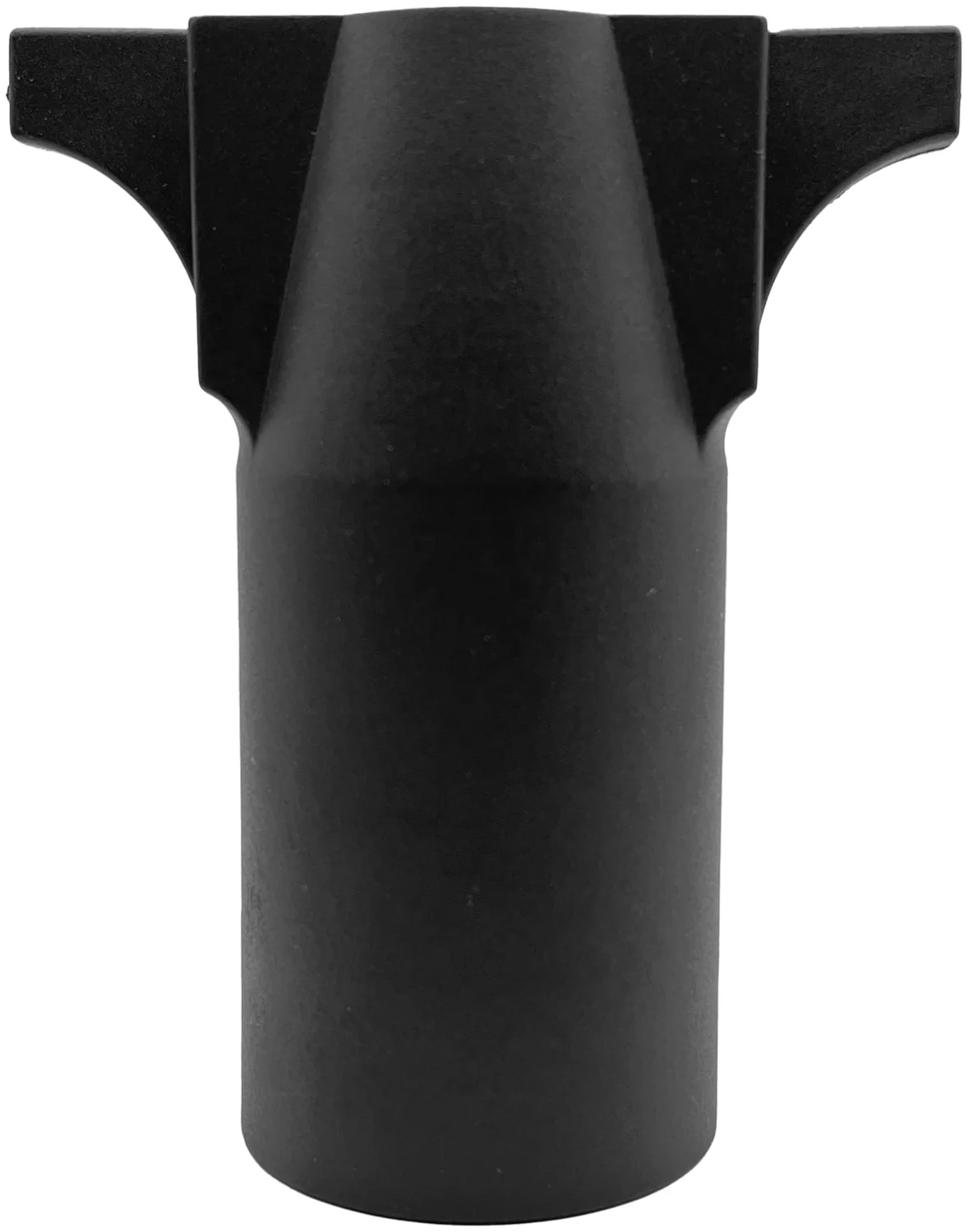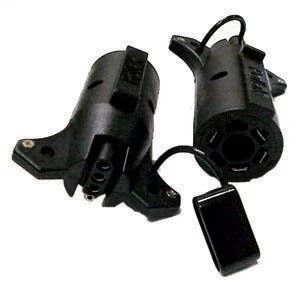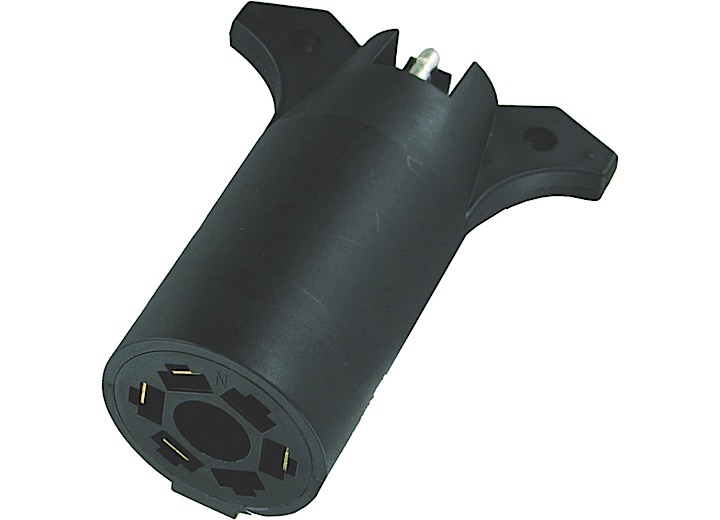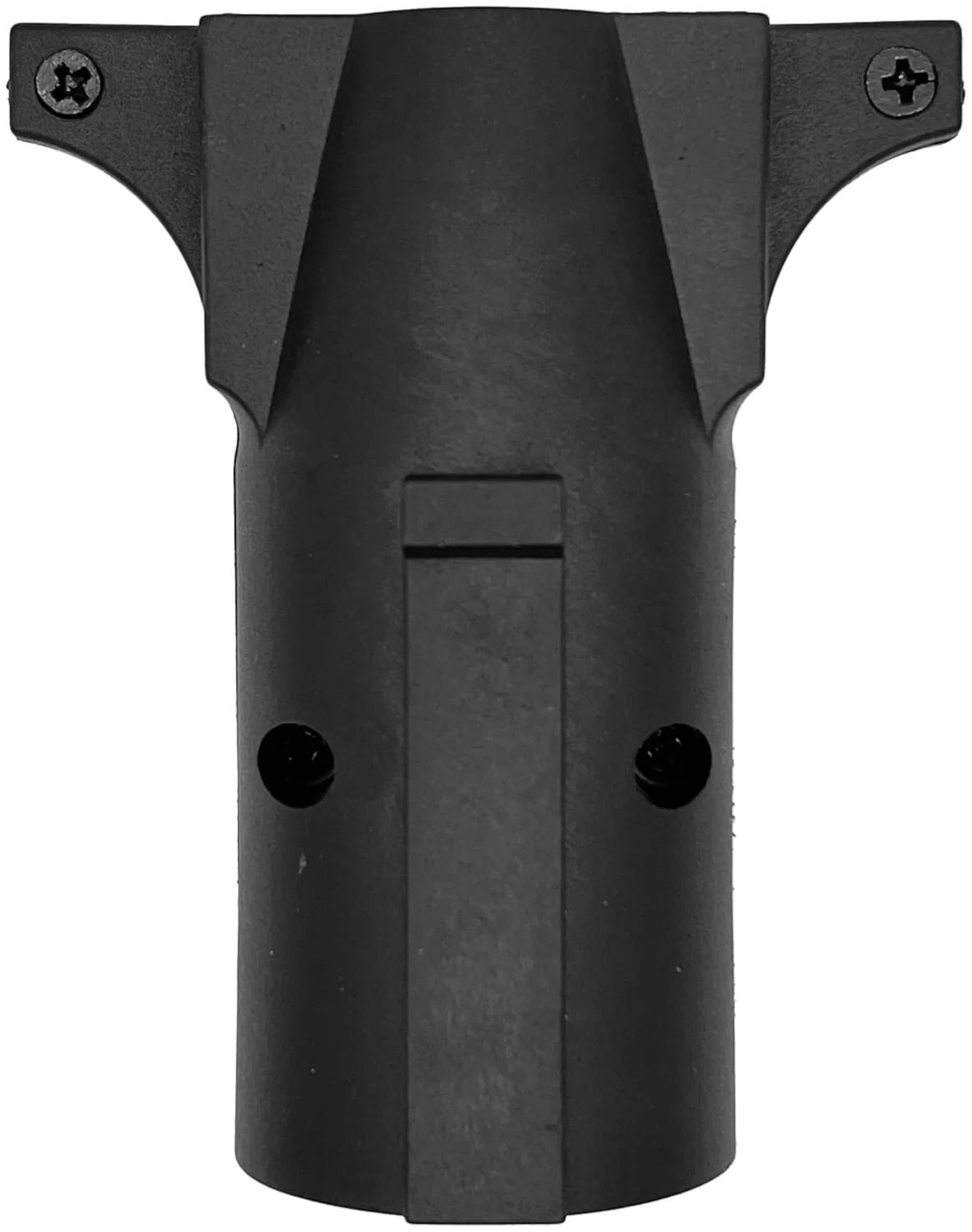
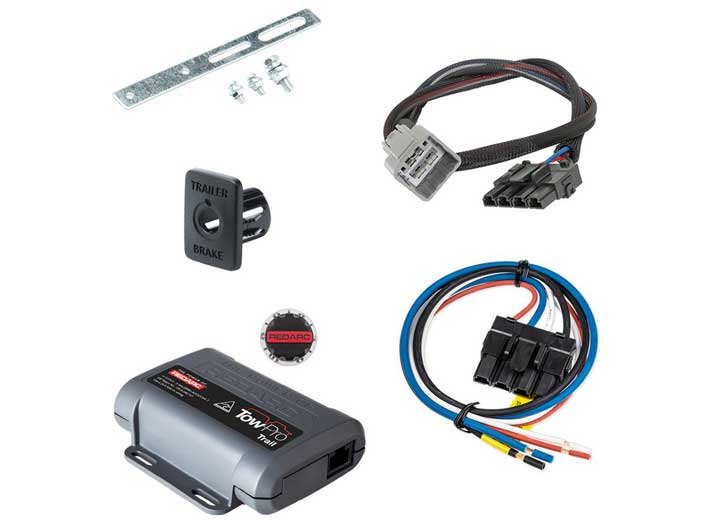
If the trailer has electric brakes, yes, you need a brake controller. Electric brakes do nothing on their own. The controller in the cab senses when you brake and sends a matching amount of power through the blue wire of the 7 pin connector to the magnets in the trailer's brake drums. Without it, the trailer is pushing the truck every time you stop.
Whether the trailer needs brakes at all is a separate question, and that one is set by state law and by your tow vehicle's owner's manual. Thresholds commonly fall somewhere between 1,500 and 3,000 lb of trailer weight, with some states higher and many also requiring a breakaway system. The rules change, so check your state's current requirement and those of any state you plan to drive through.
Which brakes does your trailer have?
Look at the coupler and the wiring. The brake type decides whether a controller is involved.
| Brake type | How to spot it | Needs a controller? |
|---|---|---|
| Electric drum | 7 pin RV plug, wires running to each braked wheel, breakaway switch with a pull pin near the tongue | Yes |
| Electric-over-hydraulic | 7 pin plug plus a powered hydraulic actuator box on the tongue | Yes, one rated for electric-over-hydraulic |
| Surge (hydraulic) | Large actuator built into the coupler that slides as the trailer pushes forward; common on boat trailers | No, but often needs a reverse lockout |
| None | No brake hardware behind the wheels; usually 4 pin plug | No |
Surge brakes work by themselves: when you slow down, the trailer's momentum compresses the coupler and pushes brake fluid to the wheels. They need nothing from the cab except, on many setups, a reverse signal or manual lockout so they do not engage when you back up a ramp.
Worked example: does this trailer need brakes and a controller?
Say you are buying an 18 ft travel trailer with tandem axles and electric brakes on both axles.
- Dry weight on the sticker: 3,400 lb
- Cargo, propane and gear: about 800 lb
- Fresh water: 30 gallons at roughly 8.3 lb per gallon, about 250 lb
Loaded, that is about 4,450 lb. In a state with a 3,000 lb threshold, the trailer must have working brakes, and because they are electric, you need a controller to run them. Even in a state with a higher threshold, most tow vehicle owner's manuals call for trailer brakes well below 4,450 lb, so the answer is still yes.
Now take a 6x12 utility trailer that weighs 1,100 lb empty and carries a 600 lb mower. At about 1,700 lb, it may or may not need brakes depending on the state. If it has no brakes and your state does not require them at that weight, you do not need a controller. Use the trailer's GVWR on the VIN plate, not the empty weight, when you check the rules, since some states go by rated capacity.
Choosing a controller once you need one
Most buyers choose a proportional controller, which uses a motion sensor to apply the trailer brakes in step with how hard the truck is stopping. Time-delayed controllers are simpler and cheaper but ramp up on a set schedule. See proportional vs time-delayed brake controllers for the full comparison.
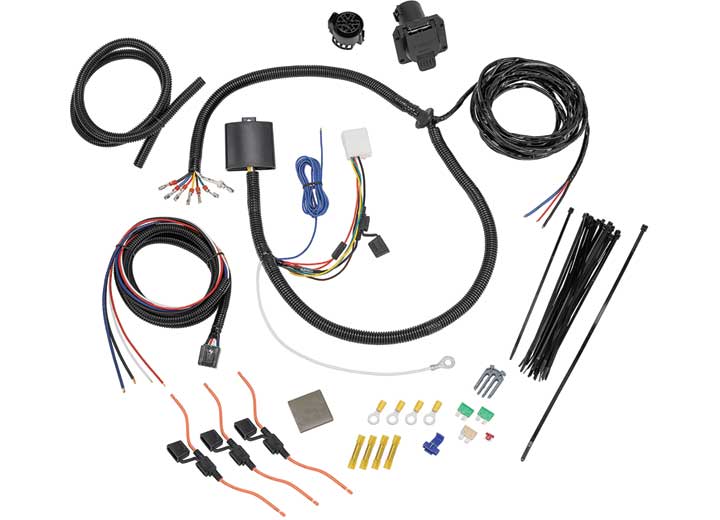
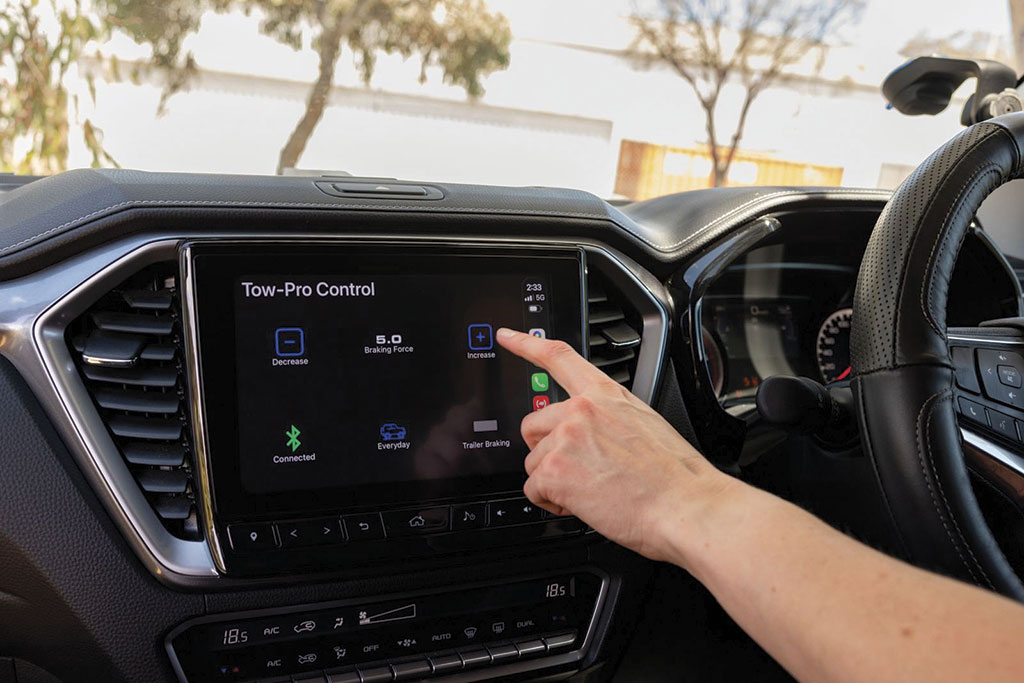
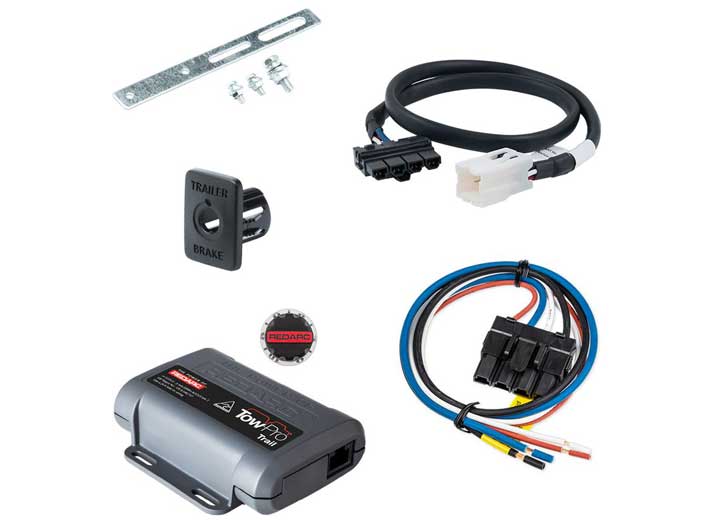
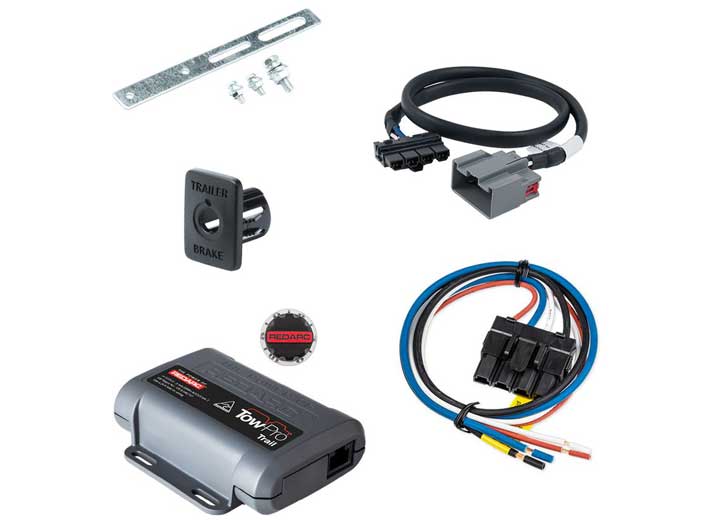
Many newer trucks have an integrated controller from the factory or a plug under the dash ready for an aftermarket unit. A vehicle-specific controller harness avoids cutting factory wiring. Also confirm the controller is rated for your number of brake axles; most handle two or three axles, and some go higher.
Breakaway systems and other rules to check
Brakes are rarely the only requirement. Many states that require trailer brakes also require a breakaway system: a switch on the tongue tied to the tow vehicle by a cable, plus a small battery on the trailer. If the trailer comes loose, the cable pulls a pin and the battery applies the electric brakes on its own. The 12V charge line in a 7 pin connector keeps that battery topped up while you drive.
Other common rules include safety chains crossed under the tongue, working lights on every circuit, and in some states brakes that the driver can control from the cab. Beyond the law, the trailer's own manual and the tow vehicle's towing section may list braking requirements tied to weight. When the sources disagree, follow the strictest one. If you cross state lines, check each state on the route, since thresholds and breakaway rules are not uniform.
Common mistakes
- Judging by empty weight. Trailers get heavier fast once loaded. Check the rules against loaded weight or GVWR.
- Skipping the breakaway check. The breakaway switch and battery should apply the brakes if the trailer separates. Test it before trips as the trailer manufacturer directs.
- Leaving gain at the default. Set gain with the trailer loaded on a dry, level surface so the brakes work hard without locking up.
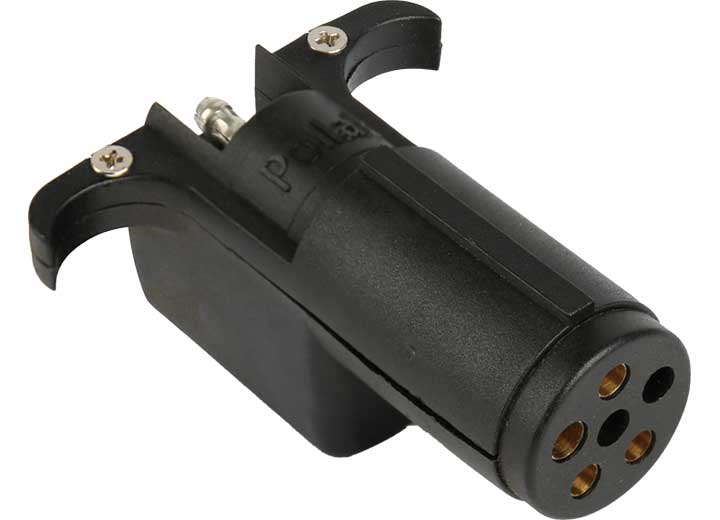
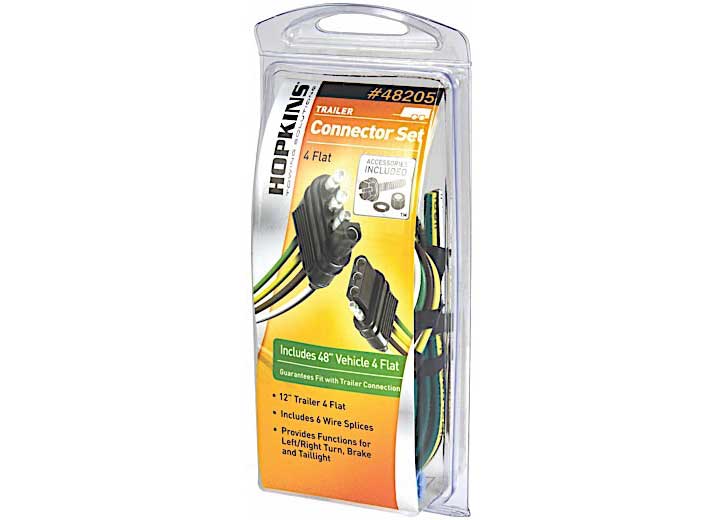
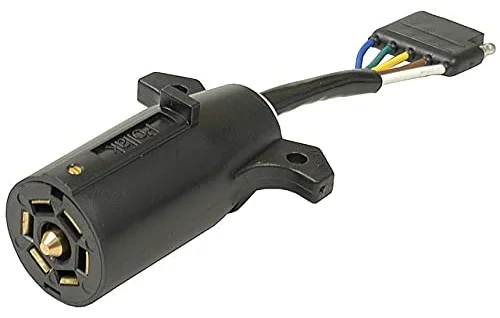
- Using an adapter as a fix. A 4 pin connection cannot carry a brake signal. Electric brakes need a 7 pin and a controller.
- Ignoring the owner's manual. Your vehicle's towing section often sets a lower trailer brake threshold than state law.