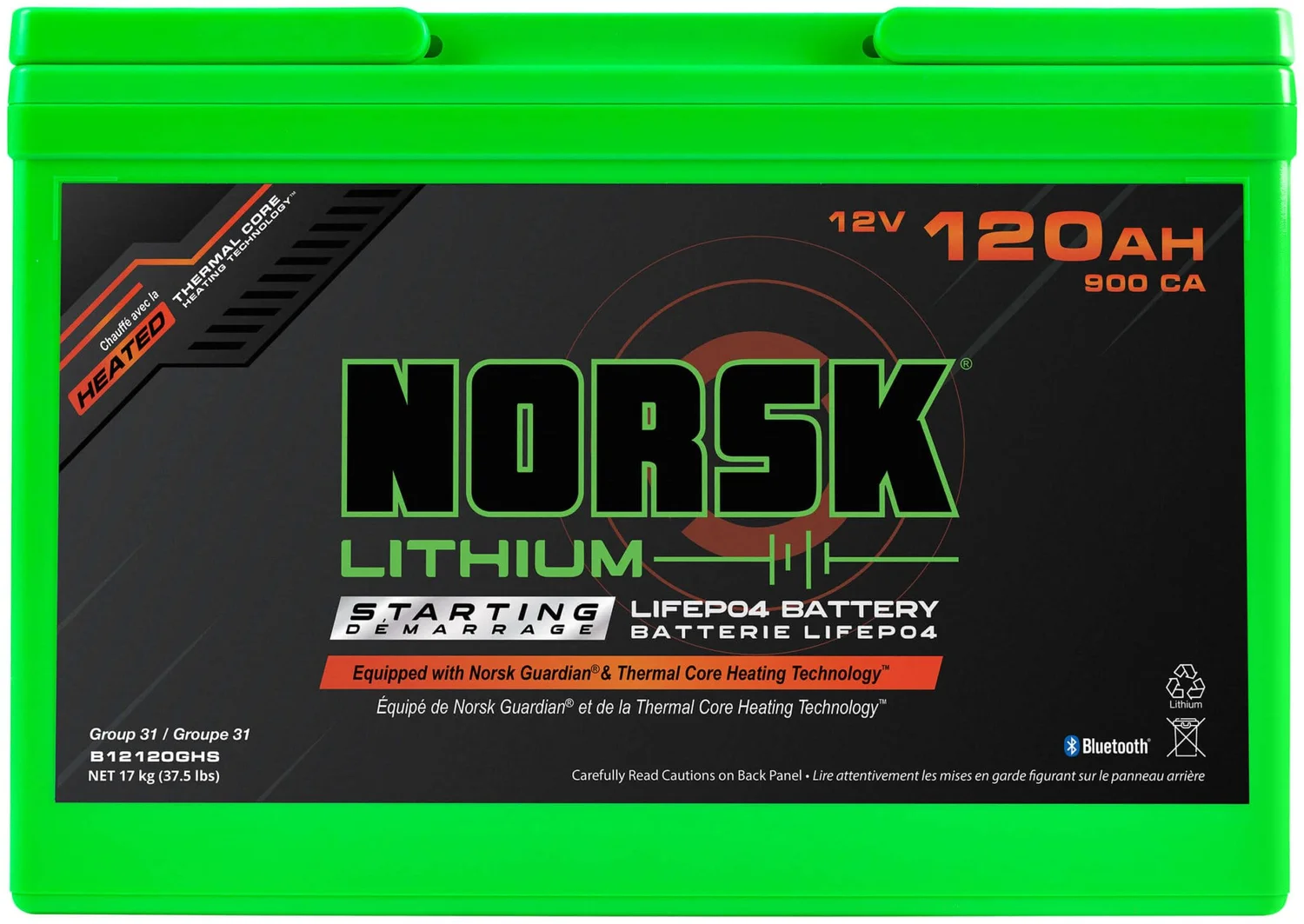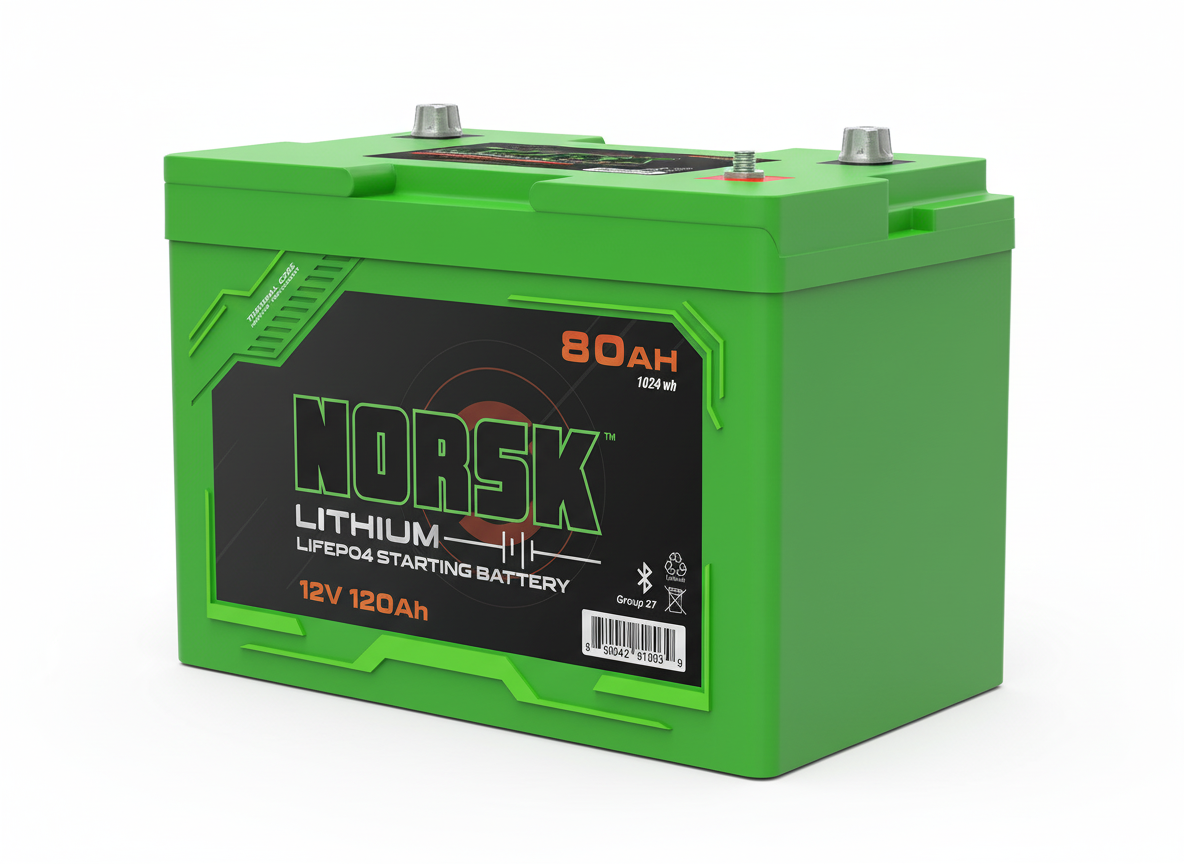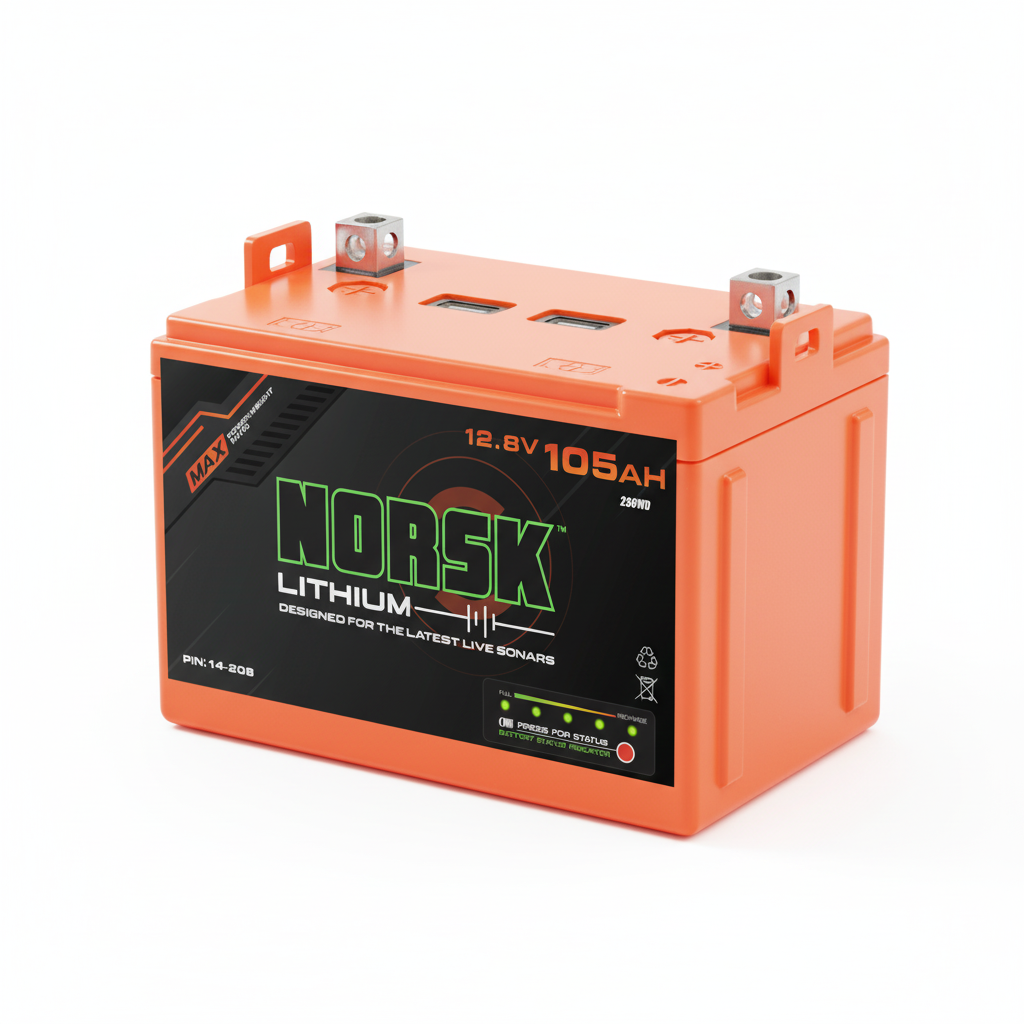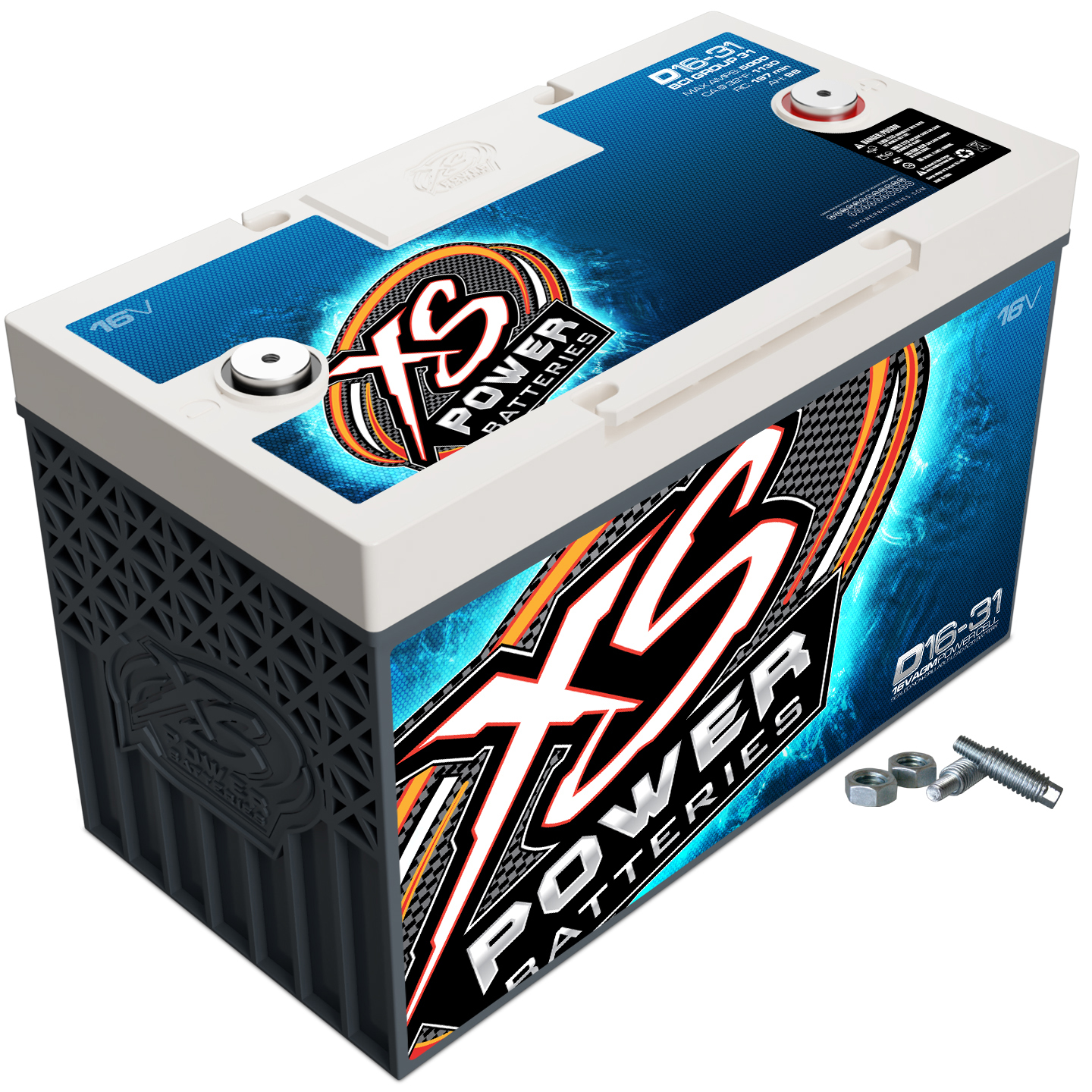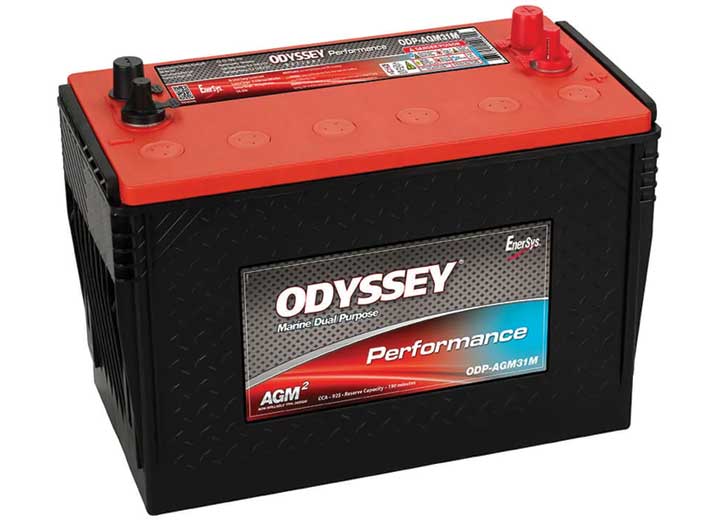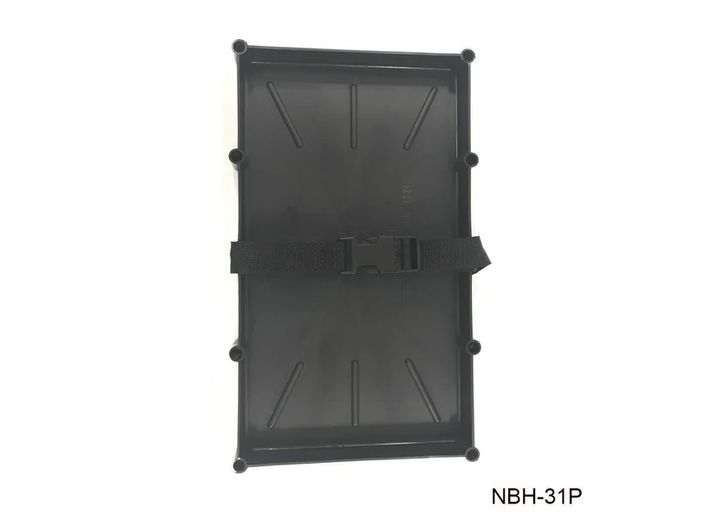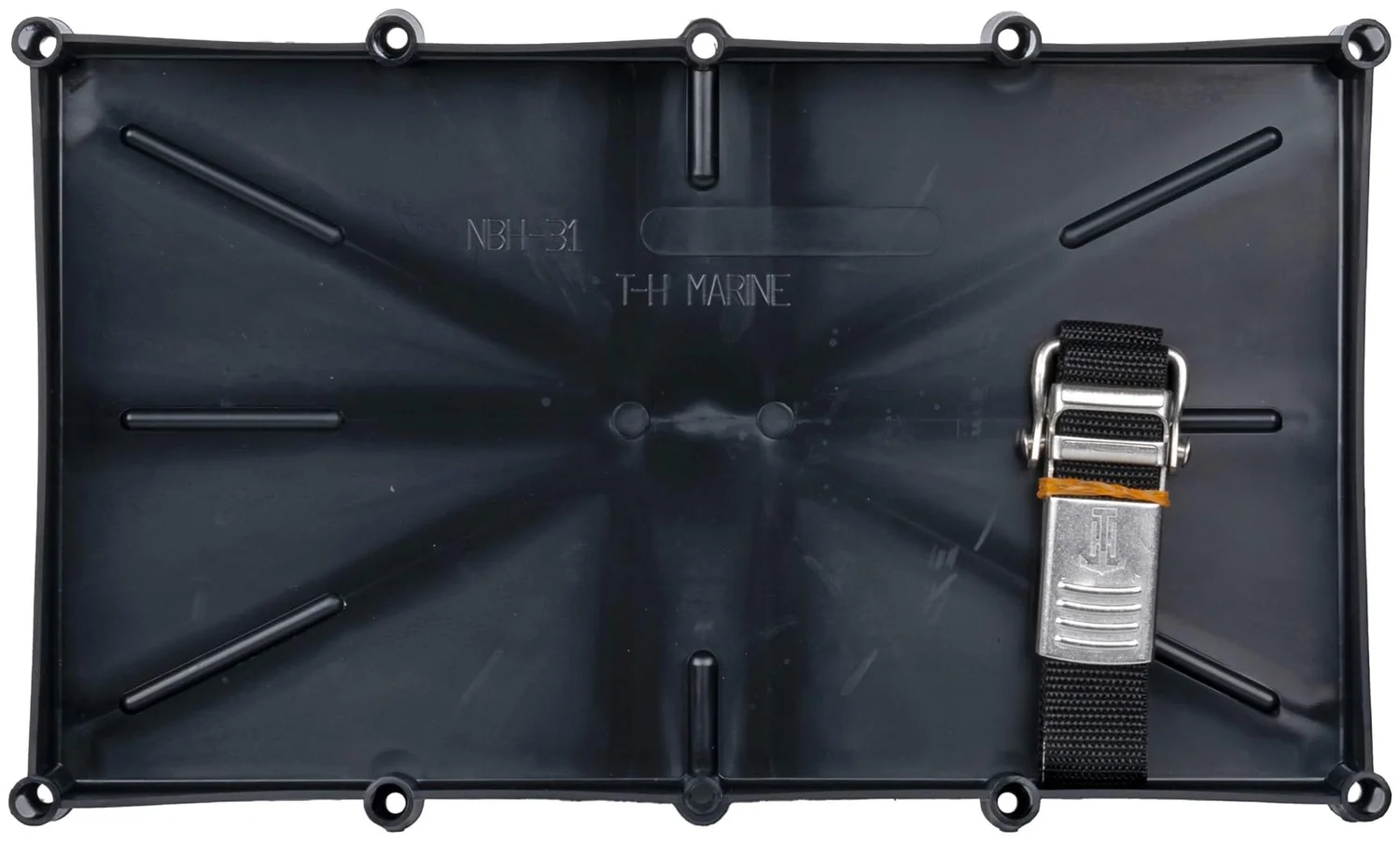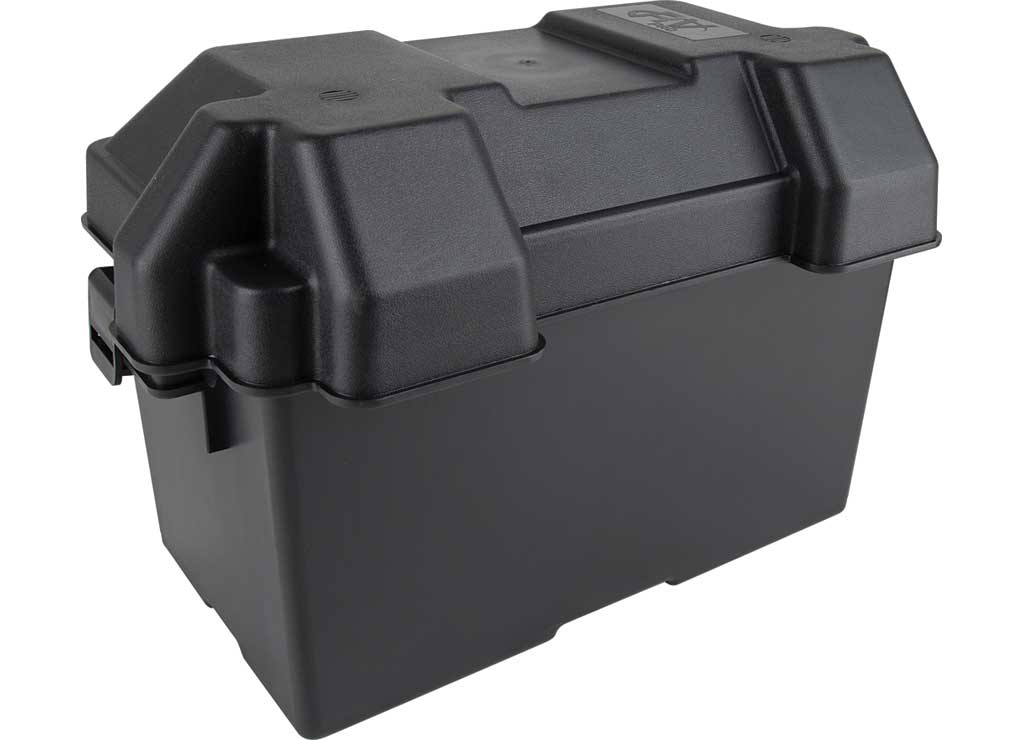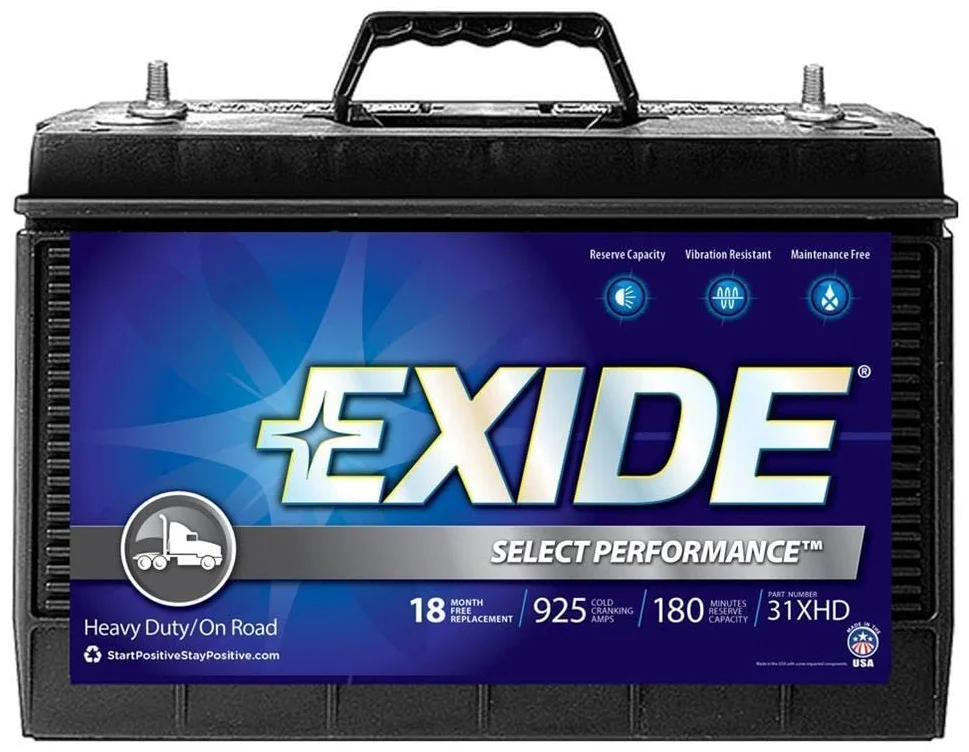
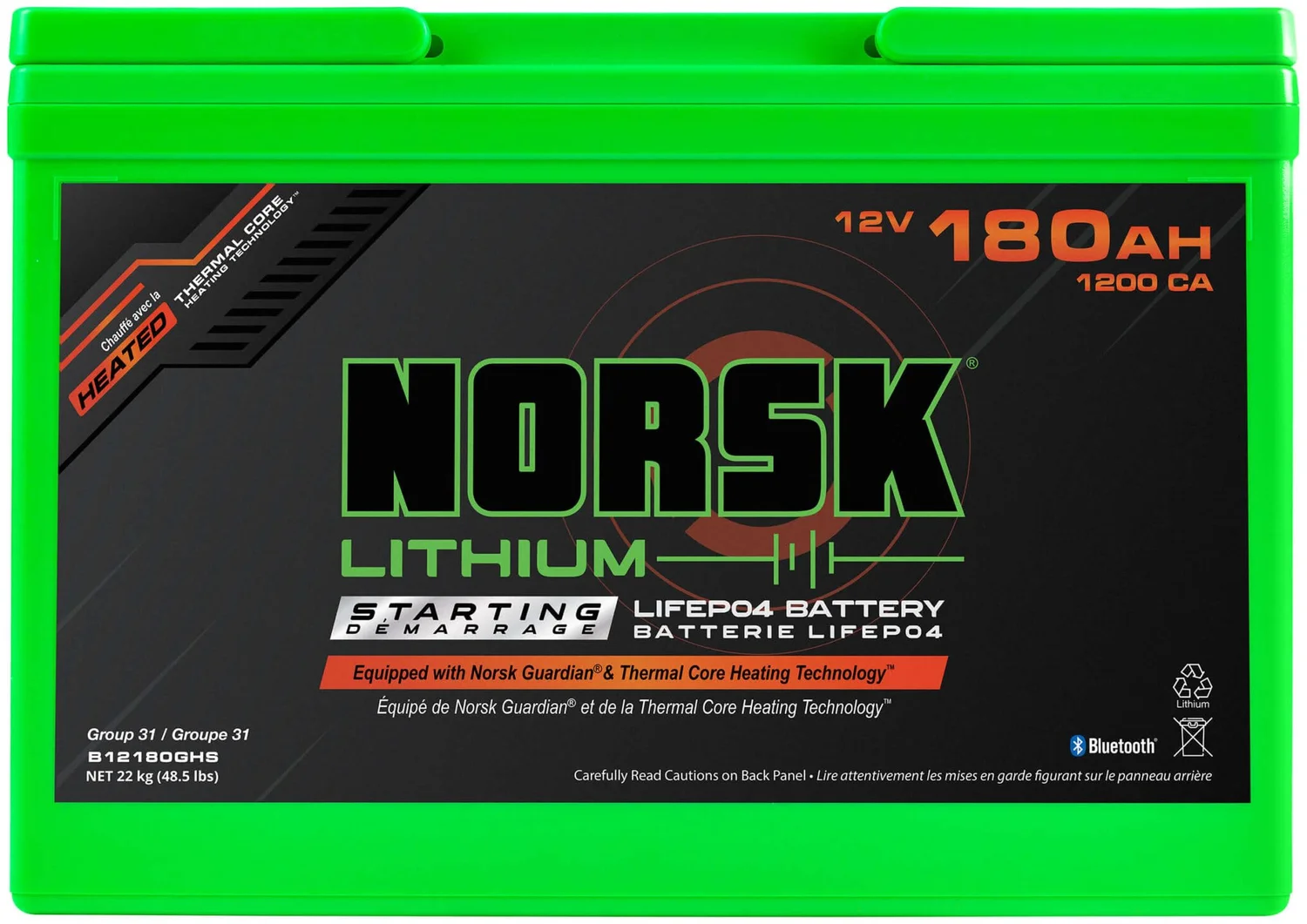
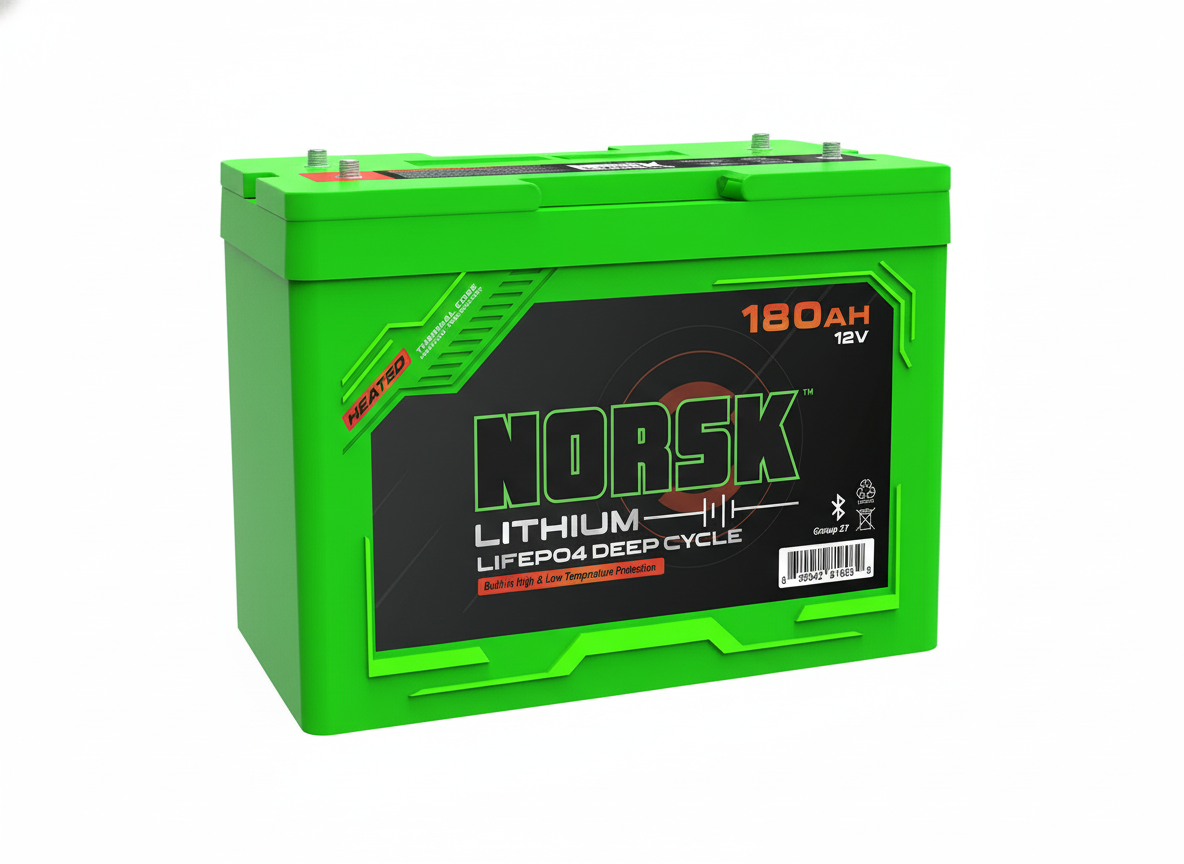
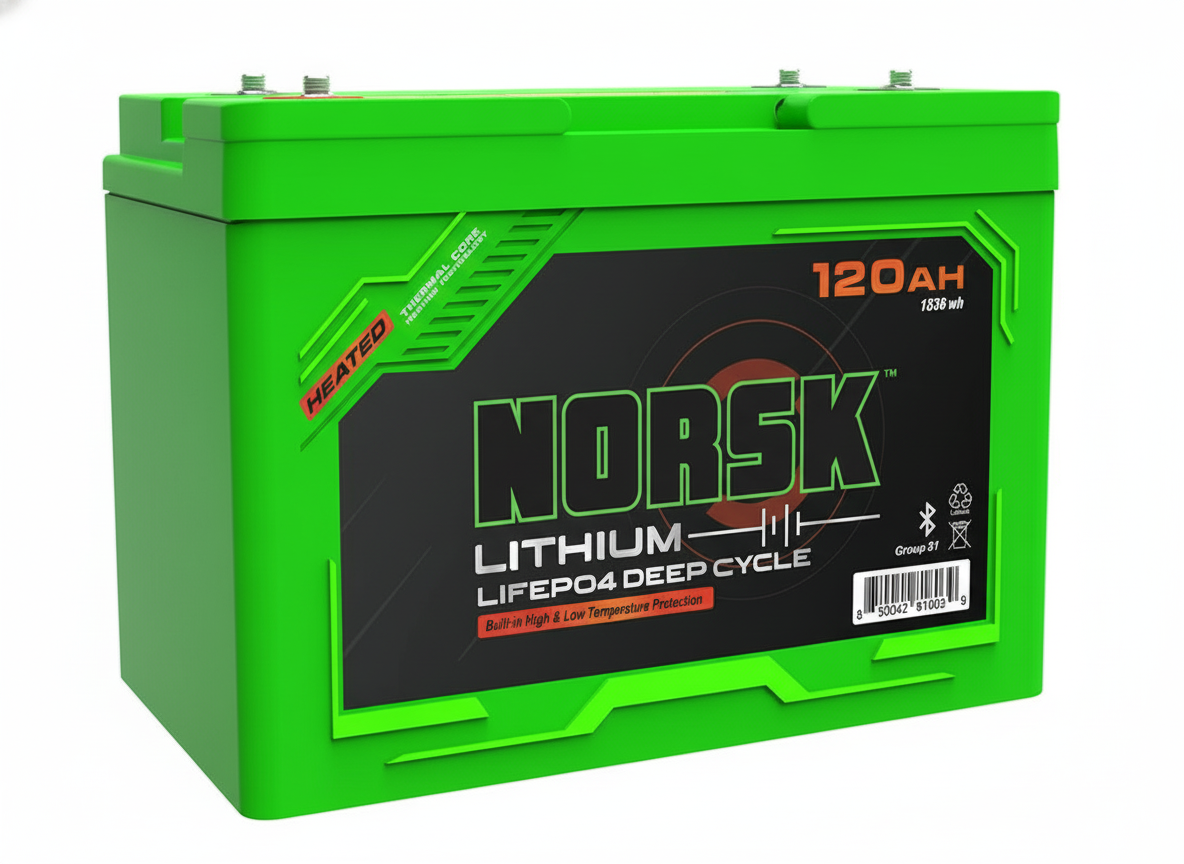
A group 31 battery is a large 12-volt battery size defined by the Battery Council International (BCI). It is a common choice wherever a vehicle or boat needs a lot of starting power or reserve energy in a standard footprint. This page lists the group 31 batteries we carry, including AGM models from brands like Odyssey and XS Batteries, followed by group 31 battery trays, boxes and terminal kits.
Group 31 battery size and common uses
A BCI group 31 case is typically about 13 x 6.8 x 9.4 inches (length x width x height), but exact dimensions and weight vary by brand and model, so check the specific battery against your tray or box. Common uses include:
- Heavy trucks and equipment: Class 8 trucks often run several group 31 batteries together.
- Marine: engine starting, dual-purpose and house banks on boats.
- RVs: house batteries for lights, pumps and an inverter.
- Winches and plows: extra capacity for high current draws.
- Off-grid and backup power: small solar and inverter systems.
Note that some group 31 batteries, such as certain XS Batteries models, are 16-volt batteries made for competition car audio. They are not a drop-in replacement for a 12-volt vehicle system, so check the voltage on the listing.
When replacing a battery, match the case size, terminal type and position, voltage and the cranking or capacity rating your vehicle or boat needs. Secure it with a proper hold-down or a battery box with a strap, especially on boats and off-road vehicles, since a loose battery can short or crack its case.
Terminals and battery types
Group 31 batteries commonly come with threaded stud terminals, which suit heavy cables with ring terminals on trucks and boats, SAE tapered posts like a car battery, or both. Some brands use a letter suffix such as M or T in the part number to mark a marine or terminal variant, so confirm the terminal type on the listing. Terminal adapter kits are available if your cables do not match.
| Type | Strengths | Trade-offs |
|---|---|---|
| Flooded lead-acid | Lowest upfront cost, widely available | Typically needs water checks and venting; must stay upright |
| AGM | Sealed, spill resistant, vibration resistant, strong cranking | Costs more; needs a charger with an AGM setting |
| Lithium (LiFePO4) | Much lighter, deep usable capacity, long cycle life | Highest cost; many are deep cycle rather than starting batteries; usually needs a lithium-compatible charger and has limits on charging below freezing |
For a starting battery that sees heat and vibration, AGM is a common upgrade over flooded. For a house bank that gets cycled deeply every day, lithium can make sense if the budget allows and your charging system supports it.
CCA, MCA, reserve capacity and amp hours
- CCA (cold cranking amps): how much current a battery can deliver at 0 F for 30 seconds. The key number for starting engines in cold weather.
- MCA (marine cranking amps): the same idea measured at 32 F, so MCA is higher than CCA for the same battery.
- RC (reserve capacity): minutes the battery can supply 25 amps before dropping to a cutoff voltage. Useful for estimating how long it can run accessories.
- Ah (amp hours): total stored capacity, usually at a 20-hour rate. The main number for house banks, trolling and off-grid use.
Match CCA to your engine's requirement for starting, and size Ah or RC to your daily load for deep-cycle use. Use a charger suited to the battery chemistry; see our marine battery chargers guide and power inverters guide, or browse electrical parts.