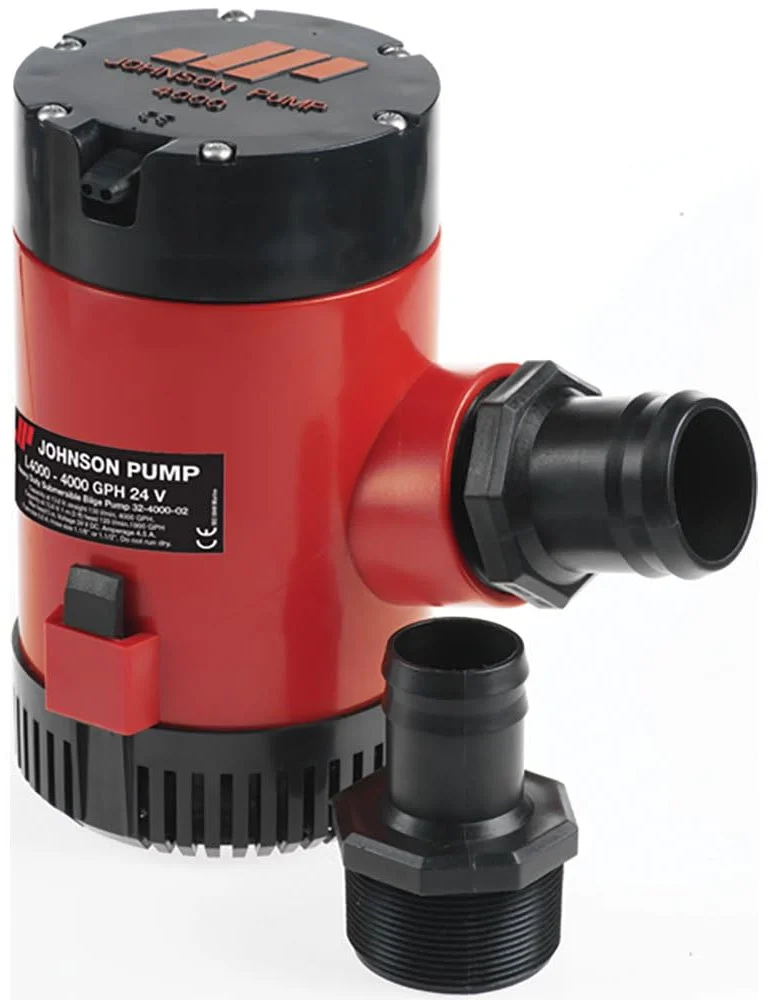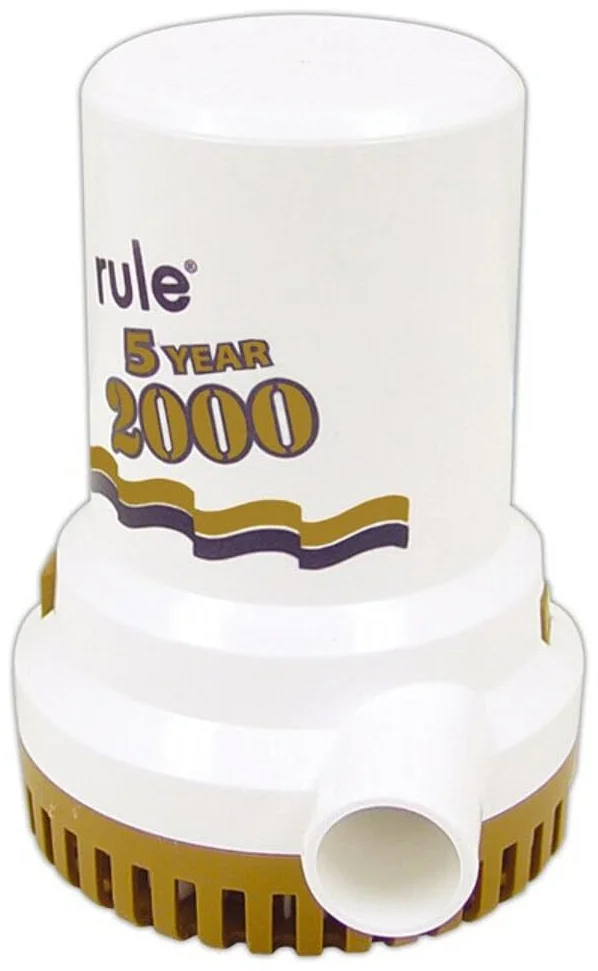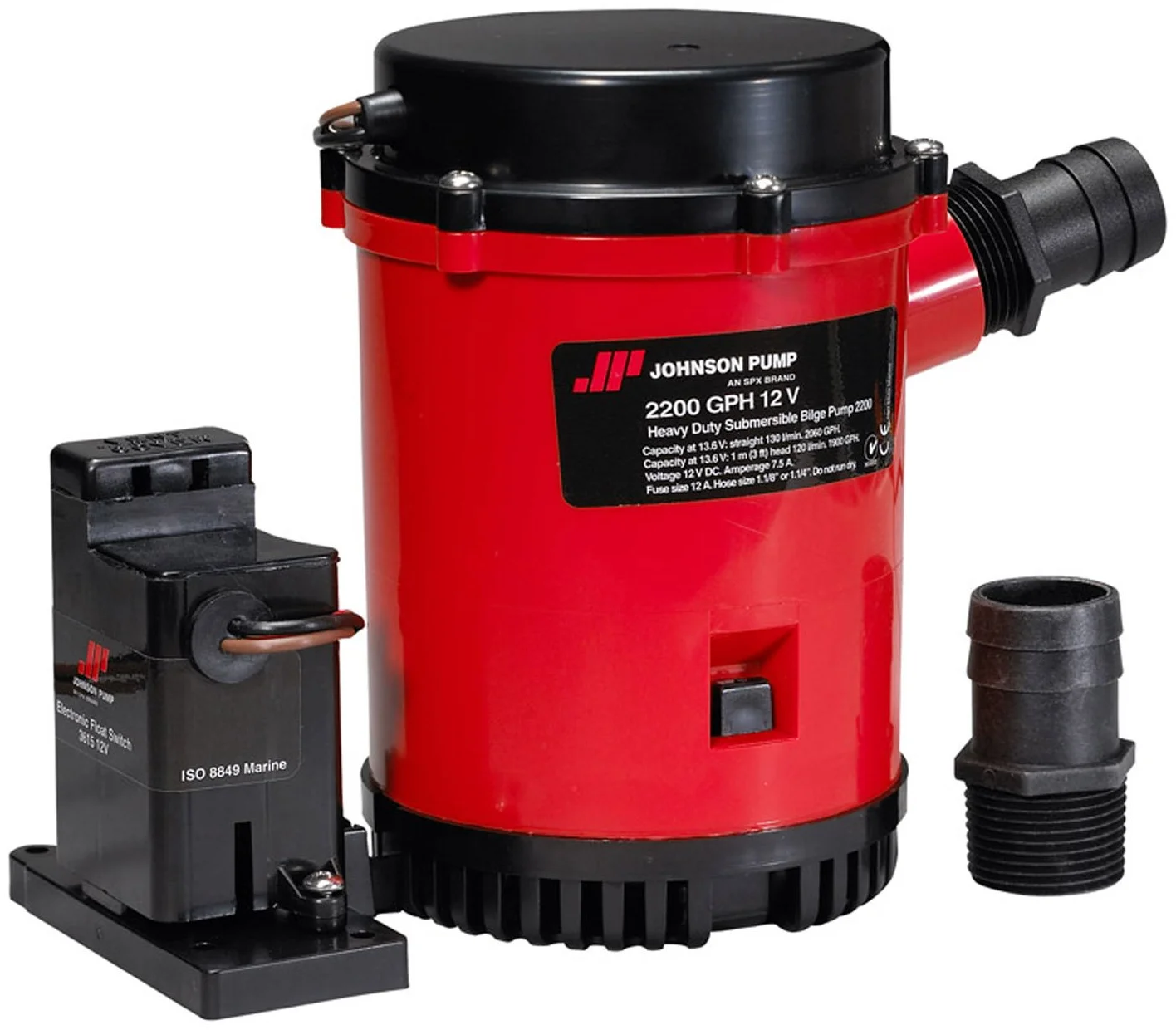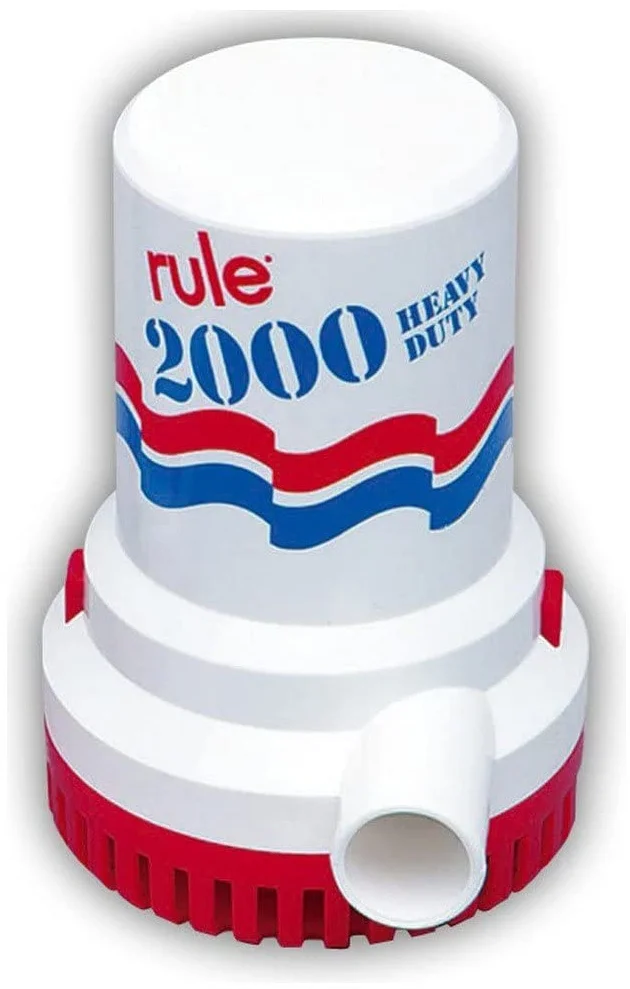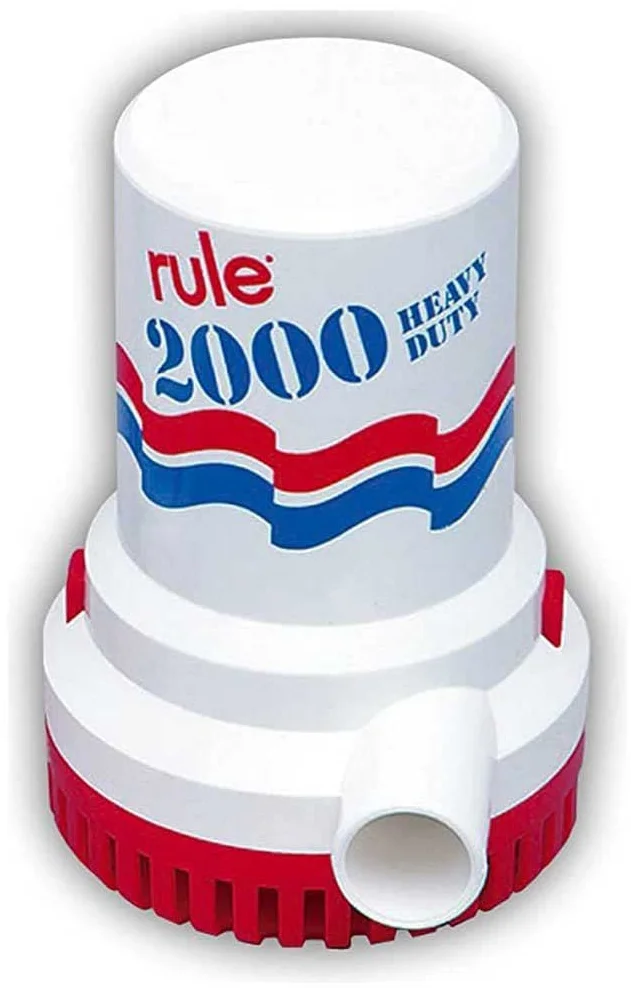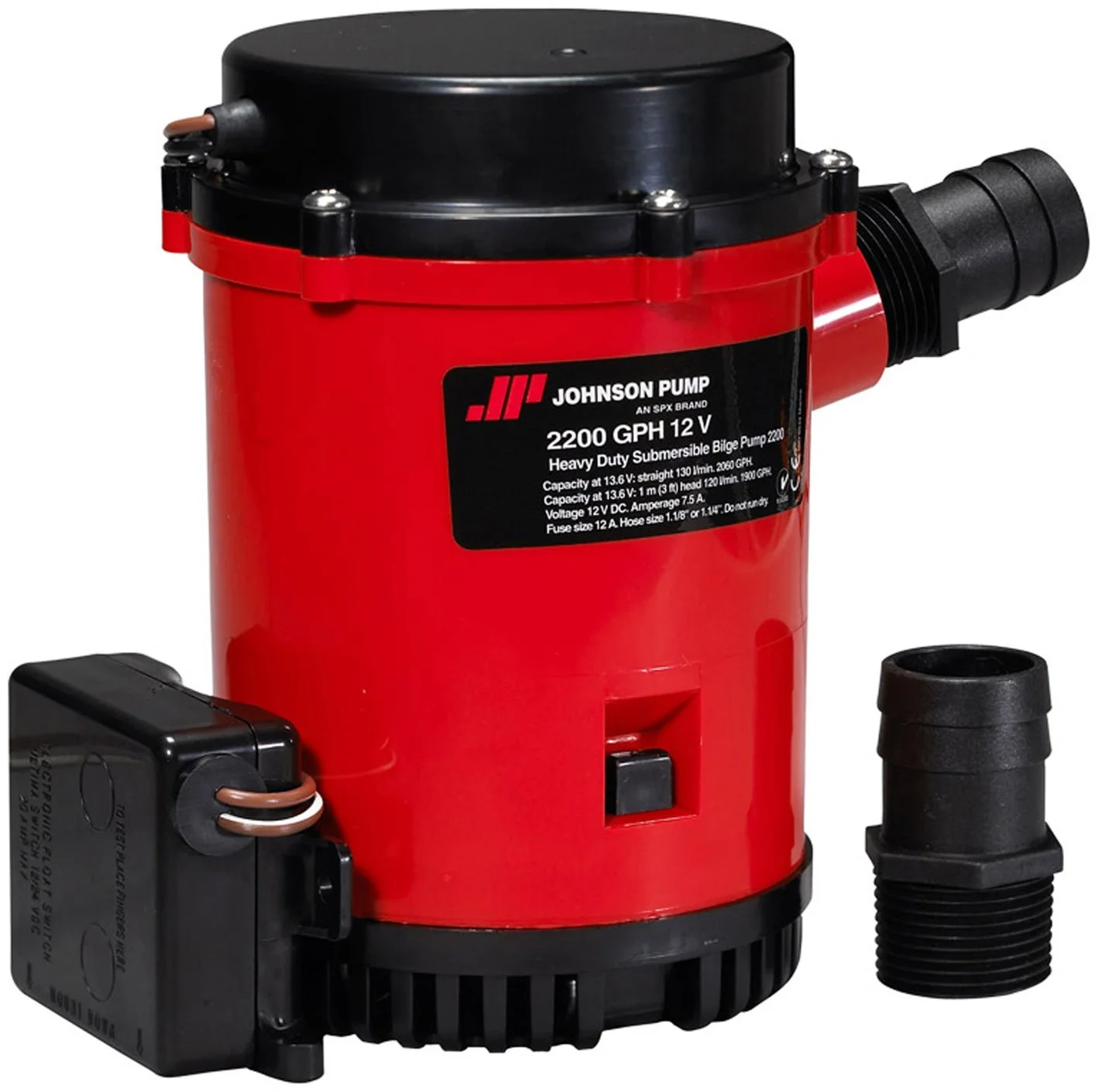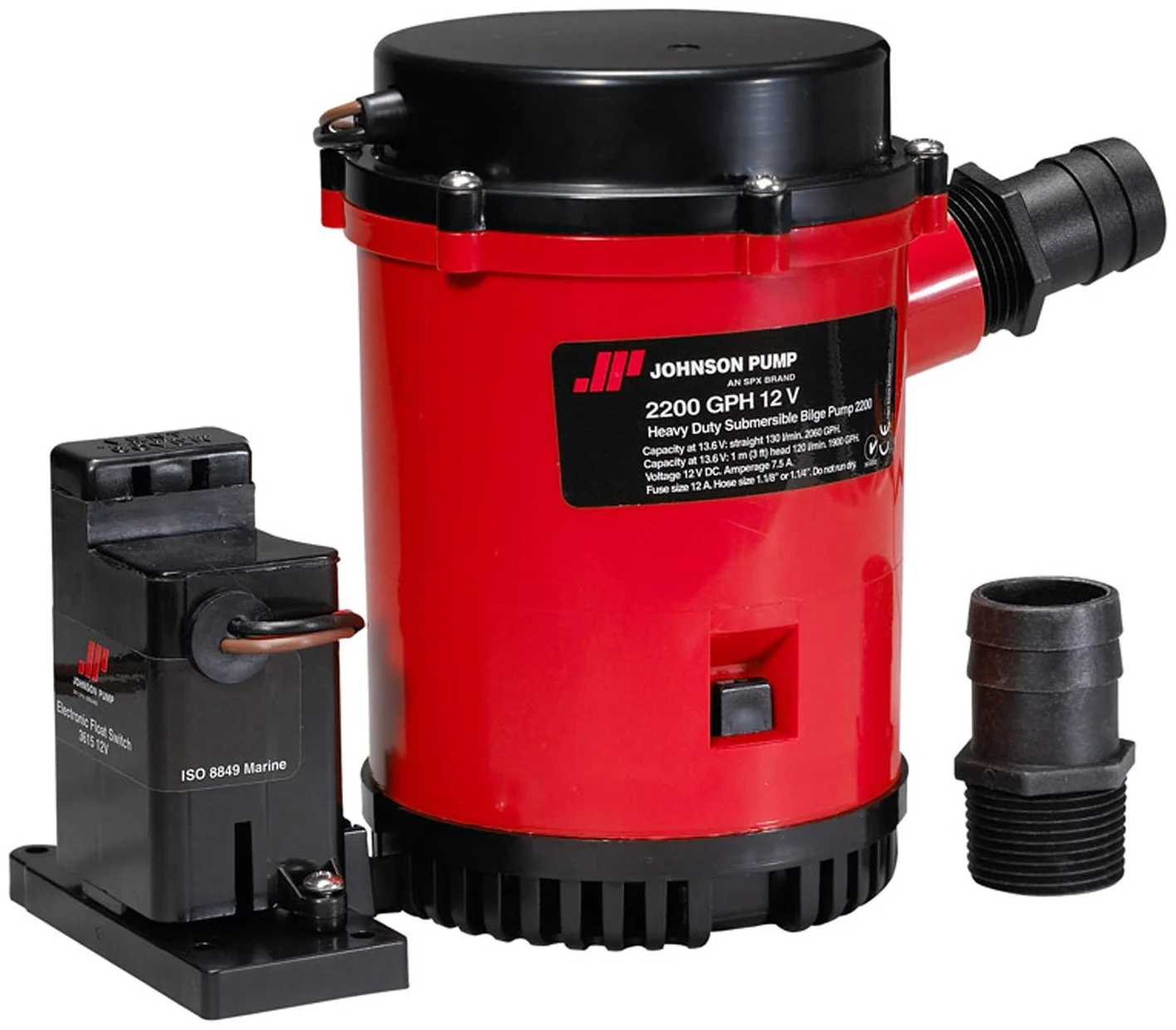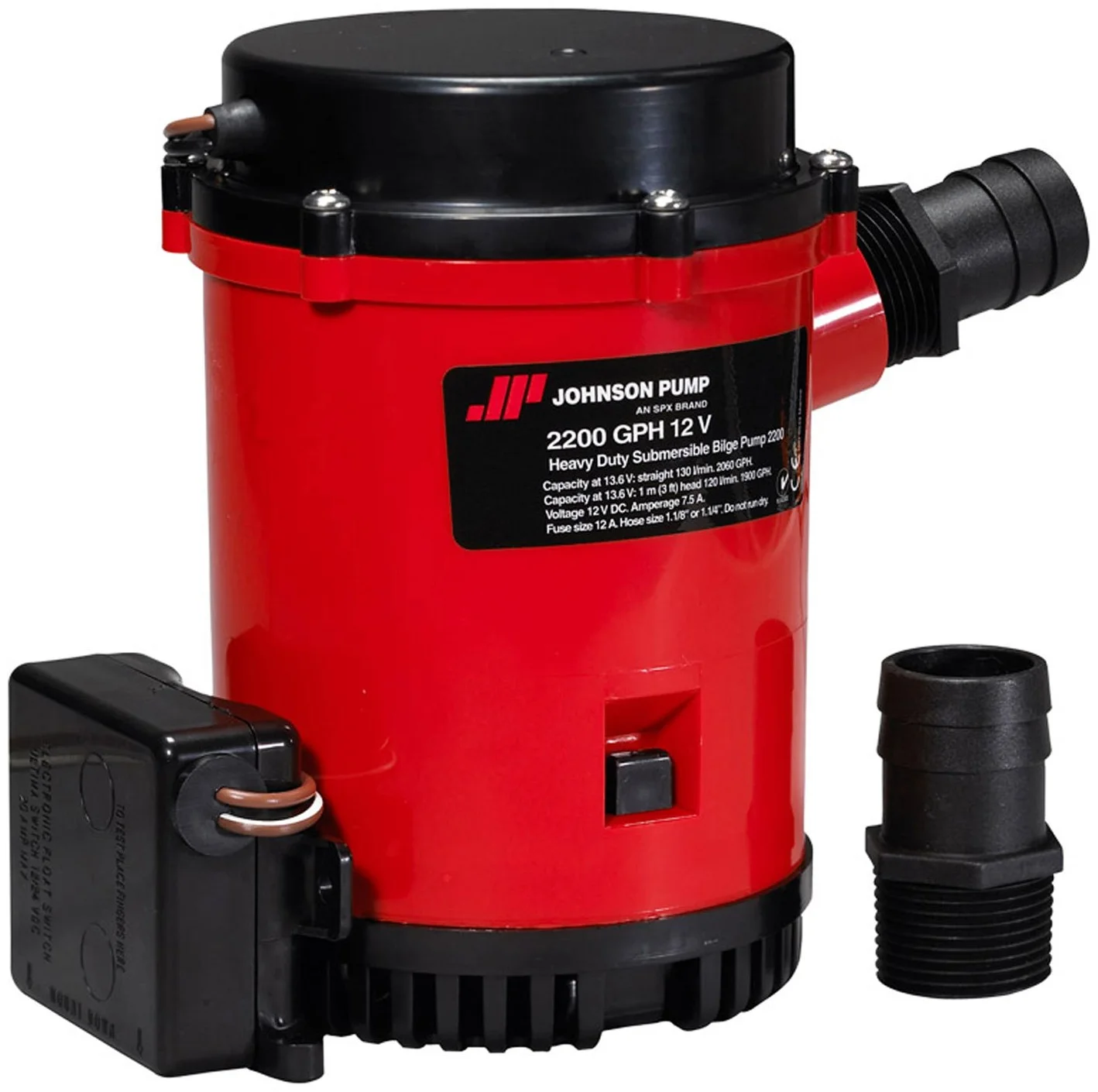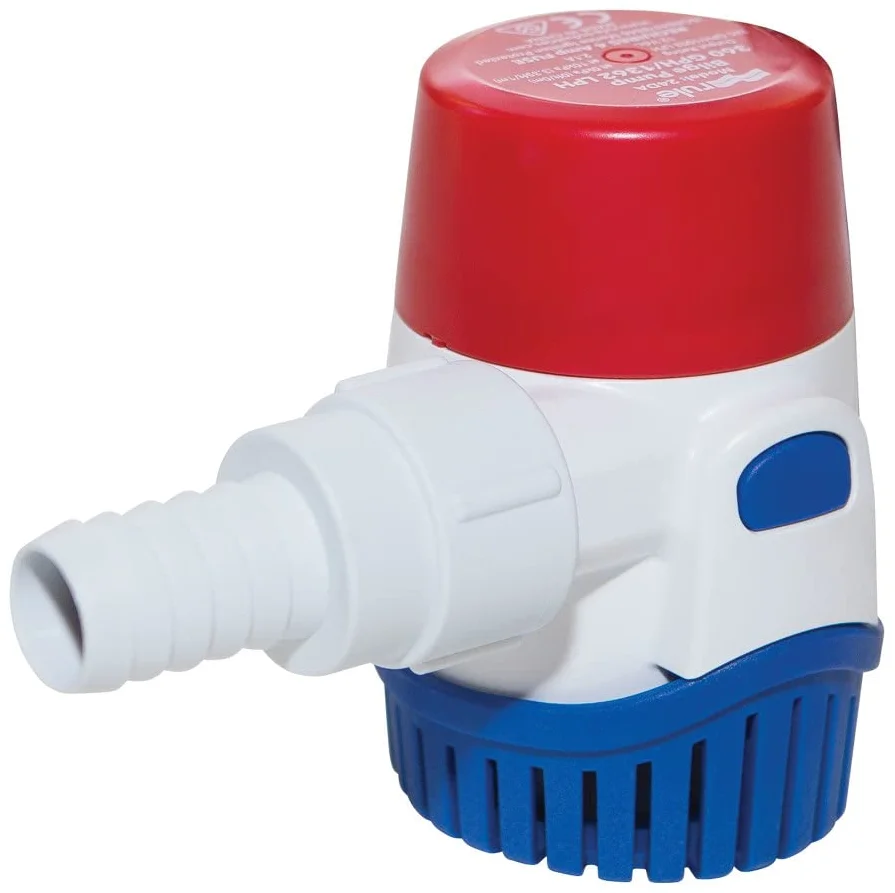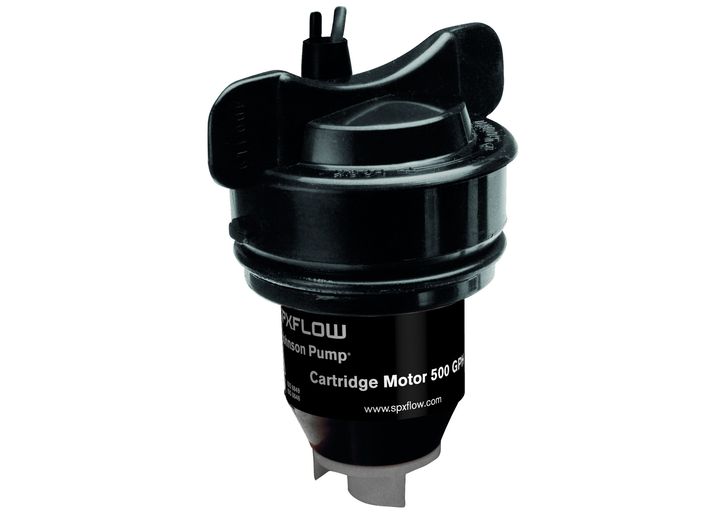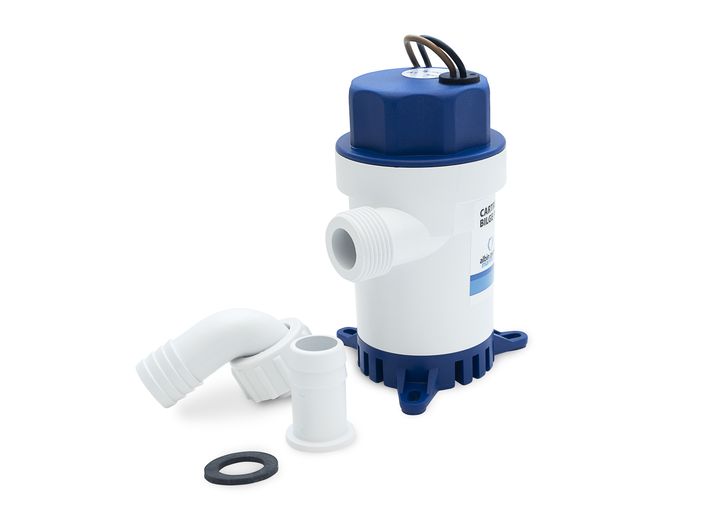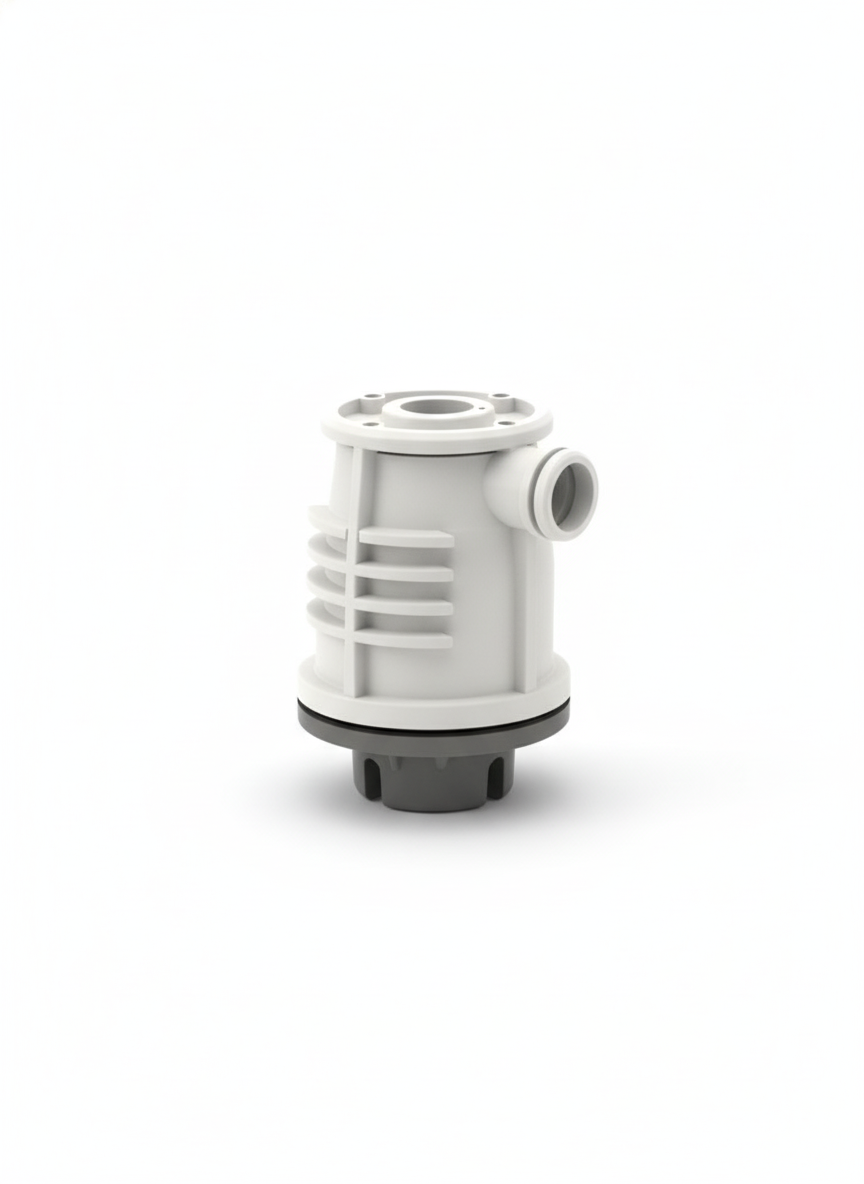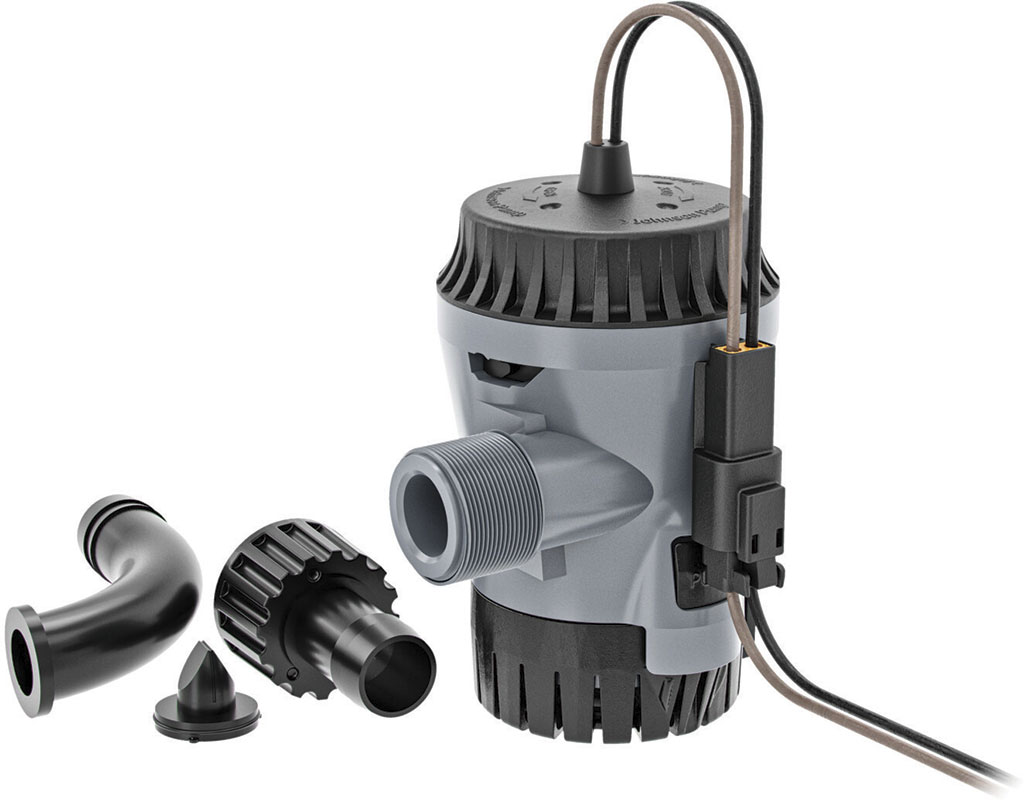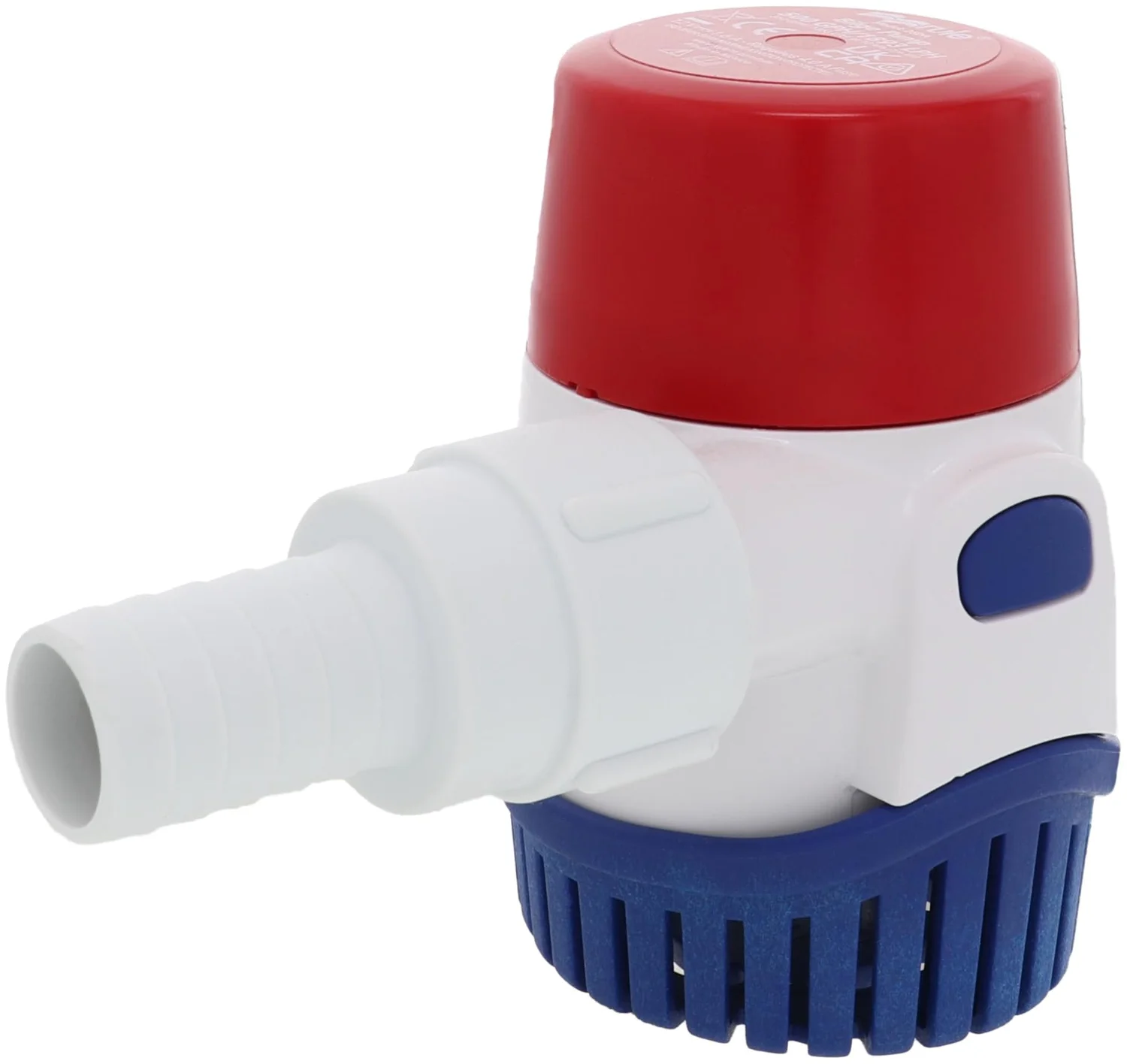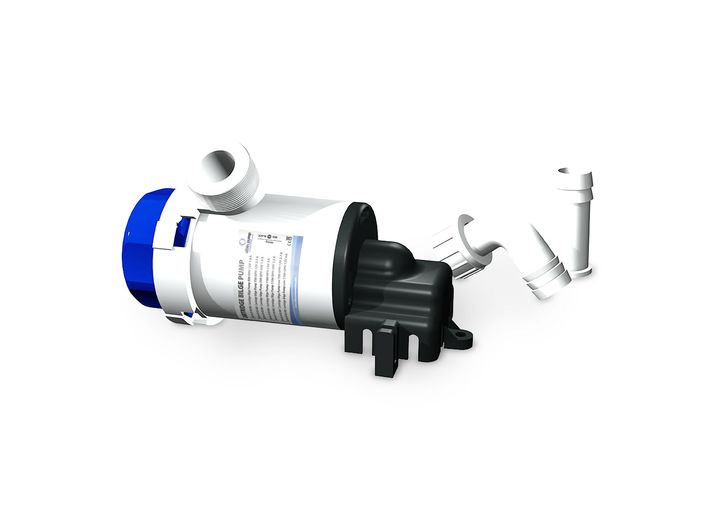
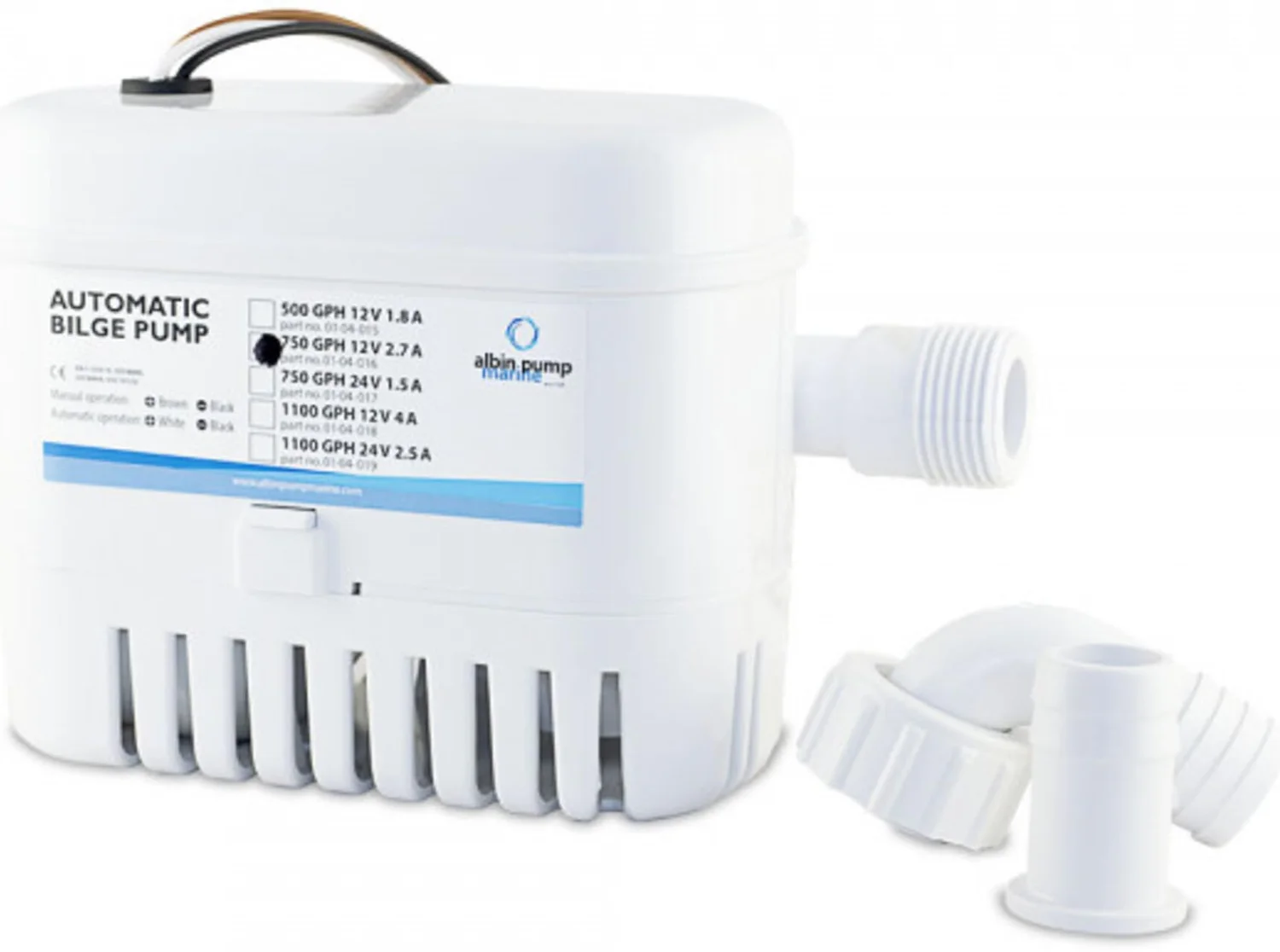
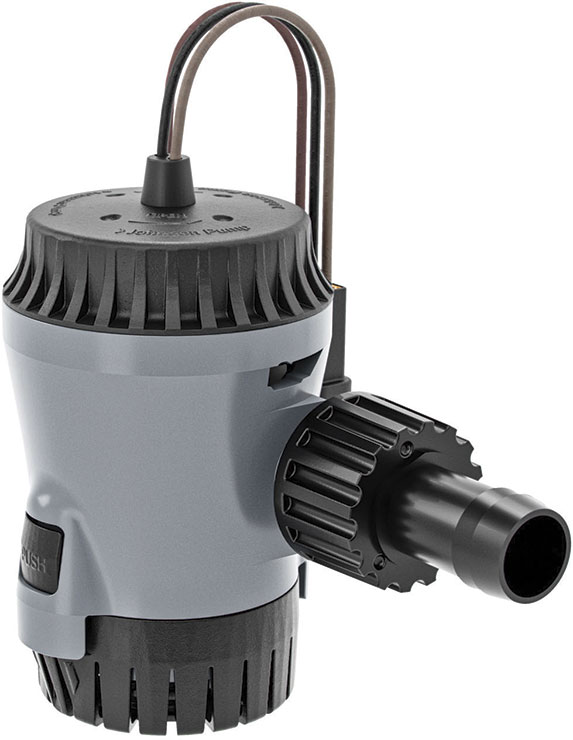
Bilge pumps move water out of the lowest part of a boat's hull, the bilge, and send it overboard through a thru-hull fitting. Rain, spray, a dripping shaft seal or a leaking fitting all end up there, and a working bilge pump is one of the most important pieces of safety gear on any boat that stays in the water or sits out in the rain.
This page lists the bilge pumps we carry from Rule, Johnson Pump, Attwood, Albin, Seaflo, Whale, Shurflo and Camco, from small 360 and 500 GPH cartridge pumps up to 2,000, 3,700 and 4,000 GPH heavy-duty pumps in 12V and 24V. Below you will find how automatic vs manual bilge pumps work, how to pick the right GPH, and the switches, hoses and blowers that complete the system.
Automatic vs manual bilge pumps
Every electric bilge pump needs something to turn it on. The difference between models is where that switch lives.
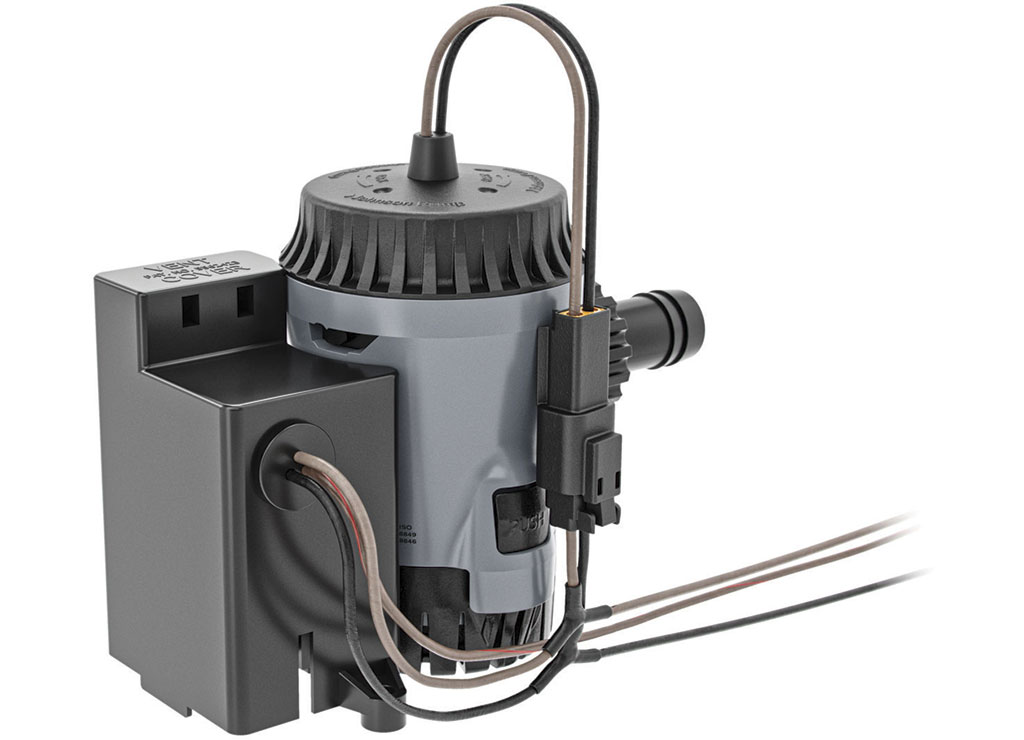
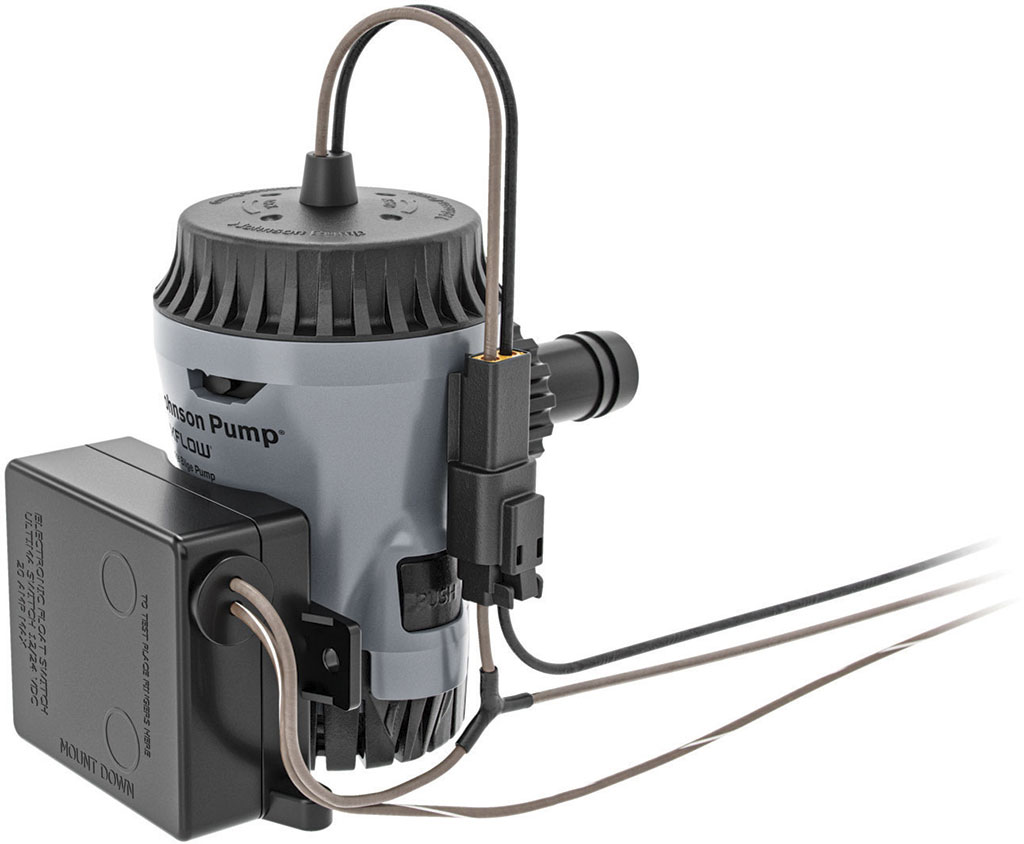
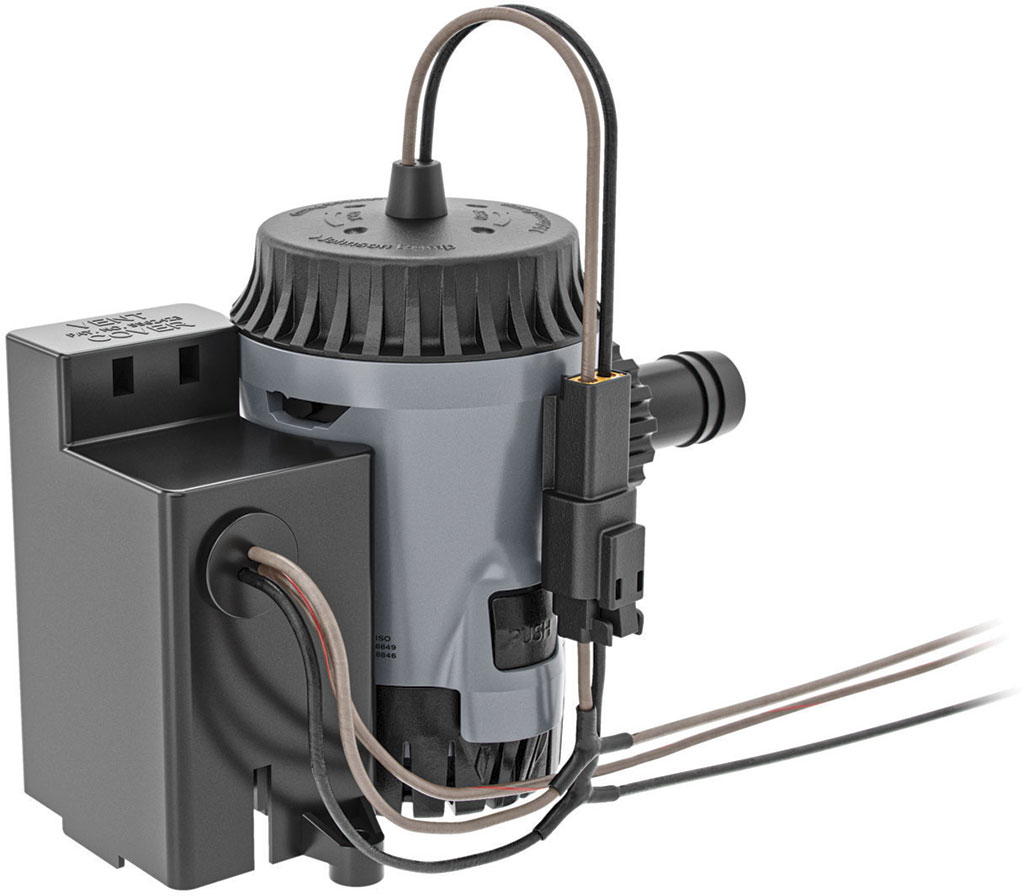
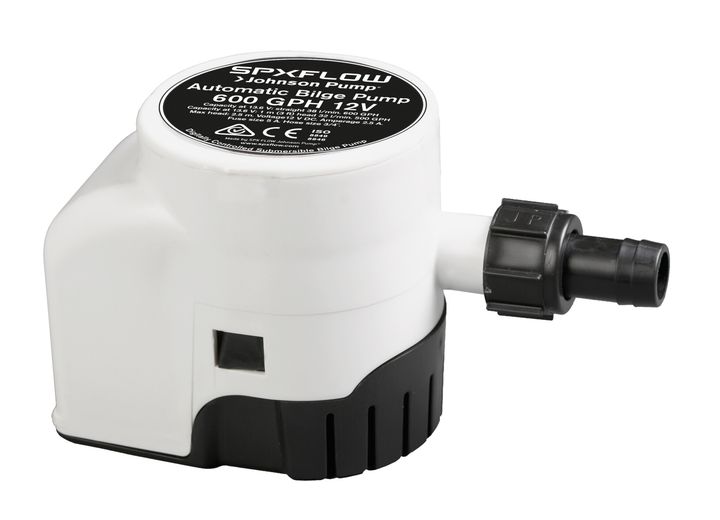
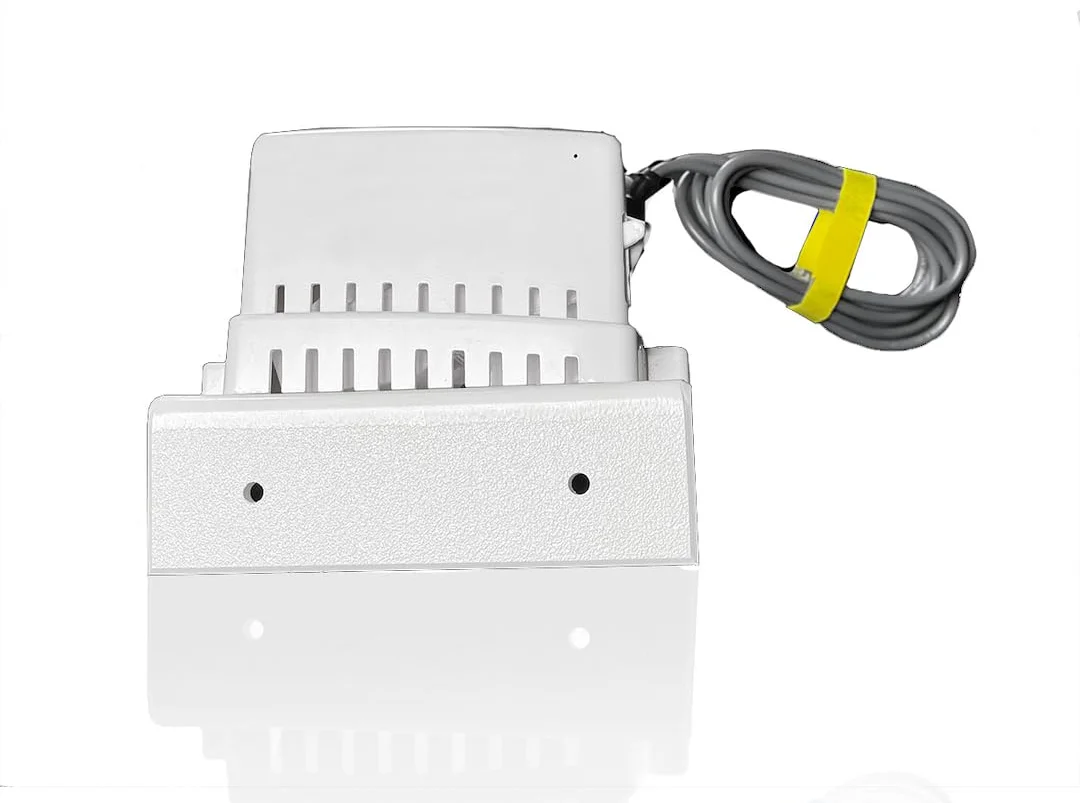
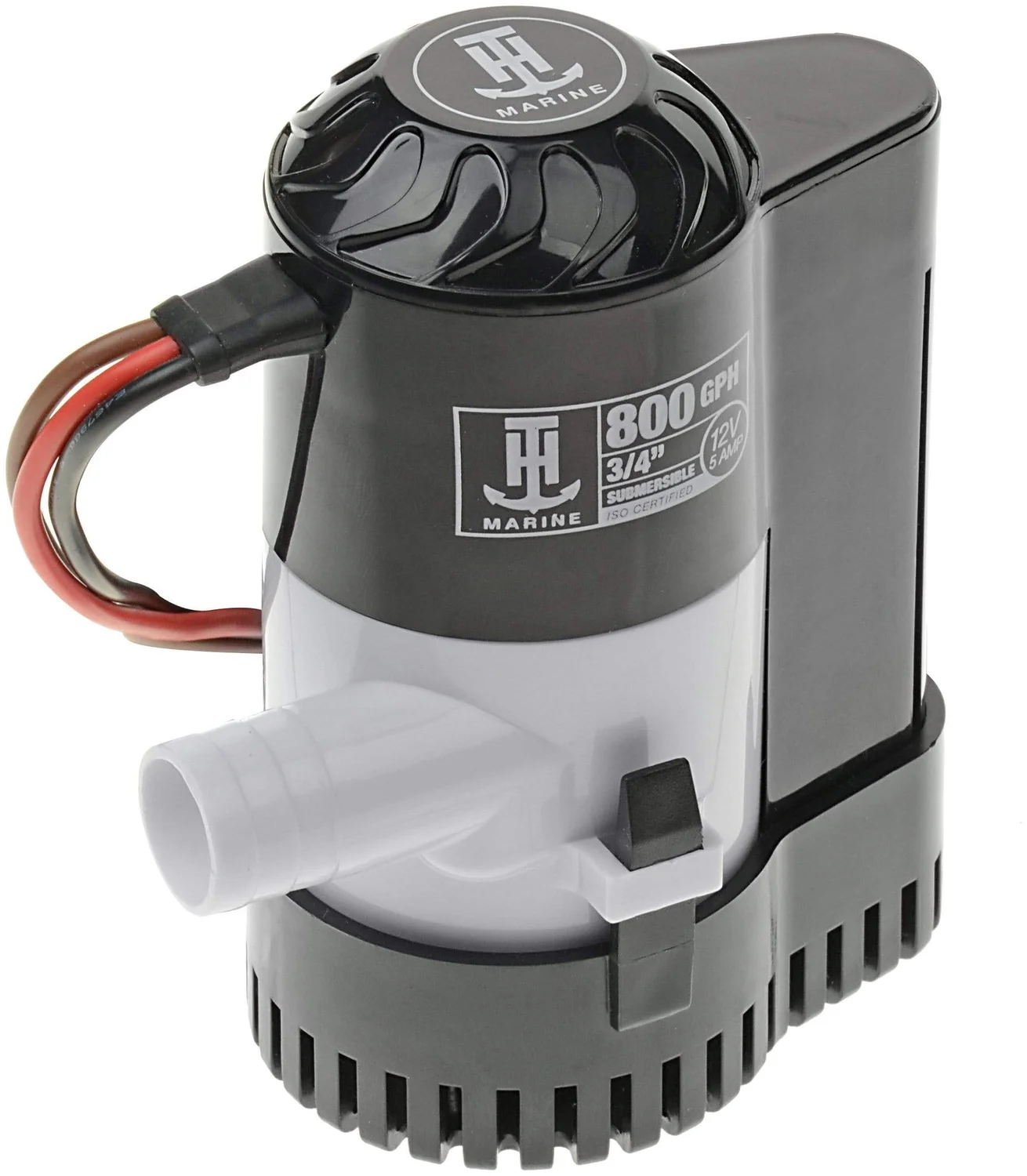
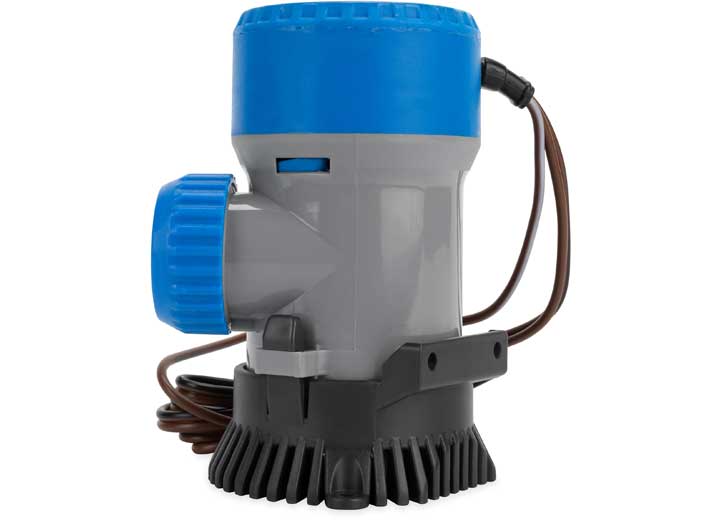
- Automatic bilge pumps have a built-in switch. Some use a float, some use an electronic water sensor, and some periodically pulse the motor to check for water. Examples include the Rule RuleMate and Rule LoPro Automatic, Johnson Pump Ultima and Aqua Void Combo pumps, and the Camco, Albin and T-H Marine automatic pumps. They are the simplest choice for a boat that sits at a dock or on a mooring.
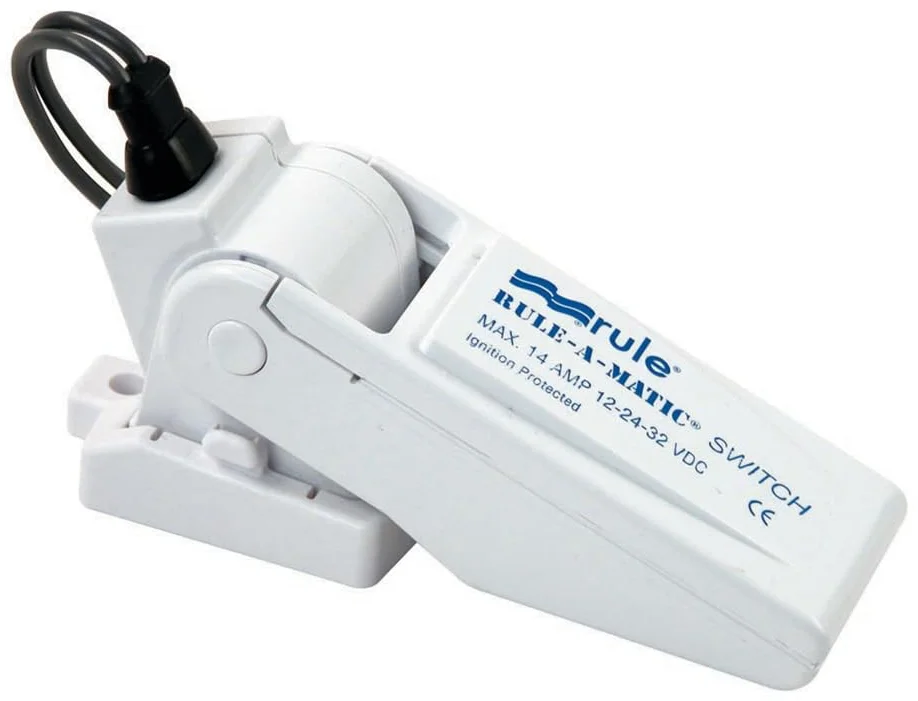
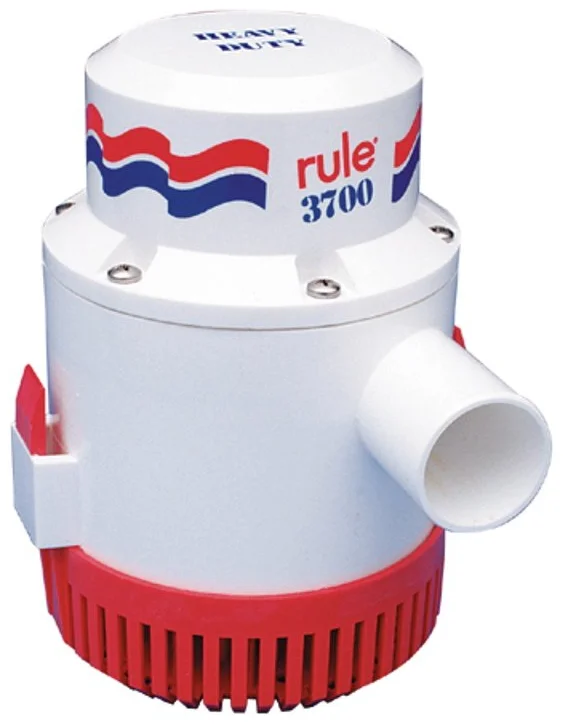
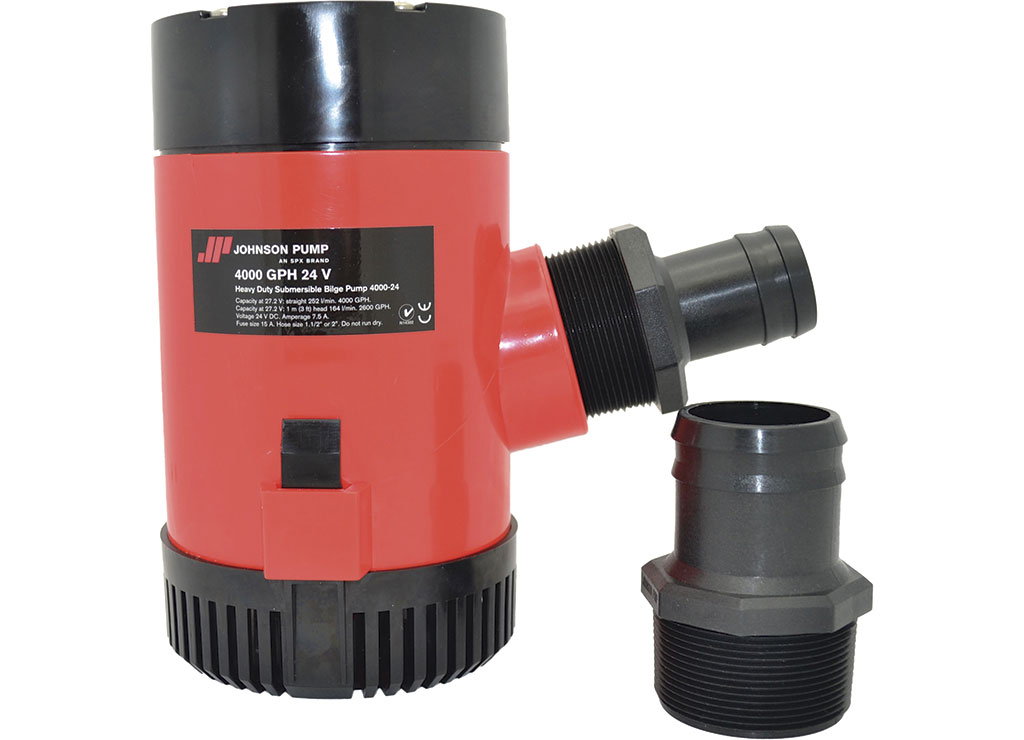
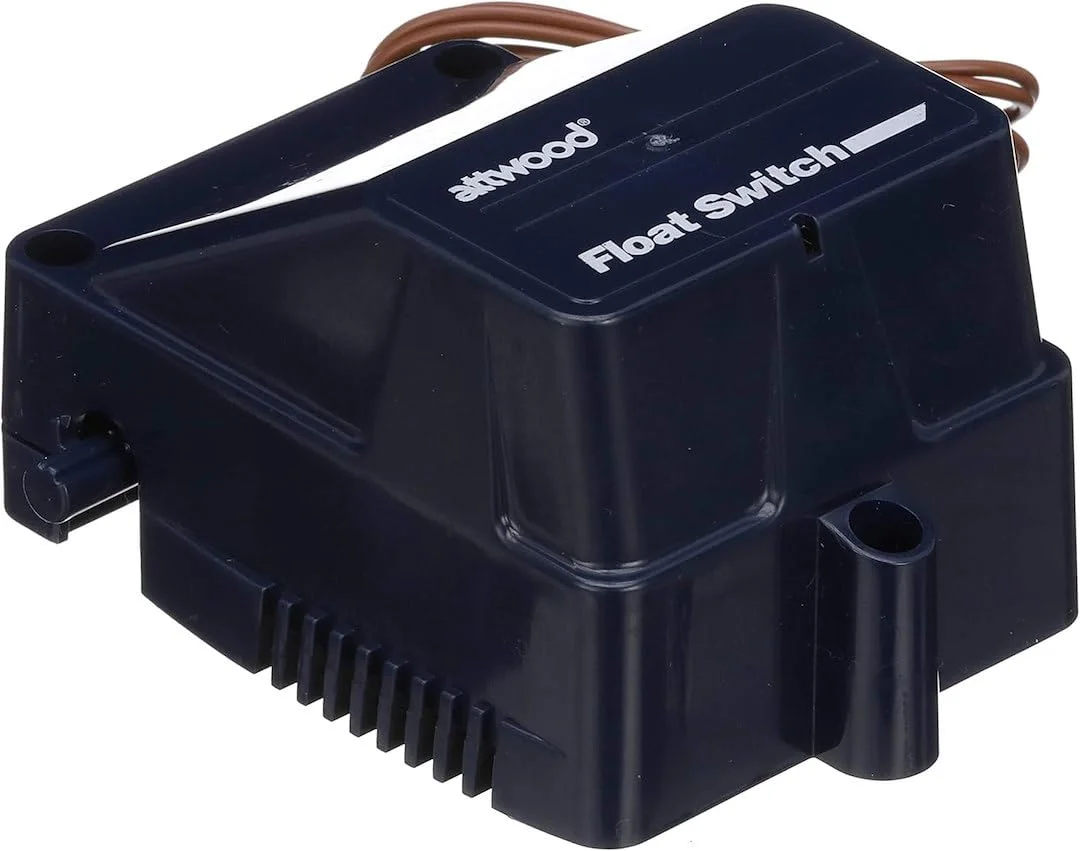
- Manual (non-automatic) bilge pumps run only when power reaches them. You wire them to a helm switch, a separate float switch, or both. Most of the high-capacity pumps, such as the Johnson Pump Heavy Duty models sold without a switch and the larger Rule pumps, come this way so you can choose your own switch.
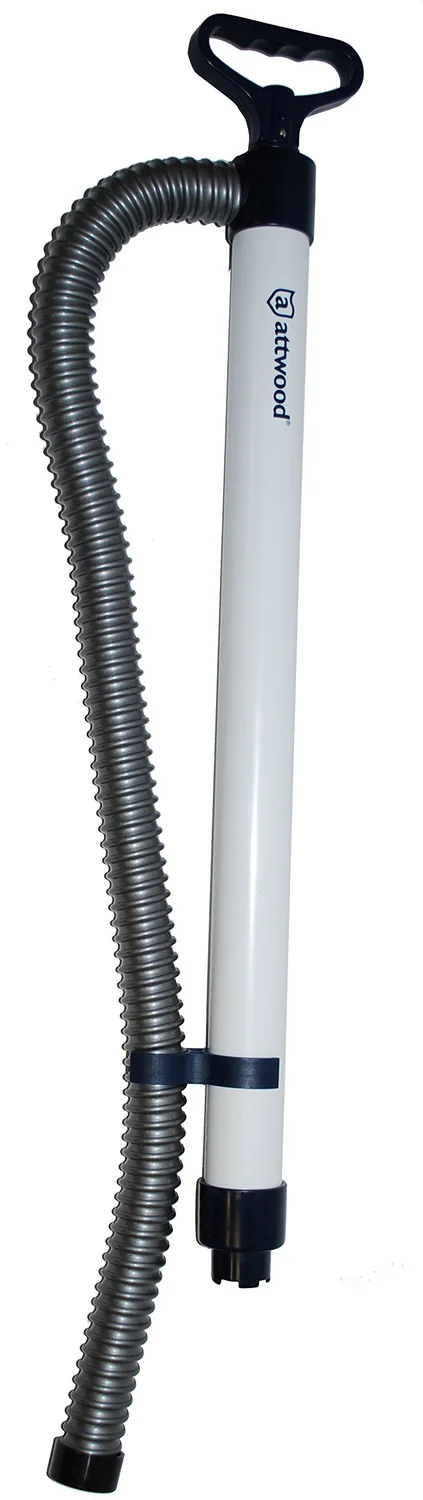
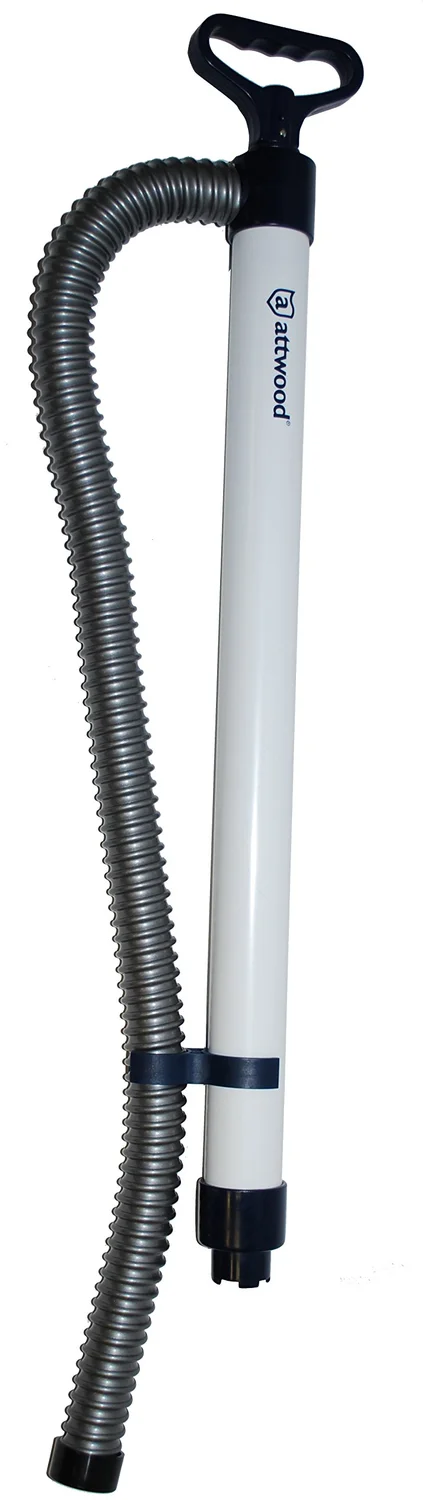
- Hand bilge pumps, like the Attwood hand pumps with hose, need no power at all. They are a smart backup on any boat and a primary pump on small craft without a battery.
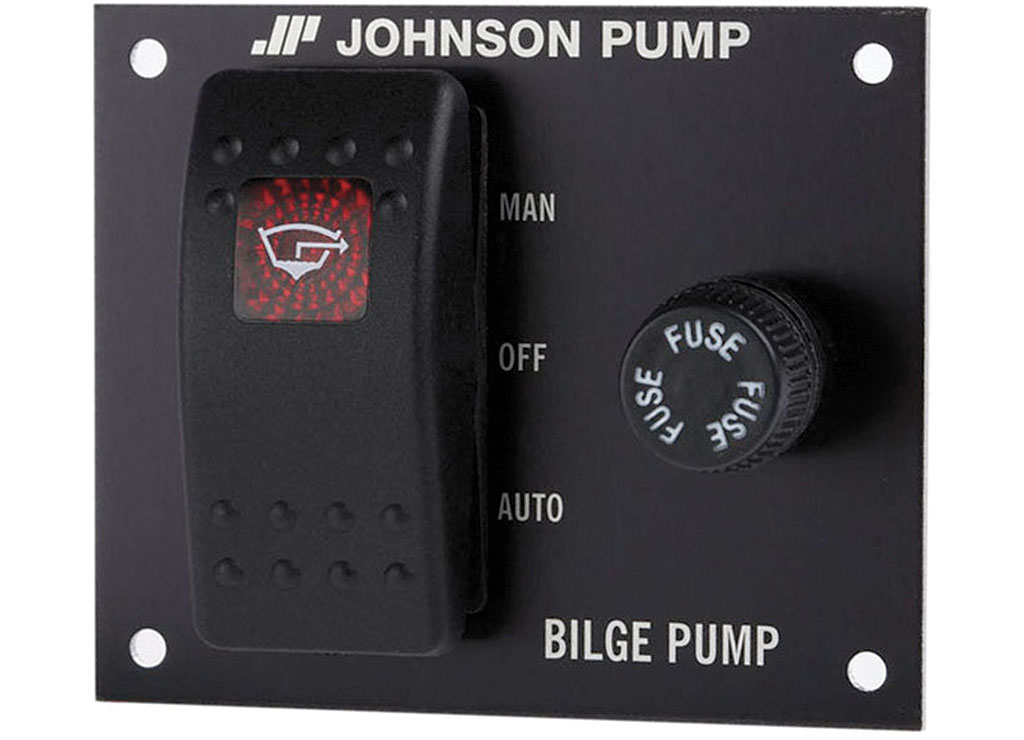
A common setup is a 3-way panel switch (off, manual, auto) at the helm feeding a pump with a float switch, so the pump runs on its own when you are away and can be forced on when you are aboard. Many owners also wire the automatic circuit so it stays powered when the main battery switch is off. Check your pump's instructions and follow ABYC-style wiring practice or have a marine electrician do it.
How to size a bilge pump (GPH)
Bilge pumps are rated in gallons per hour (GPH). That number is usually measured at zero lift with no hose restriction, so real output is lower once the water has to climb to the thru-hull, travel through hose and pass any bends or check valves. Low battery voltage reduces it further. As a rule, buy more pump than you think you need.
| Boat type | Typical primary pump | Common add-on |
|---|---|---|
| Kayak, jon boat, small skiff | 360 to 500 GPH, or a hand pump | Hand pump as backup |
| Bass and bay boats, runabouts up to about 20 ft | 500 to 1,100 GPH automatic | Hand pump, bilge blower on gas inboards |
| Center consoles and cruisers about 20 to 30 ft | 1,000 to 2,000 GPH | Second high-water pump mounted higher |
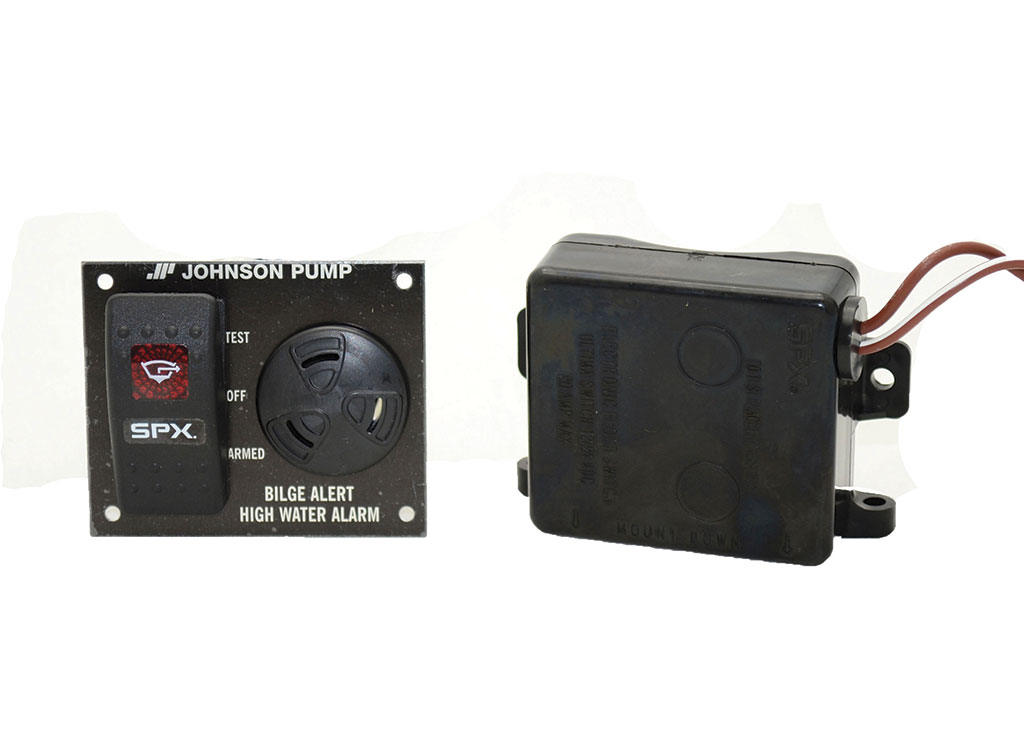
| Larger cruisers and boats with deep bilges | 2,000 to 4,000 GPH, often several pumps | High water alarm, multiple compartments pumped separately |
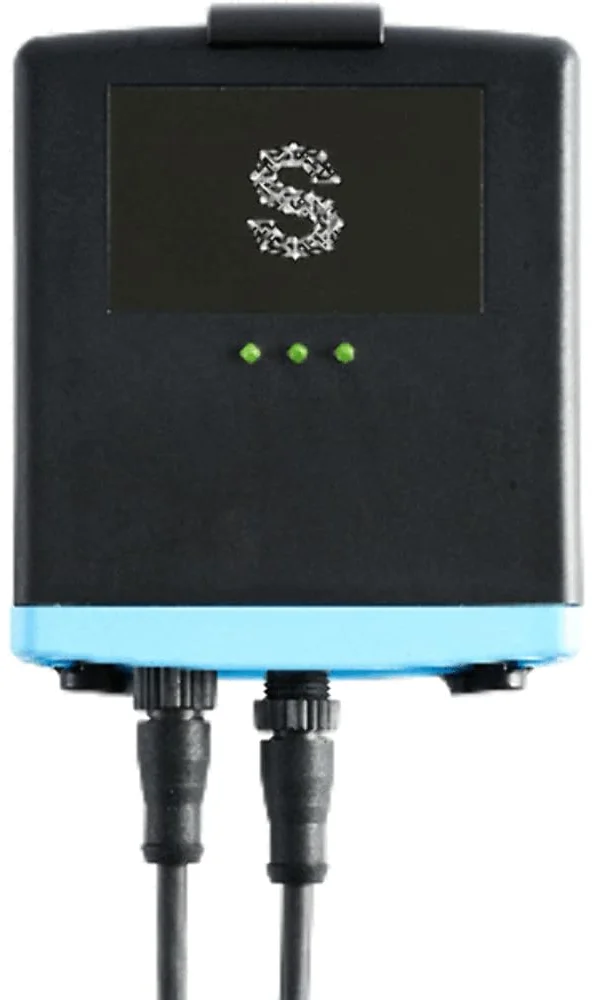
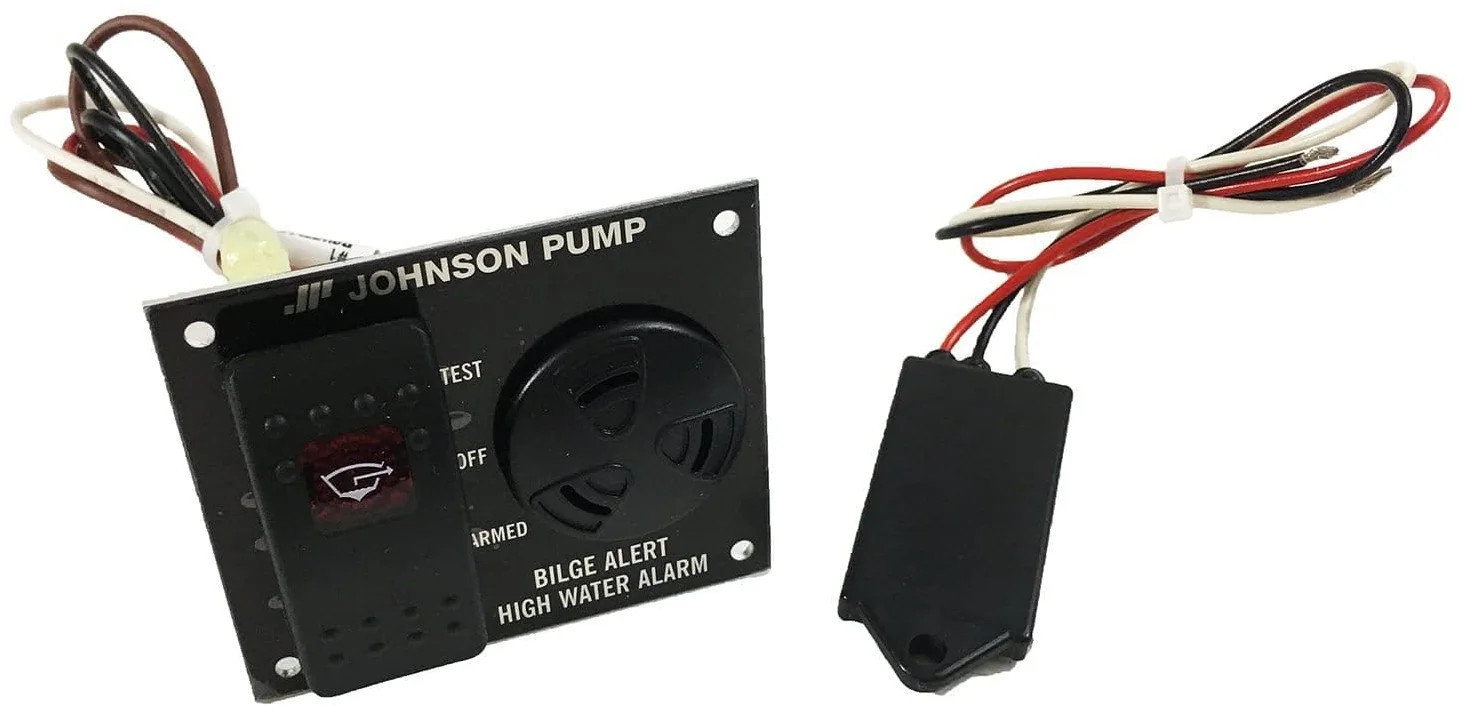
These ranges are a starting point, not a rule. Hull shape, how many separate compartments you have and the size of your largest thru-hull all matter. Many boats run two pumps: a small automatic pump at the very bottom for rainwater and drips, and a larger pump mounted a little higher that only kicks on if the water keeps rising. Adding a high water alarm or a monitor such as the Sensar Bilge Sentry tells you when that second pump is working.
Voltage, outlet size and installation tips
- Match the voltage. Most small and mid-size boats are 12V. Some larger boats run 24V systems, and several Rule and Johnson Pump models are offered in both, so check the label before you order.
- Match the hose to the outlet. Common outlet sizes are 3/4 inch, 1-1/8 inch and 1-1/2 inch. Use smooth-bore bilge hose of the same size and keep the run as short and straight as you can.
- Use a vented loop or high thru-hull. If the discharge is near the waterline, a loop above the waterline helps prevent water siphoning back in.
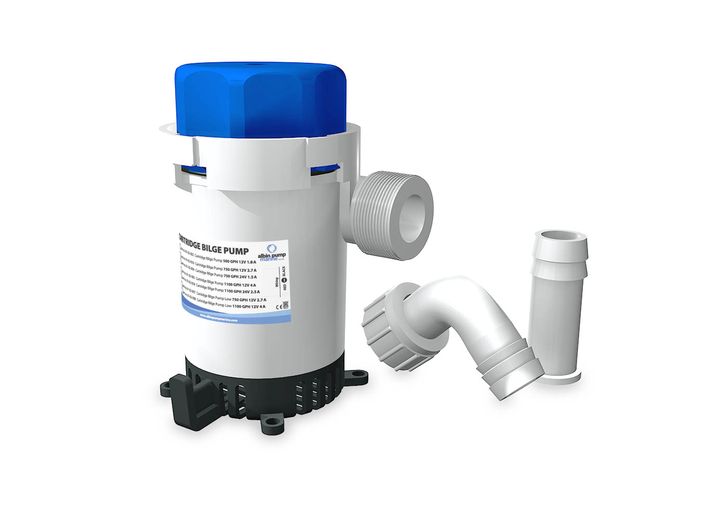
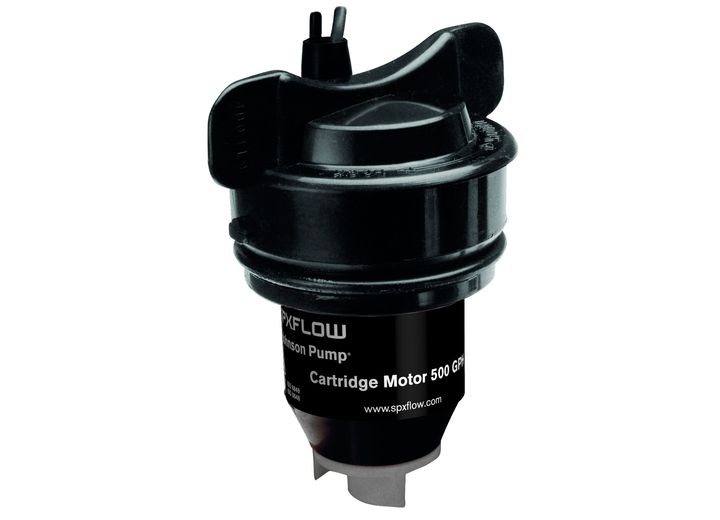
- Cartridge pumps are easy to service. Many Rule, Johnson Pump, Albin and Attwood pumps use a replaceable motor cartridge that twists off the base, so you can swap the motor without rewiring.
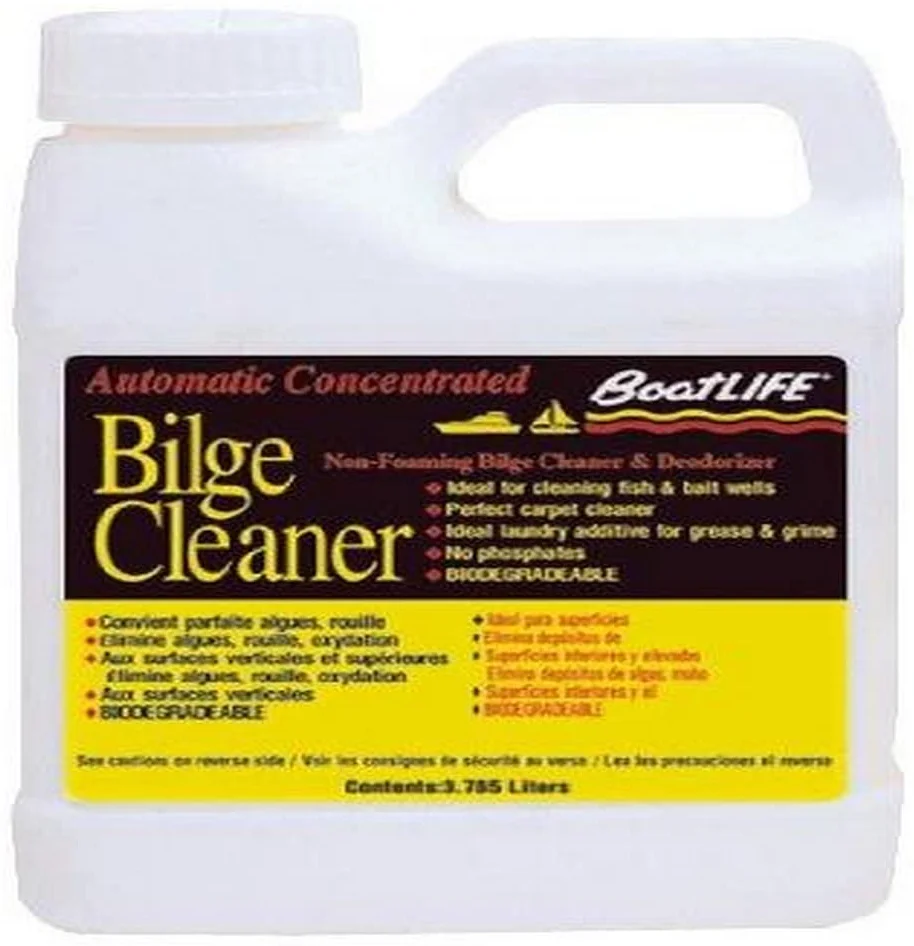
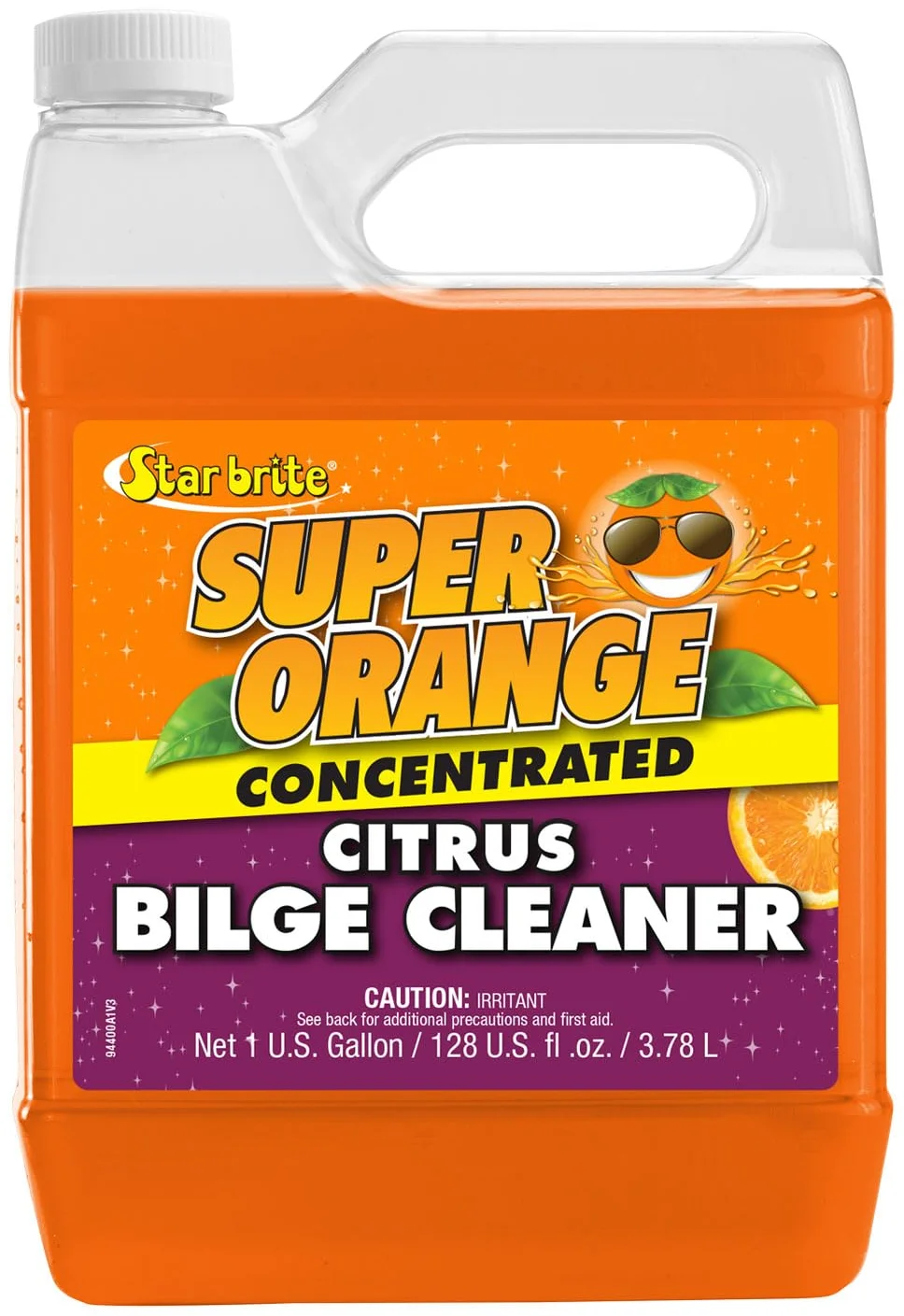
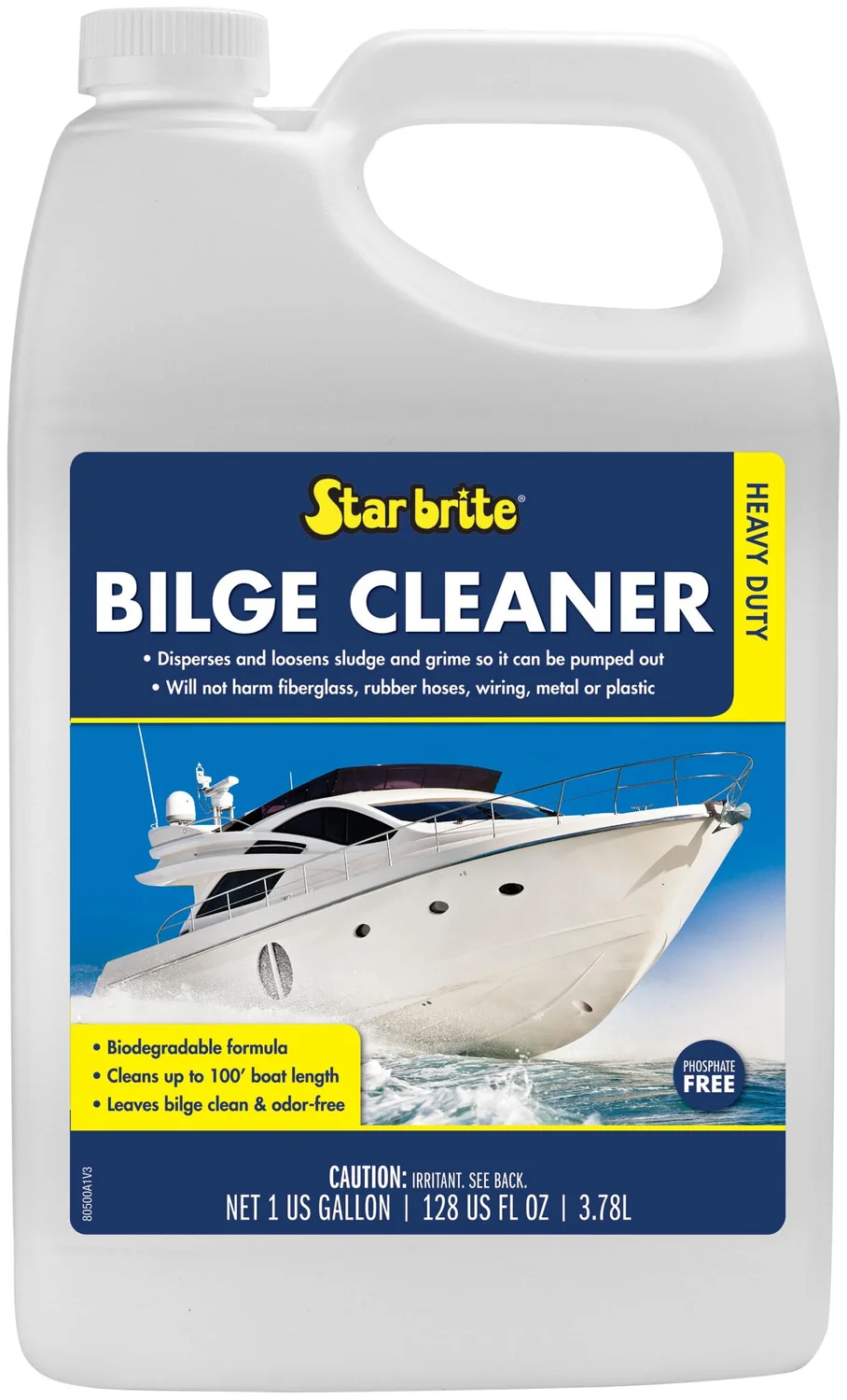
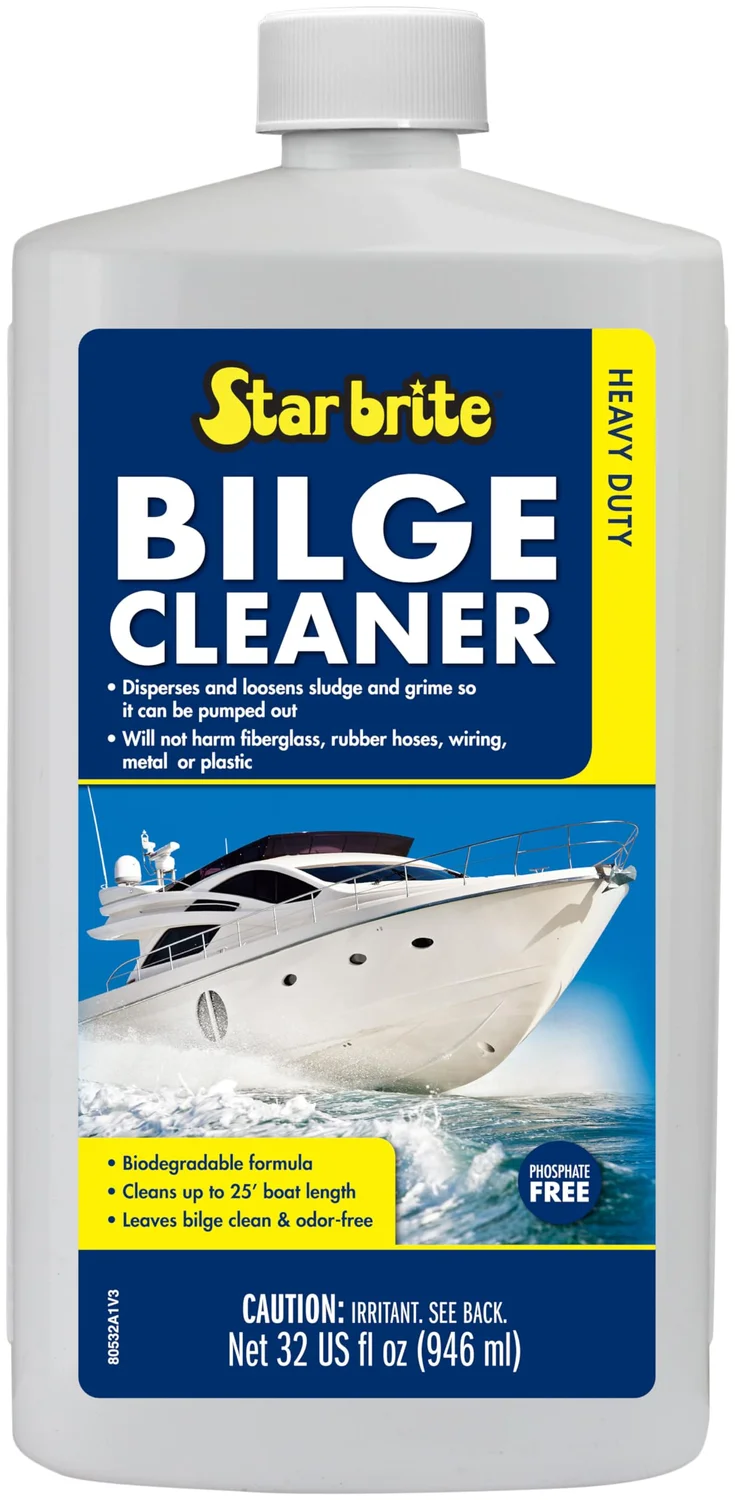
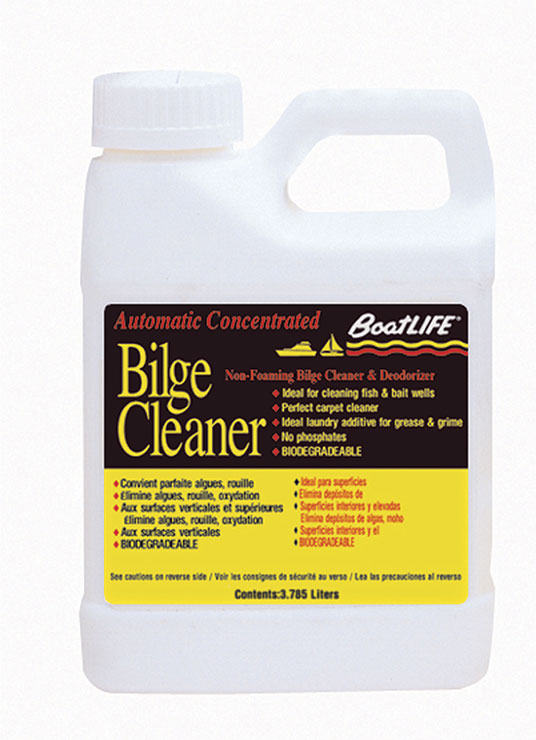
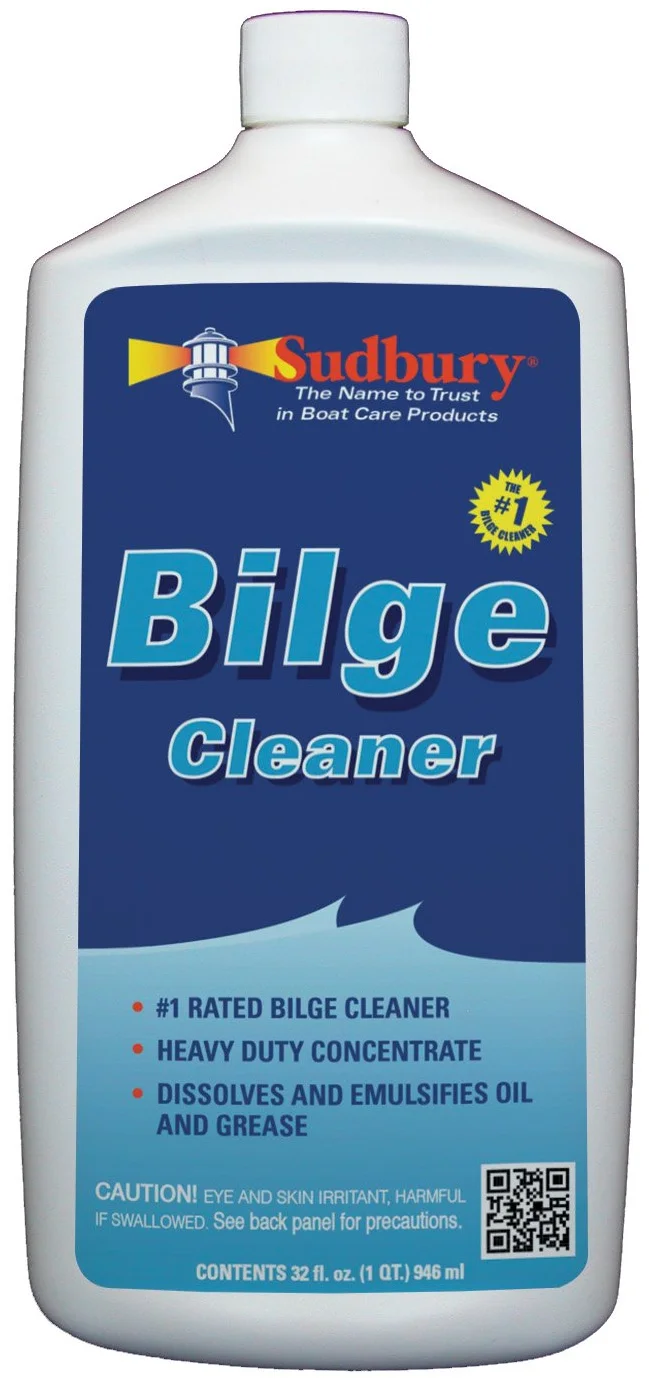
- Keep the bilge clean. Debris jams impellers and floats. A bilge cleaner from Star Brite, Life Industries or Sudbury cuts oil and grime. Follow local rules on discharging oily water.
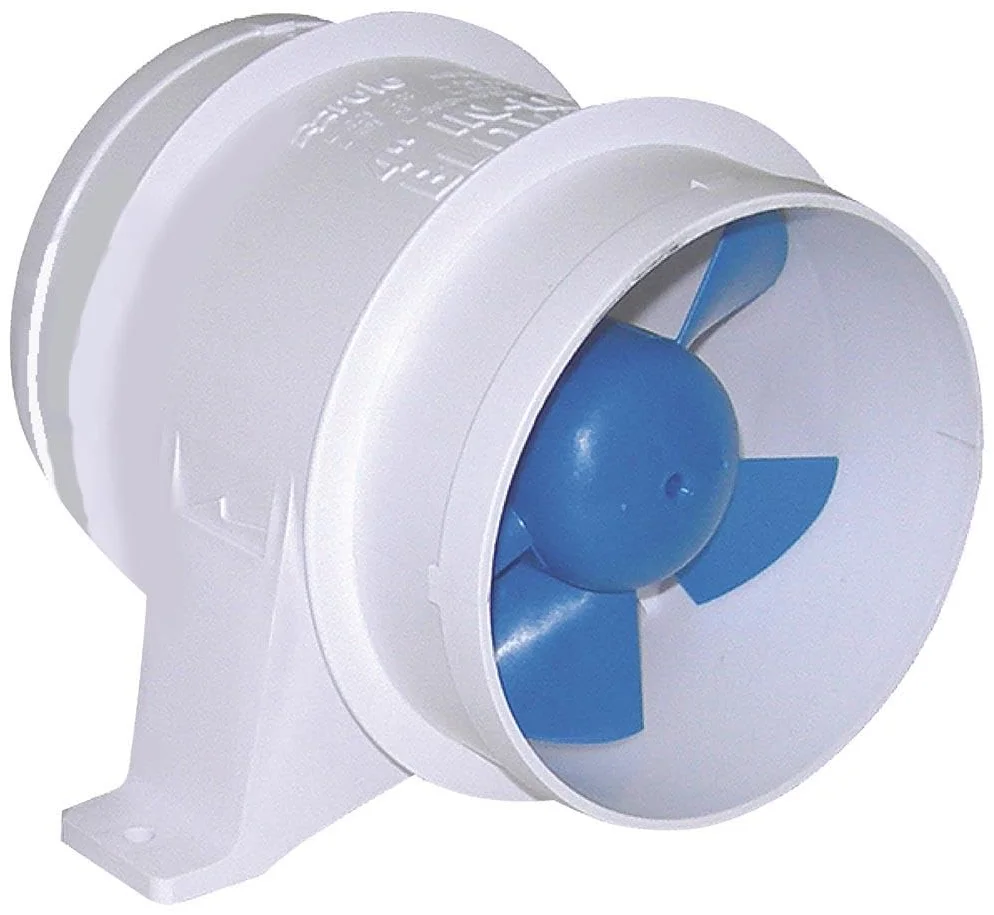
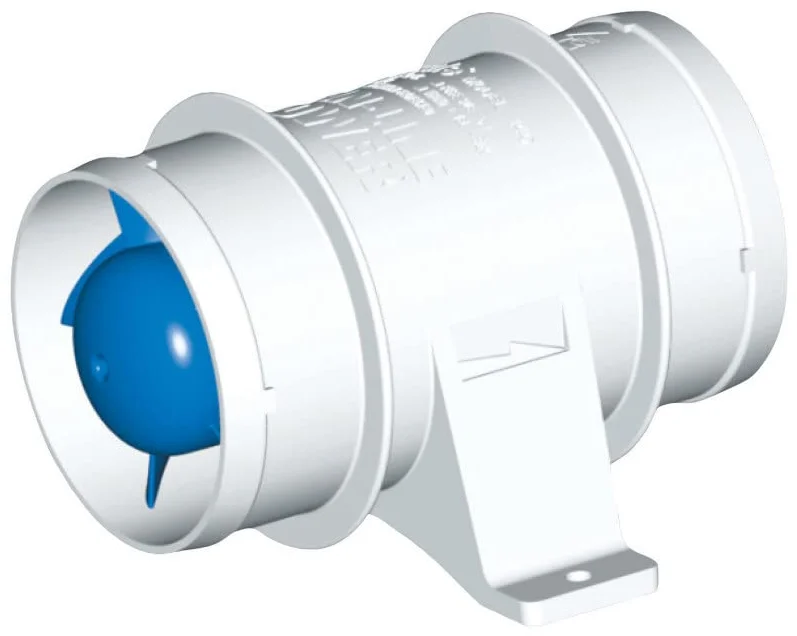
- Ventilate gas engine compartments. Boats with enclosed gasoline engines generally need a bilge blower run before starting. Rule and Seaflo blowers are listed below. Follow your boat builder and Coast Guard requirements.
Test your pumps regularly by lifting the float or adding water, and check your battery. A pump is only as good as the power behind it, so see our marine battery chargers guide if your boat lives on a dock.
Bilge pump brands we stock
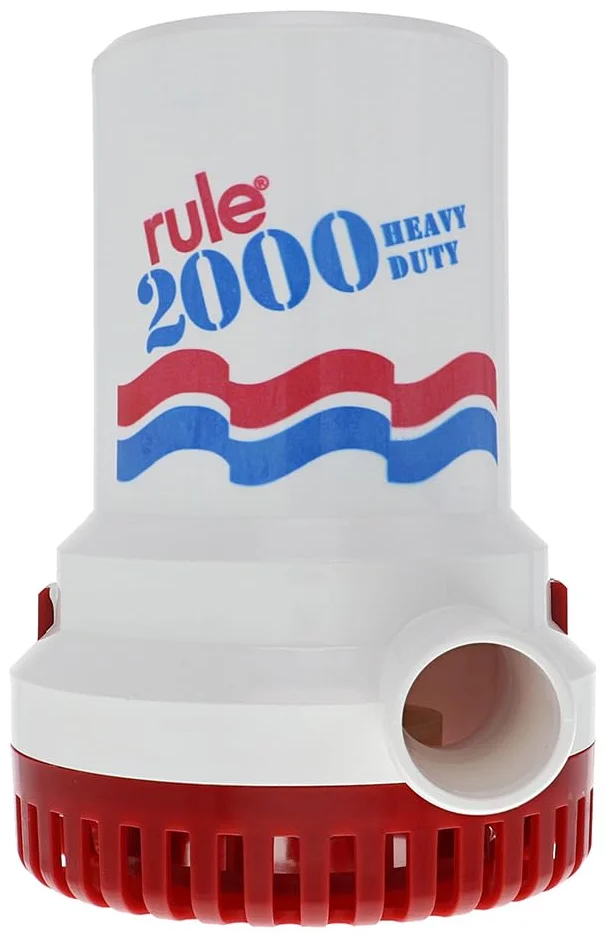
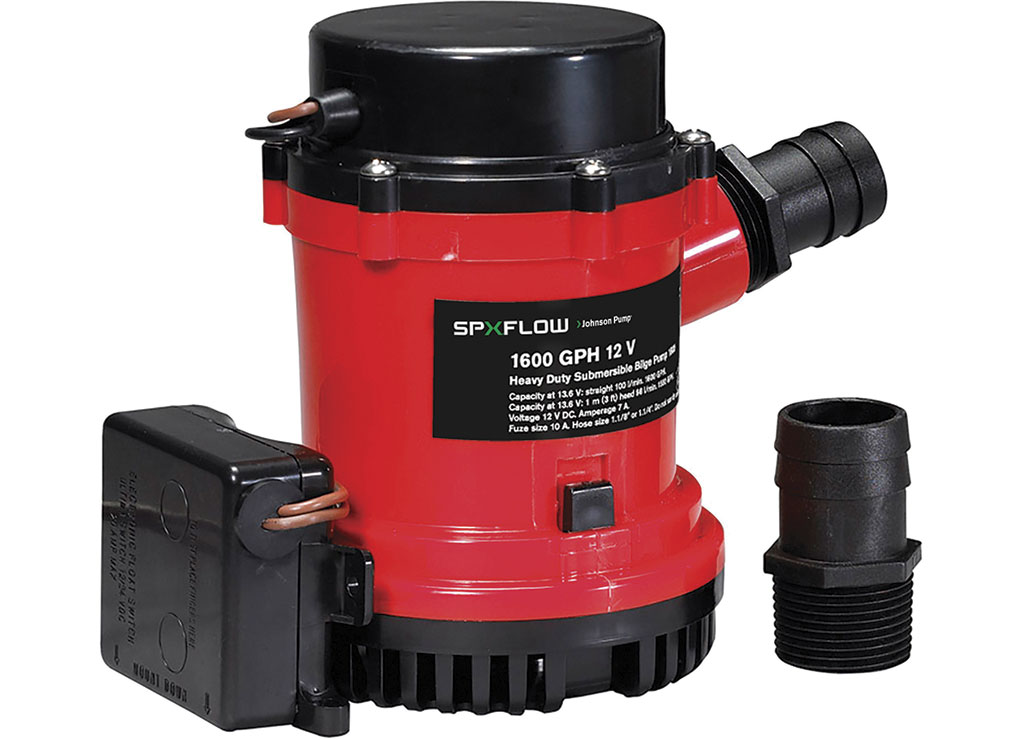
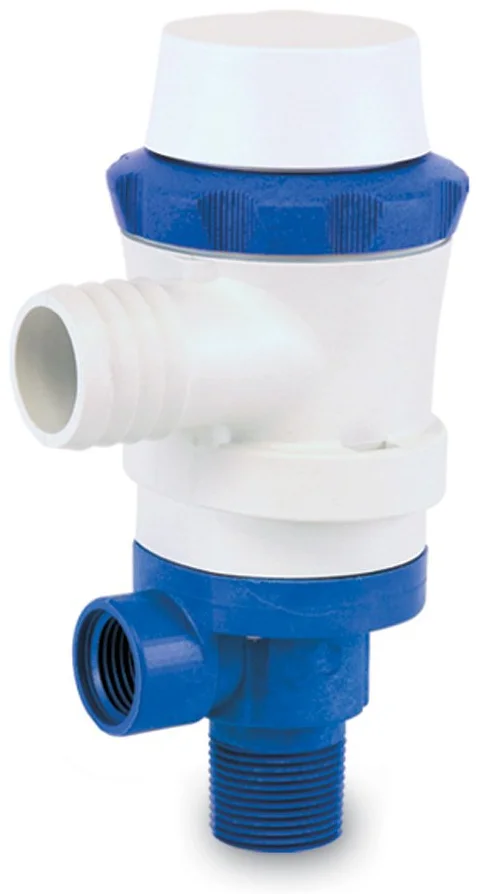
Rule is one of the best known names in bilge pumps, with the RuleMate and LoPro automatic pumps, Gold Series and 2,000 to 3,700 GPH high-capacity pumps. Johnson Pump covers everything from Aqua Void and Ultima compact pumps to Heavy Duty pumps up to 4,000 GPH, sold with or without switches. Albin, Attwood and Seaflo offer good-value cartridge and submersible pumps, and Whale and Shurflo round out the list. For more boat gear see our dock and boat accessories guide.