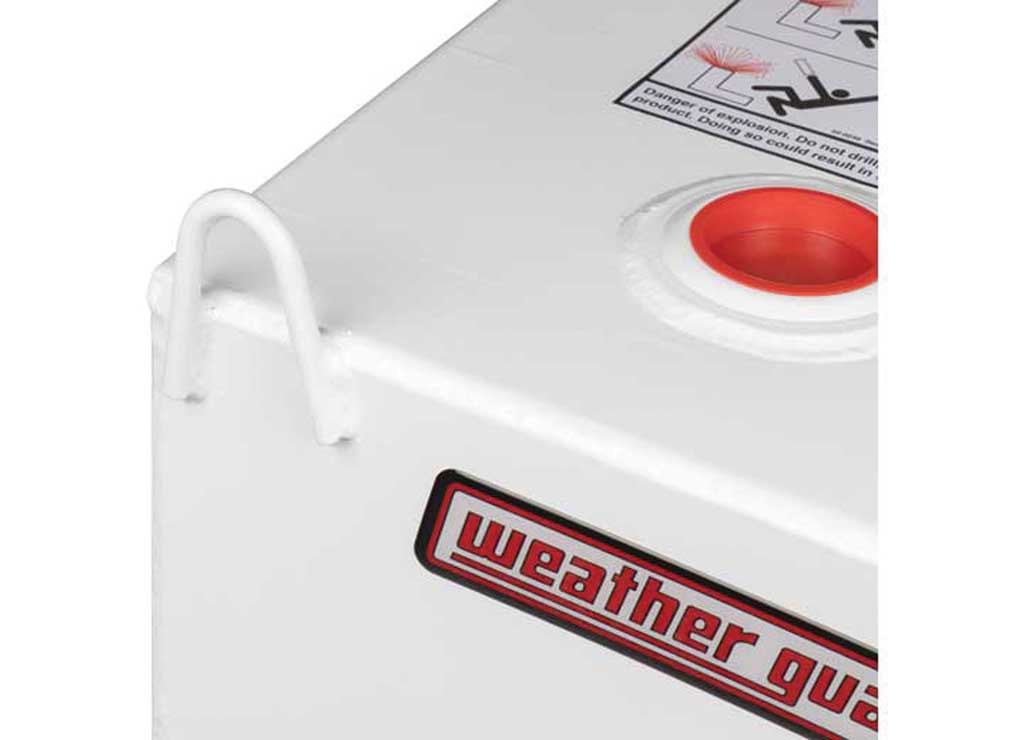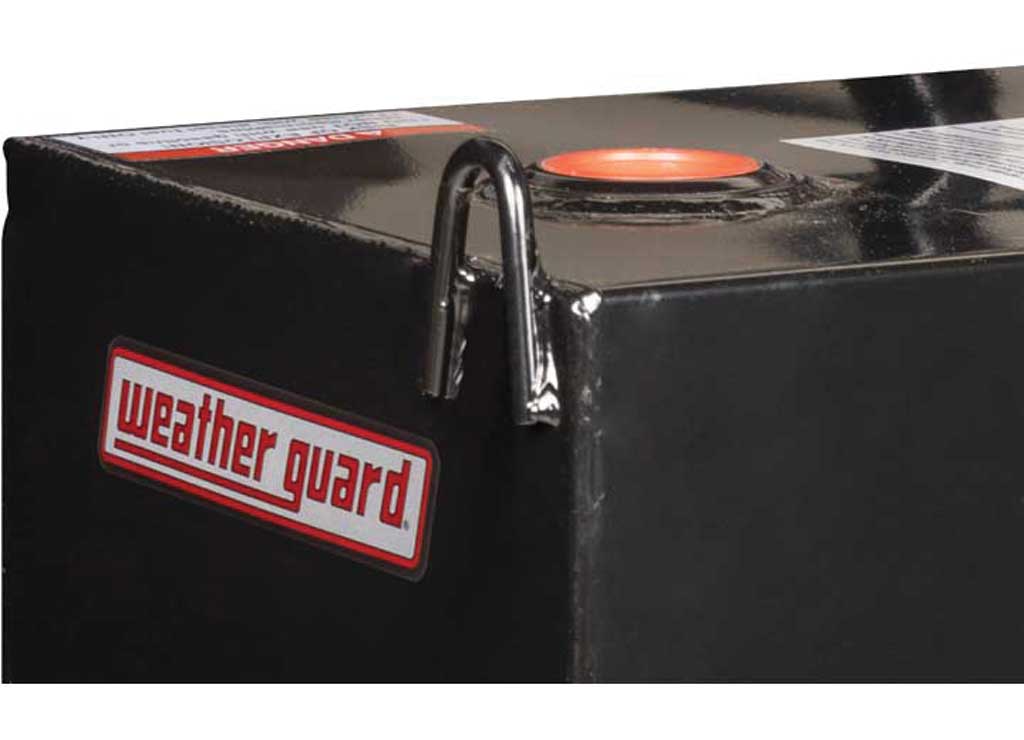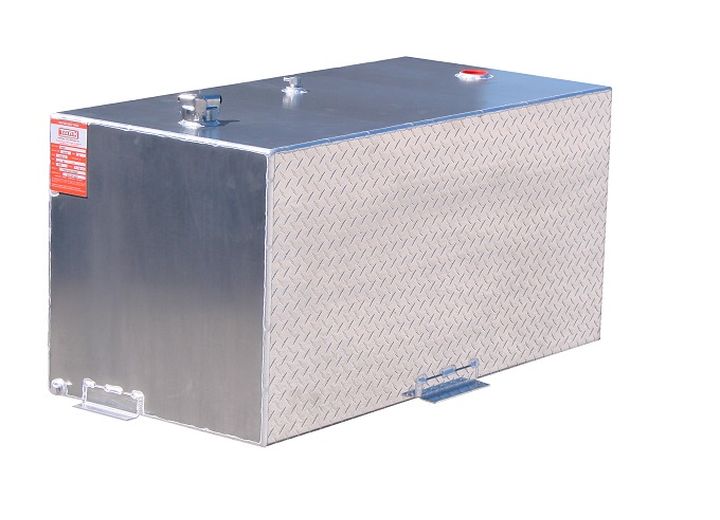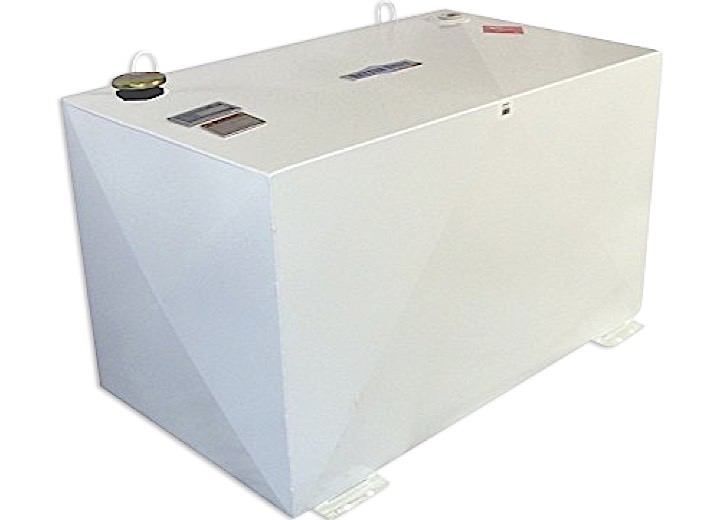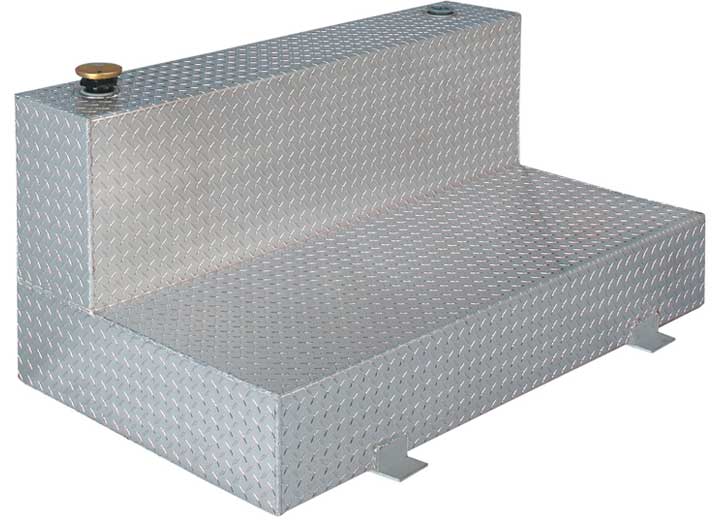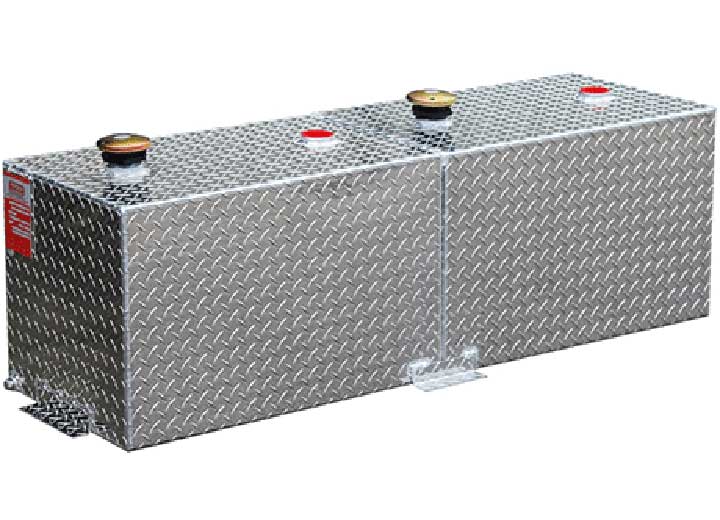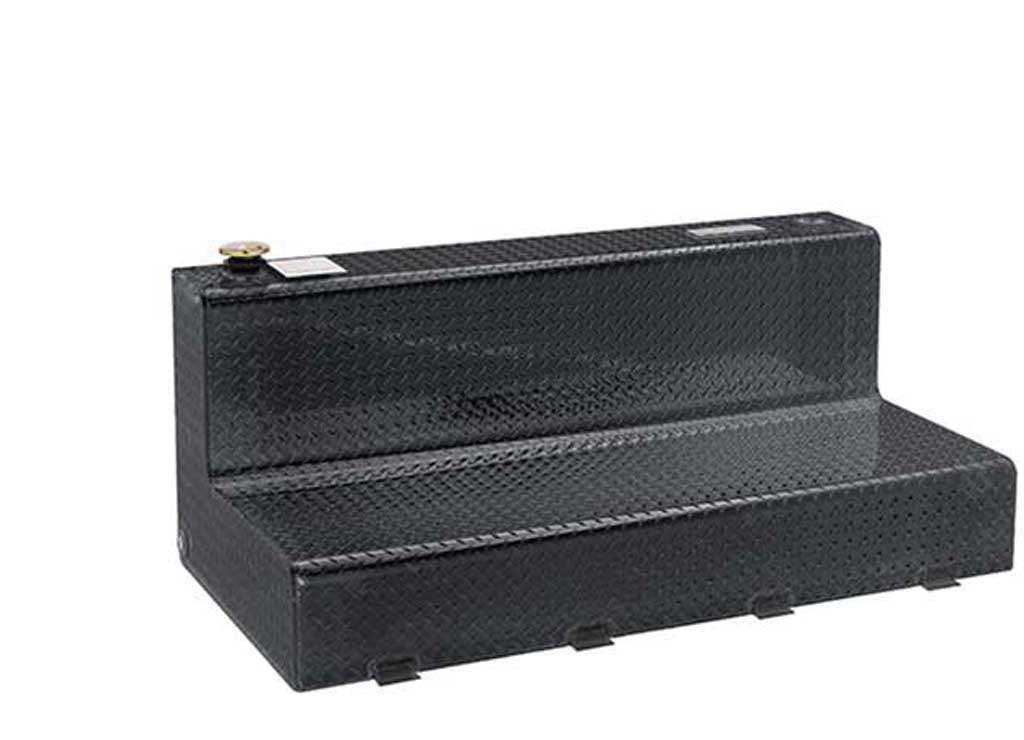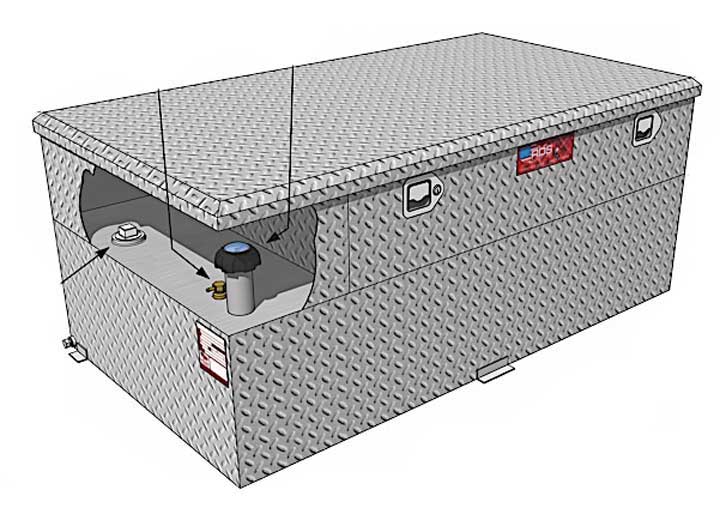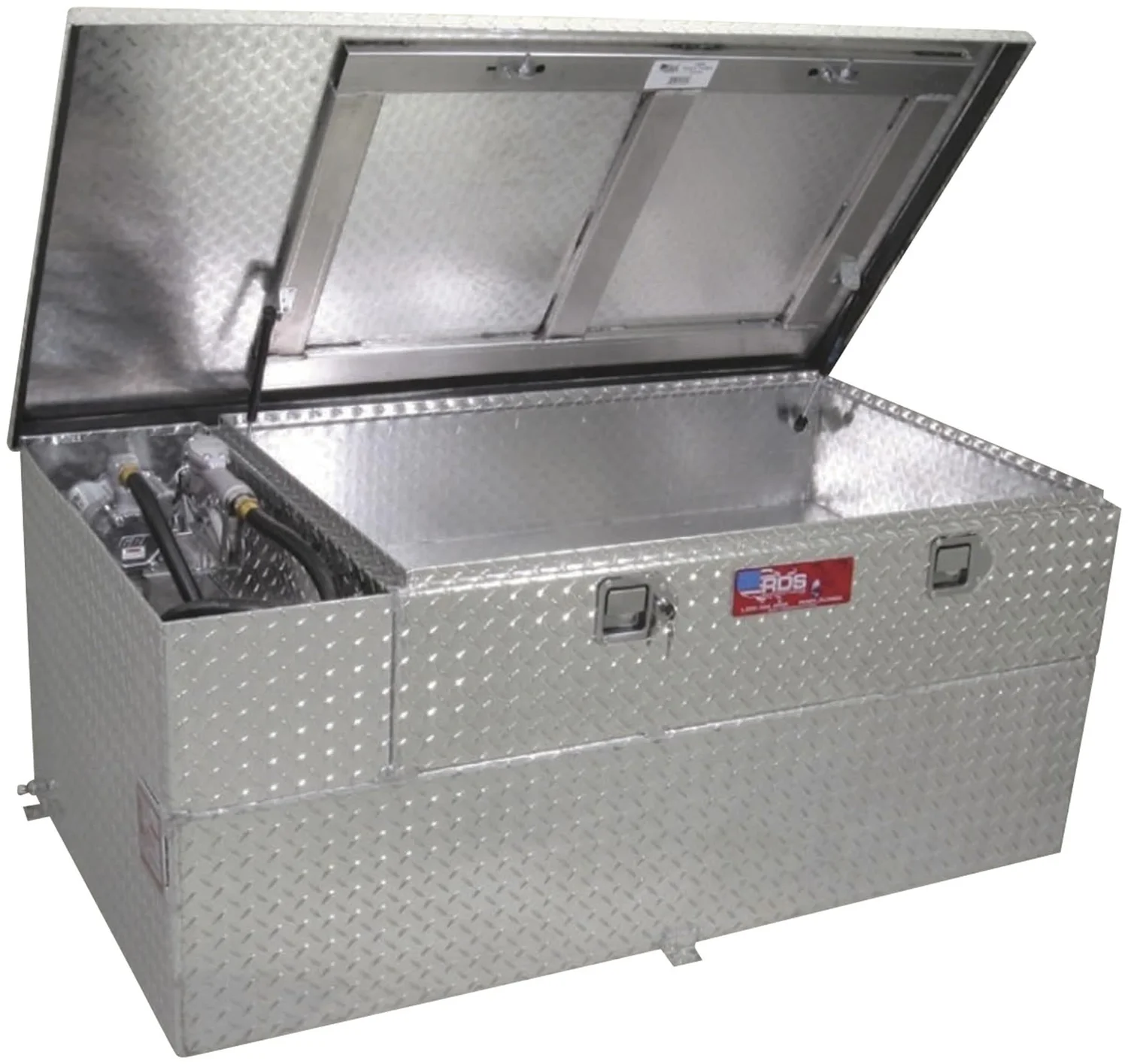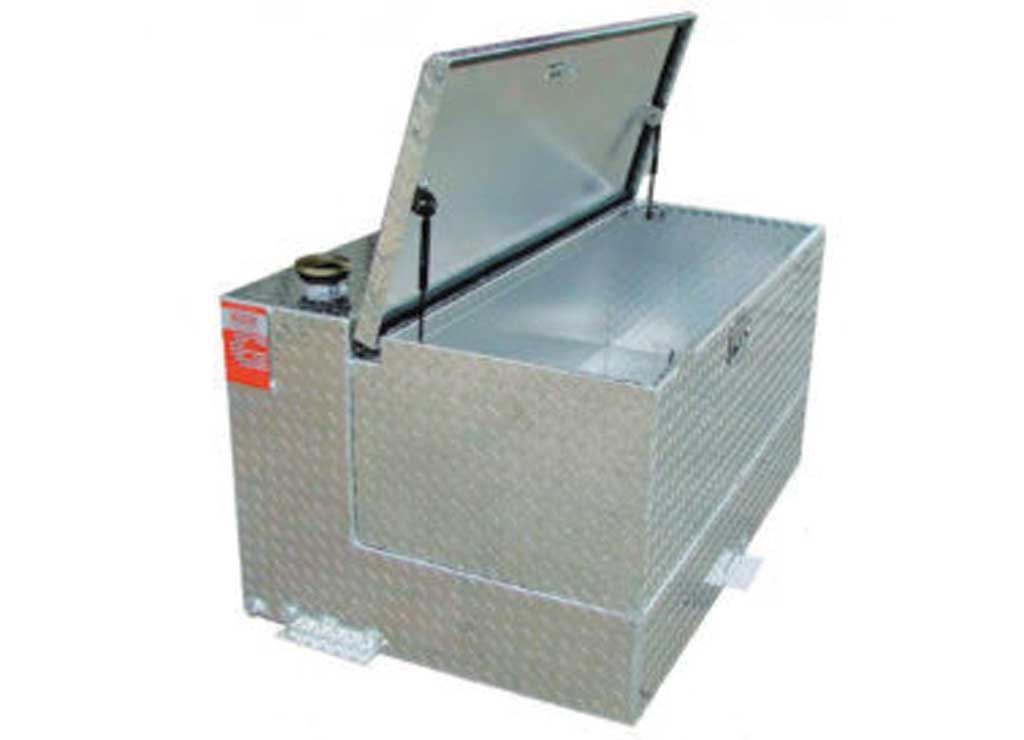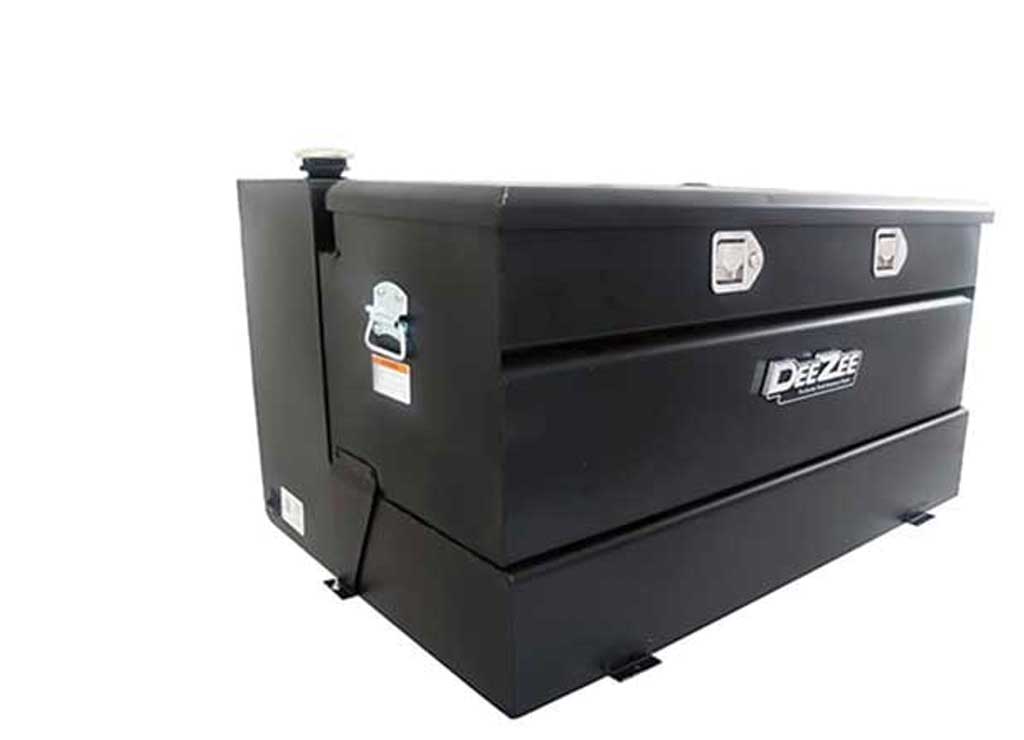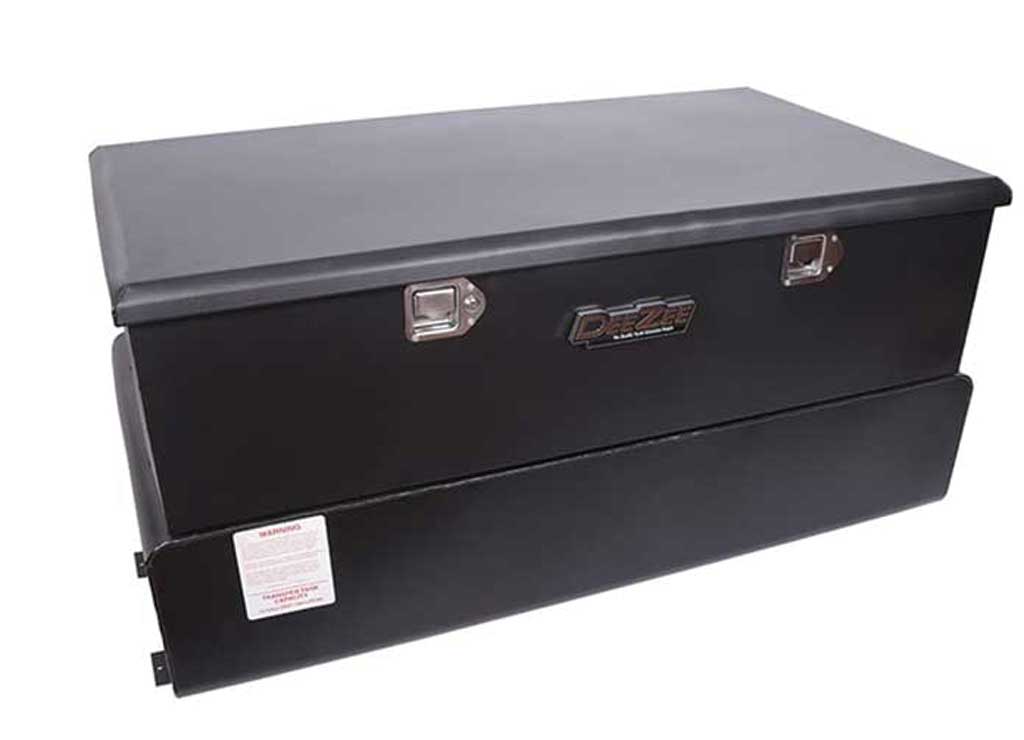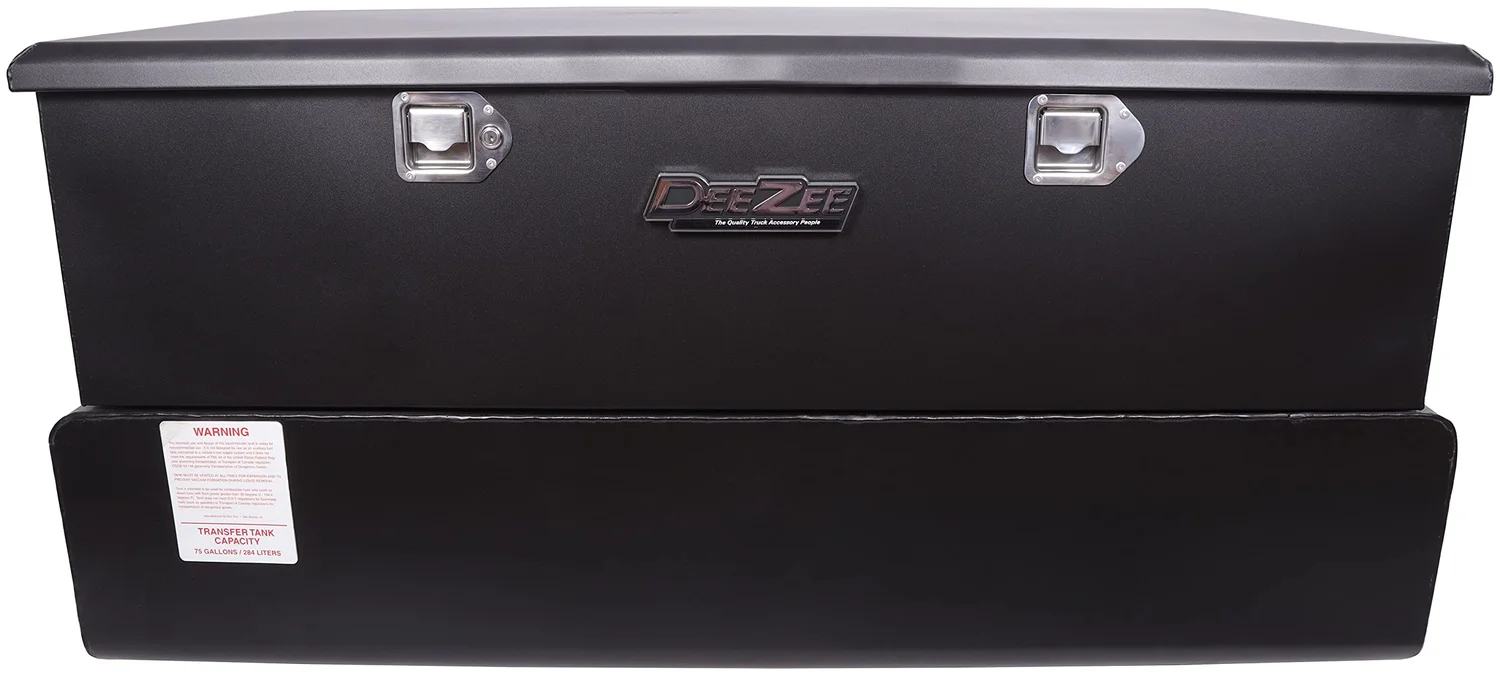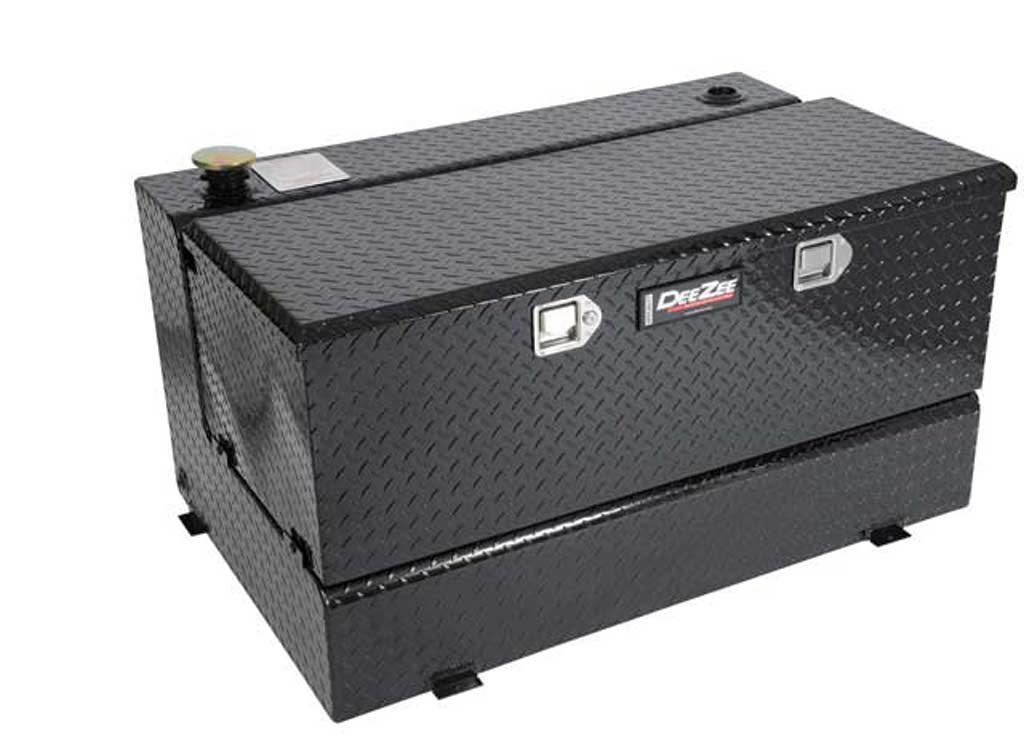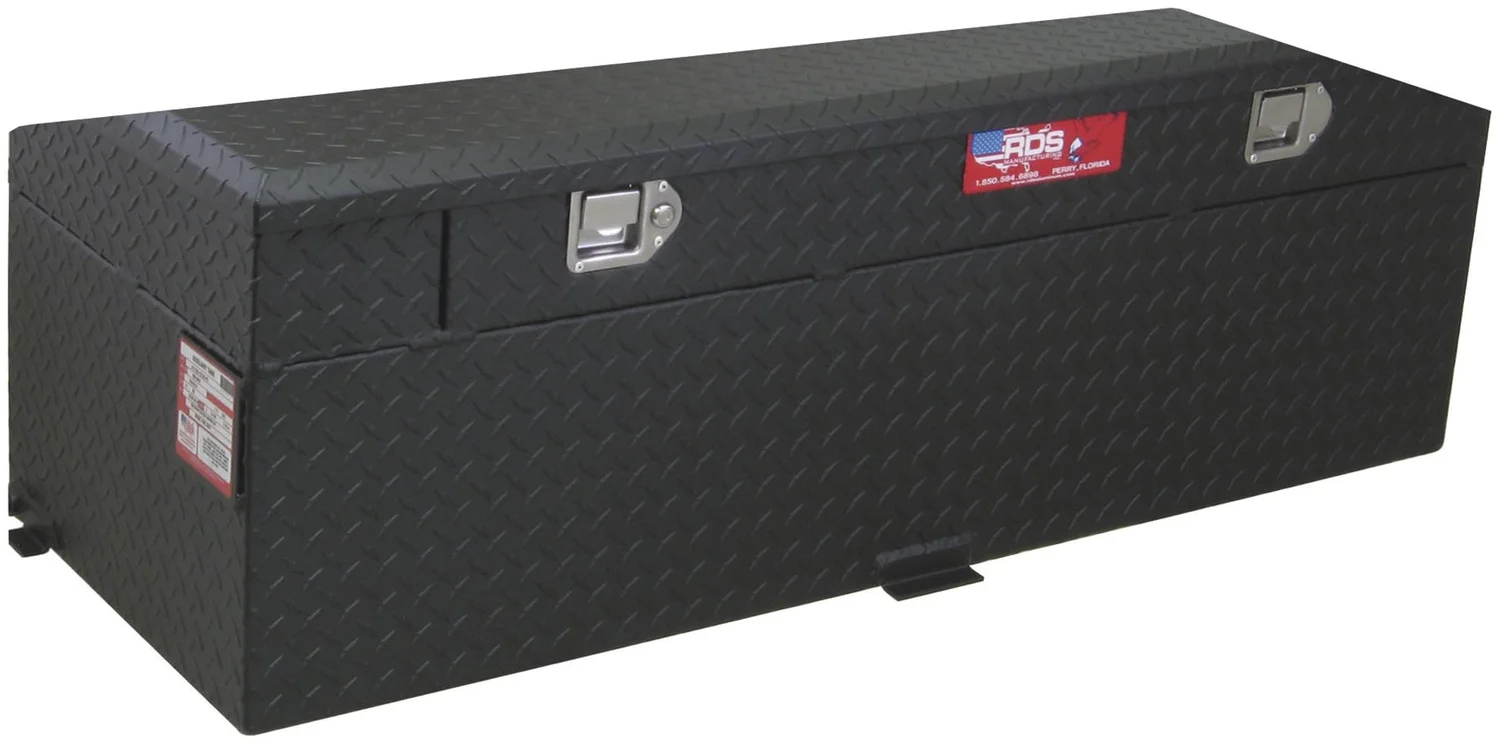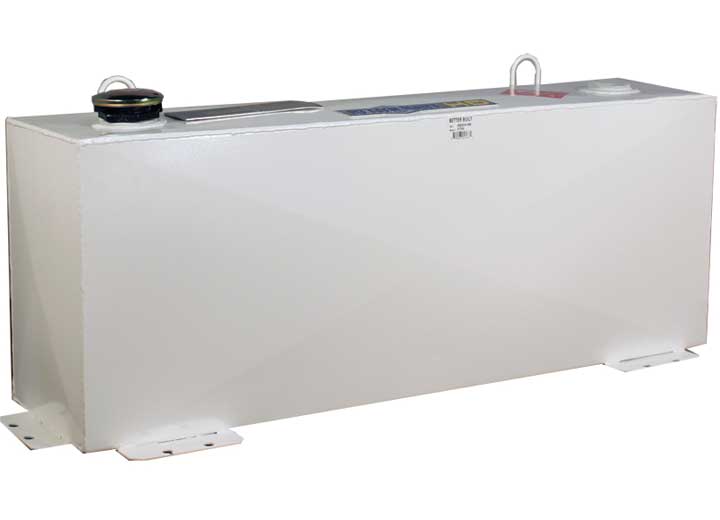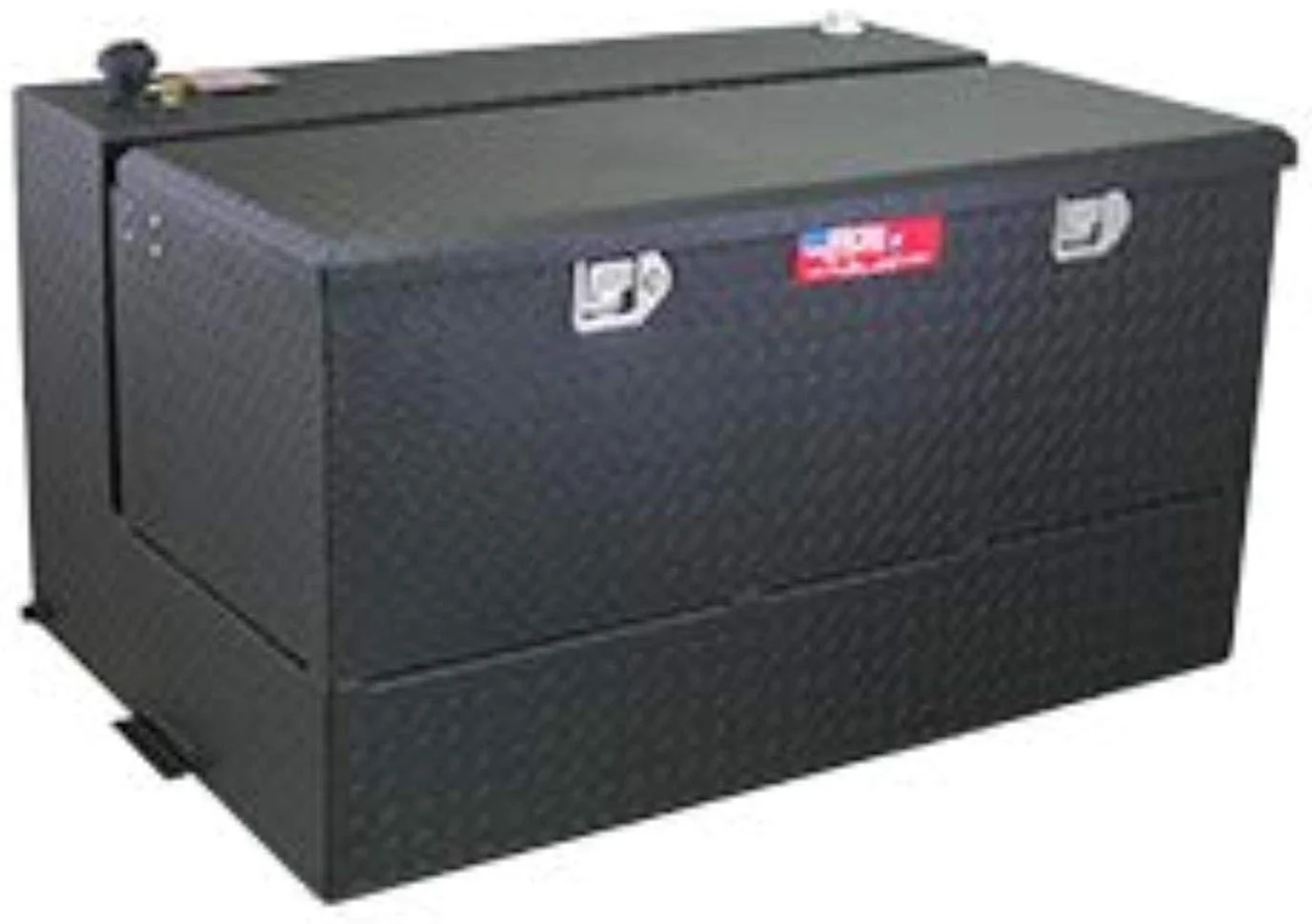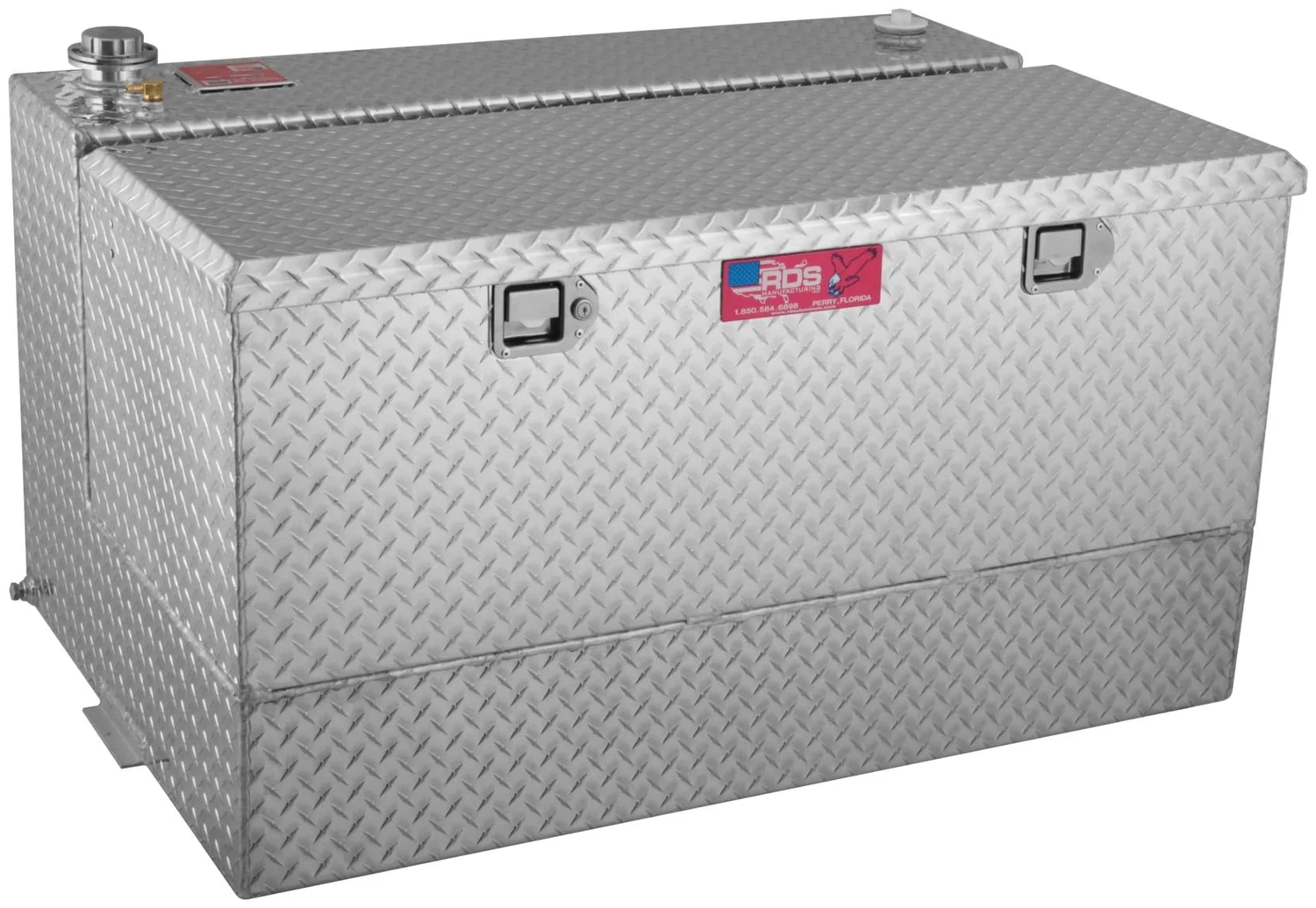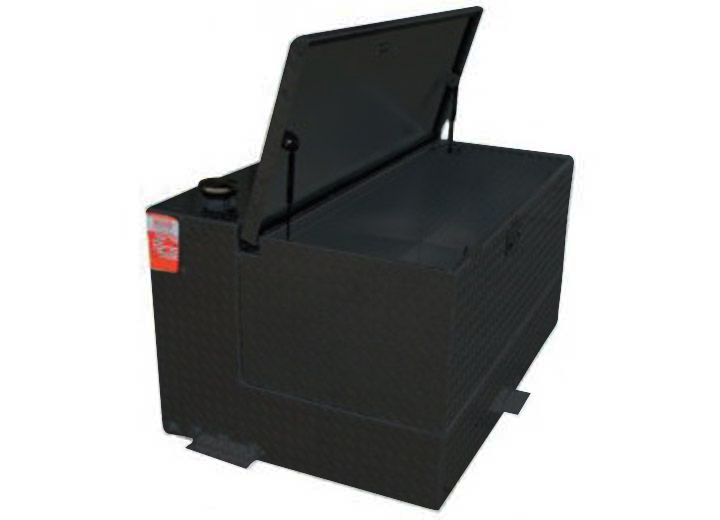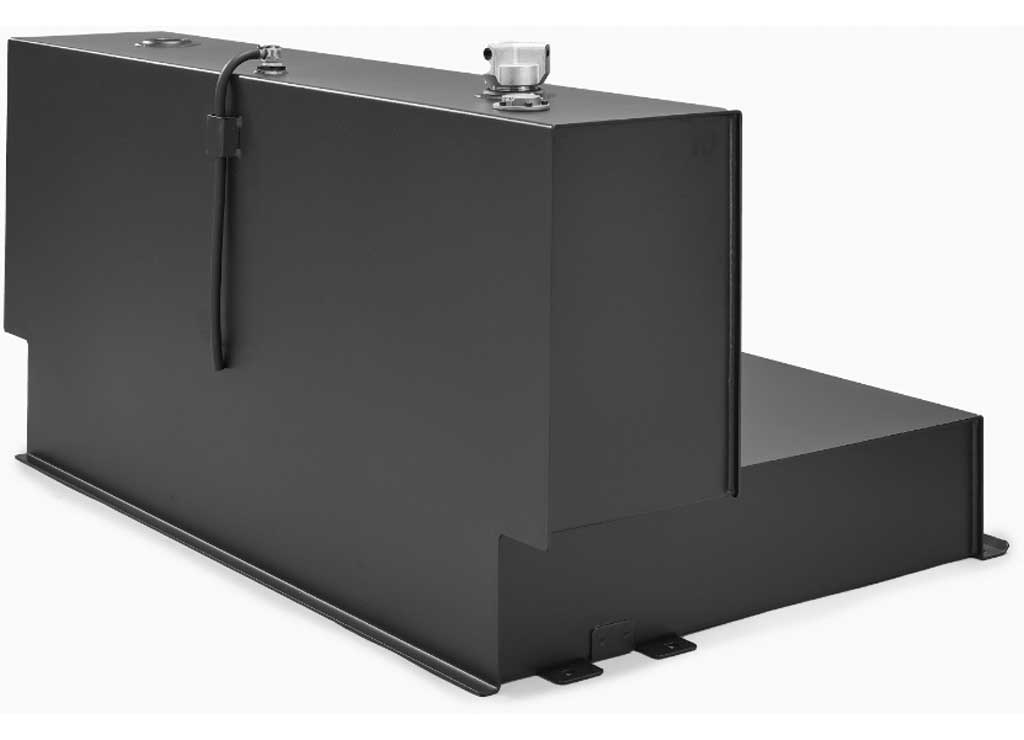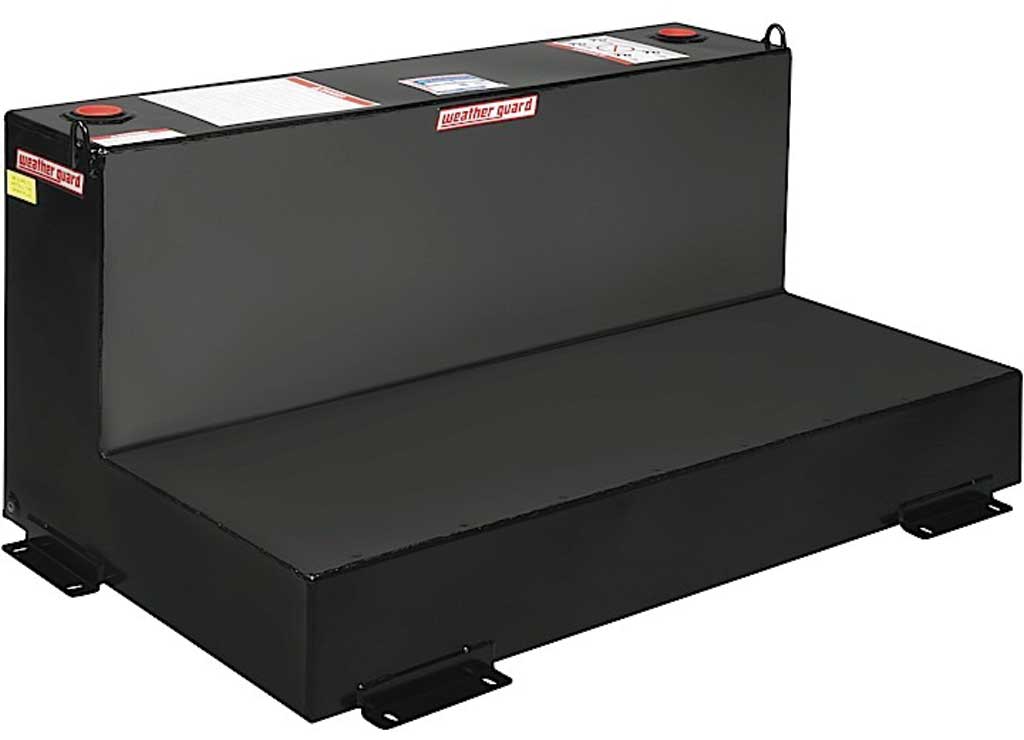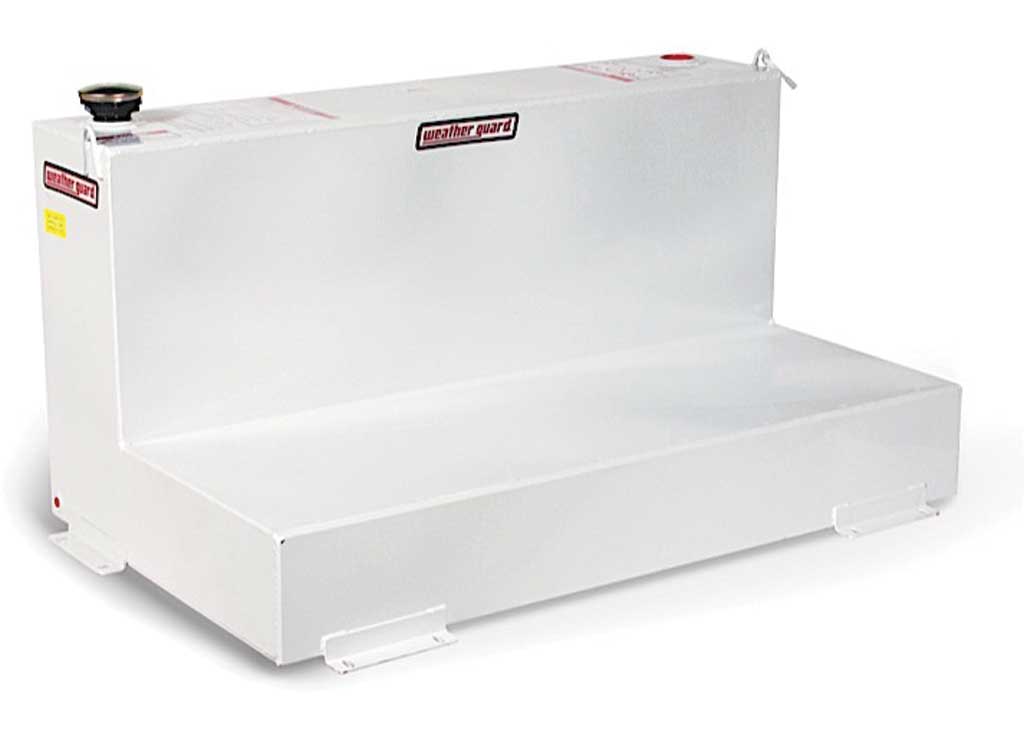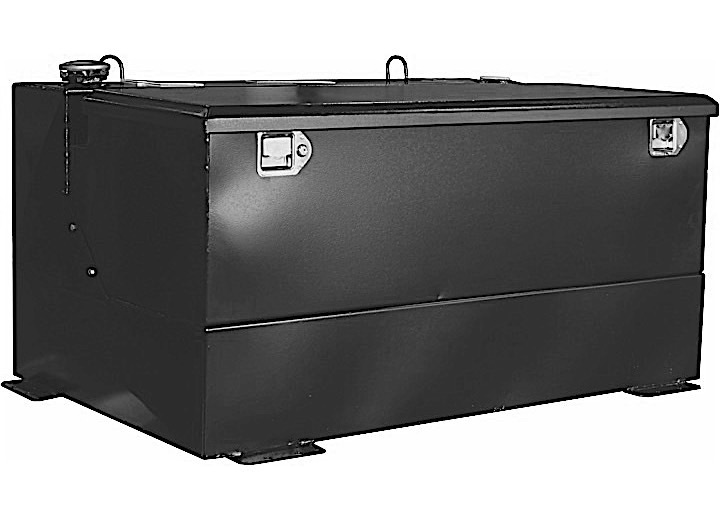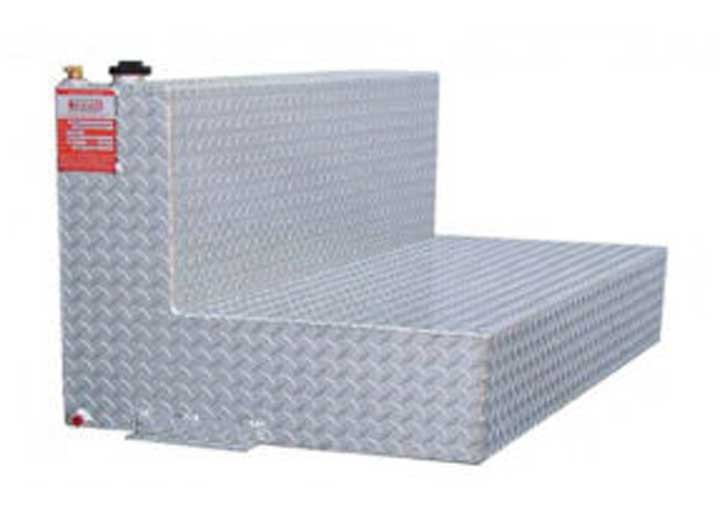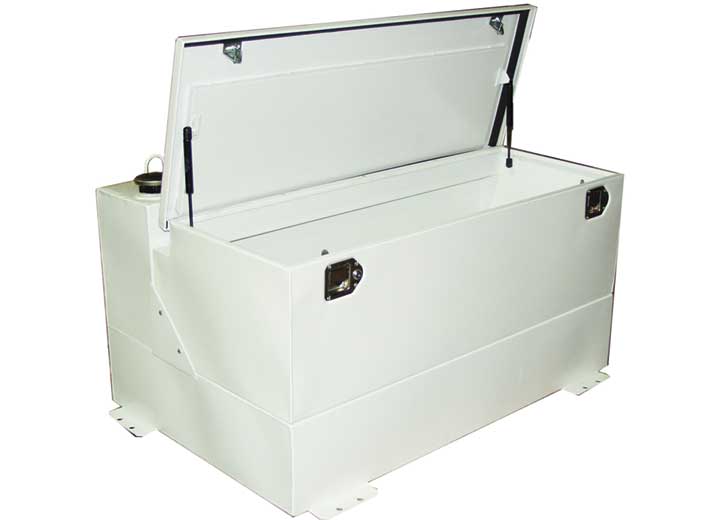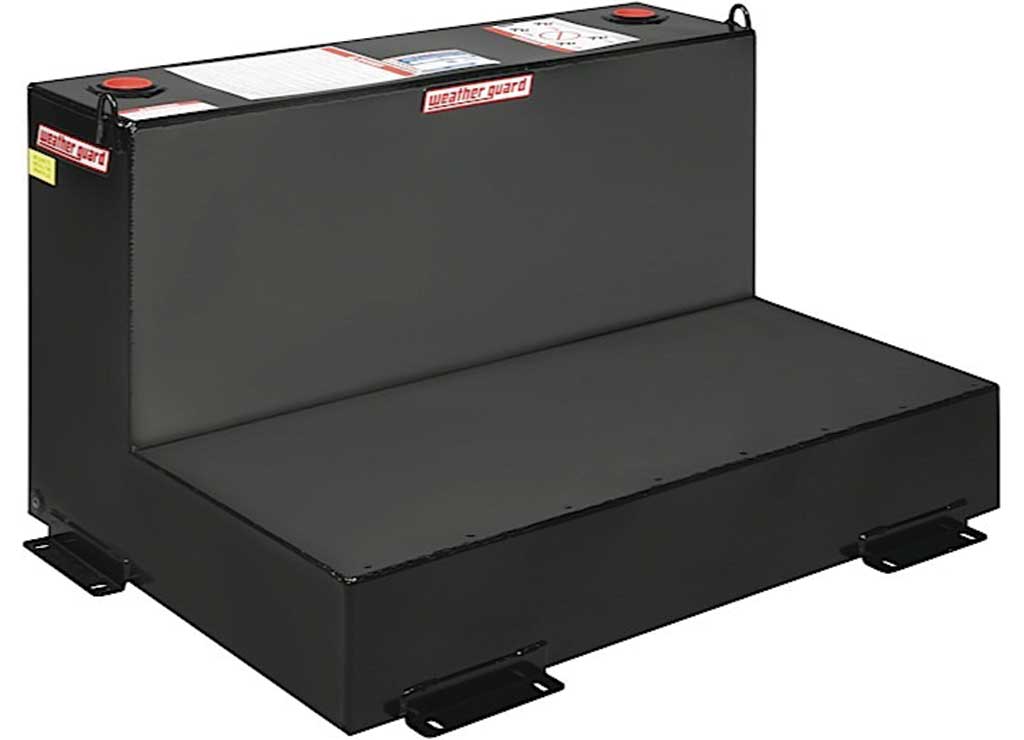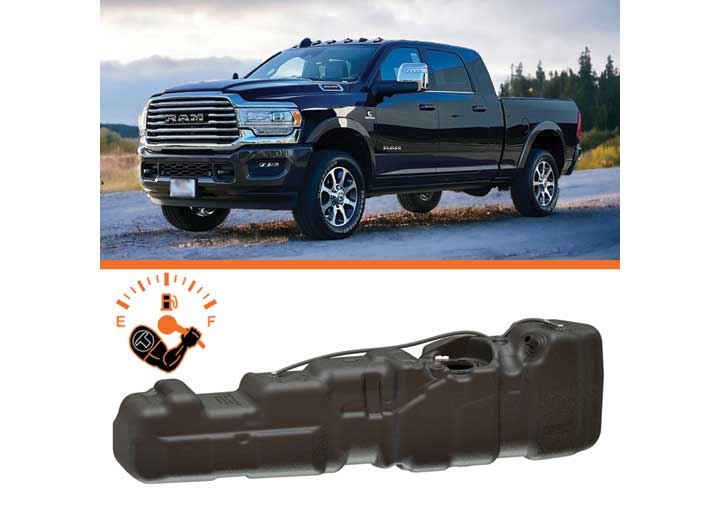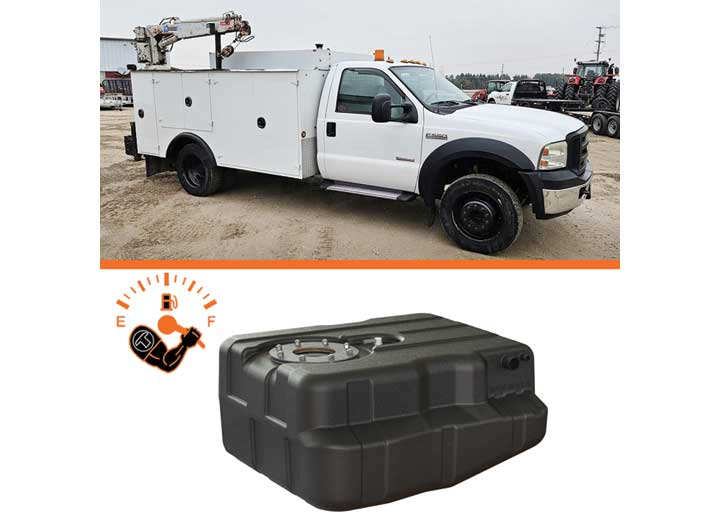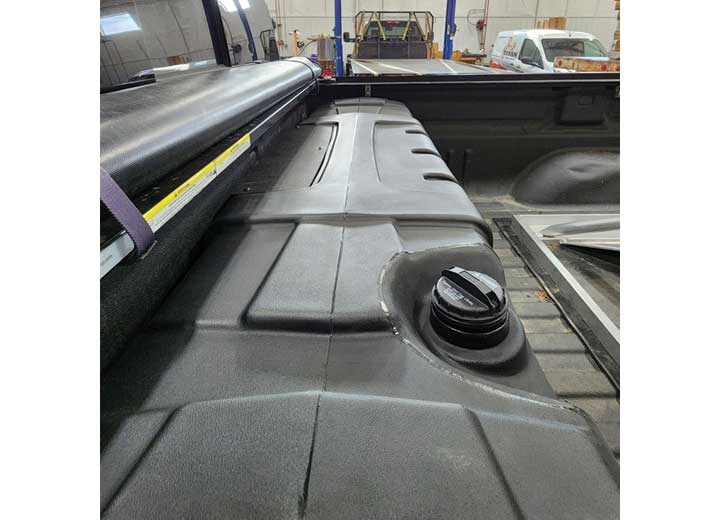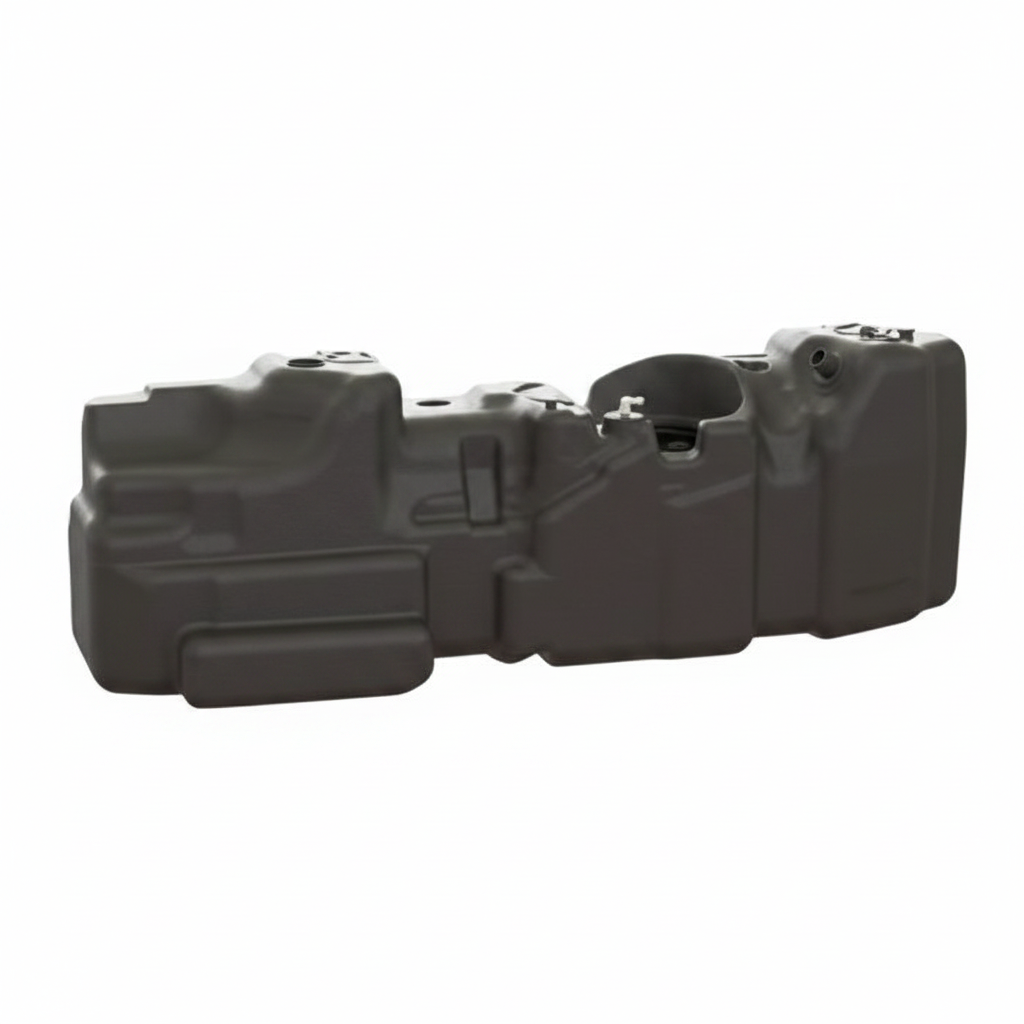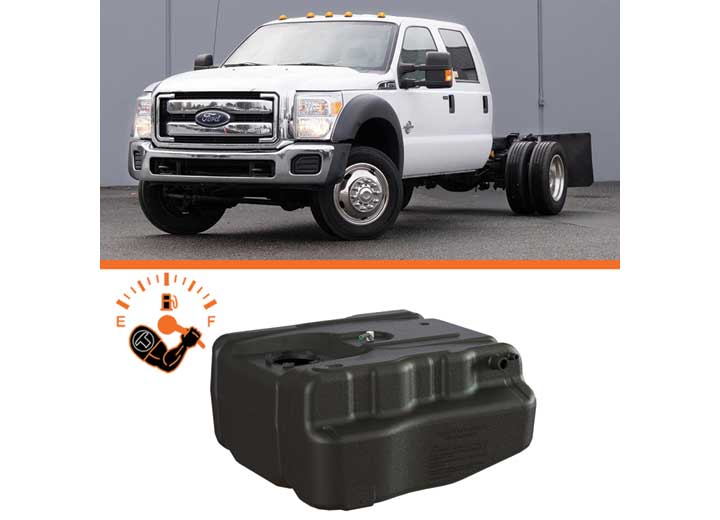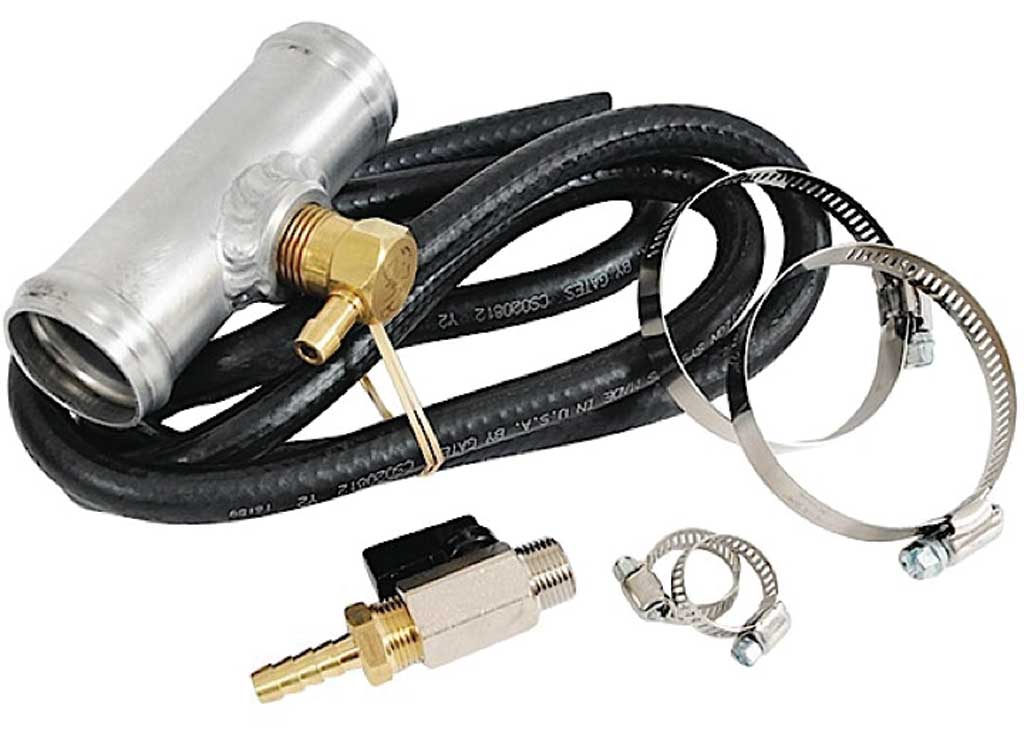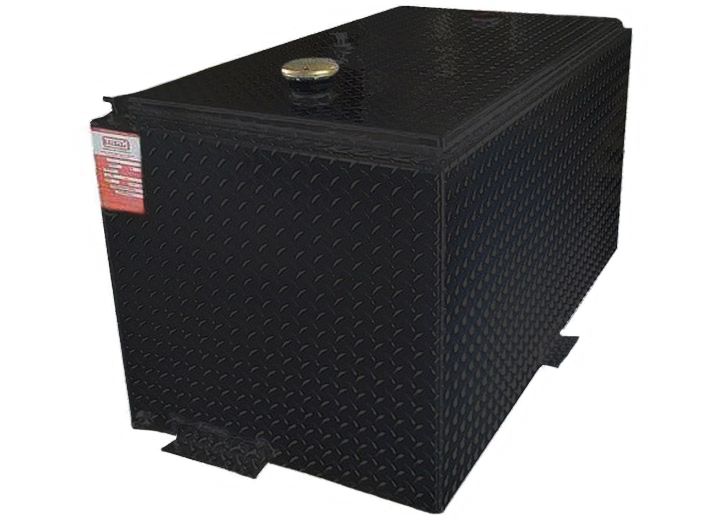
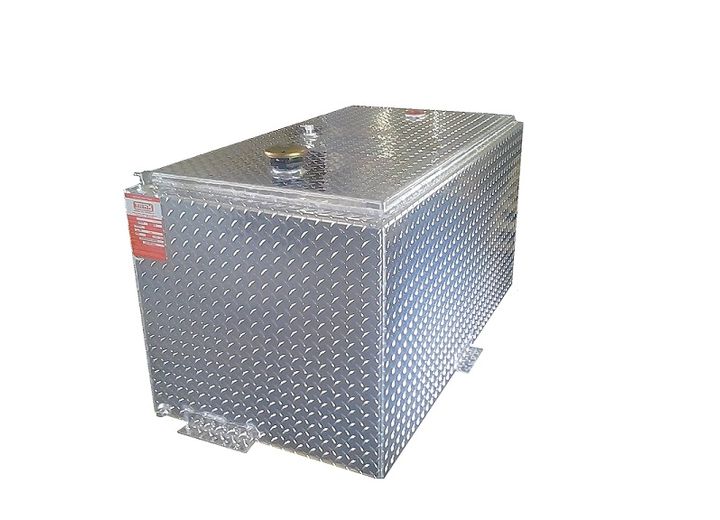
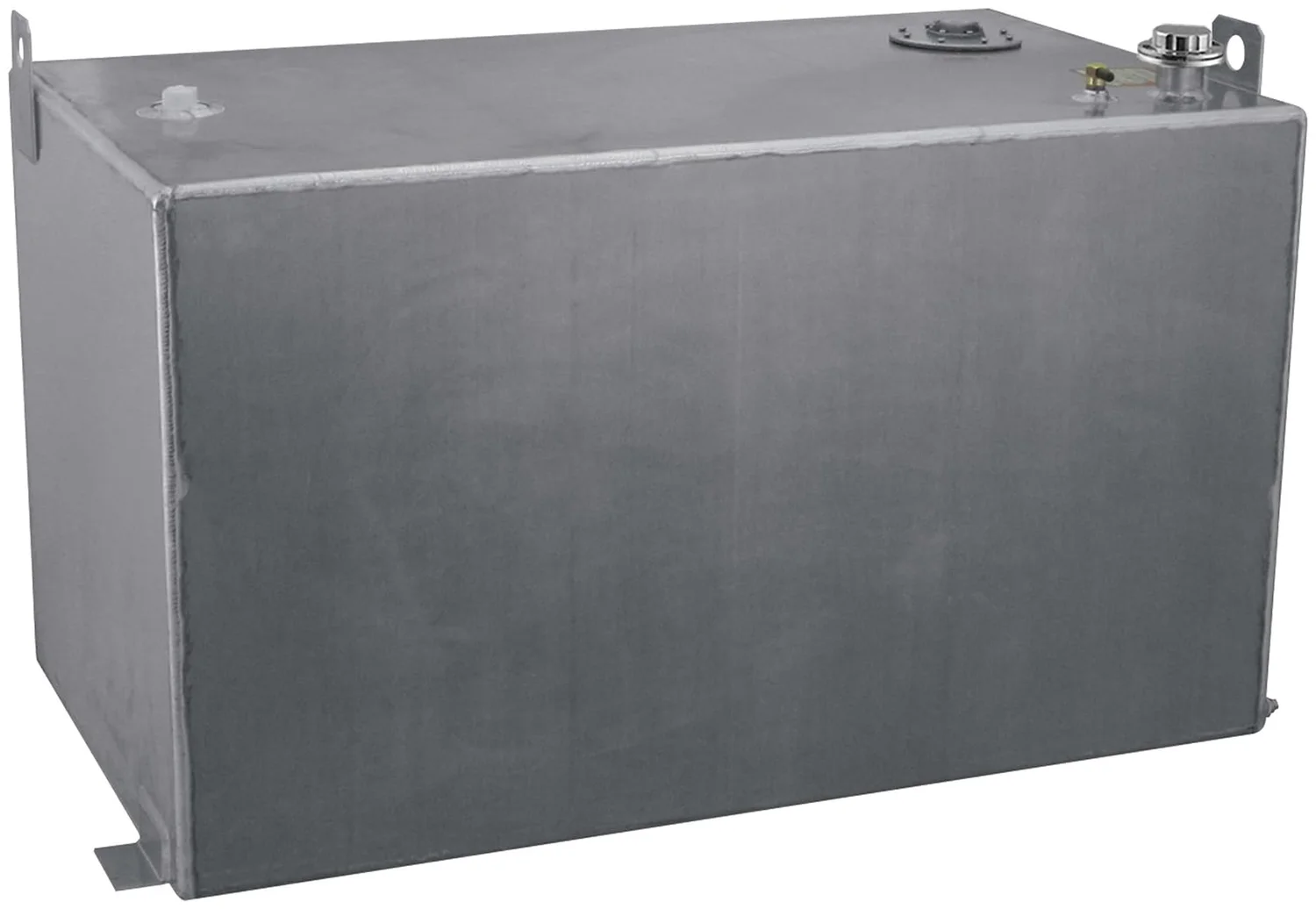
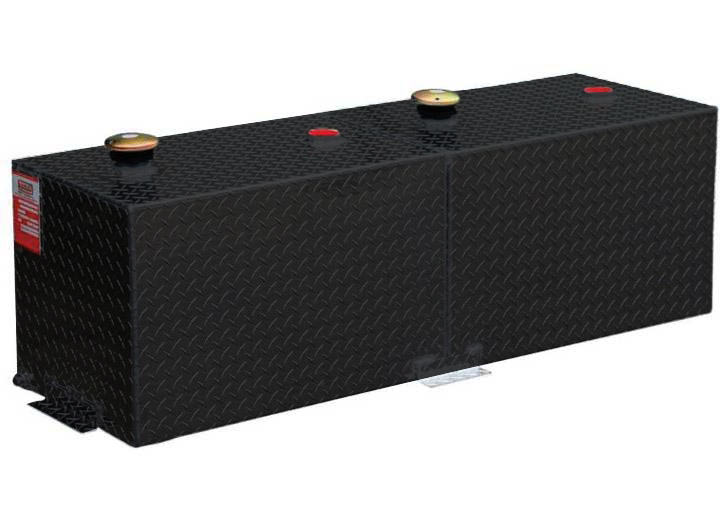
A fuel transfer tank, often called a slip tank for a truck, is a tank that sits in the pickup bed and carries extra fuel to refuel equipment, machinery or the truck itself through a pump and hose. An auxiliary fuel tank is plumbed into the truck's own fuel system to extend its range. The two look similar but are used and regulated differently.
This page lists the 100 gallon fuel transfer tanks and other sizes we carry from Better Built, Dee Zee, RDS, Weather Guard, Aluminum Tank Industries, Delta and Jobox, Vector and Promaxx, from compact 13 and 20 gallon auxiliary tanks and 36 gallon vertical tanks up to 110, 150 and 200 gallon tanks, plus transfer tank and toolbox combos, Titan midship and auxiliary tanks, and the connector and install kits that go with them.
Transfer tank vs auxiliary fuel tank
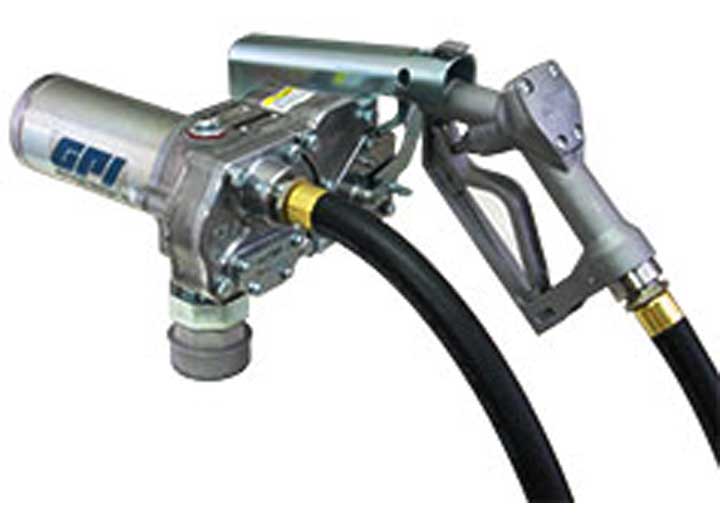
- Transfer tanks are not connected to the engine. You fill them at the pump and dispense from them with a hand or 12V transfer pump, much like a portable fuel station. Farmers, contractors, landscapers and equipment operators use them to fuel tractors, excavators, generators and mowers on site. Some come as a combo with a pump already fitted.
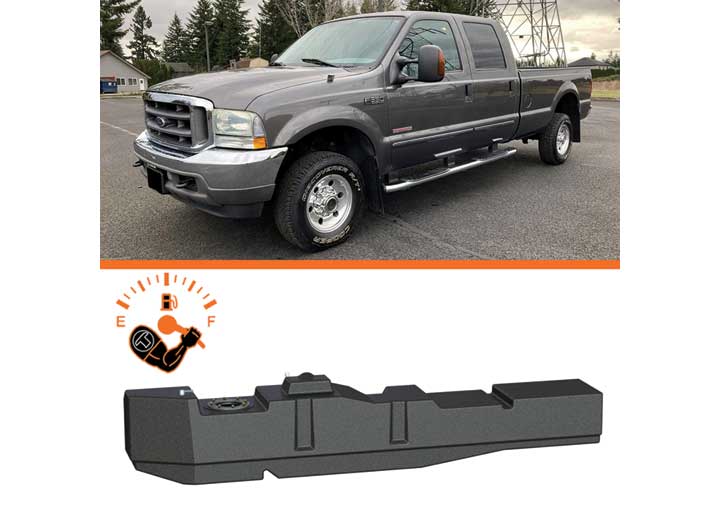
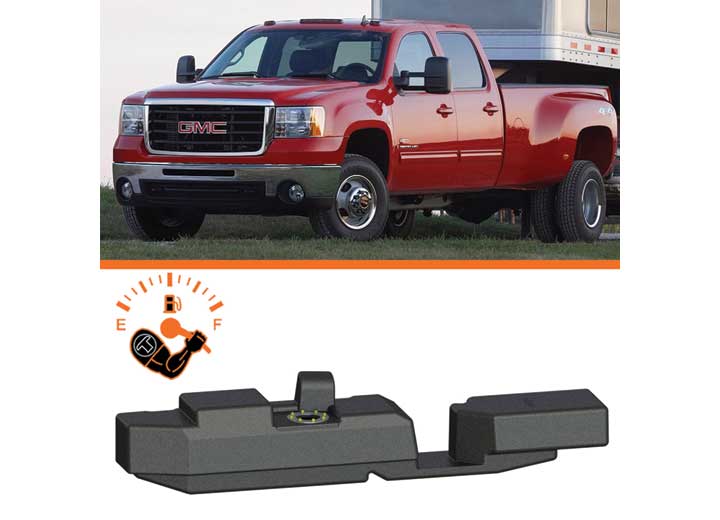
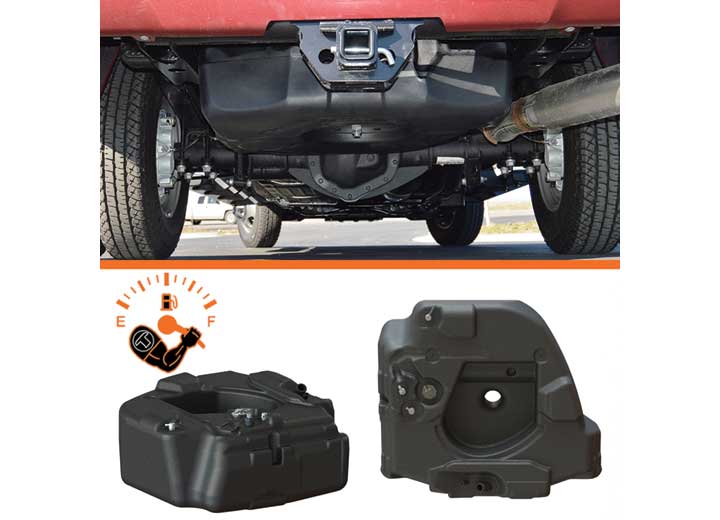
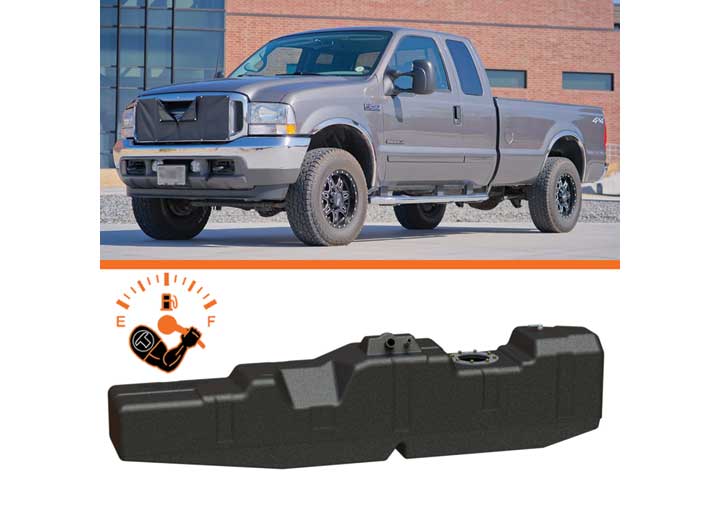
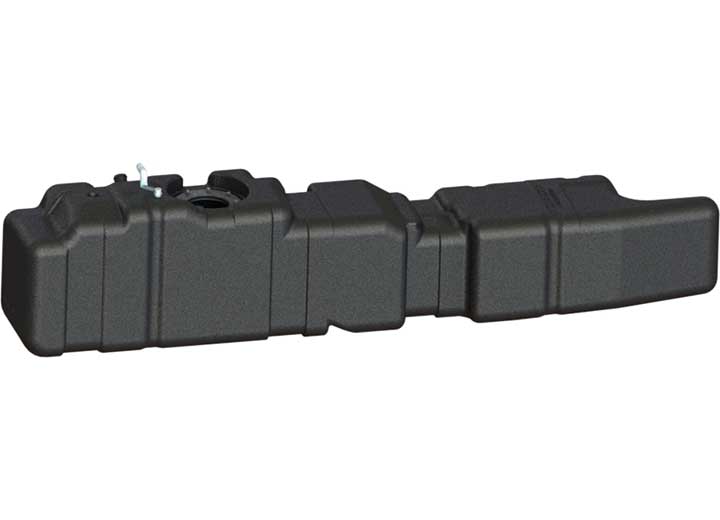
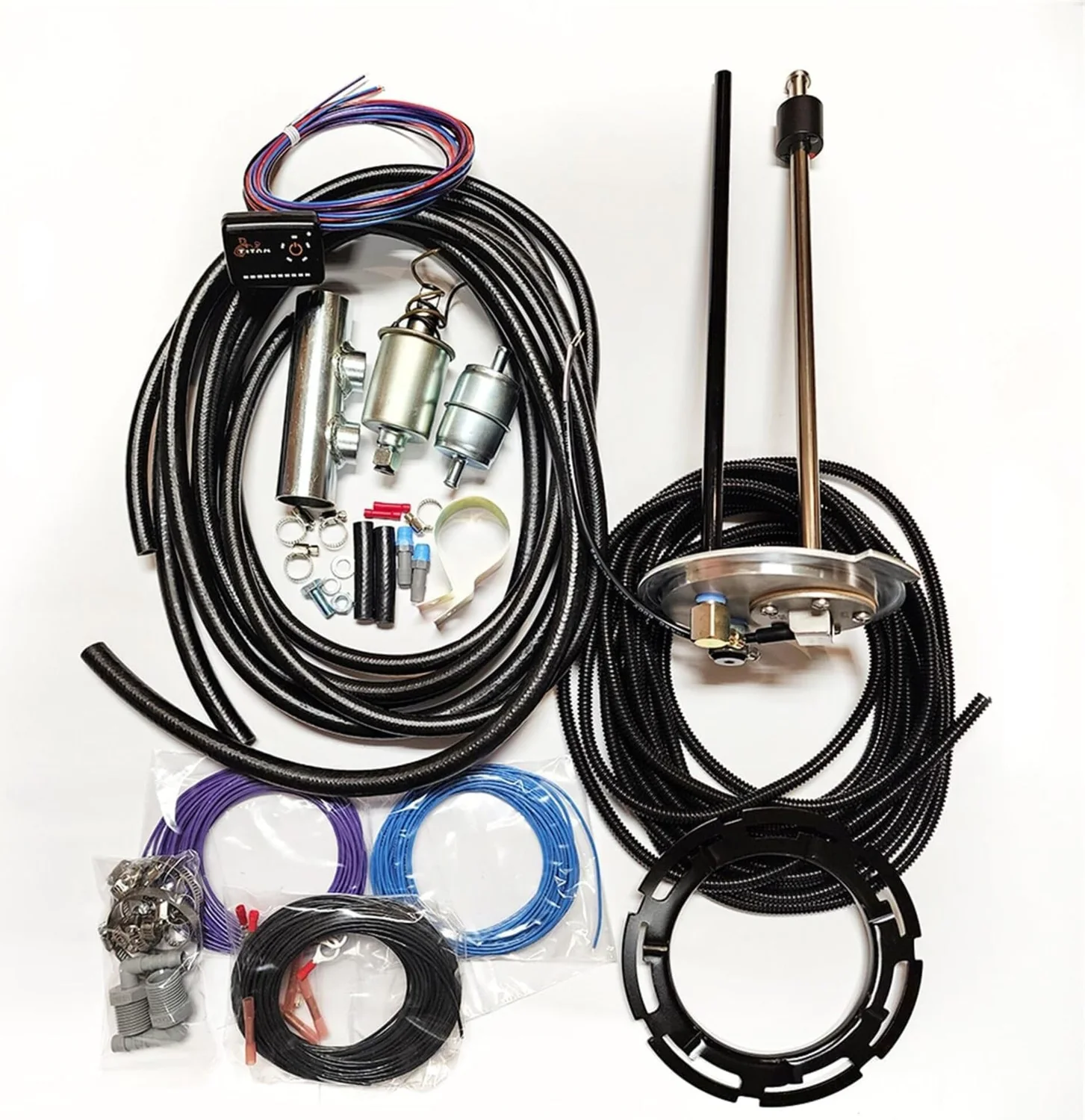
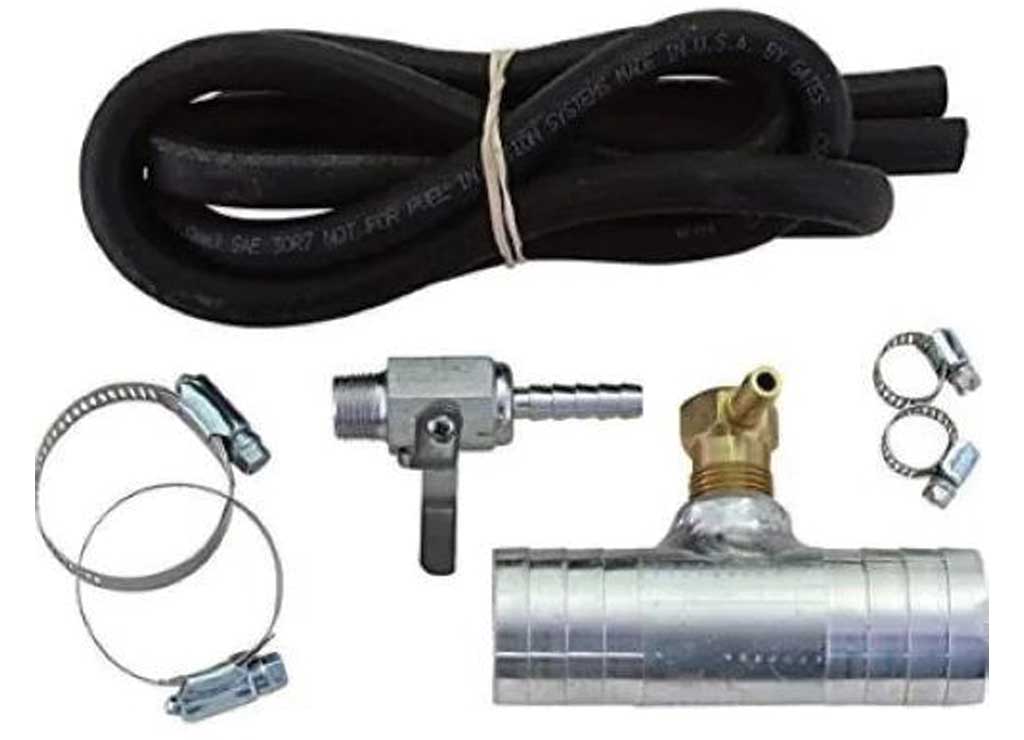
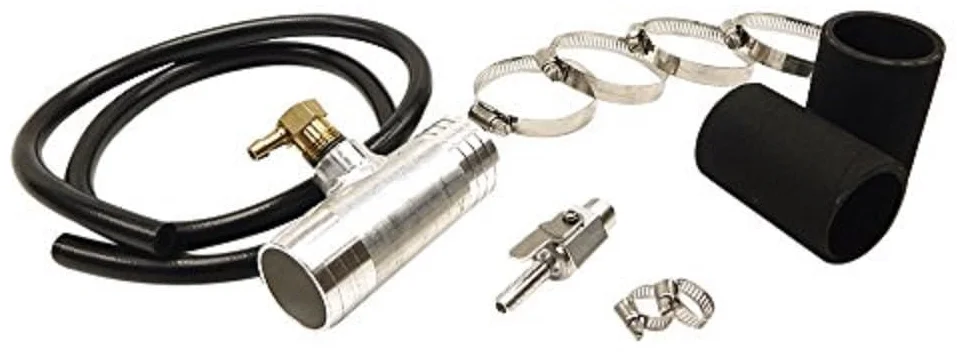
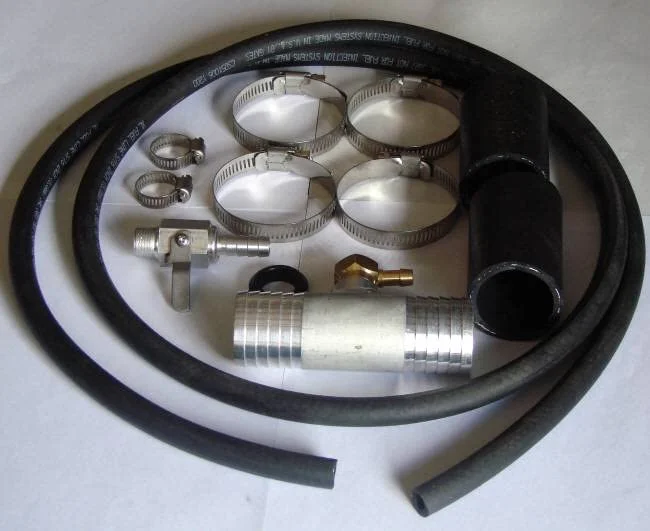
- Auxiliary fuel tanks connect to the vehicle's fuel system, either with a connector kit that feeds the main tank or as a replacement tank. Titan's midship, spare tire and after-axle tanks are examples that replace or add to the factory tank on diesel pickups. Dee Zee and RDS also sell in-bed tanks with auxiliary connector kits.
Whether an in-bed tank may be plumbed to the engine depends on the tank's approvals, the vehicle and federal and state rules, which vary. Read the manufacturer's listing for what each tank is approved for, and check with your state DOT or a qualified installer before connecting any tank to your truck's fuel system.
Diesel vs gasoline and DOT rules
Most pickup-bed transfer tanks are built for diesel fuel and similar combustible liquids. Many manufacturers state that their tanks must not be used for gasoline, and some listings say so plainly, such as tanks labeled "Diesel Fuel Only" or "For Diesel And Hydraulic Fluid". Gasoline is far more volatile, and carrying it in a bed tank generally requires a tank specifically approved for it, if it is allowed at all. Never put gasoline in a tank that is not labeled for it.
Federal hazardous materials rules, state rules and commercial use can all apply. In general terms:
- Tanks marked DOT approved or UN rated, such as several Aluminum Tank Industries refueling tanks, are built and tested to a federal standard. Check the listing for the exact rating.
- Commercial and farm operators may fall under different rules than private owners, and quantity limits apply in some cases.
- Placarding, licensing and inspection requirements can change with tank size, fuel type and how the truck is used.
We cannot tell you what applies to your situation. Check current federal rules, your state DOT and the tank maker's instructions before you buy and before you haul fuel.
Choosing a size and shape
Fuel is heavy. Diesel weighs roughly 7 lb per gallon, so a full 100 gallon tank adds around 700 lb of fuel before you count the tank, pump and anything else in the bed. Check your truck's payload rating on the door jamb sticker before choosing a size.
| Shape | Common sizes we carry | Good for |
|---|---|---|
| L-shaped | 47 to 111 gallons | Sitting behind the cab with a lower section that clears the wheel wells, leaving bed space |
| Rectangle | 13 to 200 gallons | Maximum capacity; narrow tanks fit across the front of the bed, cube and large tanks suit flatbeds |
| Vertical and square | 36 to 55 gallons | Smaller trucks or when you need floor space beside the tank |
| Combo with toolbox | 40 to 111 gallons | Fuel plus a lockable chest in one unit |
Steel tanks are typically tougher and lower in cost, while aluminum tanks are lighter, which leaves more payload for fuel. Measure your bed, including the space between the wheel wells, and confirm tank dimensions against the listing. If you also want separate storage, our truck tool boxes guide covers crossover and chest boxes. For heavy loads, see helper springs and airbags.
Mounting and setup tips
- Secure the tank to the truck. Bolt it down or use the tie-down method the maker specifies. A loose tank full of fuel is a serious hazard in a sudden stop.
- Add a pump, hose and nozzle rated for the fuel you carry. Some combo units include them; many tanks are sold bare.
- Use a locking cap and keep the vent clear. Tanks need venting to dispense and to handle temperature changes.
- Protect the bed. A bed mat under the tank can reduce wear; see our truck bed mats and liners guide and the spray-in vs drop-in bed liner comparison.
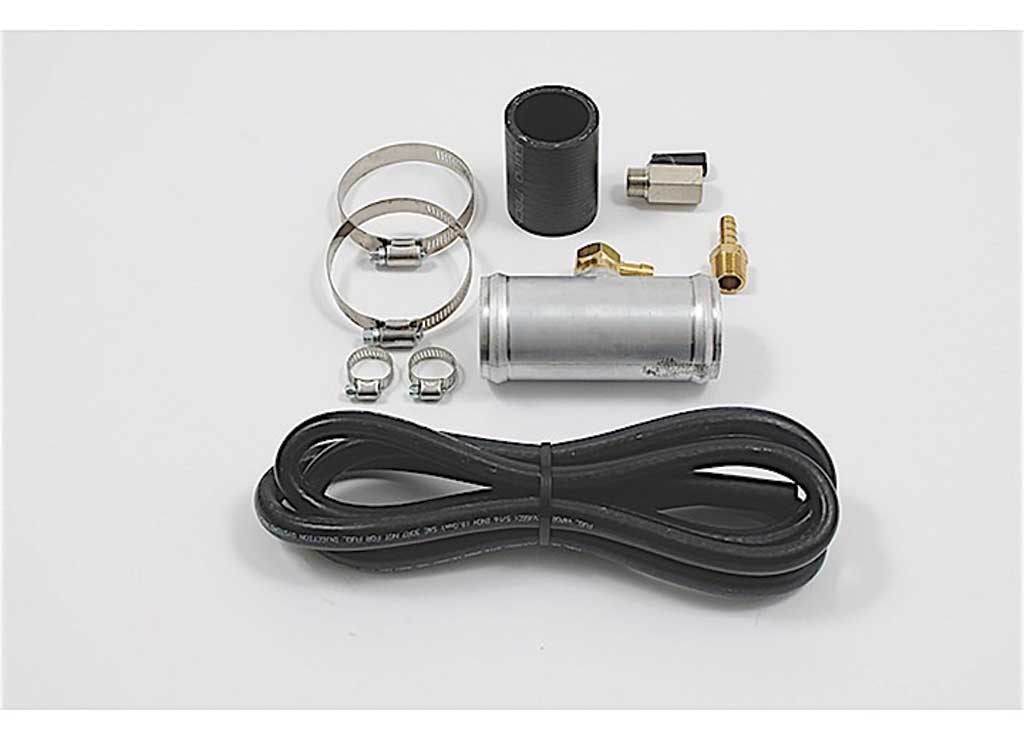
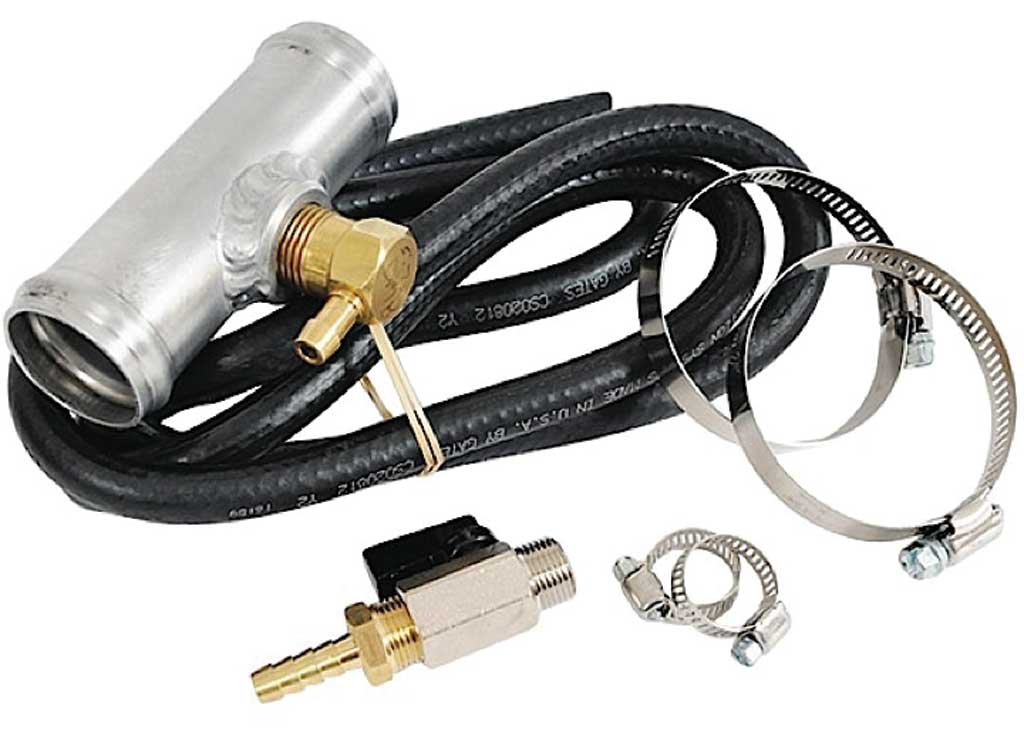
- Use the right kit for auxiliary setups. Connector and install kits from Dee Zee, RDS, Southern Tru, Titan and Aluminum Tank Industries are made for specific trucks and fuel types. Follow the instructions, or have a qualified shop do the work.