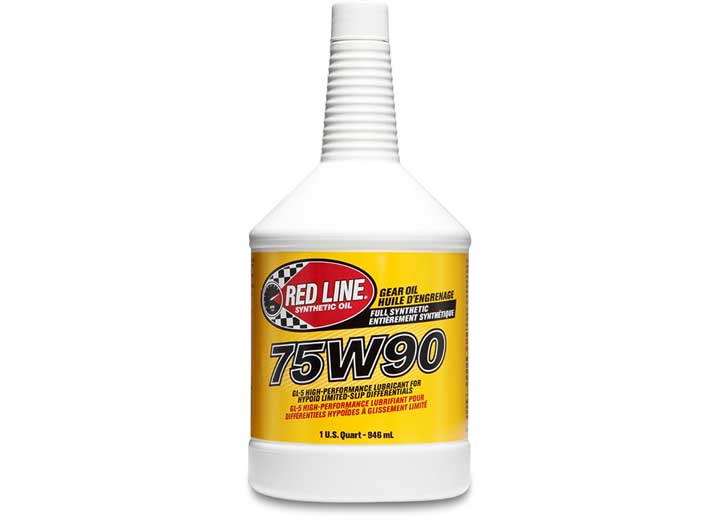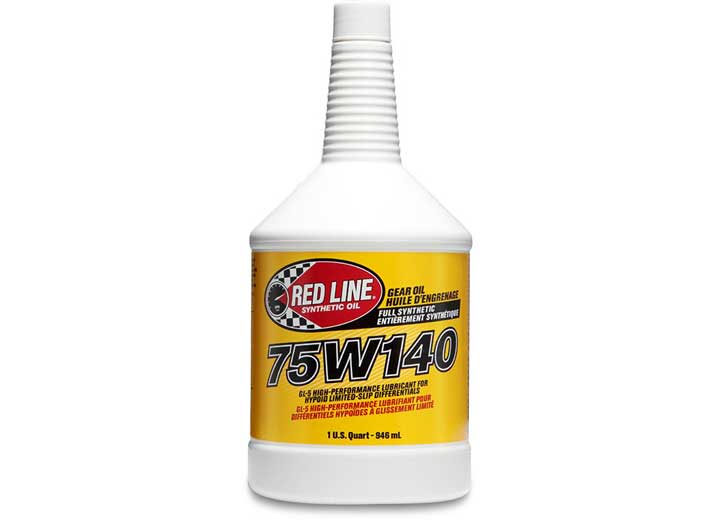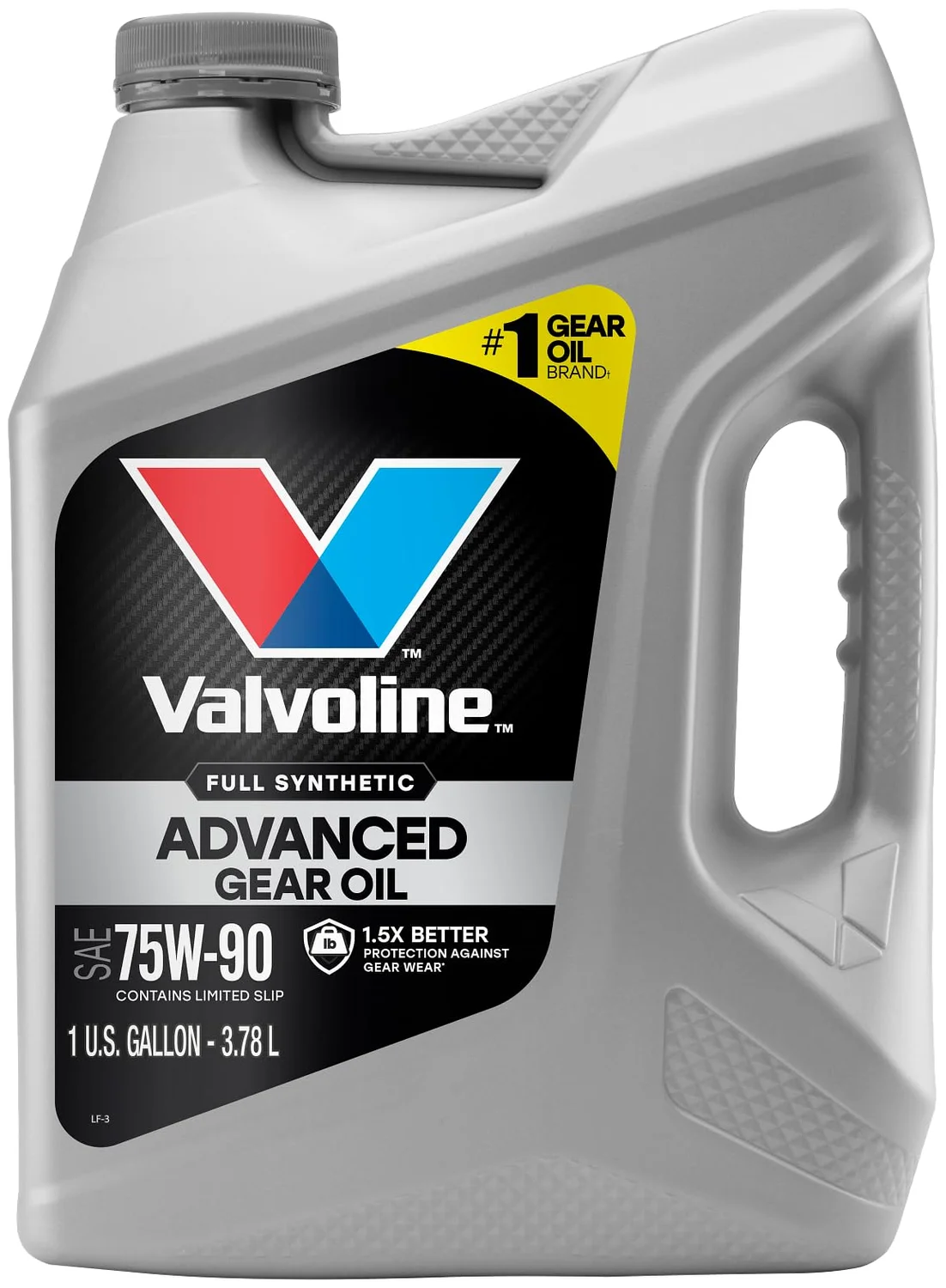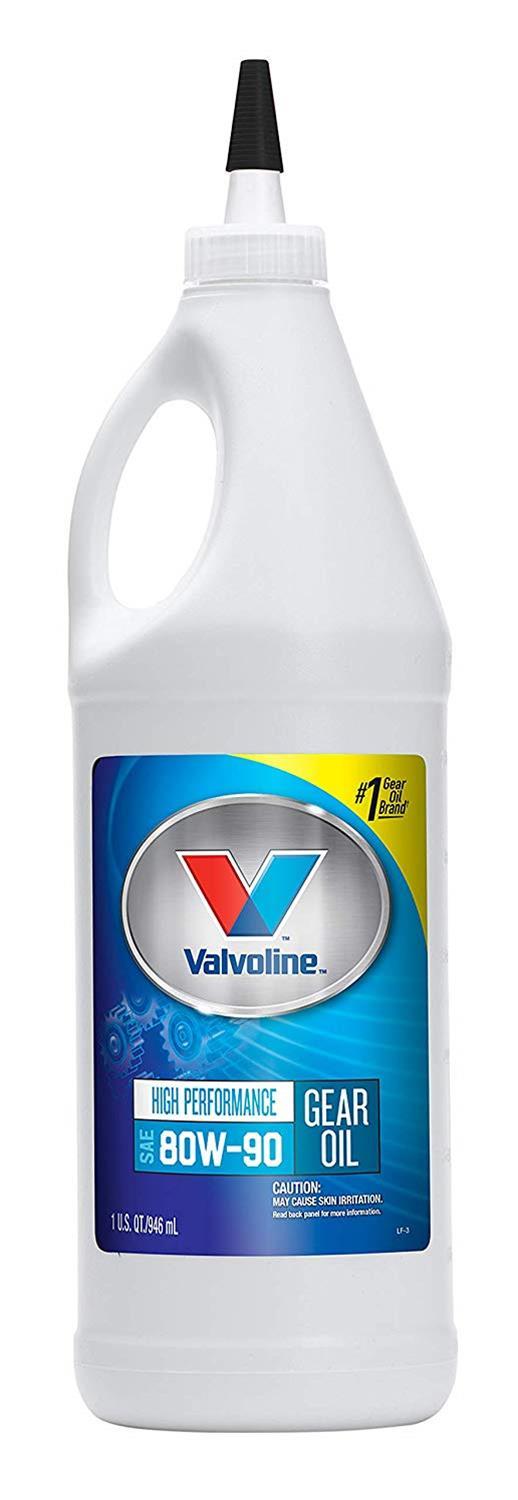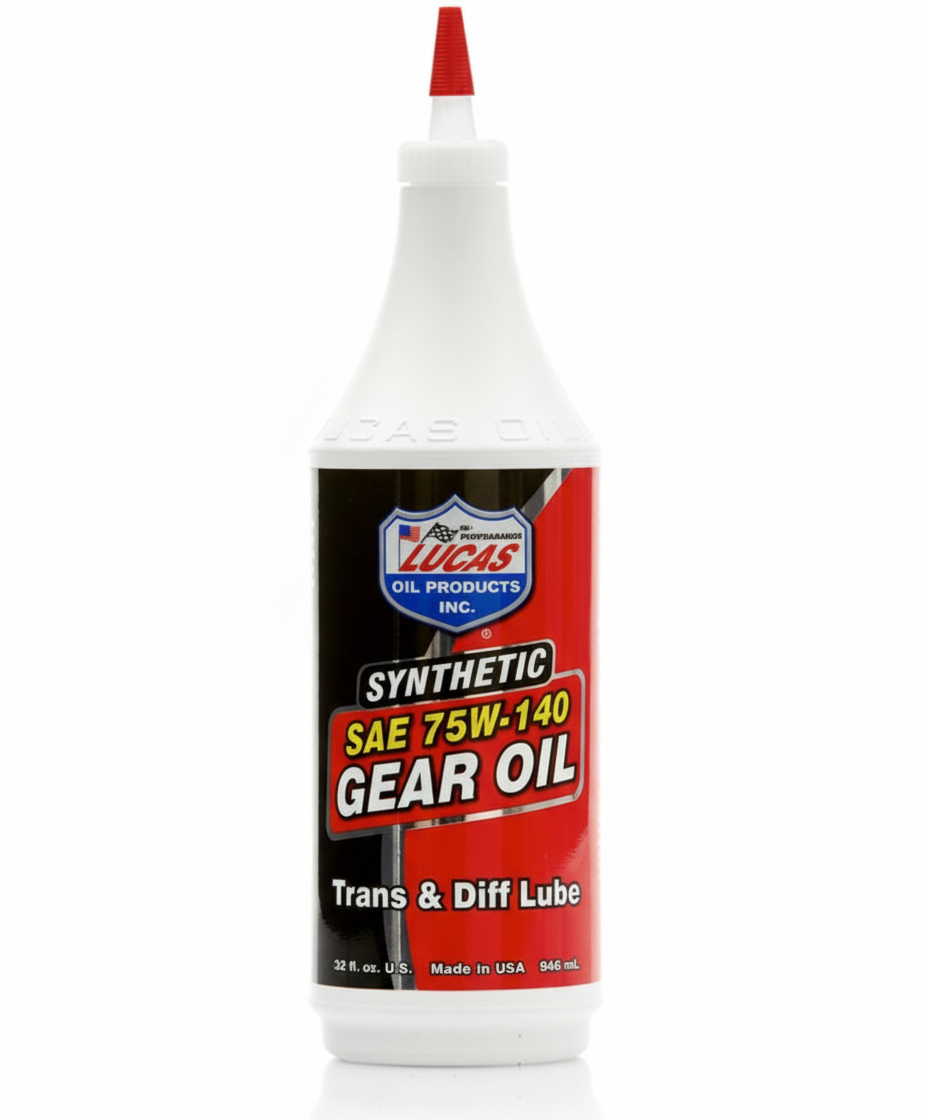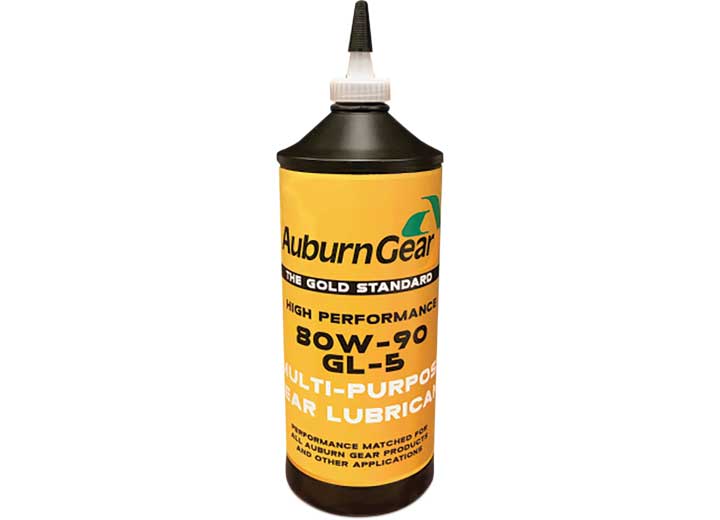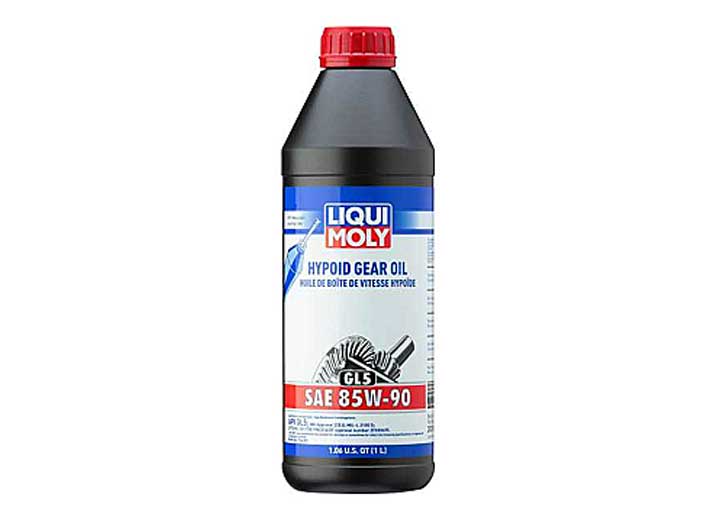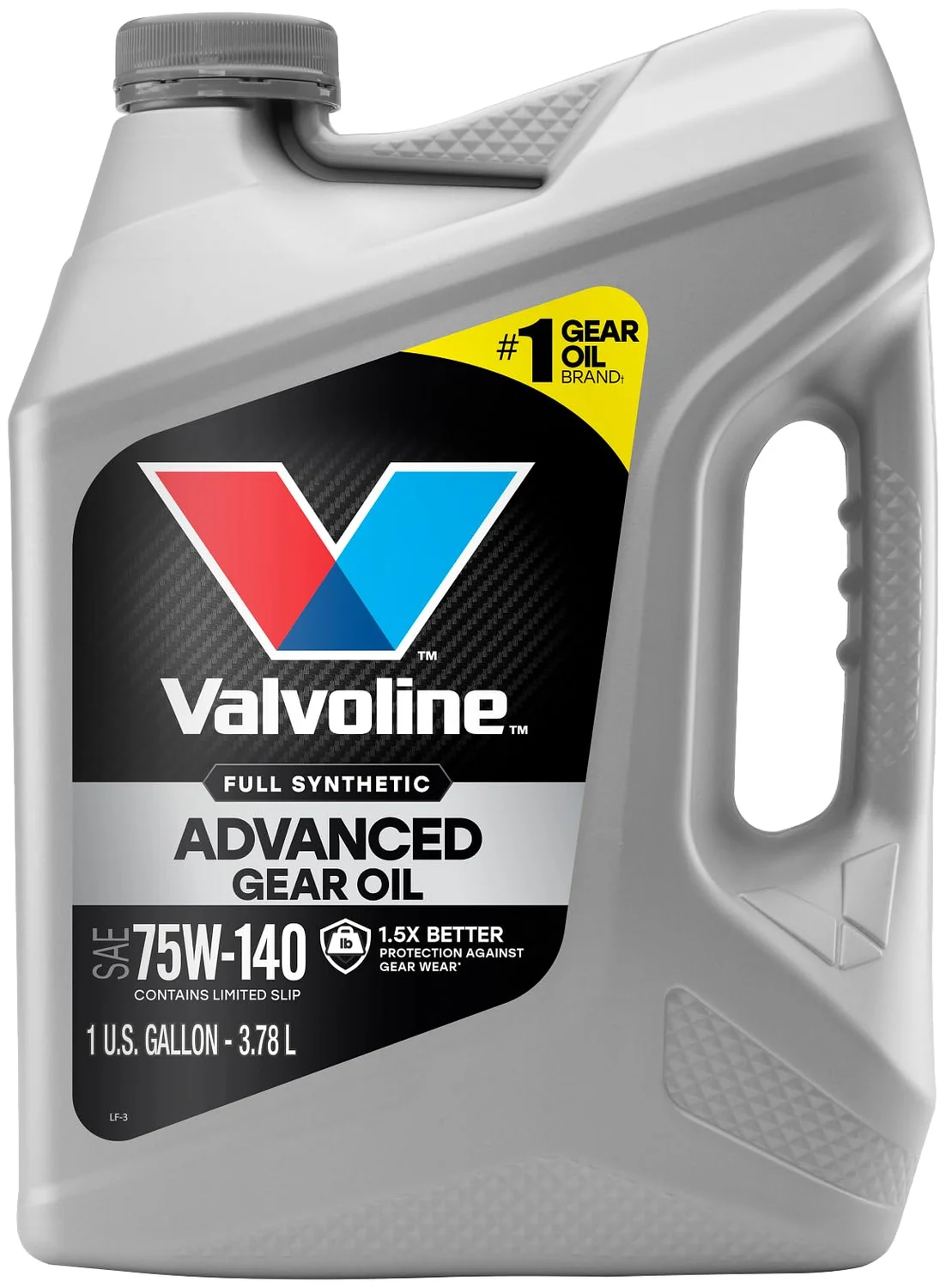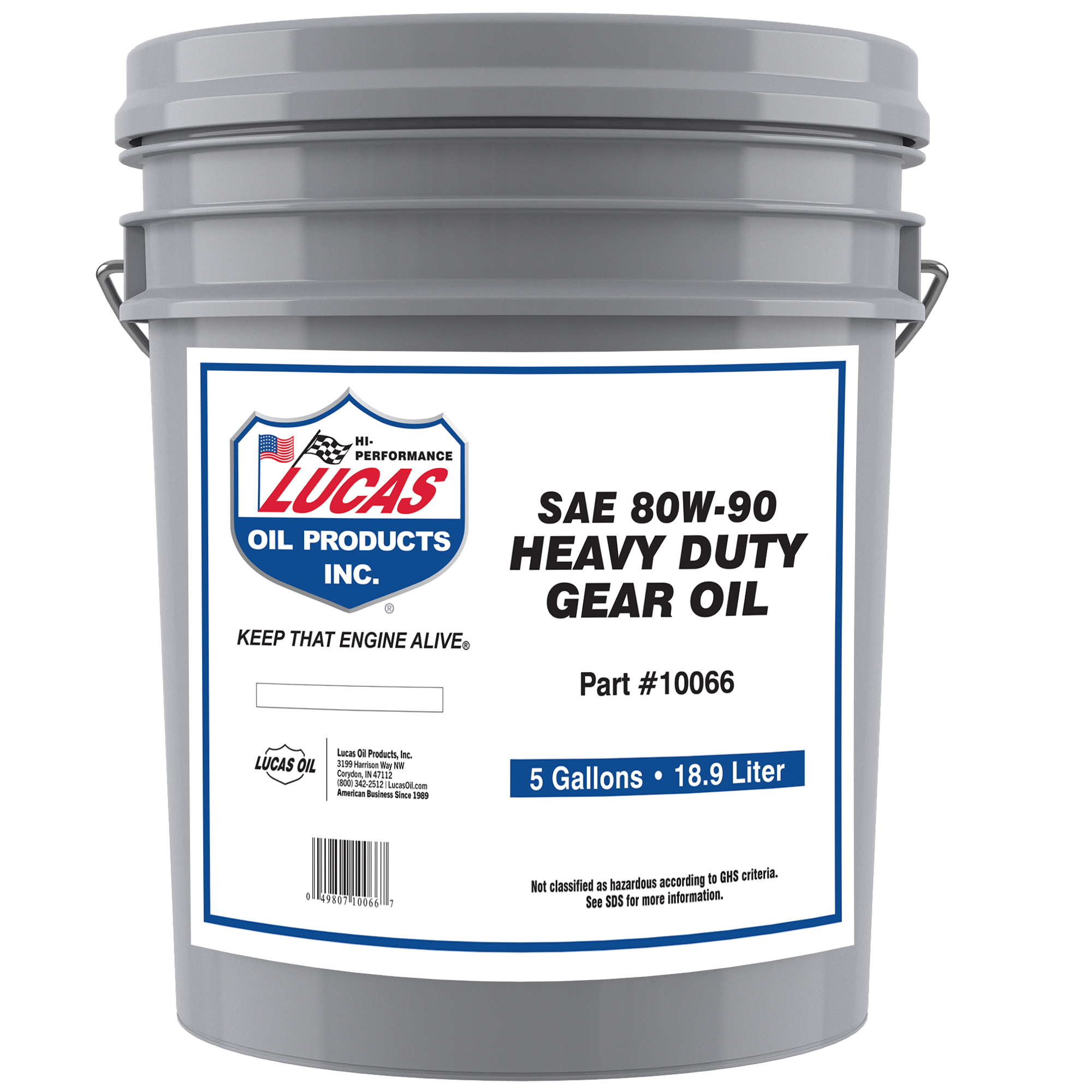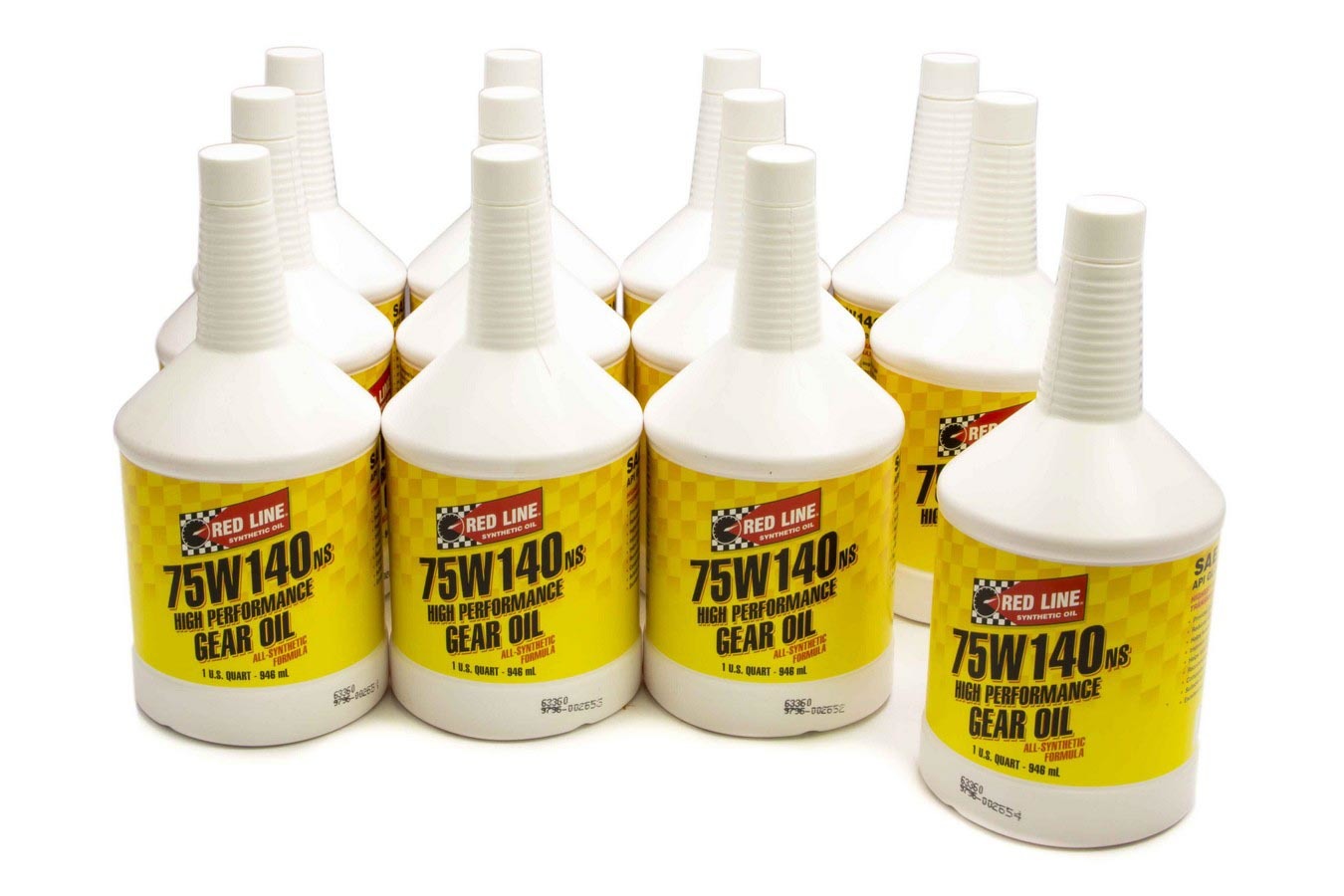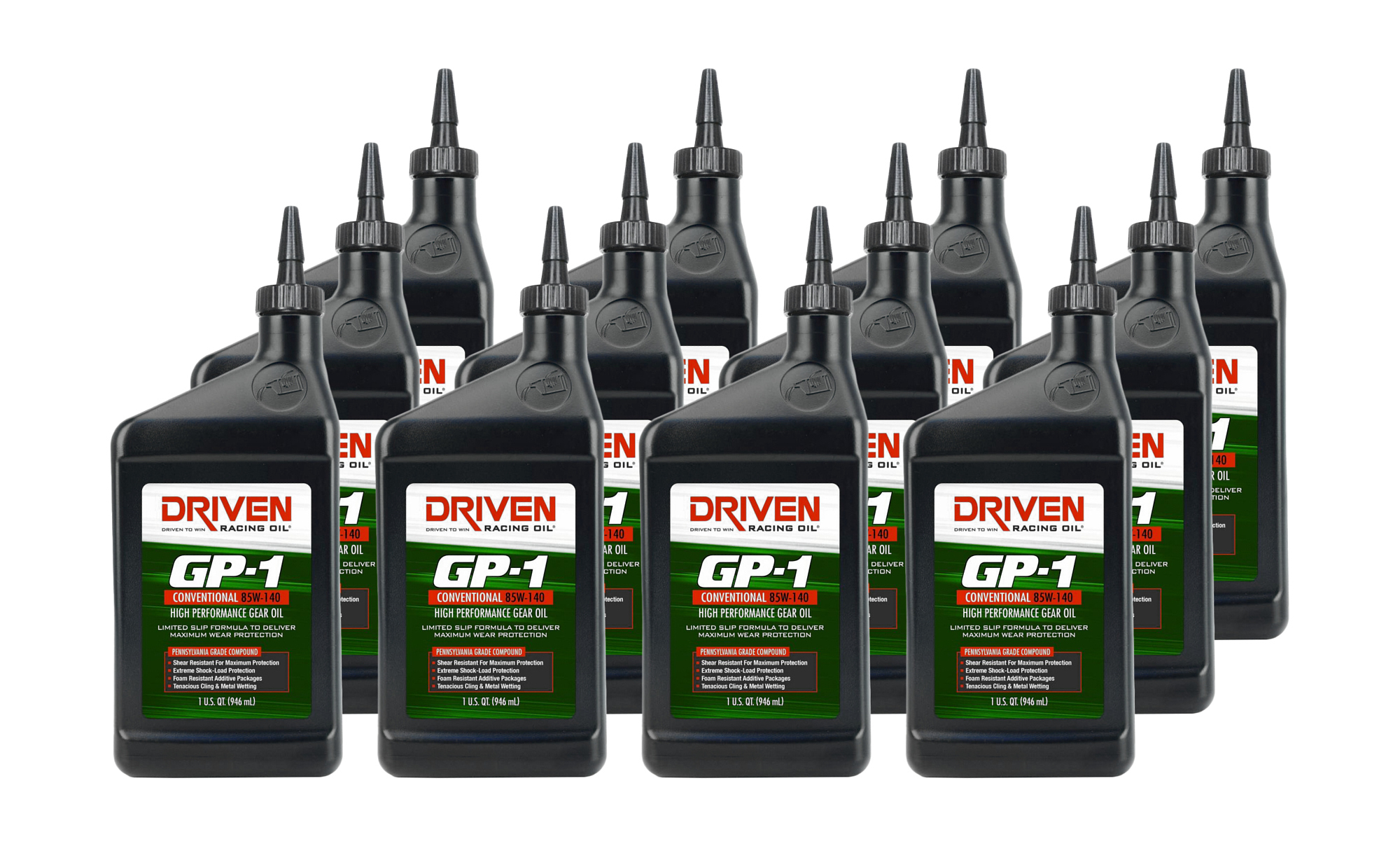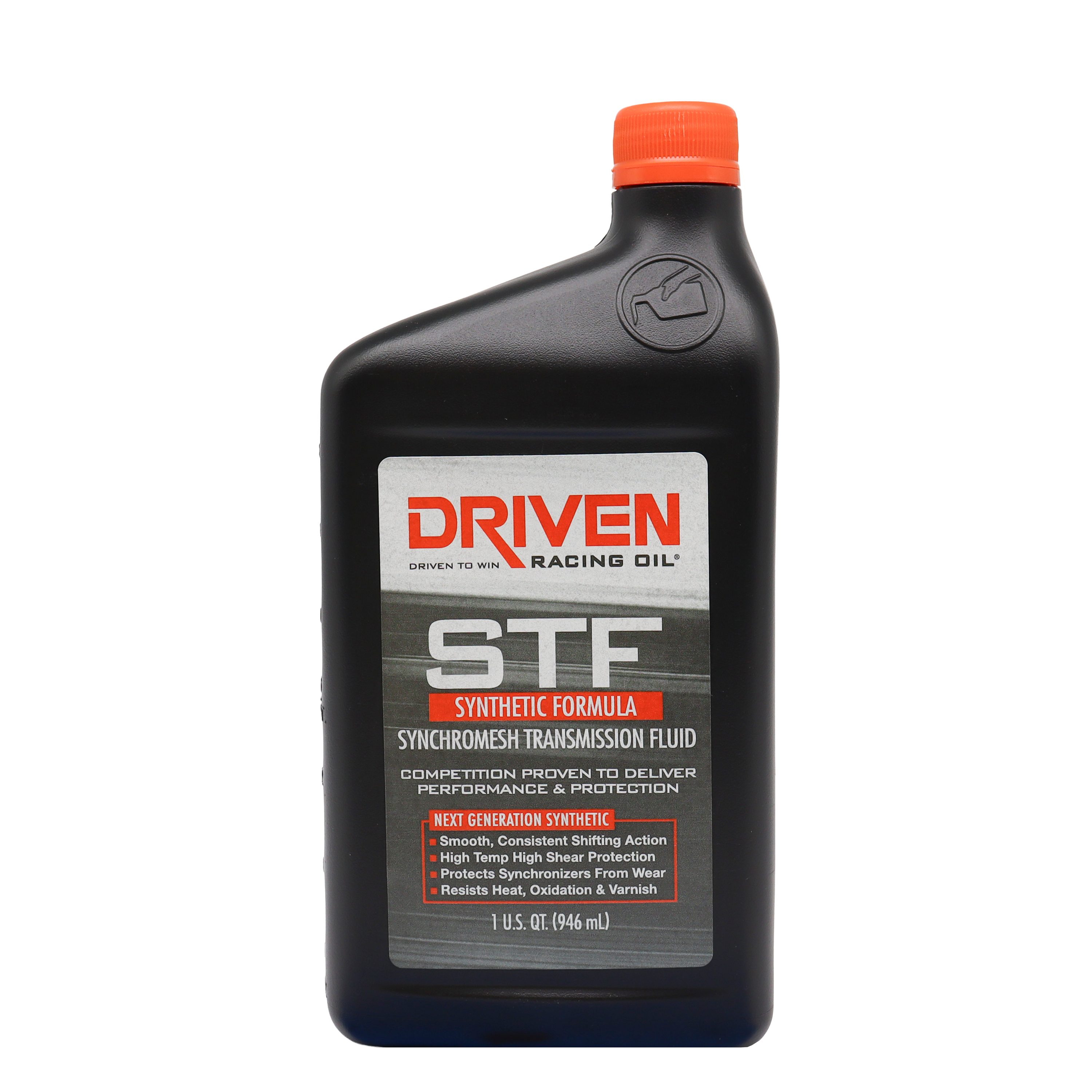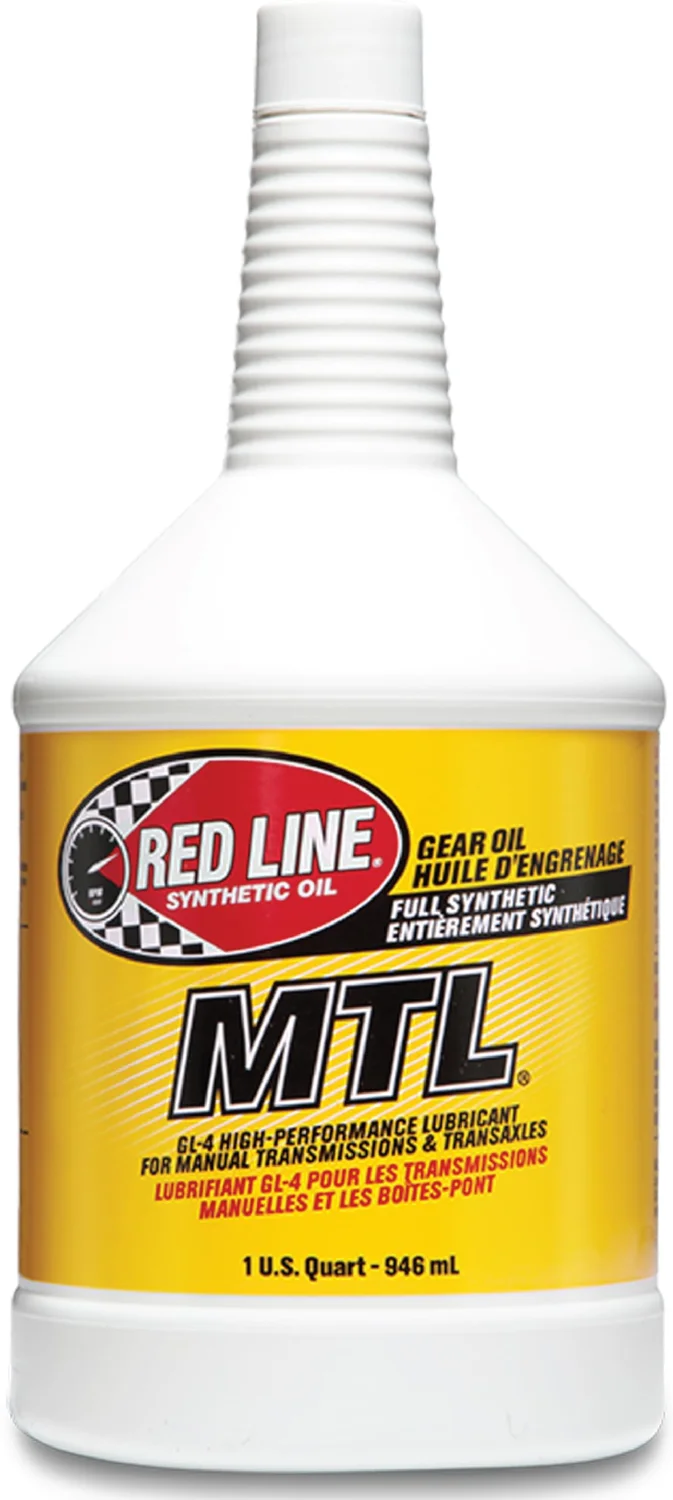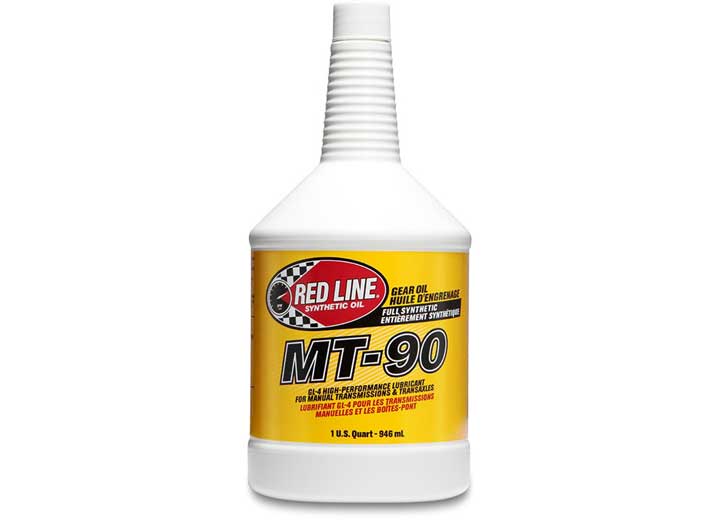


Gear oil, also called differential oil or gear lube, is the thick oil that lubricates the ring and pinion in your axles, the gears in many manual transmissions and transfer cases, and the lower unit of an outboard or sterndrive. It is made to handle the high sliding pressure between gear teeth, which is a different job from engine oil.
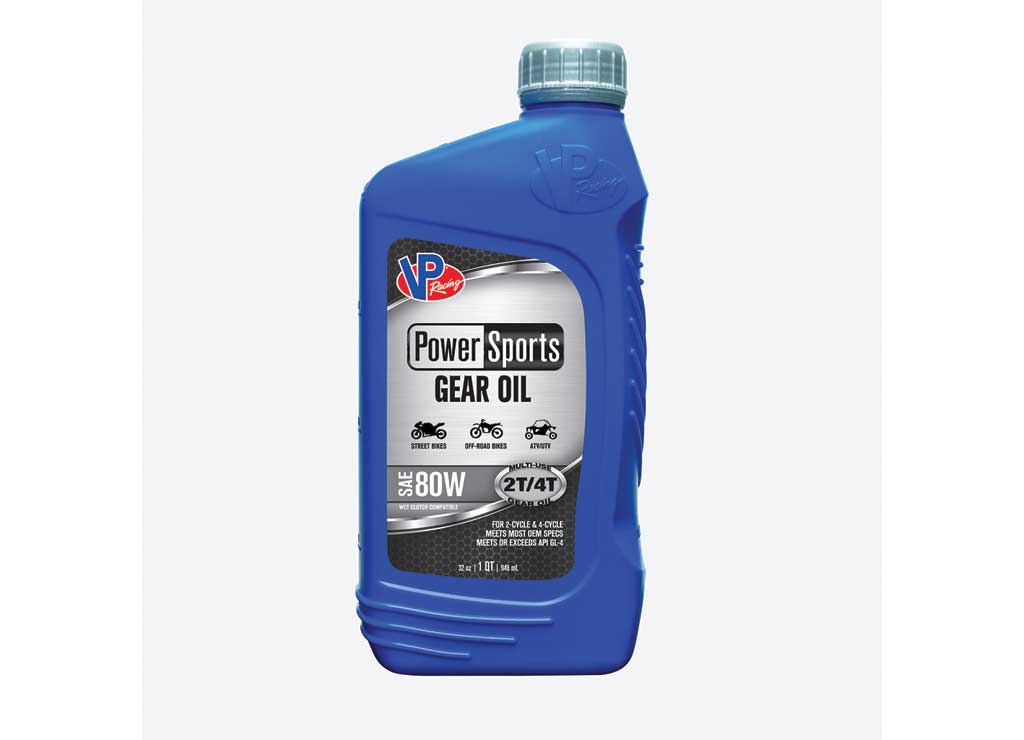
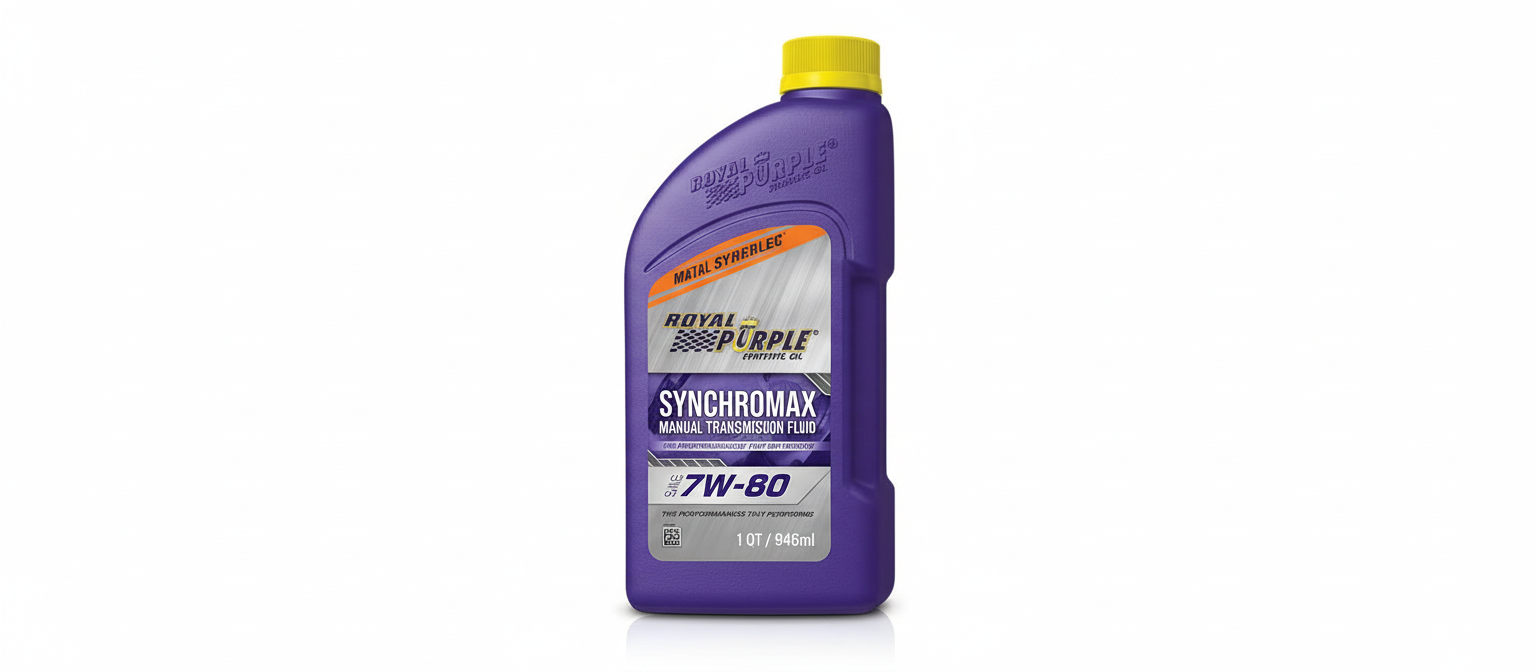
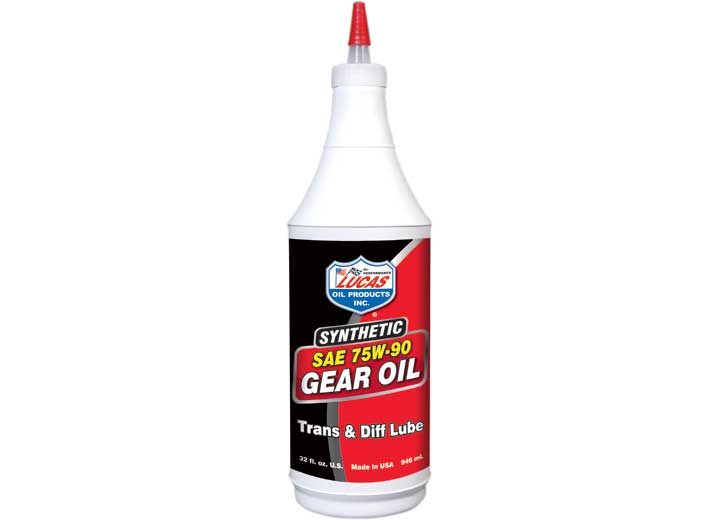
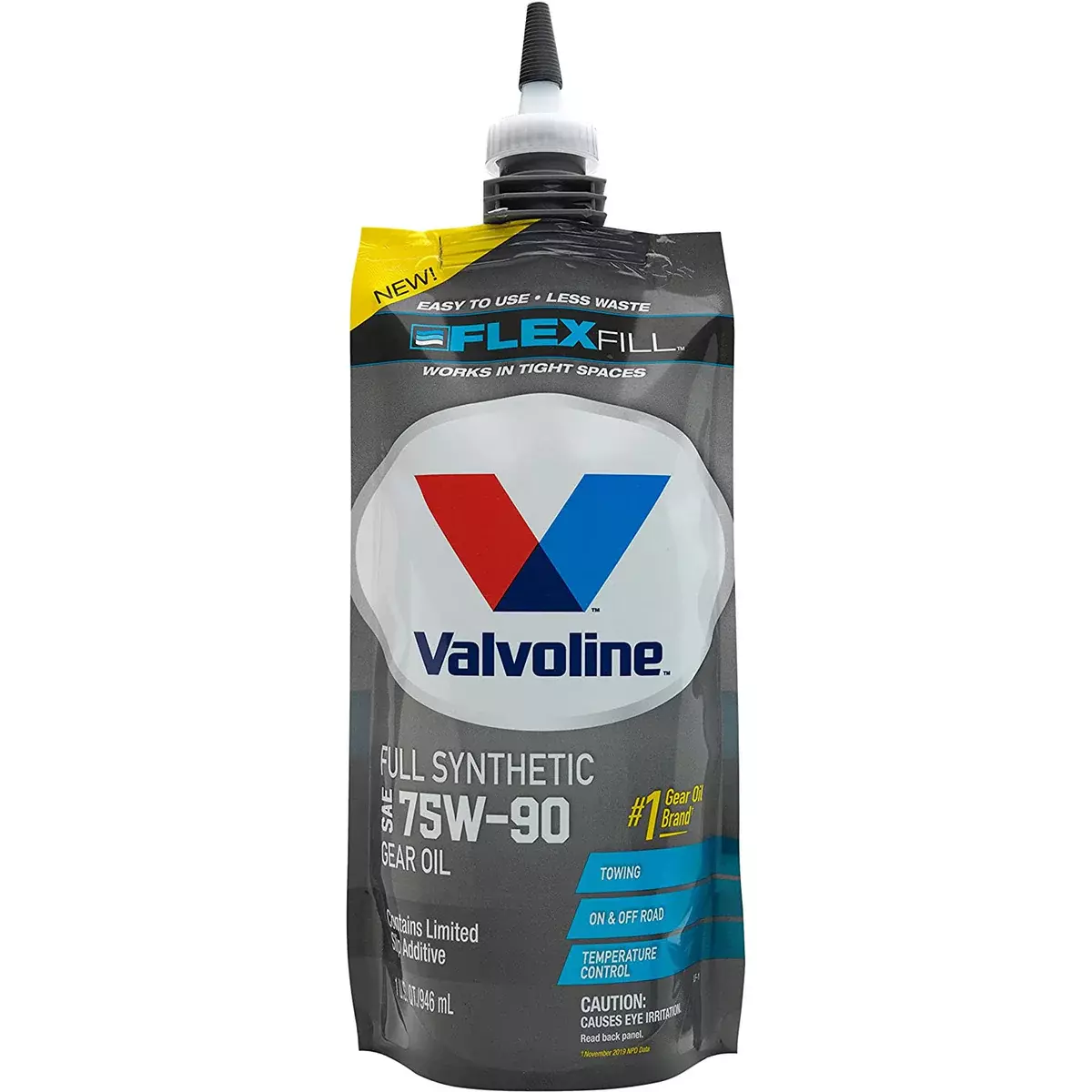
This page lists the gear oils we carry from Red Line, Lucas Oil, Valvoline, Liqui Moly, Royal Purple, Driven, Motul and VP, in grades such as 75W-90, 75W-140, 80W-90 and 85W-140, plus limited-slip additives, marine gear lube and fill pumps. The short version of how to choose: use the viscosity and GL rating your owner's manual or axle maker specifies, and add a friction modifier only if your limited-slip differential calls for it.
Gear oil viscosity: 75W-90 vs 75W-140 vs 80W-90
Gear oil grades use their own SAE scale, so a 75W-90 gear oil is not the same thickness as a 90-weight number would suggest for engine oil. The first number (with the W) describes cold flow, and the second describes thickness at operating temperature.
| Grade | Where you typically see it | Notes |
|---|---|---|
| 75W-90 | Many modern car, SUV and light truck axles | The most common factory fill today; usually synthetic or synthetic blend |
| 80W-90 | Older axles, trailers, farm and general use | Usually conventional; slightly thicker when cold than 75W-90 |
| 75W-140 | Some heavy-duty pickup axles and towing applications | Thicker at temperature; only use it if your maker lists it |
| 85W-140, 80W-250 and heavier | Heavy equipment, some older or severe-duty units, racing | Specialty grades; follow the equipment maker's spec |
| 70W/75W and lighter | Some manual transmissions and transaxles | Often GL-4 rated; see the next section |
Some manufacturers recommend a heavier grade for frequent towing or hot climates, but thicker is not automatically better. The right answer is whatever your owner's manual, axle tag or service information specifies for how you use the vehicle.
GL-4 vs GL-5 gear oil
The API GL rating describes the gear oil's performance level, mostly how much extreme-pressure (EP) additive it carries.
- GL-5 is the common rating for hypoid differentials, which use offset gears with a lot of sliding contact. Most axle gear oils are GL-5, including products like Red Line 75W90 GL-5 and Liqui Moly Hypoid GL5.
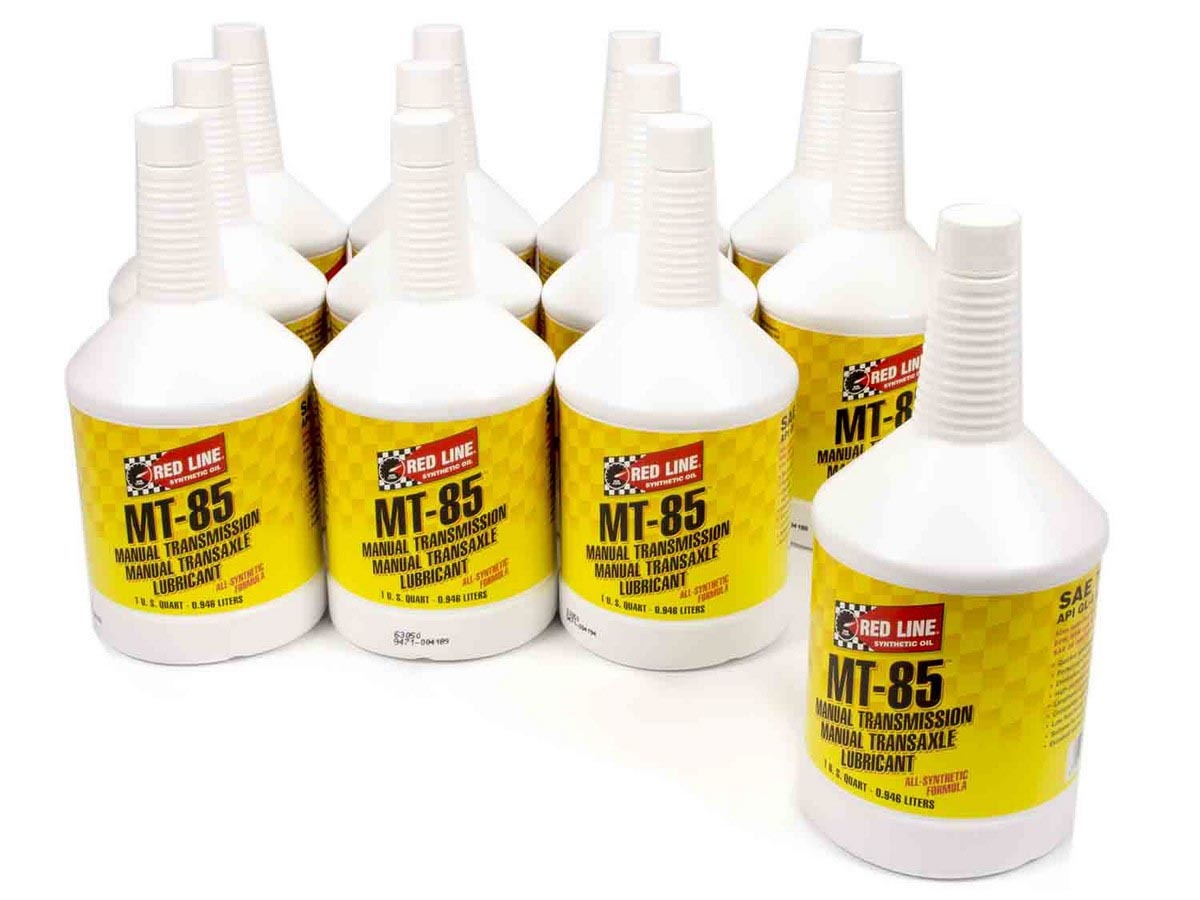
- GL-4 has a lower EP additive level and is specified for many manual transmissions and some transaxles. Some older synchronizers use brass or bronze parts, and makers often warn against using a GL-5 oil where GL-4 is called for. Red Line MT-90 and MT-LV are examples of GL-4 manual transmission oils.
- Dual-rated GL-4/5 oils, such as Liqui Moly's 75W-90 GL4/5, are labeled for both. Use one only where the manufacturer's spec allows it.
Also check for a specific OEM approval or part number in your manual. Some vehicles call for a particular fluid, and the safest choice is to match that spec exactly.
Limited-slip additive and friction modifiers
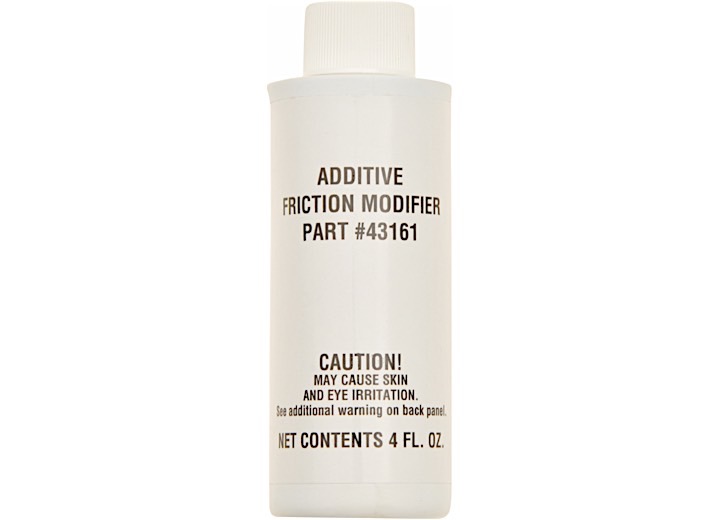
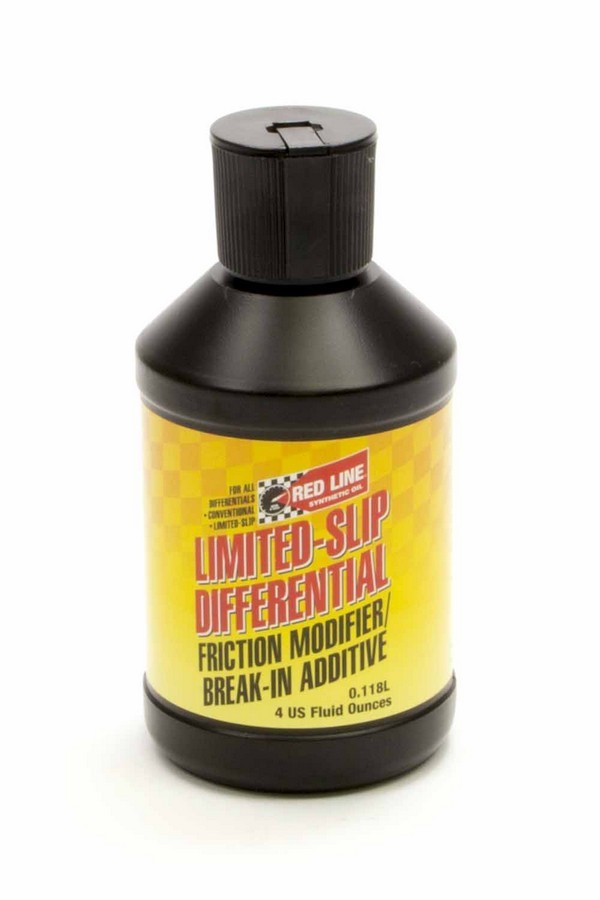
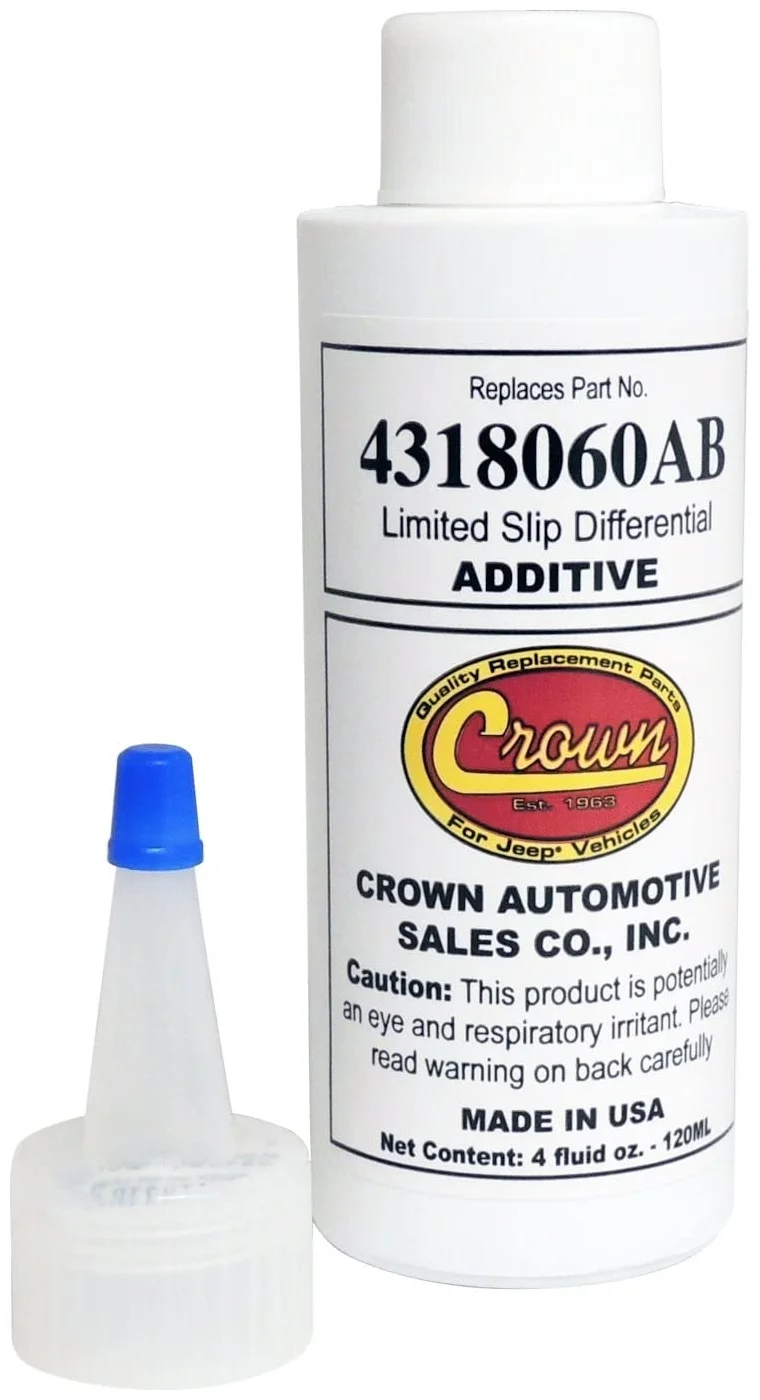
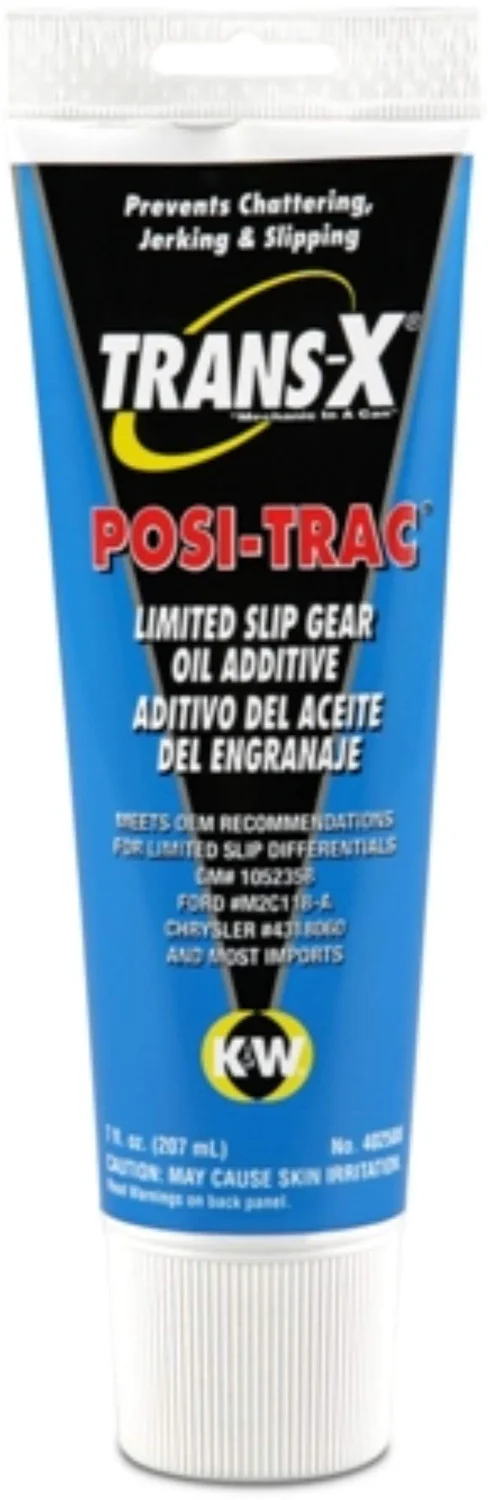
Clutch-type limited-slip differentials need a friction modifier so the clutch packs engage smoothly. Without enough of it, the axle may chatter, shudder or groan in tight, slow turns. Some gear oils already include it and are labeled for limited-slip use; others leave it out so you can add a bottle.
- Check the label. Many oils say "limited slip" or "LS" if a friction modifier is included. Products marked "NS", such as some Red Line grades, are made without the friction modifier package according to the maker, so check before using them in a clutch-type limited slip.
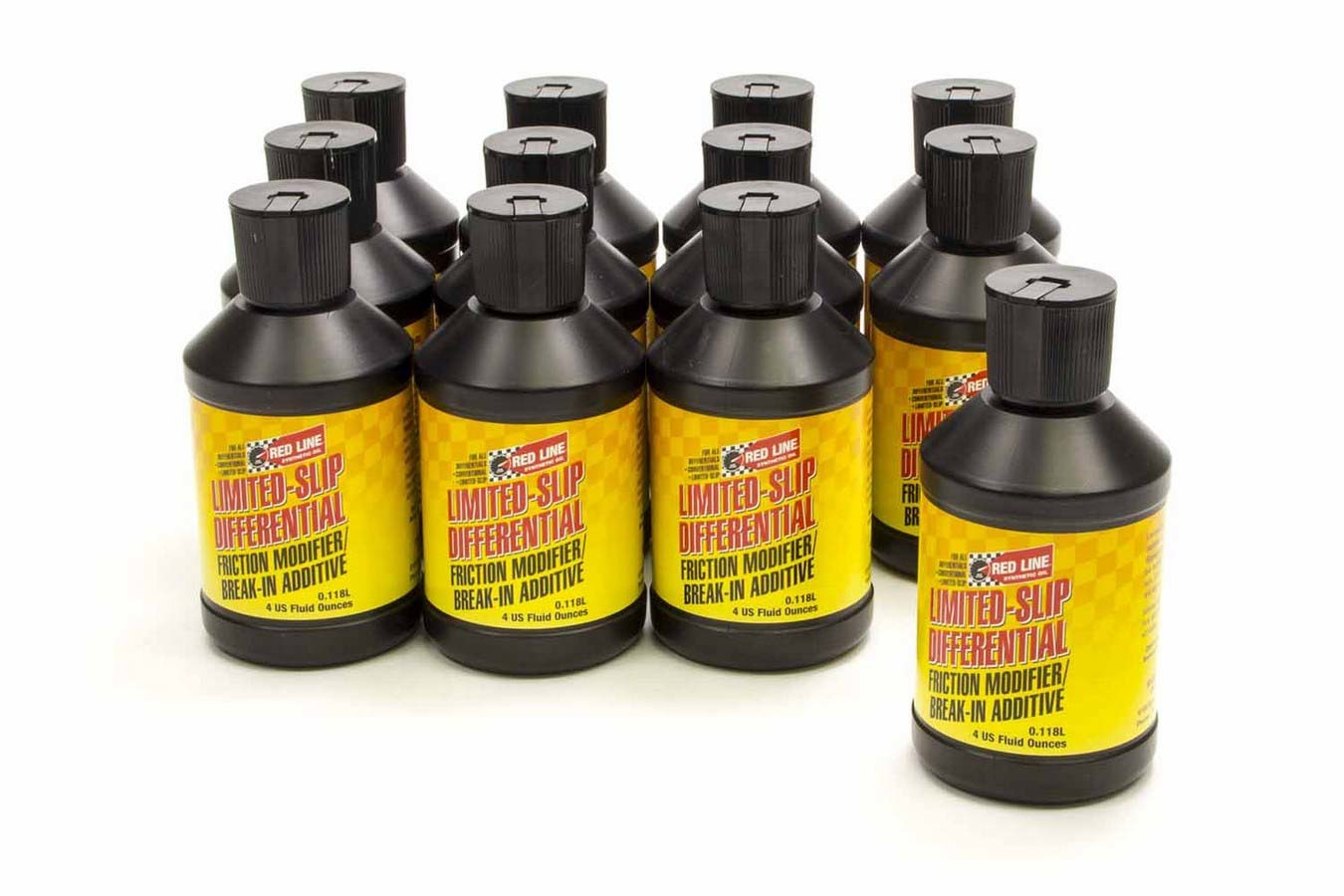
- Add it when called for. Additives from Red Line, Yukon, CRC, Spicer and Crown Auto (including a Mopar-spec bottle) are added during a fluid change. Follow the axle maker's or additive maker's dose.
- Gear-type units differ. Helical gear units such as the Eaton Detroit Truetrac generally do not need a friction modifier. Confirm with the differential maker.
If you are rebuilding or upgrading an axle, our off-road recovery gear guide and lift and leveling kits guide cover related builds.
Changing differential oil and marine gear lube
Gear oil change intervals vary widely. Some manuals list a mileage interval, some say the fill is for life under normal use, and many shorten the interval for towing, off-road driving or water crossings. Milky or foamy gear oil usually means water got in and the oil should be changed.
- Loosen the fill plug first, so you know you can refill before you drain.
- Drain from the drain plug or pull the cover, and clean the cover and magnet if fitted. Some differentials use a gasket and others use RTV sealant.
- Refill with the specified oil, typically to the bottom of the fill hole, unless your service manual says otherwise. A hand pump makes this much easier.
- Torque plugs to spec and check for leaks after a short drive.
Outboard and sterndrive lower units use marine gear lube such as Sierra, Star Brite, Liqui Moly Marine or Lucas M8, and are usually filled from the bottom plug up with a pump until oil comes out of the top vent. Follow the engine maker's spec. For trailering boats, see our boat trailer parts guide, and for engine oil questions see synthetic vs conventional oil.