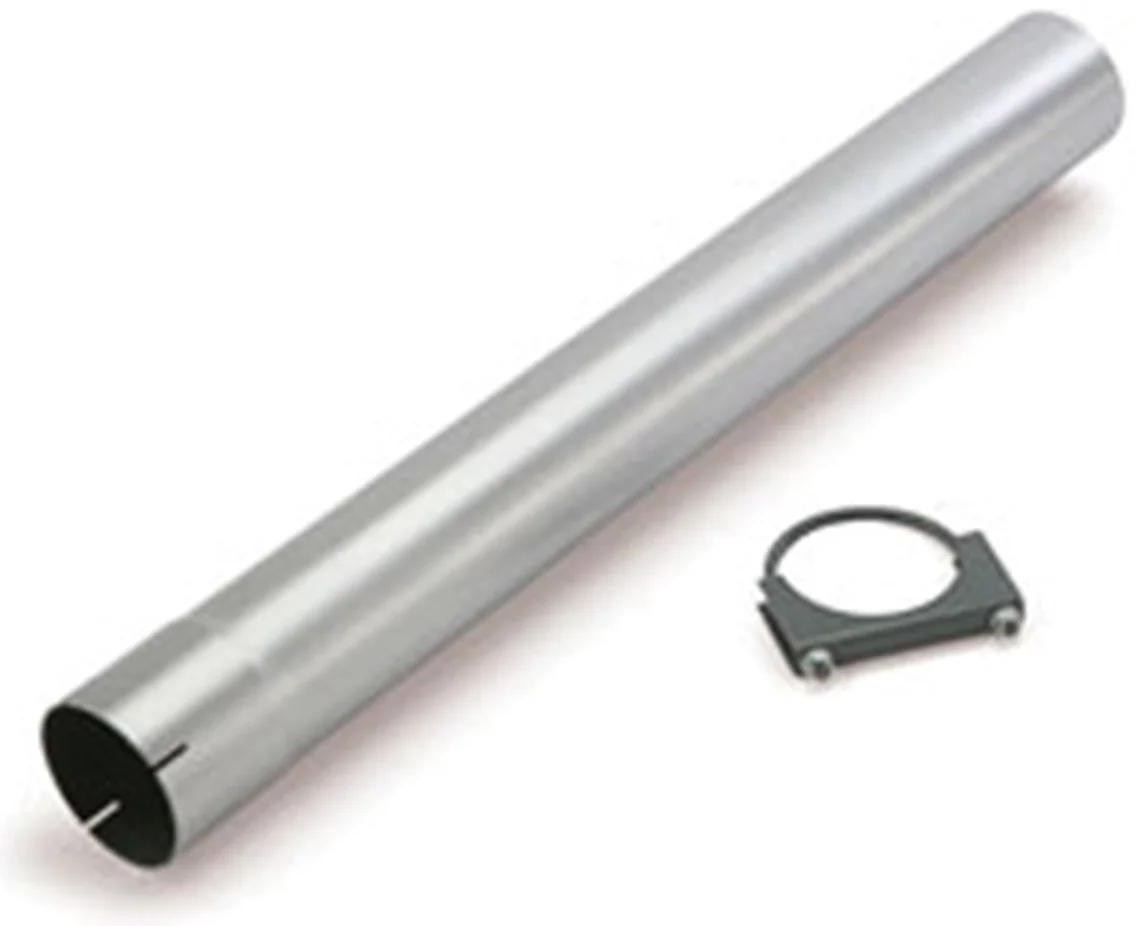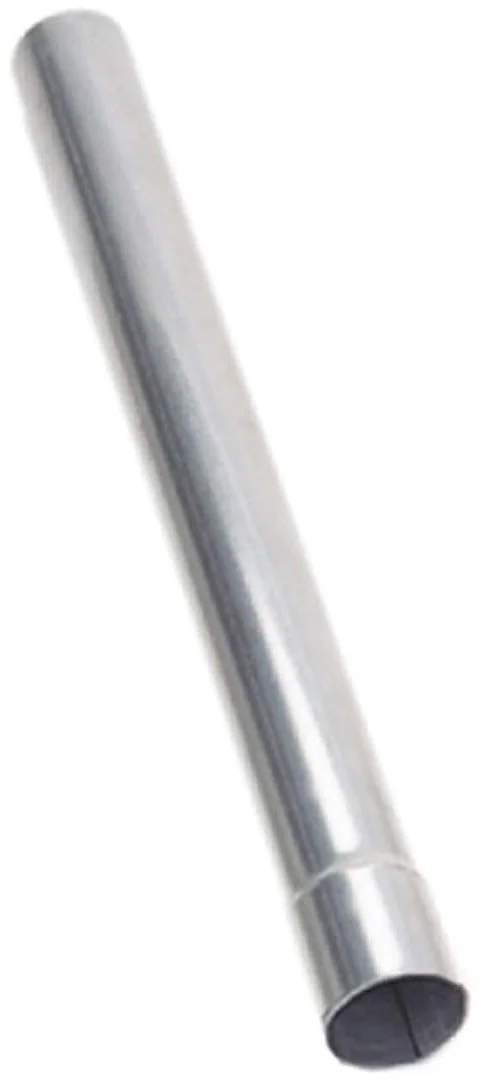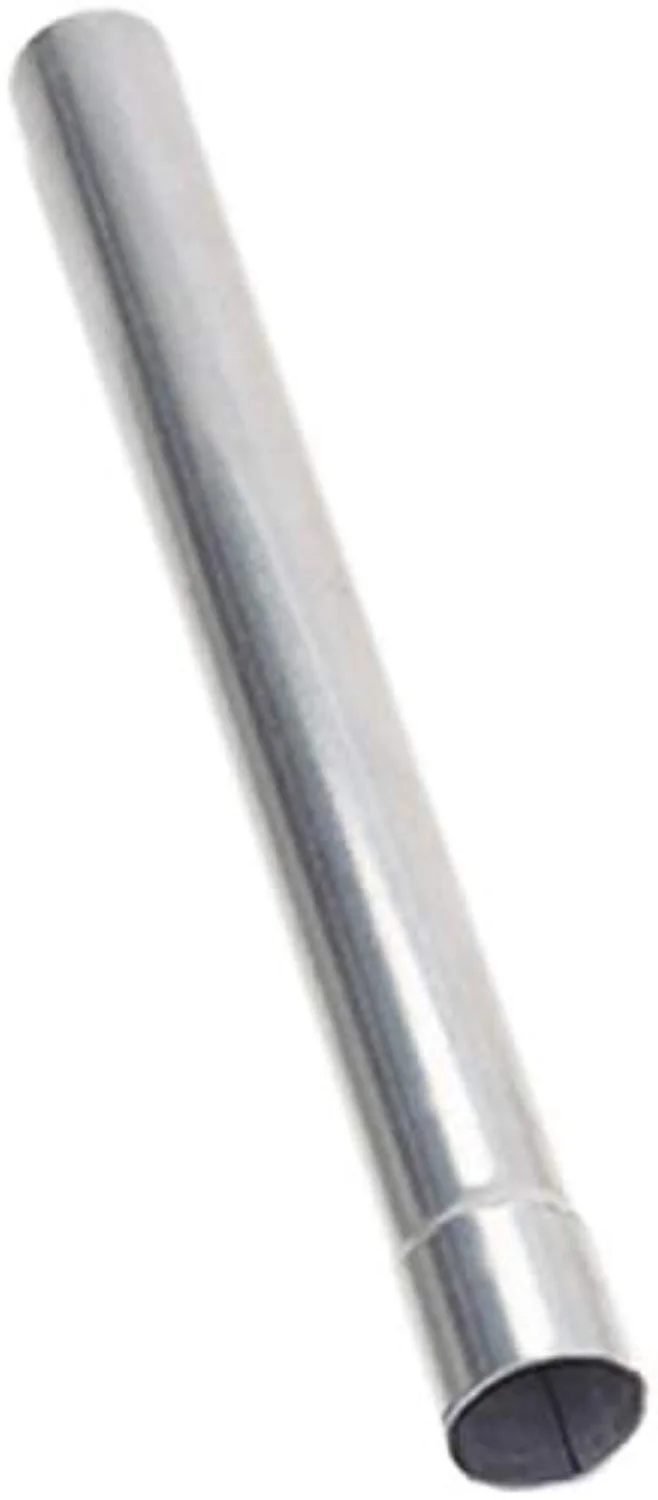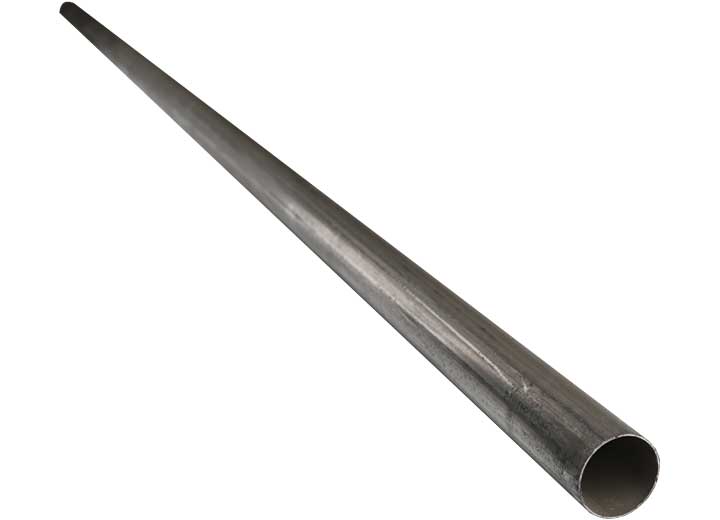
Looking for 2 inch exhaust pipe in a 10 ft length? We carry Walker 2 inch OD 10 foot straight exhaust tubing, along with 2.25 inch and 2.5 inch tubing in 10 ft and 7.5 ft lengths, so you can build or repair an exhaust run with as few joints as possible.
This page lists the exhaust pipe and tubing we carry from Walker, AP Exhaust, Promaxx, Vibrant, Dynomax, Schoenfeld, Patriot Exhaust, Flowmaster and Nickson: straight pipe, mandrel bends, tailpipes and tailpipe extensions, elbows, adapters and connectors. Below is how to measure pipe size, why mandrel bends matter, and how aluminized vs stainless exhaust tubing compares.
How to measure exhaust pipe size (OD vs ID)
Exhaust tubing is sold by outside diameter (OD). A 2 inch exhaust pipe measures 2 inches across the outside, and the inside is a little smaller depending on wall thickness. Common sizes for cars and light trucks run from 1.75 inch to 3 inch, with 3.5 and 4 inch used on bigger engines and diesels.
- Measure the old pipe. Use calipers on a straight section, or wrap a string around it and divide the length by 3.14. A reading near 6.3 inches around means 2 inch pipe.
- Know which end slips over which. Fittings are listed as ID (fits over a pipe) or OD (fits inside a pipe or an expanded end). An adapter listed as 2.5 inch OD to 2 inch ID, for example, joins a 2 inch pipe to a 2.5 inch section.
- Check wall thickness. Many universal tubes and bends are 16 gauge, which is a common choice for street exhaust. Some lighter pieces are 18 gauge.
| Length | Good for |
|---|---|
| 10 ft straight tubing | Long runs under trucks and full custom systems with fewer joints |
| 7.5 ft straight tubing | Most car and small truck repairs, easier to ship and handle |
| 12 to 36 inch extensions | Lengthening a tailpipe or replacing one rusted section |
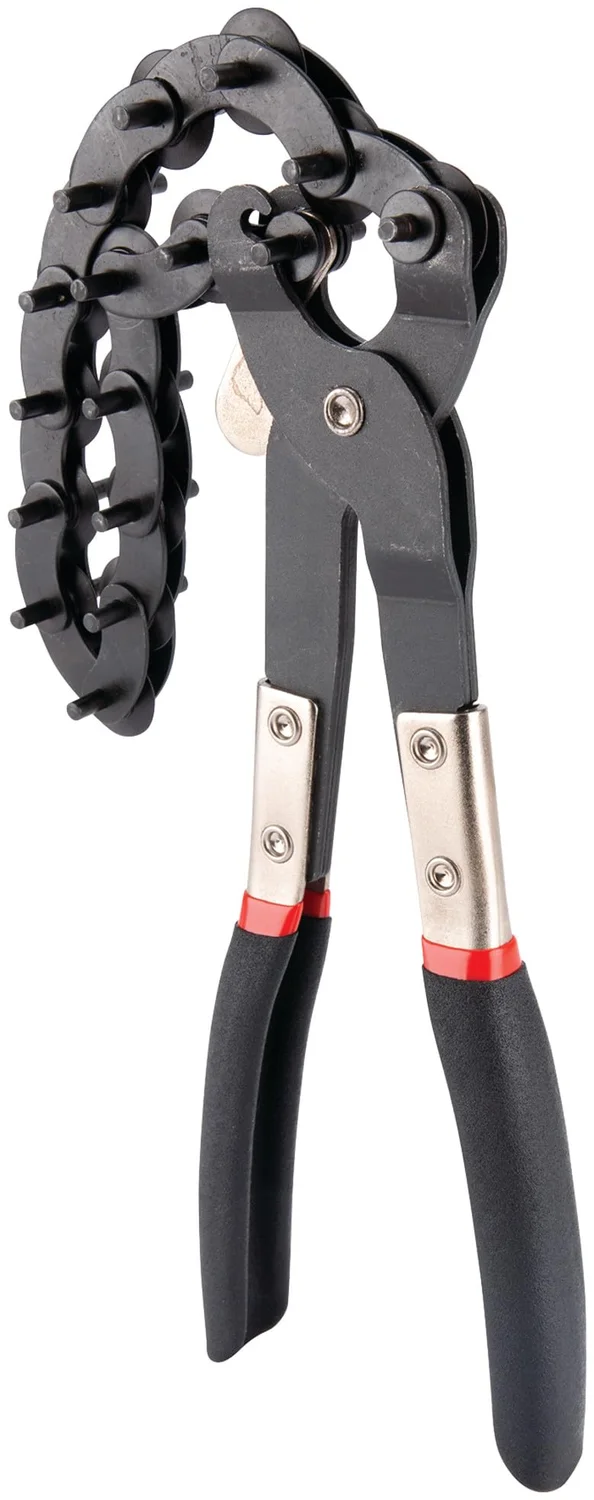
Cut tubing square with a tubing cutter or chain-style cutter such as the Perform Tool tailpipe cutter listed below, then deburr before fitting.
Mandrel bends vs crush bends
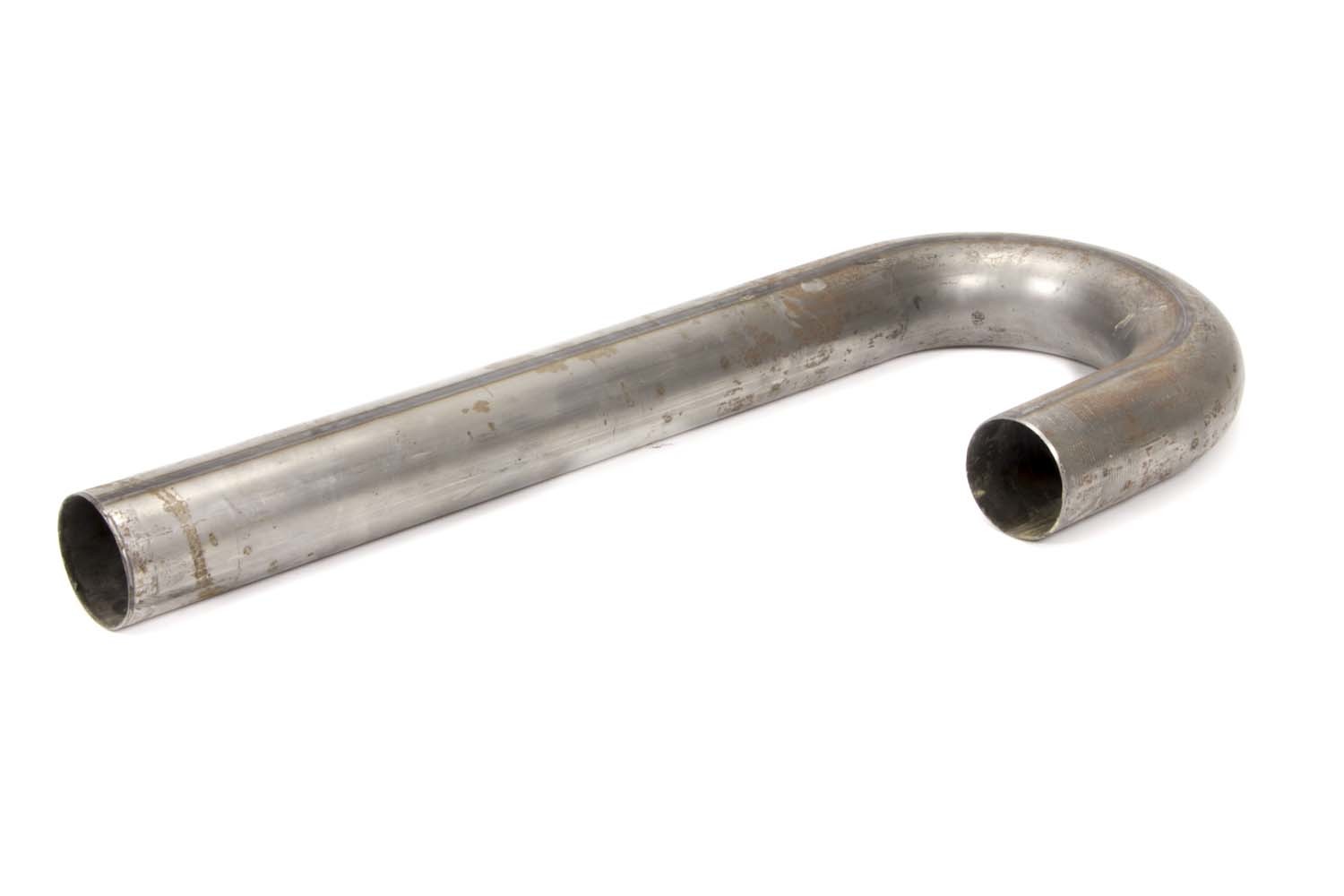
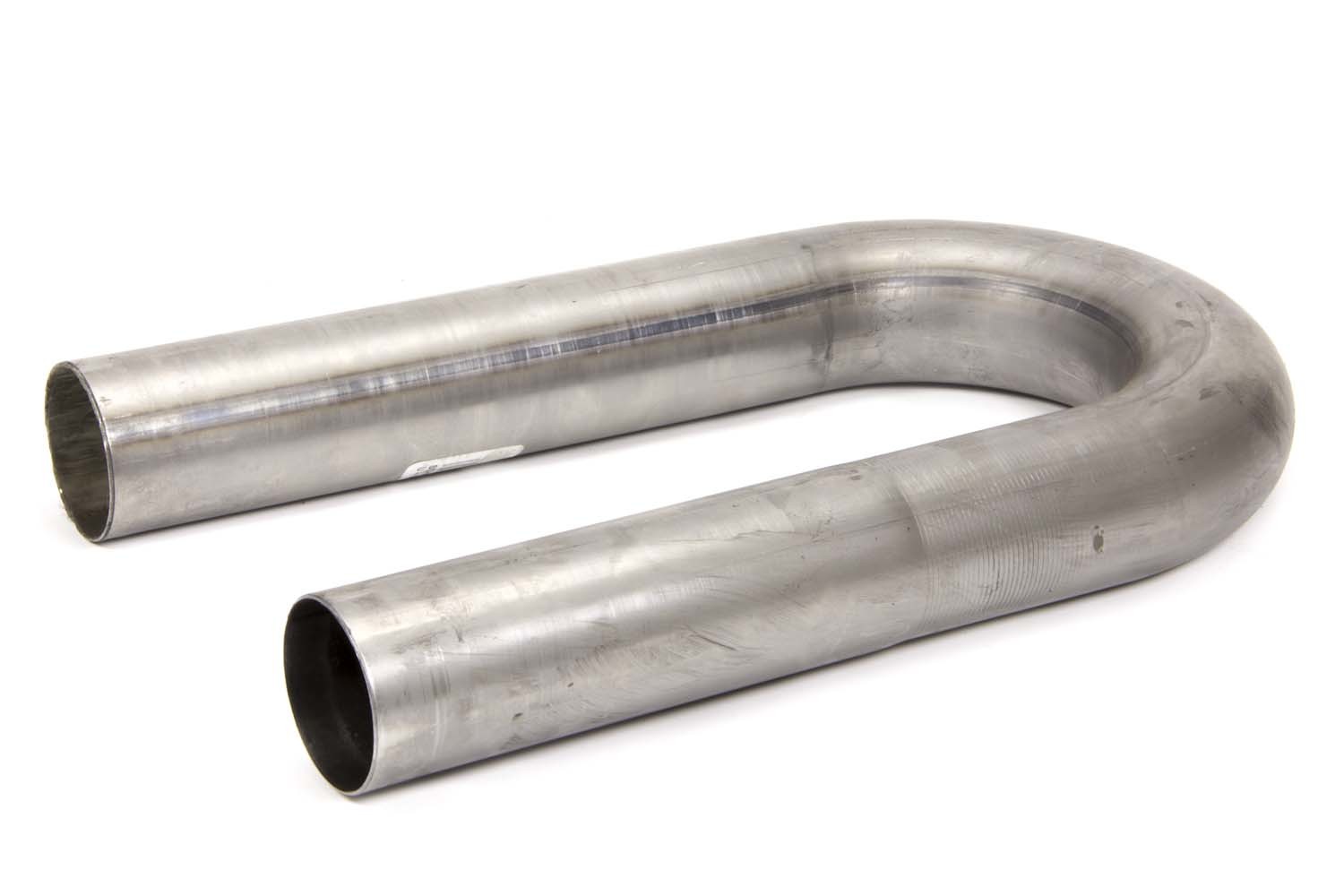
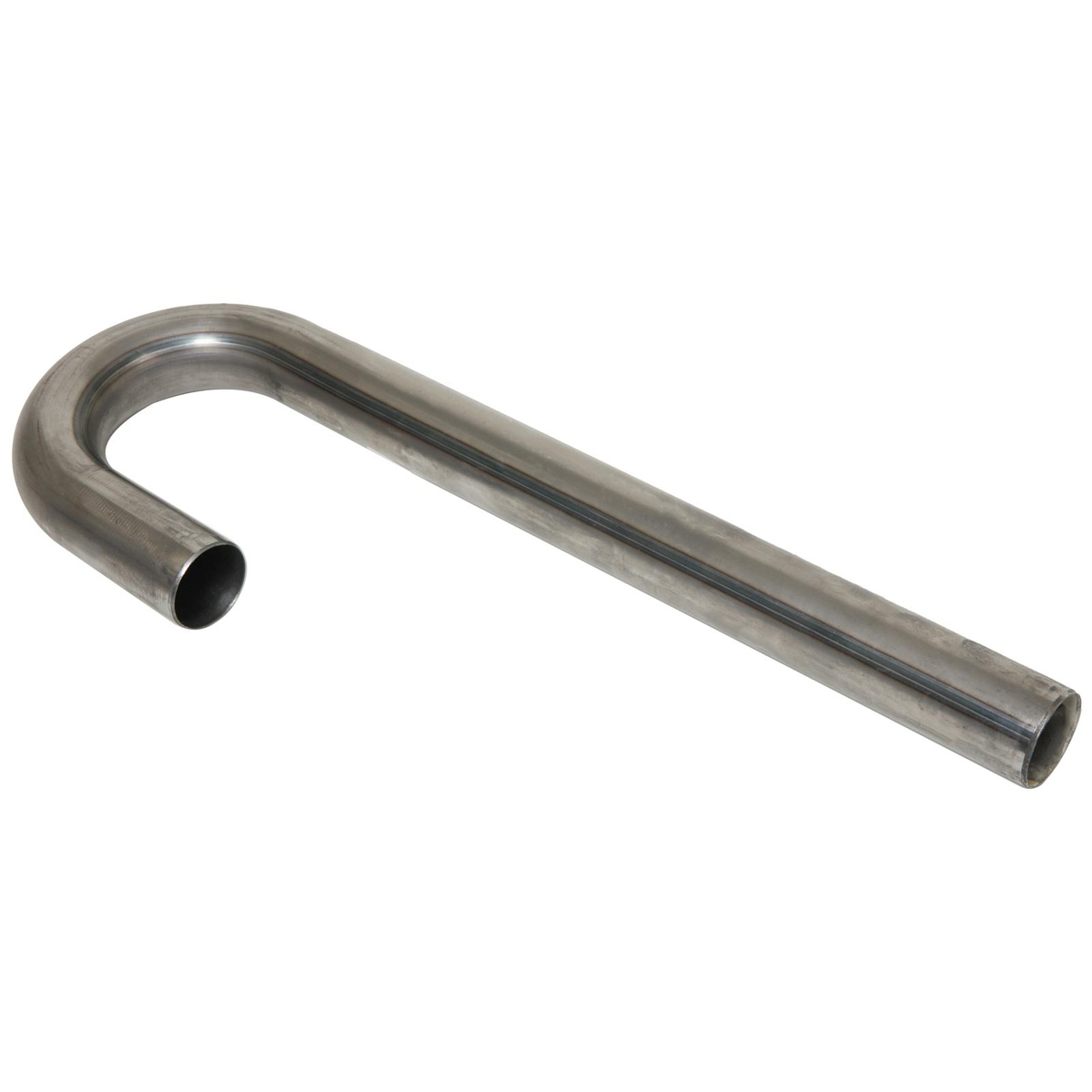
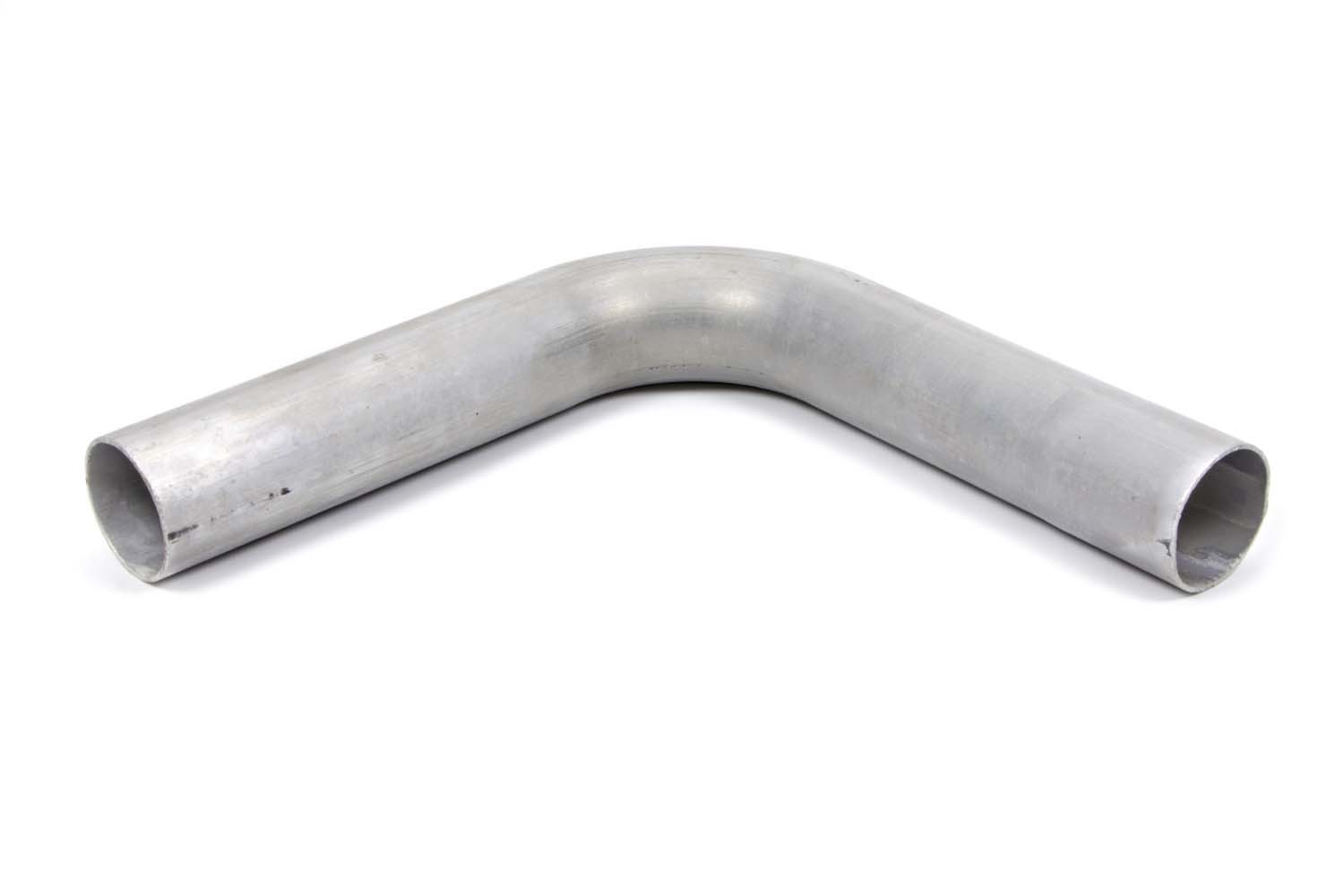
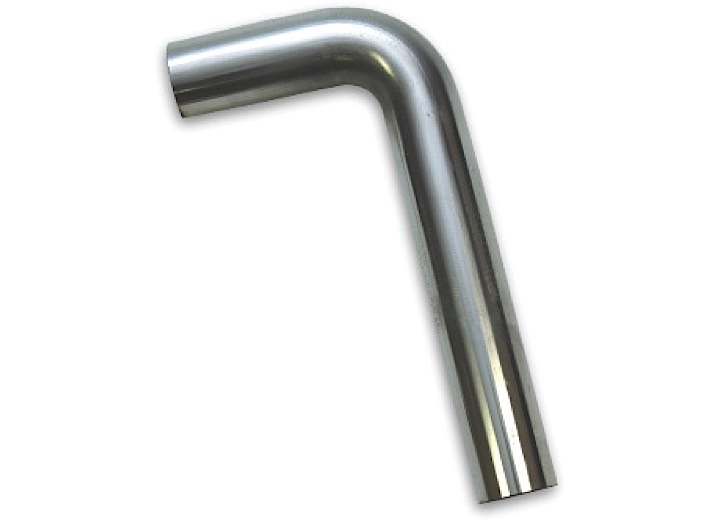
A mandrel bend is formed with a support inside the tube, so the pipe keeps nearly the same diameter all the way through the bend. A crush bend, the kind many muffler shop benders make, squeezes the pipe at the bend and narrows it. Mandrel bends keep flow smoother and look cleaner, which is why most performance and custom builds use them.
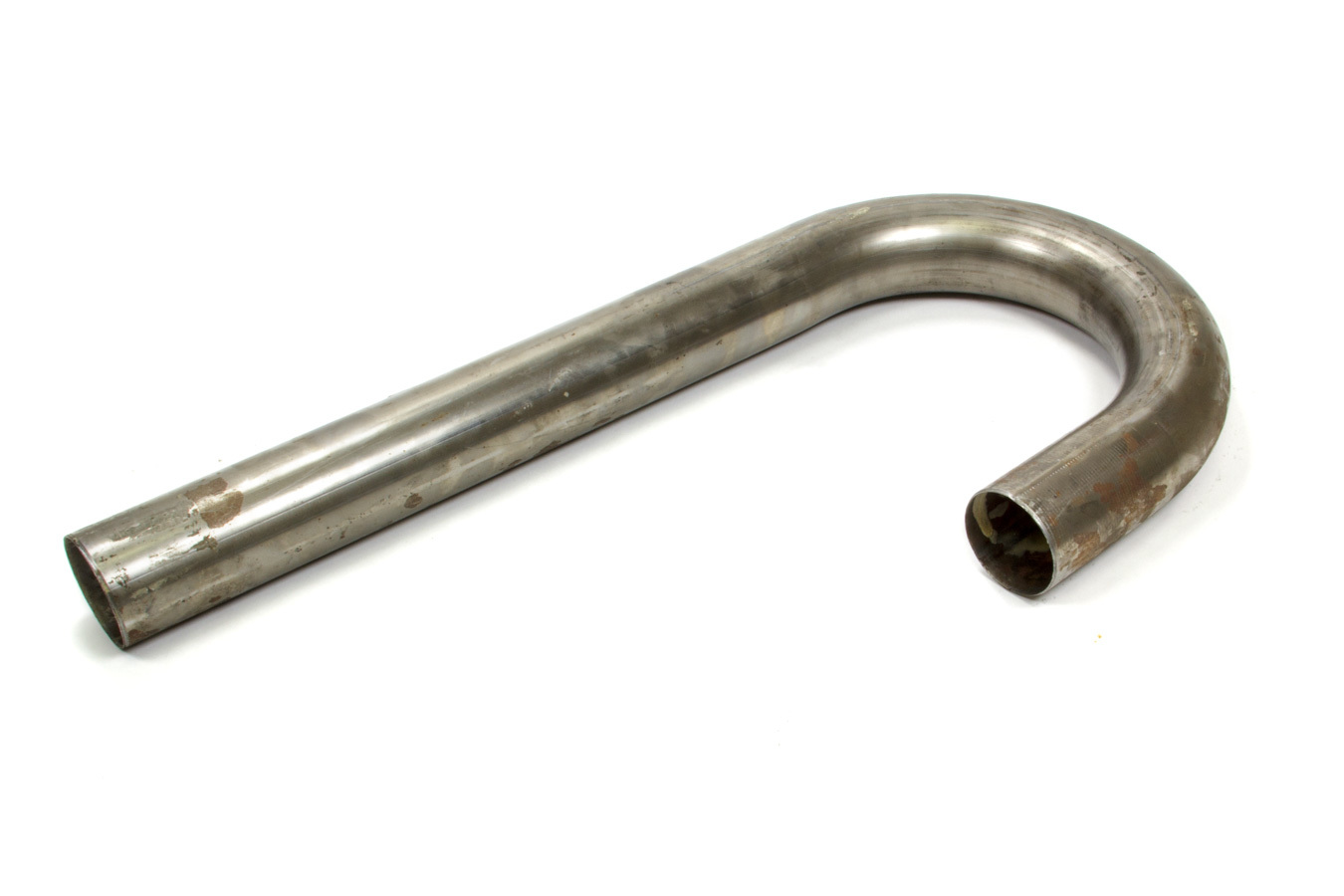
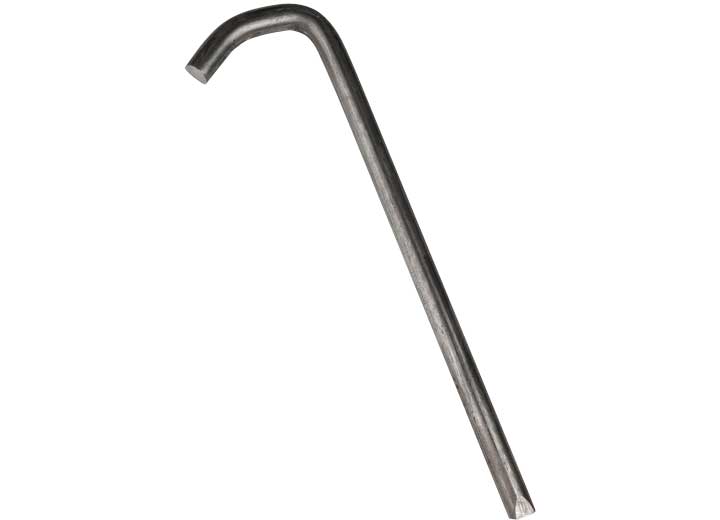
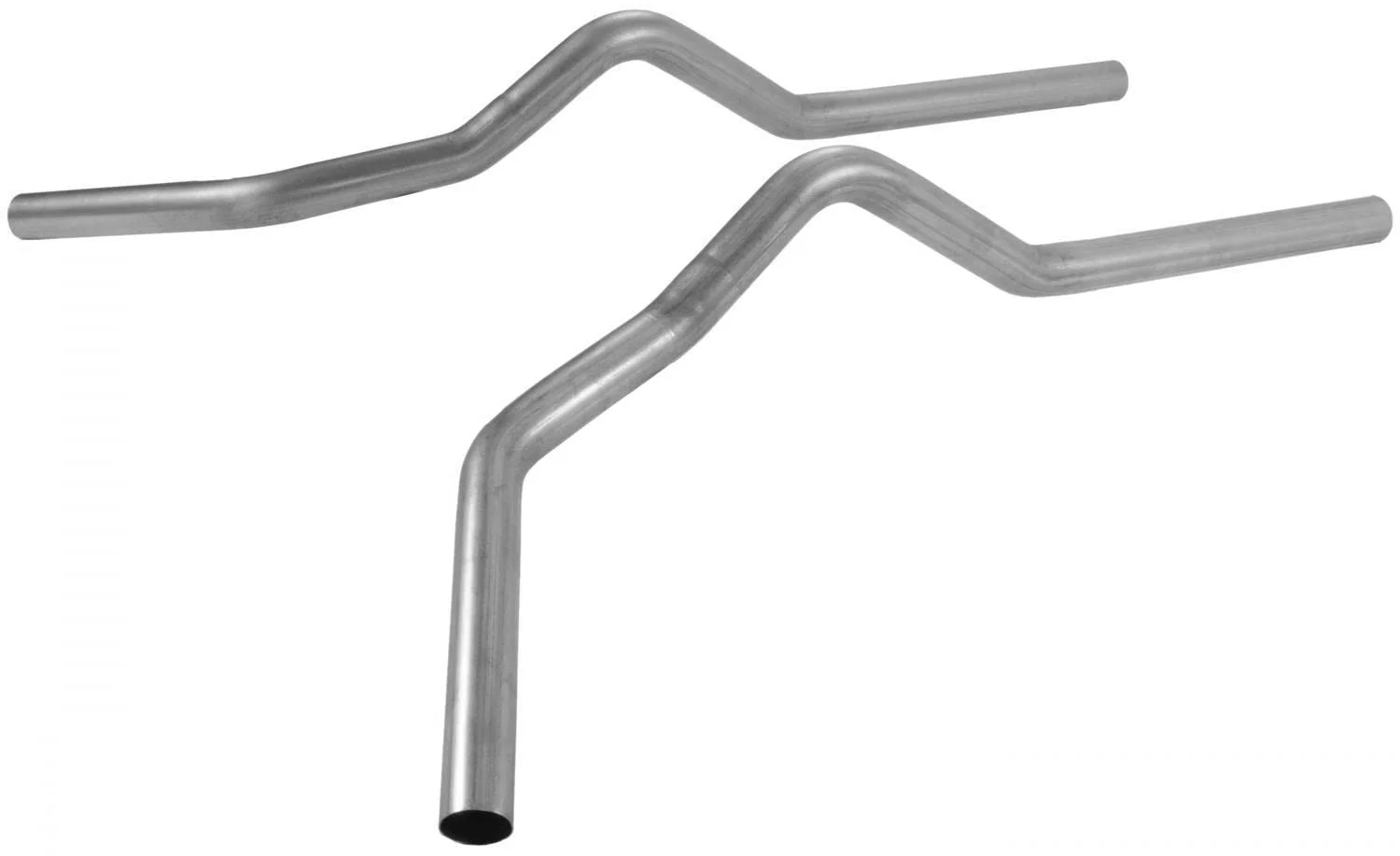
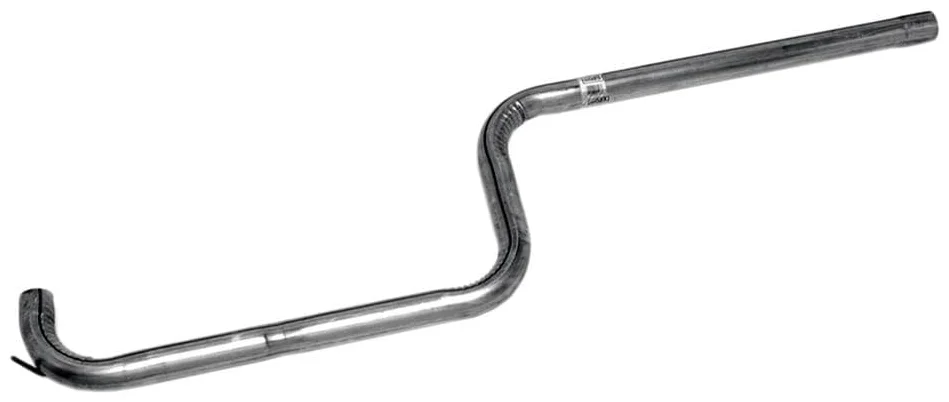
- Angles: 45, 60, 90 and 180 degree (U-bend) pieces are the building blocks. J-bends and S-bends handle offsets around axles and frame rails.
- Centerline radius (CLR): the radius of the bend measured to the center of the tube. A tight radius fits small spaces. A larger radius flows a little better and is easier to weld.
- Leg length: some bends include straight legs so you have room to clamp or weld.
Vibrant sells 304 stainless mandrel bends from 1.25 inch to 4 inch, including oval bends, and Patriot Exhaust and Schoenfeld add 2.5 and 3 inch pieces. For a closer look at system layouts, see our exhaust systems buying guide and cat-back vs axle-back vs header-back.
Aluminized vs stainless exhaust tubing
Aluminized steel is mild steel with an aluminum-silicon coating that slows rust. It costs less, cuts and bends easily, and welds with common equipment. Most of the straight tubing, elbows and tailpipes from Walker, Dynomax, AP Exhaust and Promaxx are aluminized.
Stainless steel, usually 304 in the Vibrant and Patriot pieces we carry, resists corrosion much better and keeps its finish longer, but costs more and takes more care to weld. Grades such as 409 sit between the two.
| Aluminized | Stainless (304) | |
|---|---|---|
| Cost | Lower | Higher |
| Corrosion resistance | Fair, coating wears over time | High |
| Welding | Easy | Needs more skill |
| Best for | Repairs, budget builds, dry climates | Long-term builds, salted roads, show vehicles |
If you drive on salted winter roads, stainless usually lasts longer. More detail is in our article on stainless vs aluminized exhaust. Try not to mix the two at a joint where moisture sits, since dissimilar metals can corrode faster.
Tailpipes, extensions and repair parts
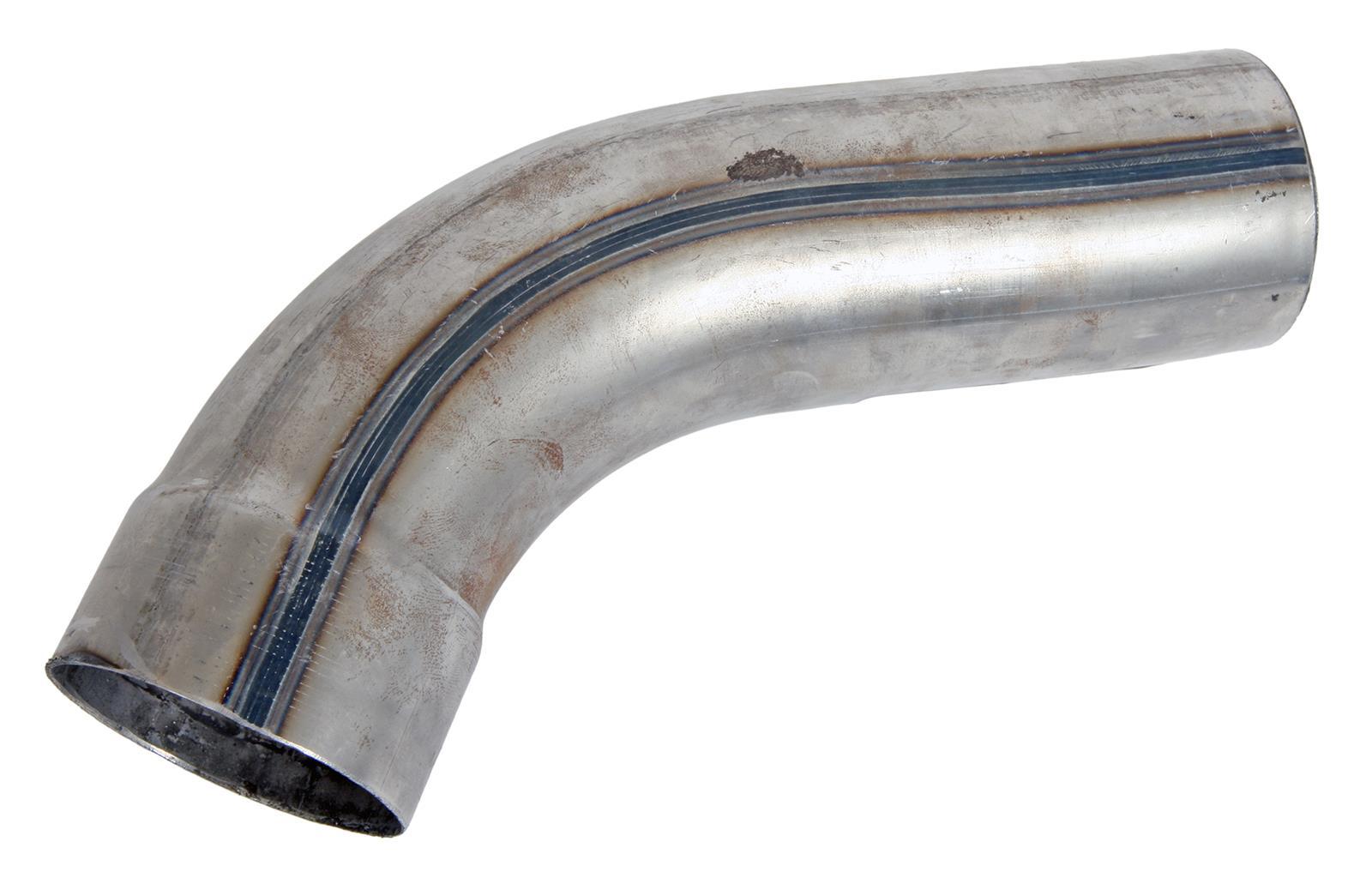
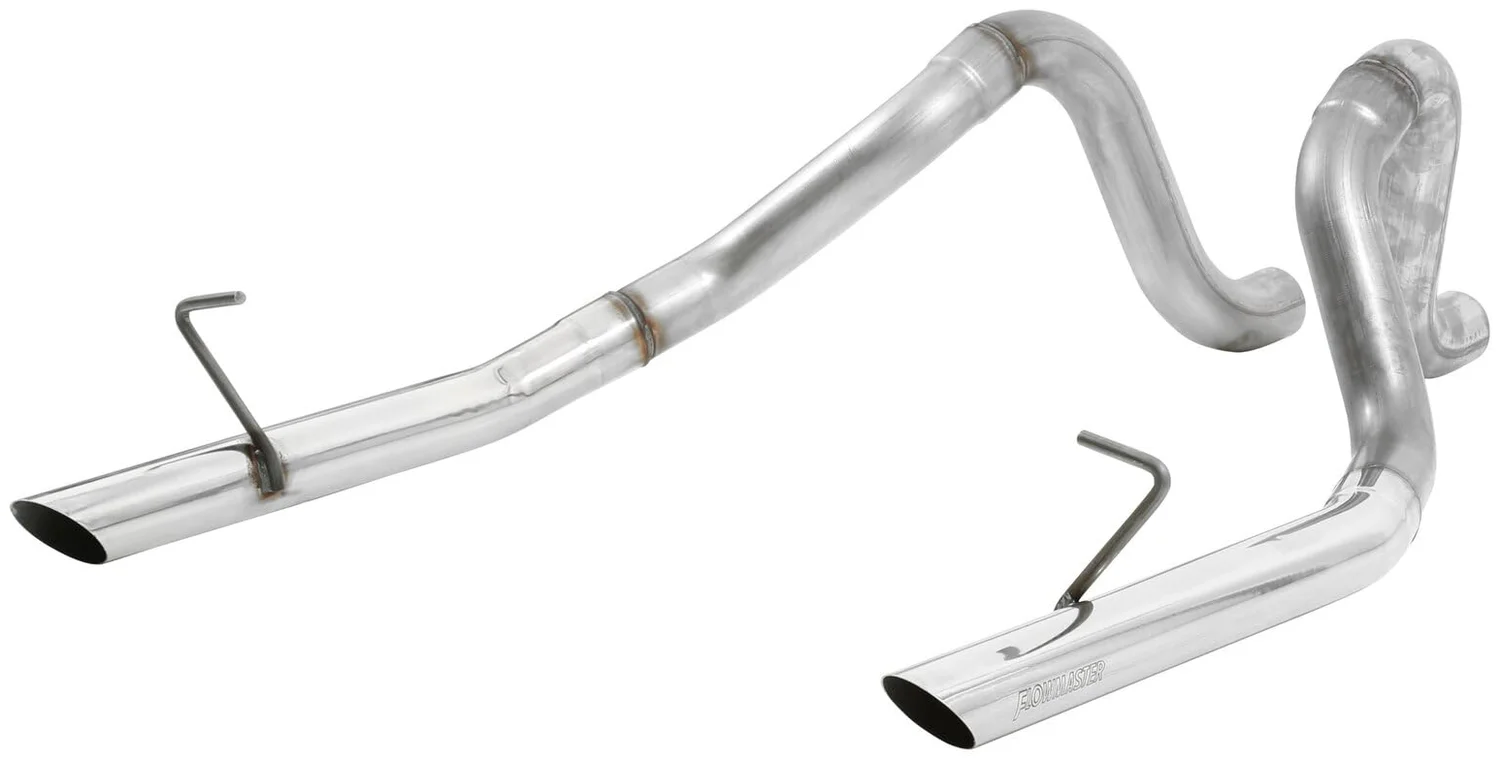
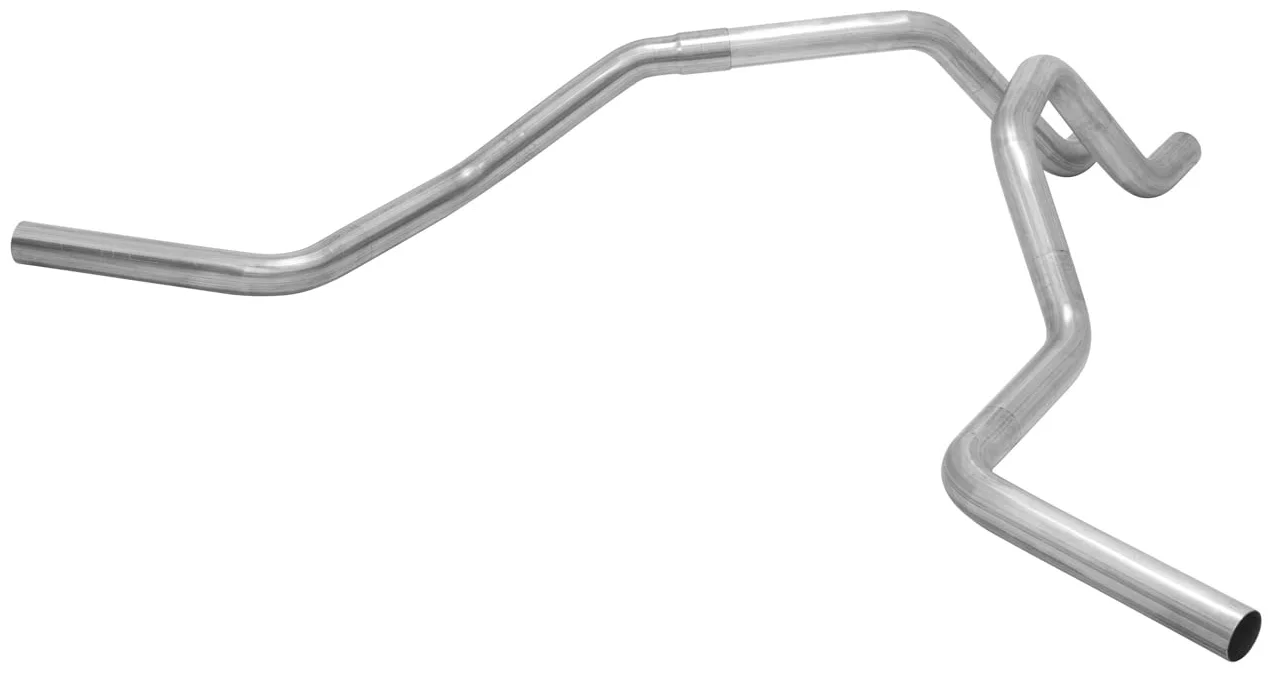
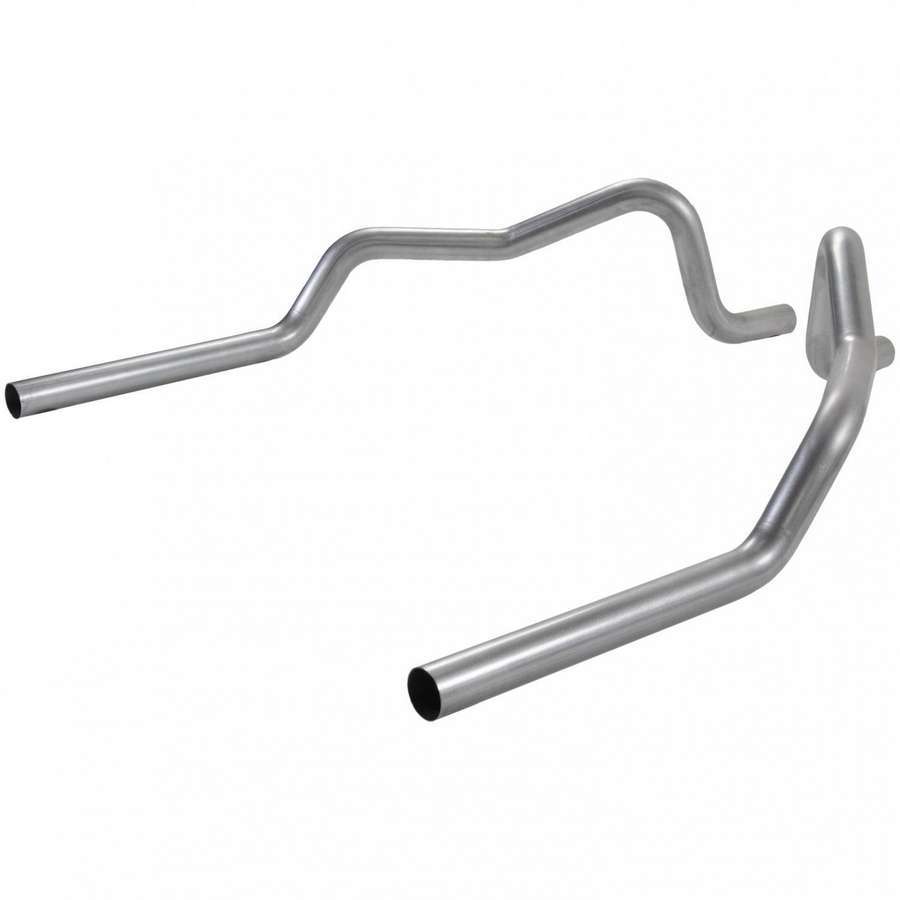
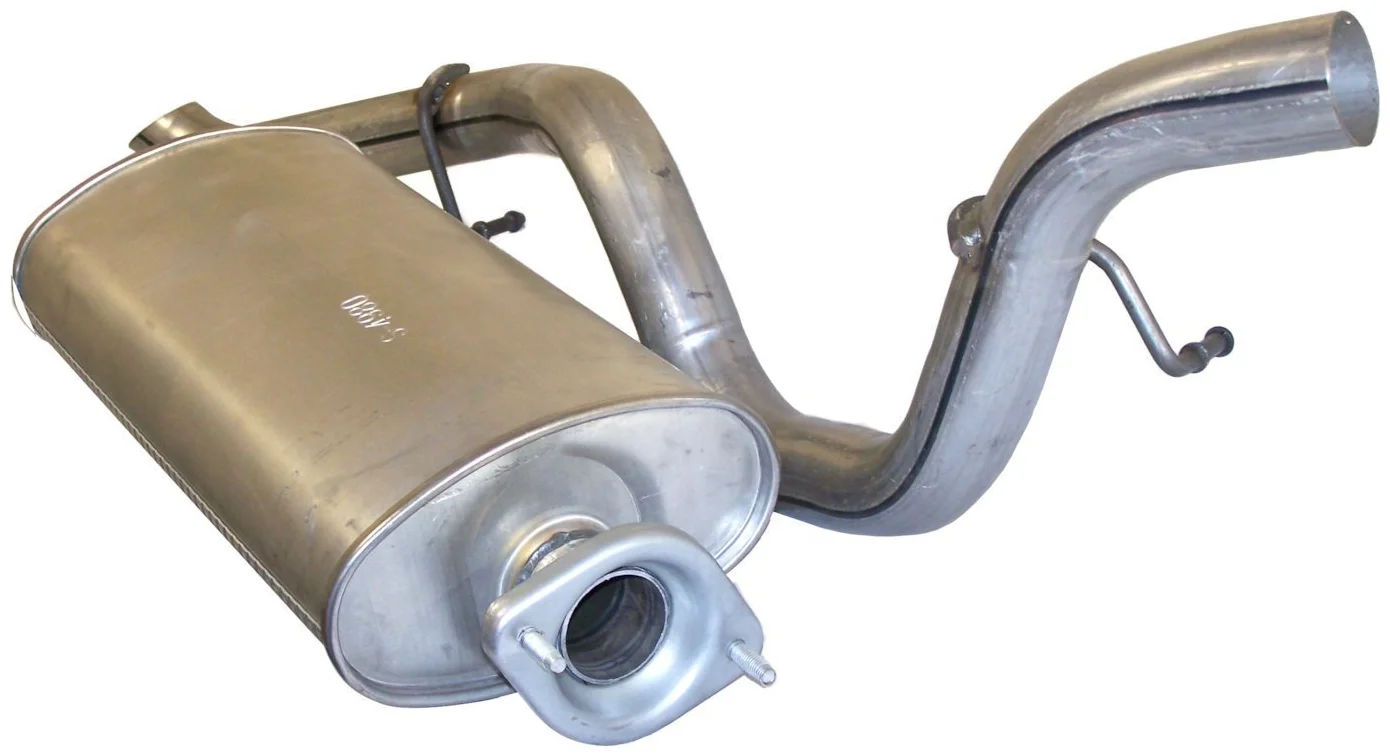
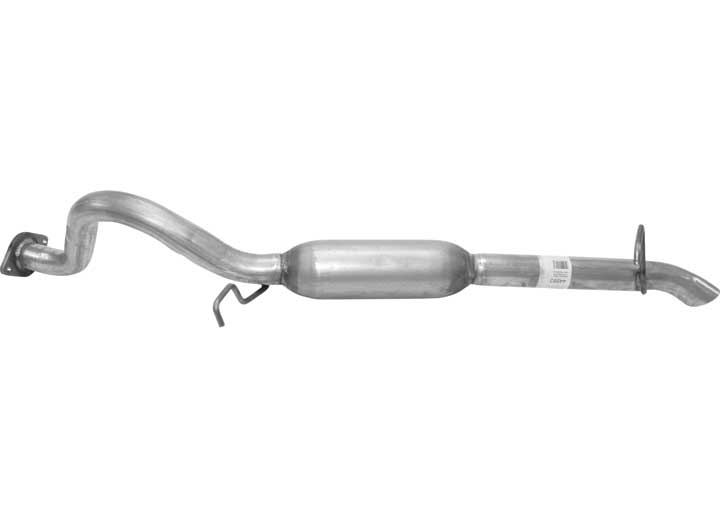
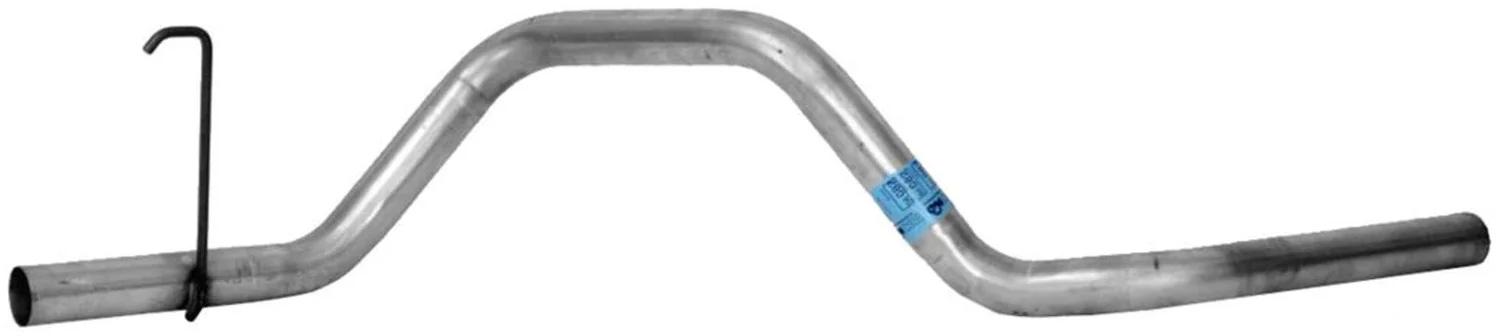
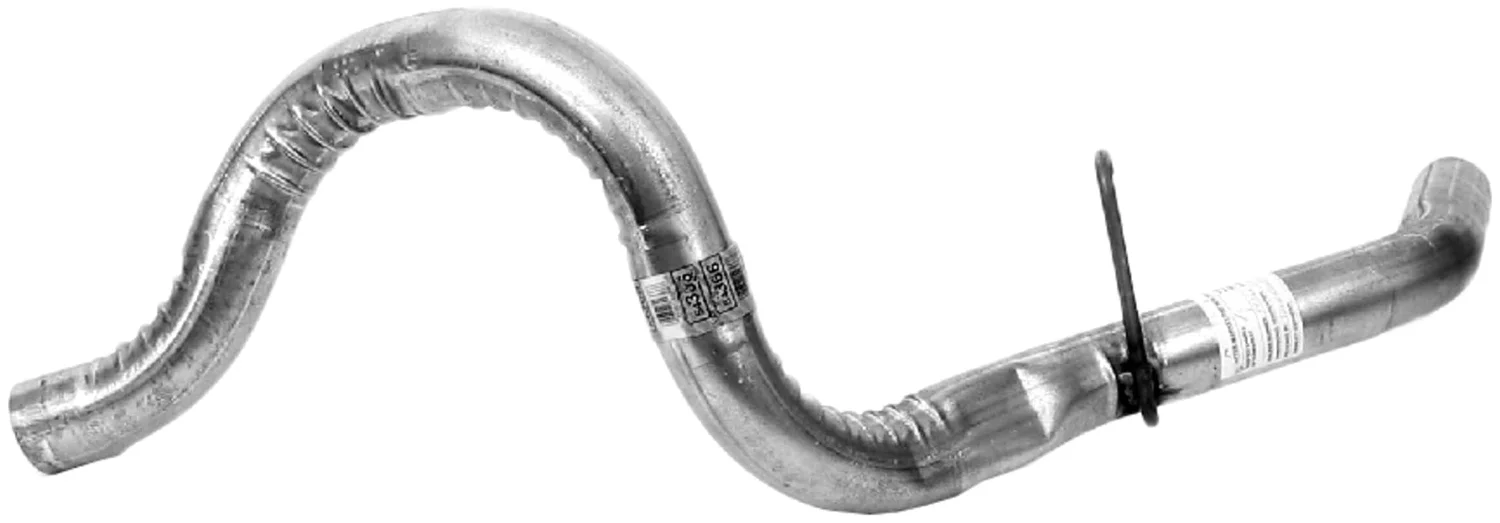
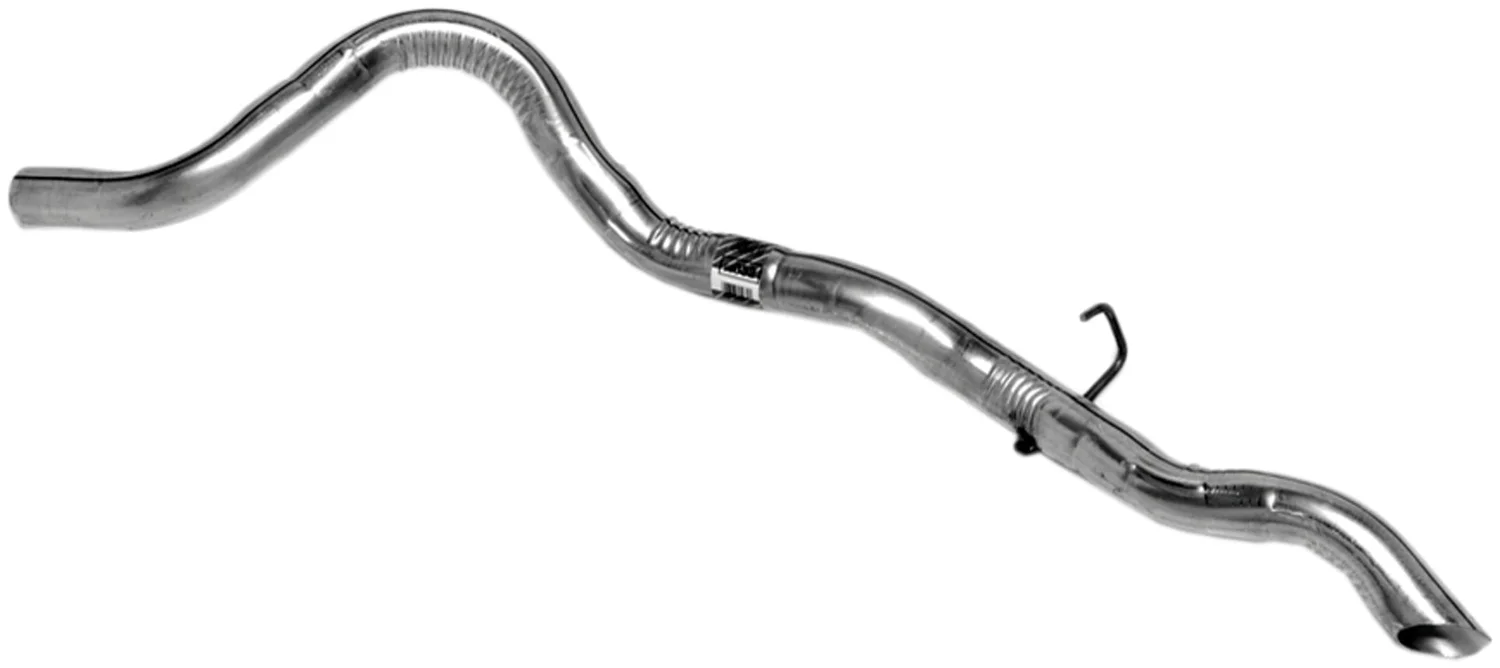
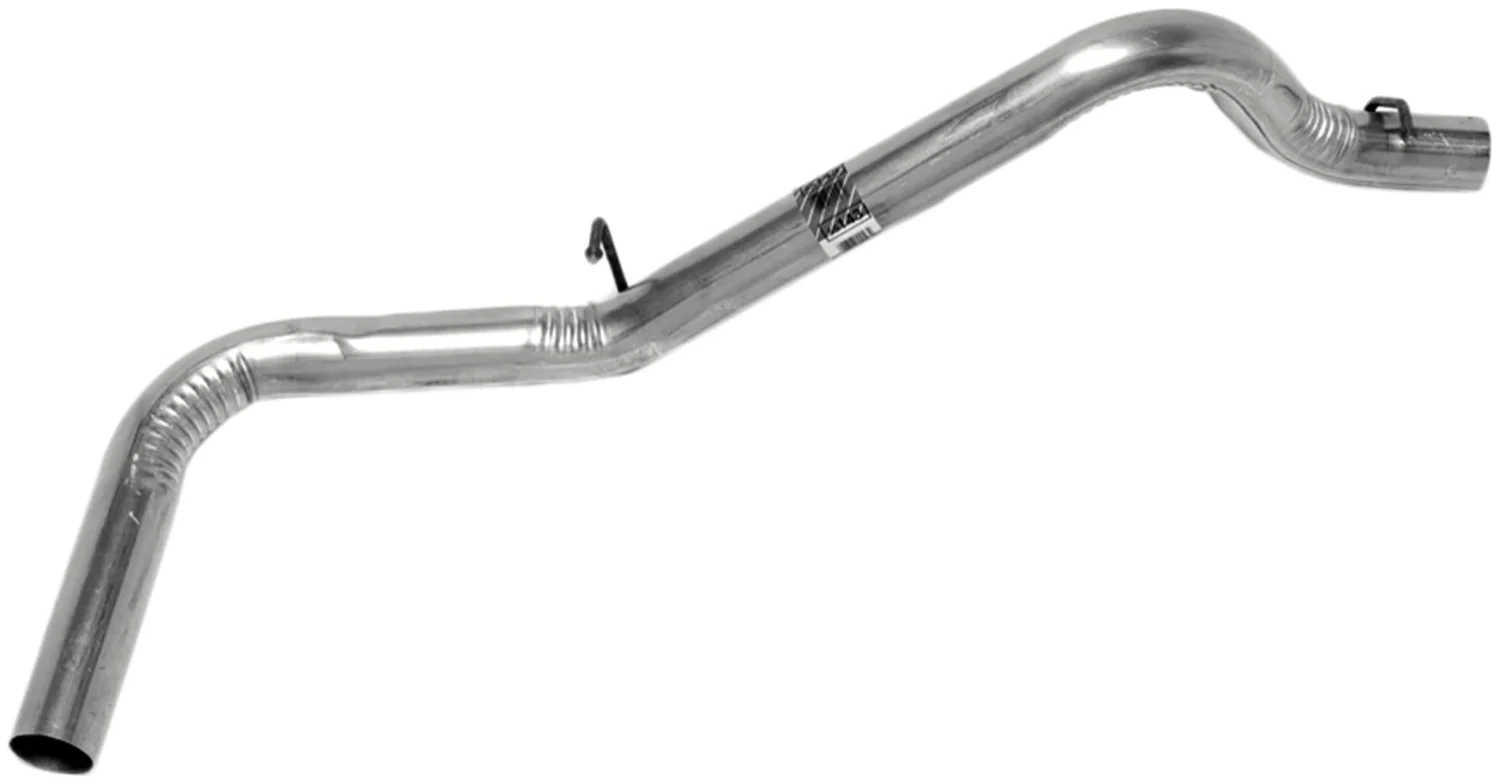
A tailpipe is the last section after the muffler. You can buy pre-bent tailpipes made for a specific vehicle from Walker, AP Exhaust and Dynomax, Flowmaster American Thunder and universal mandrel bent tailpipes, or build one from tubing. Nickson and Schoenfeld tailpipe extensions add 12 to 36 inches to clear a hitch, a bumper or a trailer.
For small holes and loose joints, Permatex muffler and tailpipe repair kits and Nickson flexible repair kits can get you by until a proper fix. Our guide on finding and sealing an exhaust leak walks through the steps, and exhaust heat wrap helps protect nearby parts. Exhaust and emissions rules vary by state (CARB in California), so check local rules before removing or modifying emissions equipment.