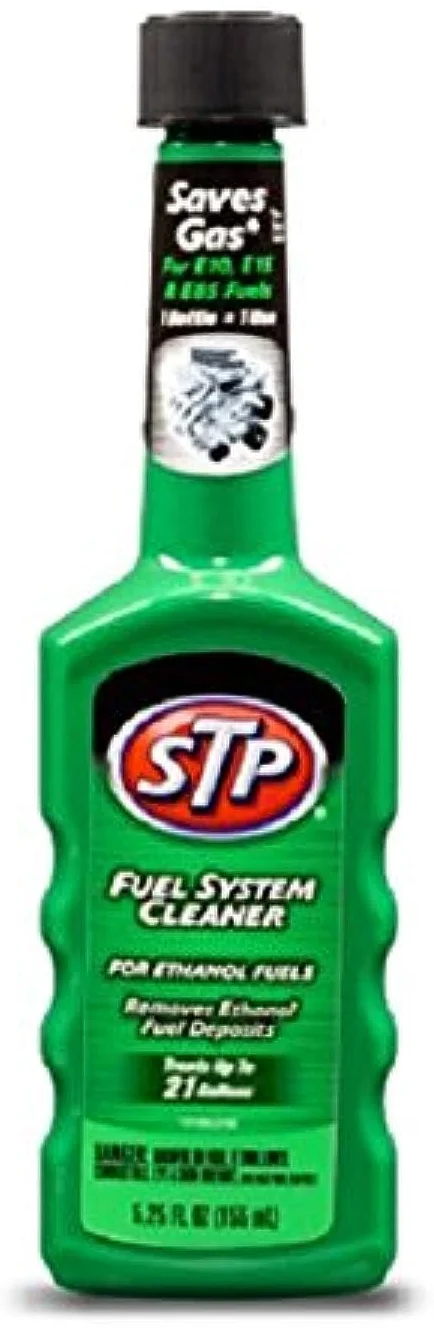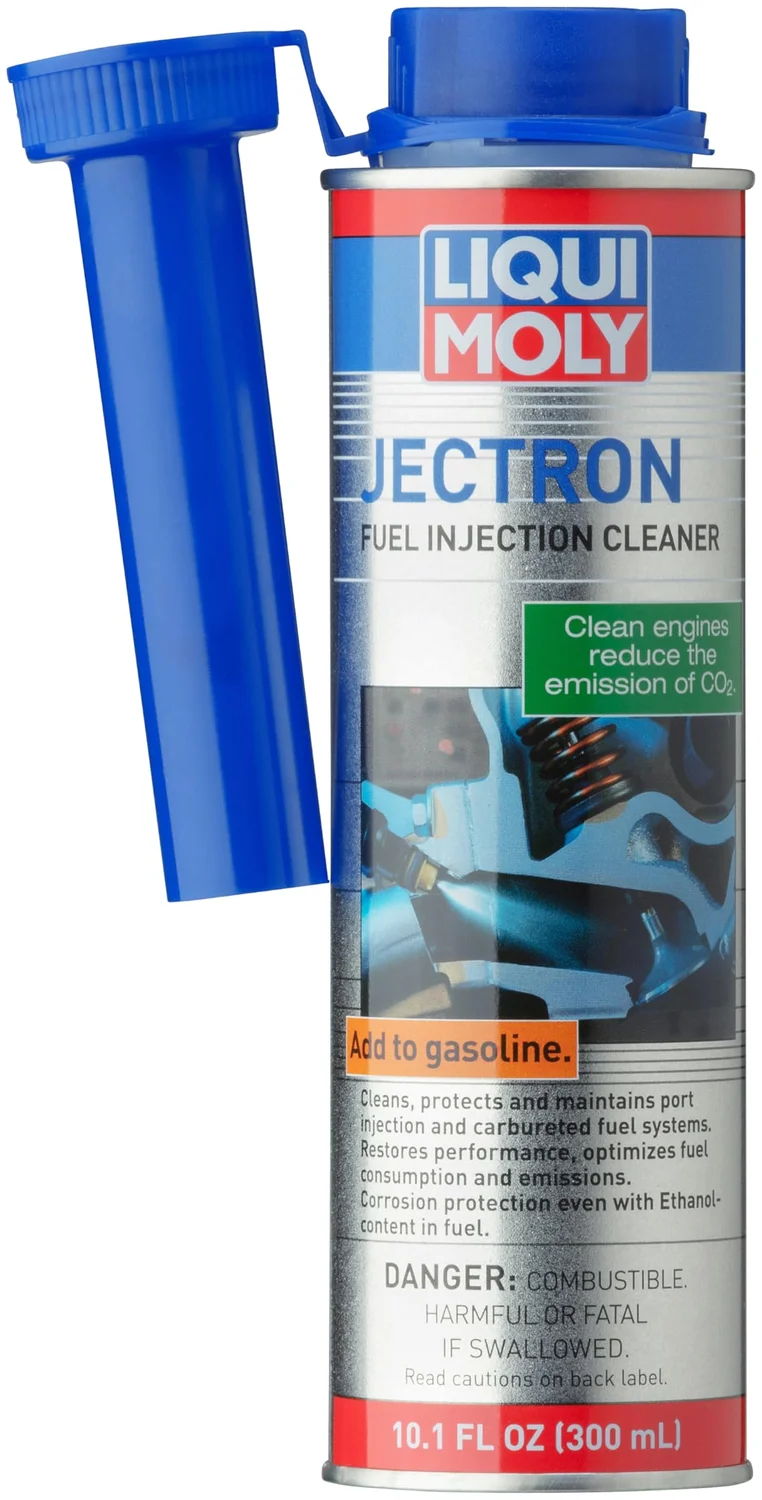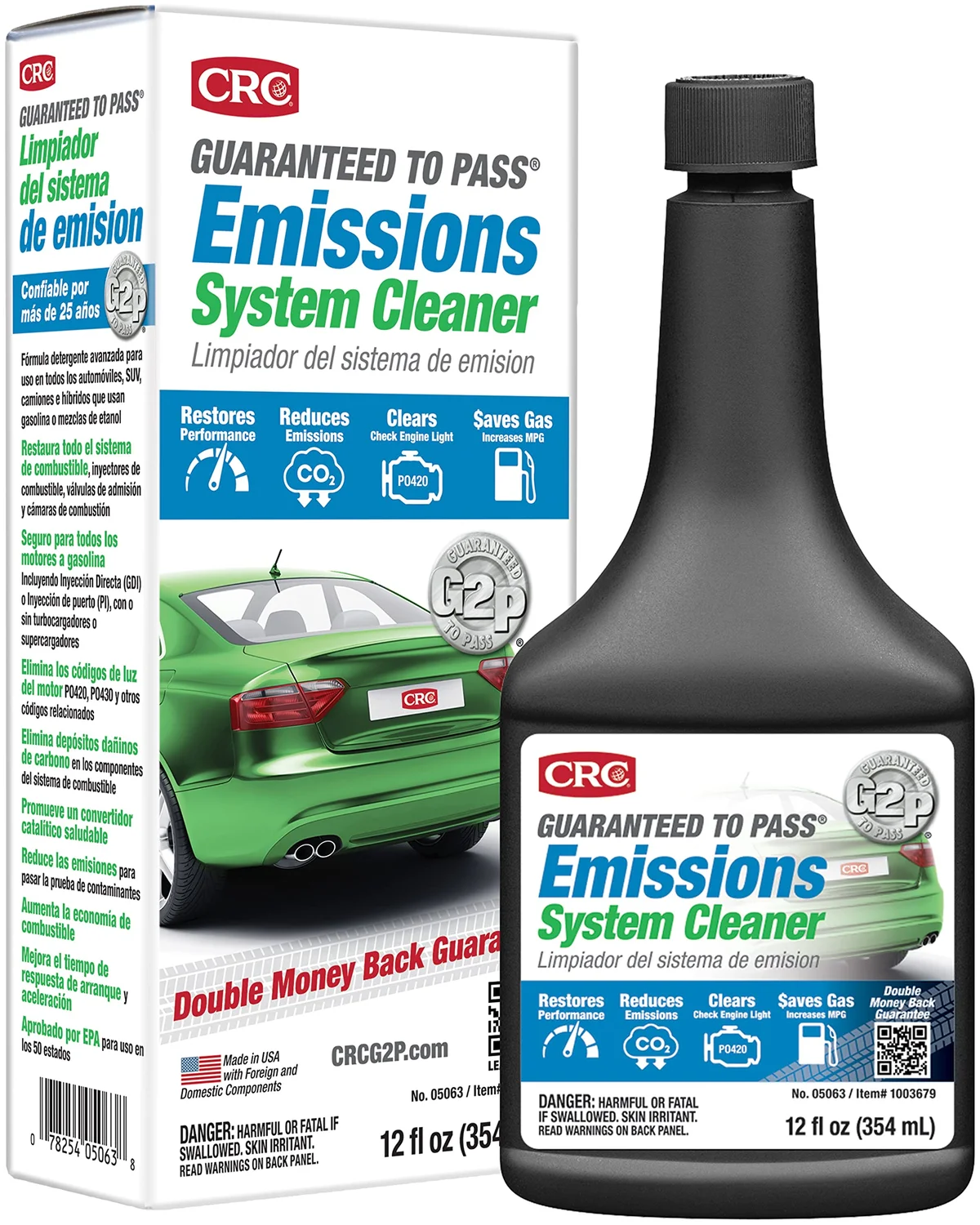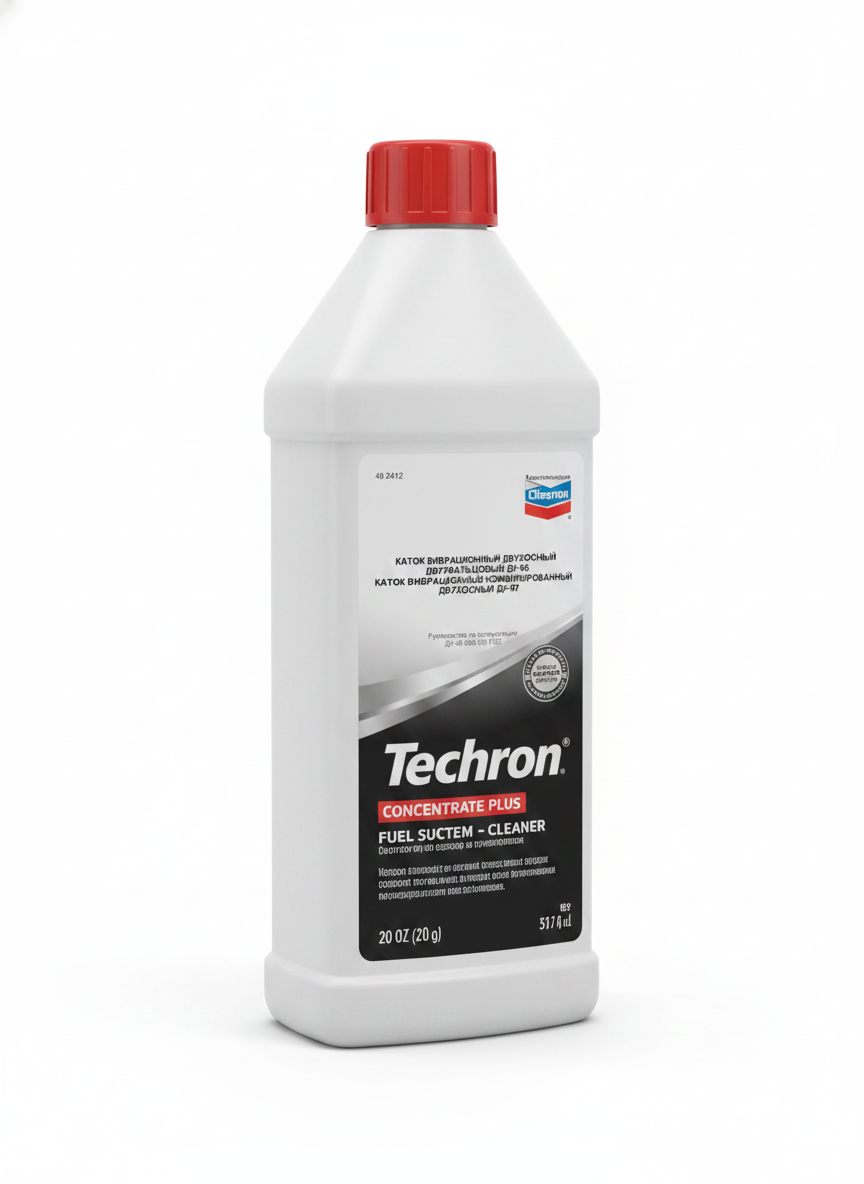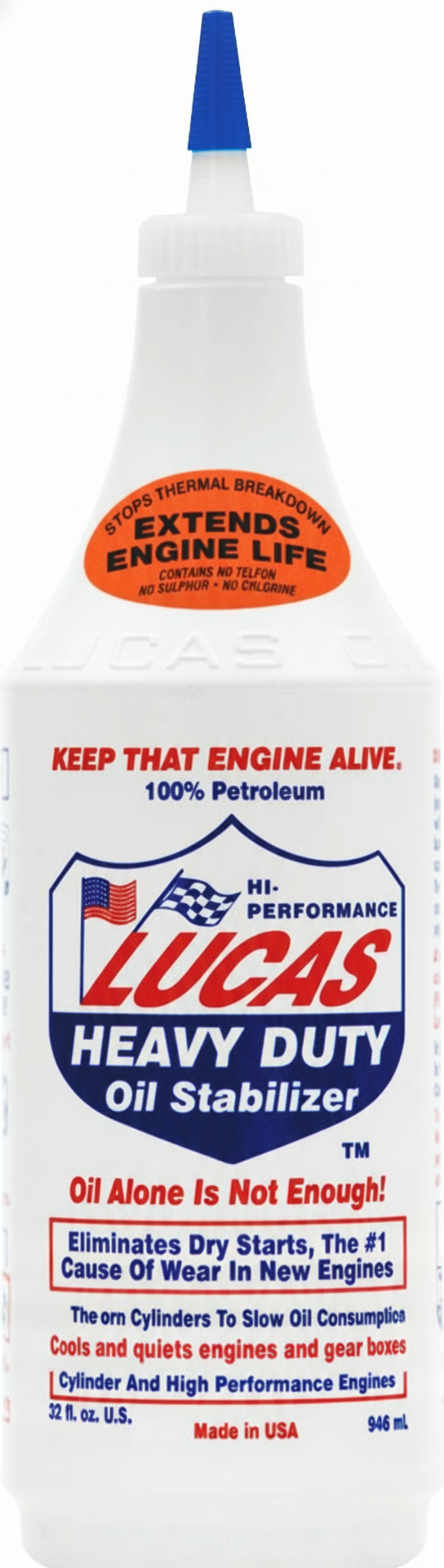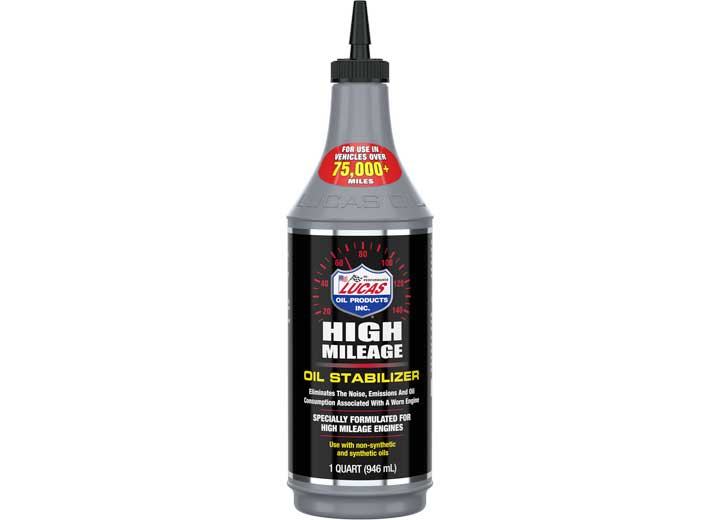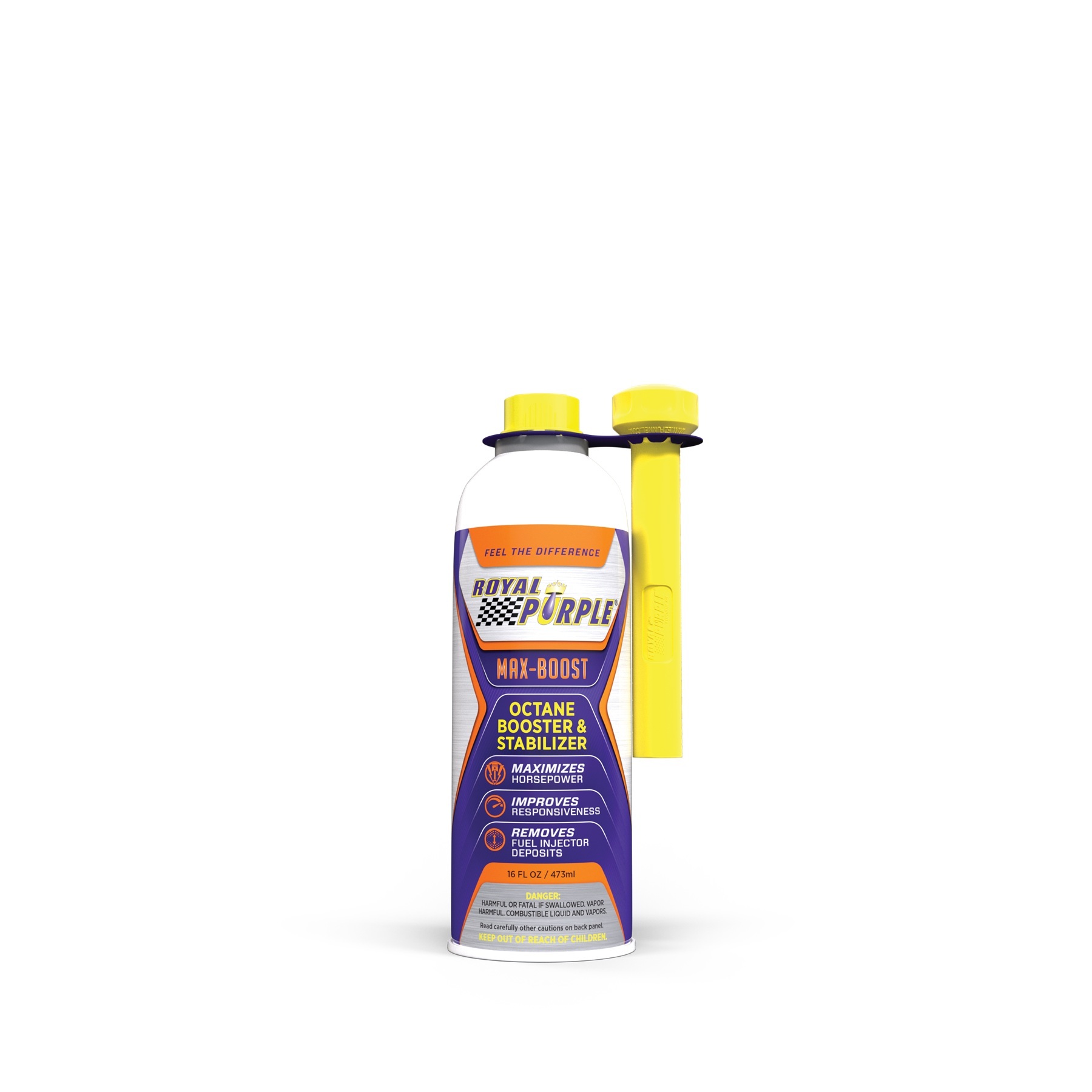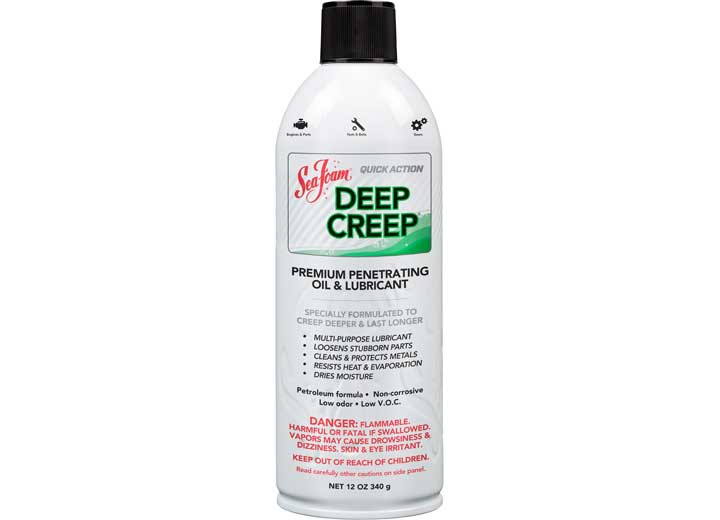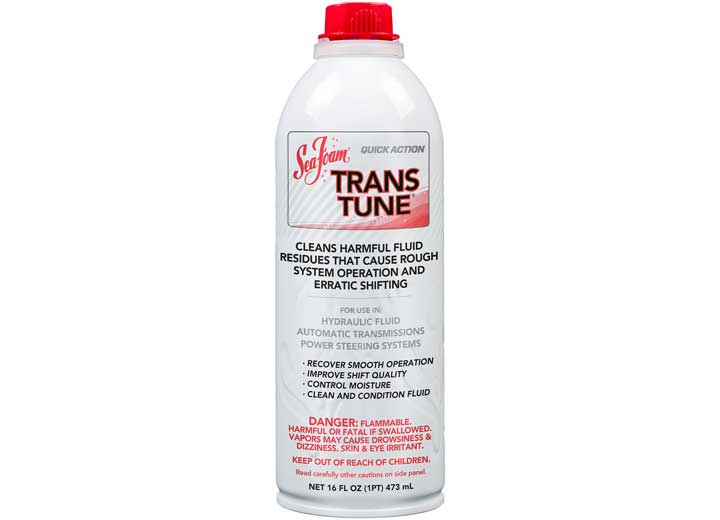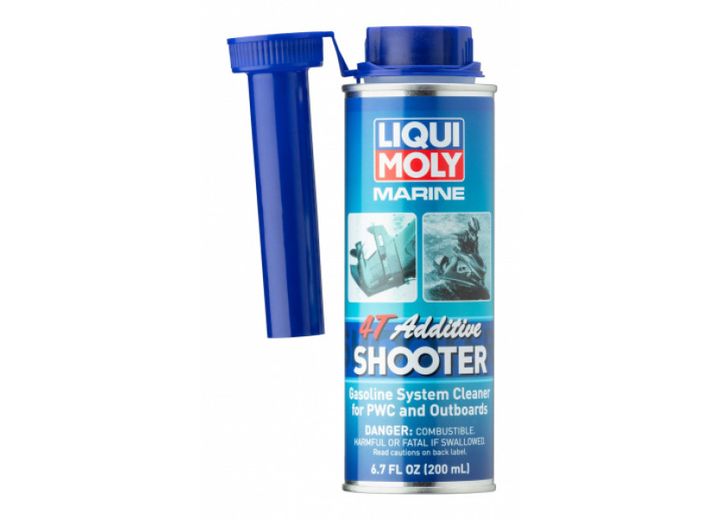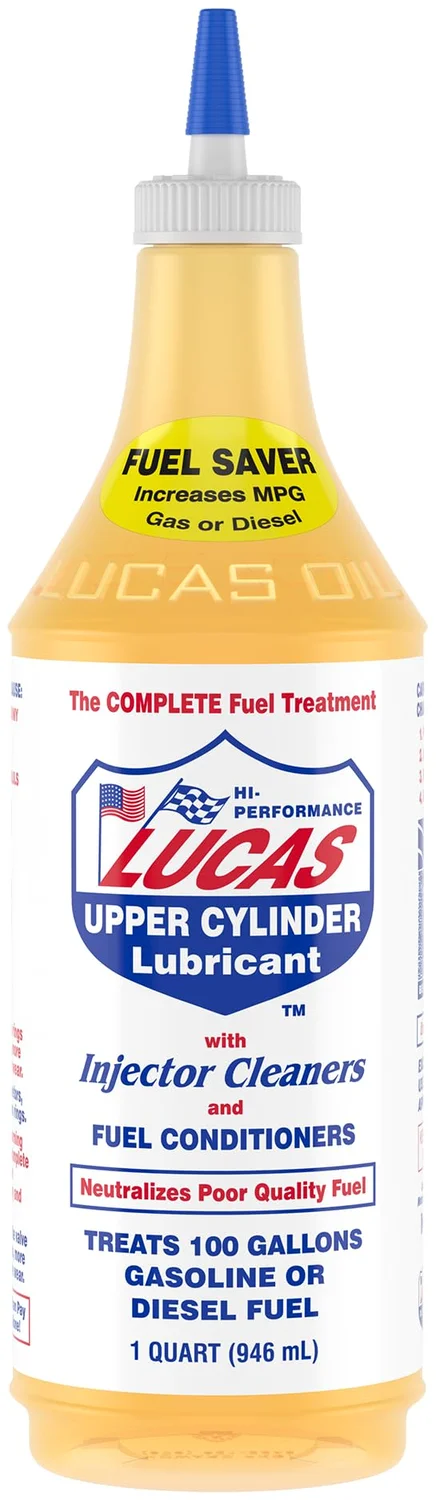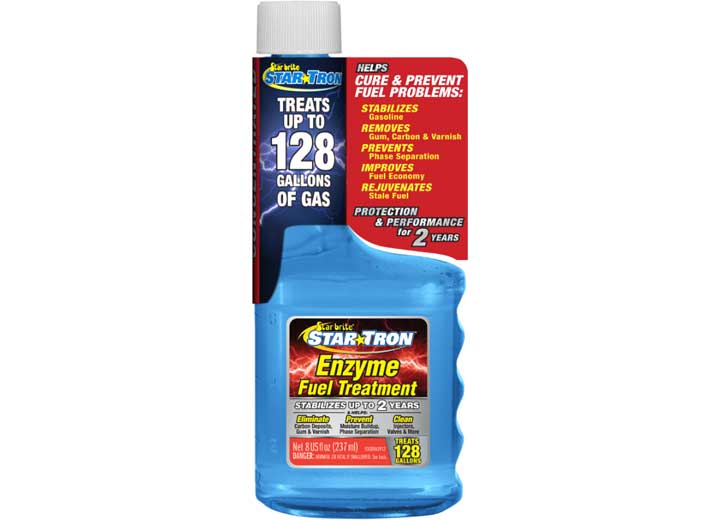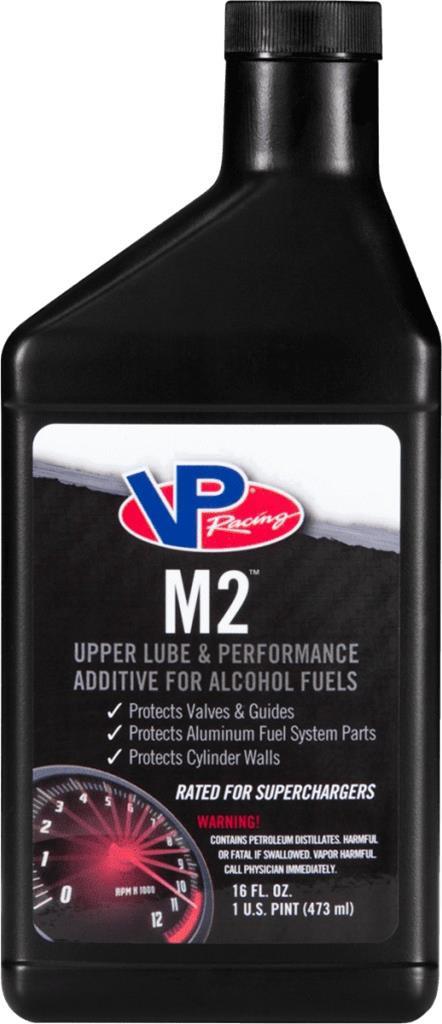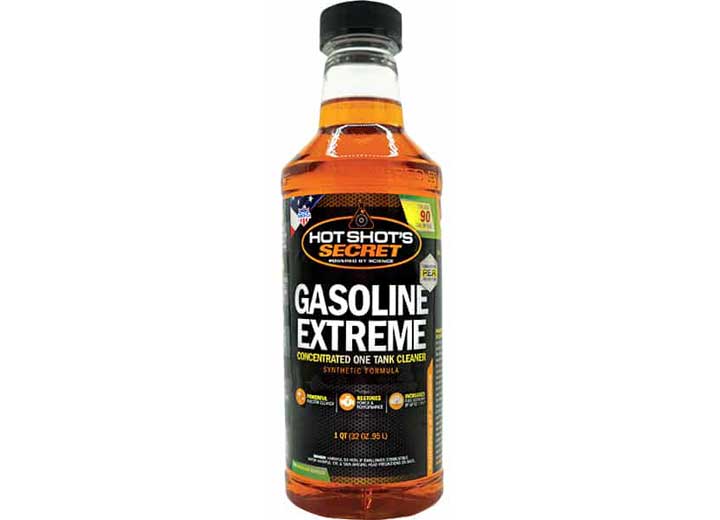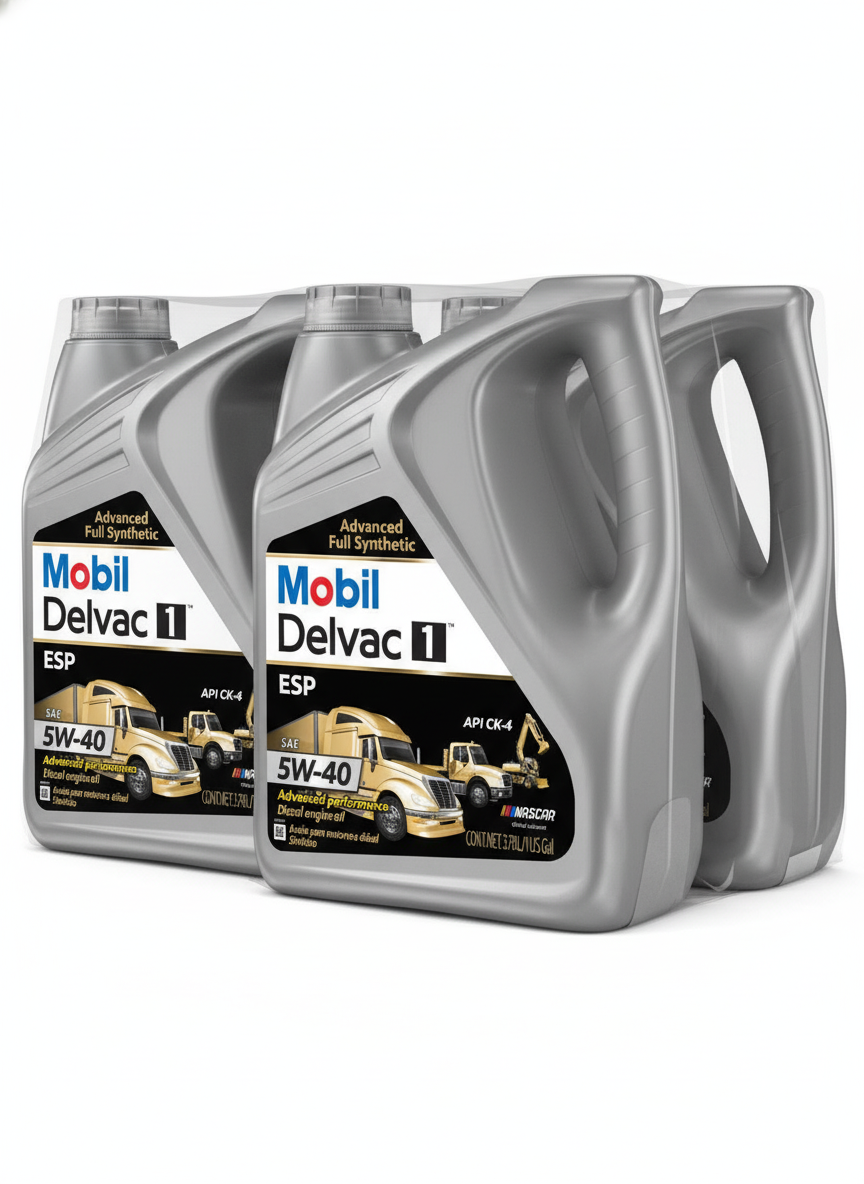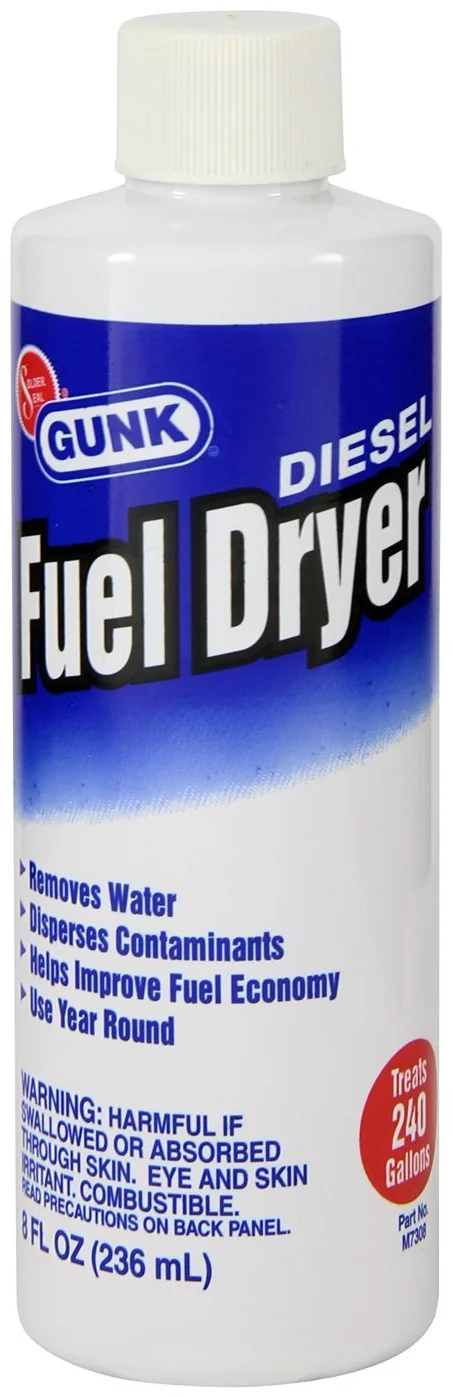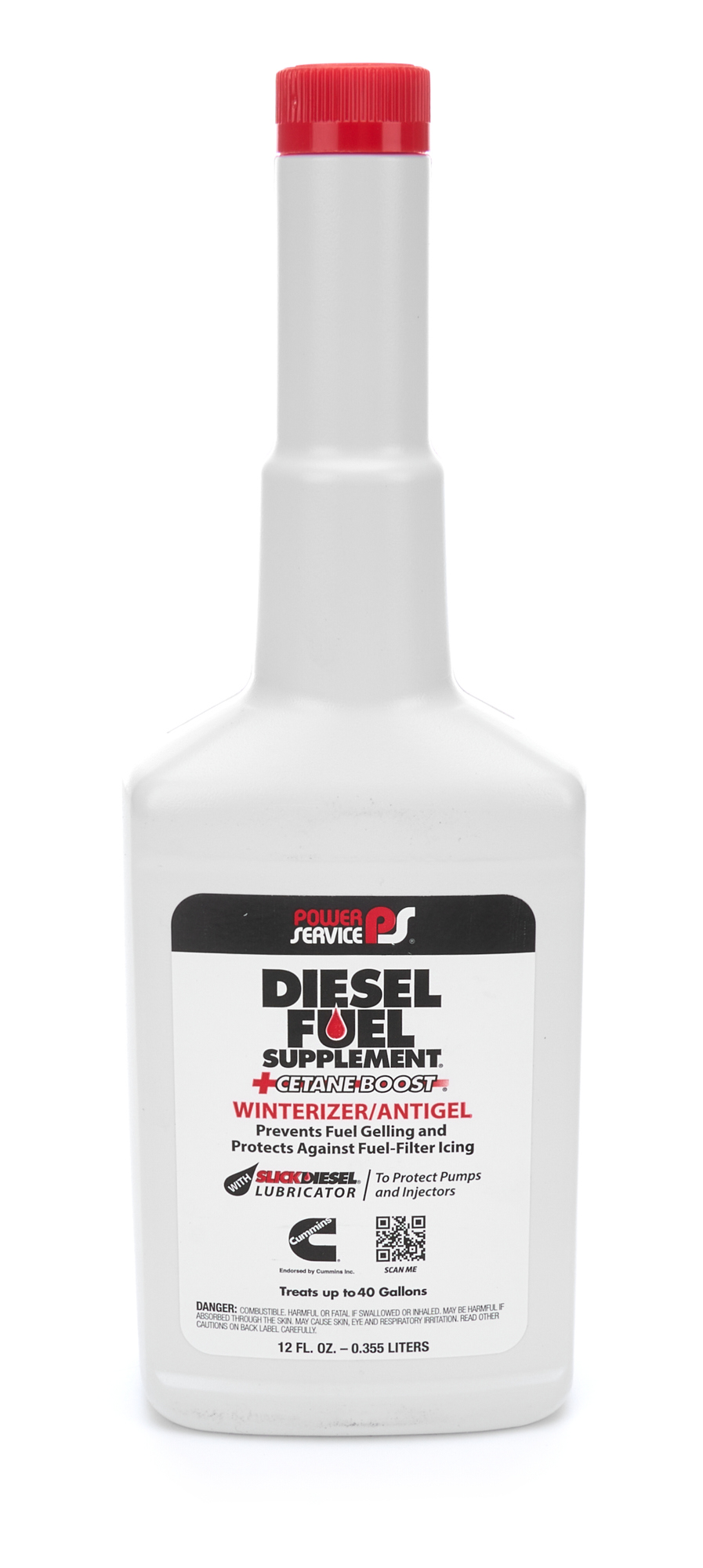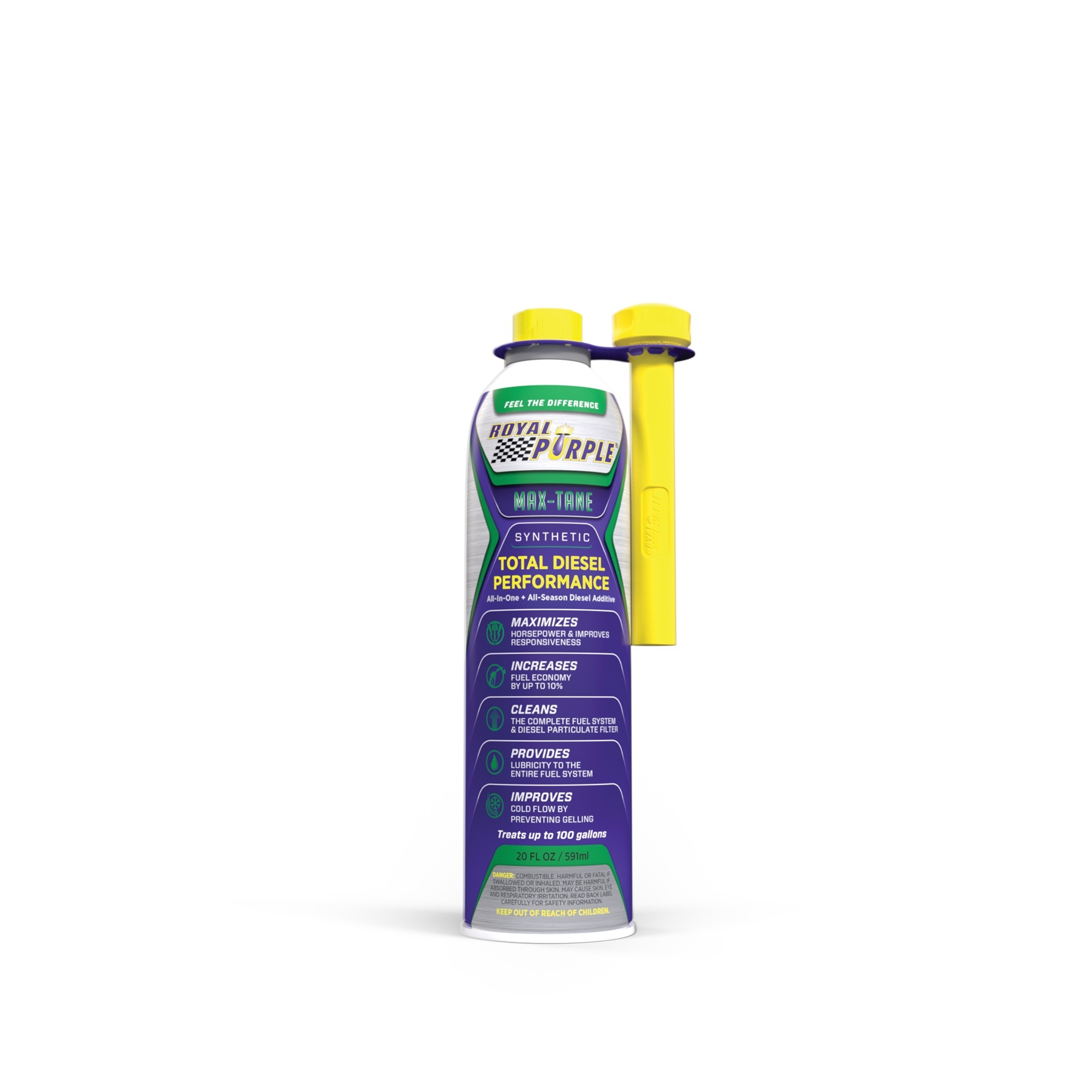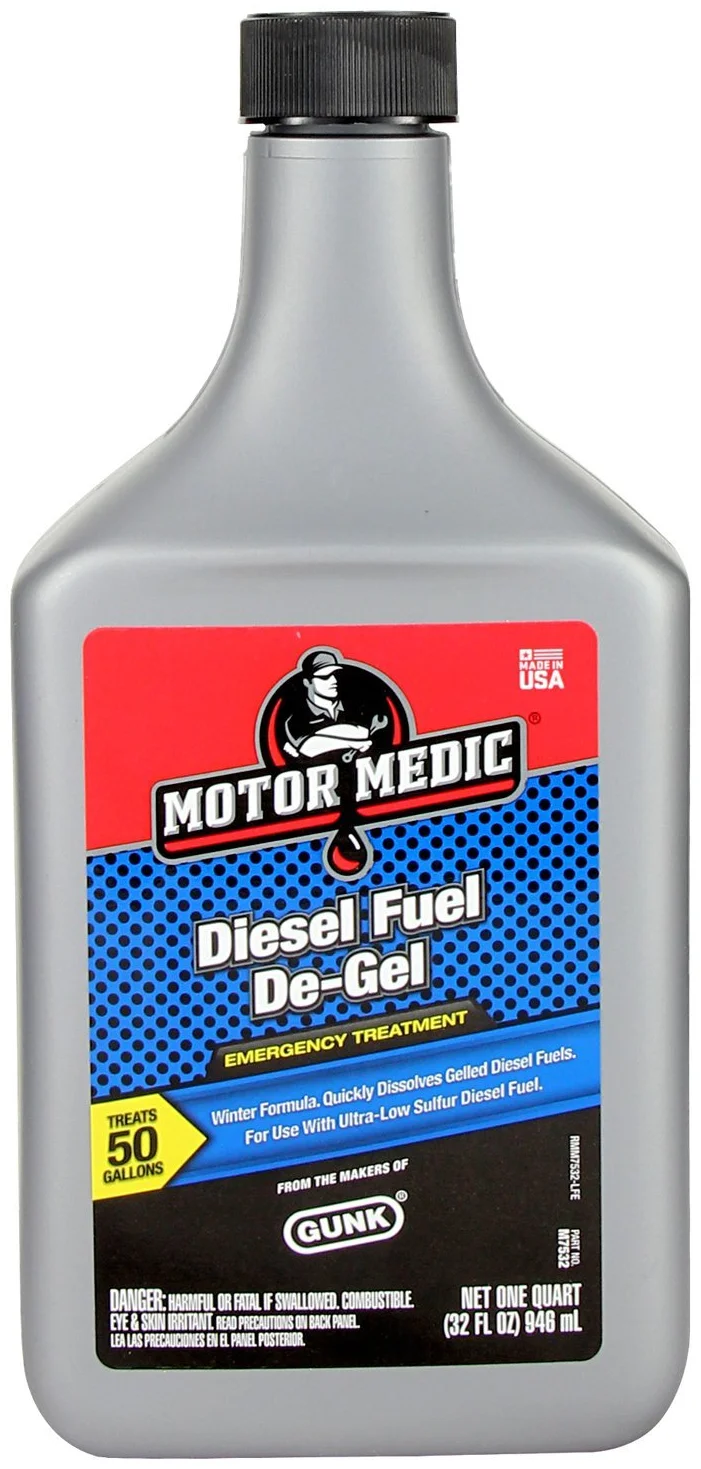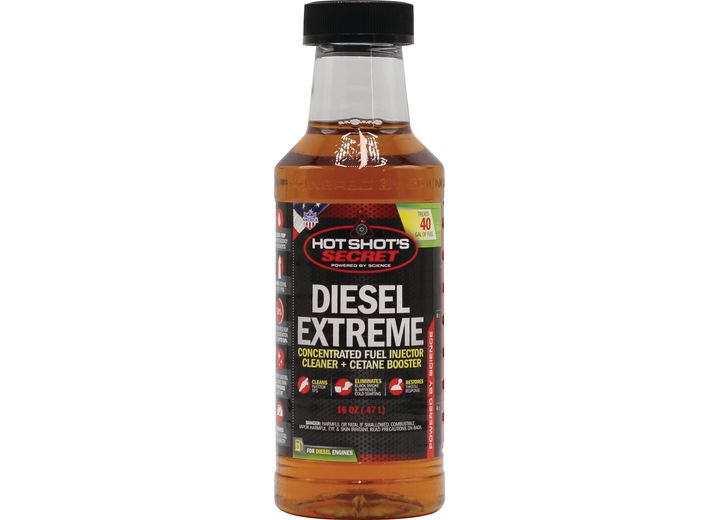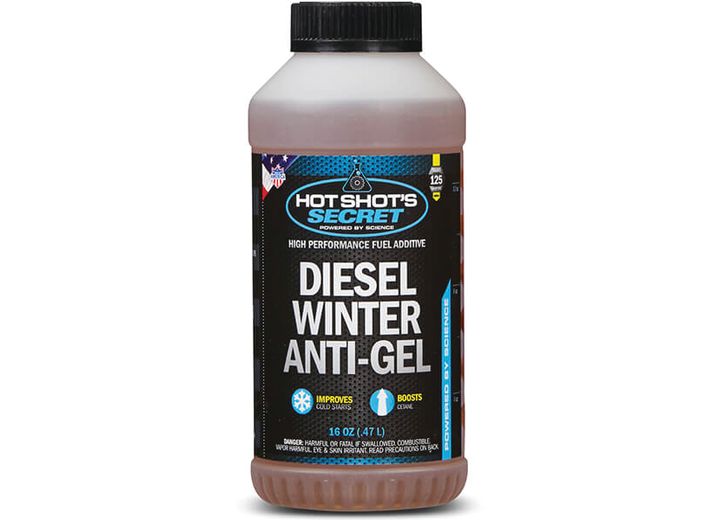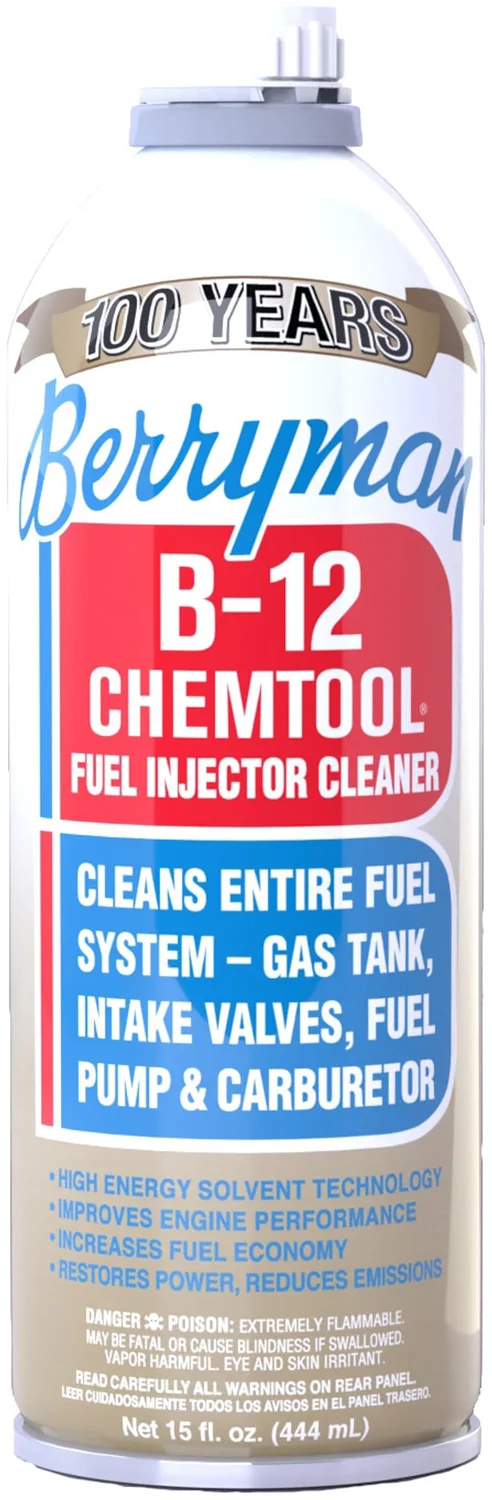
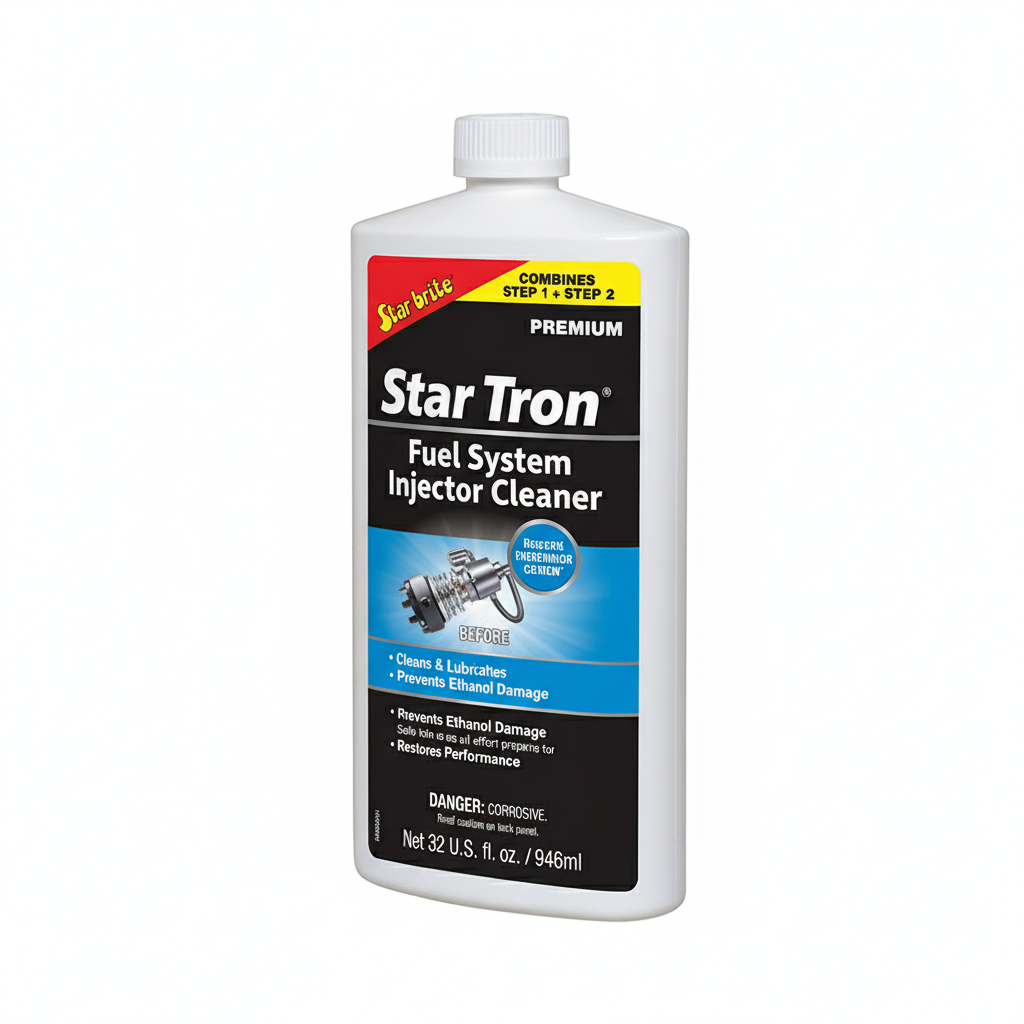

Shopping for the best fuel injector cleaner or a fuel system cleaner? This page lists the fuel additives we carry, including Chevron Techron, Gumout, Lucas Oil, Sea Foam, CRC, Liqui Moly Jectron, STP, Berryman and Royal Purple, plus STA-BIL fuel stabilizer, VP octane boosters and diesel treatments from Hot Shots, Power Service and Star Tron.
These products do different jobs. A cleaner is meant to help remove deposits from injectors and intake valves, a stabilizer helps stored fuel stay usable, an octane booster raises the octane of gasoline, and diesel additives target cold-weather gelling and lubricity. None of them fixes a failed injector or a mechanical fault. Below is how to tell them apart, then the products grouped by job.
Fuel injector cleaner vs fuel system cleaner vs stabilizer
| Product type | What it is for | Examples we carry |
|---|---|---|
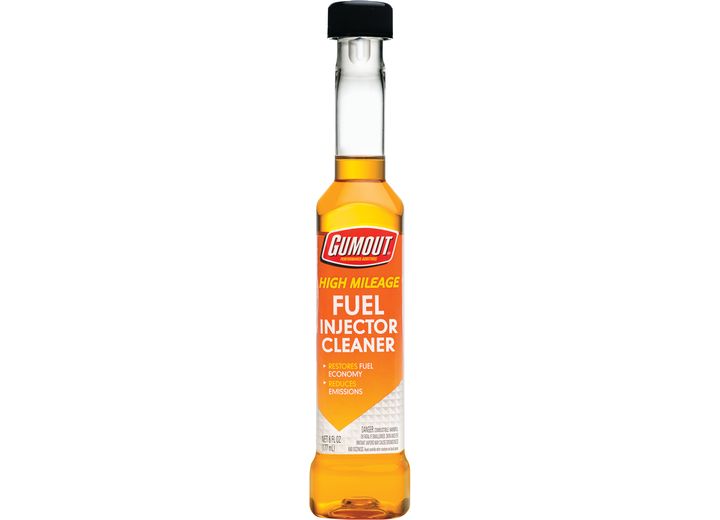
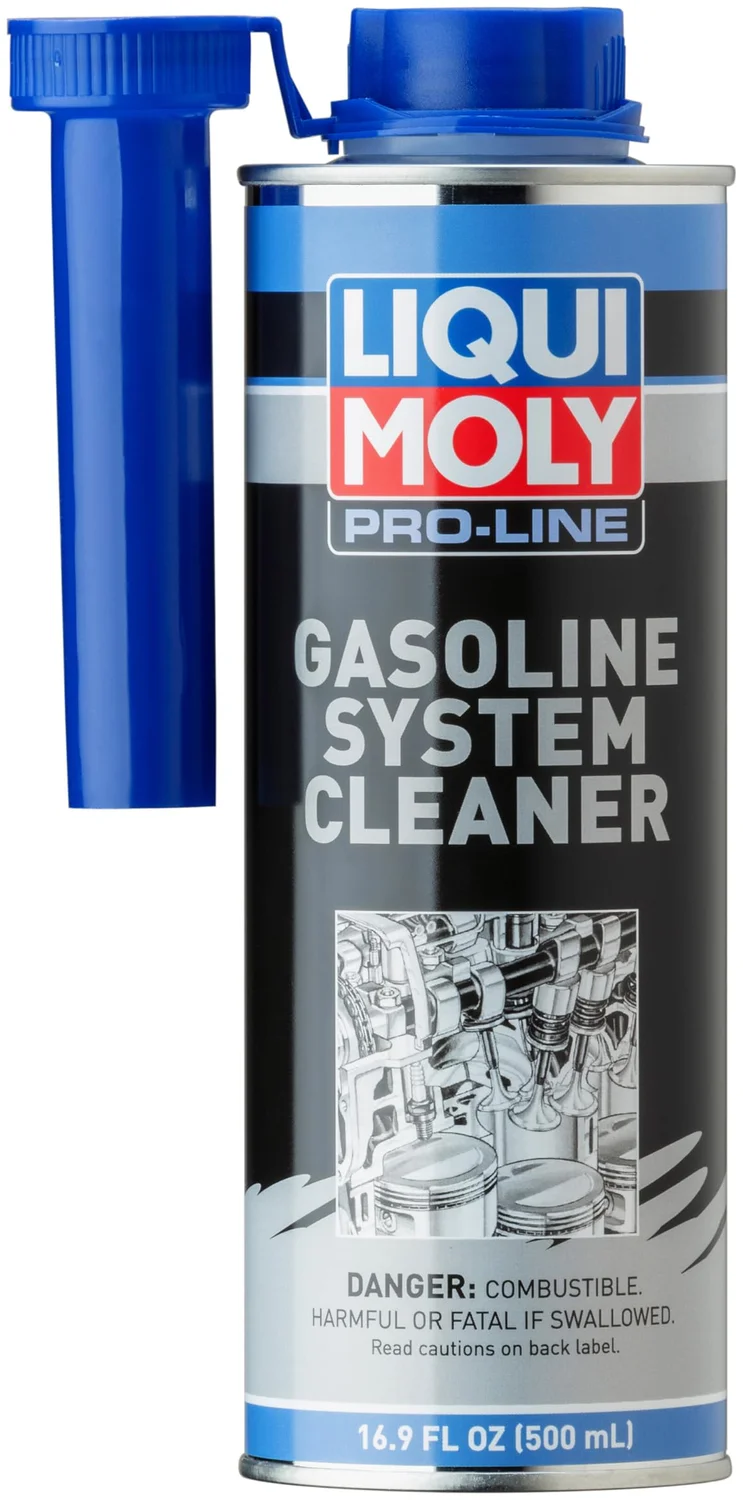
| Fuel injector cleaner | A concentrated treatment aimed at deposits on gasoline injectors | Gumout High Mileage, Berryman B-12 Chemtool, CRC Fuel Injector and Intake Valve Cleaner, Liqui Moly Jectron |
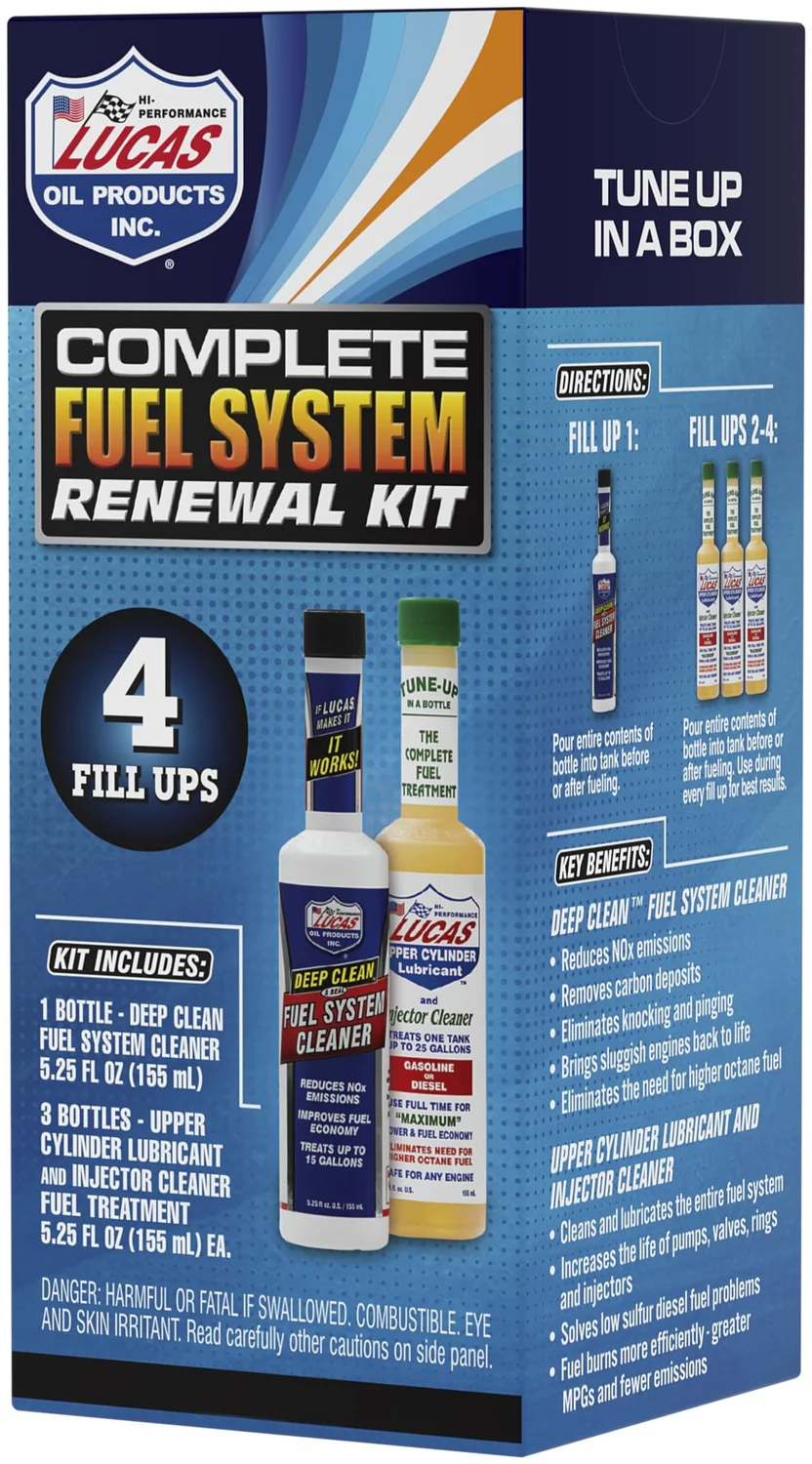
| Complete fuel system cleaner | A broader treatment aimed at injectors, intake valves and combustion chamber deposits | Chevron Techron Concentrate Plus, Full Throttle PEA Complete, STP with Jet Fuel, Lucas Complete Fuel System Renewal |
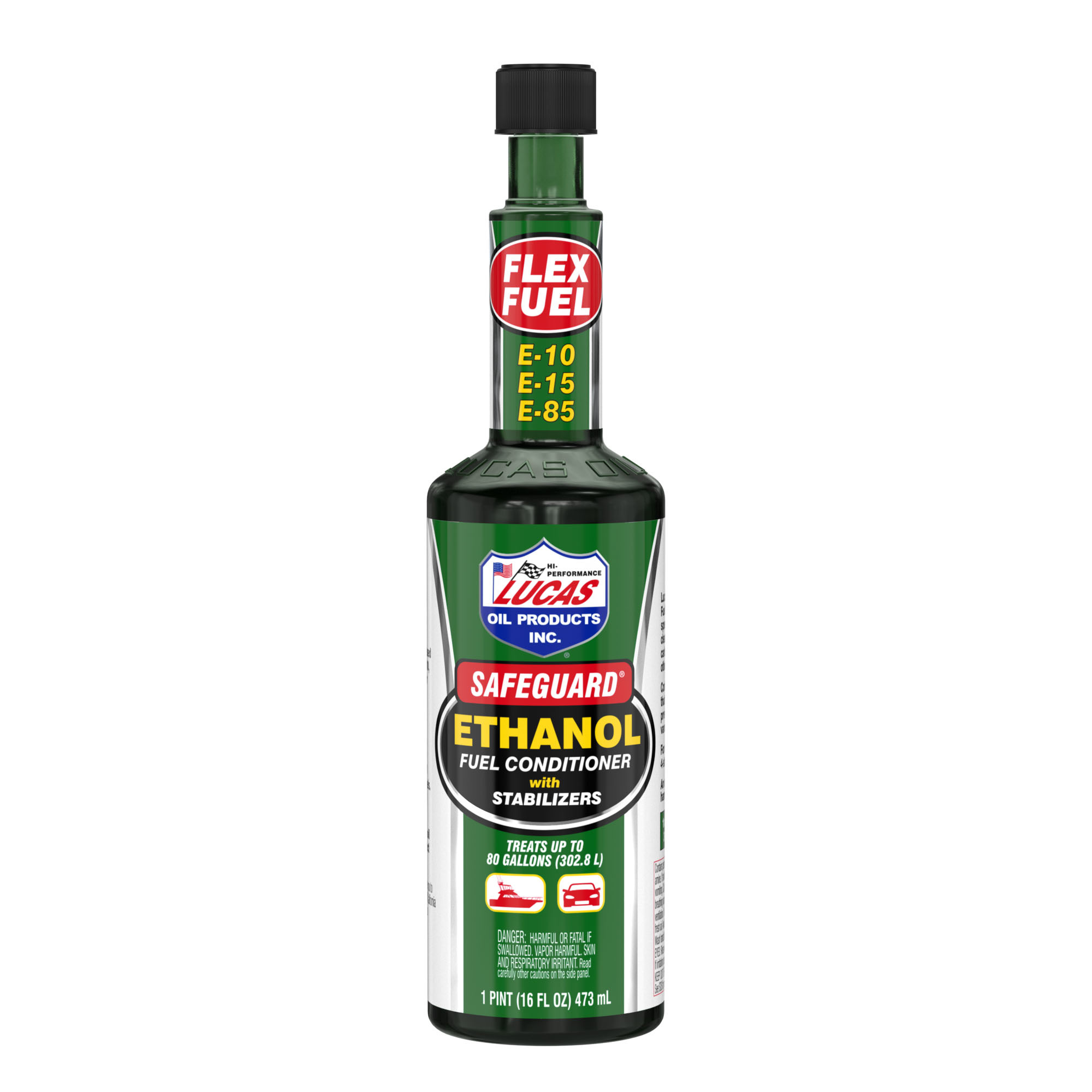
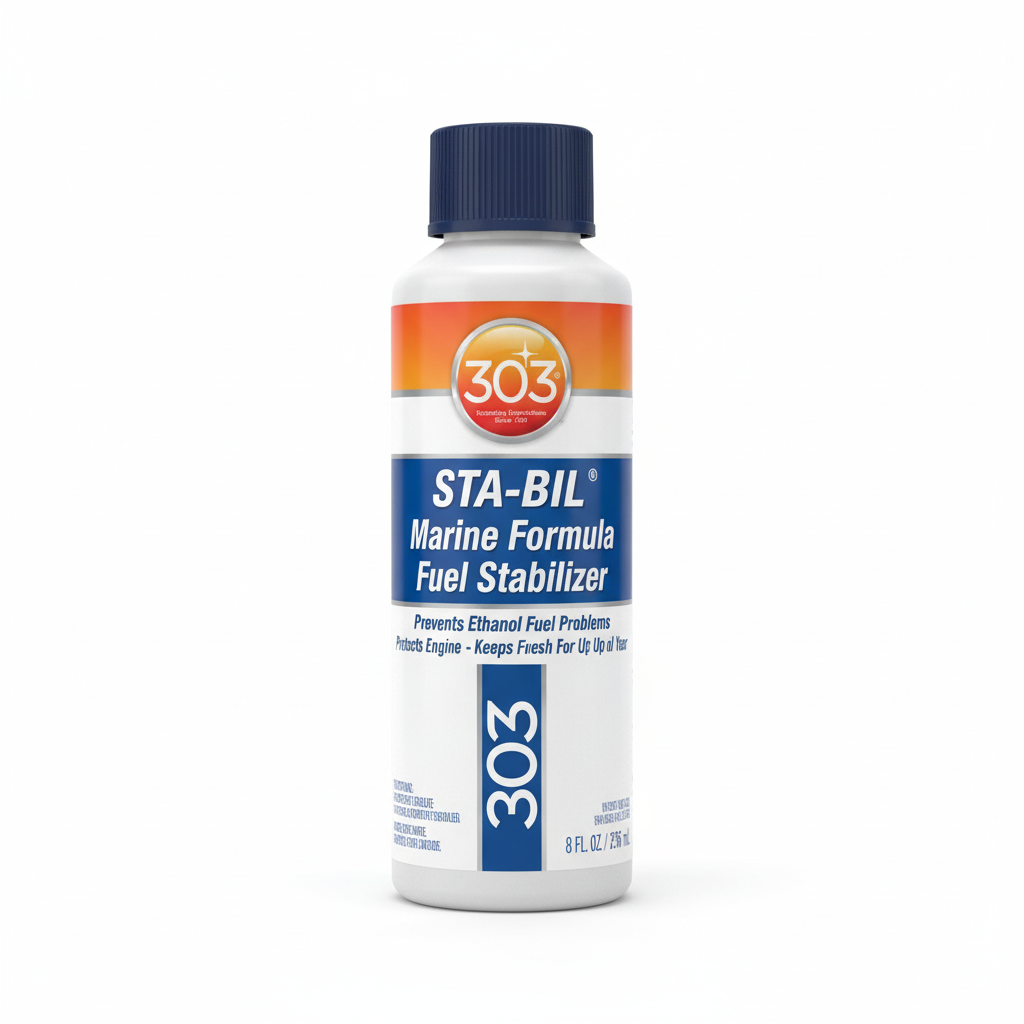
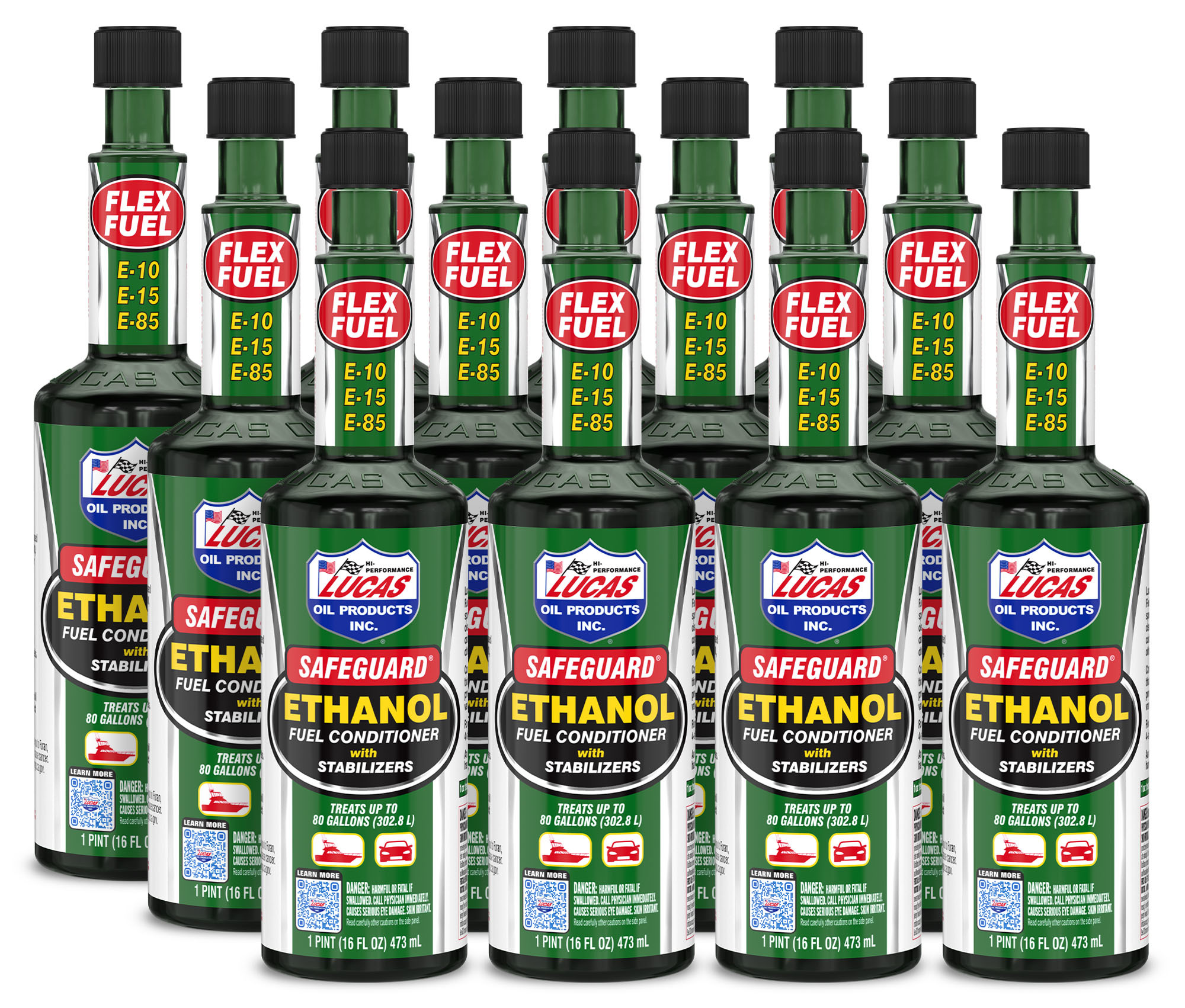
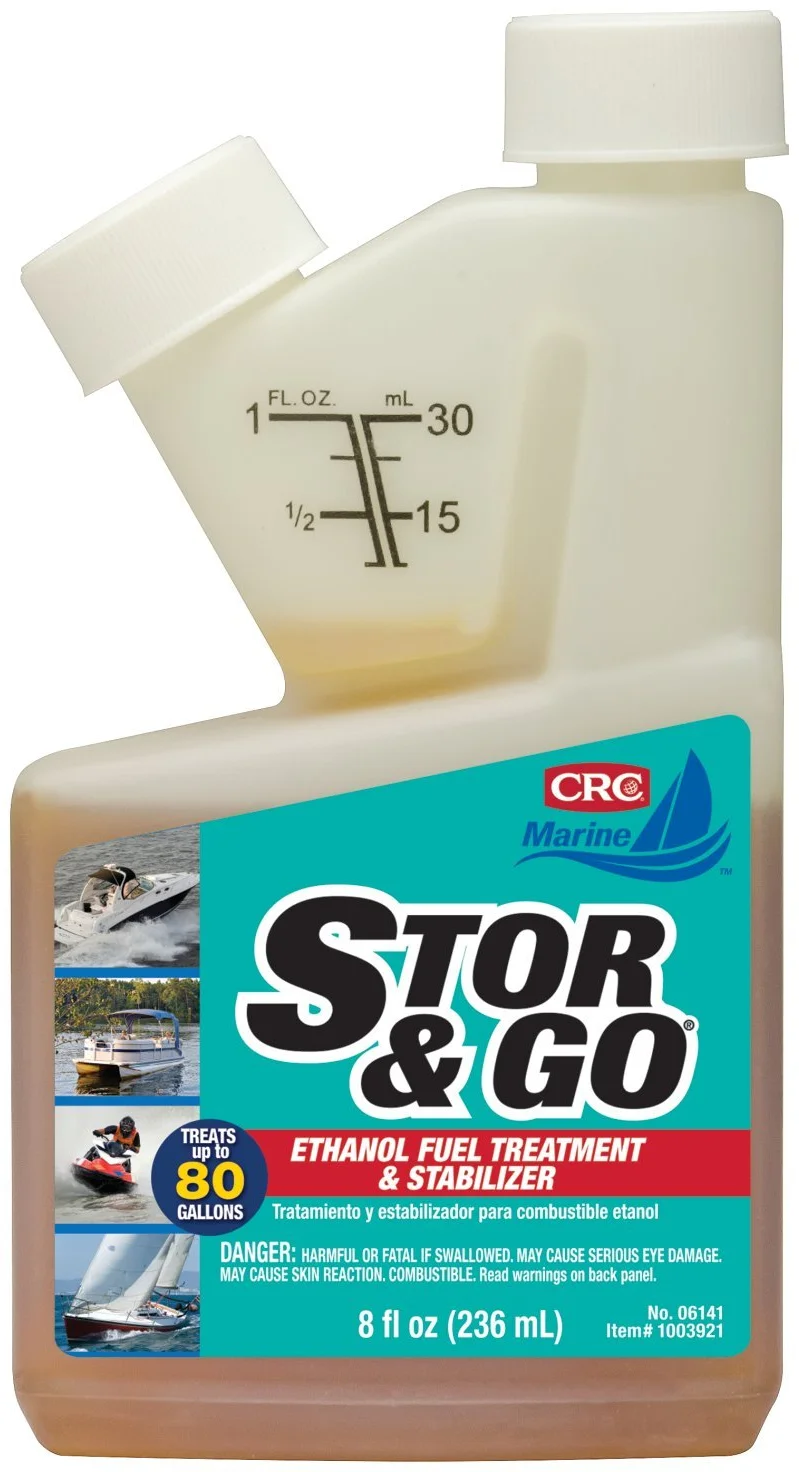
| Fuel stabilizer | Slows fuel breakdown during storage and helps with ethanol-blend issues | STA-BIL, STA-BIL Marine, CRC PhaseGuard4, Lucas Safeguard |
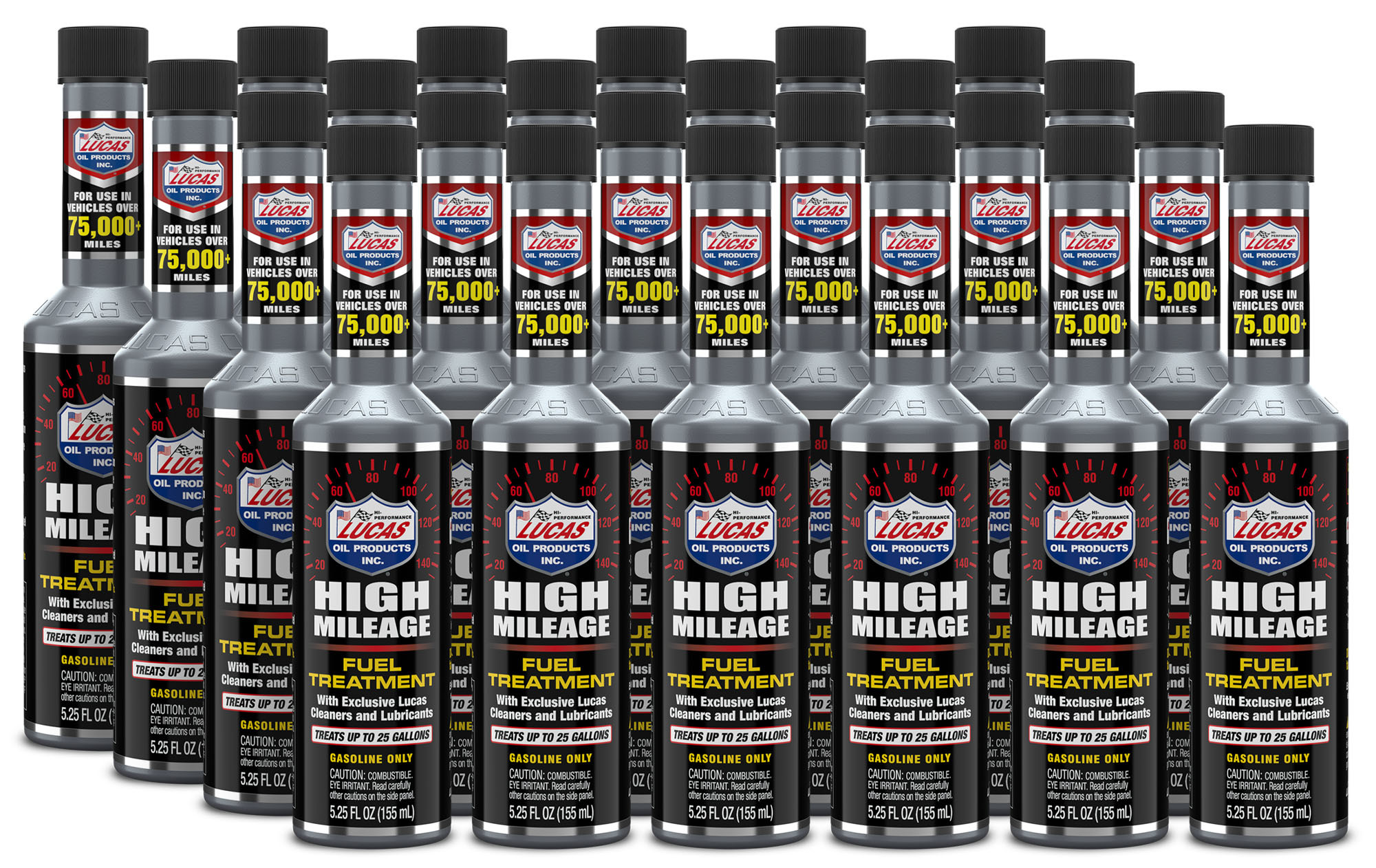
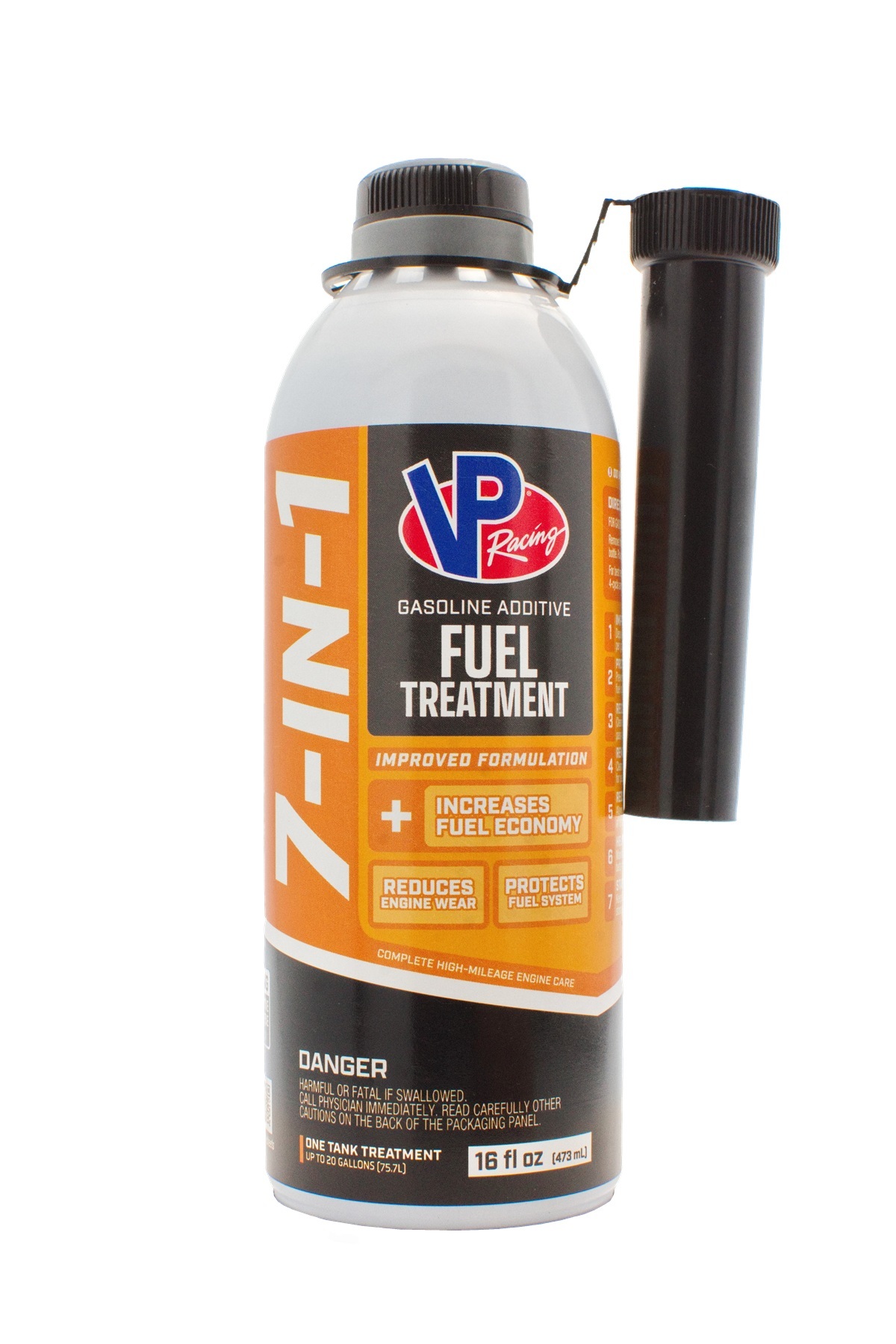
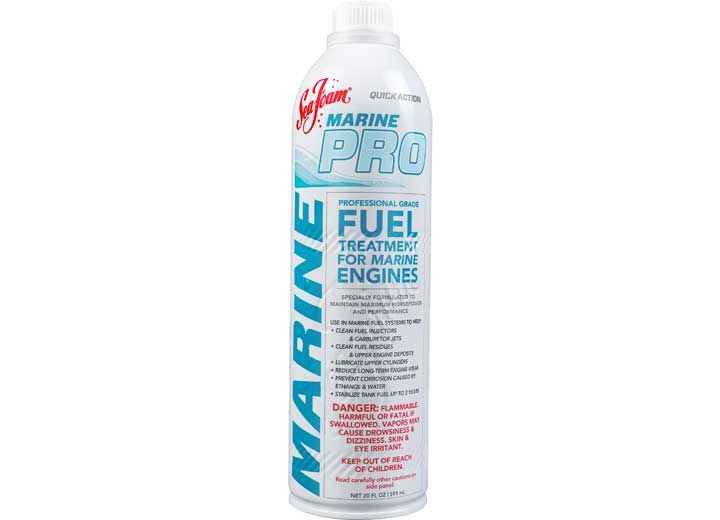
| Multi-purpose treatment | Combination products that clean, stabilize and condition | Sea Foam Marine Pro, Lucas Fuel Treatment, VP 7-in-1 |
| Octane booster | Raises the octane rating of gasoline by a modest amount | VP Octanium |
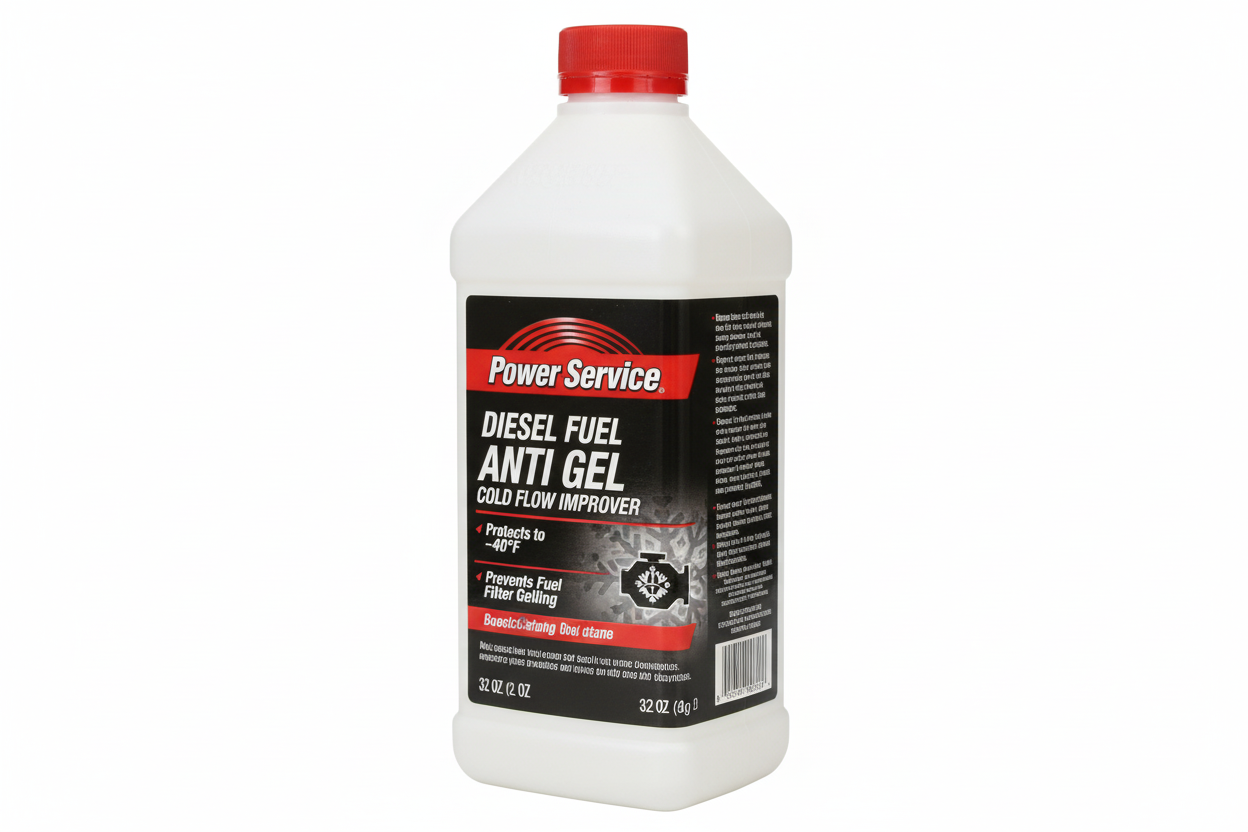
| Diesel treatment | Anti-gel, cetane, lubricity and injector cleaning for diesel fuel | Hot Shots, Power Service Diesel Kleen, Lucas Diesel Deep Clean |
Many cleaners list PEA (polyetheramine) as the active detergent. PEA is widely regarded as one of the more effective detergents for injector and intake valve deposits, and Techron and Full Throttle PEA Complete both feature it. Results vary by engine, fuel quality and how heavy the deposits are, so treat any cleaner as routine maintenance rather than a cure.
How to choose the best fuel injector cleaner
- Match the fuel. Gasoline cleaners are for gas engines and diesel treatments are for diesel. Use a product made for your fuel unless the label says it covers both.
- Match the job. For a rough idle or hesitation that might be deposits, a concentrated injector or complete fuel system cleaner makes sense. For a mower, boat or motorcycle sitting for months, a stabilizer is the right tool.
- Follow the dose. Every product lists how much to add per gallon or per tank. More is not better, and overdosing can be wasted money or cause problems. Most cleaners are added to a nearly empty tank just before filling up.
- Check the vehicle. Your owner's manual may recommend or caution against certain additives, and some makers recommend specific products. Many modern gasolines already include detergent additives, which is why some drivers only use a cleaner occasionally.
- Know the limits. If you have a misfire code, a leaking injector or a check engine light, diagnose the cause first. Our guides to bad spark plug symptoms and bad MAF sensor symptoms cover problems that can look like dirty injectors.
Fuel stabilizer and ethanol fuel
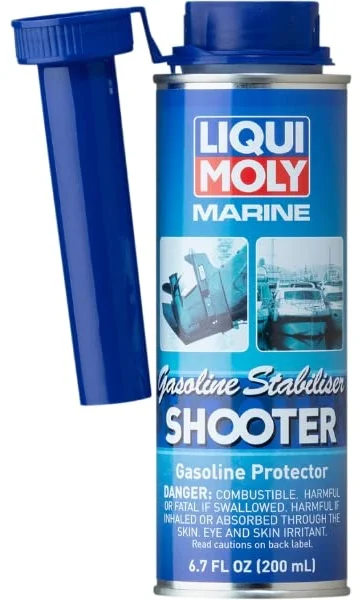
Gasoline starts to break down in storage, and ethanol blends can absorb water over time, which matters most in boats, generators, lawn equipment and seasonal vehicles. A fuel stabilizer such as STA-BIL, STA-BIL Marine, CRC PhaseGuard4, Sierra Marine Ethanol Treatment or Lucas Safeguard is added to fresh fuel before storage.
- Add the stabilizer at the labeled rate to fresh fuel.
- Run the engine for several minutes so treated fuel reaches the carburetor or injectors.
- Store with the tank filled to the level the equipment maker recommends.
A stabilizer does not restore old fuel that has already gone bad. If stored fuel smells sour or has separated, drain and dispose of it properly. For boats, see our marine battery chargers guide to keep the rest of the boat ready for spring.
Octane boosters and diesel additives
Octane boosters like VP Octanium raise the octane rating of gasoline. That can help an engine that needs premium fuel when premium is not available, but in an engine designed for regular fuel, higher octane generally does not add power. Check the label for any restrictions, such as use in vehicles with catalytic converters or oxygen sensors, and check whether the product is legal for road use where you live.
Diesel additives target specific problems:
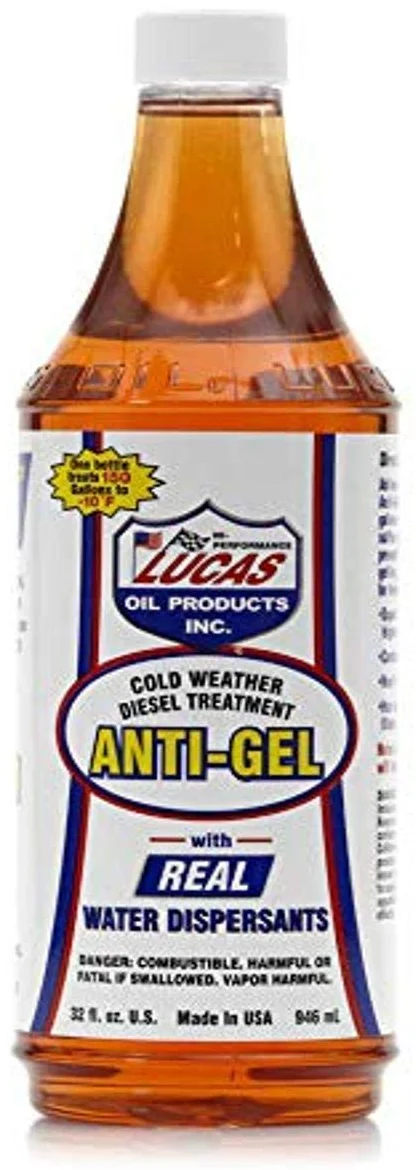
- Anti-gel treatments, such as Hot Shots Winter Anti-Gel, help prevent wax from clogging filters in cold weather. Add them before temperatures drop, since they are designed to prevent gelling rather than reverse it fully.
- Cetane boosters, such as Power Service Diesel Kleen + Cetane Boost and VP Cetanium, aim to improve combustion quality.
- Lubricity and cleaning products, such as Hot Shots Everyday Diesel Treatment and Lucas Diesel Deep Clean, are meant to help protect and clean injectors running on ultra-low sulfur diesel.
Diesel trucks that tow benefit from the right parts as well; see our exhaust systems guide.