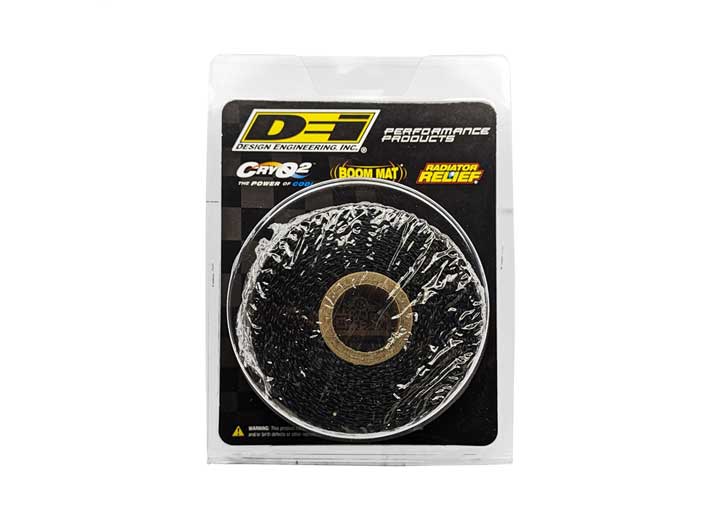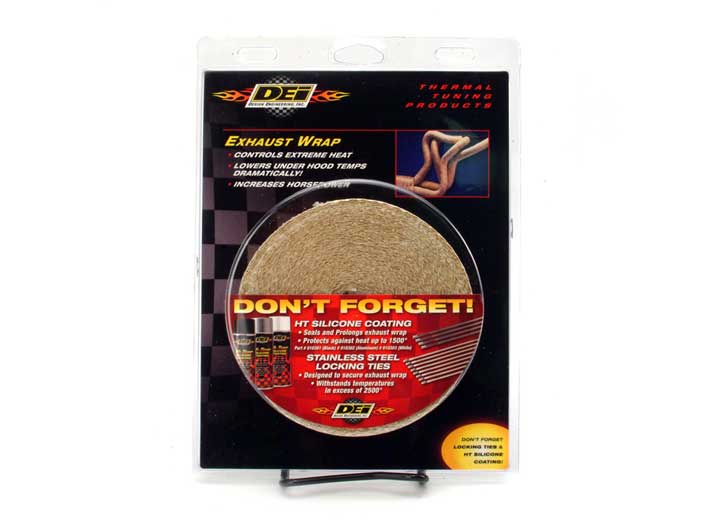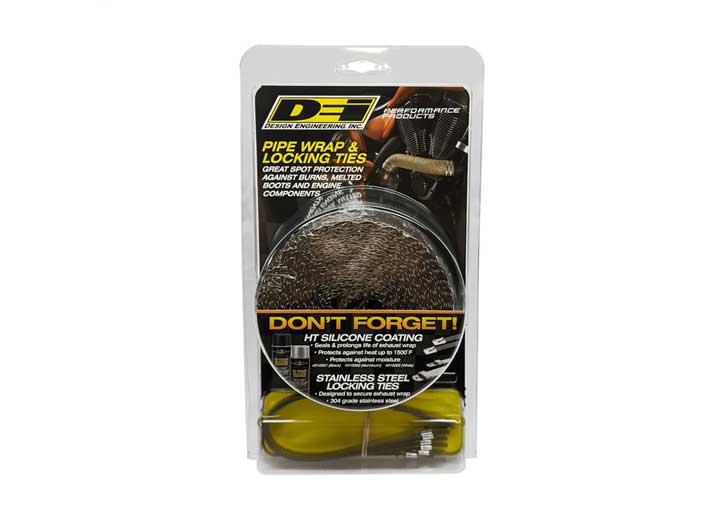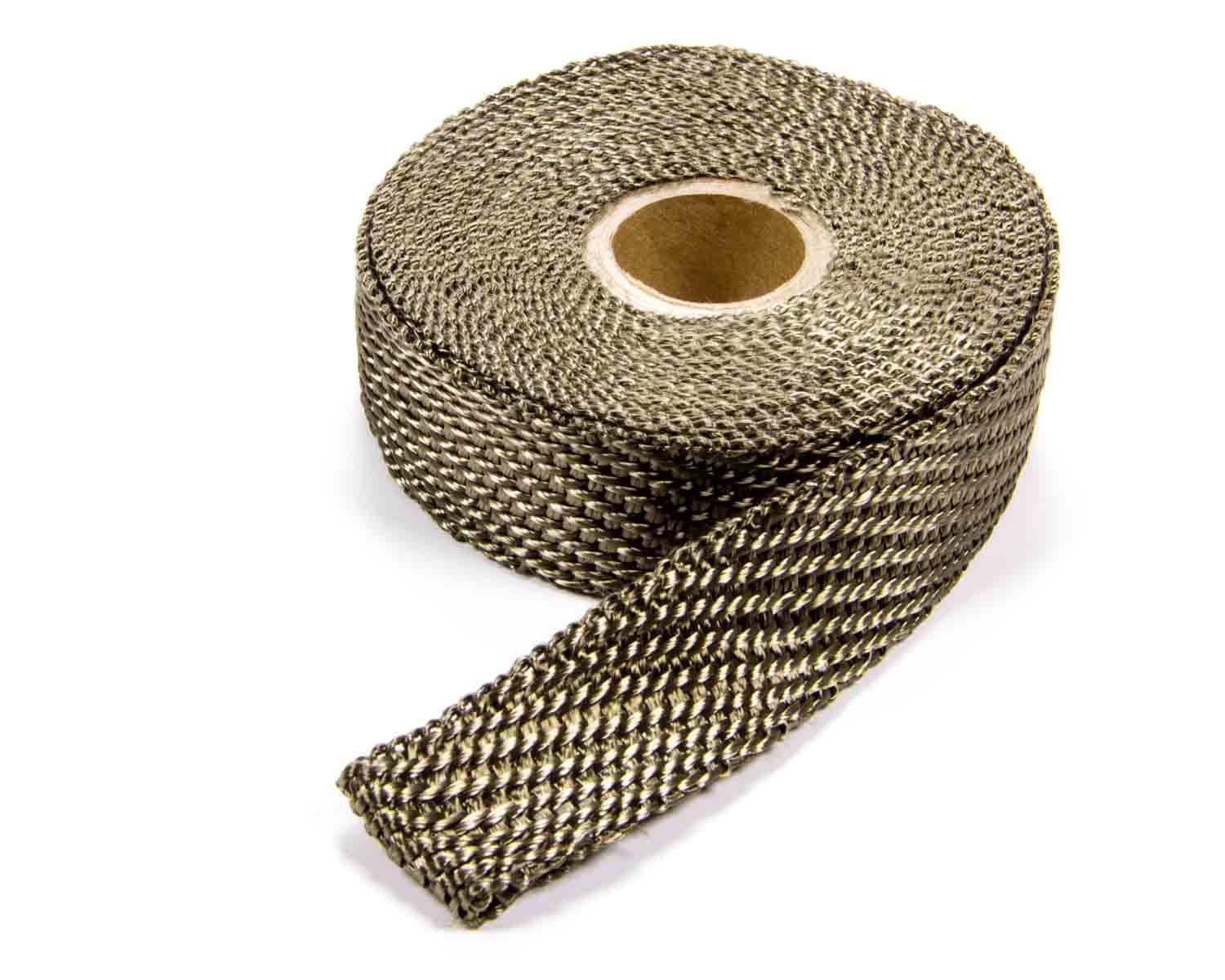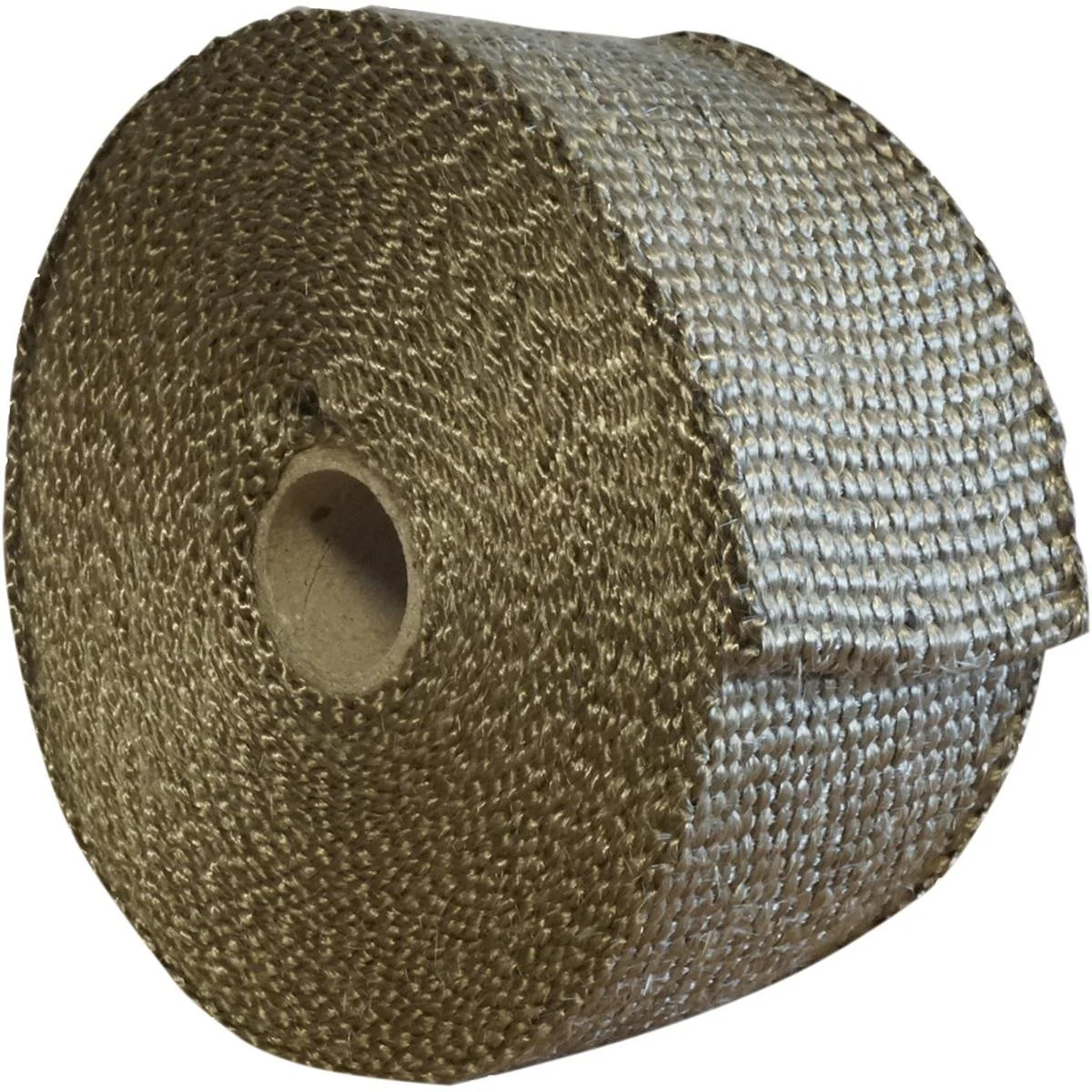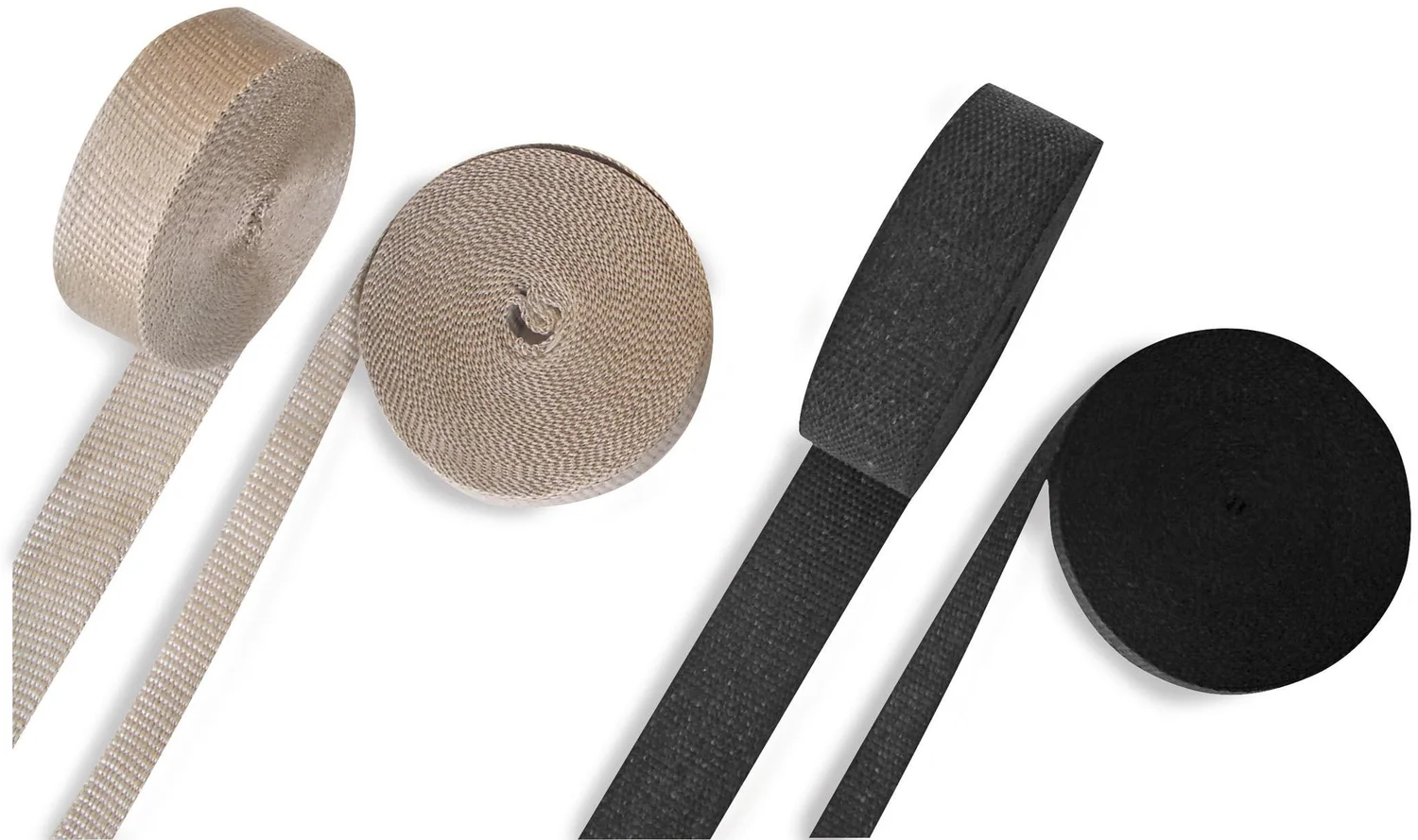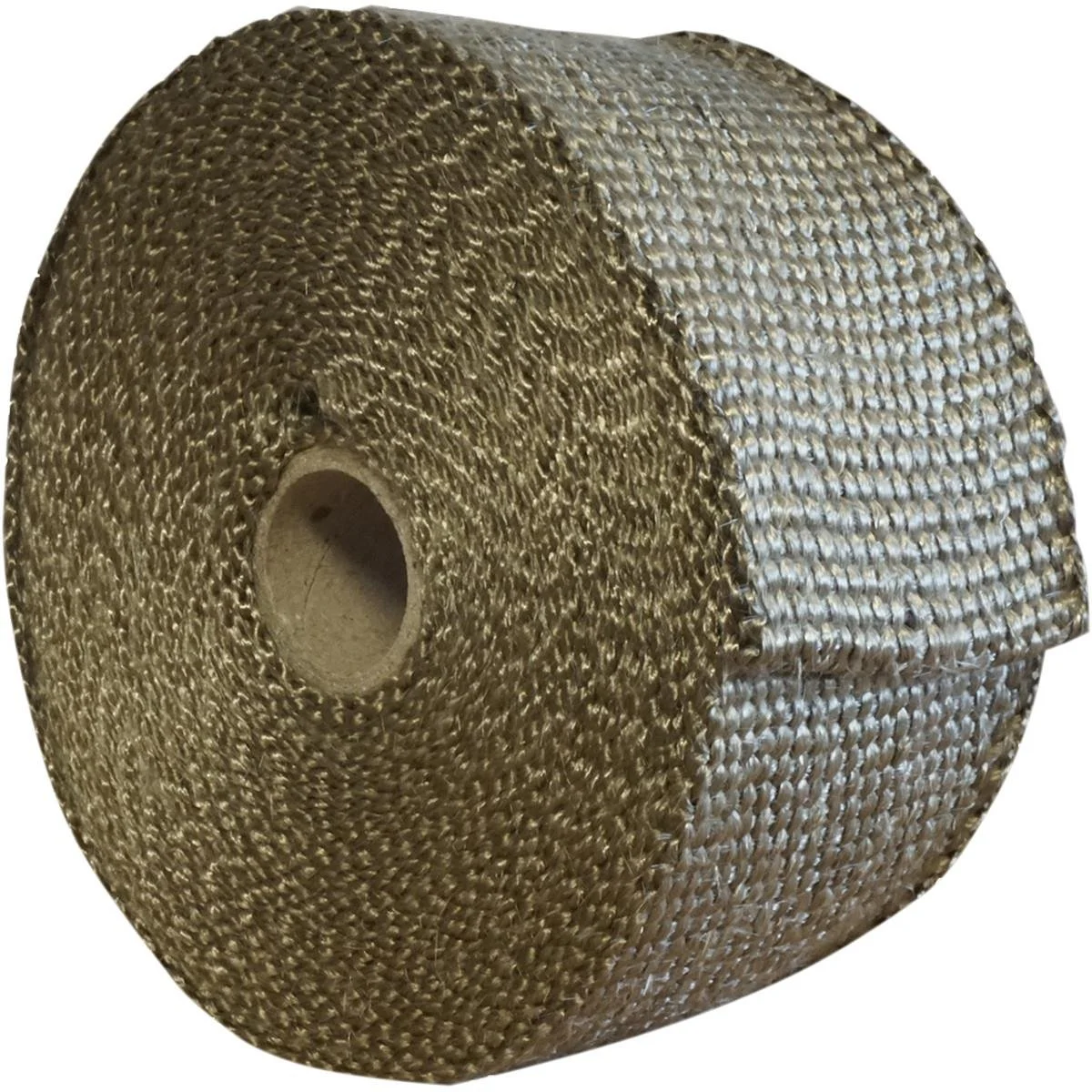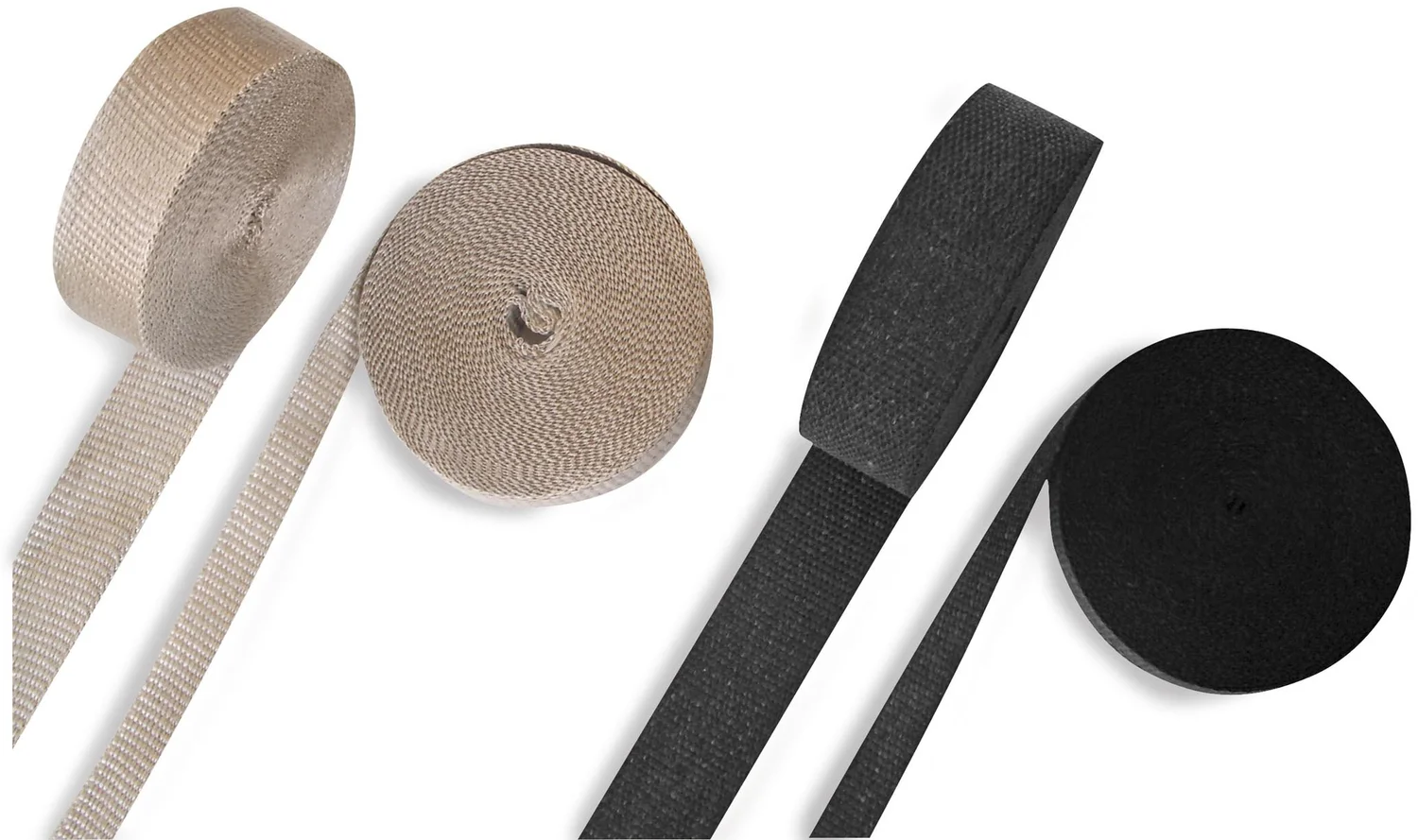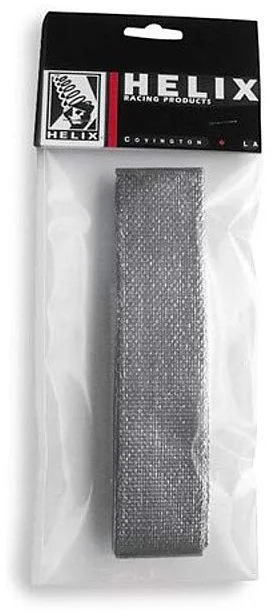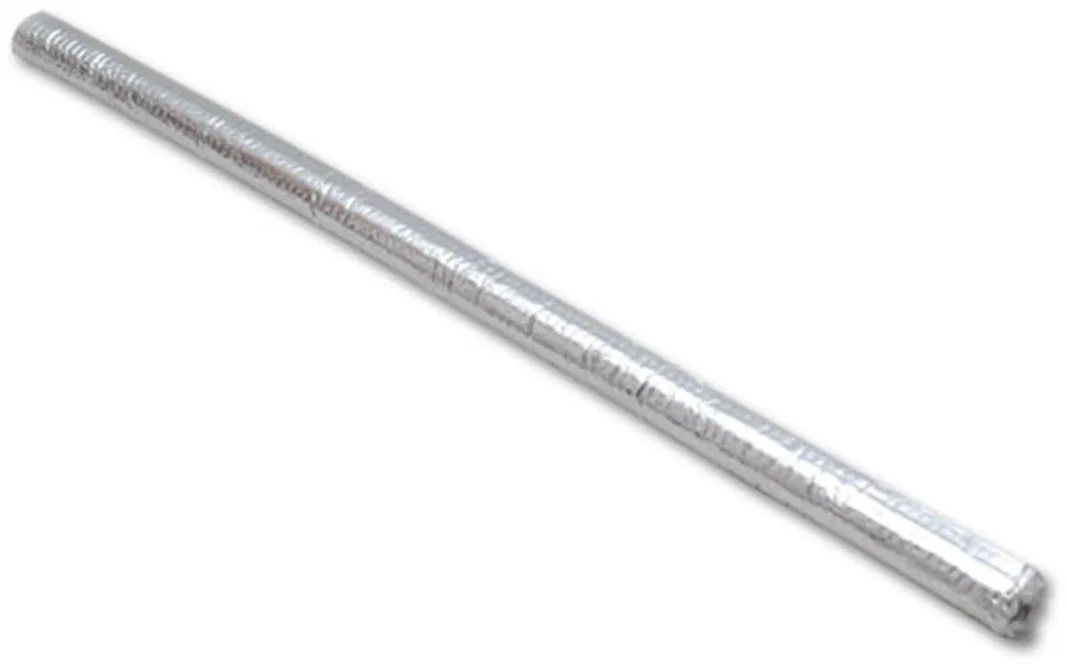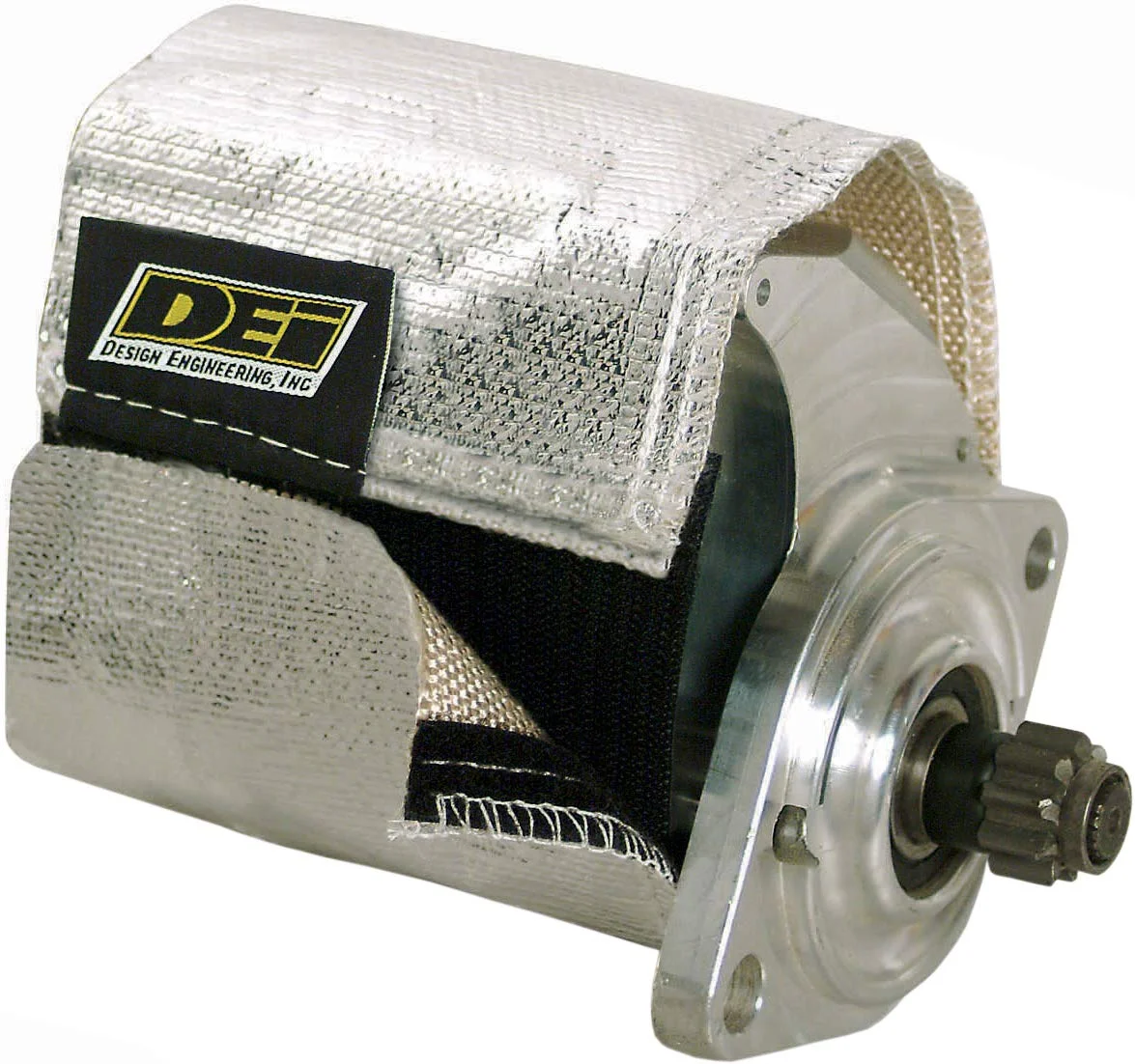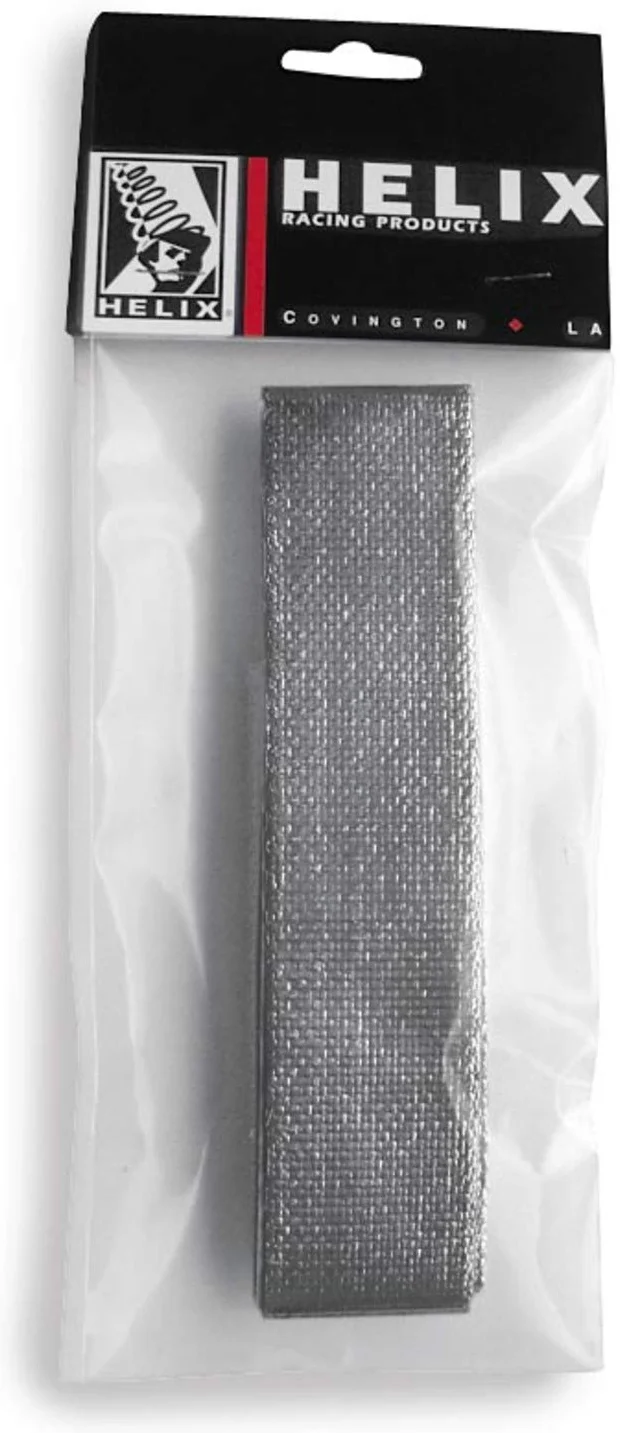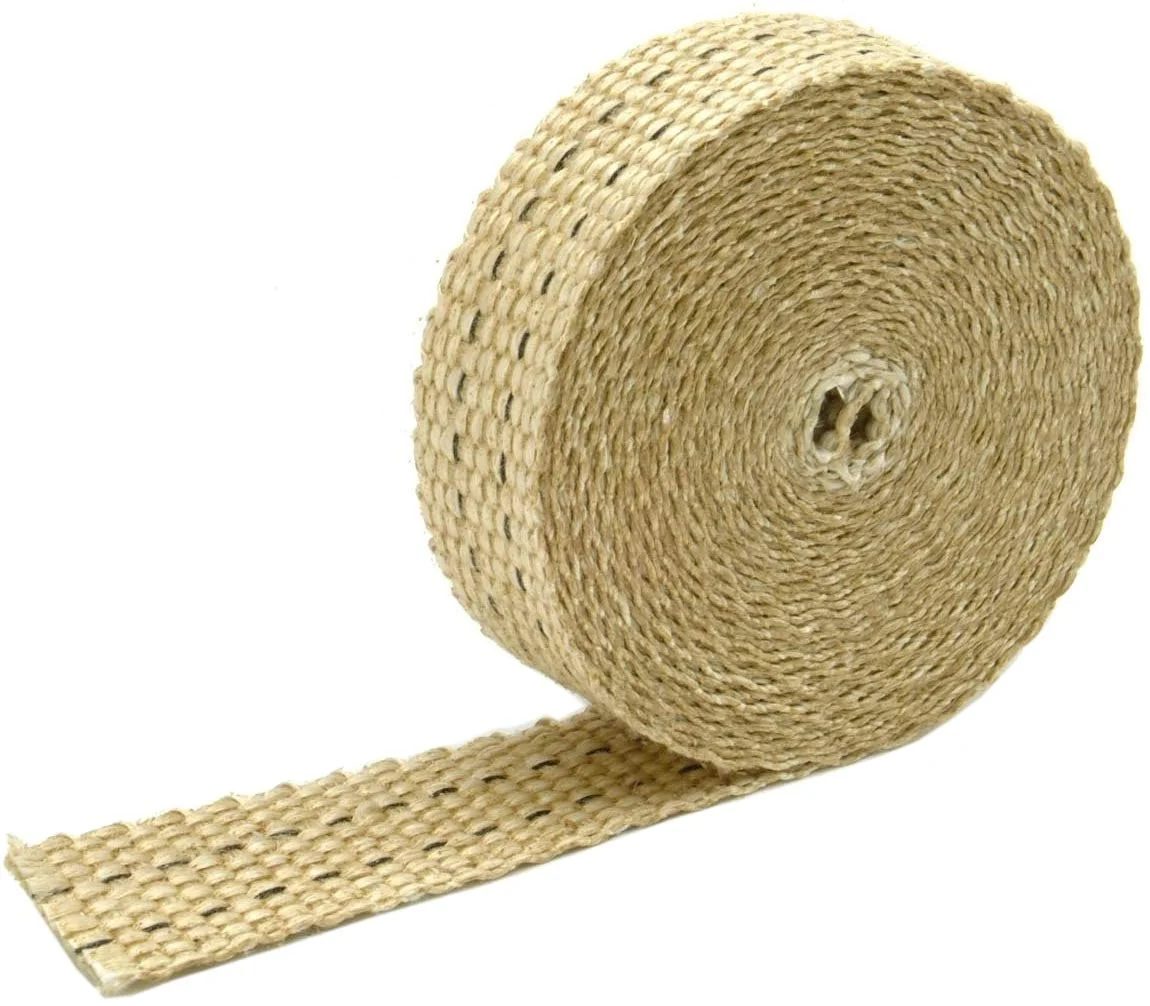
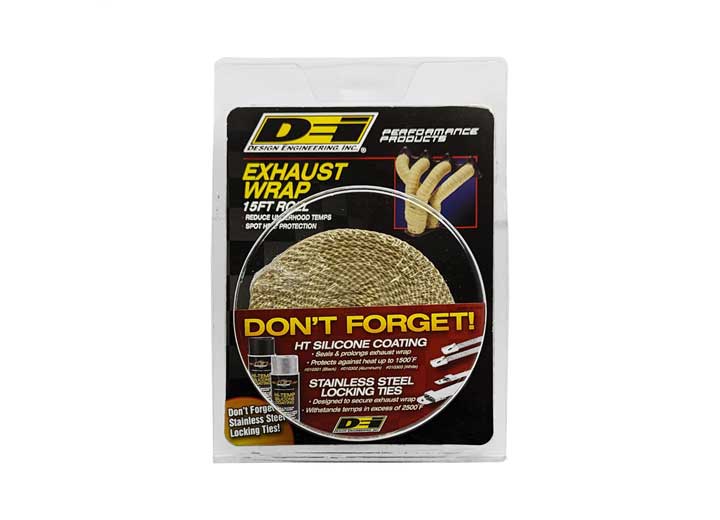
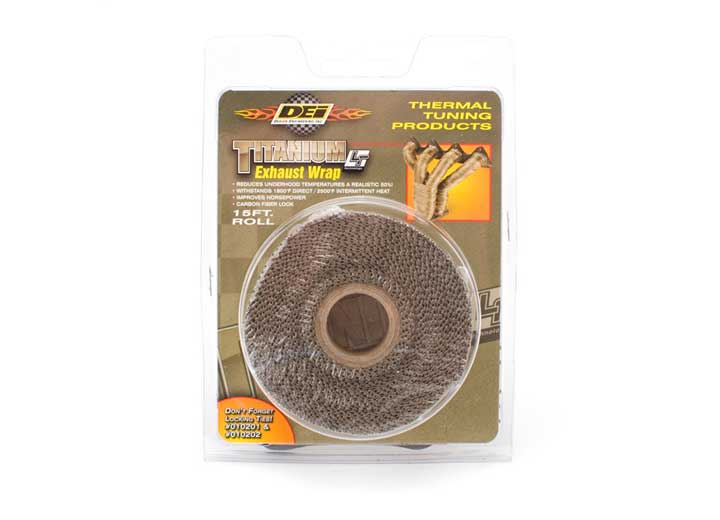
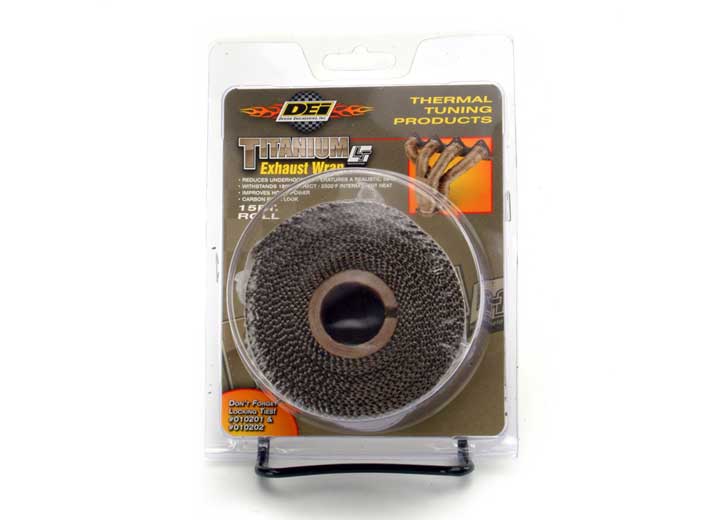
Exhaust wrap, also called header wrap or exhaust heat wrap, is a woven tape you wind around headers, downpipes and exhaust pipes to hold heat inside the pipe instead of letting it radiate into the engine bay, floor, wiring or your leg on a motorcycle. We carry exhaust wrap rolls and kits from Design Engineering (DEI), Helix Racing, Big End Performance and Vibrant in 1 inch, 1.5 inch, 2 inch and 6 inch widths, from 15 foot rolls up to 100 foot bulk rolls.
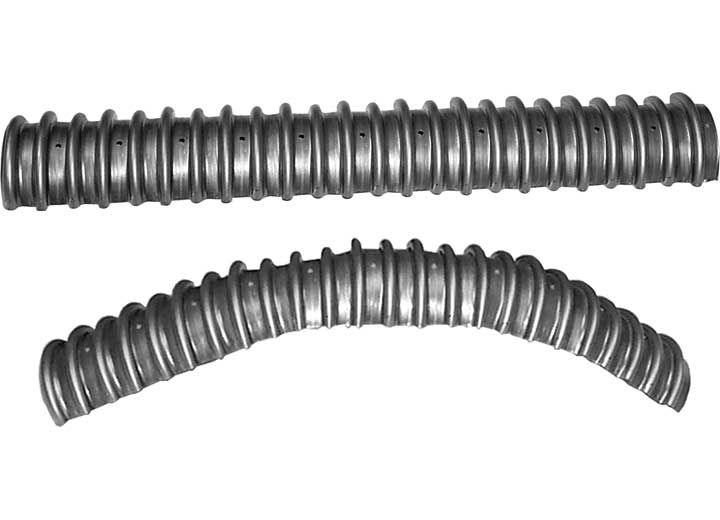
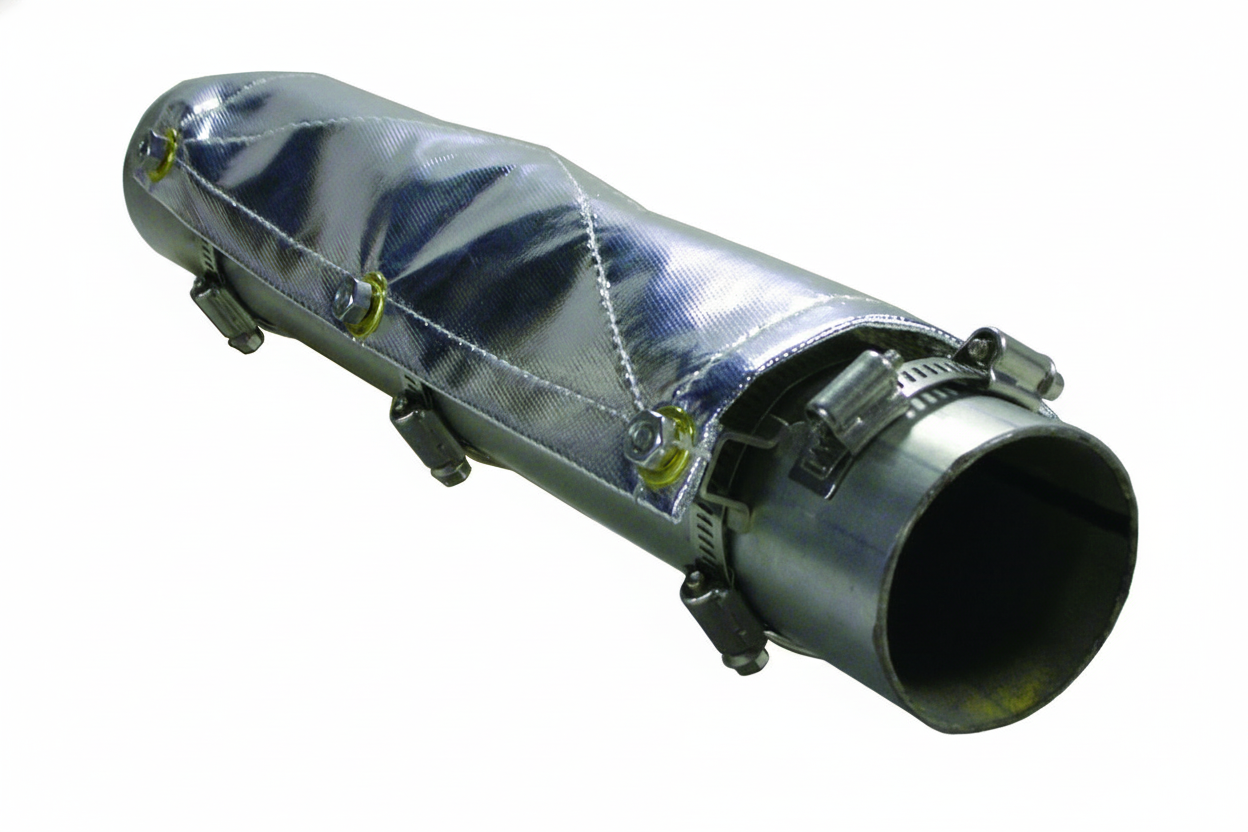
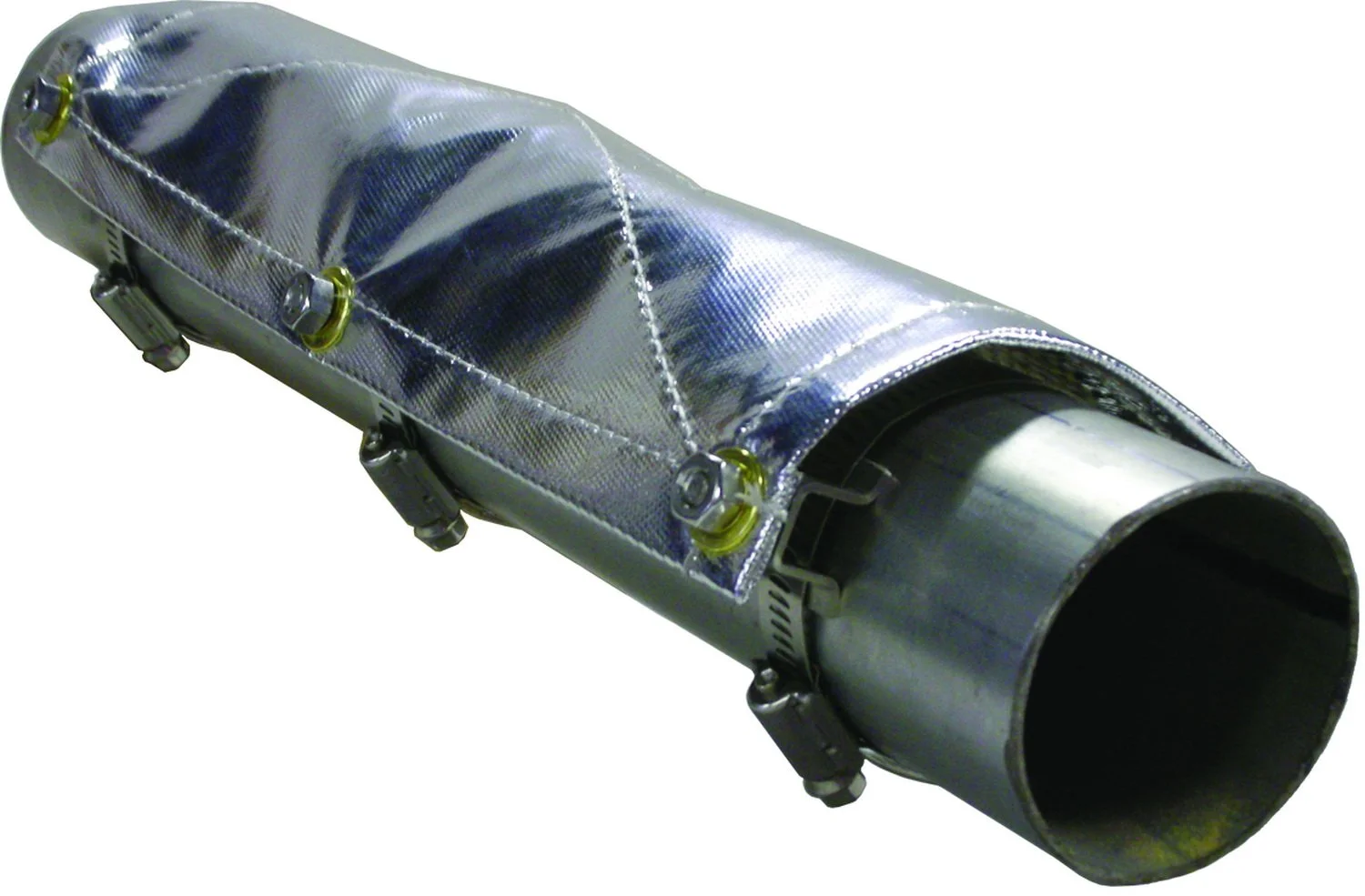
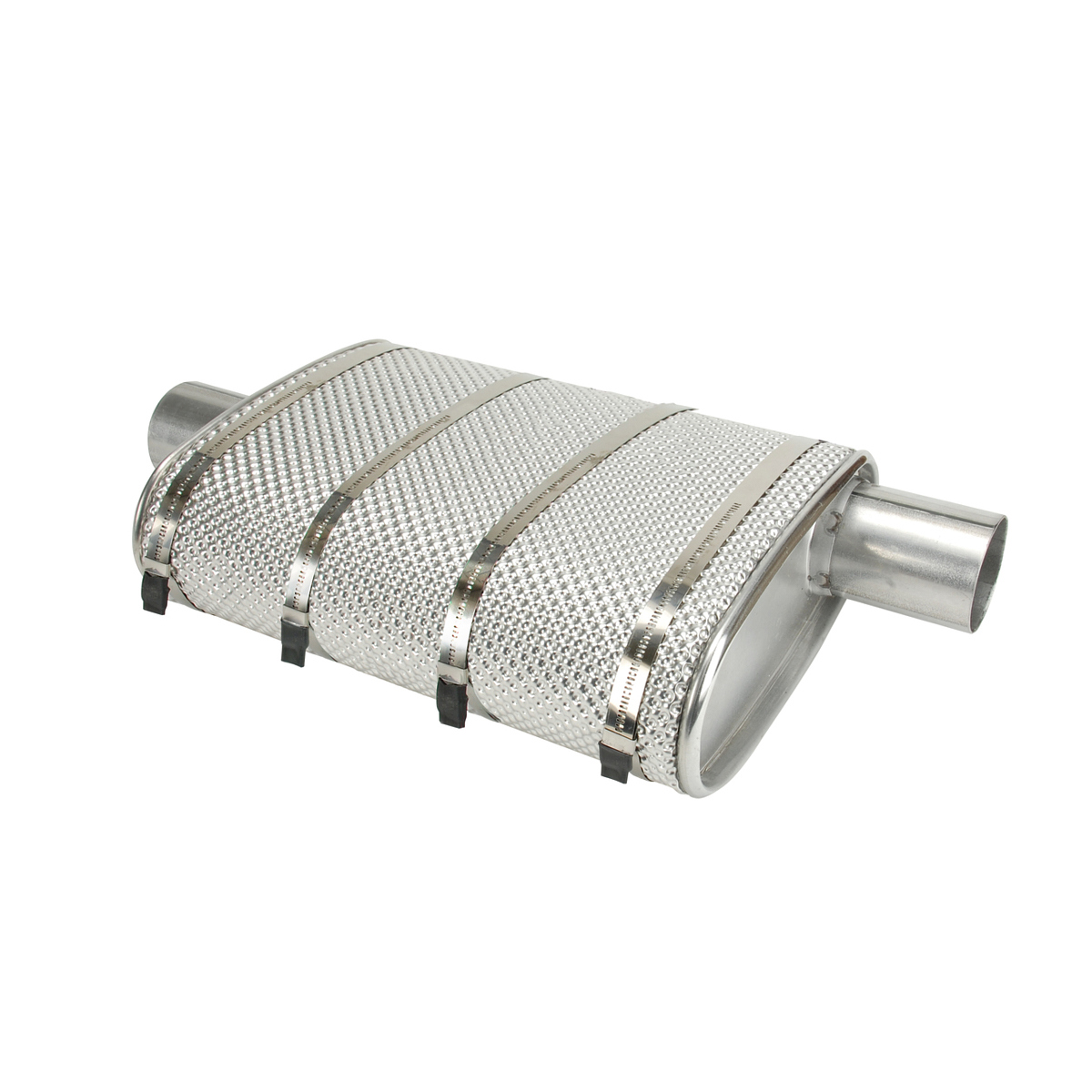
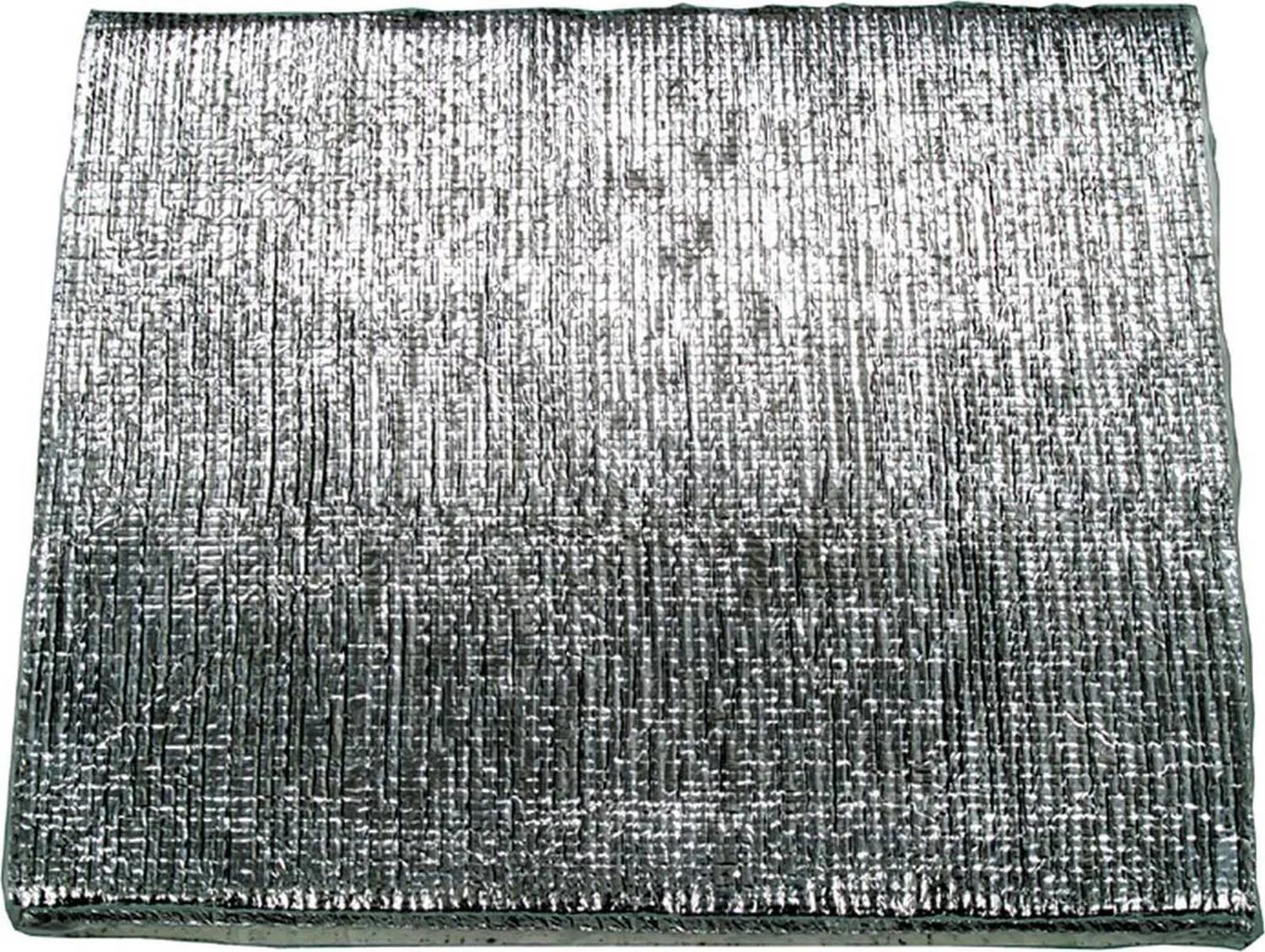
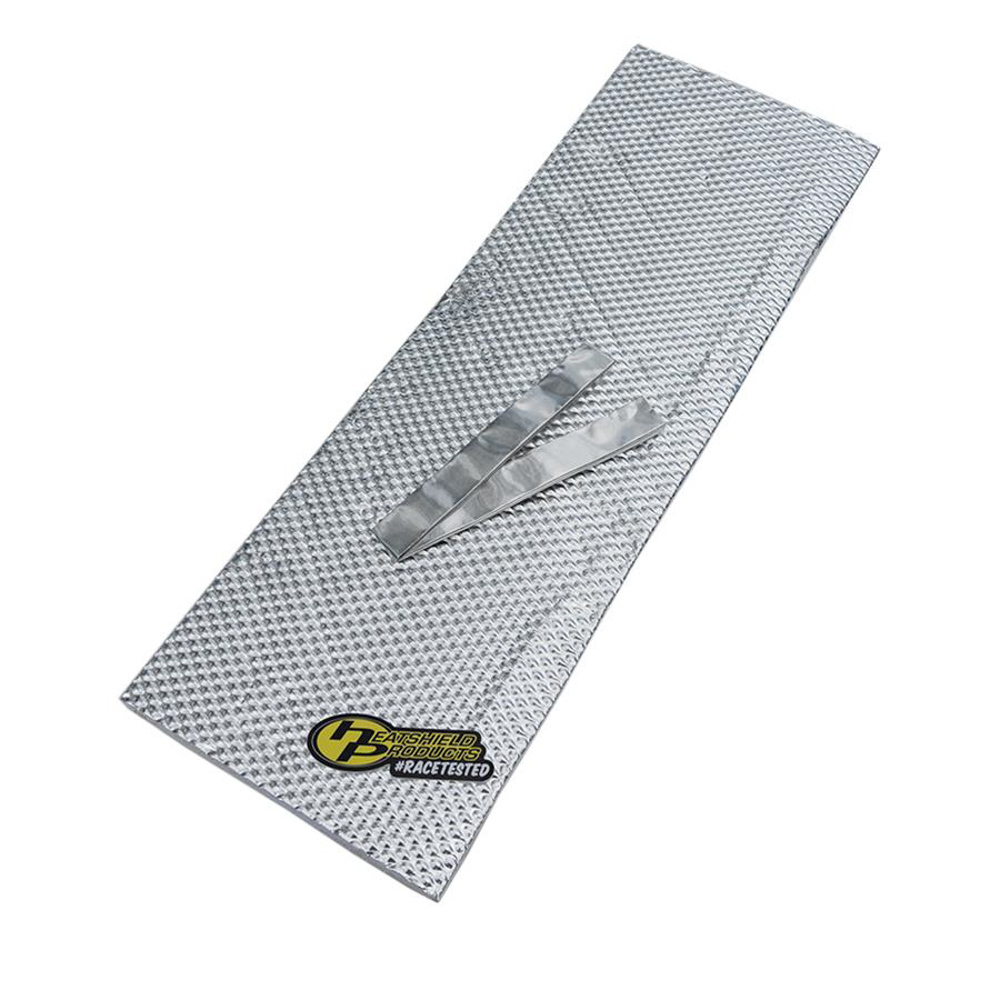
This page also covers the other ways to manage exhaust heat: clamp-on and pipe heat shields from Roadworks, Thermo-Tec and AP Exhaust Products, adhesive heat shield sheets from Heatshield Products and Helix, thermal sleeves for hoses and wires, and high-heat wrap coatings. Use the guide below to pick a material and size, then shop the groups further down.
Titanium vs basalt vs fiberglass exhaust wrap
Most exhaust wrap falls into three material families. Exact temperature ratings vary by brand and product line, so check the manufacturer's listing if you are wrapping turbo housings or pipes right at the exhaust port.
| Wrap type | What it is | Typical notes |
|---|---|---|
| Fiberglass (tan, natural, black) | Woven glass fiber, sometimes with a colored high-heat coating | Lowest cost, widely used on street headers. Can be itchy to handle, so wear gloves and long sleeves. |
| Titanium wrap (DEI Titanium) | Fibers made from crushed volcanic rock, sold under DEI's Titanium name | Generally rated for higher heat than basic fiberglass and often described as more durable. Black and tan colors. |
| Basalt wrap (Helix Basalt) | Woven basalt fiber | Similar idea to lava-rock wraps. A common pick for performance and motorcycle exhaust. |
Color is mostly about looks. Black and titanium-black wraps are popular on show engines, while tan and natural wraps are the classic header wrap look. Some coated wraps, such as the DEI kit with black silicone coating, are meant to resist oil and dirt and keep their color longer.
What width and length of header wrap do you need
Width: 1 inch wrap bends more easily around tight header tubes, motorcycle pipes and short radius bends. 2 inch wrap is the most common choice for full-size headers and straight pipe runs because it goes on faster. 6 inch wrap, like the DEI 6 inch Titanium rolls, is for large diameter pipes, downpipes and turbo pipes.
Length: how much you need depends on pipe diameter, total pipe length and overlap. Most installers overlap each wrap by roughly 1/4 to 1/2 inch, and more overlap uses more wrap. As a rough starting point, a set of four-cylinder headers often takes around 50 feet of 2 inch wrap, and a V8 with two headers often takes around 100 feet. Measure your pipes and check the manufacturer's coverage chart before ordering, and buy a little extra rather than come up short in the middle of a tube.
- Kits (DEI wrap kits, Helix wrap kits with ties) include stainless locking ties so you can finish the job in one order.
- Bulk rolls of 50 and 100 feet cost less per foot if you are wrapping a full system or several vehicles.
- Short 15 to 25 foot rolls suit one pipe, a crossover or a motorcycle.
Exhaust wrap pros, cons and the corrosion debate
Wrap is popular because it can noticeably cut radiant heat near the pipes, which helps protect wiring, starters, brake lines and floor pans, and keeps intake air temperatures lower in a crowded engine bay. Some builders also wrap to keep exhaust gas hotter and flowing faster. Any power change is usually small and depends on the setup, so treat wrap as a heat management tool first. See headers vs exhaust manifolds for how headers behave.
There are trade-offs, and opinions differ. A common concern is that wrap can hold moisture against the pipe, and that higher pipe temperatures may speed up corrosion or cracking on mild steel headers, especially on vehicles that sit for long periods or see a lot of rain and road salt. Others report years of use without trouble, particularly on stainless or ceramic-coated pipes. If longevity matters, consider the pipe material (see stainless vs aluminized exhaust), keep the wrap dry where you can, and inspect under it periodically.
A heat shield is the alternative when you want to protect one spot without wrapping the whole pipe. Clamp-on shields sit off the pipe with an air gap, are easy to remove, and do not trap moisture against the metal. Adhesive sheets and reflective wraps protect the component instead of the pipe.
Installing exhaust wrap and heat shields
- Work on a cold, clean pipe. Removing the headers makes wrapping much easier and gives a tighter, neater job.
- Follow the maker's instructions on soaking. Some fiberglass wraps are commonly wet before installing so they shrink tight as they dry. Instructions differ for titanium and basalt wraps.
- Start at the collector or flange end and wrap toward the other end with consistent tension and overlap.
- Secure both ends with stainless locking ties or clamps. Helix PTFE wrap tape can tidy the ends.
- Expect some smoke and smell the first time the wrap heats up as binders burn off. Run it outdoors.
- Optional coating. High-heat wrap coatings like the Thermo-Tec aerosols are sprayed over installed wrap to seal and color it.
For clamp-on shields, match the shield's clamp range to your pipe outside diameter and keep fuel lines, wiring and plastic away from the pipe regardless. If you are upgrading the whole system, start with our exhaust systems buying guide.