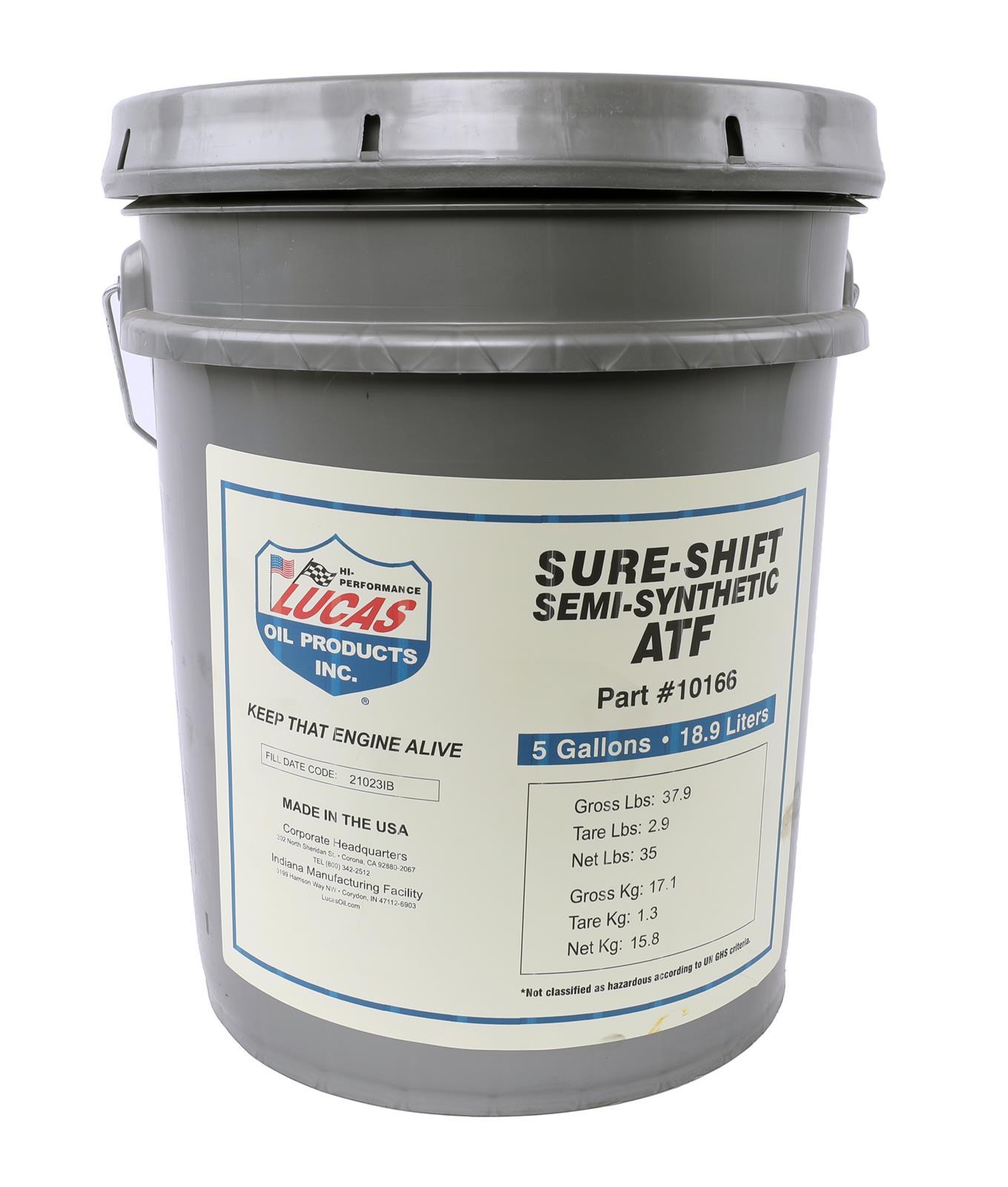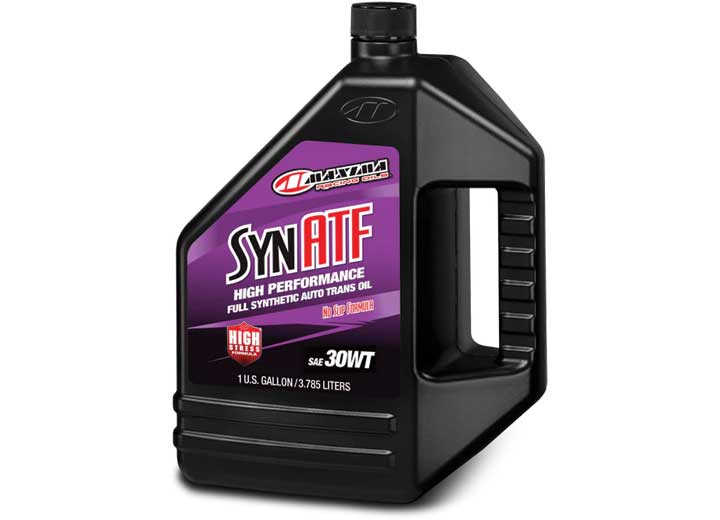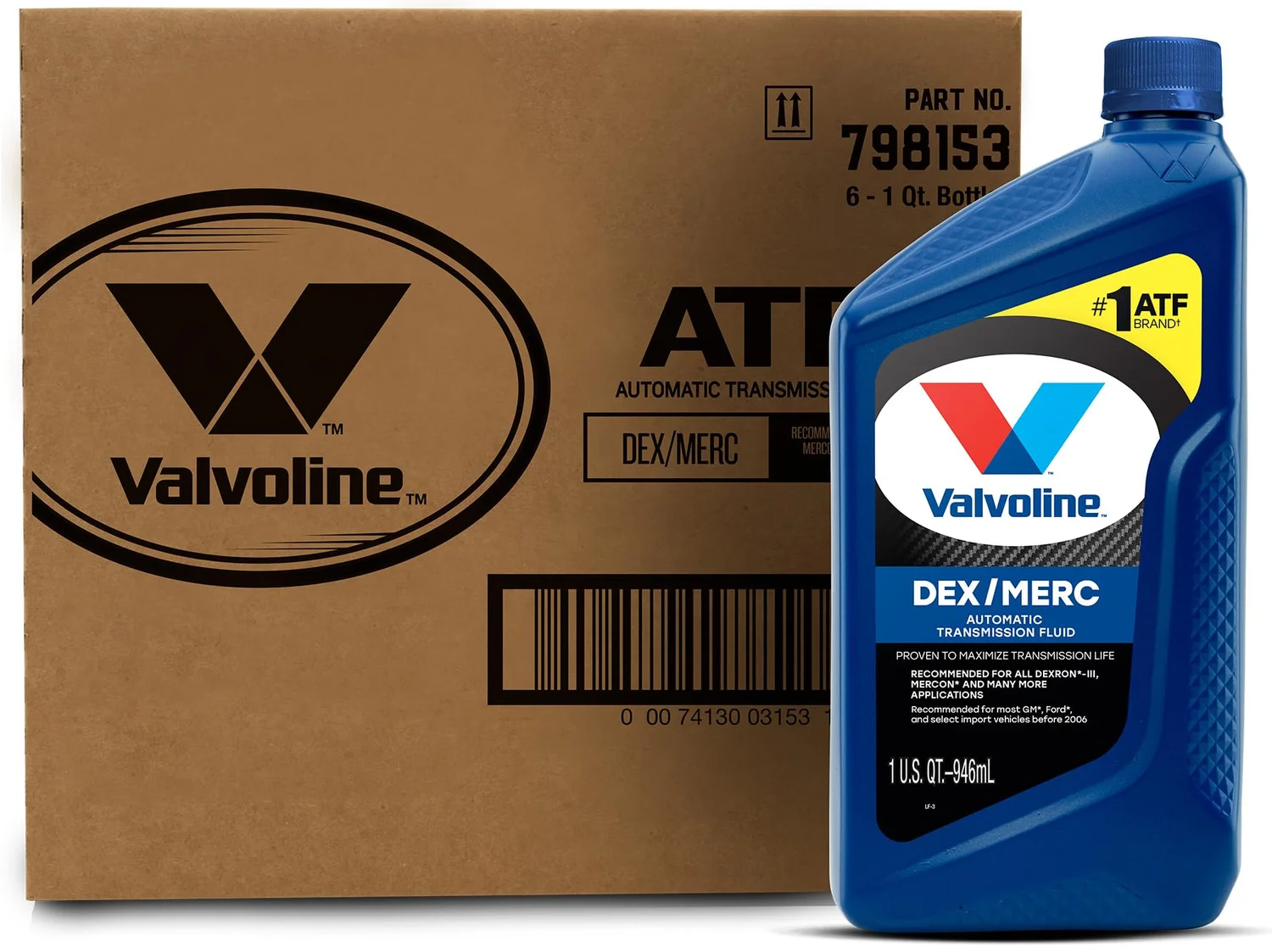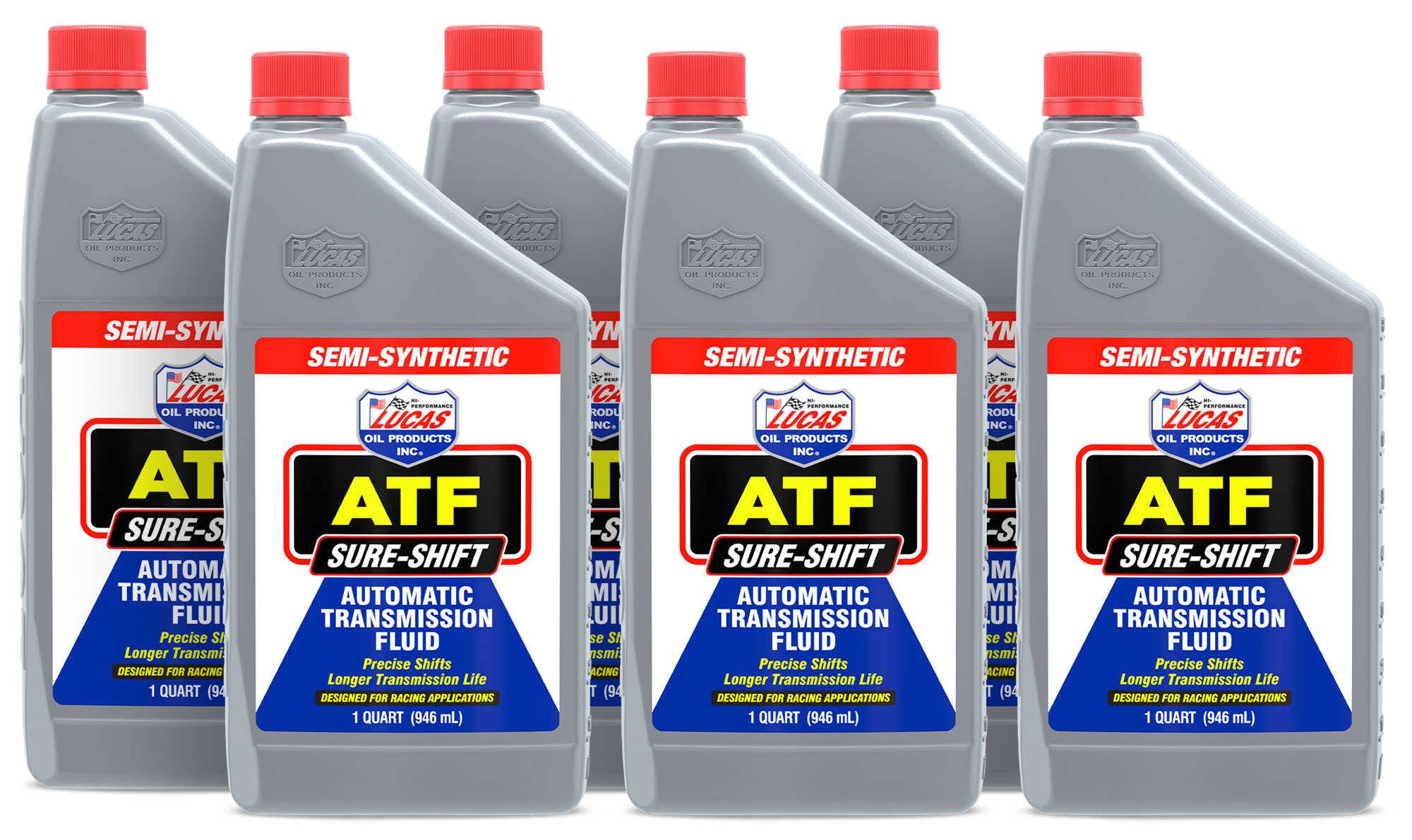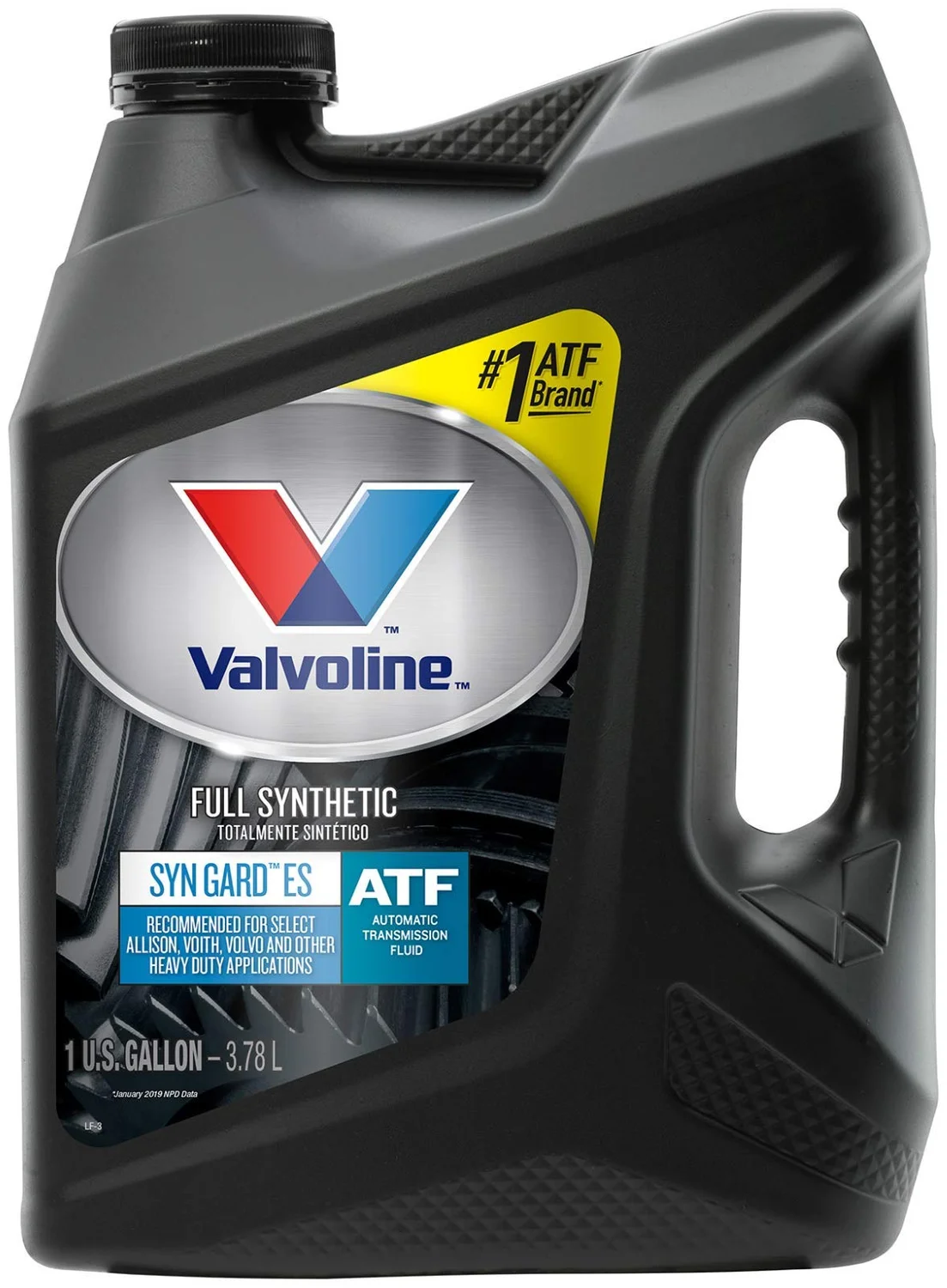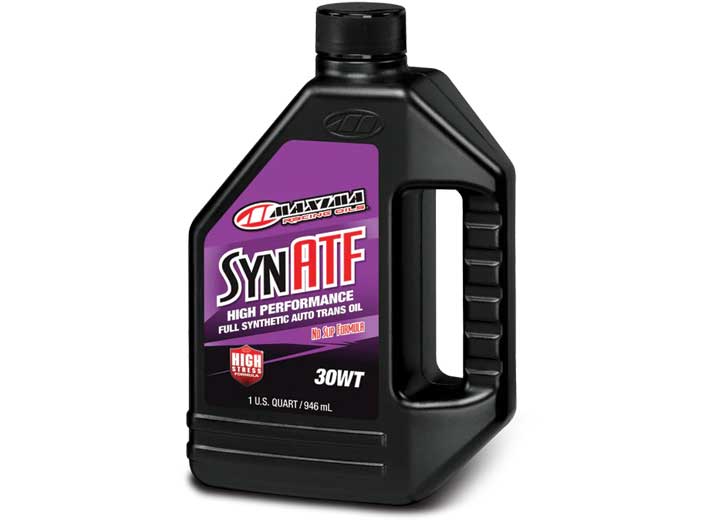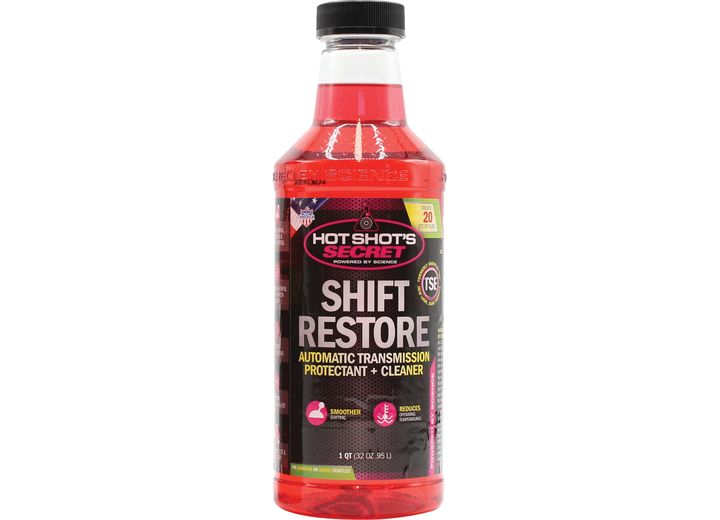
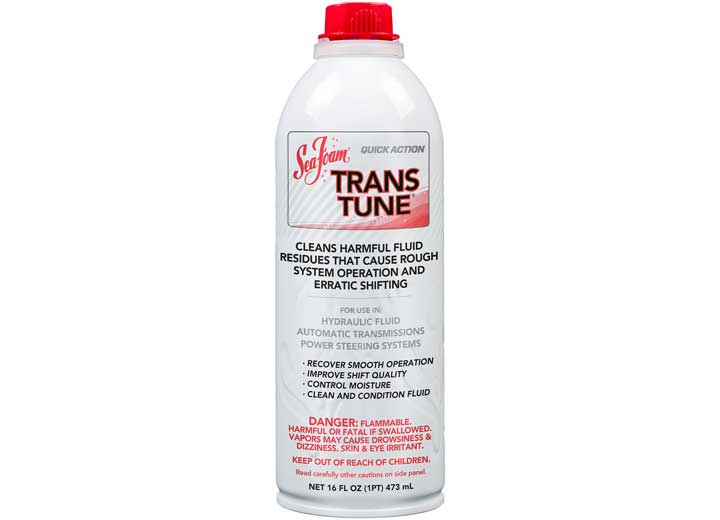
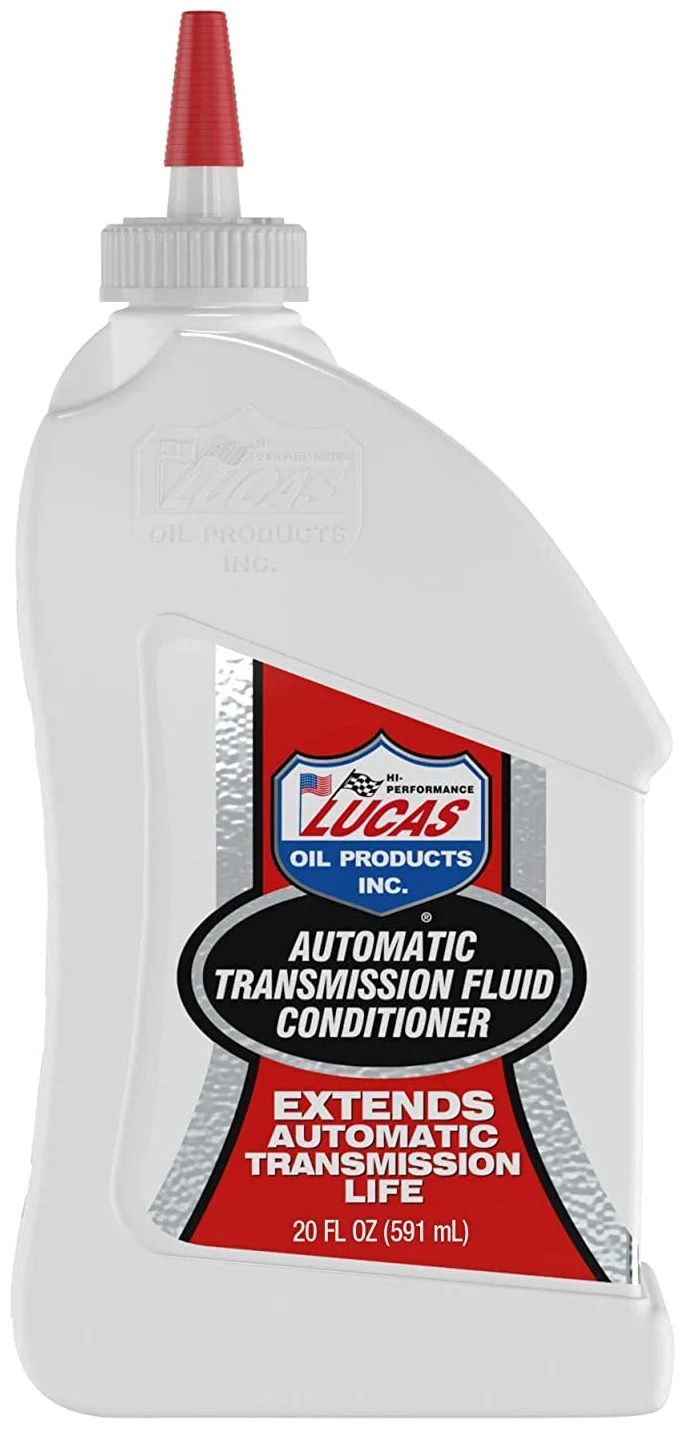
A transmission additive is a bottle of treatment you pour into your transmission fluid. Depending on the product, a transmission fluid treatment is meant to condition seals, help with minor seepage (often sold as transmission stop leak), reduce friction or clean varnish so shifts feel smoother. They are a maintenance product for a transmission that still works, not a repair for one that has failed.
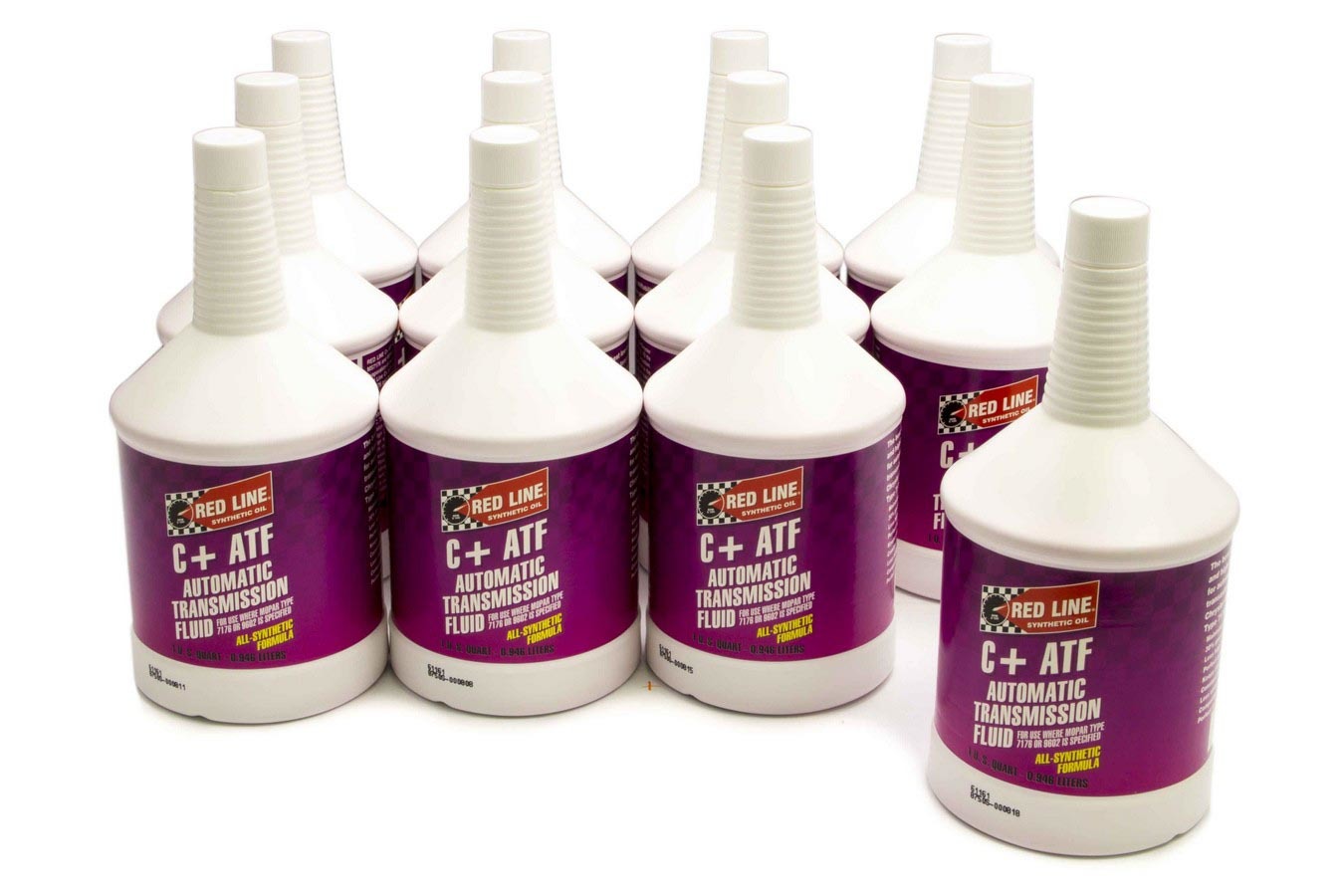
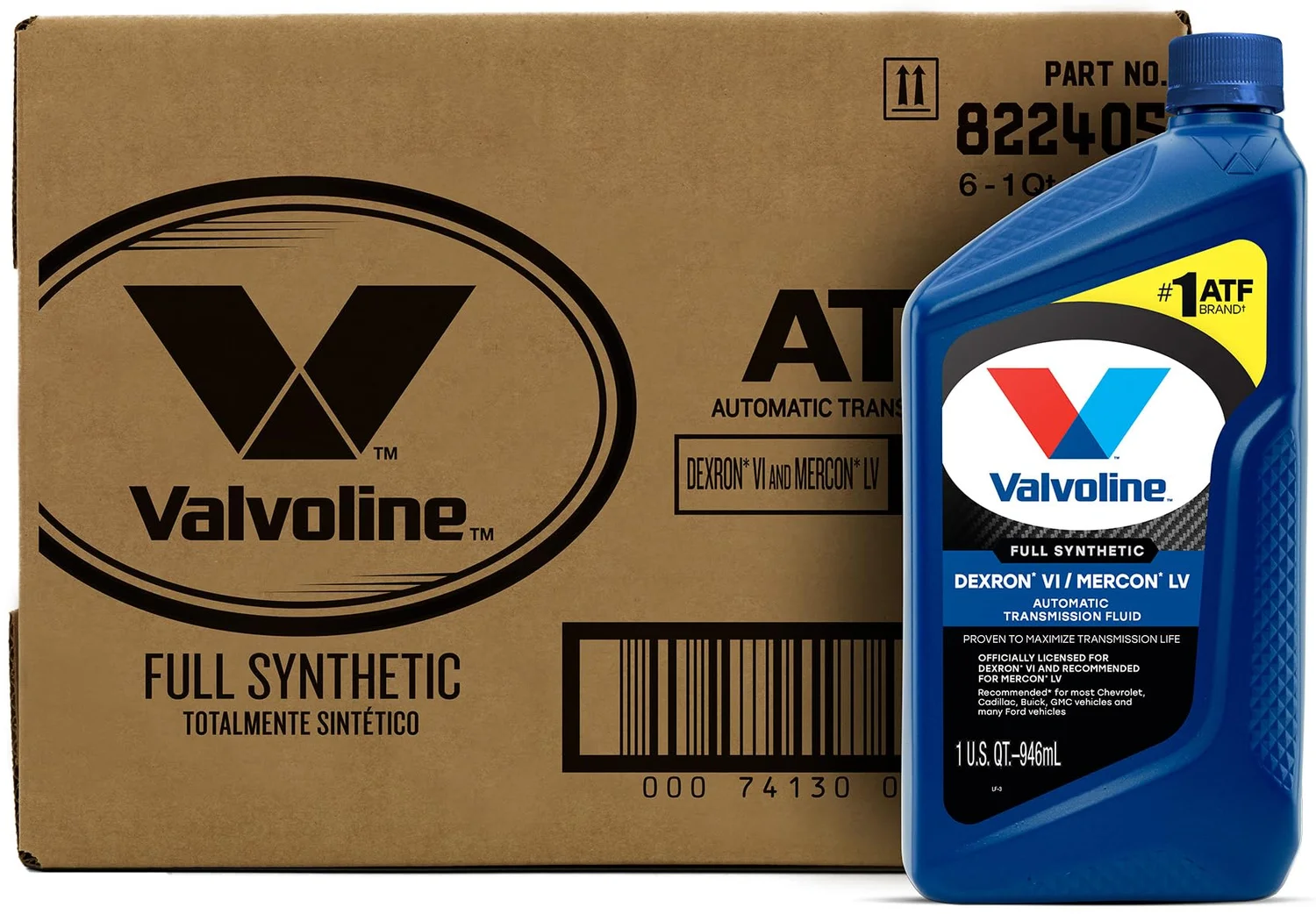
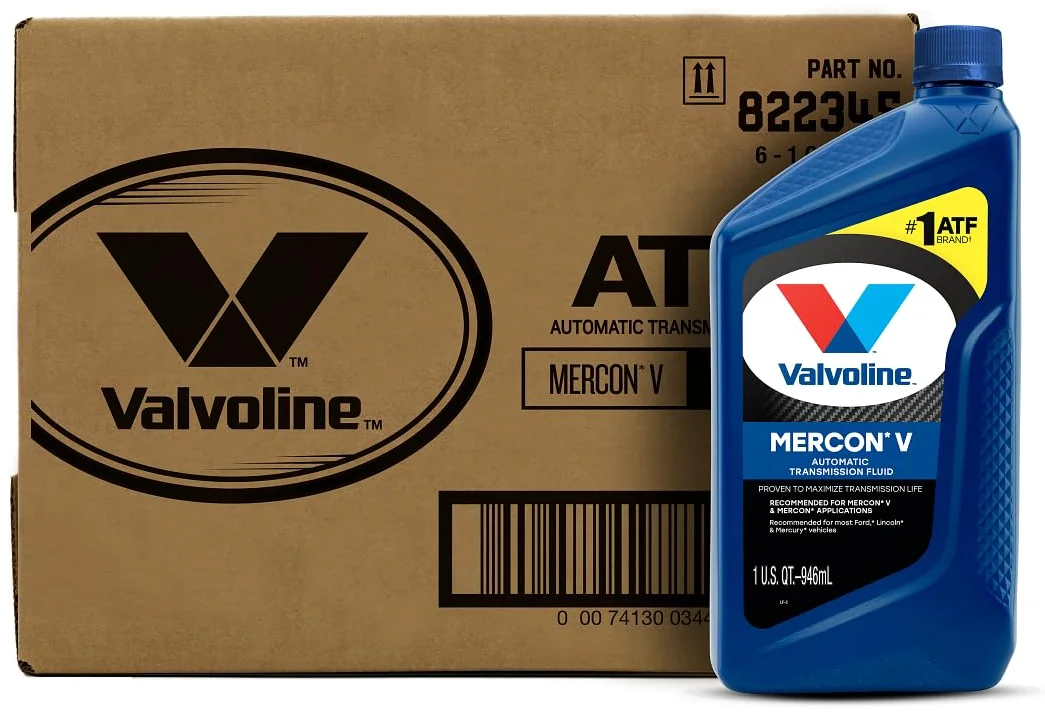
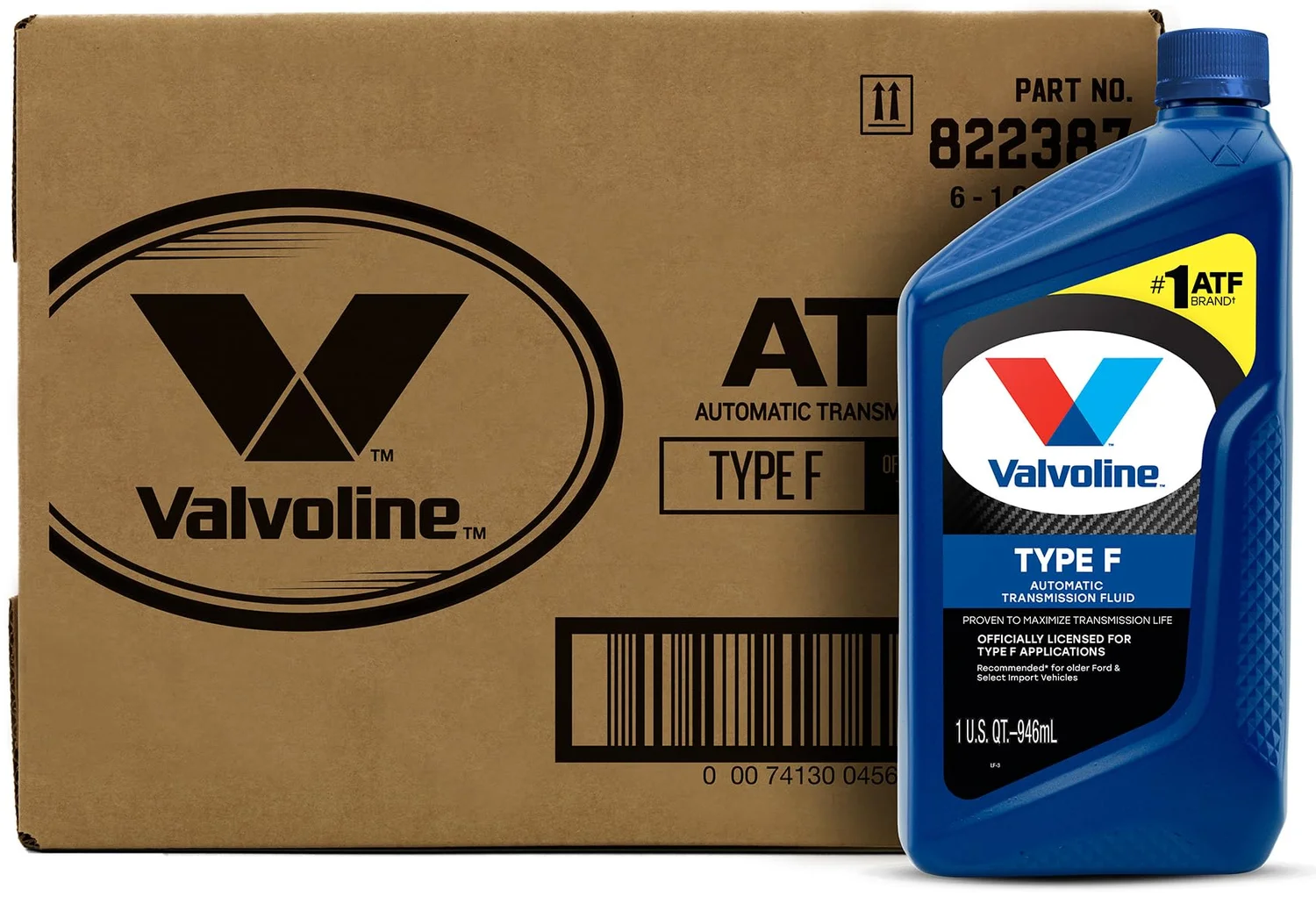
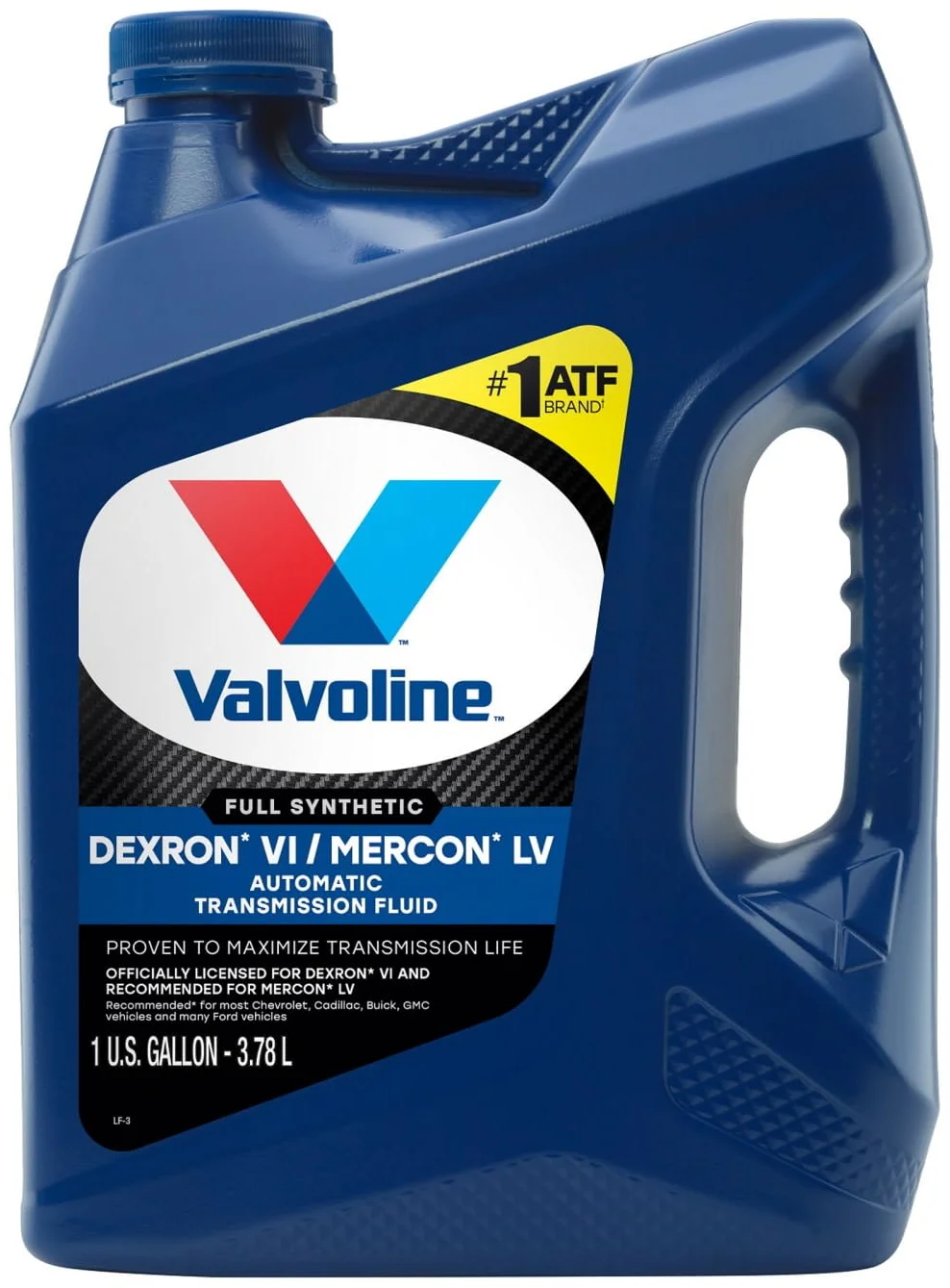
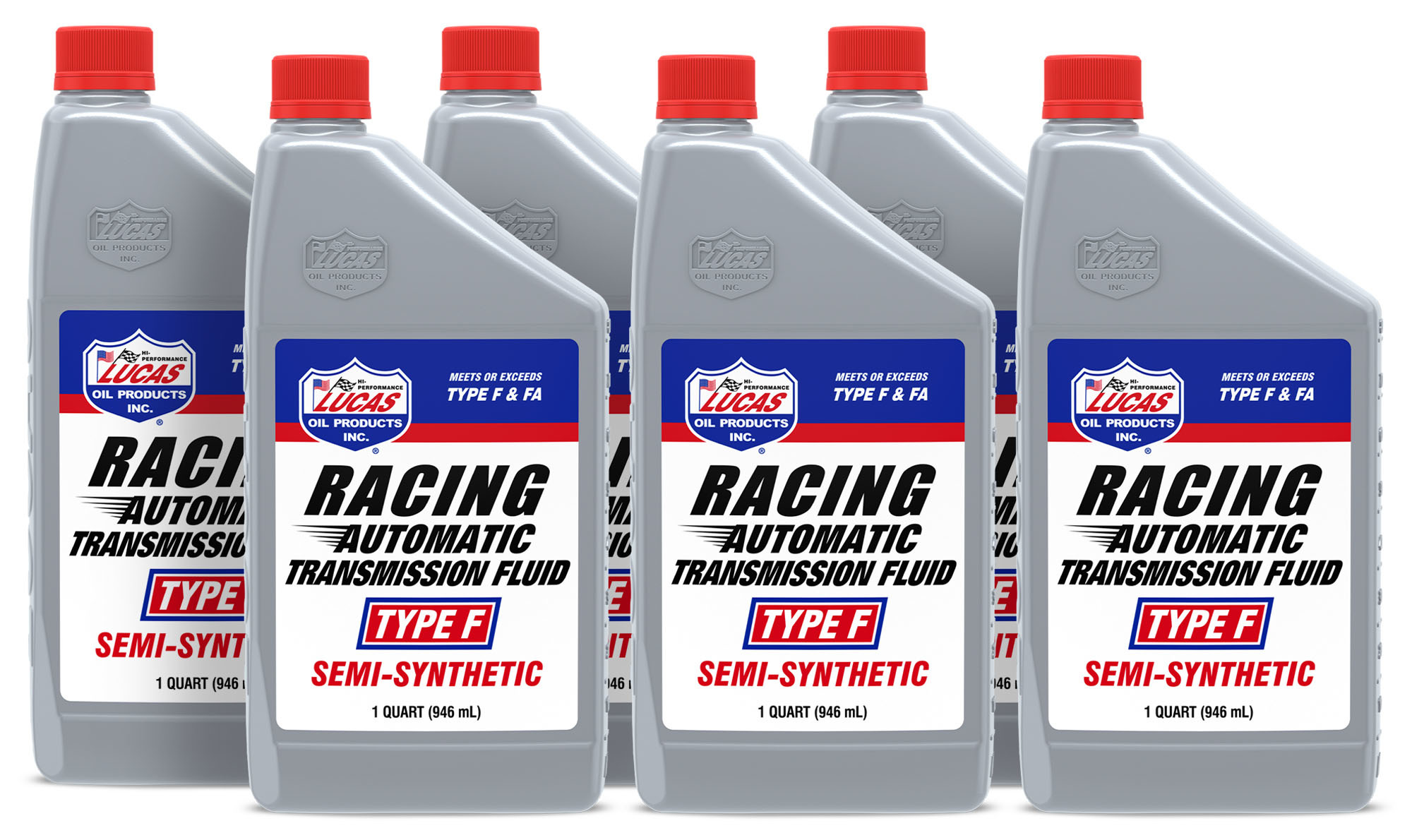
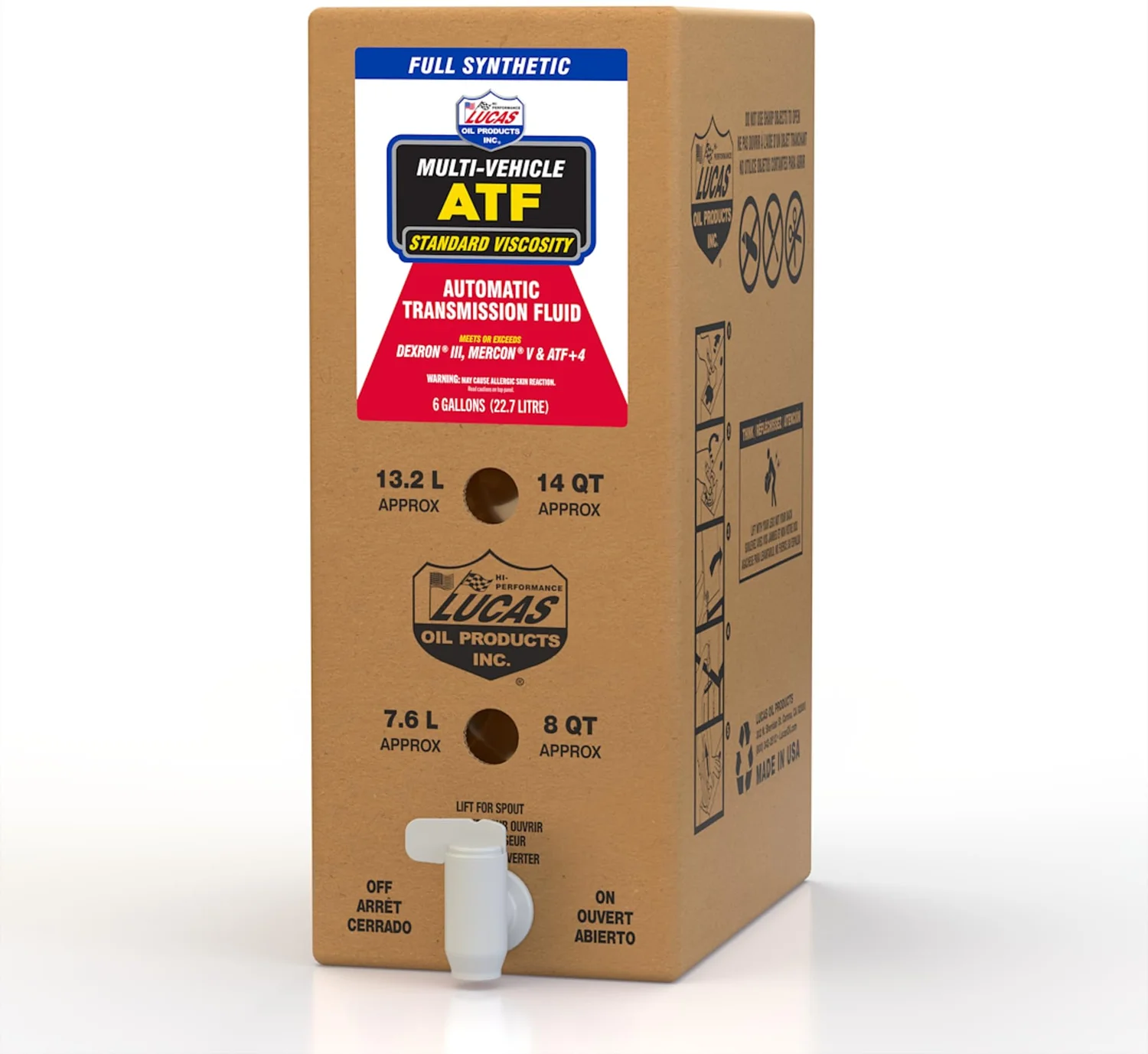
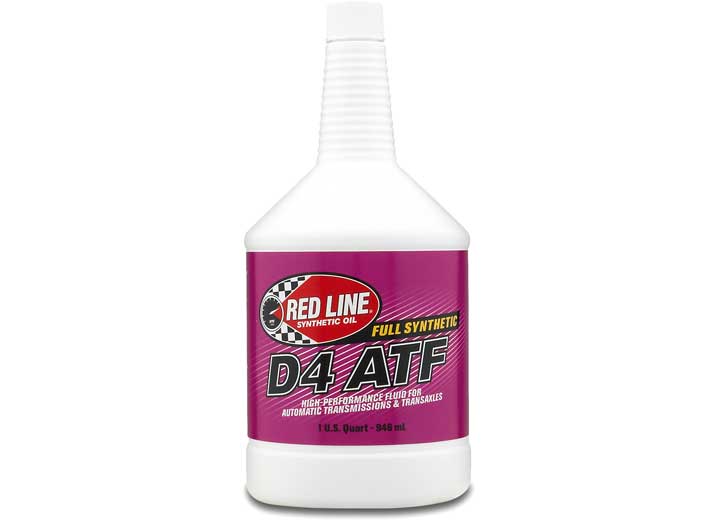
This page lists the transmission additives we carry, including Lucas Oil Transmission Fluid Additive, Sea Foam Trans Tune and Hot Shots TSE Shift Restore, along with automatic transmission fluid (ATF) from Valvoline, Lucas Oil, Mobil 1, Royal Purple, Red Line, Motul and others, and CVT, dual clutch and manual transmission fluids. Read the notes below before you add anything to your transmission.
What transmission additives can and cannot do
Transmission additives generally fall into a few groups. The label tells you which job a product is built for, and many claim more than one.
| Type | What it is meant to do | Examples we carry |
|---|---|---|
| Stop leak / seal conditioner | Soften and swell aging rubber seals to slow small leaks and seepage | Lucas Oil Transmission Fluid Additive (check the label for stop leak claims) |
| Cleaner / tune treatment | Help dissolve varnish and deposits on valves and passages | Sea Foam Trans Tune |
| Friction modifier / shift treatment | Aimed at shift feel, shudder or slipping caused by worn fluid | Hot Shots TSE Shift Restore |
Be realistic about results. An additive may help with a slow seep from an old seal or rough shifts from tired fluid. It will not fix a cracked pan, a damaged cooler line, a burned clutch pack, a failed torque converter, a bad solenoid or a computer fault. If your transmission is slipping badly, will not engage a gear, smells burnt or is leaking enough to leave a puddle, have it diagnosed by a qualified shop before spending money on treatments. Using the wrong product can make some problems worse.
Follow your vehicle maker's fluid spec first
The single most important thing you can do for a transmission is run the fluid your vehicle maker specifies, at the right level, and change it on schedule. Your owner's manual, or sometimes the dipstick, lists the spec, such as Dexron VI, Mercon LV, ATF+4, Type F or a maker-specific CVT or dual clutch fluid.
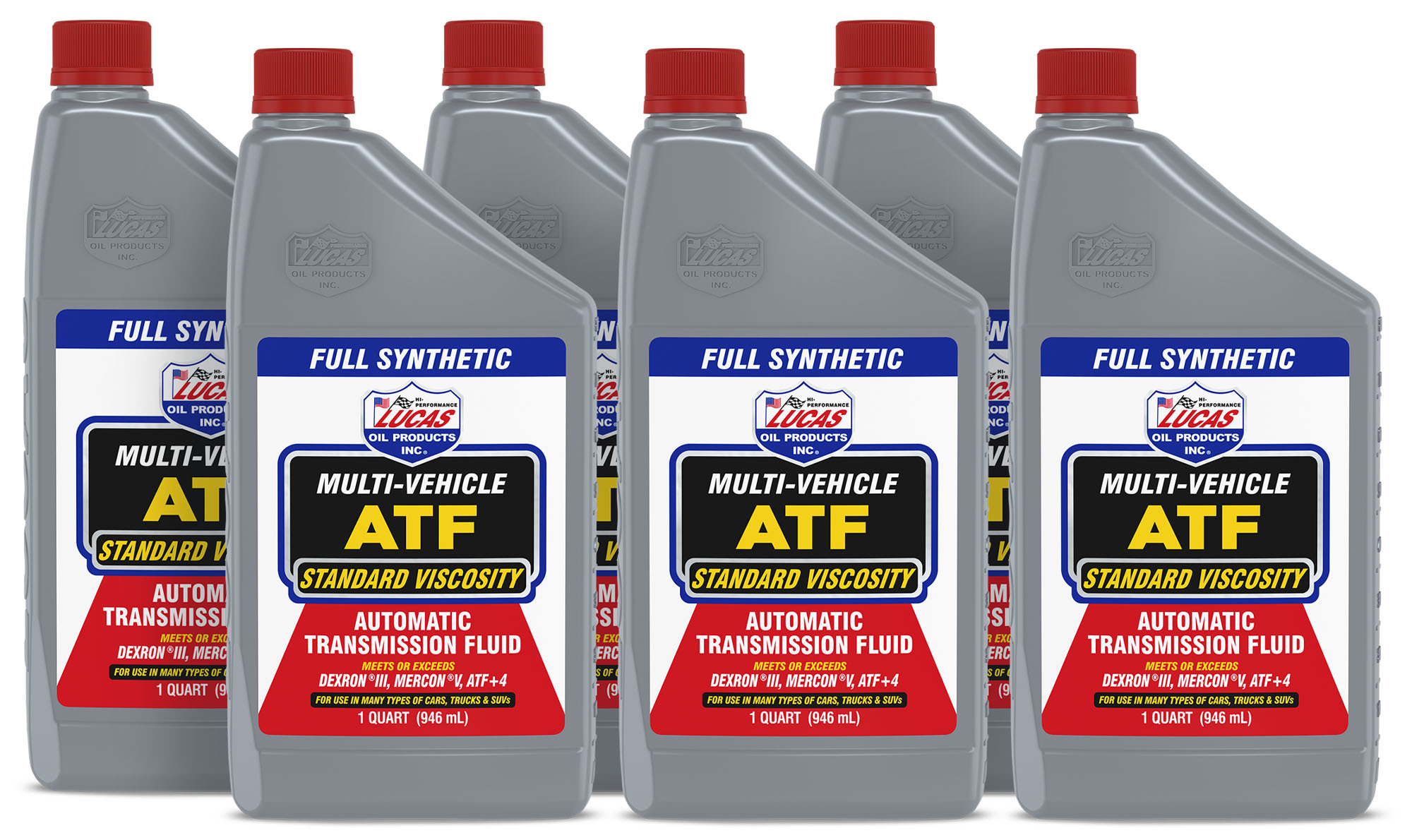
- Automatic transmissions (ATF). Many vehicles call for a specific licensed fluid. Multi-vehicle ATFs from Lucas Oil, Valvoline, Mobil 1 and others list the specs they are recommended for on the label; confirm yours is on that list.
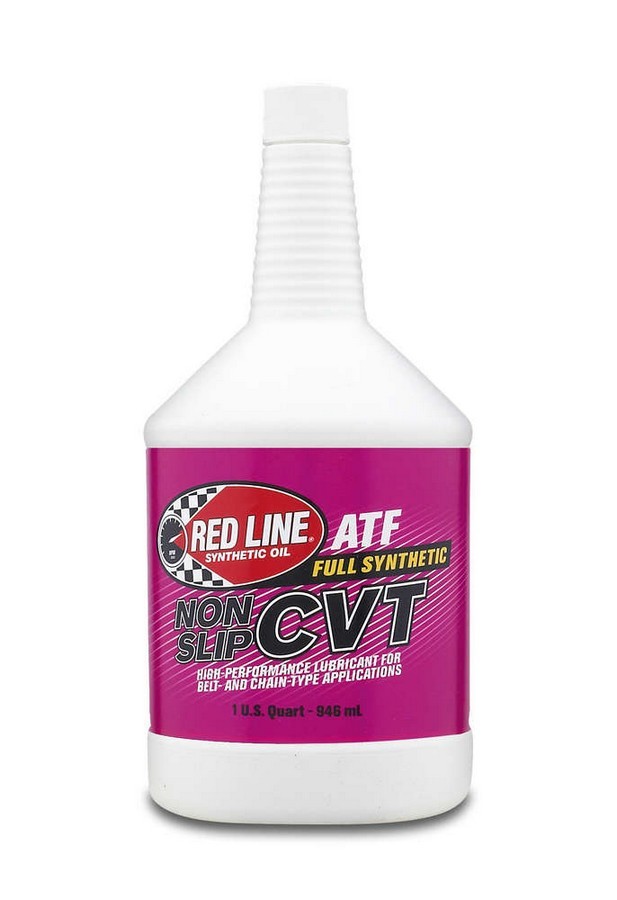
- CVTs. Continuously variable transmissions use a very different fluid. Use a CVT fluid that lists your vehicle's spec, such as the Valvoline, Lucas Oil or Red Line CVT fluids, never regular ATF unless your maker allows it.
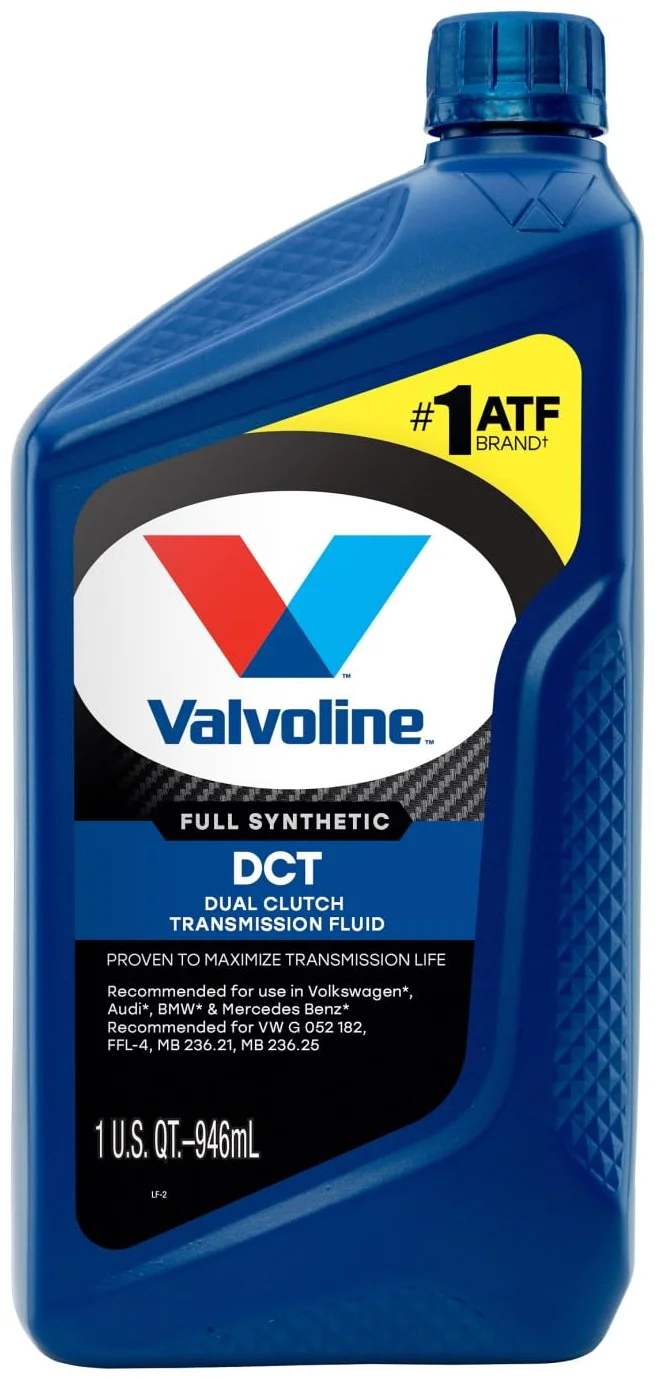
- Dual clutch transmissions. These need a DCT fluid that meets the maker's spec.
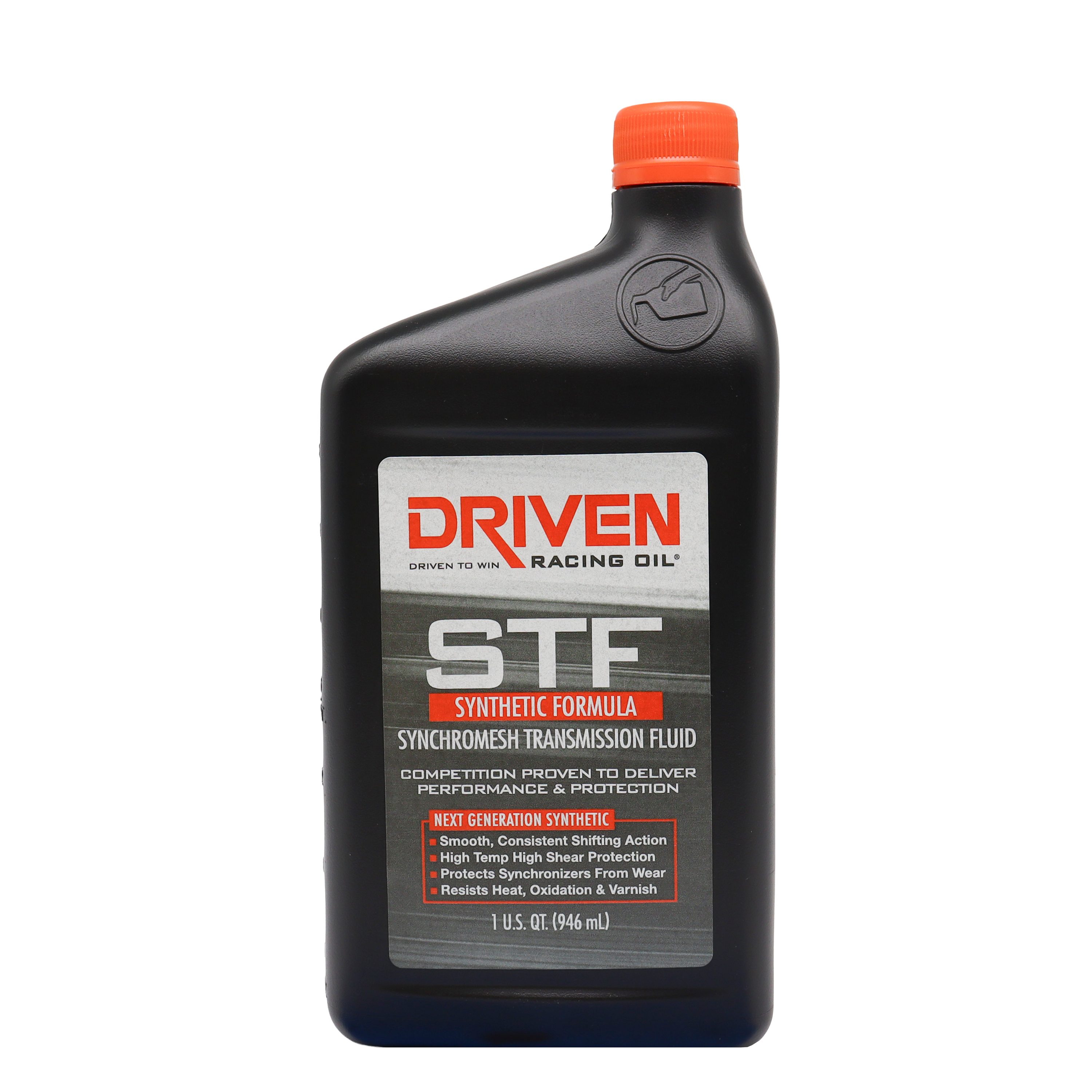
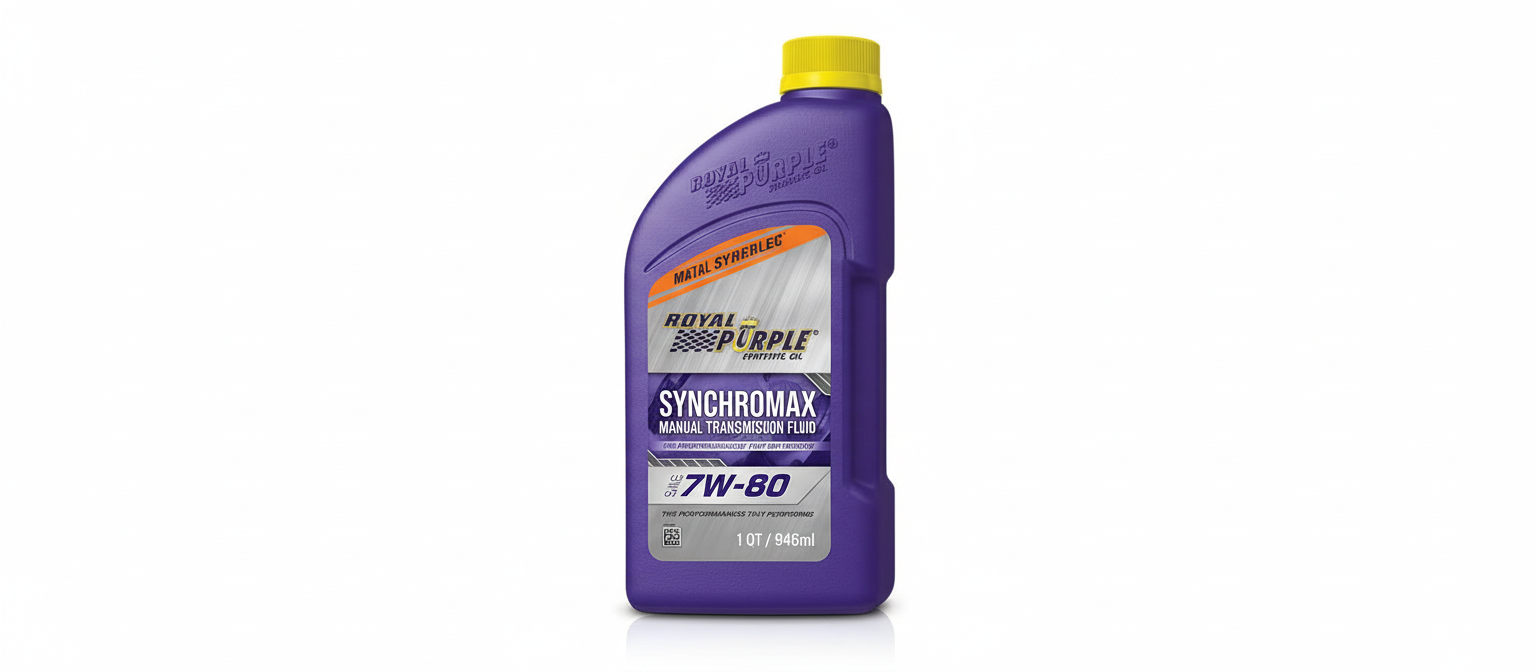
- Manual transmissions. Some use gear oil, some use ATF and some use a dedicated manual transmission fluid like Royal Purple Synchromax or Driven STF. Check the manual.
Many automakers advise against aftermarket additives, and some CVT and DCT makers specifically say not to add anything to the fluid. Read your owner's manual and the additive label, and if your vehicle is under warranty, check whether an additive could affect coverage.
Using a transmission additive the right way
- Check the fluid level and condition first. Low fluid is one of the most common causes of shifting complaints. Follow the maker's check procedure, since some transmissions are checked hot, in park, with the engine running, and some have no dipstick.
- Read the label. Confirm the additive is listed as compatible with your transmission type. Many are for conventional automatics only.
- Do not overfill. Add only the amount the label calls for, and account for it in the total fluid level. Overfilling can cause foaming and leaks.
- Give it time, then reassess. Seal conditioners can take some driving to have any effect. If symptoms do not improve, stop adding product and get a diagnosis.
If you tow, heat is the biggest enemy of transmission fluid. Fresh fluid of the right spec and, on many trucks, an added transmission cooler do more for longevity than any bottle of treatment. See our how much can my truck tow guide before adding weight behind your vehicle.
Brands we stock
For treatments we carry Lucas Oil, Sea Foam and Hot Shots. For fluid, we stock Valvoline (Dexron VI, Mercon LV, Type F, CVT, dual clutch, ULV and multi-vehicle), Lucas Oil, Mobil 1 and Mobil Delvac 1, Royal Purple, Red Line, Motul, Liqui Moly, Driven Racing Oil, Kendall and VP. Doing other fluid work while you are under the hood? See our power steering fluid how-to and synthetic vs conventional oil.