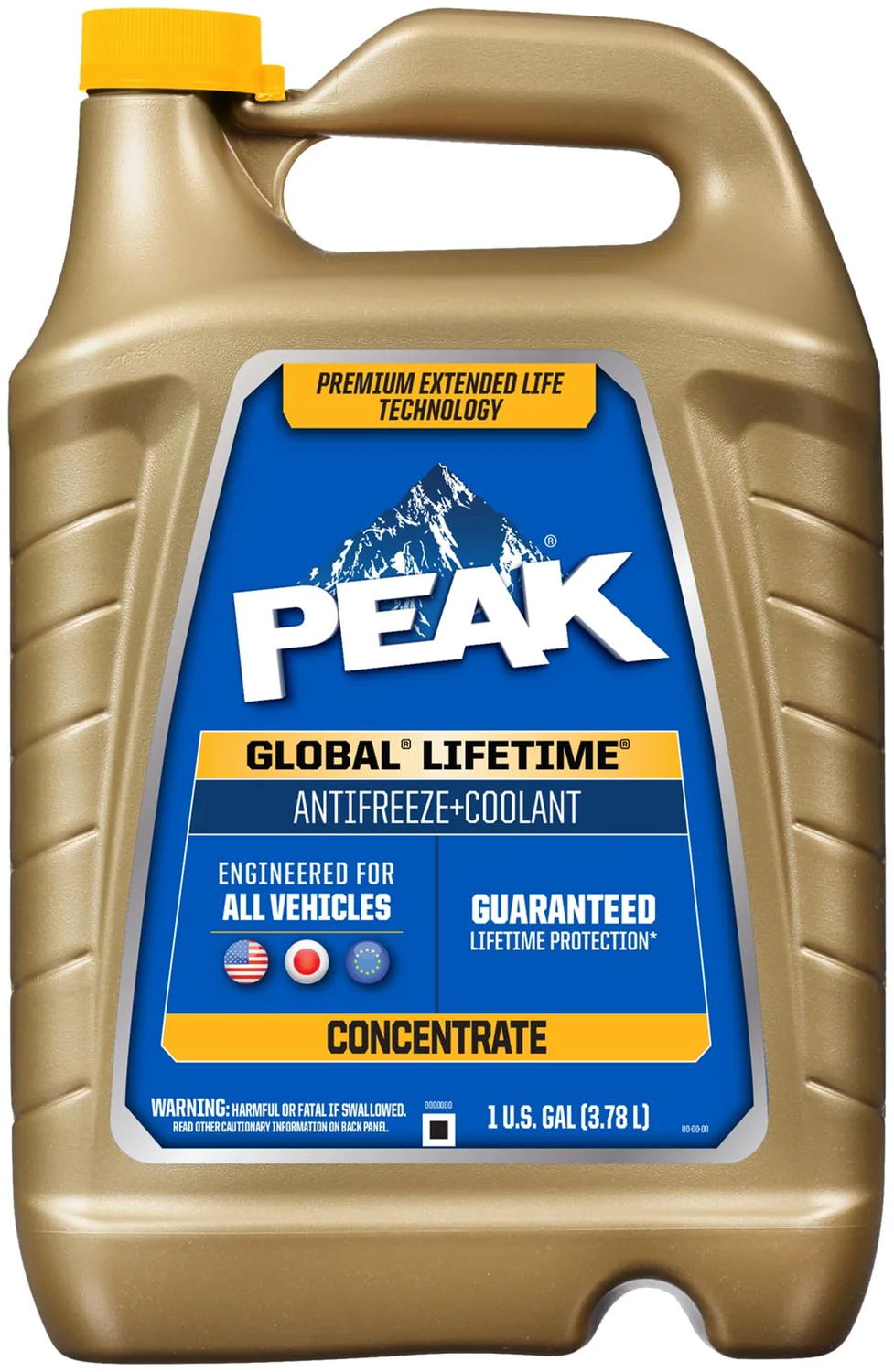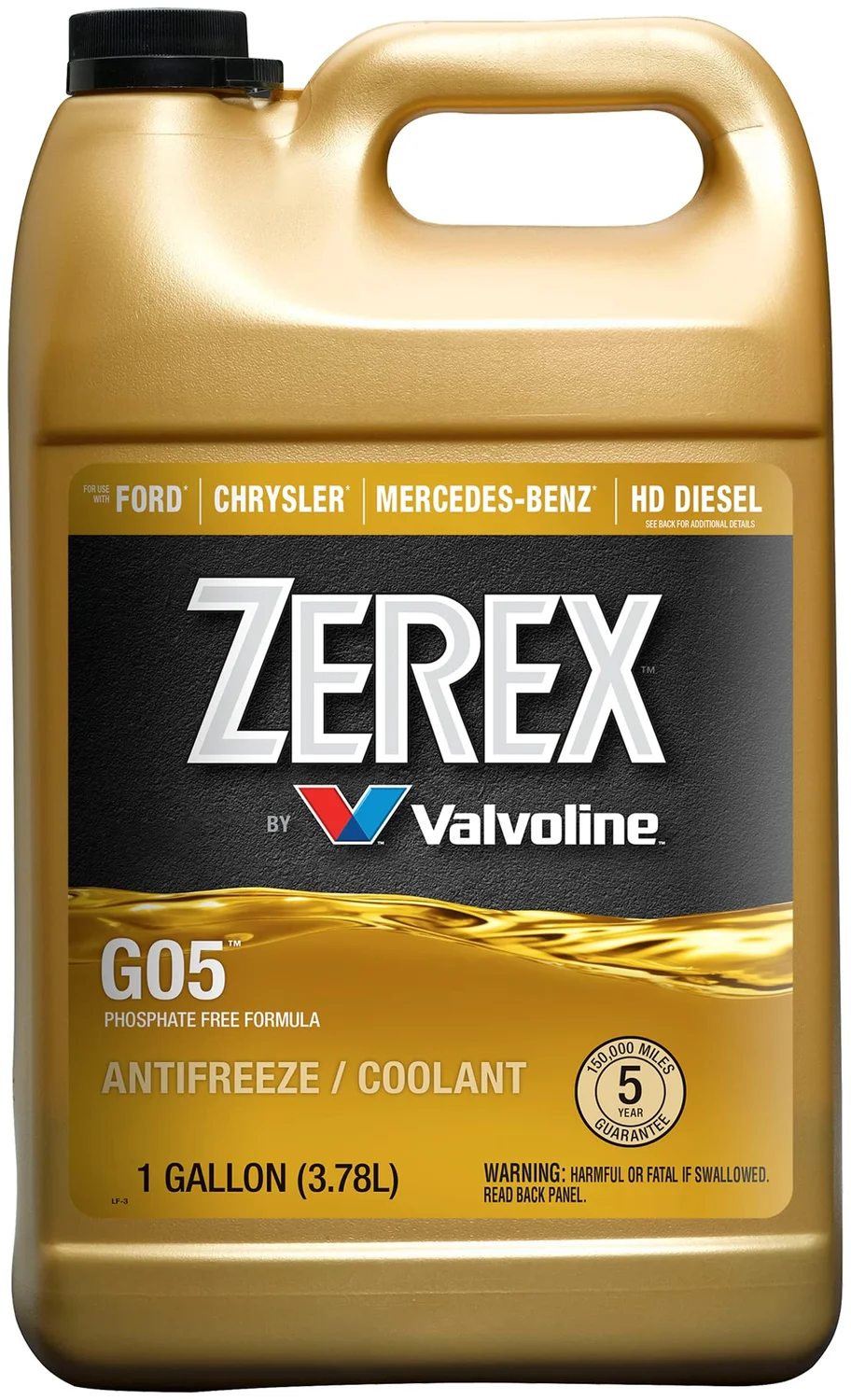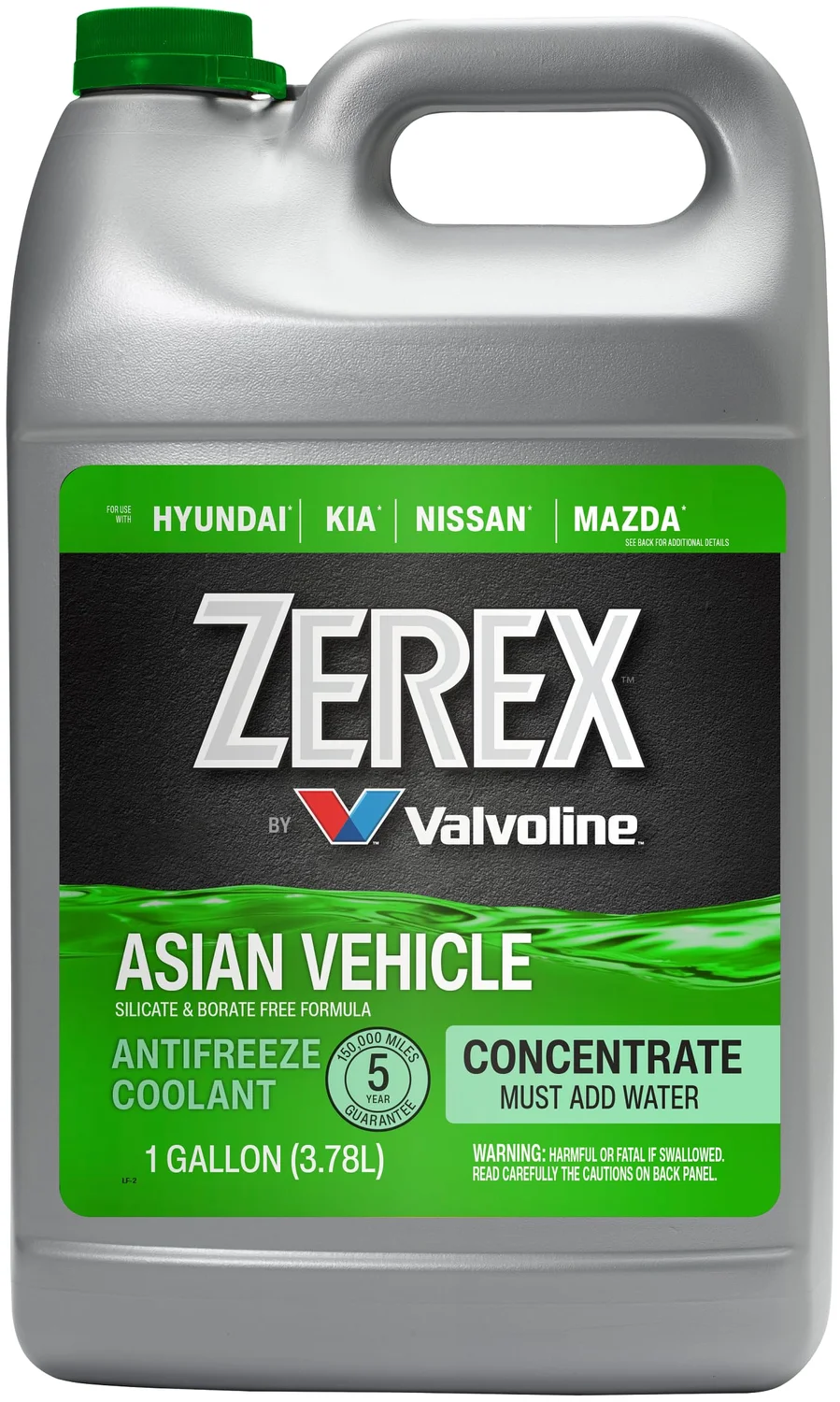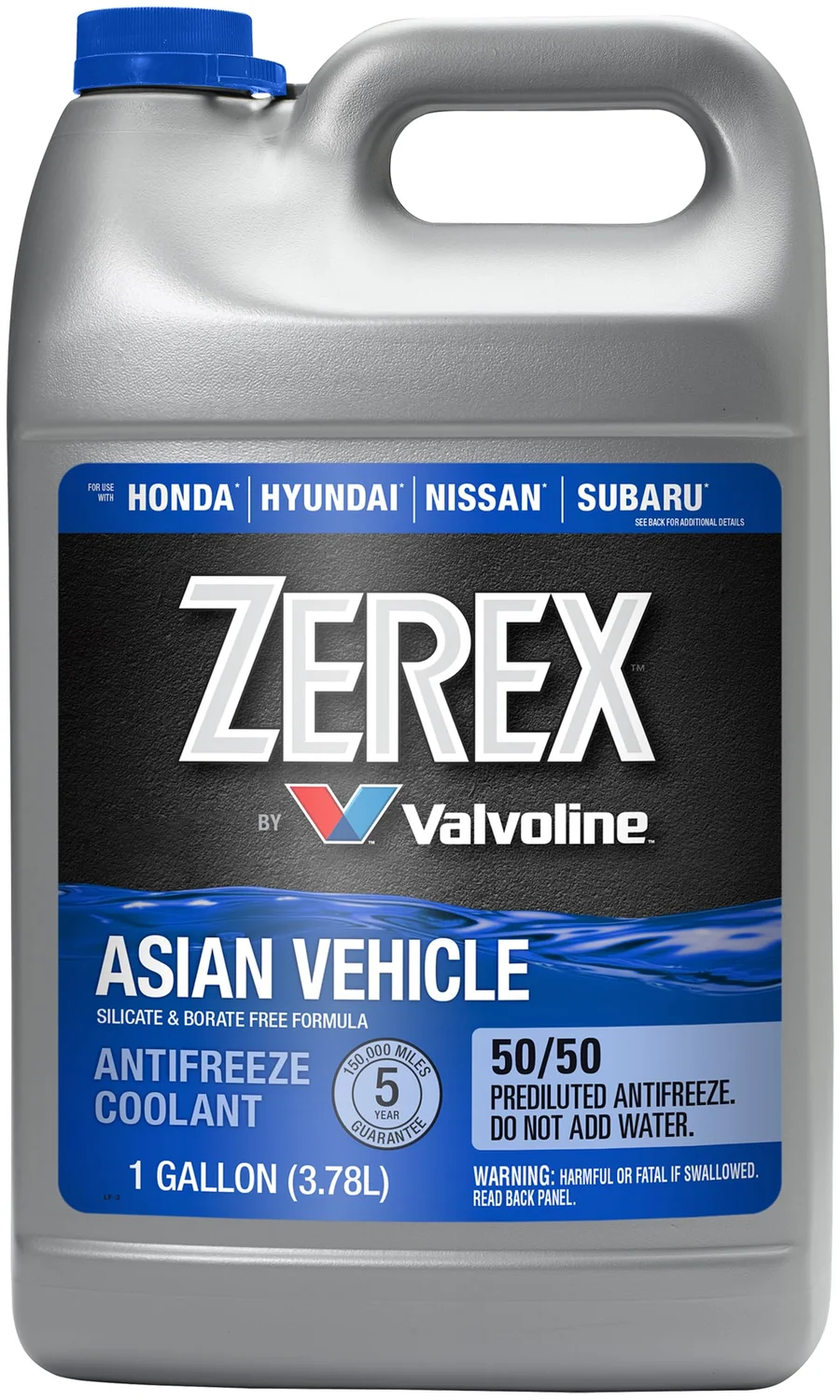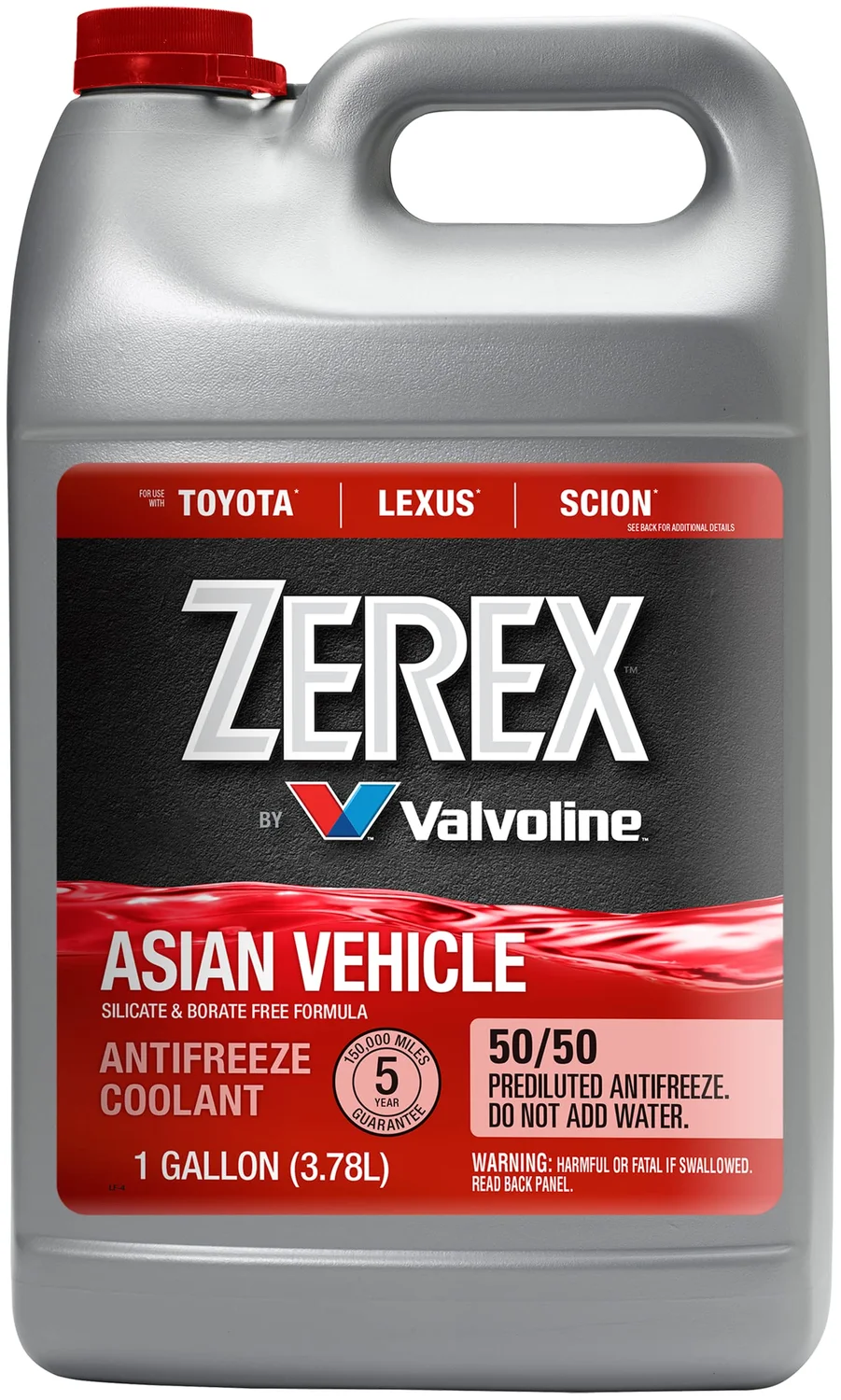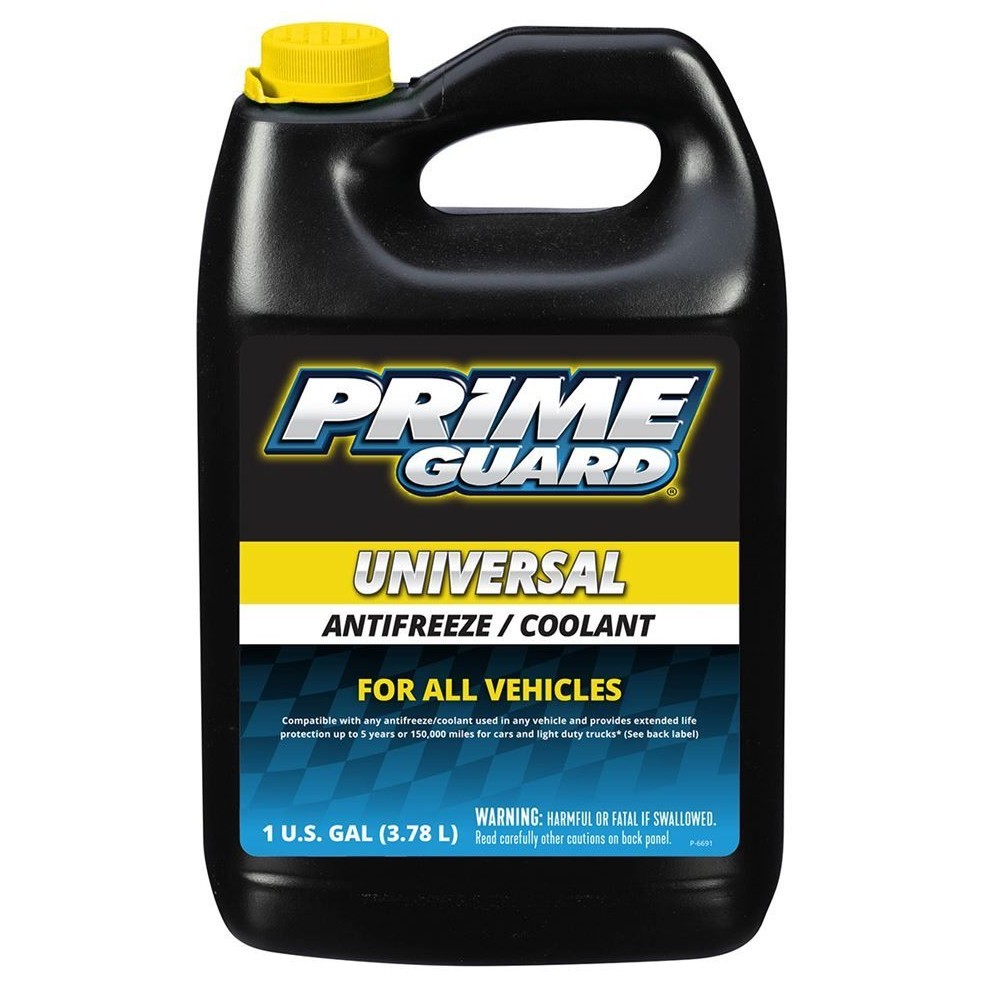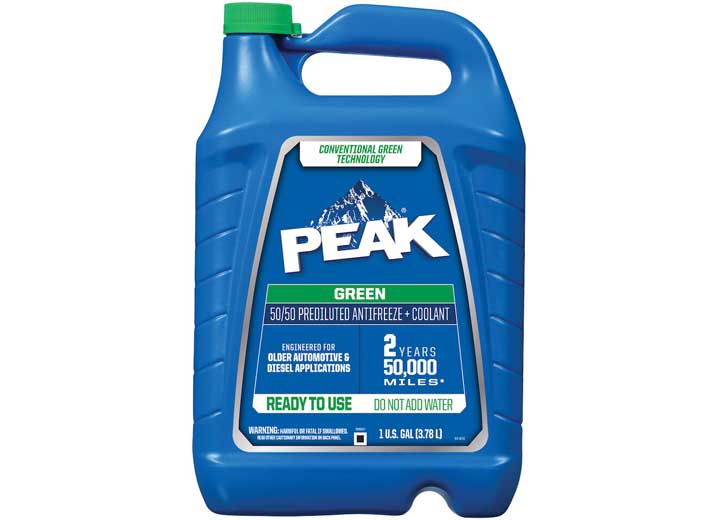
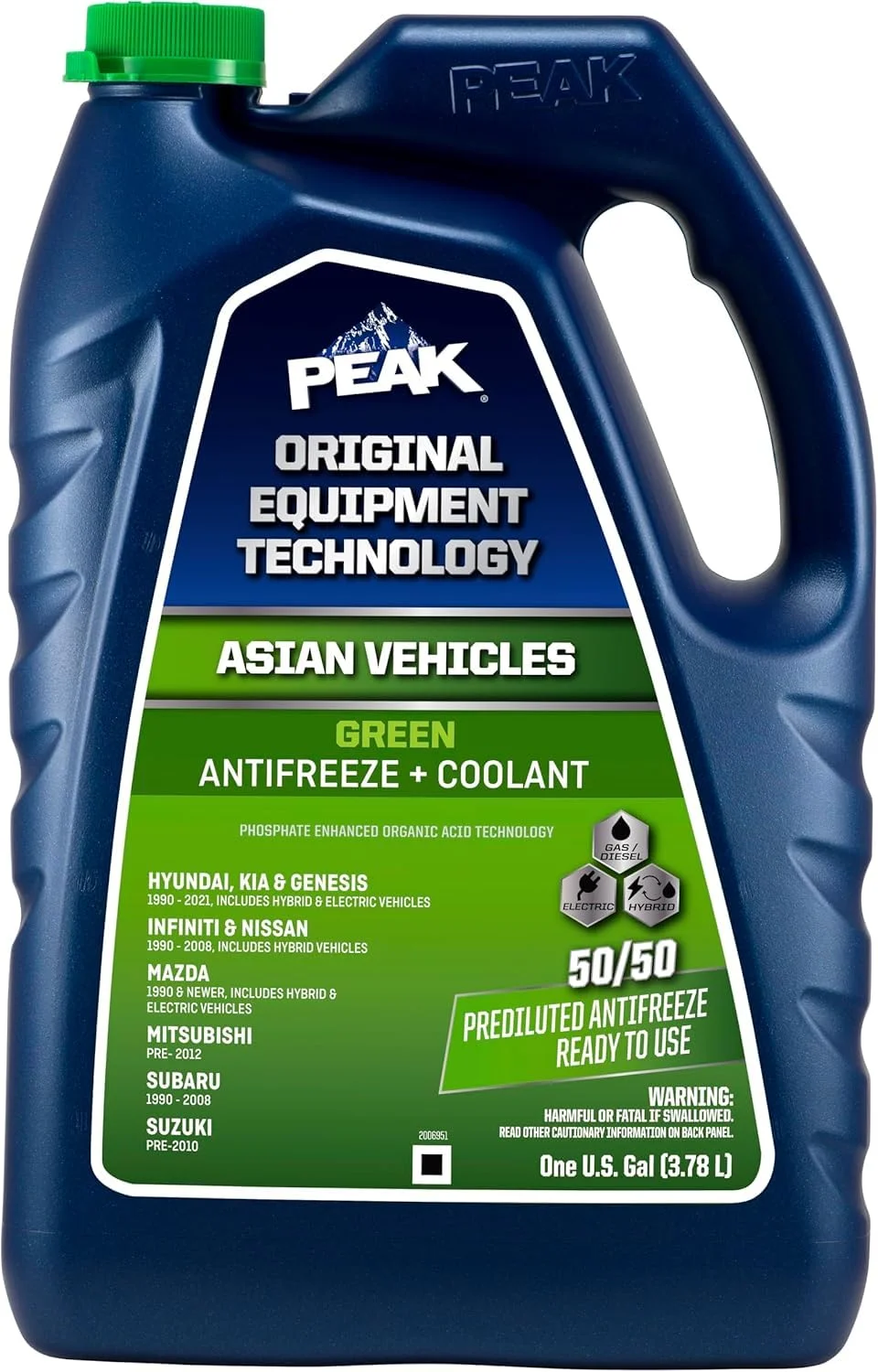
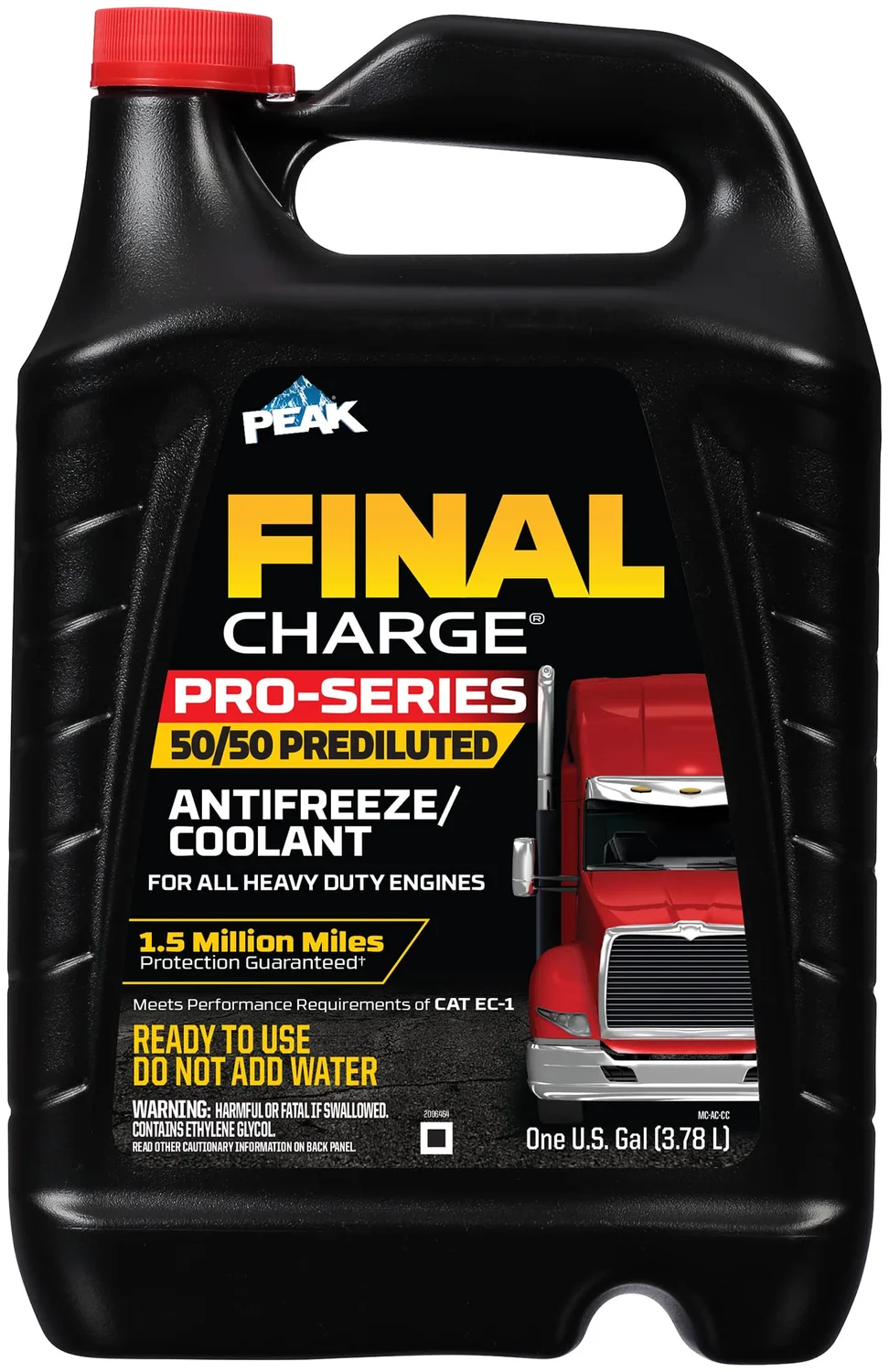
We carry Peak green coolant, including Peak Ready To Use 50/50 Antifreeze Coolant in green, Peak Conventional 50/50, Peak Global Lifetime full strength and Peak OEM Asian green and Final Charge extended life. Antifreeze and coolant are the same thing: a glycol-based fluid that keeps your engine from freezing in winter, raises the boiling point in summer and protects the cooling system from corrosion.
This page lists the coolant and antifreeze we carry from Peak, Zerex, Prime Guard, Be Cool, Evans, VP, Star Brite and Red Line. Below is how the main antifreeze types (IAT, OAT and HOAT) differ, when to buy 50/50 vs concentrate, and what waterless coolants and additives do. The short version: use the coolant type your vehicle maker specifies.
Antifreeze types: IAT, OAT and HOAT
Coolants are grouped by the corrosion inhibitors they use. Most are ethylene glycol based. The inhibitor package is what matters for compatibility, and it differs between brands and vehicle makers.
| Type | What it is | Typical use |
|---|---|---|
| IAT (inorganic additive technology) | Traditional coolant with silicates and phosphates. Shorter service life. | Many older vehicles, often green |
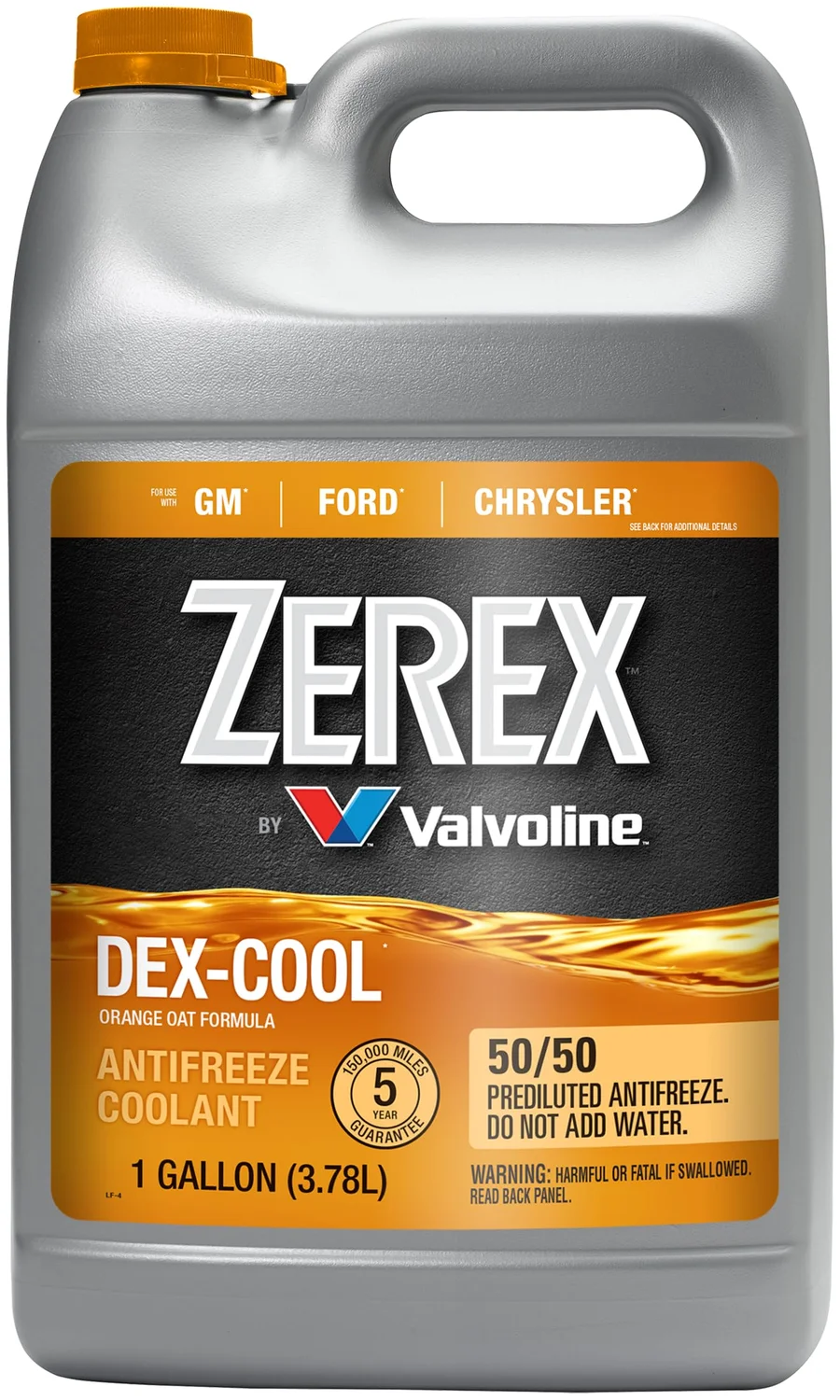
| OAT (organic acid technology) | Extended life coolant with organic acid inhibitors. DEX-COOL is a well-known example. | Many GM and other late-model vehicles |
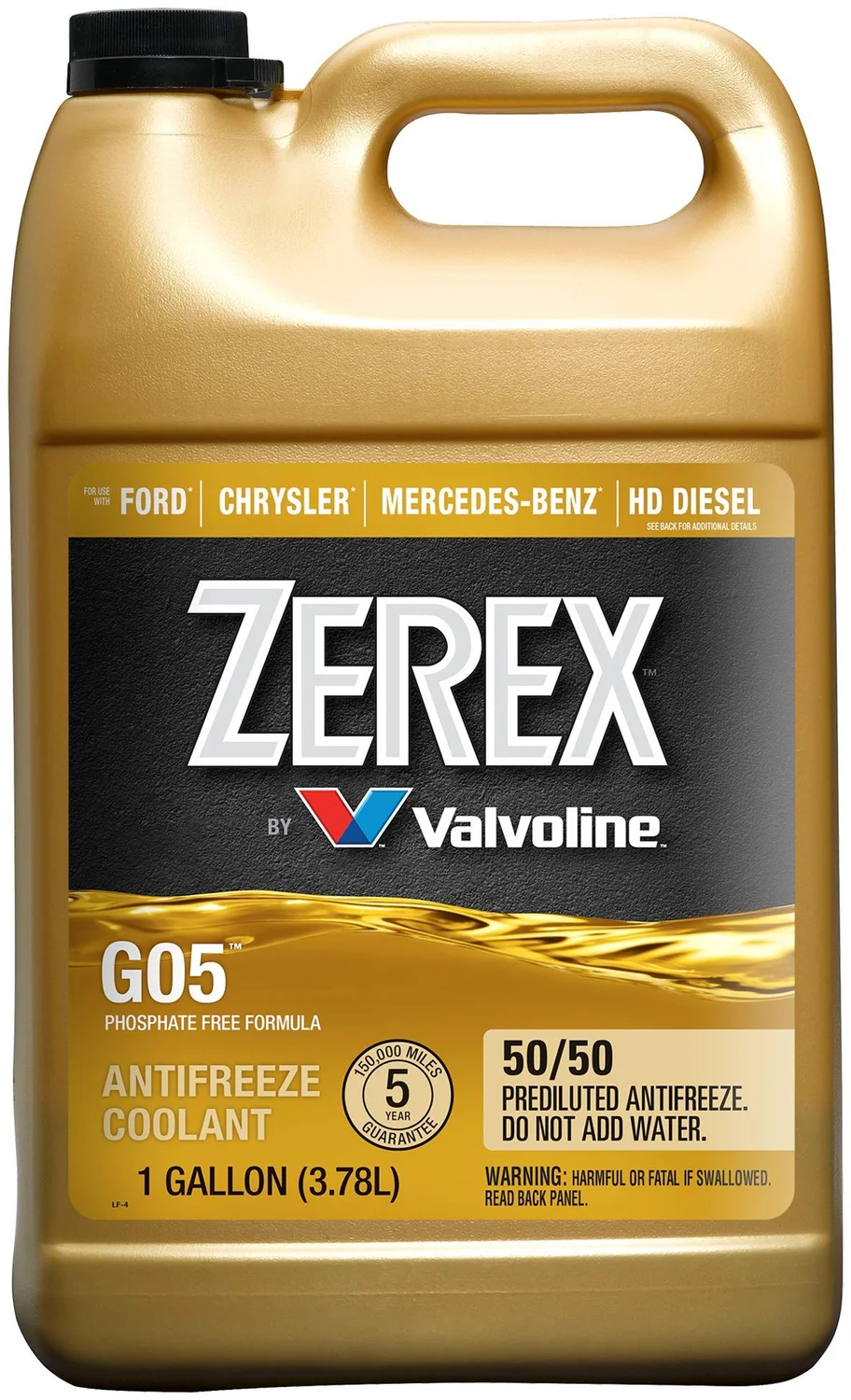
| HOAT (hybrid organic acid technology) | Organic acids plus some silicate or phosphate. Zerex G-05 is a common example. | Many Ford, Chrysler and European vehicles |
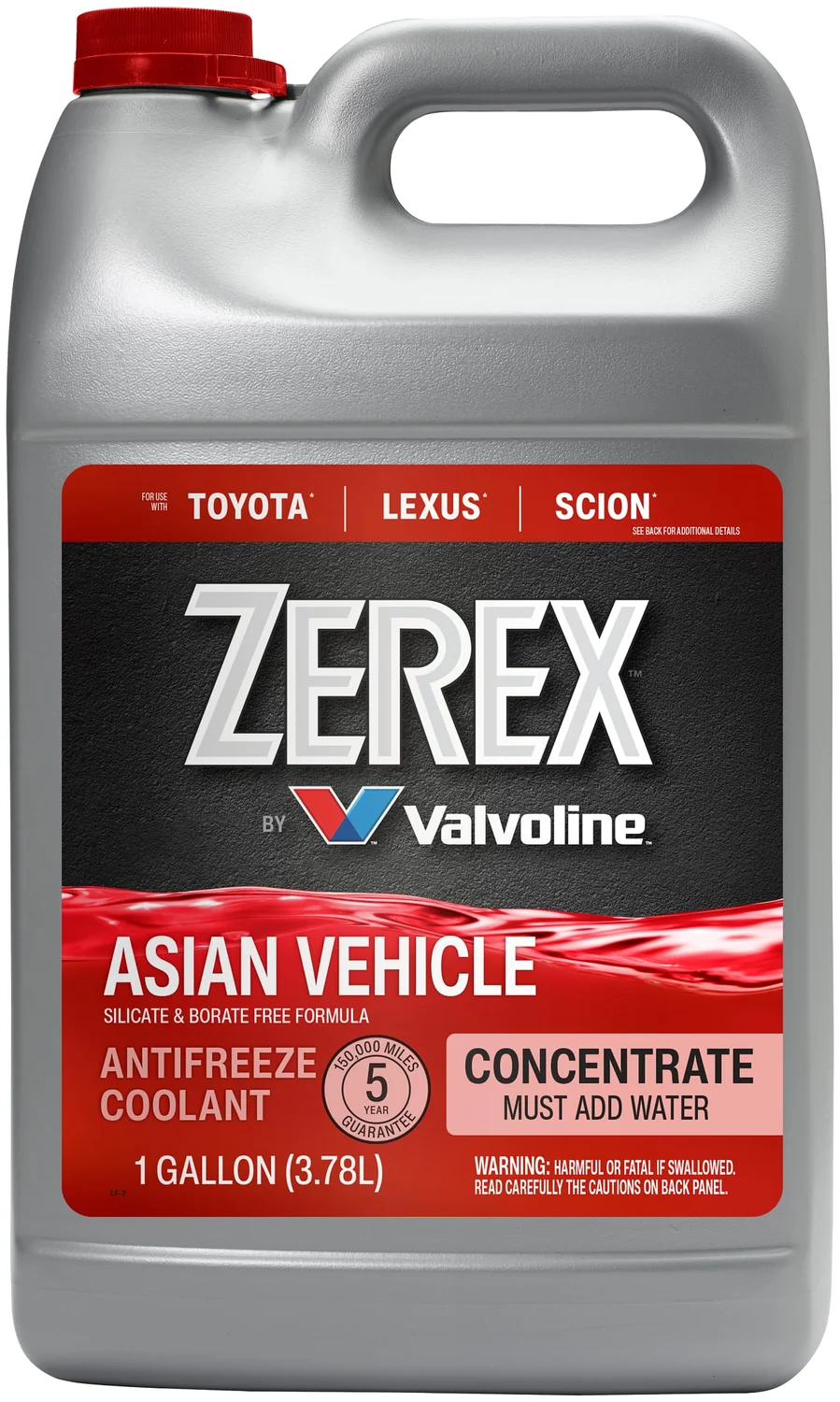
| Asian vehicle (phosphate) formulas | Extended life coolants made to match the specs used by many Japanese and Korean makers. | Toyota, Honda, Nissan, Hyundai, Kia and similar |
These are general patterns, not rules. Specs change by model year, so check your owner's manual or the label on the coolant reservoir. Do not mix coolant types without checking that they are compatible. Some combinations can shorten inhibitor life or cause deposits. If you are switching types, a full drain and flush is the safest path.
Does coolant color matter?
Color helps you tell coolants apart on the shelf, but it is not a reliable way to identify the chemistry. Green was traditionally IAT, orange was DEX-COOL and pink or red often meant an Asian formula, but today there are green extended life coolants (such as Peak OEM Asian Green and Zerex Asian Vehicle Green), red and blue Asian formulas, and gold universal coolants like Prime Guard Universal Gold. Read the label for the spec it meets, not the dye.
Universal or all-makes coolants, such as Peak Global Lifetime, are marketed as compatible with most vehicles. They can be a practical top-off choice, but when a vehicle maker calls for a specific spec, matching that spec is the safest choice.
50/50 vs concentrate
- Ready-to-use 50/50 (also called prediluted or premixed) is already blended with water. Pour it straight in. It is the easy choice for topping off and for small systems. Peak 50/50, Zerex G-05 and DEX-COOL Ready-To-Use and Be Cool pre-mixed are examples.
- Concentrate (full strength) must be mixed with water before use, usually 50/50 with distilled water. It costs less per gallon of finished coolant and lets you adjust the mix for colder climates. Zerex Asian Vehicle concentrate, Peak Global Lifetime full strength and Prime Guard concentrate are examples.
A 50/50 mix is the common standard and typically protects to well below zero. Running straight concentrate is not better. Many coolant makers suggest staying at or under about 70 percent coolant, since too much glycol can reduce heat transfer and freeze protection. Use distilled water rather than tap water to limit minerals. A coolant hydrometer or test strips tell you where your mix stands.
Waterless coolant and coolant additives
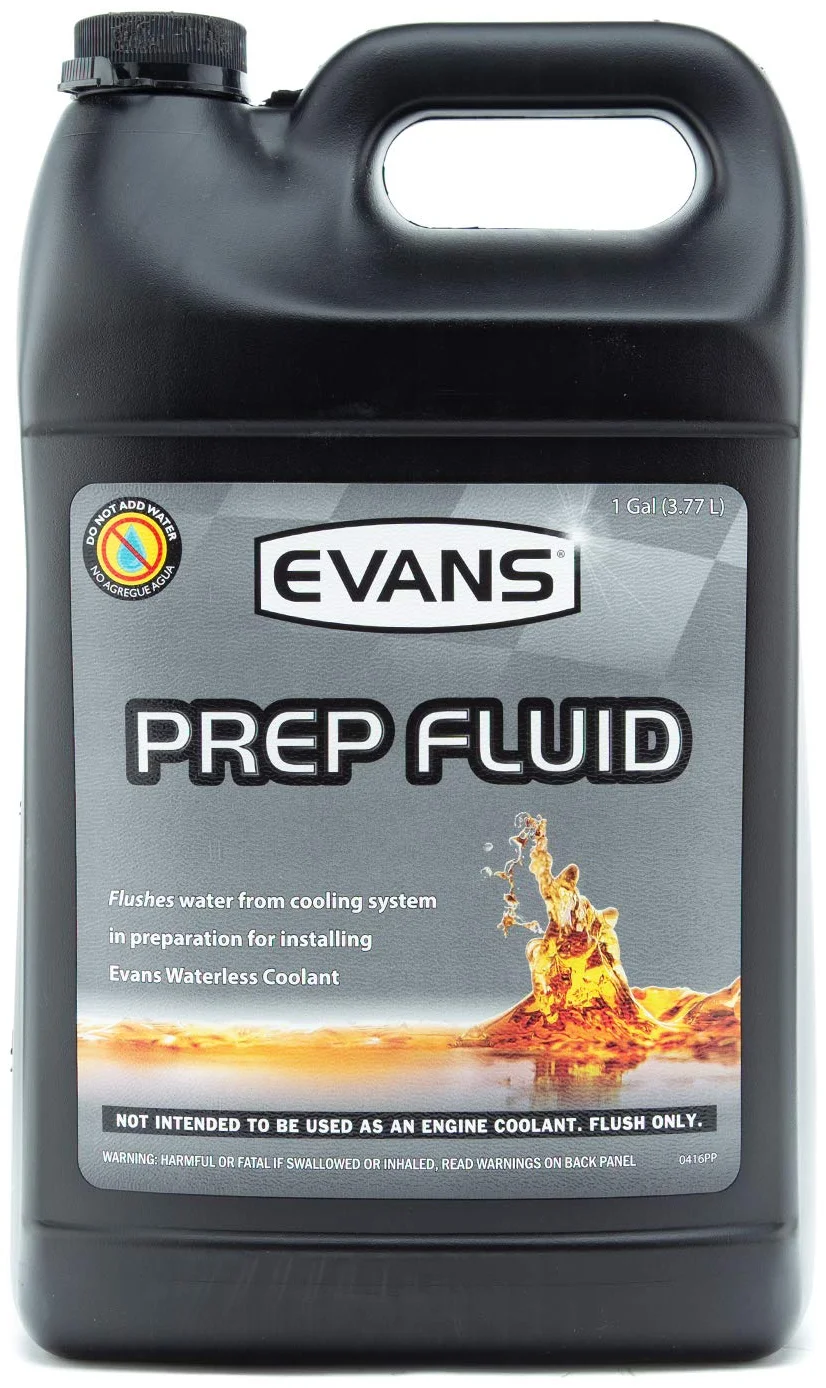
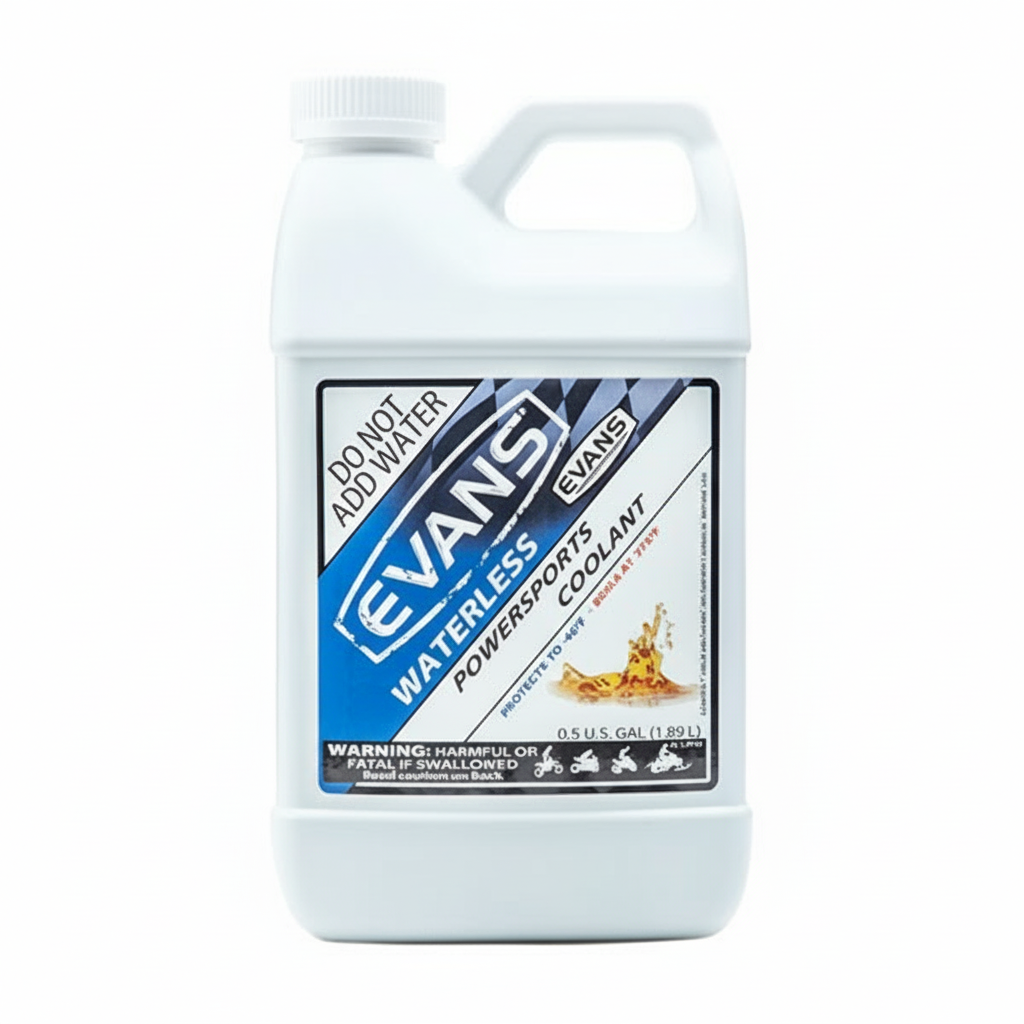
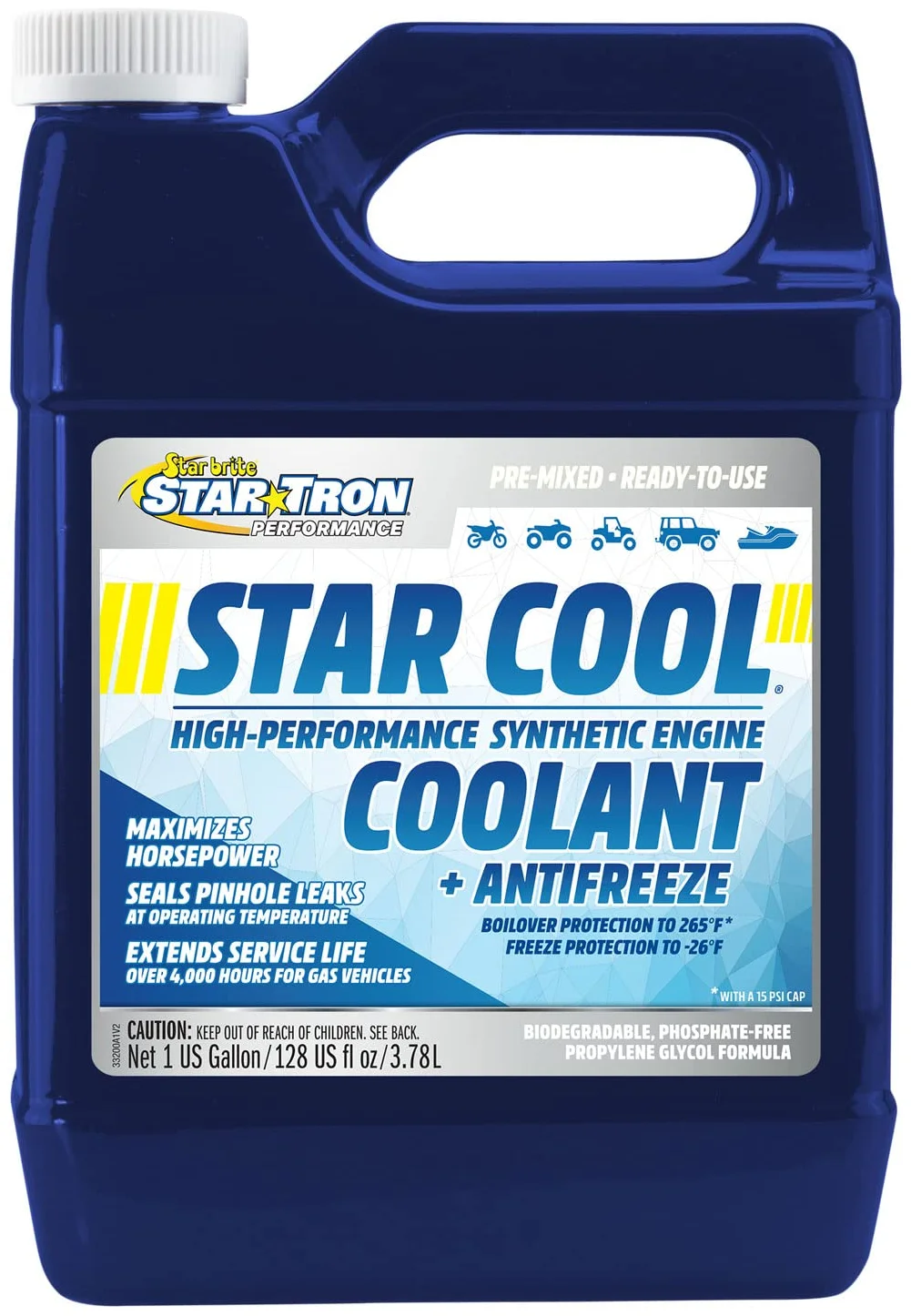
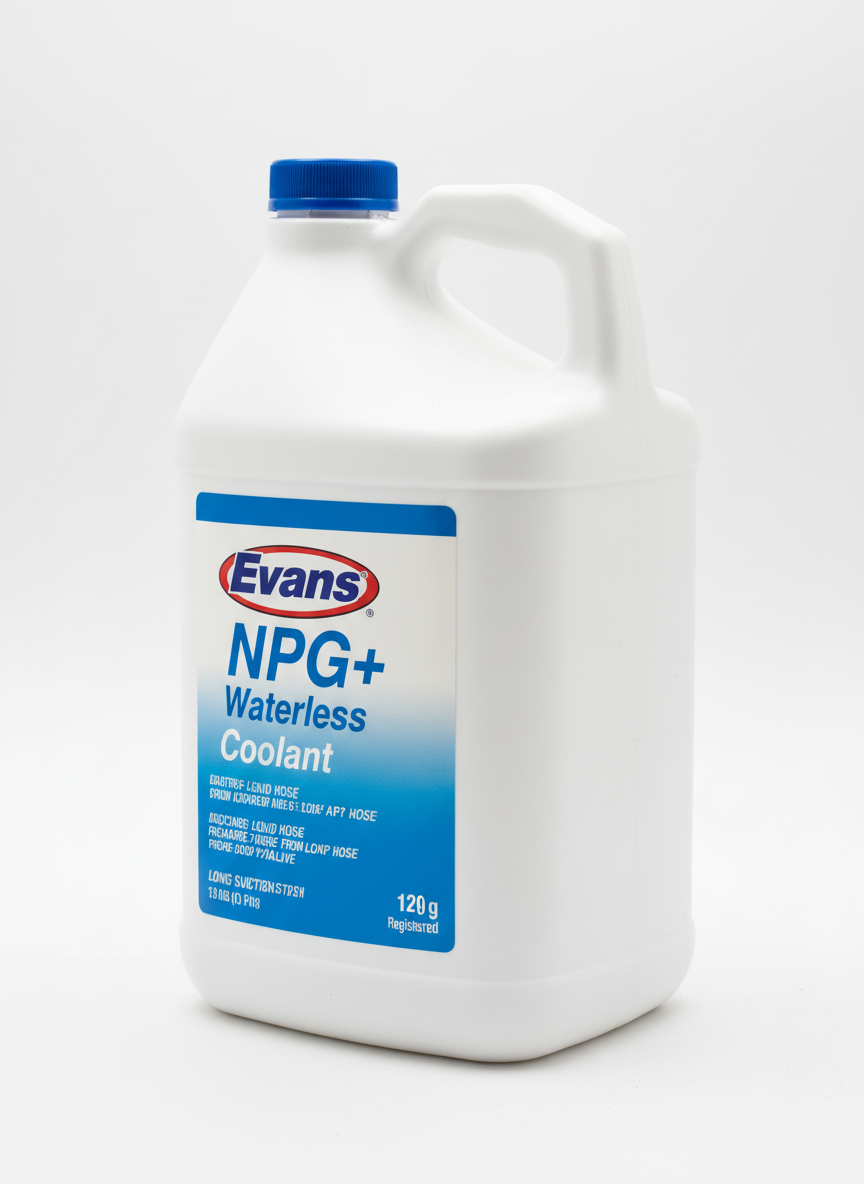
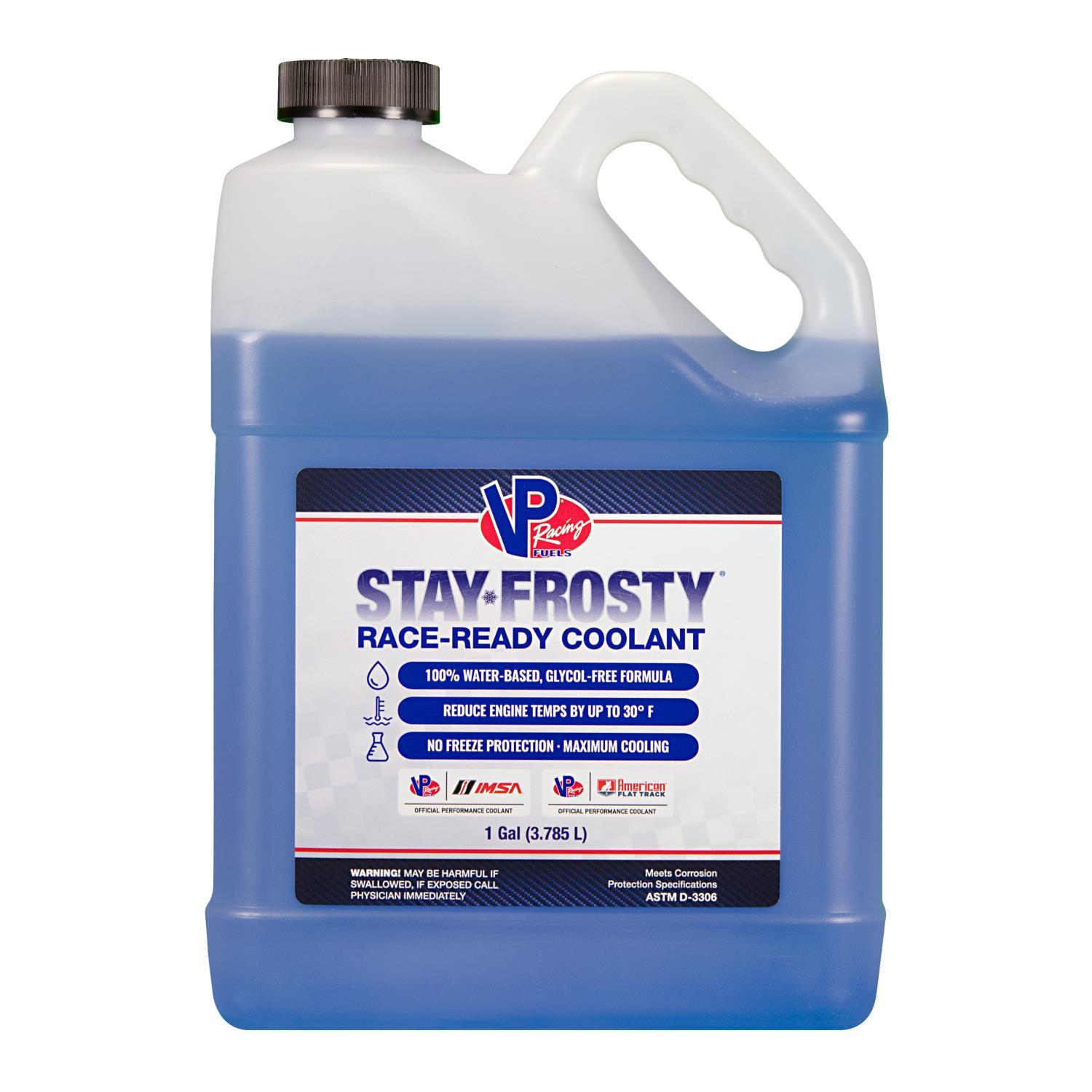
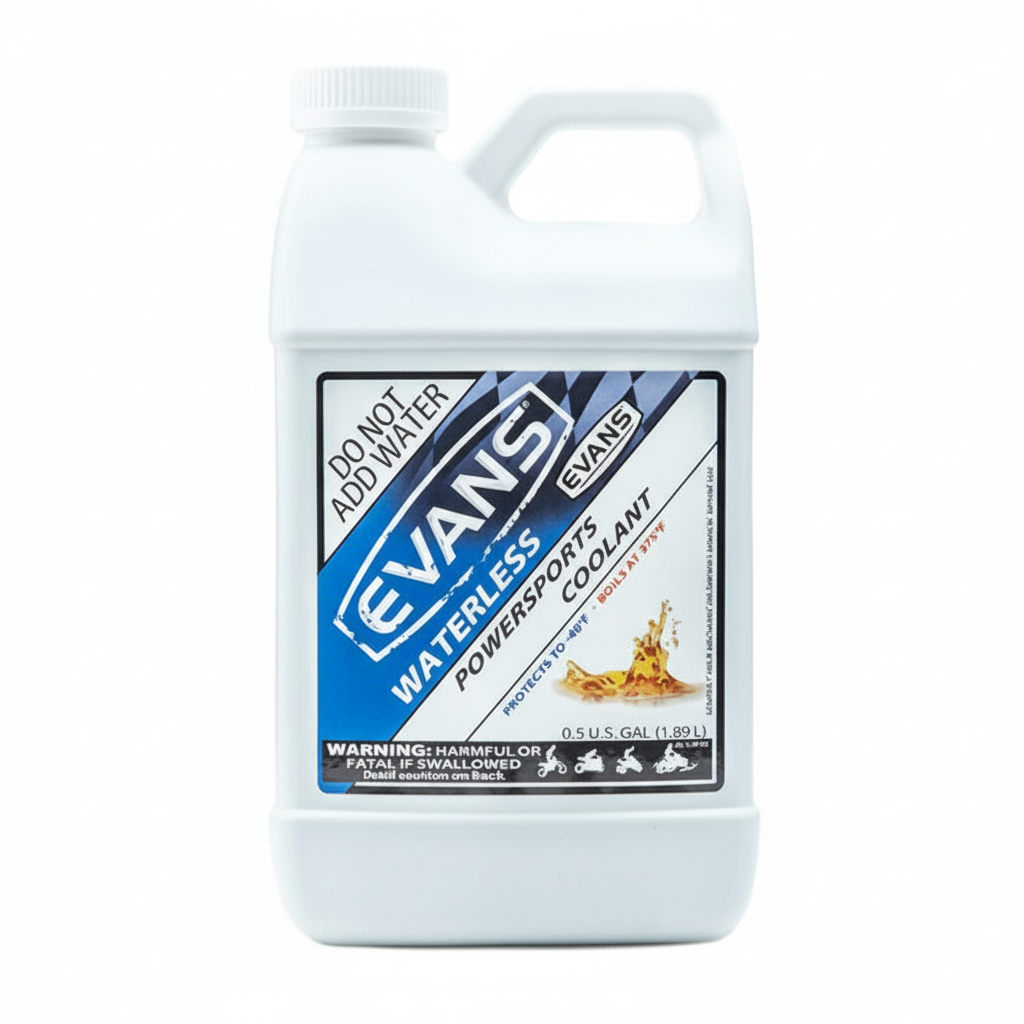
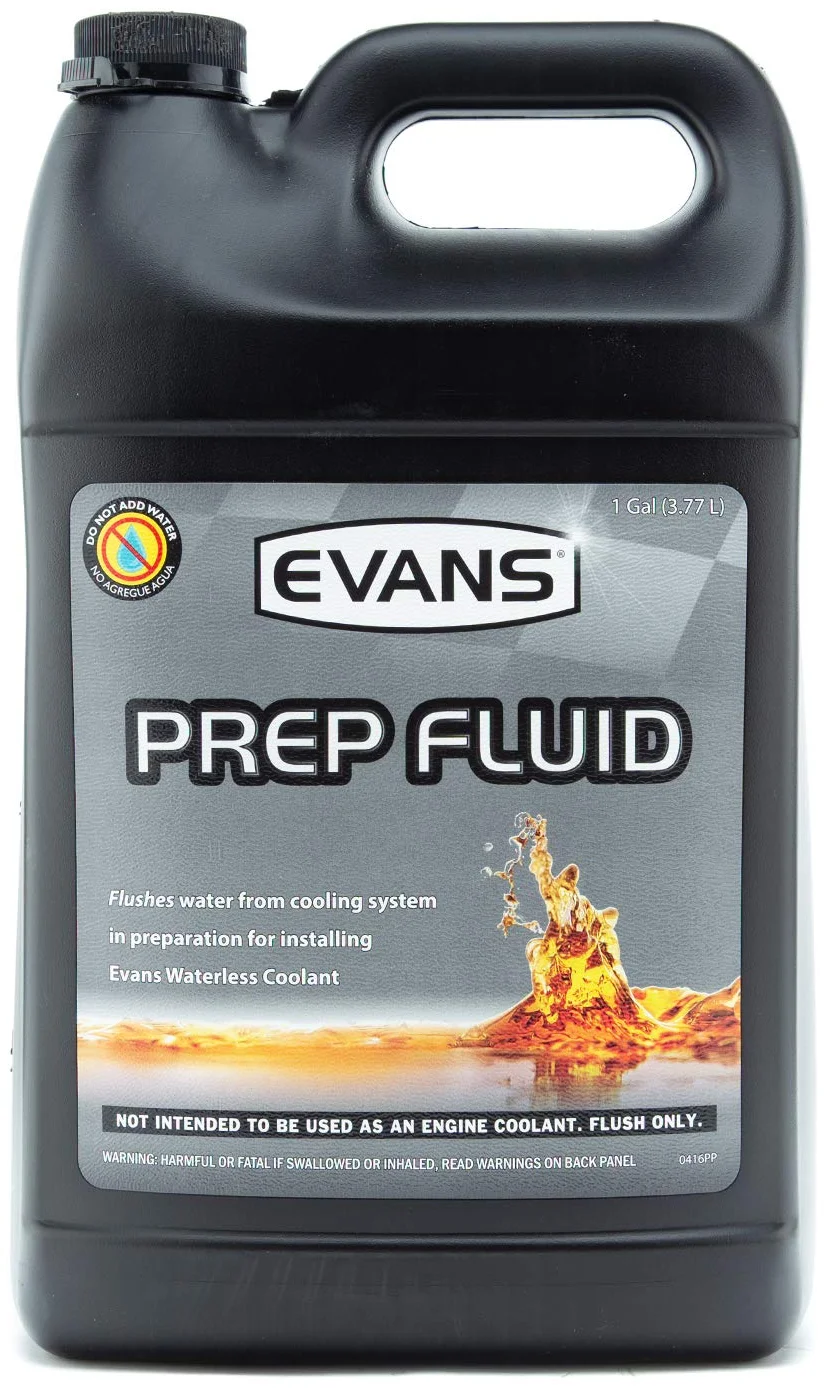
Evans waterless coolant is used without water. It is meant to resist boiling at normal operating temperatures, which is why it is popular in classics, powersports and performance builds. It should not be mixed with water or regular coolant, so Evans sells a Prep Fluid to remove water from the system first. VP Stay Frosty race coolant and Star Brite Star Cool propylene glycol coolant are other specialty options. Many race tracks do not allow glycol coolant, so check track rules.
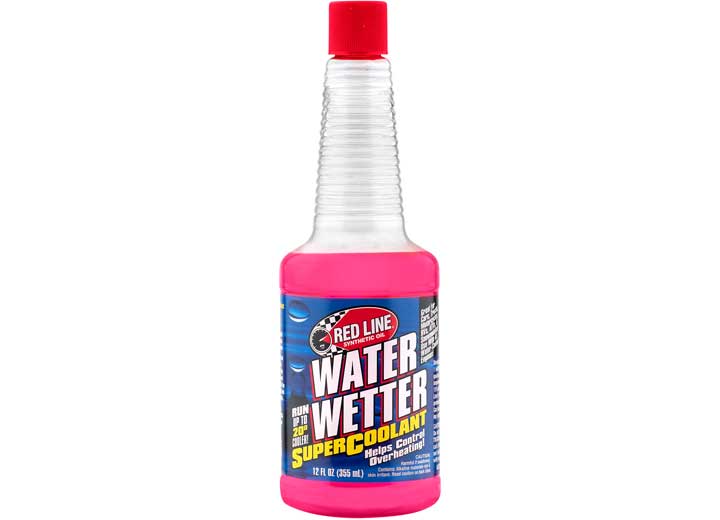
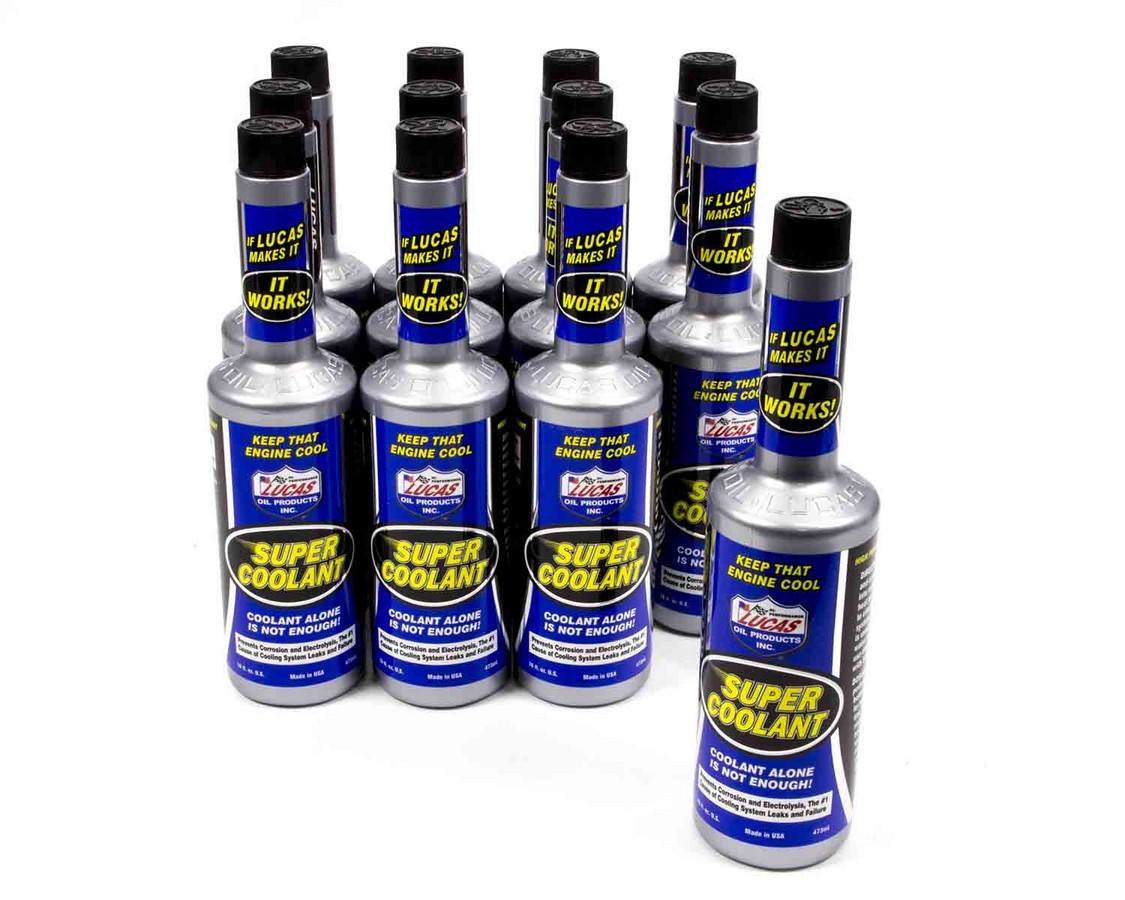
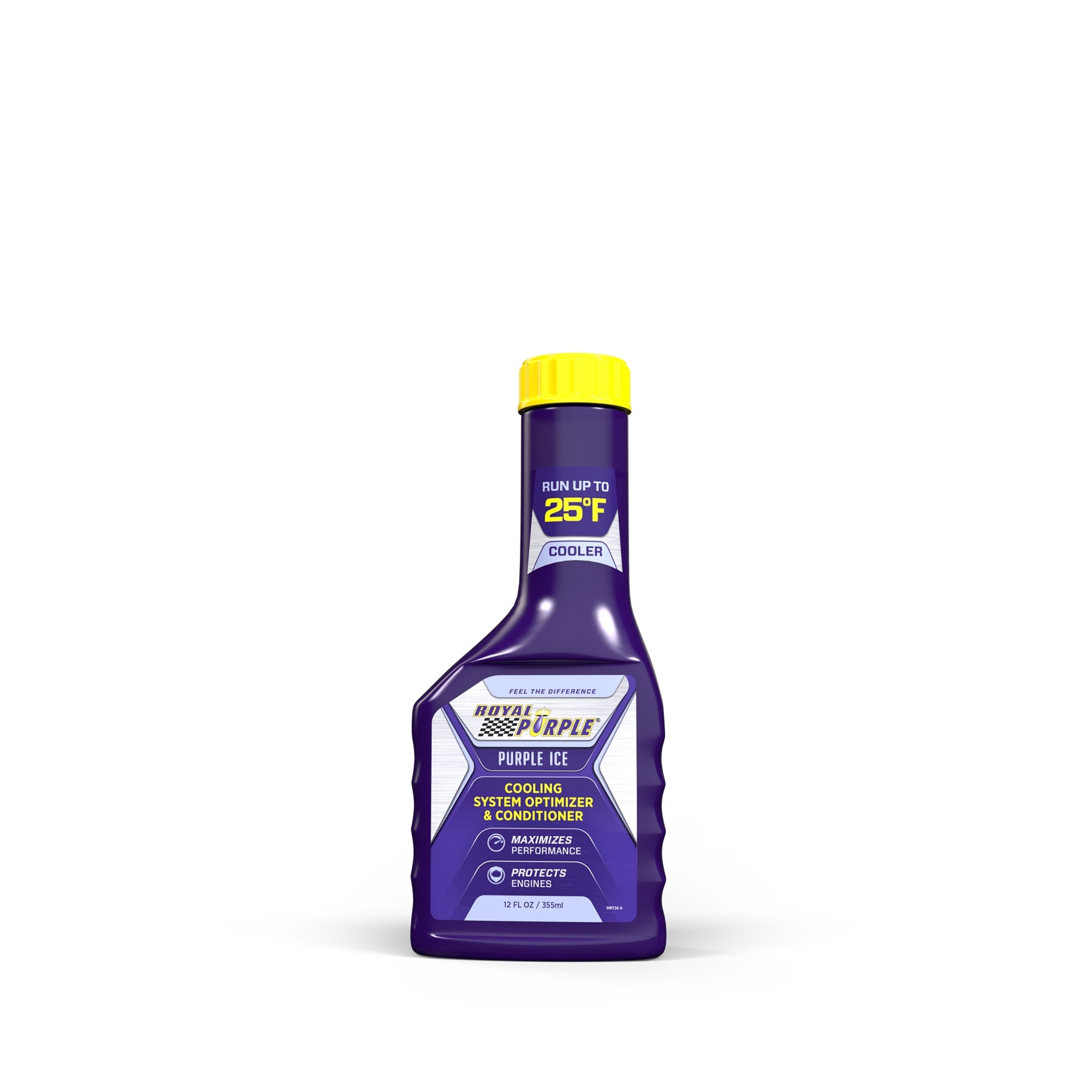
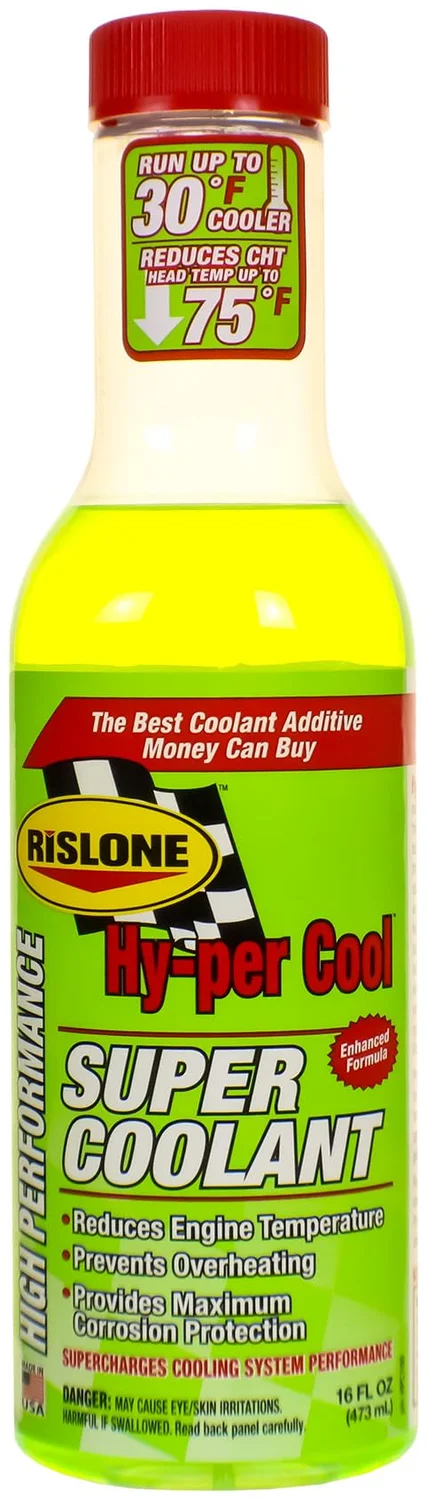
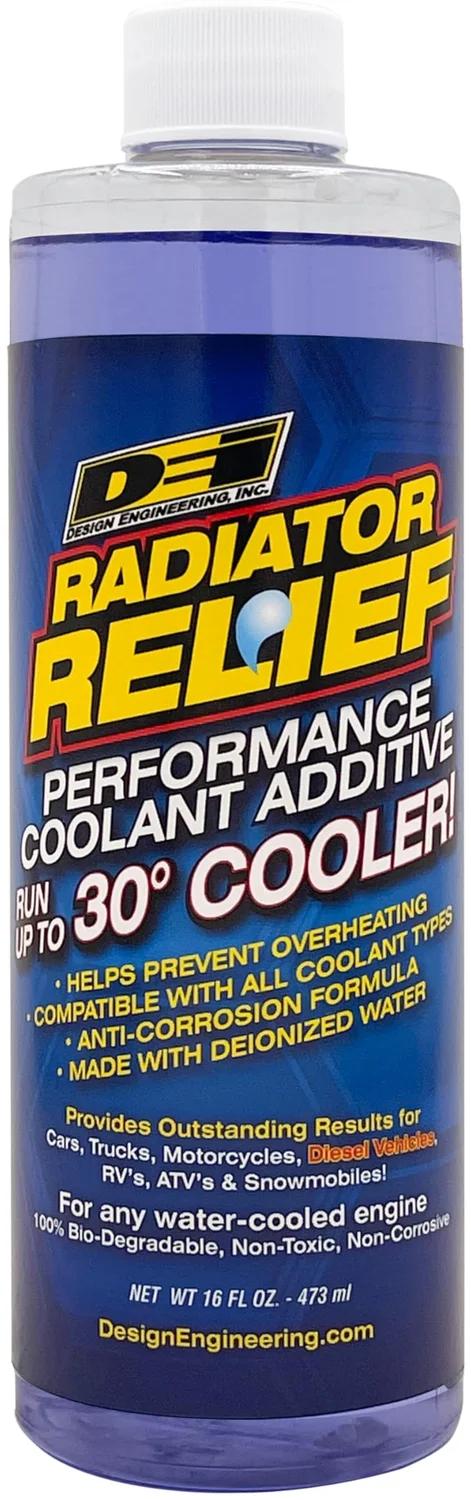
Additives such as Red Line Water Wetter, Royal Purple Purple Ice and Hyper Lube Super Coolant are mixed into the cooling system to help heat transfer or add corrosion protection. They are not a substitute for antifreeze in freezing weather. For other fluids, see our guides to gear oil and transmission additives, and our article on when to change brake fluid.